The best part might not be on the itinerary.
What if you planned for fewer places, and more time in each one?
The Nobu field notes
Perspectives, small discoveries and the things that stay with you.
The art of slowing down
What if you planned for fewer places, and more time in each one?
Read the field noteWhat if you planned for fewer places, and more time in each one?
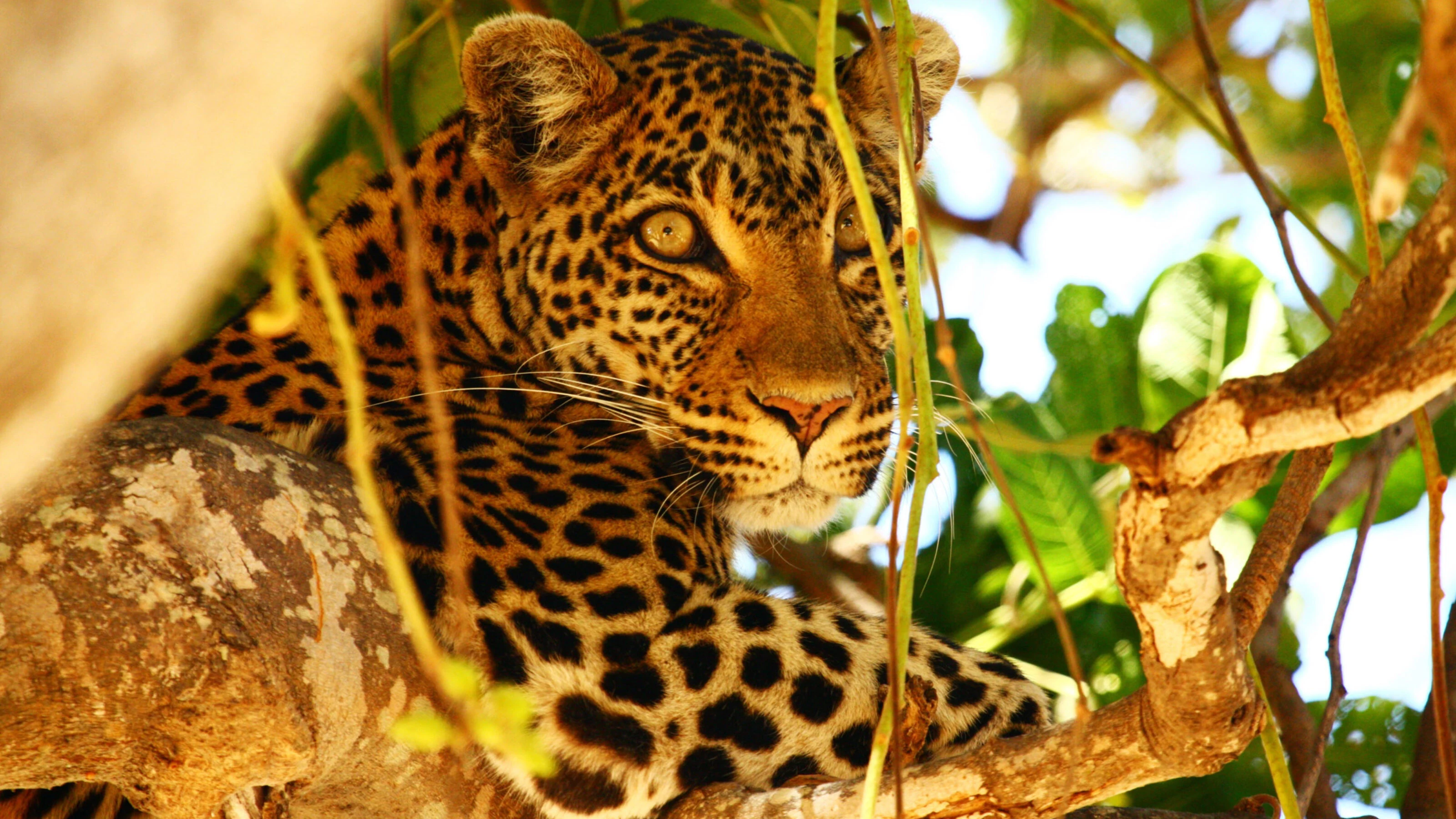
You do not need to have the whole trip worked out before you talk to a safari planner.
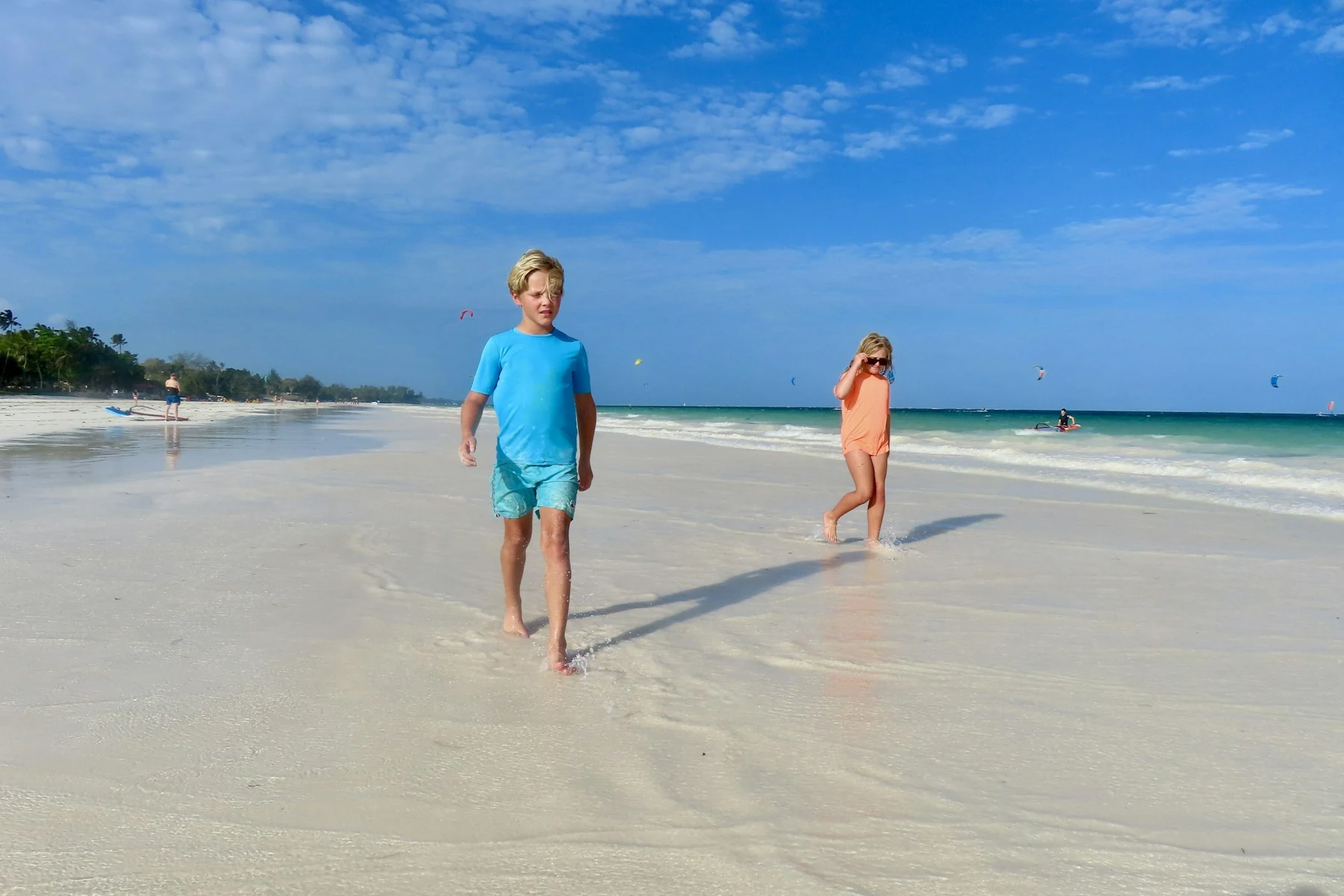
Some trips need a second rhythm. A coastal chapter can be the space between an adventure and going home.
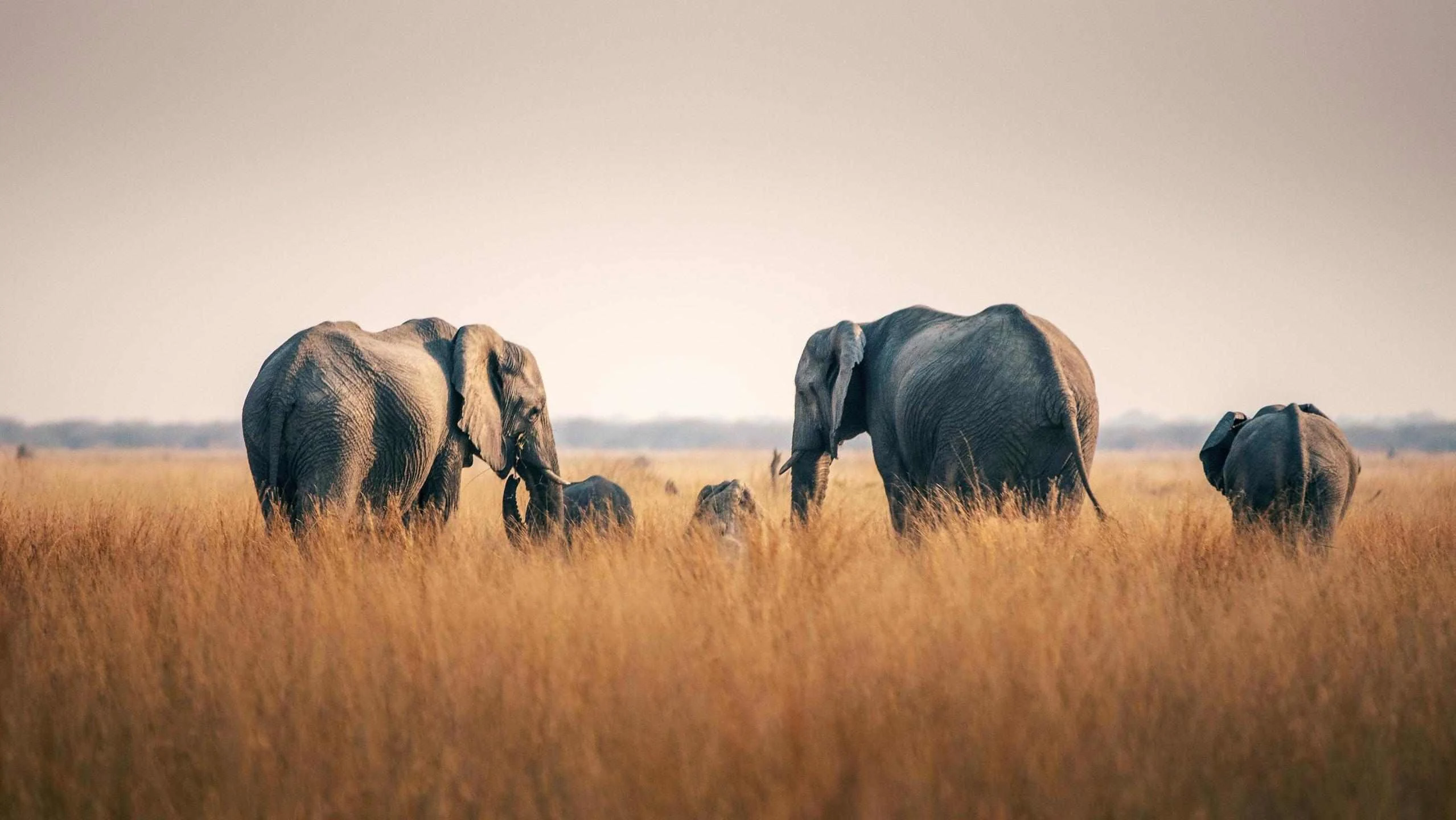
The better fit is not automatically the more expensive choice. It is the one whose rhythm works for you.
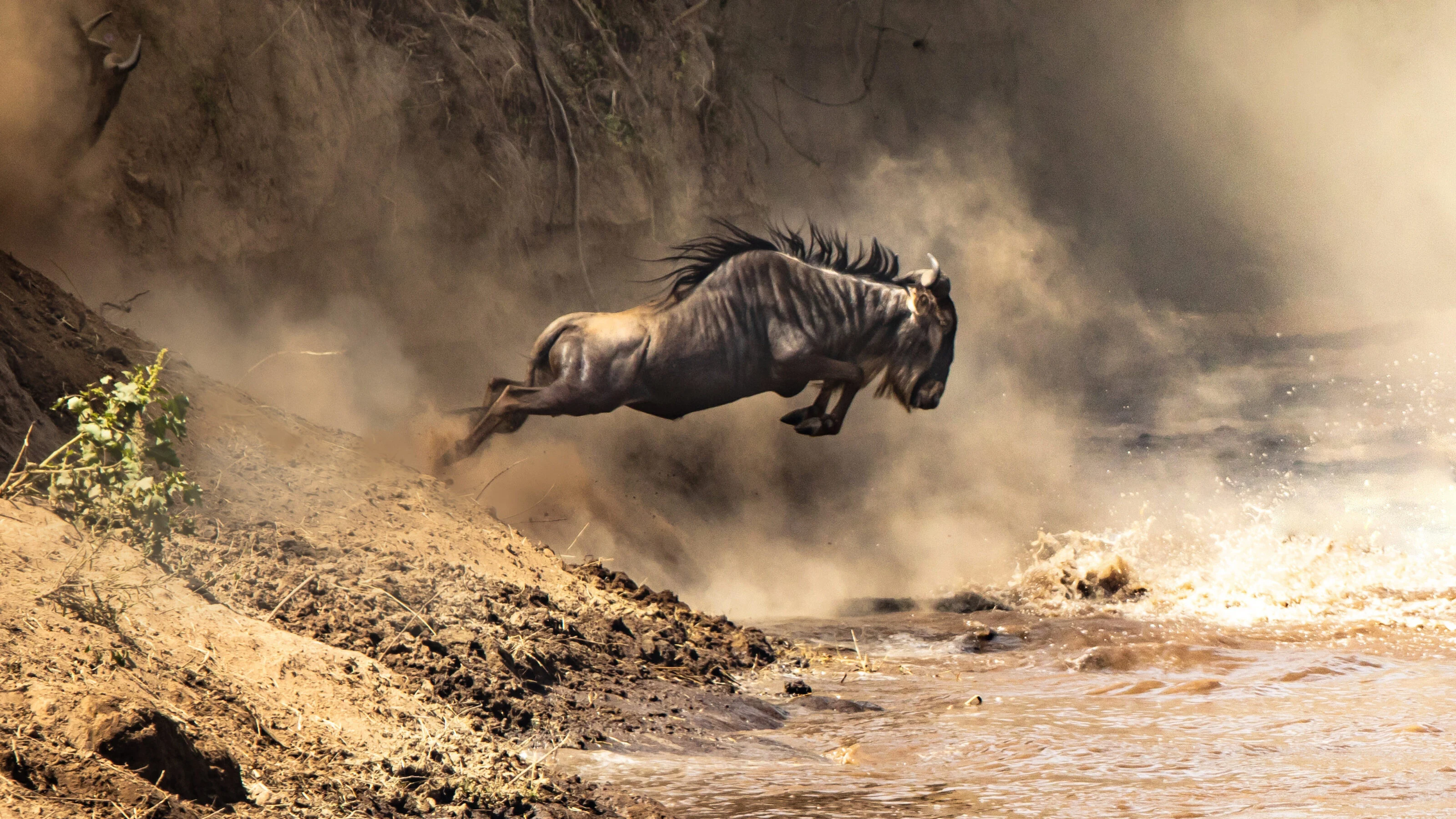
A meaningful encounter is not something a traveller is entitled to collect. It begins with a willing host and a little attention.
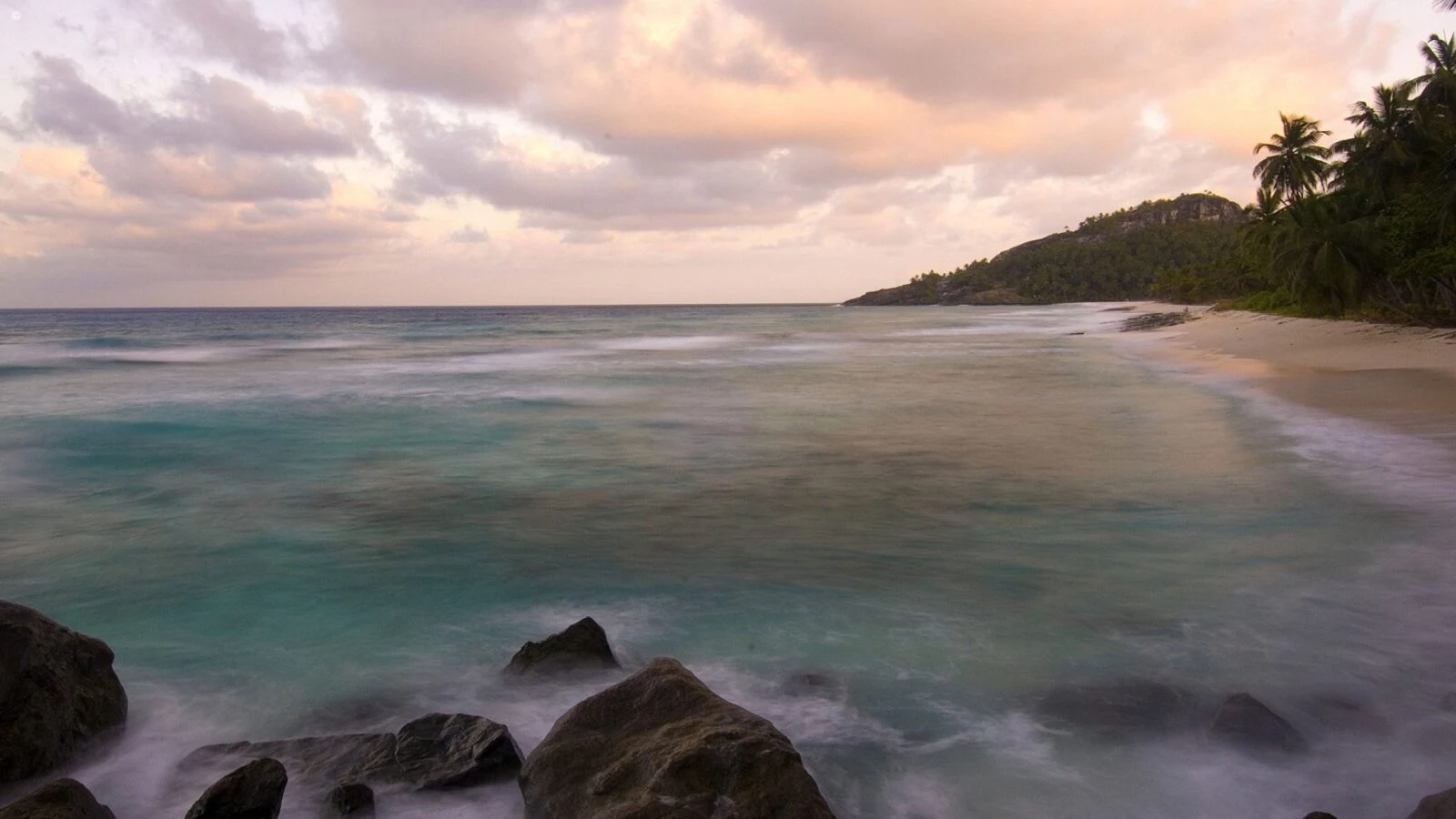
Yes in parts: wheelchair accessible Zanzibar works best with a modern resort that has level paths, a lift and an adapted room.
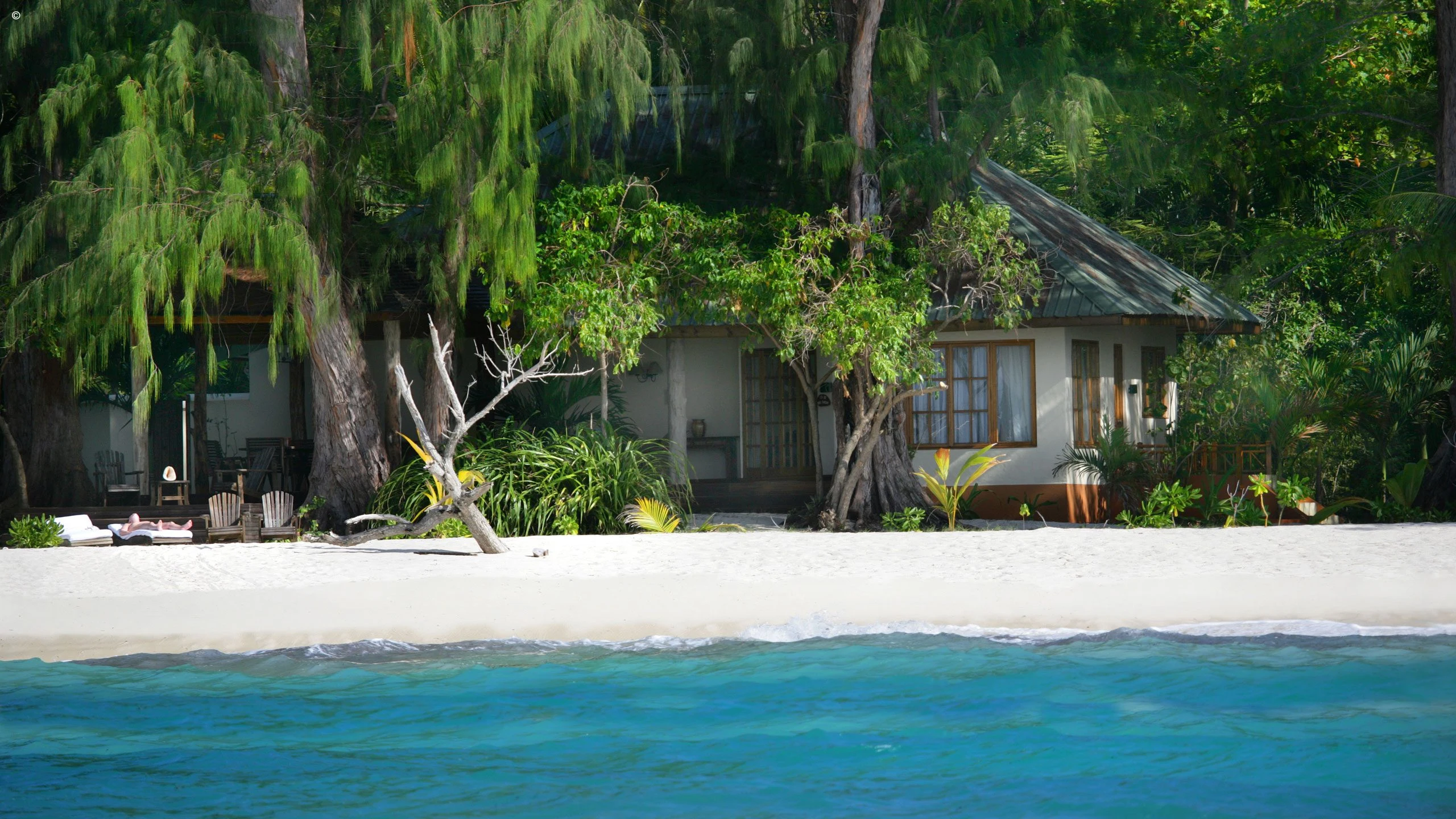
An affordable Zanzibar holiday starts with a small guesthouse or bungalow and spends on the comforts you will use every day, such as a good bed, the right cooling and a base near where you want to eat.
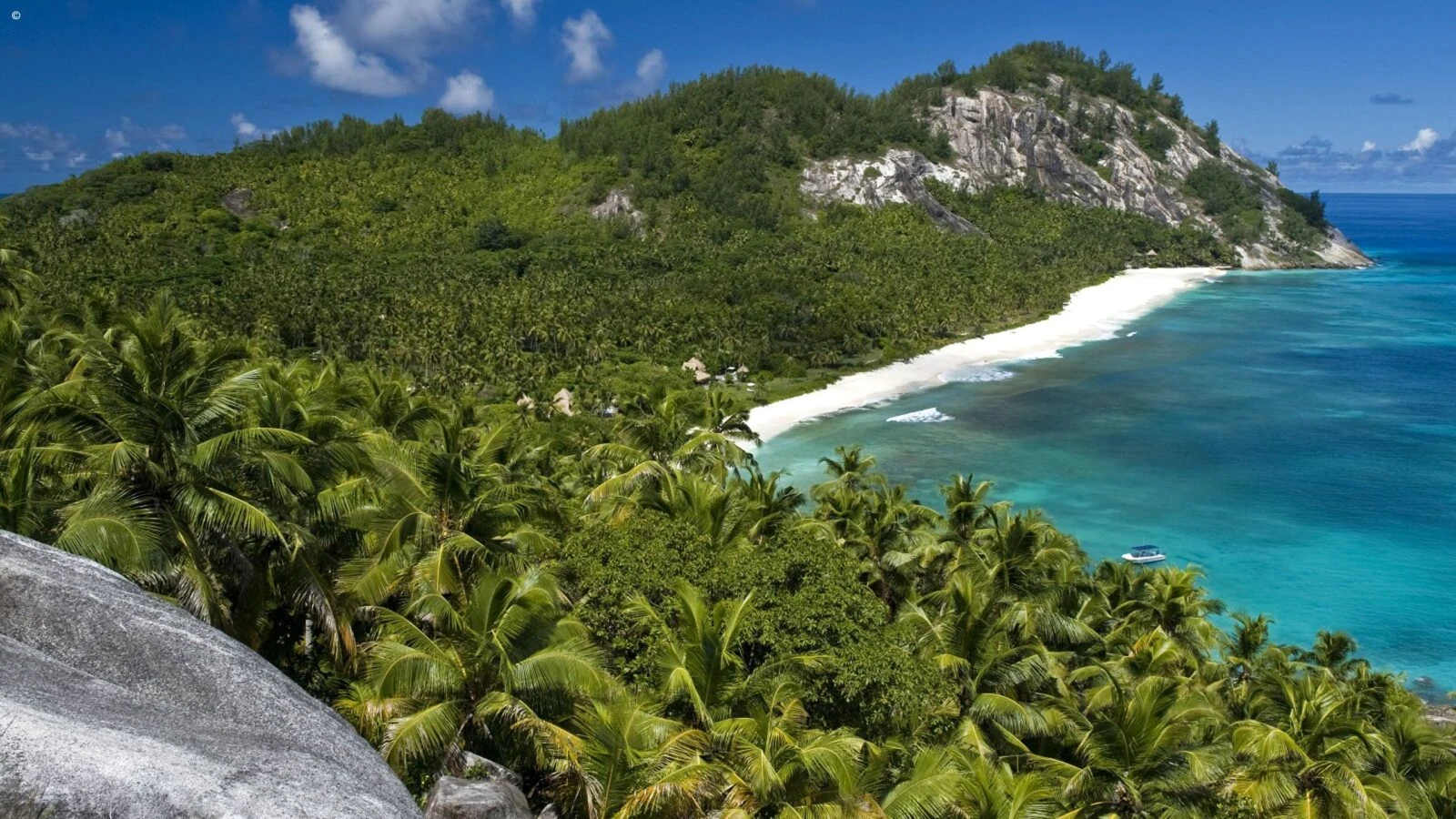
Chumbe Island is a small private coral park off Zanzibar's west coast, 30 to 45 minutes by boat from Stone Town, where non-divers snorkel a shallow reef closed to fishing since 1992.
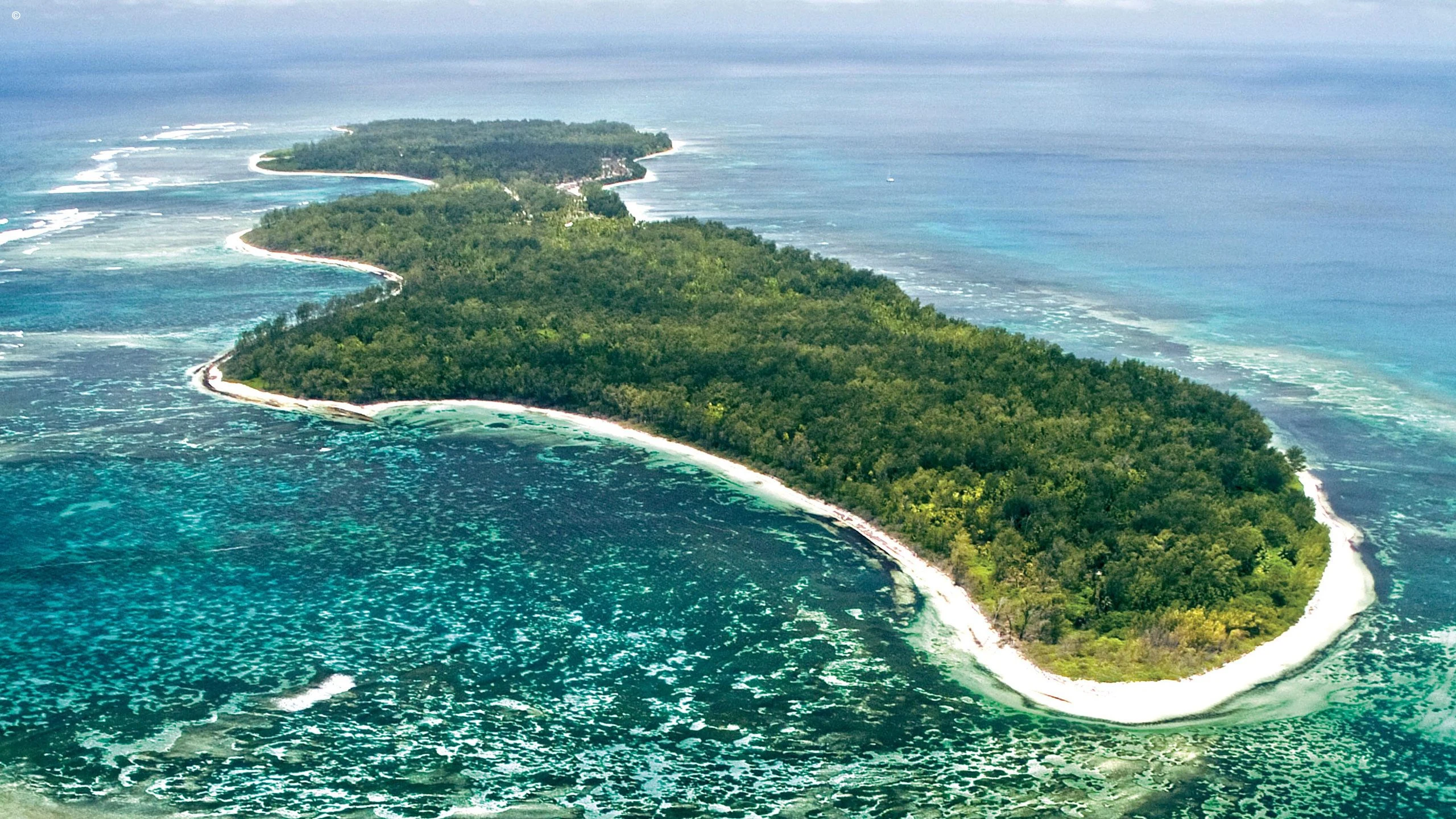
Diving in Zanzibar ranges from gentle 6–30 metre coral slopes at Mnemba Atoll and Tumbatu, where beginners qualify, to the current-swept pinnacle of Leven Bank off Nungwi and the deep walls of Pemba, which ask for advanced certification.
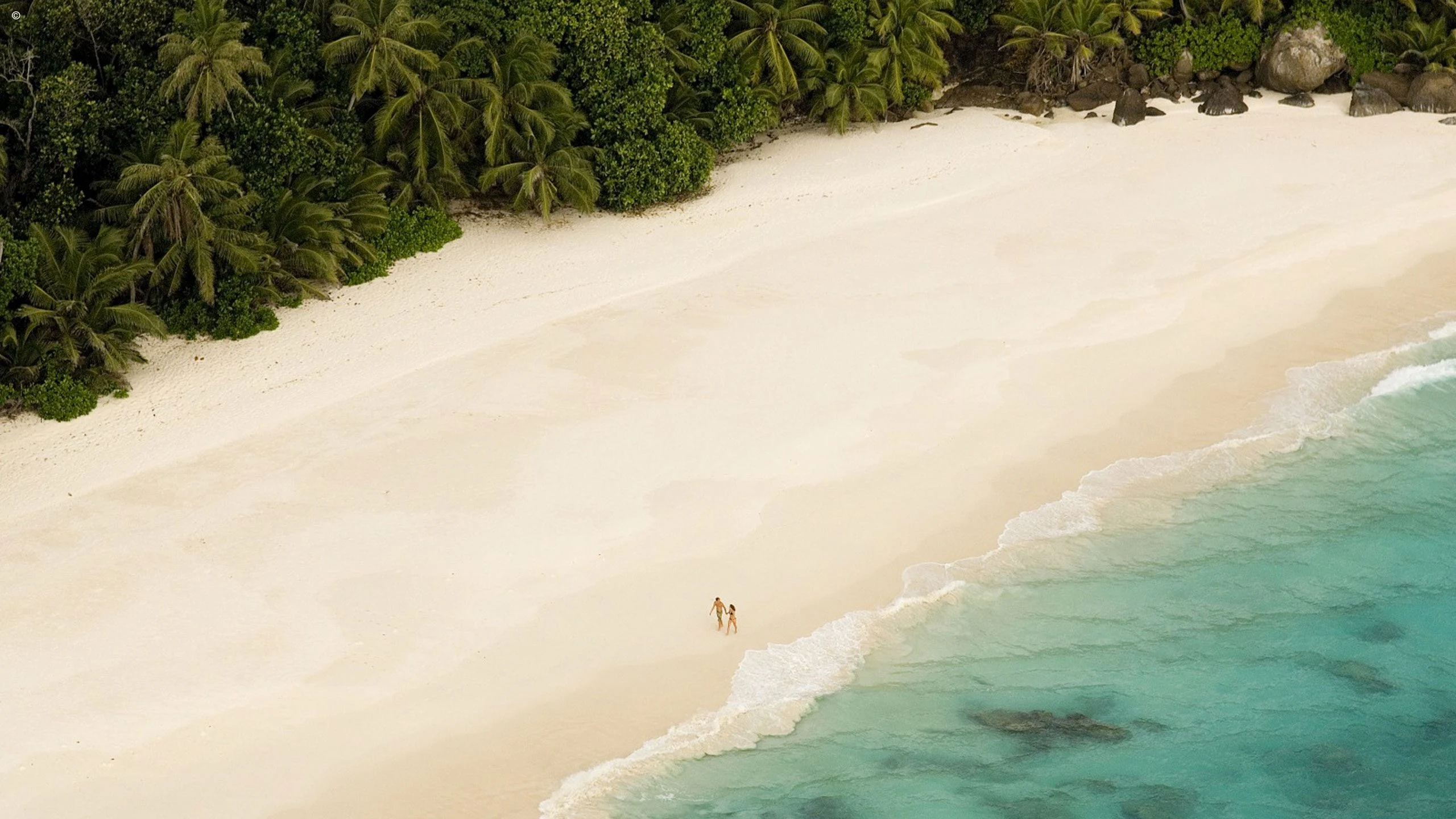
Jozani Forest, in Jozani-Chwaka Bay National Park (Zanzibar's only national park), is the best-known place to watch the endemic Zanzibar red colobus monkey in the wild, entry is by park fee, and a park guide is compulsory for the walk.
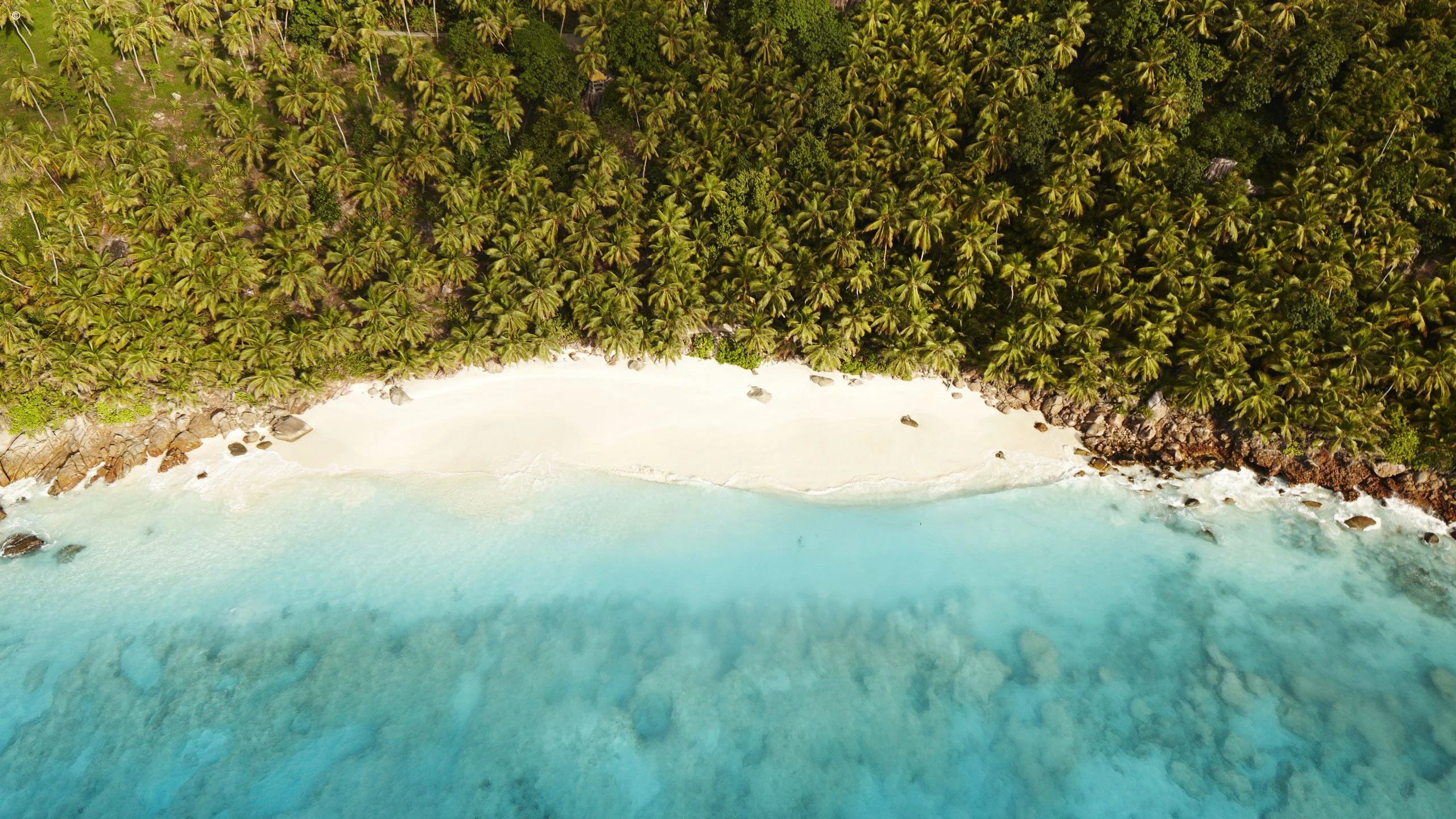
Kitesurfing in Zanzibar means Paje, on the south-east coast, where a shallow reef-sheltered lagoon gives flat water and two wind seasons: the lighter kaskazi, mid-December to February, for learning, and the stronger kusi, June to September,
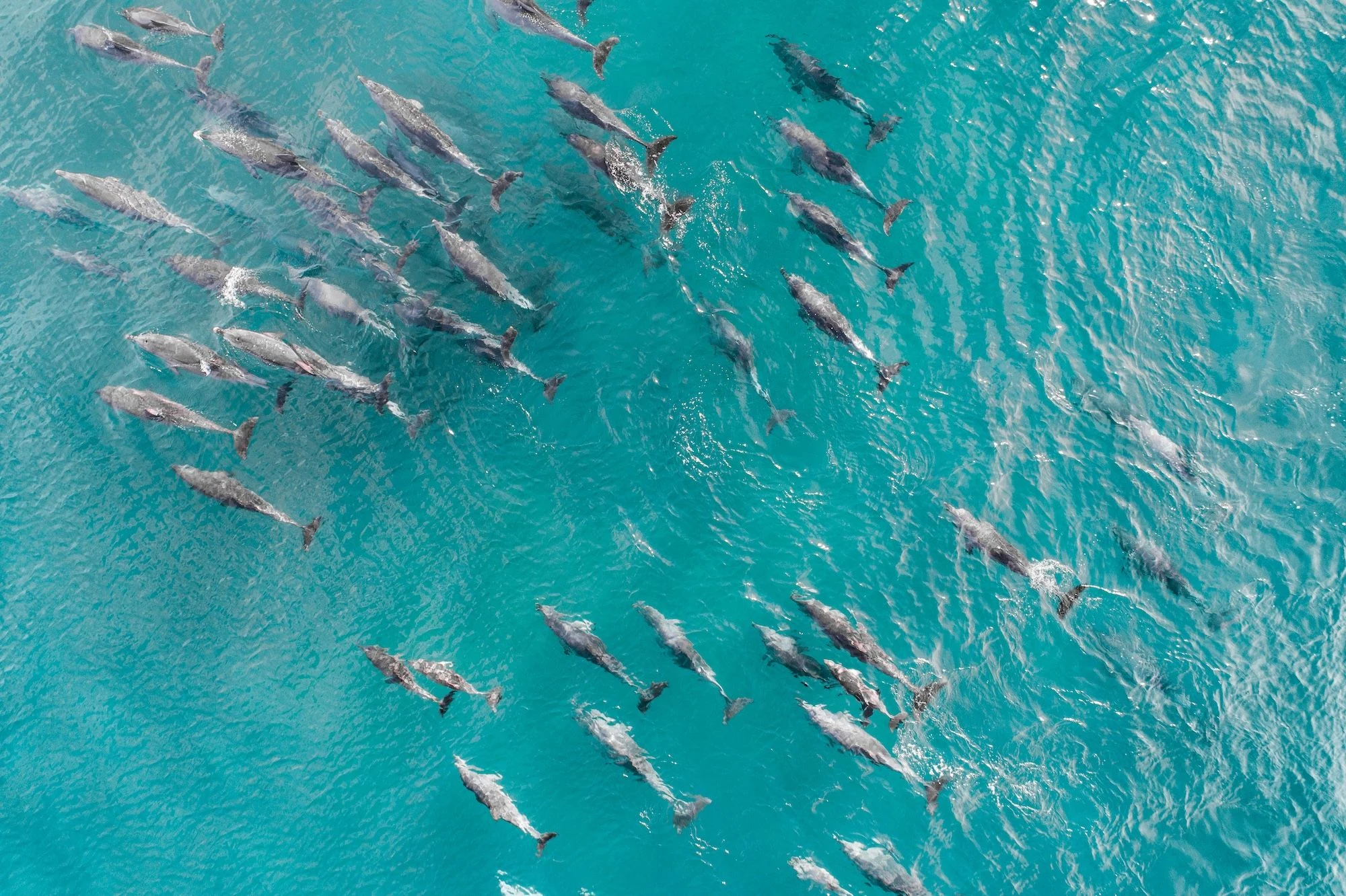
A Kizimkazi dolphin tour is a 2–3 hour boat trip from Zanzibar's southern tip to watch resident bottlenose and Indian Ocean humpback dolphins in the Menai Bay Conservation Area; go between 06:00 and 08:00, before the boats crowd in.
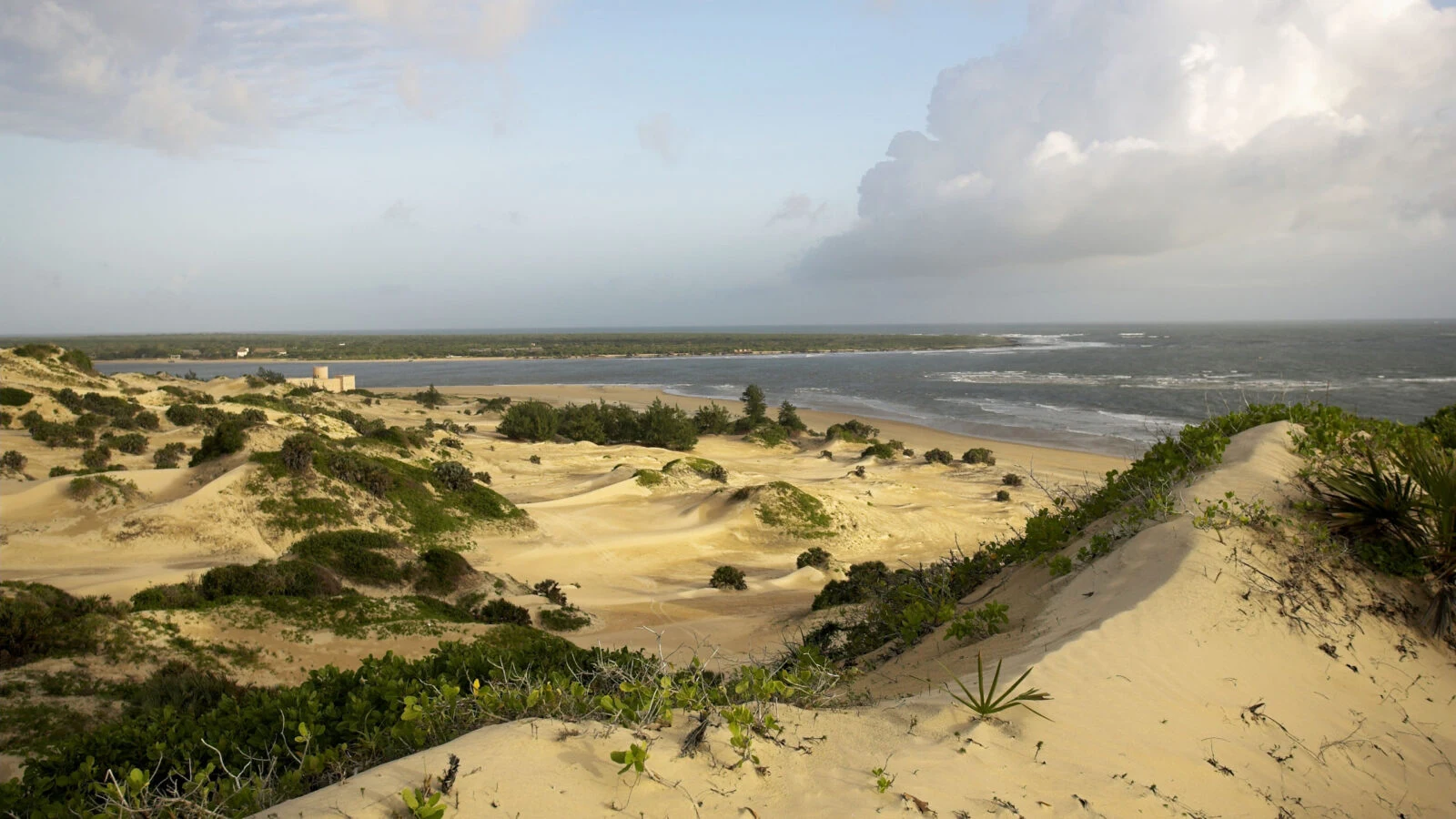
A luxury Zanzibar holiday works when you first decide what you want private: your terrace, your table, your boat or the whole property.
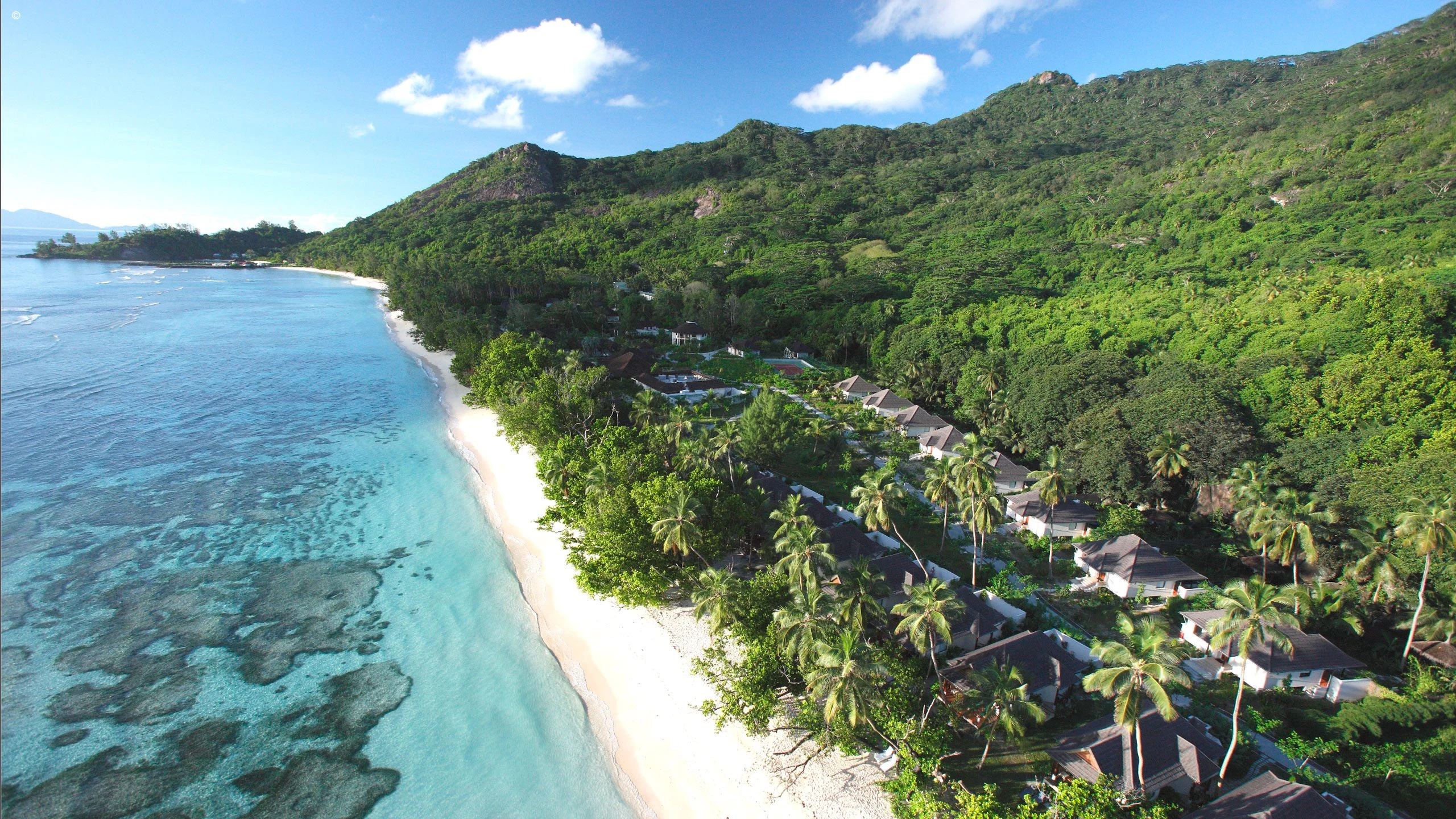
Safari Blue Zanzibar is the name of the original full-day dhow trip from Fumba, on Zanzibar's south-west coast, into the Menai Bay Conservation Area, with reef snorkelling, a sandbank swim, a grilled-seafood lunch on Kwale Island and a mang
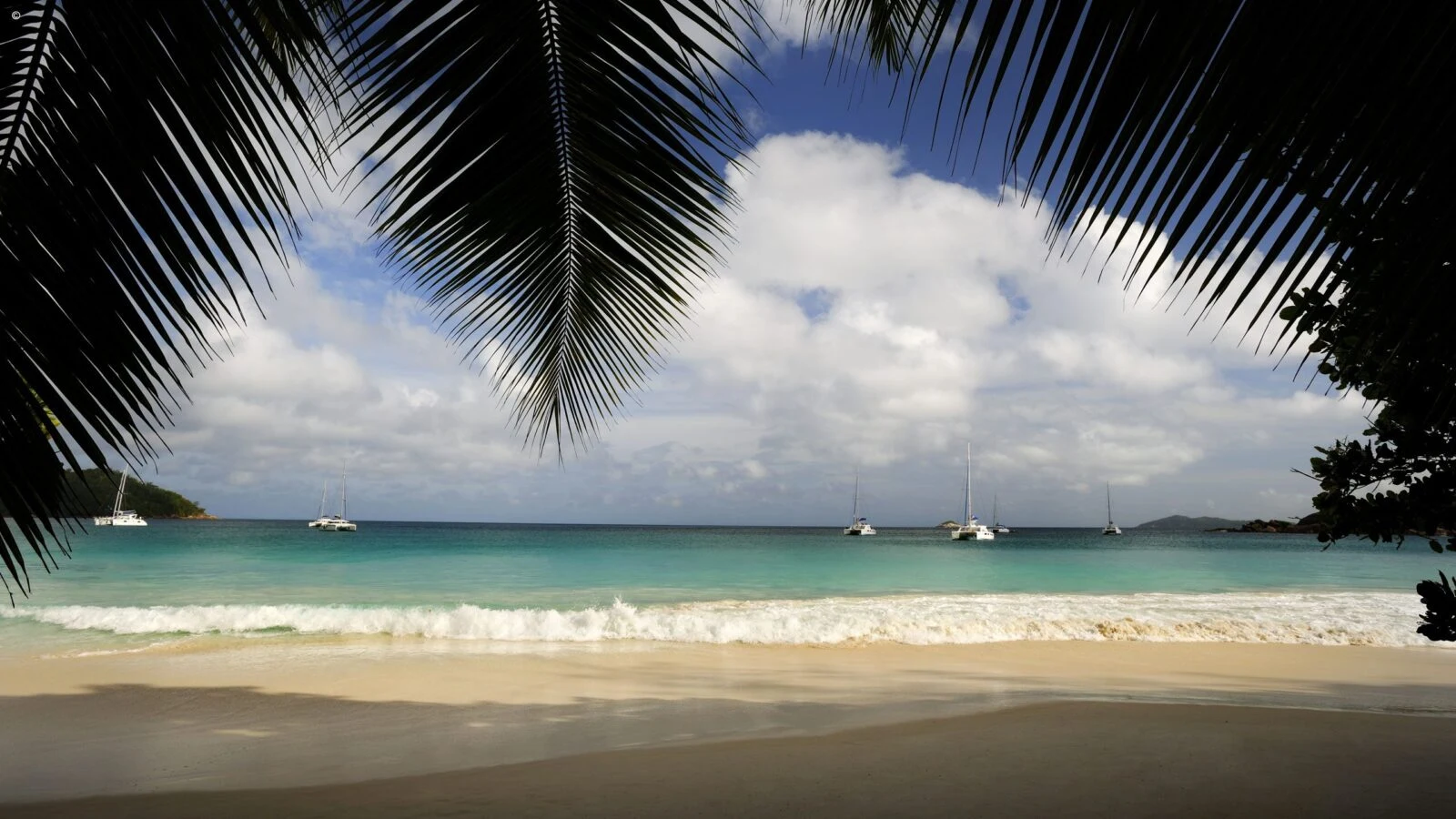
Snorkelling at Mnemba Atoll is a 3–5 hour boat trip to the reef that rings a private island off Zanzibar's north-east coast, leaving from Matemwe (the shortest crossing) or from Nungwi and Kendwa (a longer run).
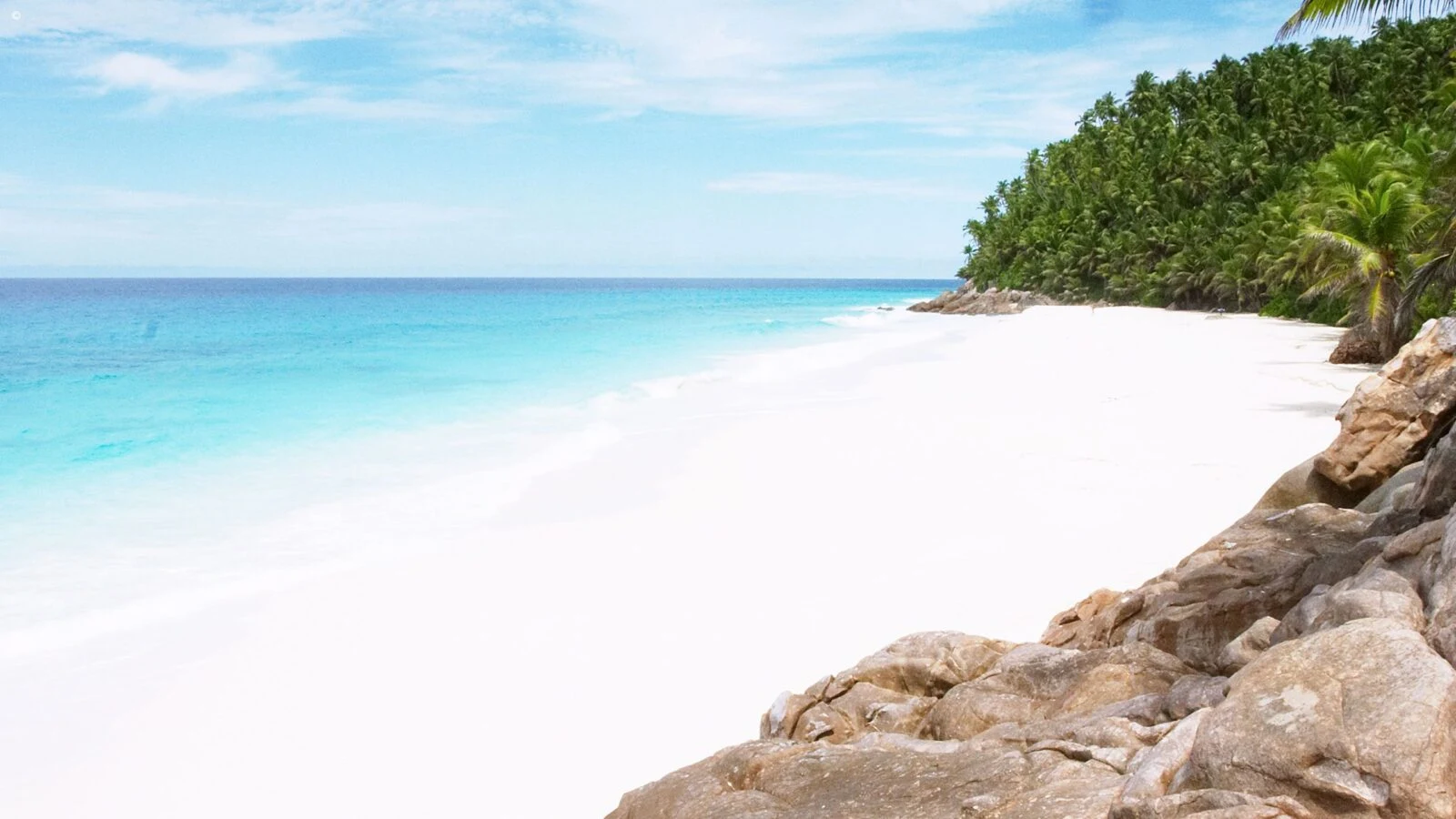
Prison Island Zanzibar (Changuu) is a small island 20 to 30 minutes by boat from Stone Town, known for its Aldabra giant tortoises and the ruins of a prison that never held a prisoner.
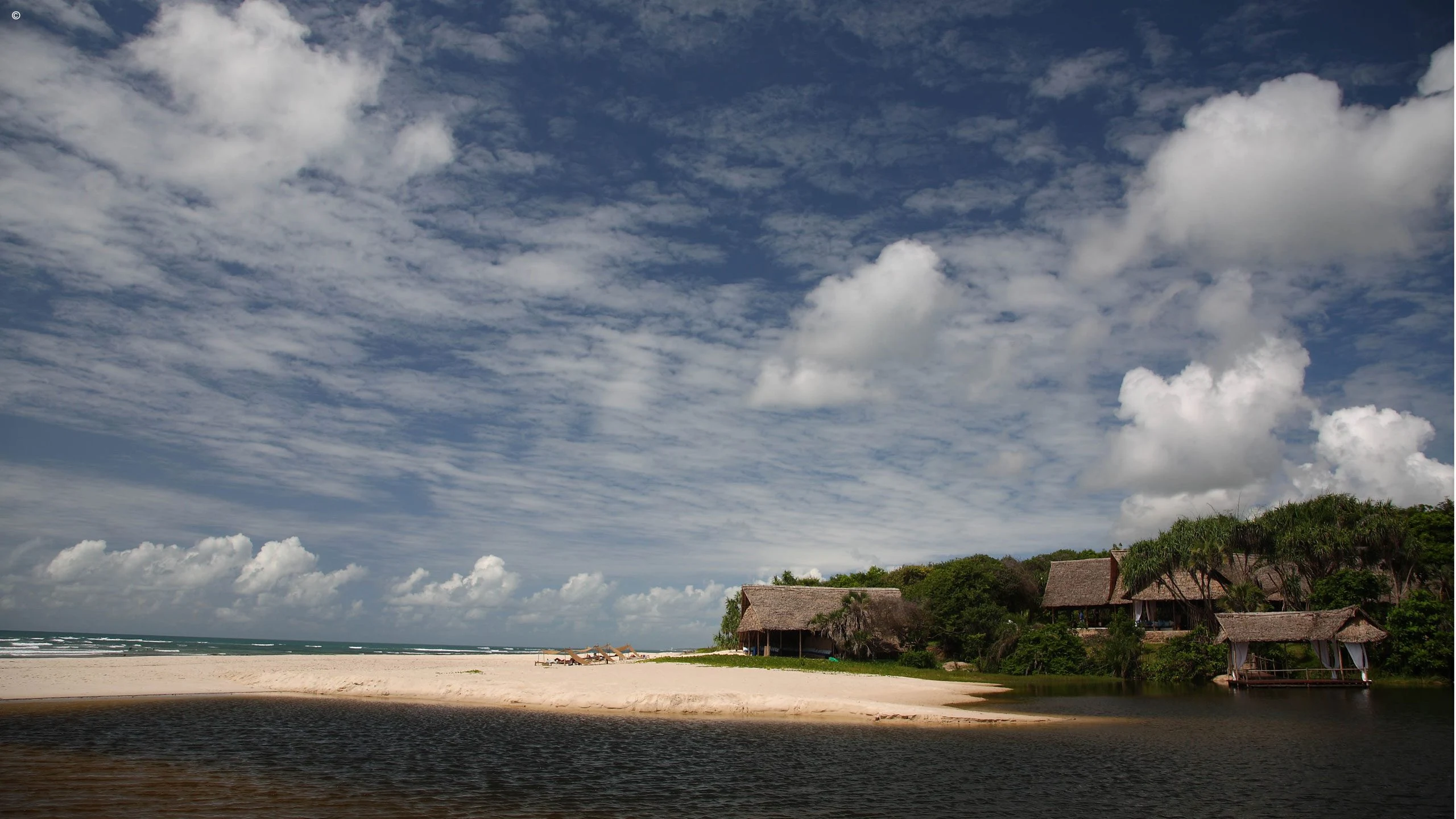
A Stone Town walking tour is a two- to three-hour guided walk through the UNESCO-listed old town of Zanzibar, usually from Forodhani Gardens through the Darajani market to the former slave market, with the carved-door lanes between.
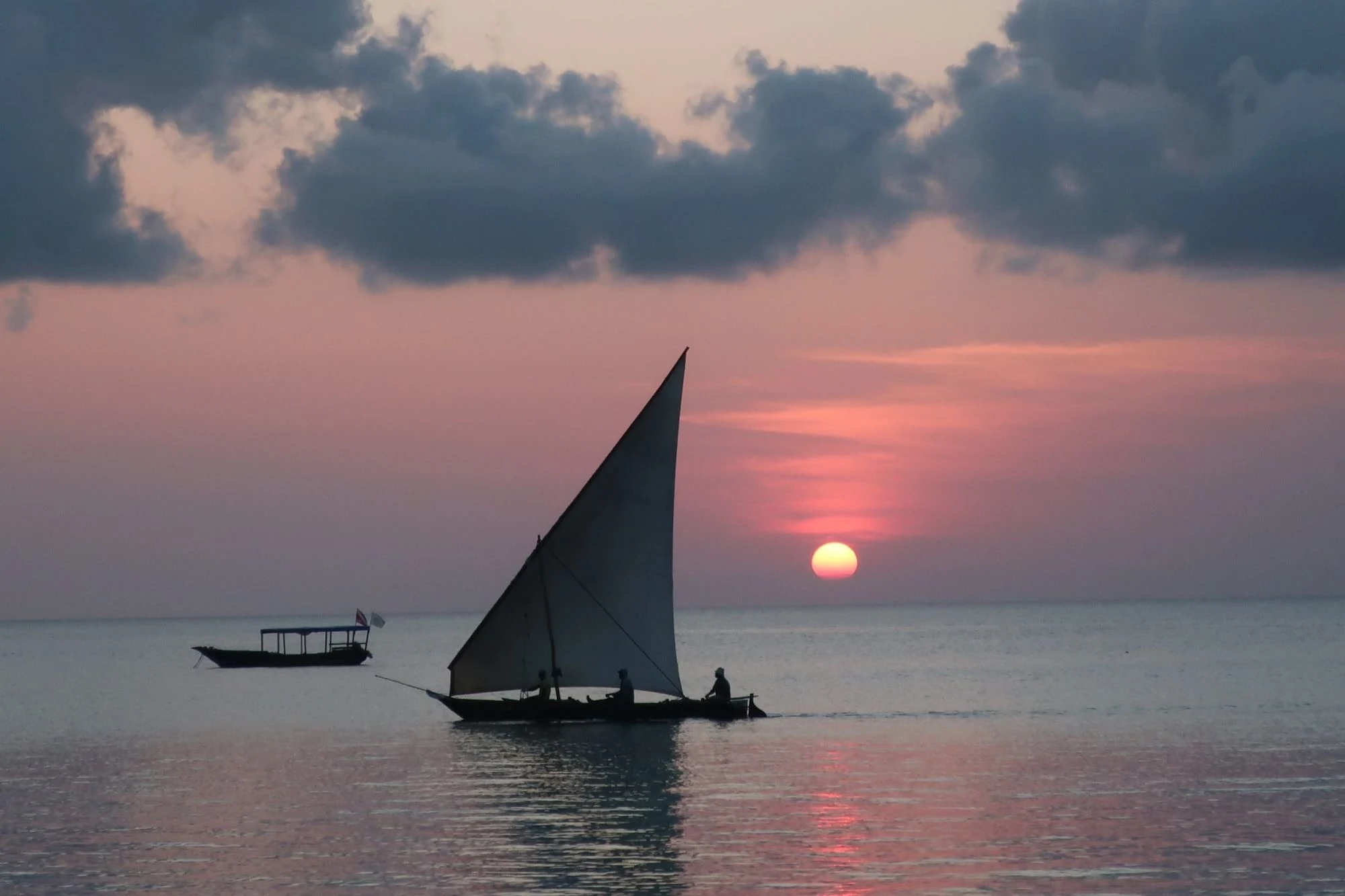
A Zanzibar Christmas is warm and busy: the short rains can linger into late December, the north-east wind season usually begins around mid-December, and hotels run festive dinners and New Year events on an island with a large Muslim populat
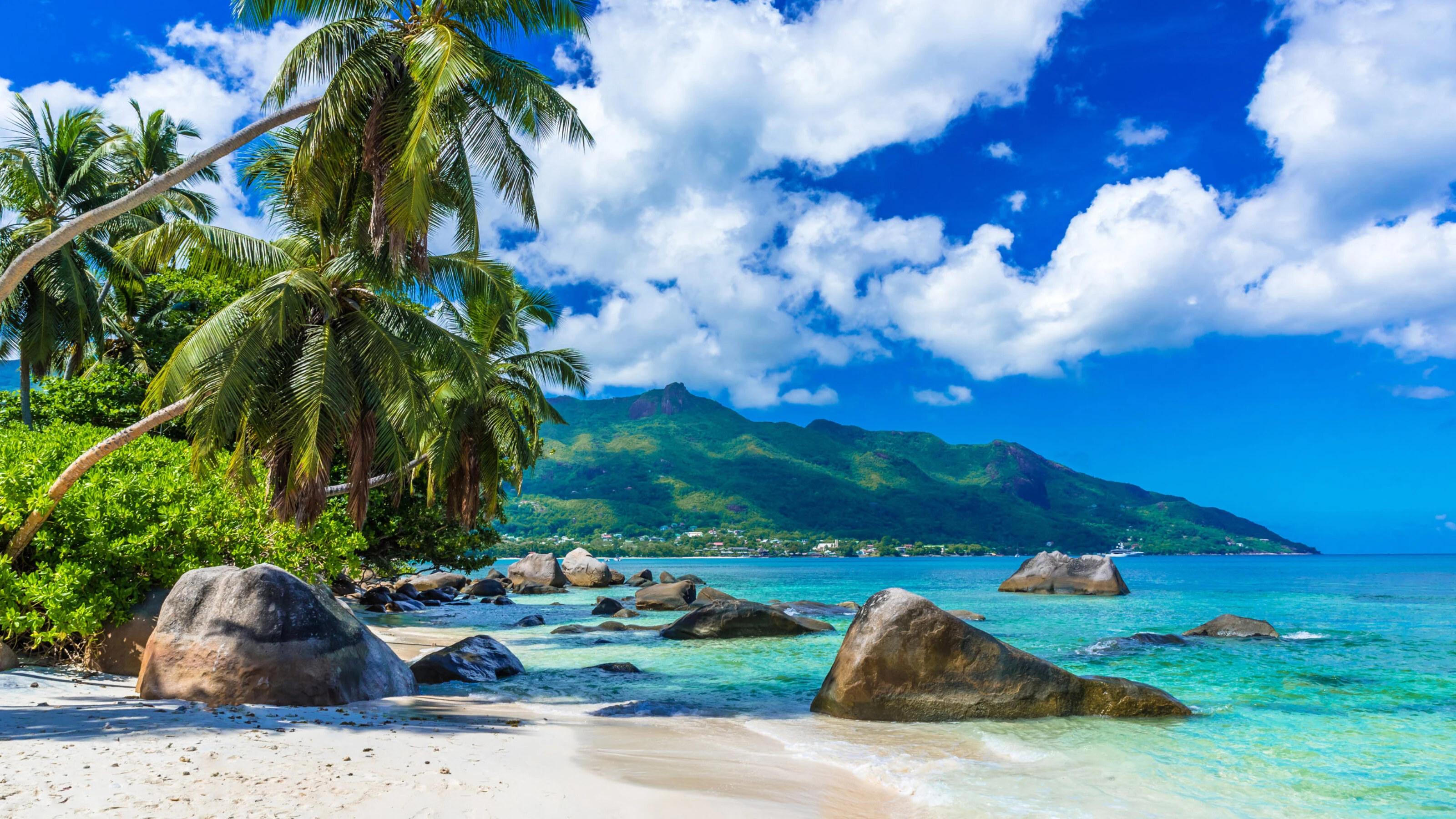
A Zanzibar cooking class is a half-day spent shopping at a local market, then cooking Swahili dishes — typically pilau, coconut octopus curry and mandazi — in a family home or guesthouse kitchen before sitting down to eat what you made.
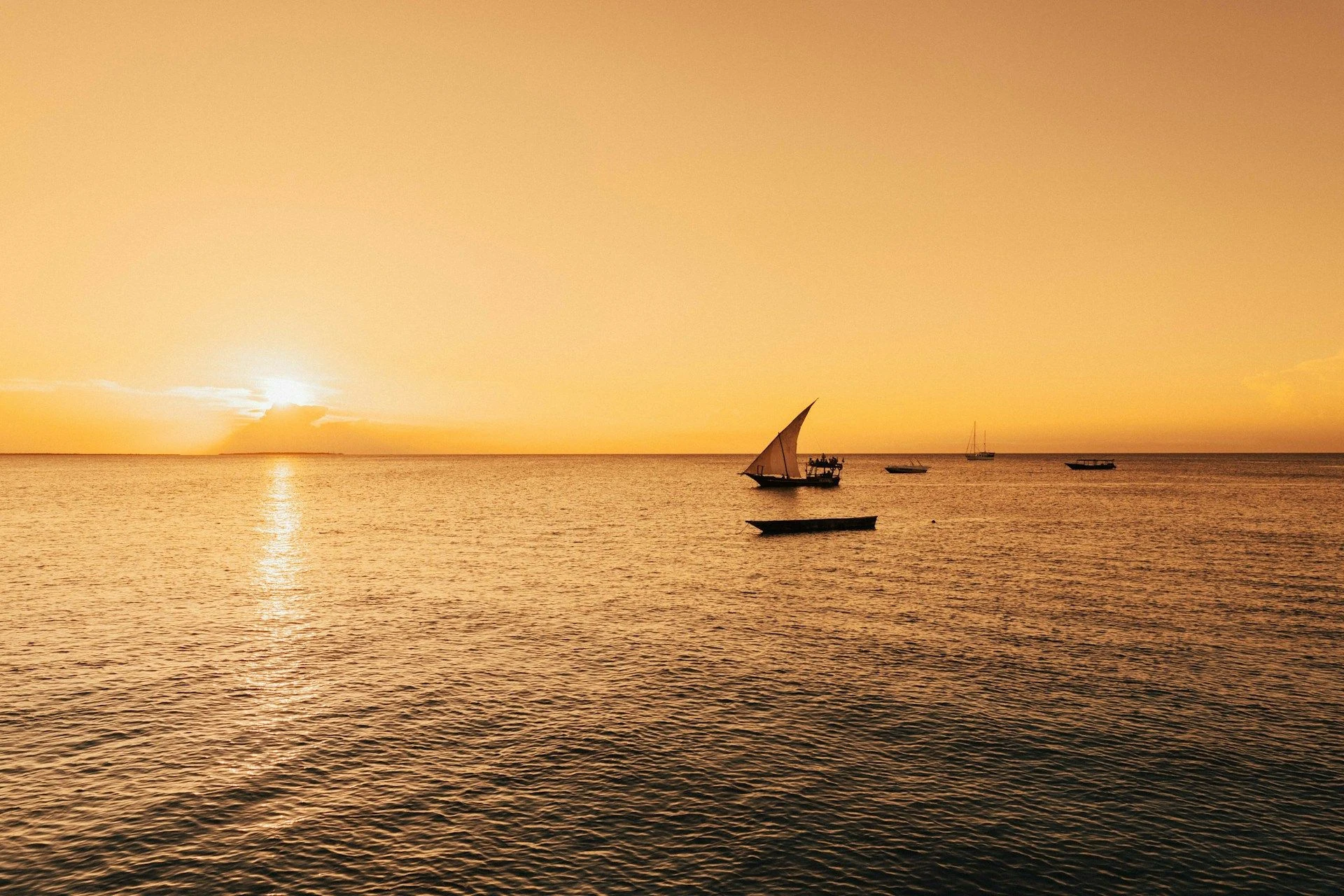
A Zanzibar fishing charter is a half-day (about five hours) or full-day (about eight hours) trip on a skippered sportfishing boat, priced per boat at roughly US$280 to US$3,000 by boat size.
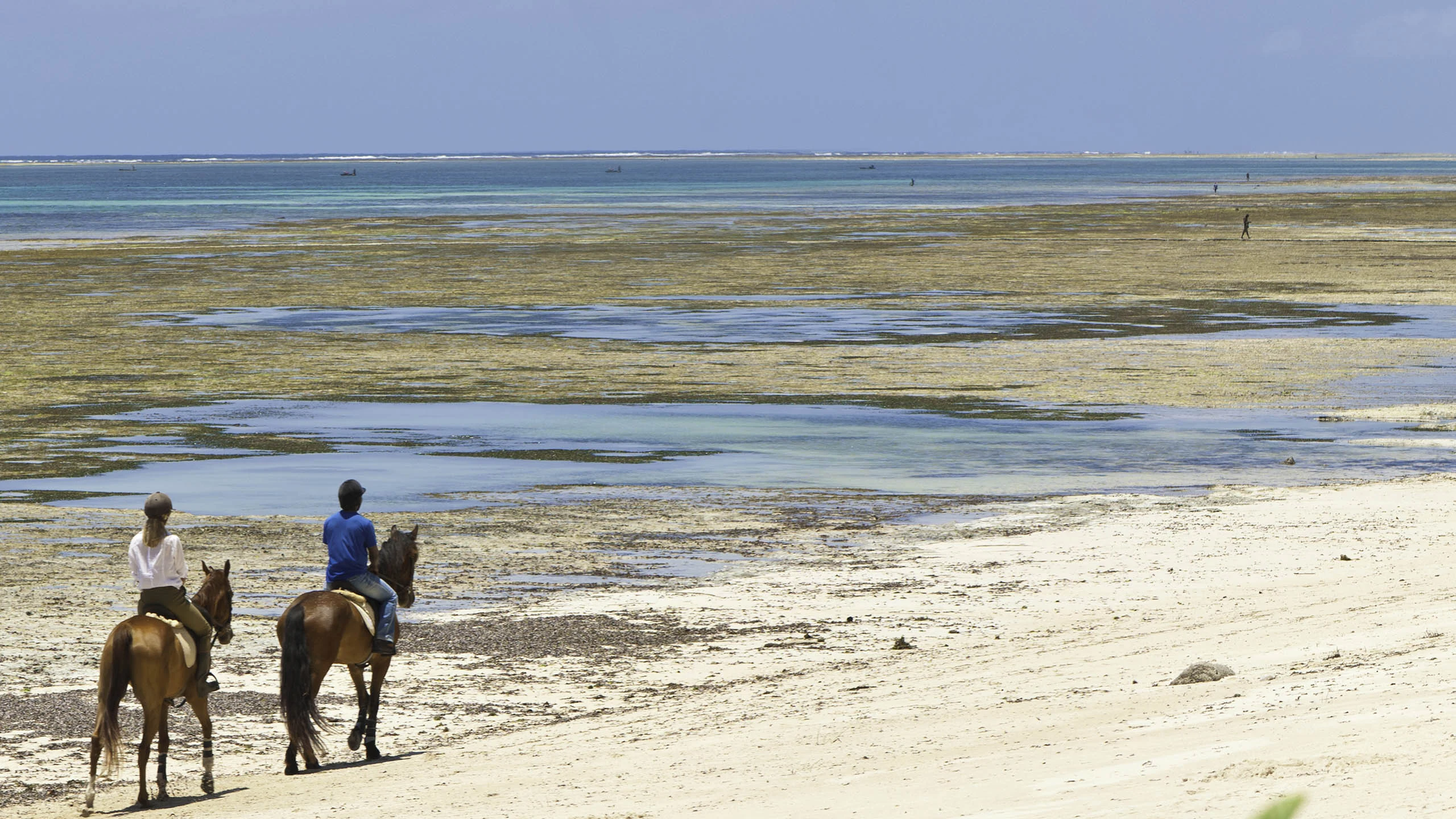
Zanzibar photography rewards a photographer who works slowly: Stone Town lanes and the Forodhani waterfront at dusk, dhows on the sand at Nungwi, and tidal flats at low water on the east coast.
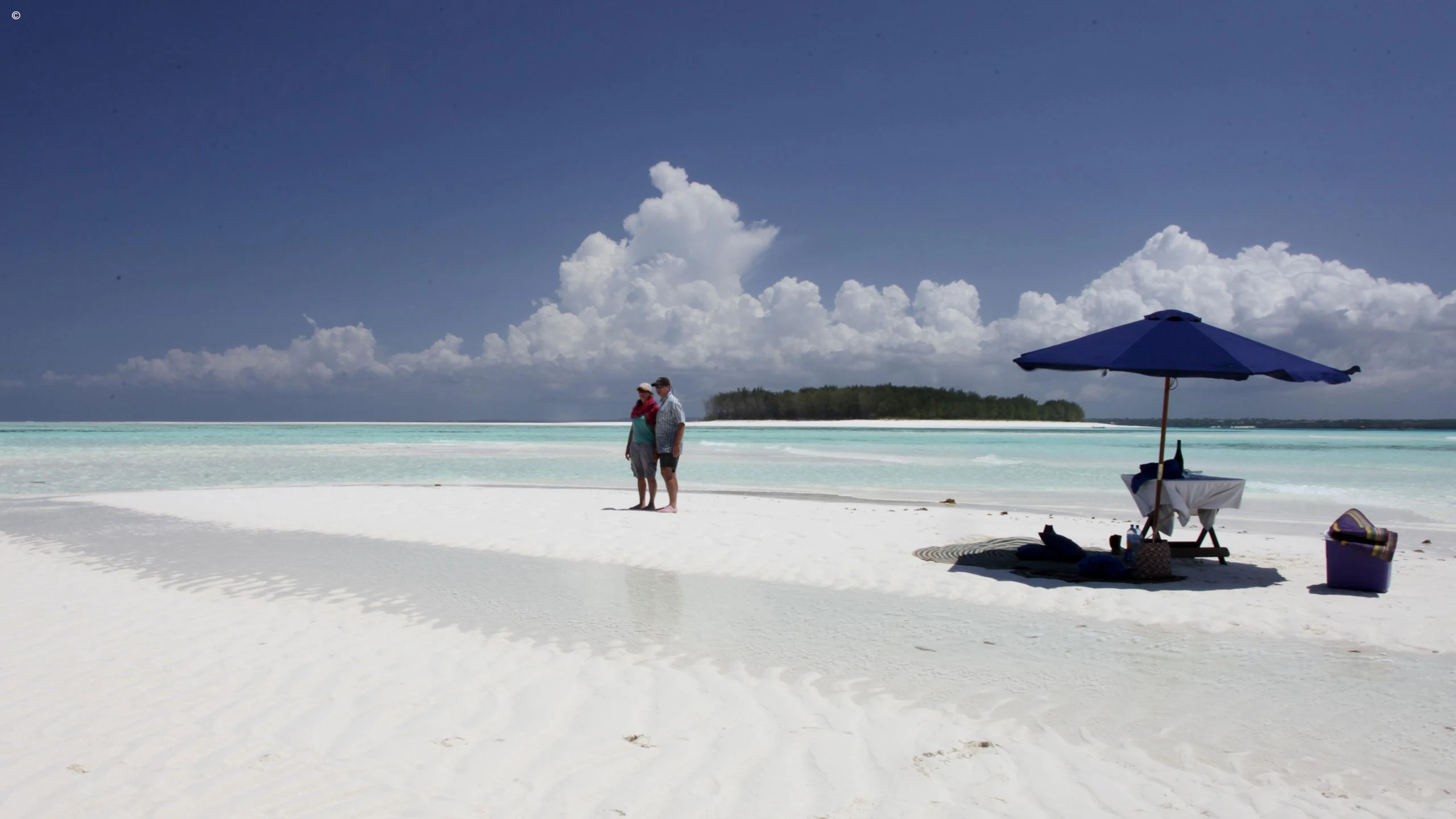
A Zanzibar honeymoon works best on the quieter coasts — the south-east peninsula around Michamvi and Bwejuu, Matemwe in the north-east, or a private island such as Mnemba — in a small villa stay, with one night in Stone Town at the start ra
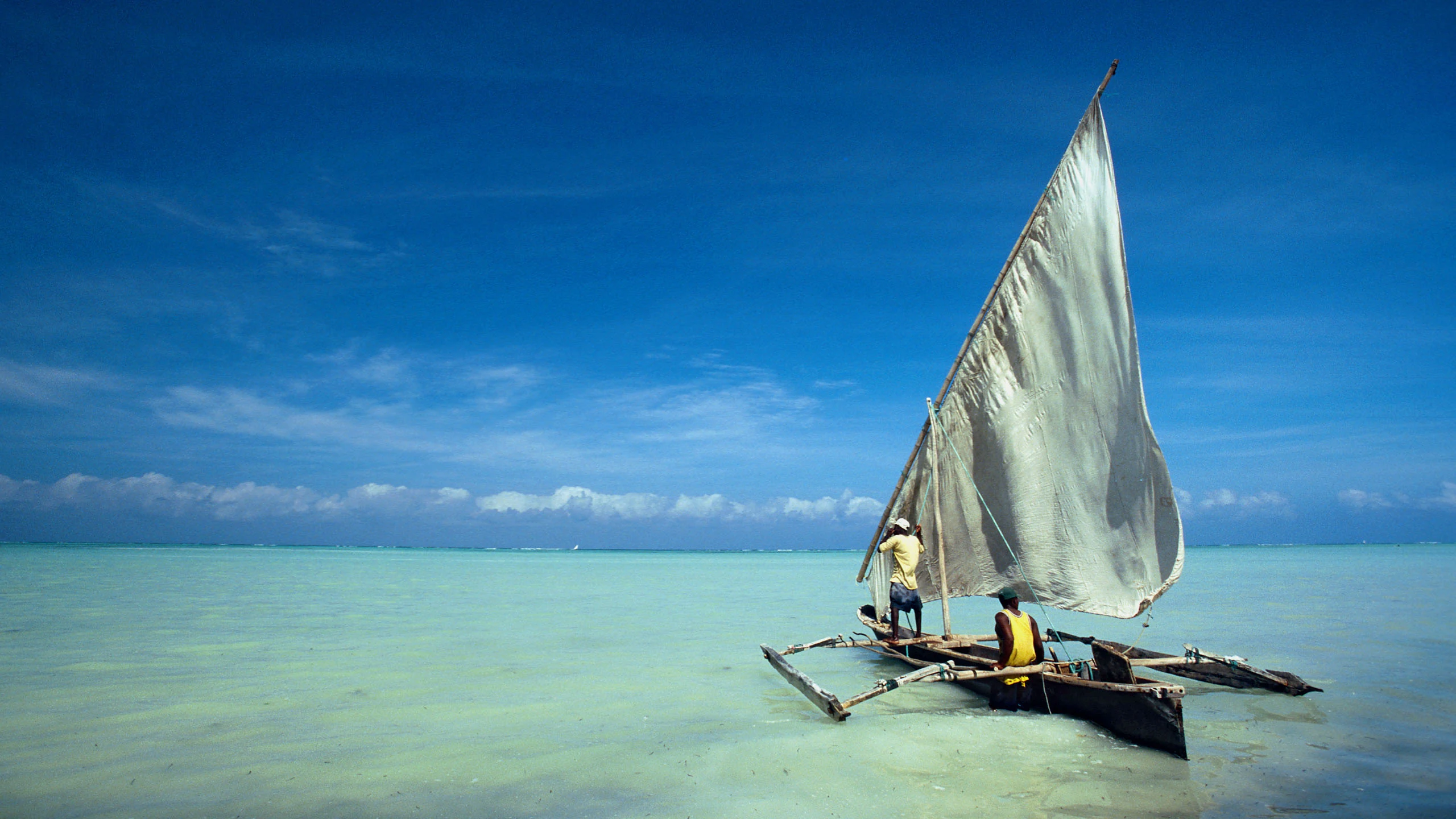
A long stay on Zanzibar works best with the paperwork settled first: a single-entry tourist visa covers stays of up to three months, and inbound insurance covers up to 92 days.
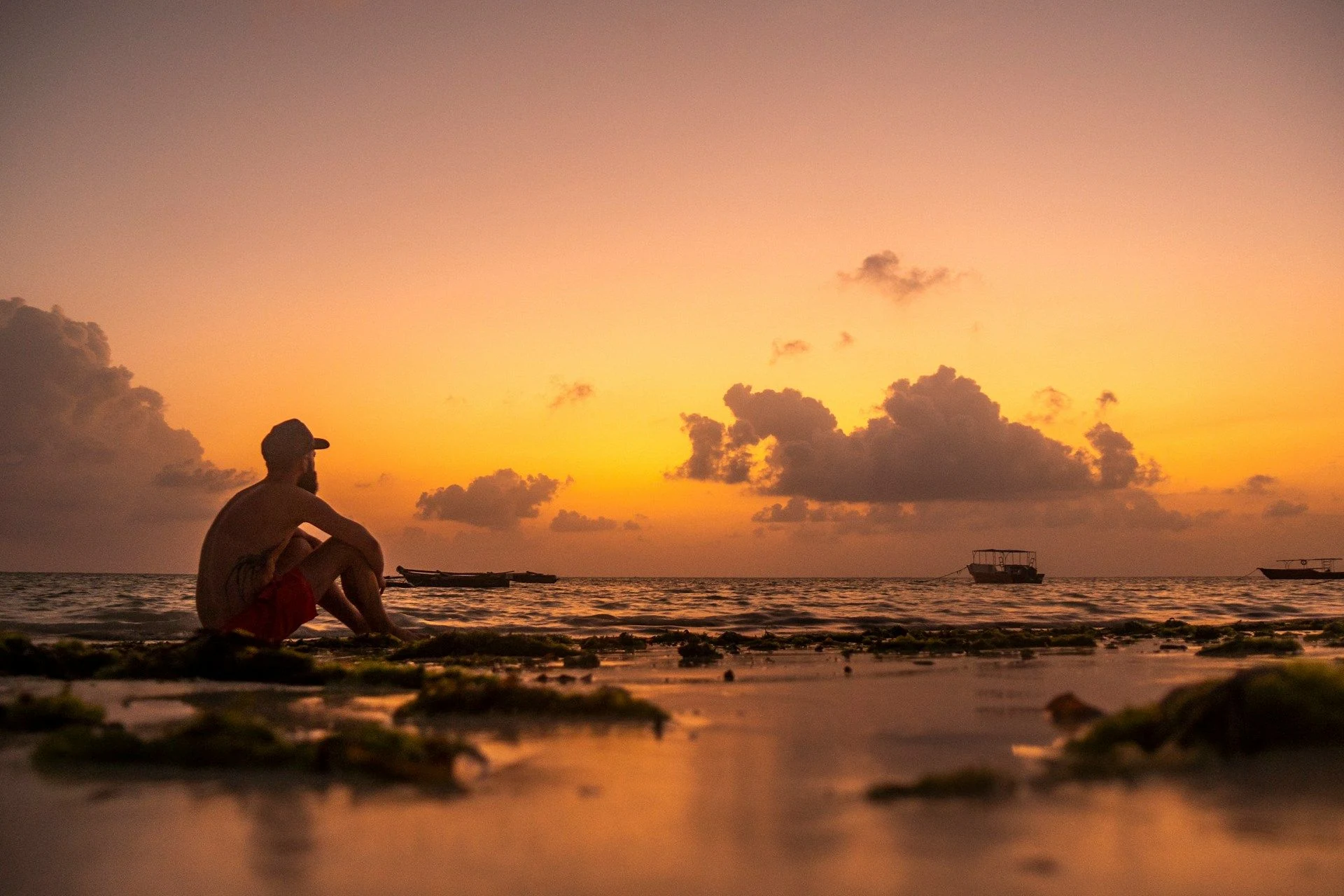
Zanzibar is good for solo travel if you choose your base for the company you want: Paje, Nungwi or Stone Town to meet people, a small hotel on the south-east or north-east coast to be left alone.
A Zanzibar spice tour is a two- to three-hour guided walk through a working spice farm in the Kizimbani area, 20–30 minutes north-east of Stone Town, where you smell, taste and pick cloves, vanilla, cardamom, cinnamon, nutmeg and the lipsti
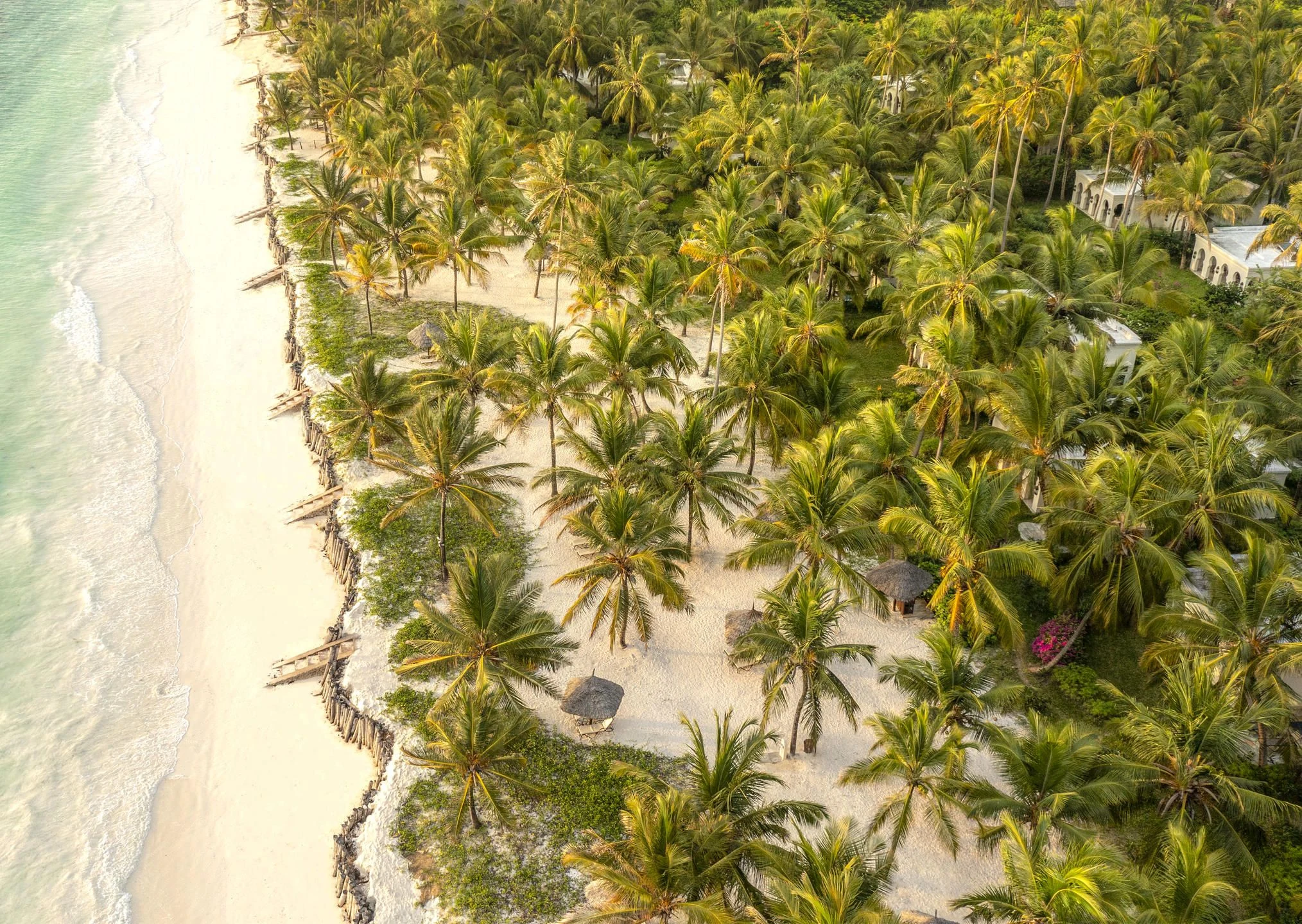
A multi-generational Zanzibar villa holiday works best as private-pool villas within one small resort, or a whole beach house with its own kitchen.
A Zanzibar wedding is either a symbolic ceremony, a beach or rooftop celebration with no legal standing, or a legal civil marriage on the island.
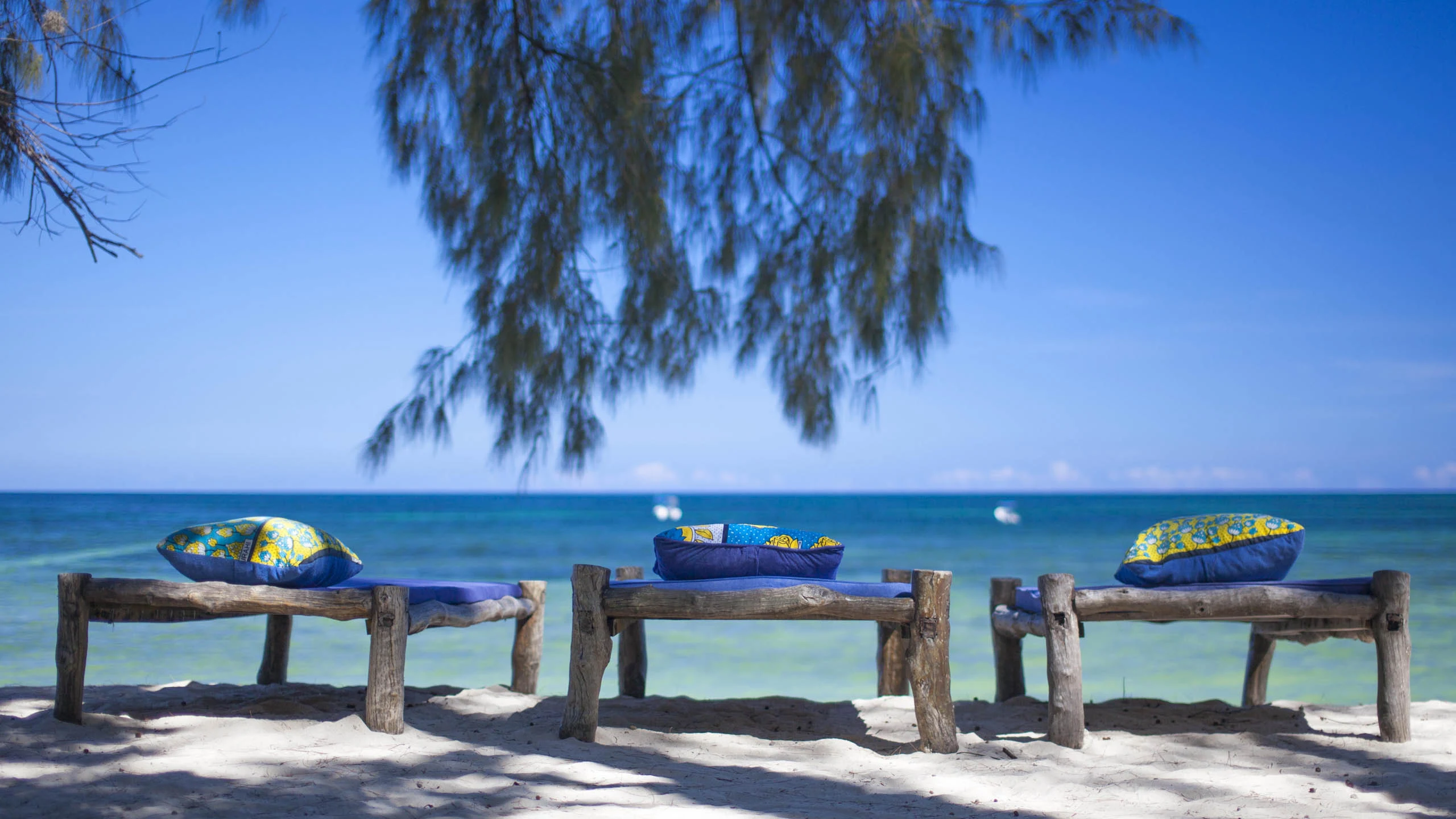
A Zanzibar family holiday with young children works when you choose the beach for the tide, not the photograph.
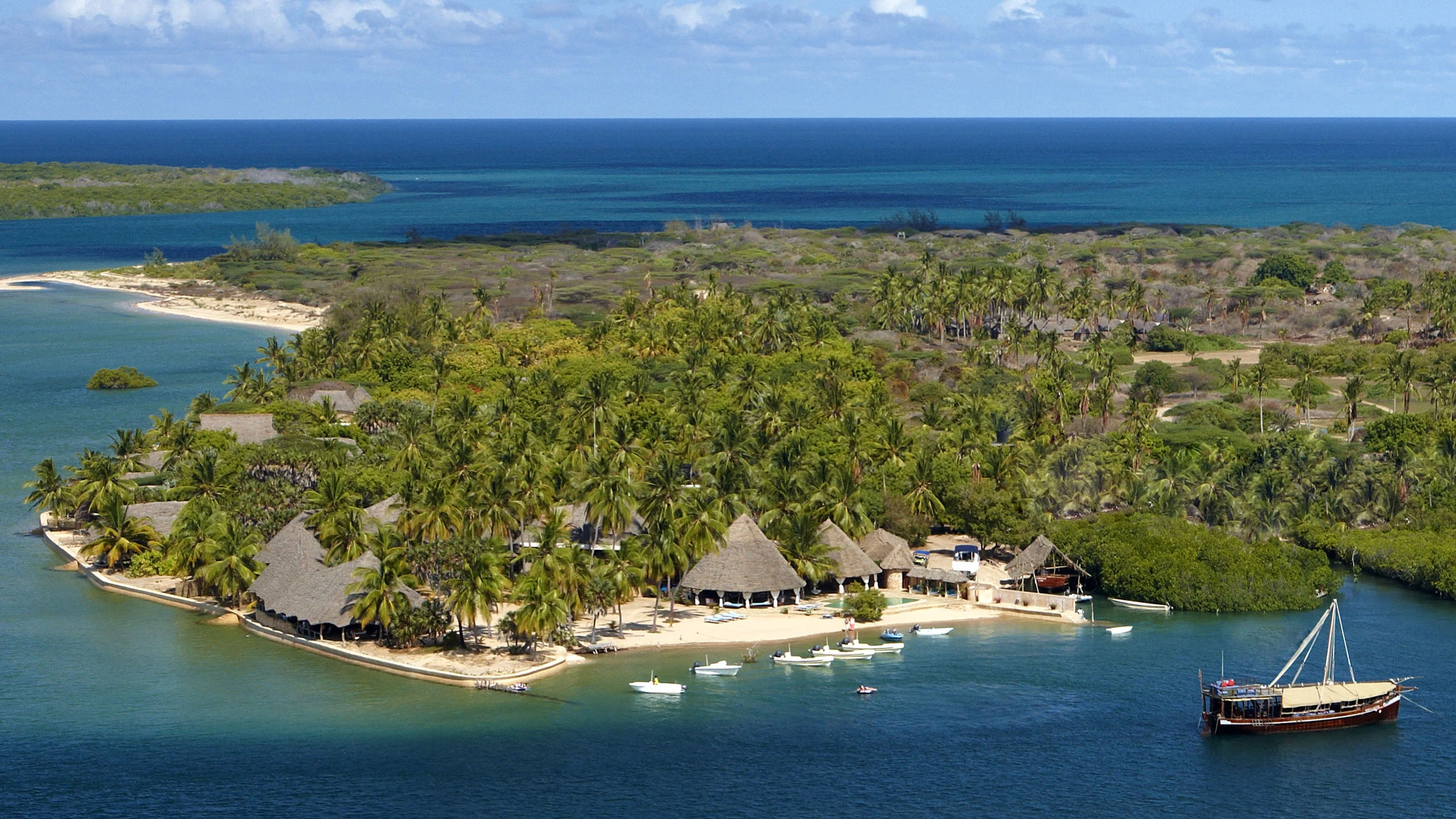
Zanzibar with teenagers works best as one east-coast base with two or three days of lessons, so they learn something rather than lie down.
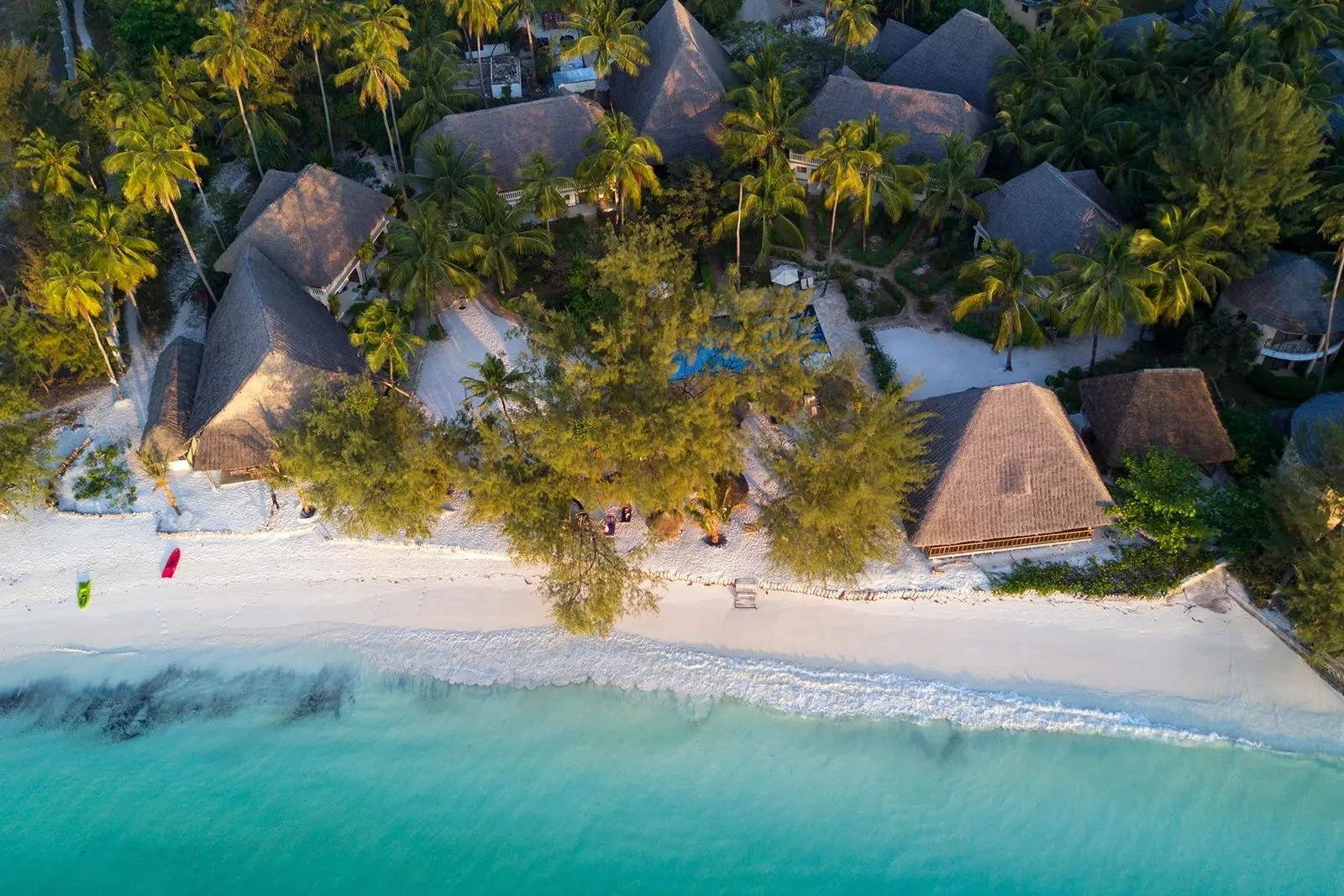
Dhow building in Zanzibar survives most visibly on the beach at Nungwi, the island's northern tip, where wooden boats are still assembled plank by plank on the sand, largely by hand and by eye rather than from drawn plans.
Forodhani Gardens is Stone Town's public waterfront park, where an evening food market gathers around sunset beside the Old Fort.
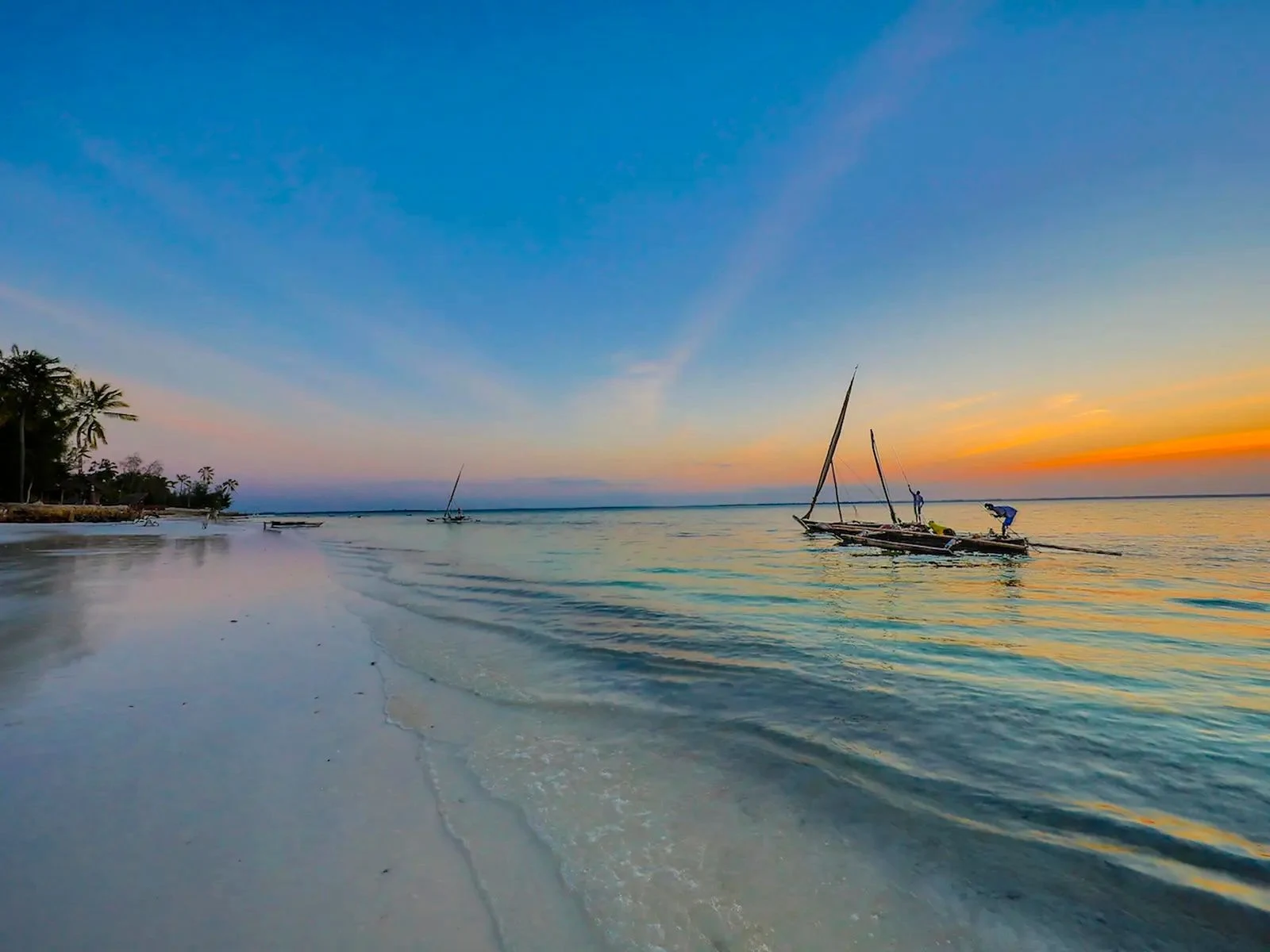
Freddie Mercury was born Farrokh Bulsara in Stone Town, Zanzibar, on 5 September 1946, to a Parsi family from western India; he left the island with his family for England after the 1964 revolution.
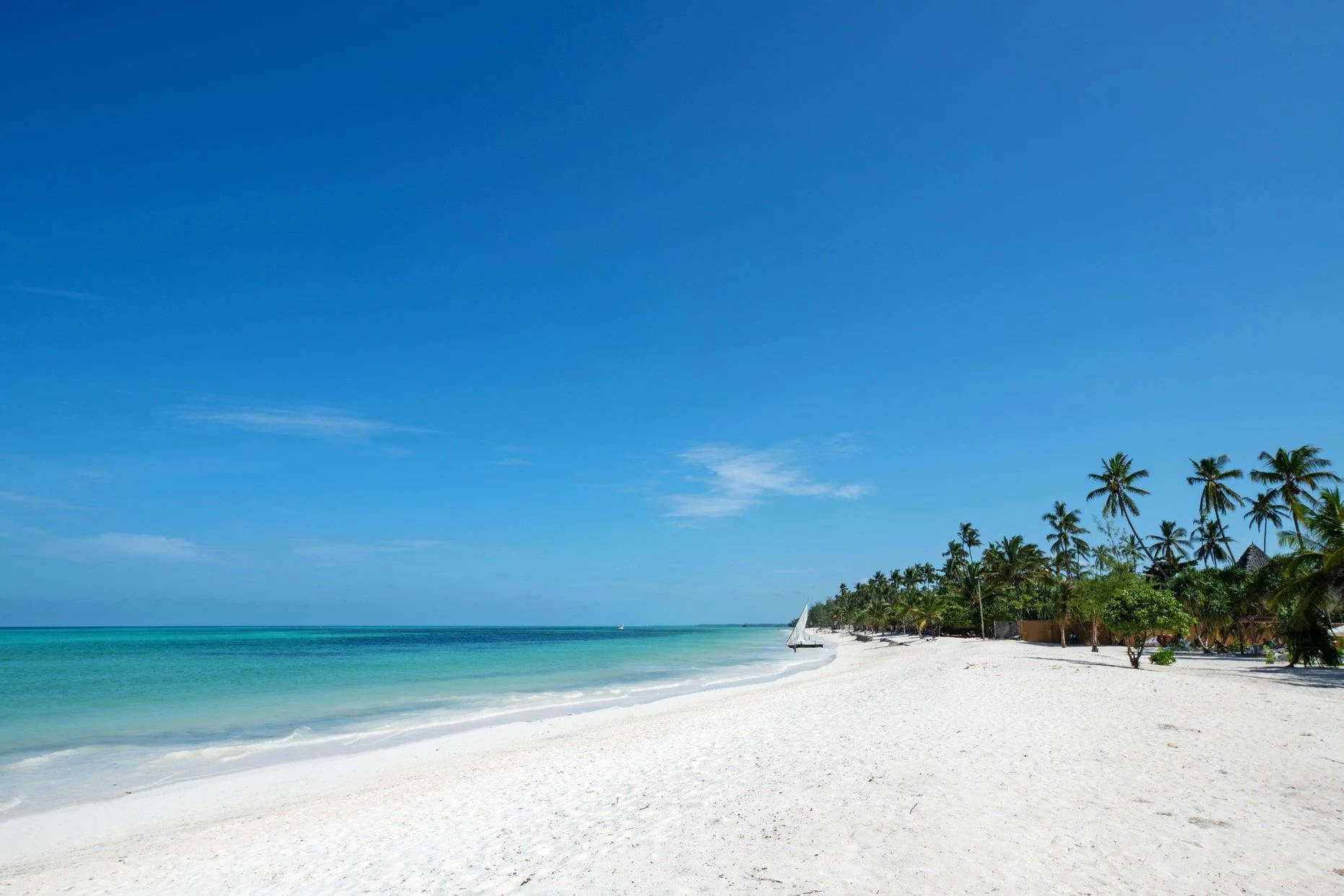
Mwaka Kogwa is the Shirazi new-year festival of Zanzibar, held over about four days in Makunduchi on the island's south-east coast, usually in late July with the main events around 23 July.
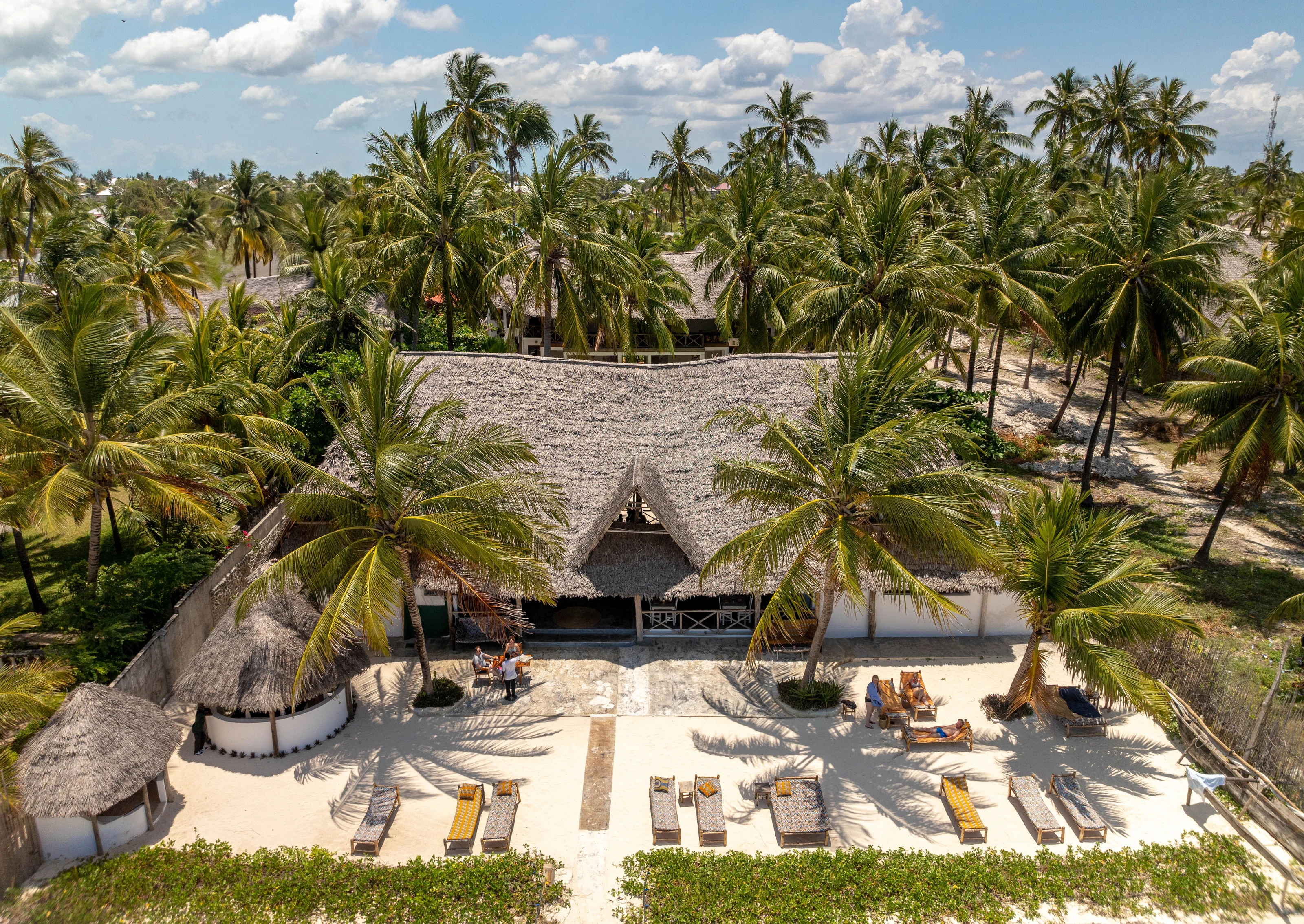
Sauti za Busara ("sounds of wisdom") is Zanzibar's annual festival of live African music, held in Stone Town on several stages each evening, and it has run since 2004, usually in February.
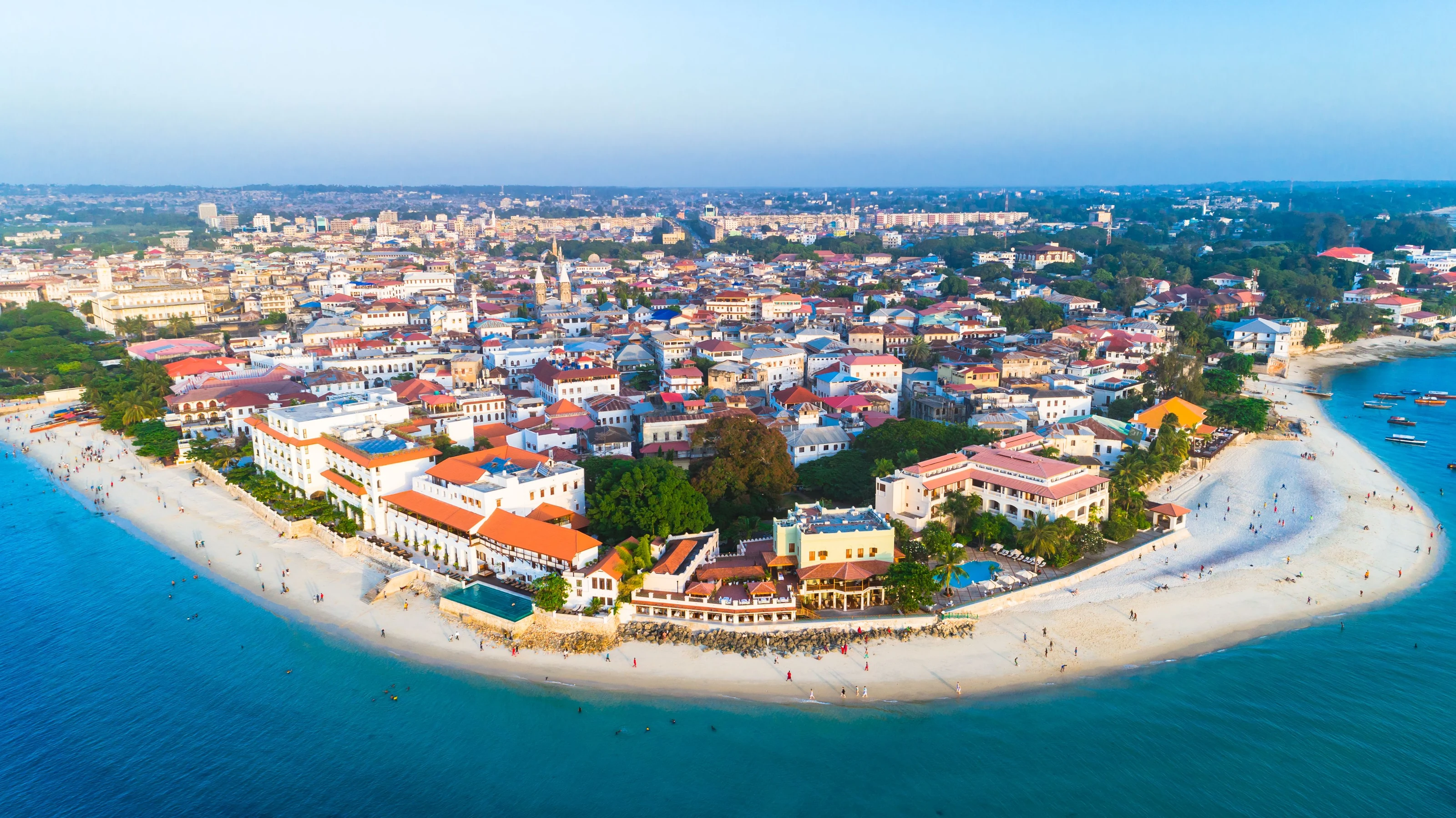
Stone Town history is the story of a Swahili port that became the seat of an Omani sultanate in the nineteenth century, grew rich on cloves, ivory and the trade in enslaved people, came under British protection in 1890 and was inscribed by

Taarab is the sung Swahili poetry of Zanzibar and the East African coast, performed by a singer and an orchestra of qanun, oud and violin, with drums, accordion and, now, keyboards.
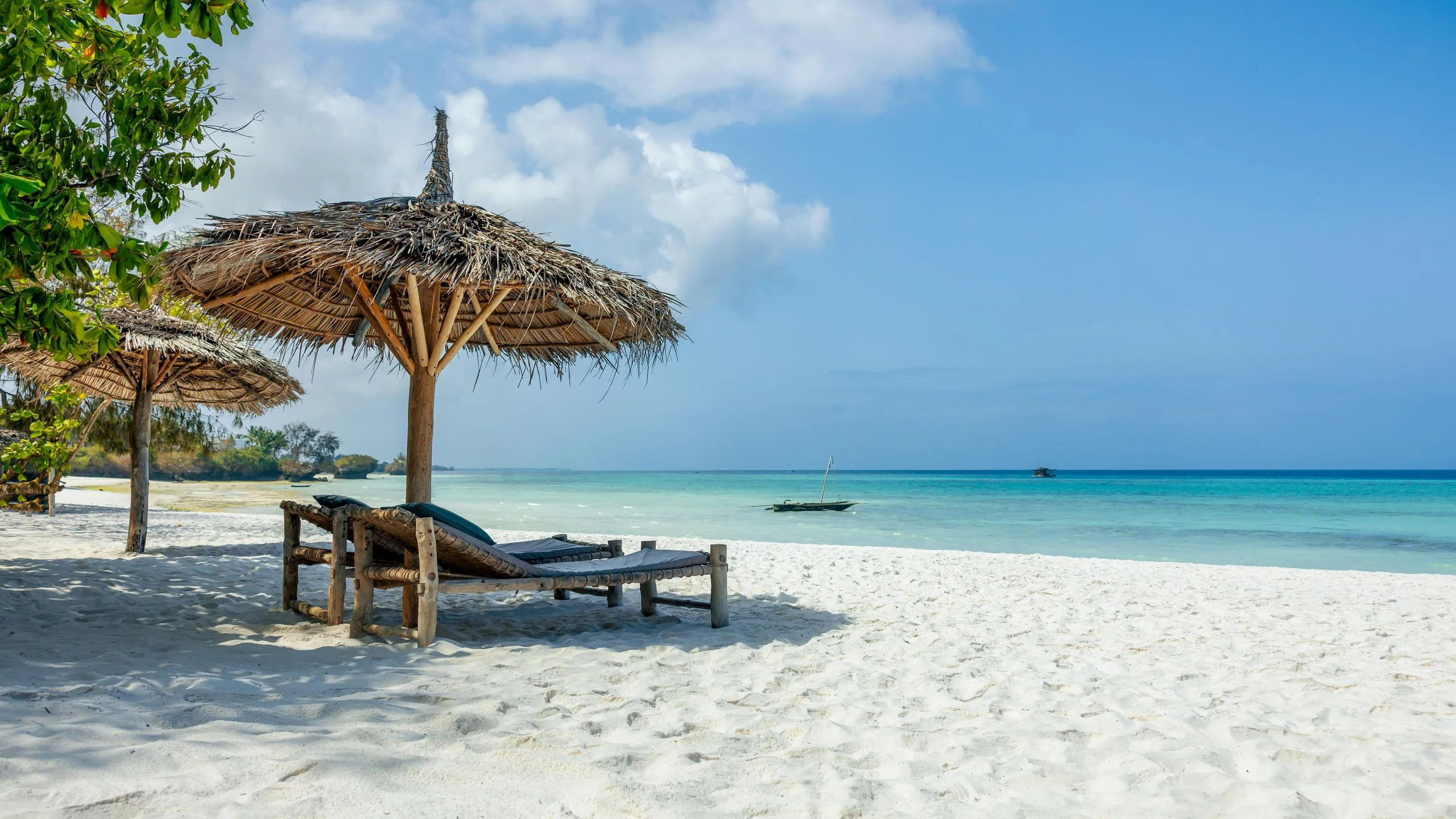
For most visitors, the best restaurants in Zanzibar are Emerson Spice Rooftop Tea House or 6 Degrees South in Stone Town, Baraka Beach Restaurant in Nungwi, and The Rock or Boho Social at Michamvi Pingwe, chosen for setting and range across
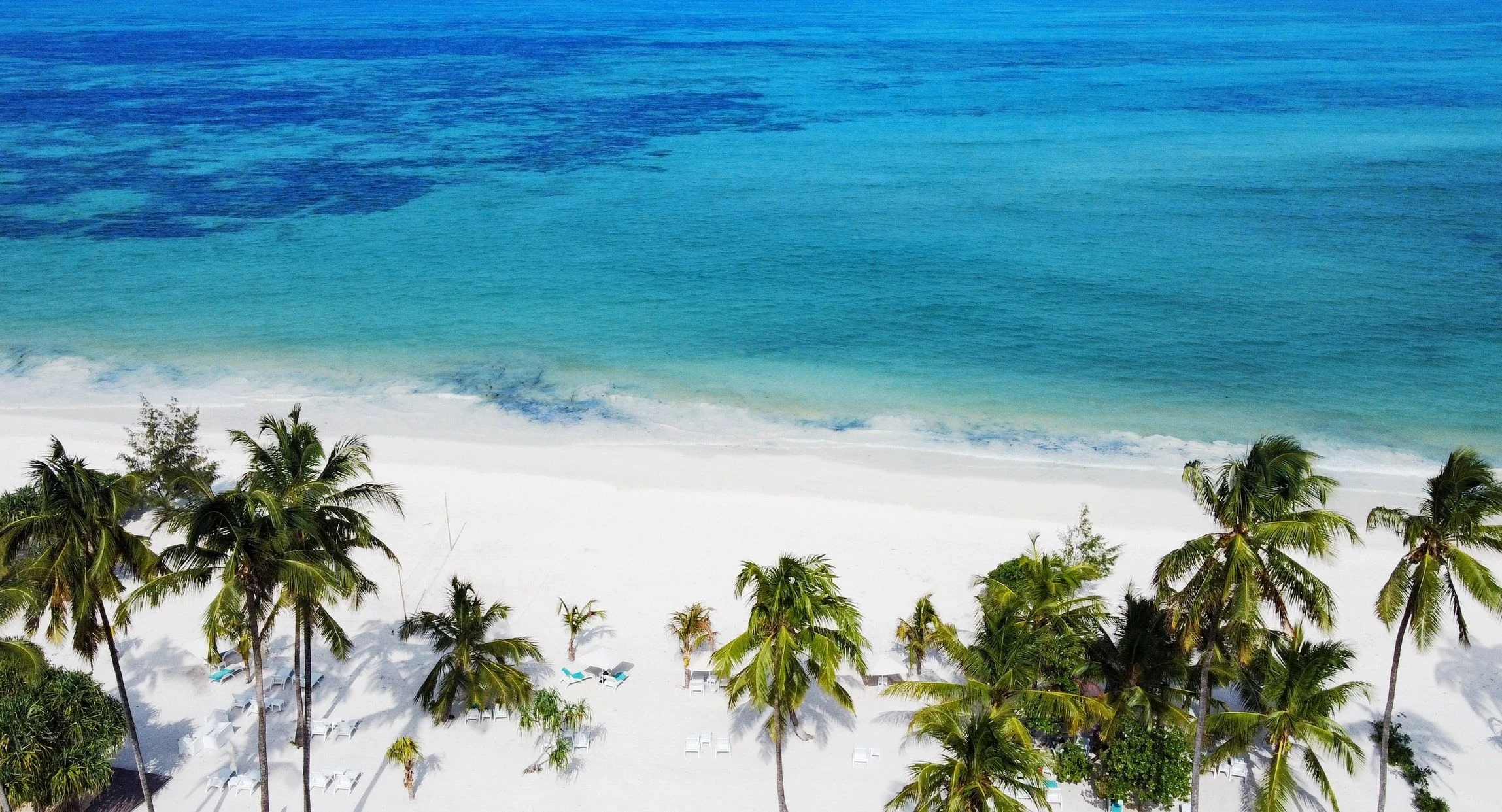
Zanzibar coffee is kahawa, the Swahili word for coffee, and in Stone Town it is a social habit as much as a drink, brewed strong and black over charcoal and drunk in the mornings on shaded steps and in small courtyards.
Zanzibar doors are the carved wooden doorways of Stone Town's houses, and they come in two main families: the older Omani style, square-framed with a heavy carved lintel that often carries an inscription, and the later Indian style, with a
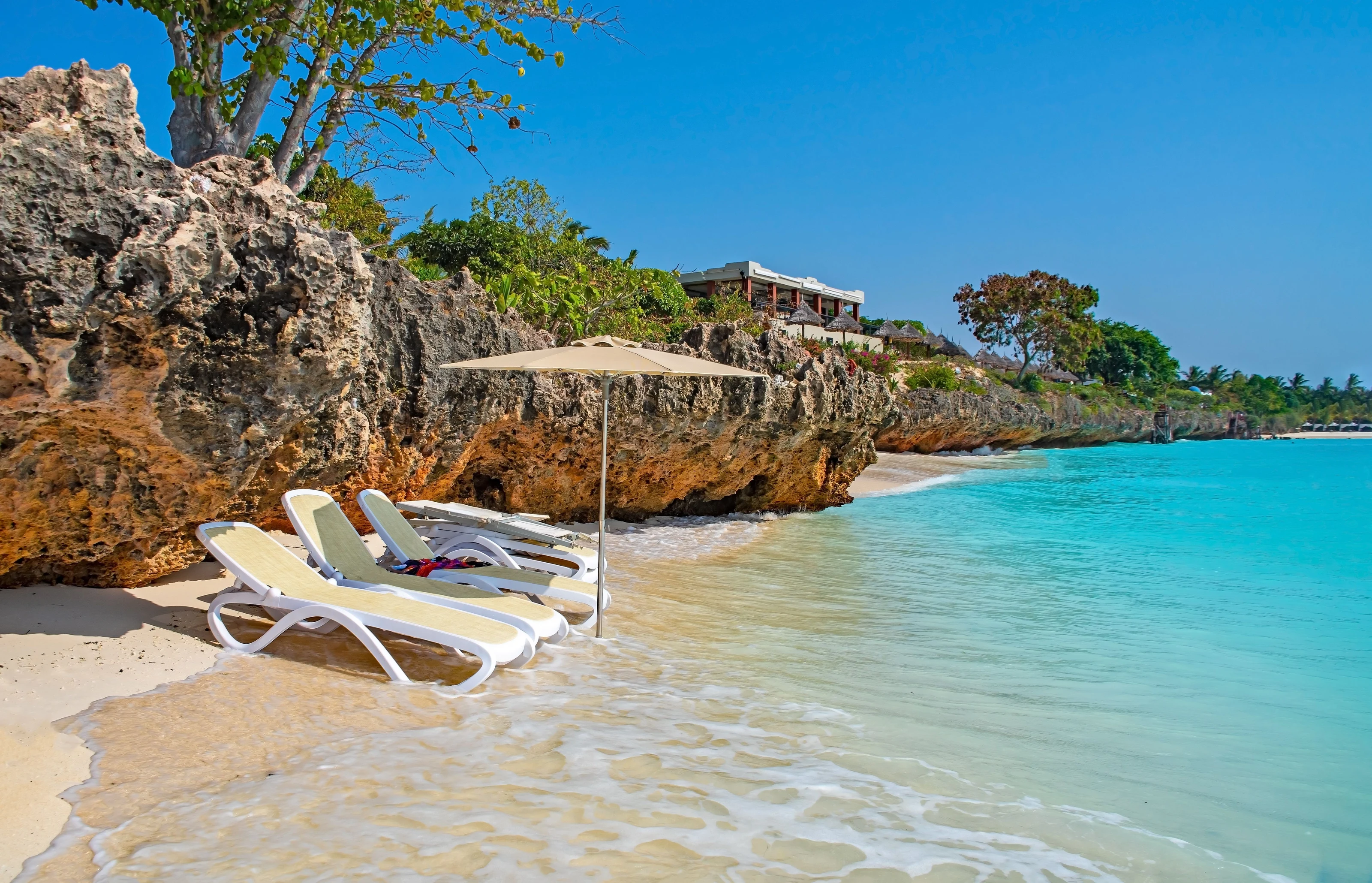
The Zanzibar food to try first is pilau, urojo (Zanzibar mix), Zanzibar pizza, octopus curry, mishkaki skewers and mandazi, with chapati and biryani close behind.
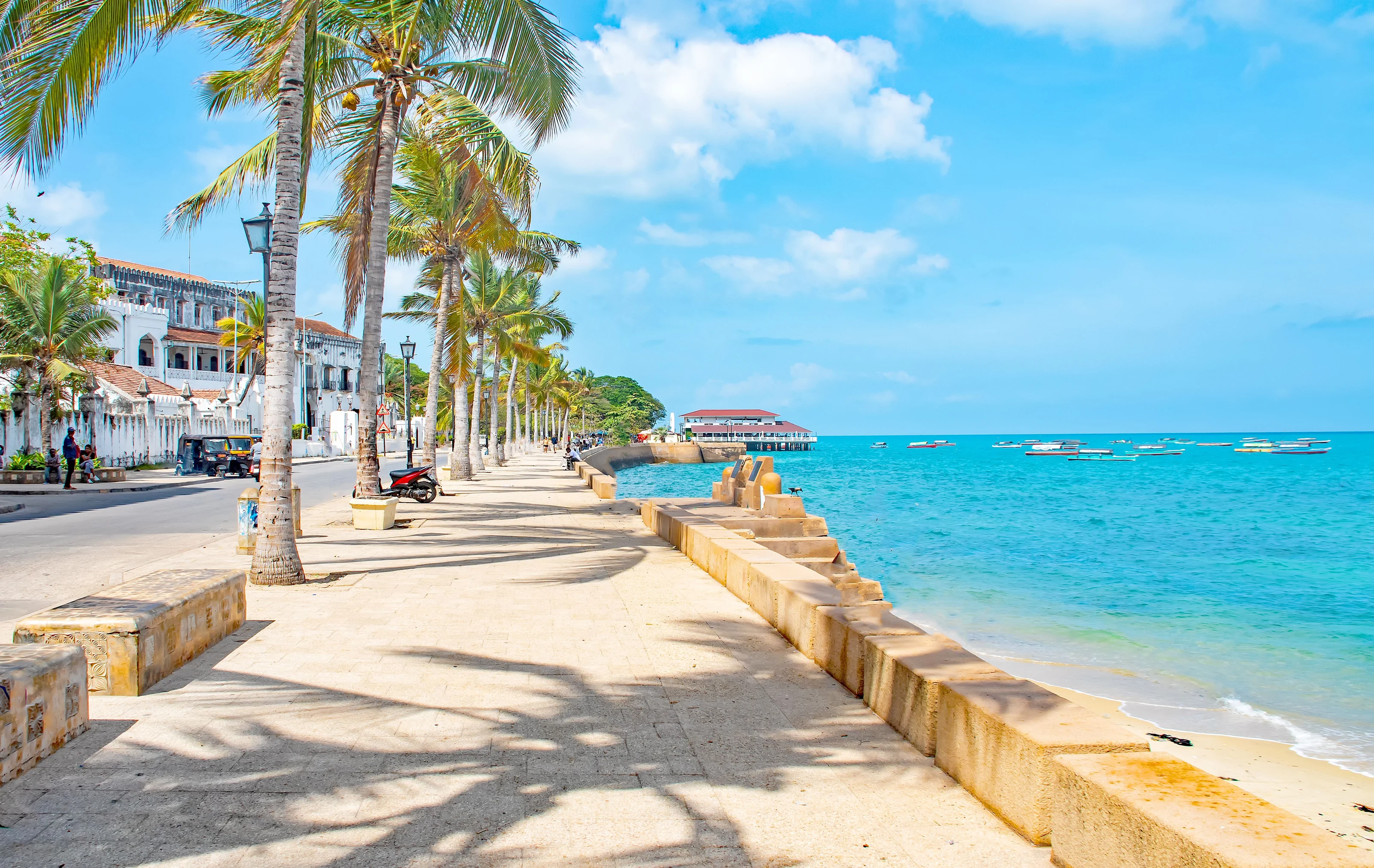
The Zanzibar International Film Festival (ZIFF) is a film festival in Stone Town that puts African filmmakers at its centre, usually held in late June.
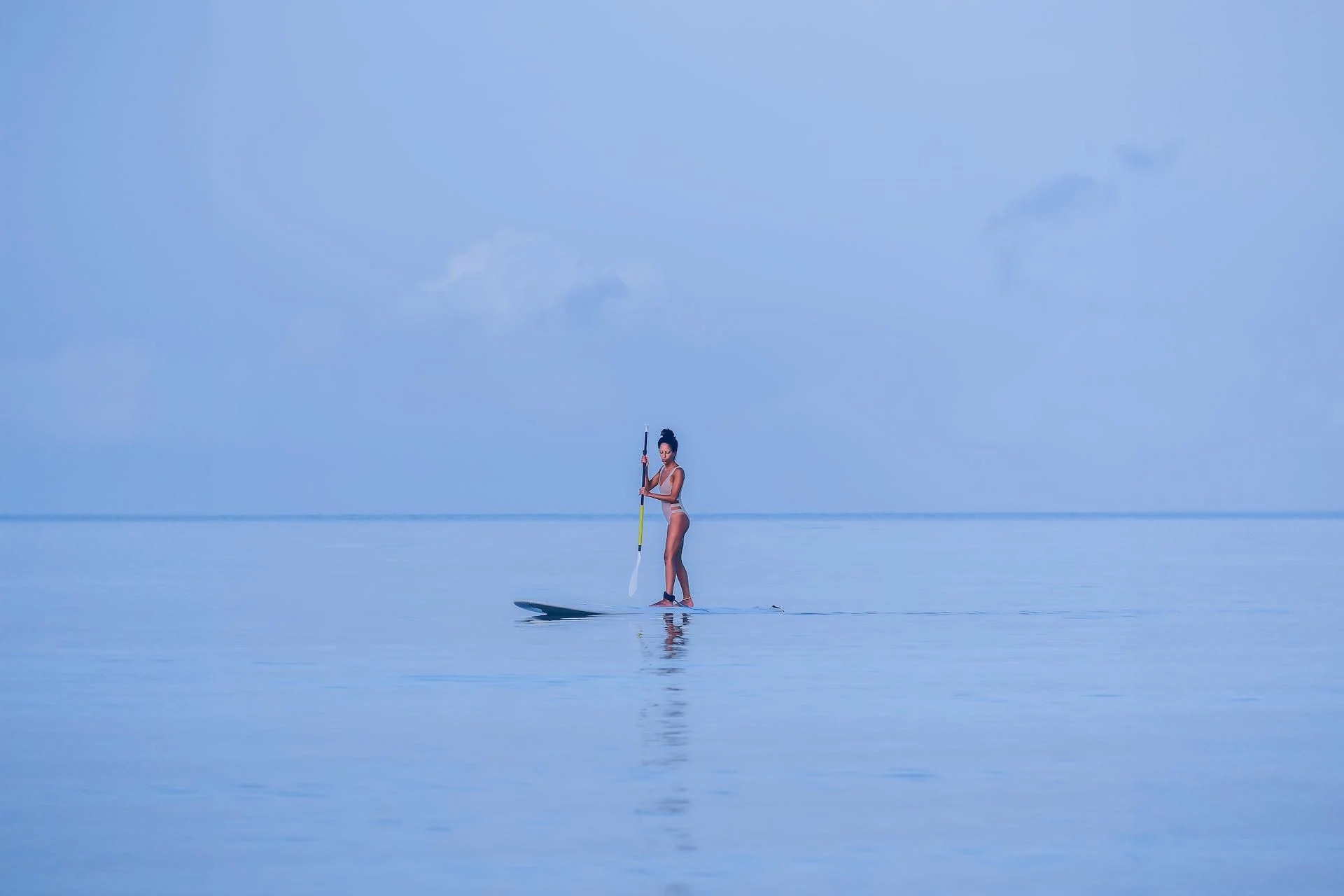
Mtoni Palace is the ruin of Zanzibar's oldest Omani royal residence, a 10 to 15 minute drive north of Stone Town on the shore, where Sultan Said bin Sultan lived and where Princess Salme — later the author Emily Ruete — was born in 1844.
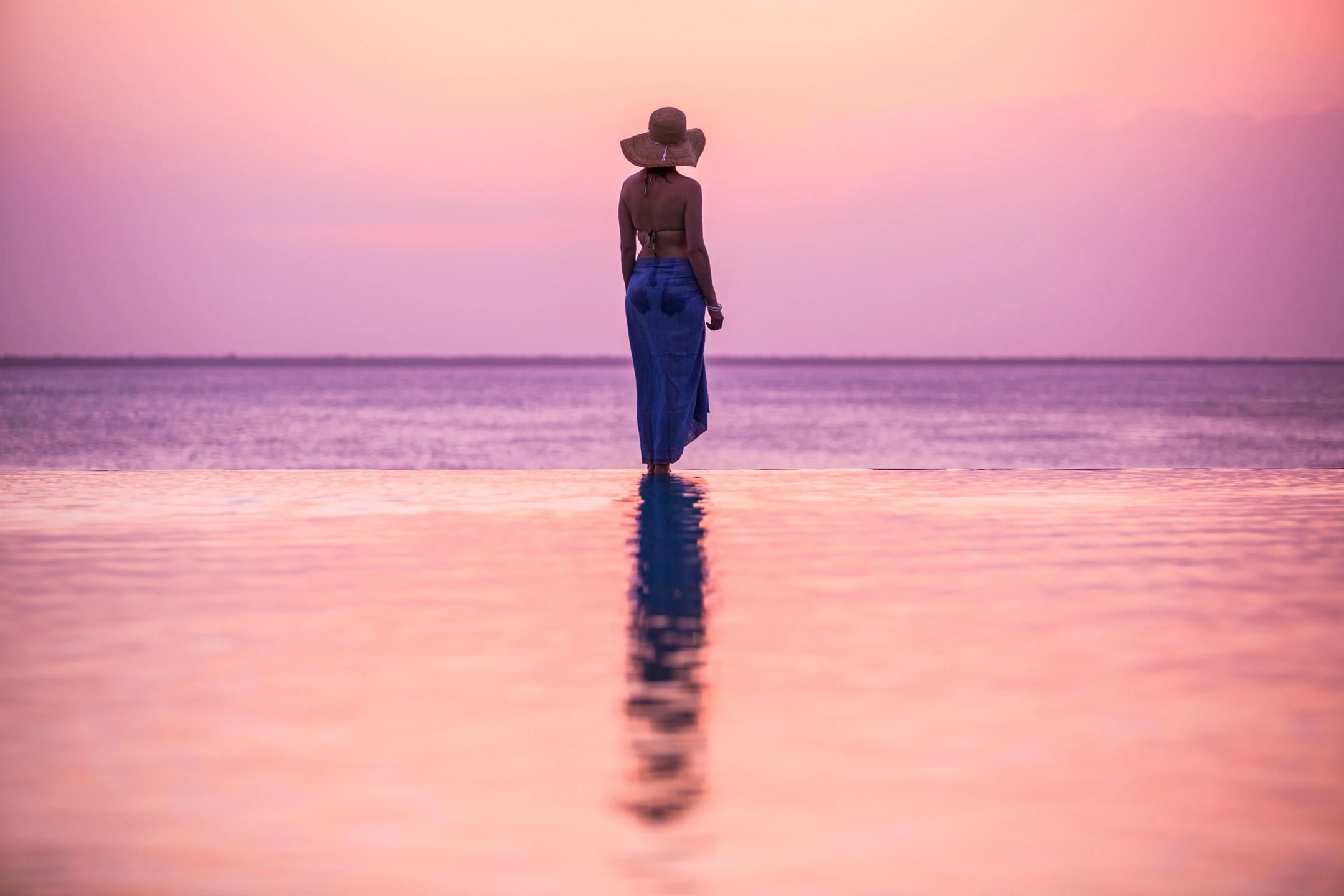
Yes, you can visit Zanzibar during Ramadan, and the next one is forecast to run from about 8 February to 8 or 9 March 2027, with Eid al-Fitr on 9 or 10 March (the moon decides the day).
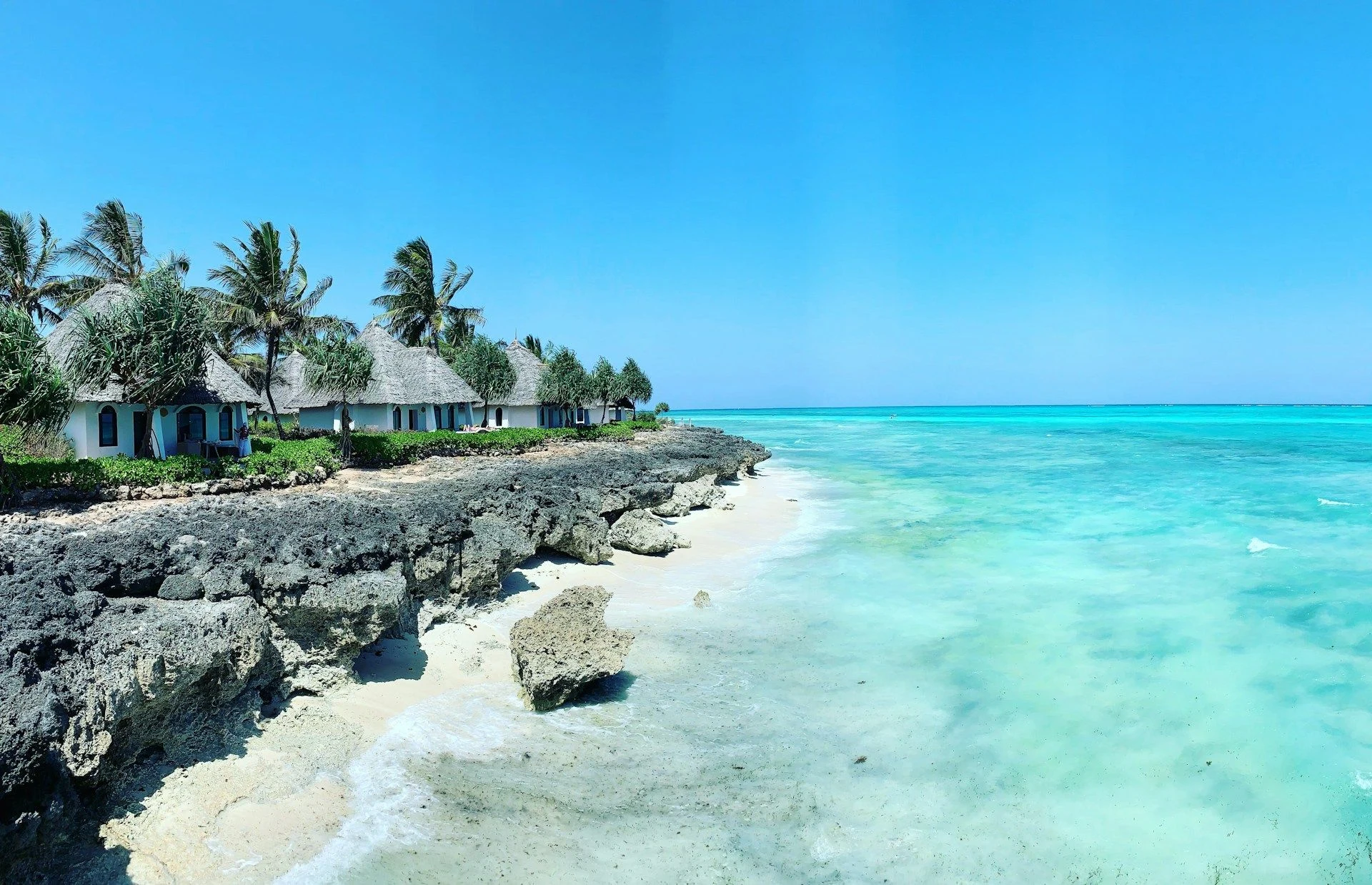
The Zanzibar red colobus (Piliocolobus kirkii) is a leaf-eating monkey found only on Unguja, the main island of Zanzibar, and listed as Endangered on the IUCN Red List.
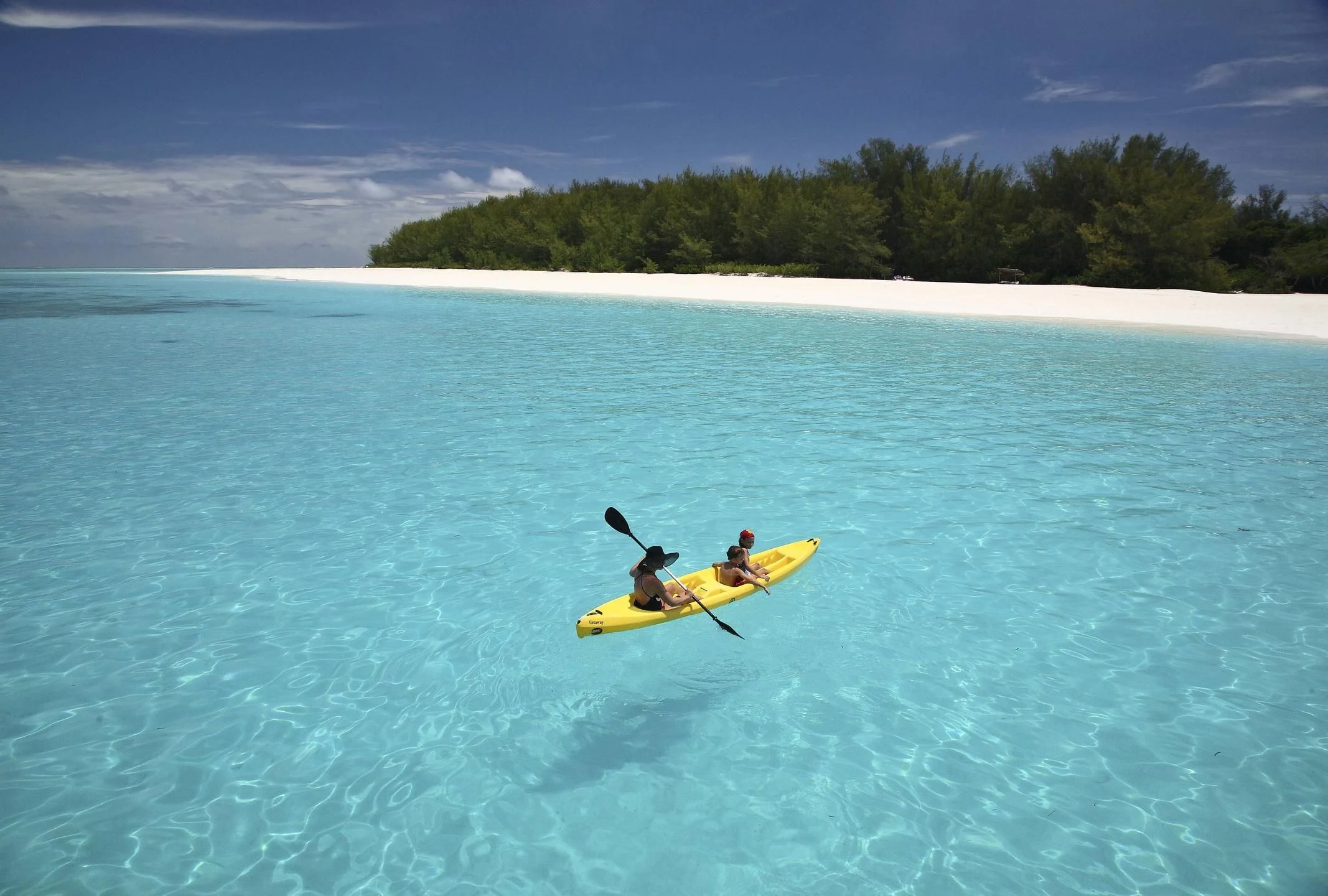
Zanzibar coral reef conservation rests on a handful of protected areas: Menai Bay in the south-west, Mnemba off the north-east, Chumbe near Stone Town and the Pemba Channel, run by government with fishing villages and, at Chumbe, a private
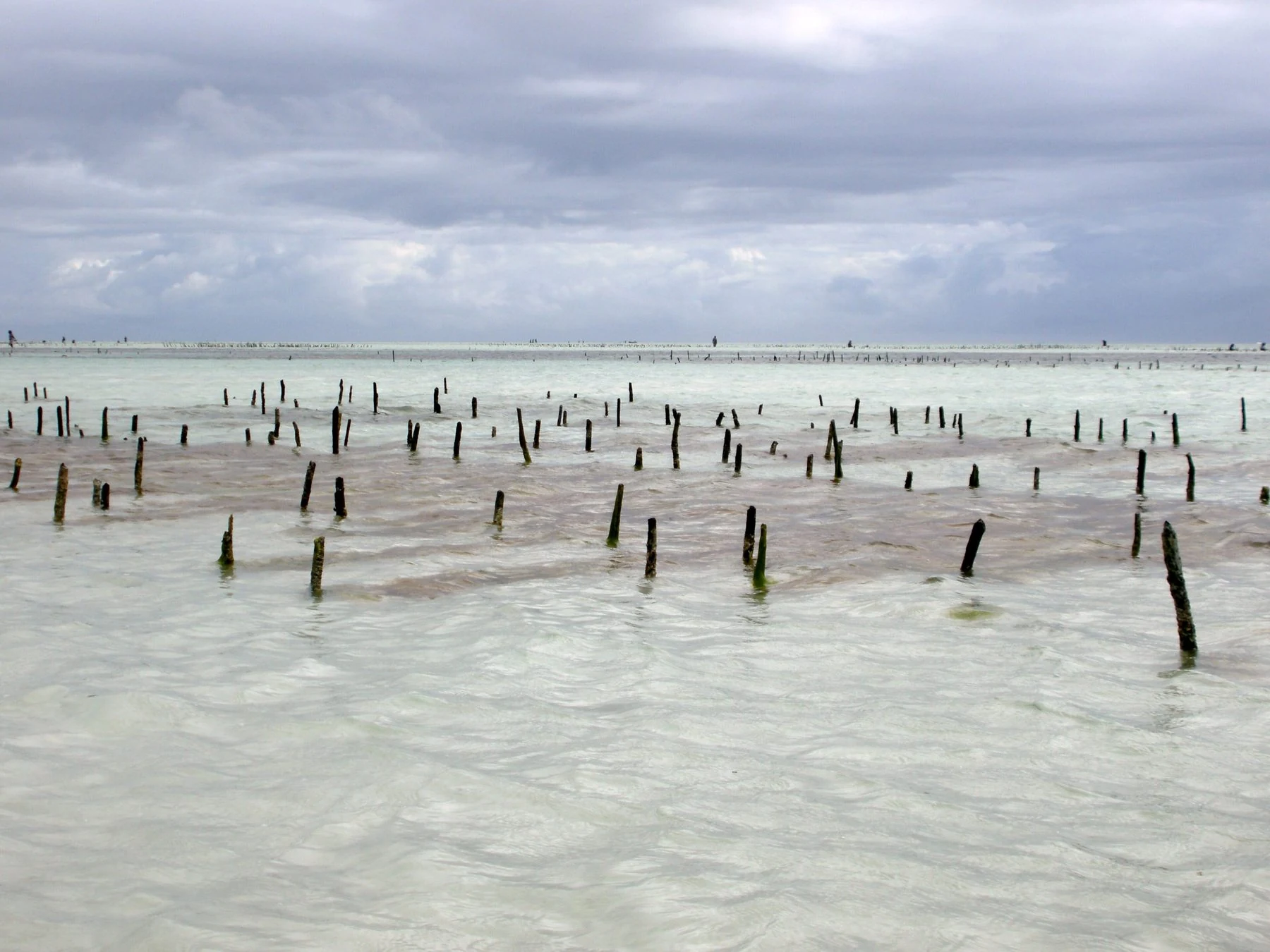
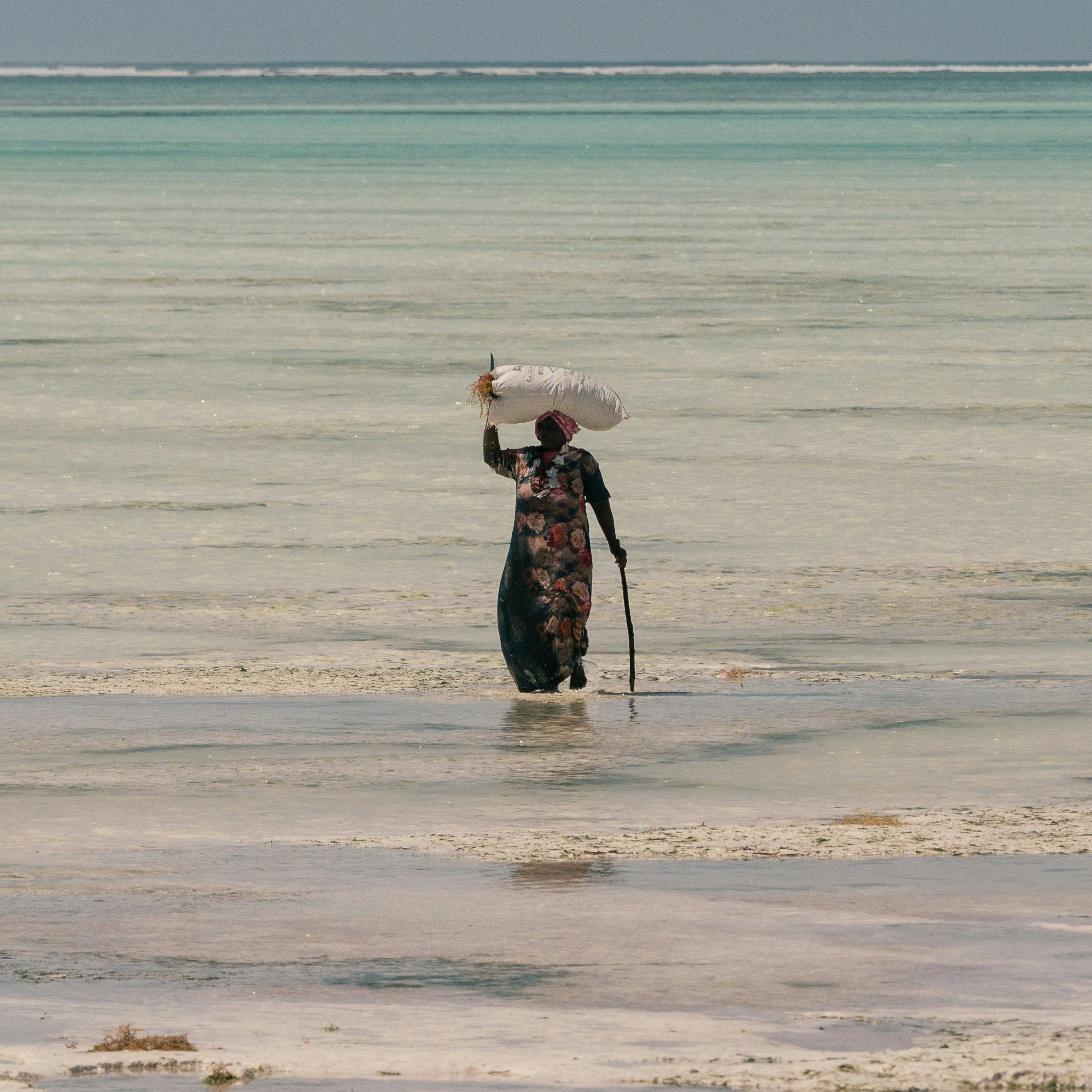
Zanzibar seaweed farming is a shoreline livelihood in which women do most of the work: over 80% of the isles' roughly 20,000 farmers in 2024, by World Bank figures.
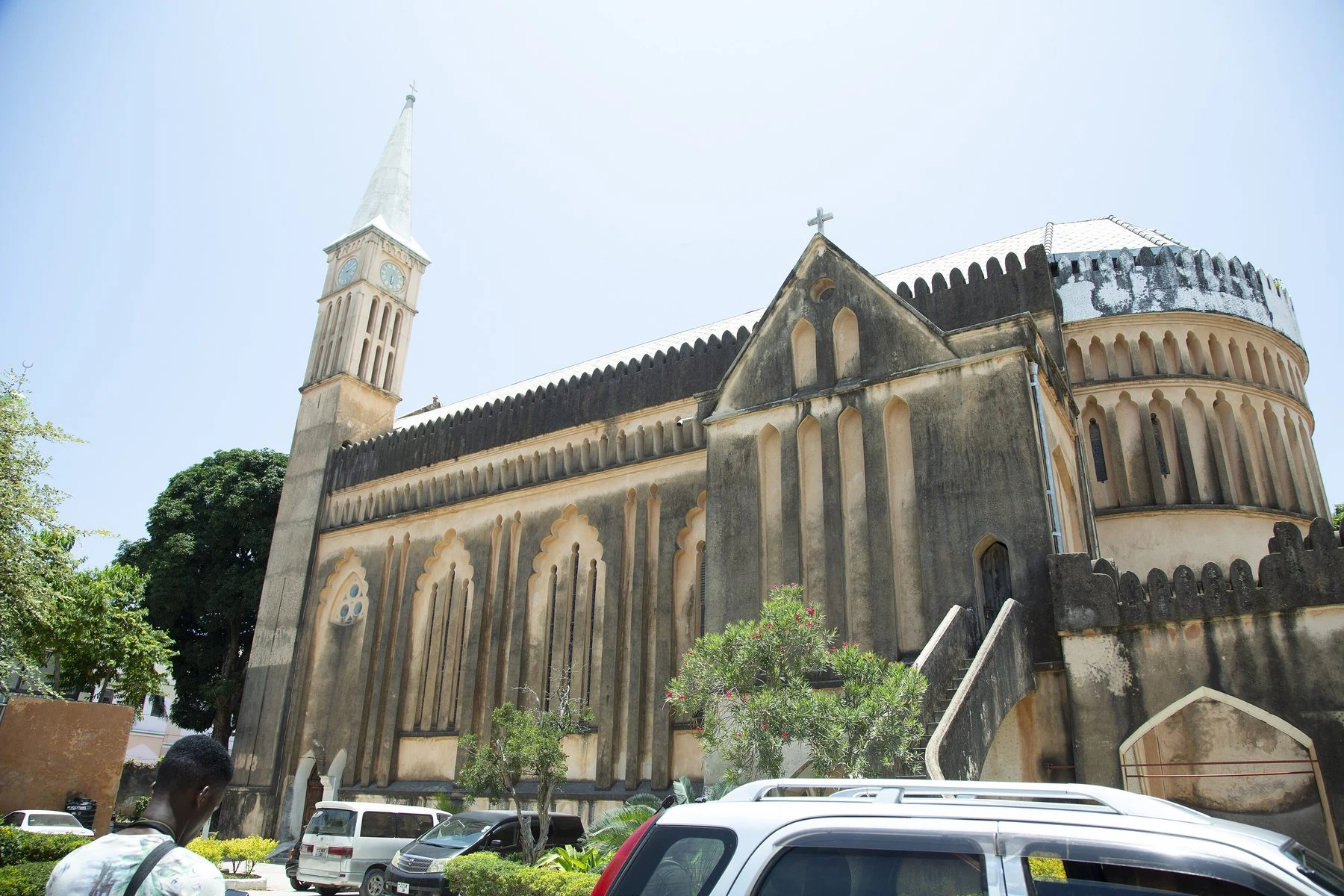
The Zanzibar slave market was Stone Town's main open market for enslaved people until Sultan Barghash closed it under British pressure in 1873; Christ Church Cathedral was begun on the site that Christmas.
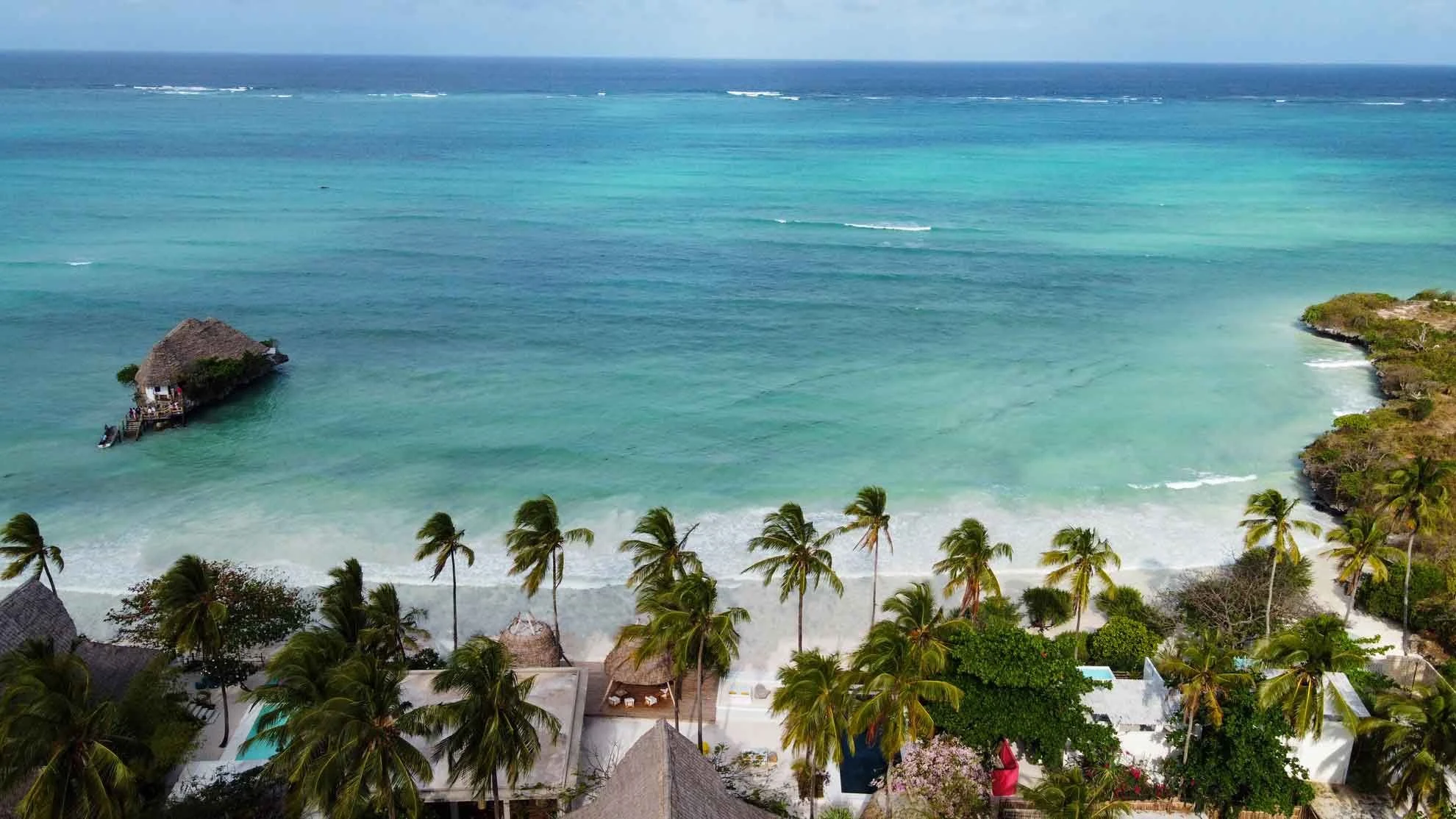
Zanzibar spice trade history is above all the story of cloves: introduced in the early nineteenth century and pushed hard by Sultan Said bin Sultan, they made Zanzibar and Pemba the world's largest clove producers by the mid-nineteenth cent
A babymoon safari in East Africa is hard to recommend: nearly every safari area in Kenya and Tanzania sits inside the malaria risk zone, and Kenya also carries a Zika risk.
A Big Five safari suits you if you enjoy a quest and are happy to let one animal, the rhino, decide your route.
A Christmas safari suits you if you accept peak rates, book many months ahead and can live with some rain.
Most dietary requirements on safari are manageable if the camp knows early: vegetarian, vegan, gluten-free and halal meat are routine at established camps, because kitchens cook from scratch for small numbers.
Yes: a family safari in Kenya works for most children from about six or seven, when a child can enjoy a morning game drive and still be curious at the end of it.
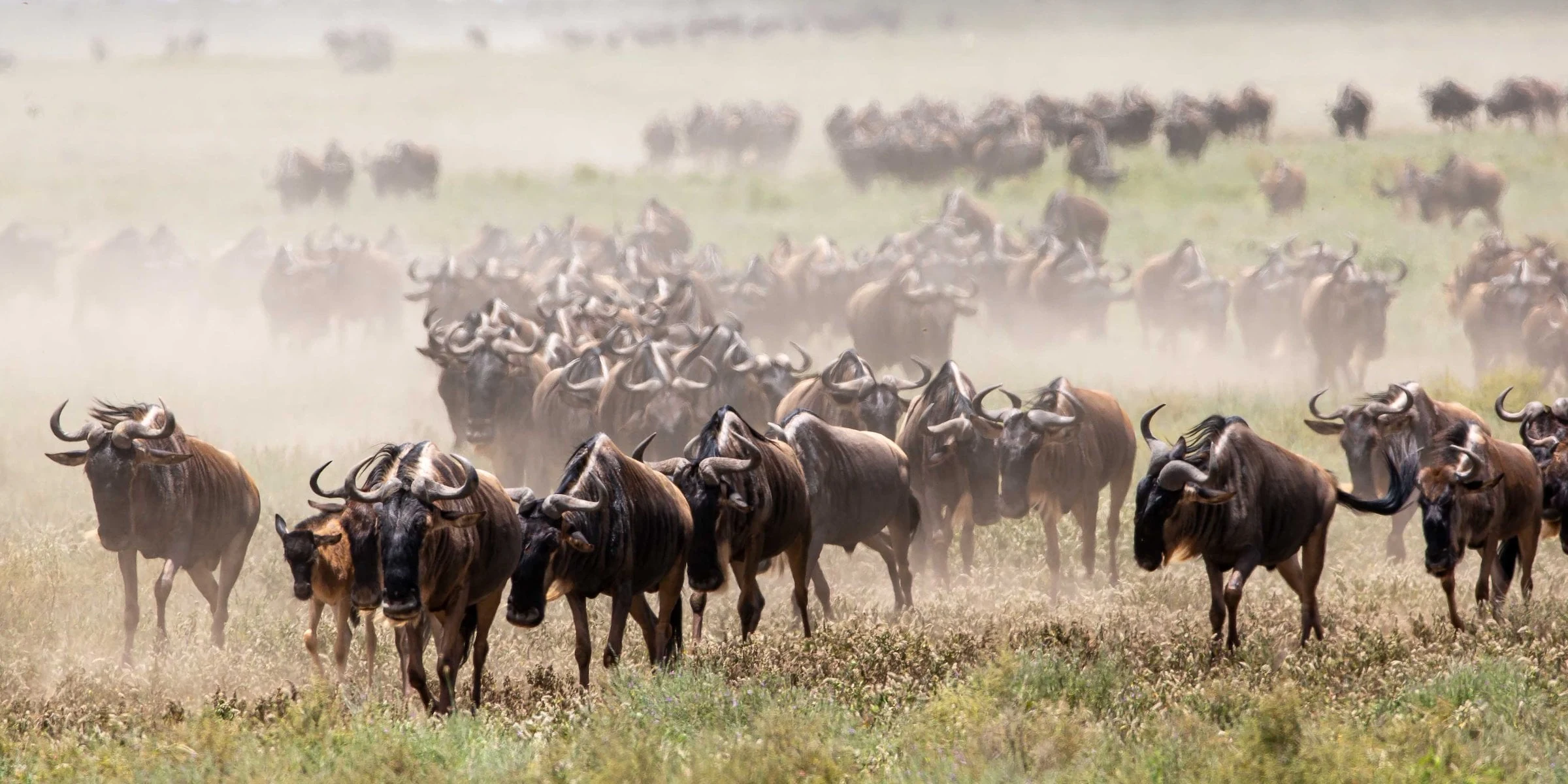
A family safari in Tanzania is worth it when your youngest child is about eight or older and you are willing to fly the longest legs; with a younger child, keep the route short or choose Kenya.
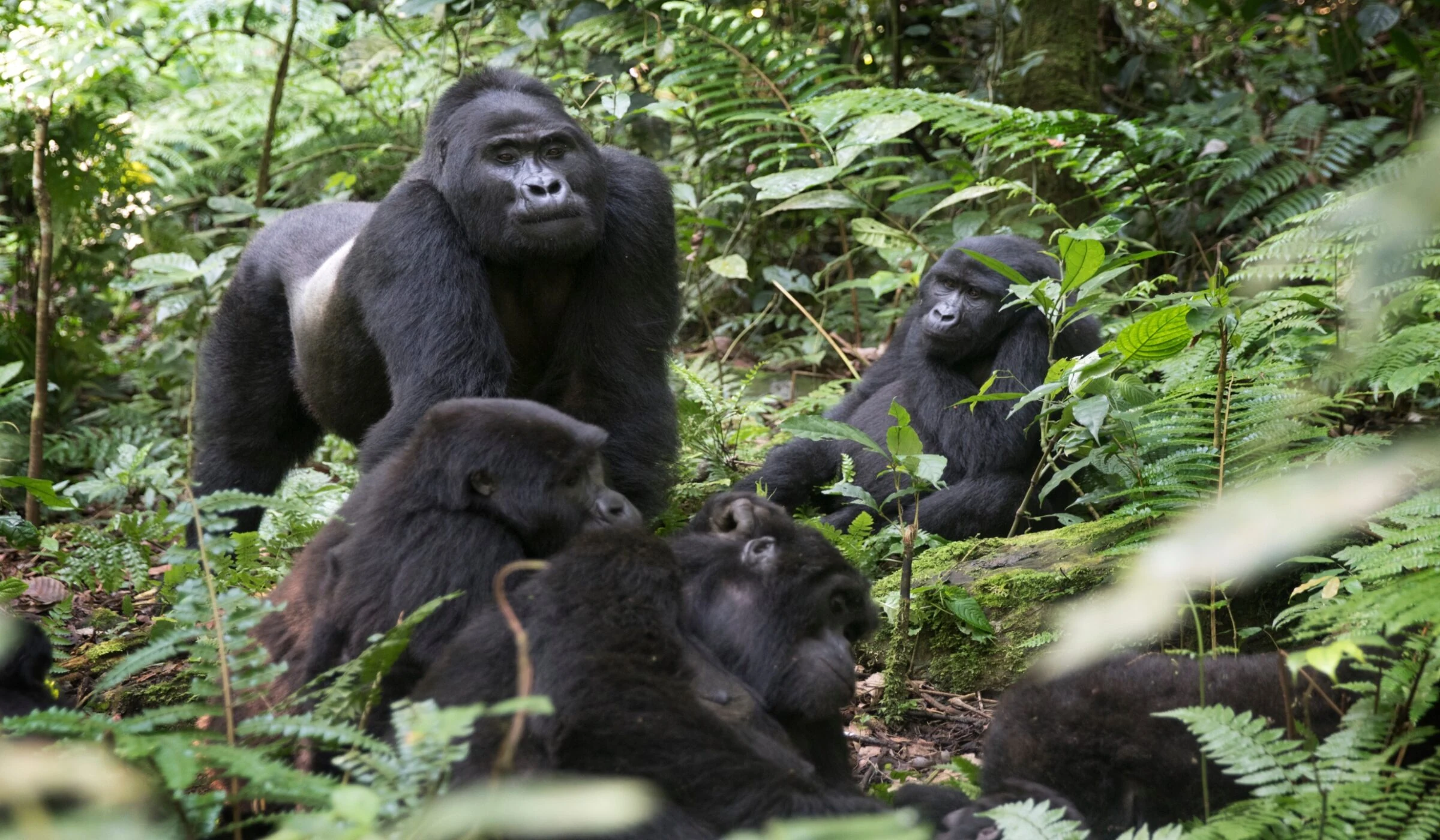
A family safari in Uganda works around two age rules: gorilla trekking starts at 15 and chimpanzee trekking in Kibale at 12.
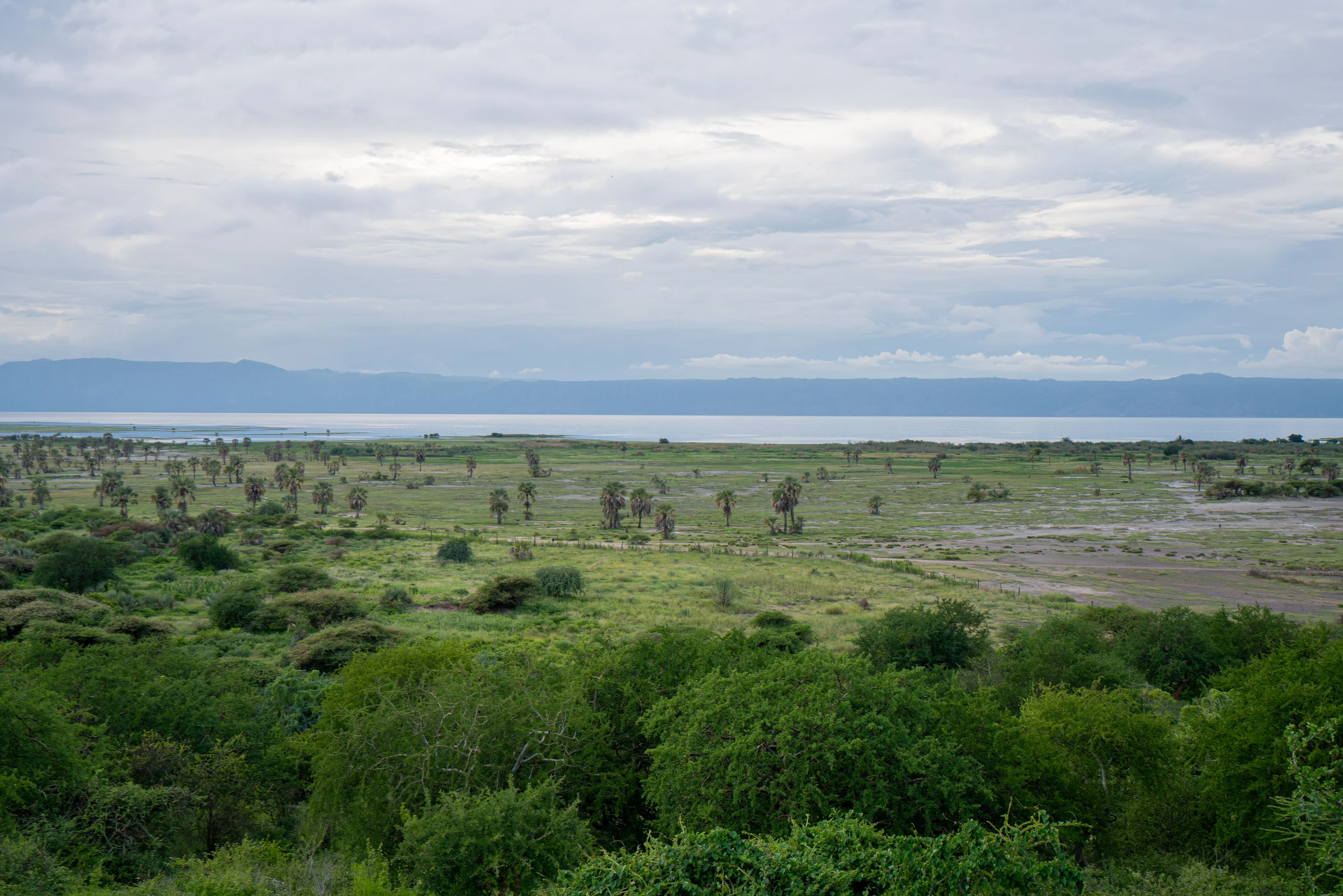
A green season safari suits you if you value space, dramatic skies and gentler rates over dry-day certainty, and can accept mud, longer grass and some closed camps.
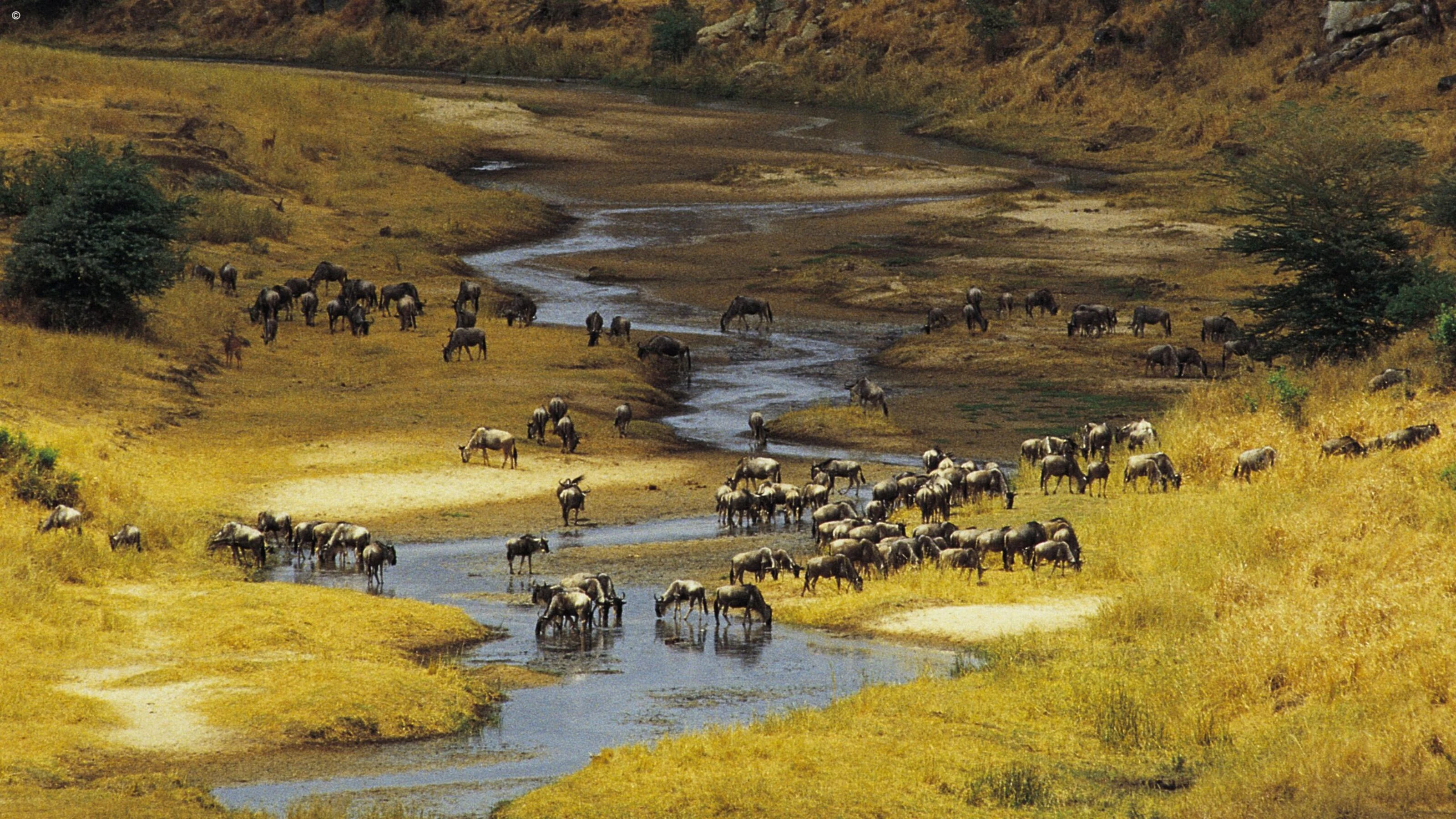
A safari is not risk-free, but the risks are mostly ordinary ones: road crashes, malaria and sun, far more than animals.
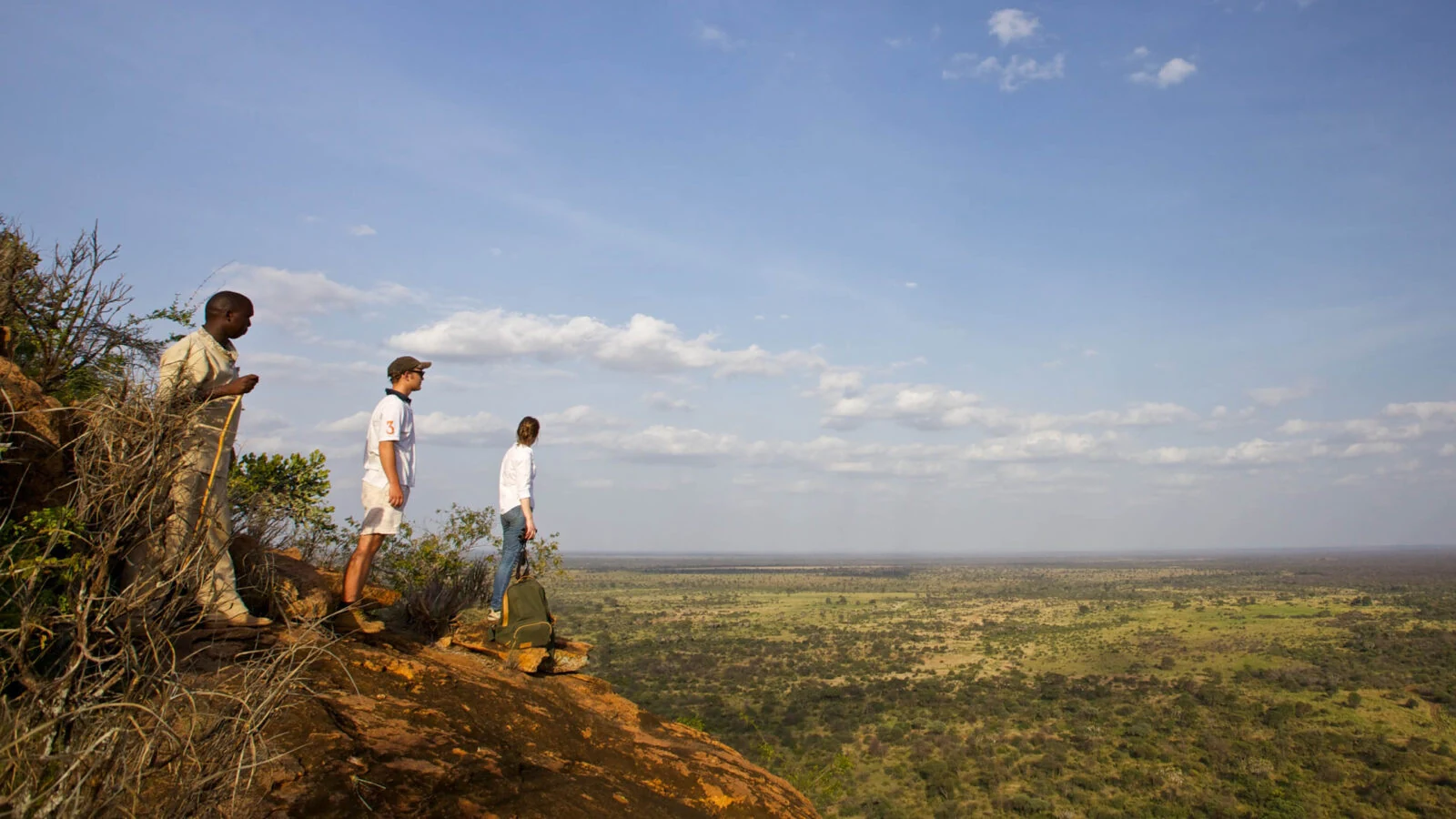
A luxury safari in Kenya means the private conservancies around the Maasai Mara and across Laikipia rather than the open reserve: small camps, fewer vehicles at each sighting, and walking and night drives that the national reserve does not
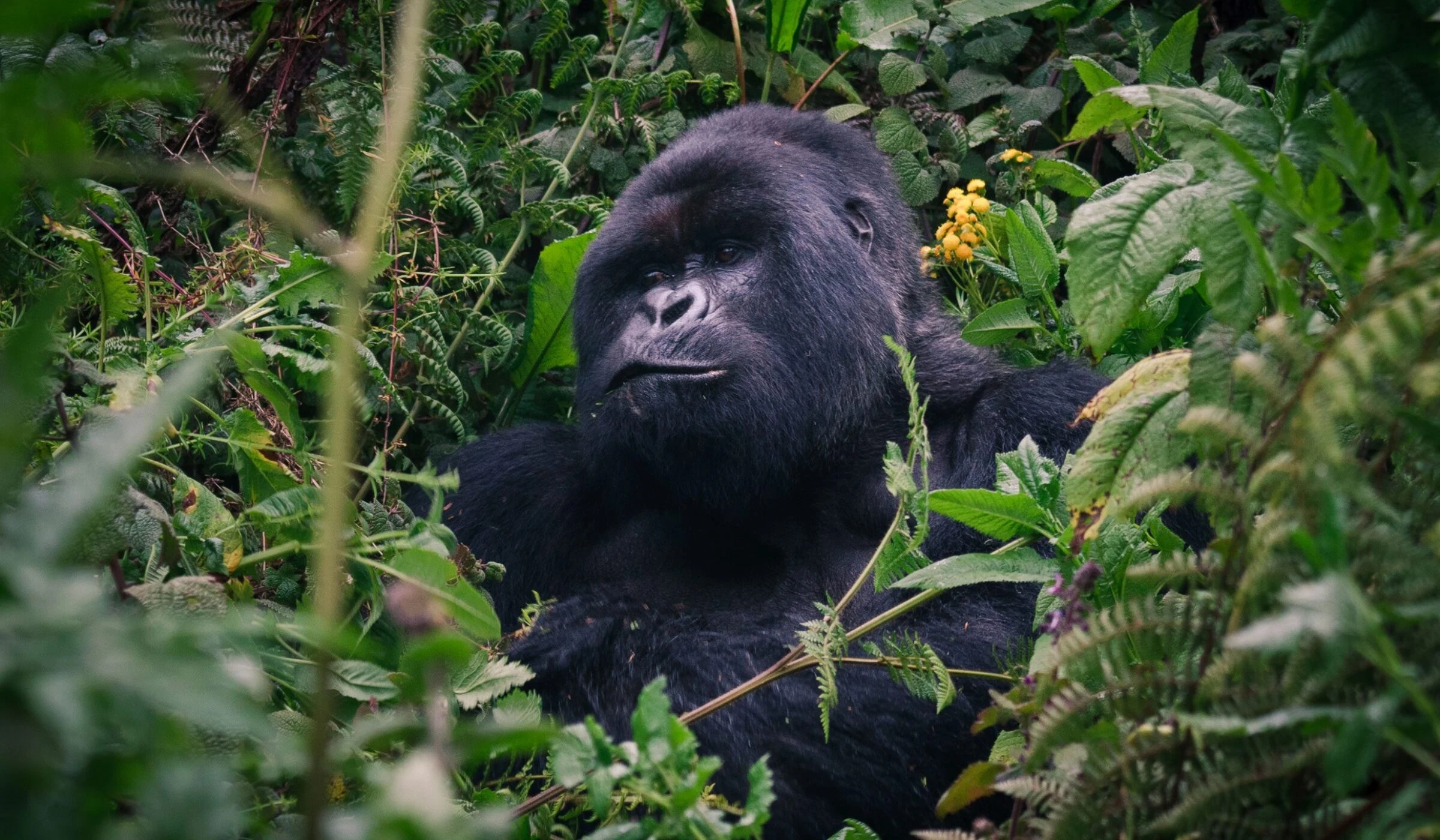
A luxury safari in Rwanda is the shortest route to a mountain gorilla trek: Kigali is about two hours from Volcanoes National Park and its high-end lodges sit near the park, so four nights is enough.
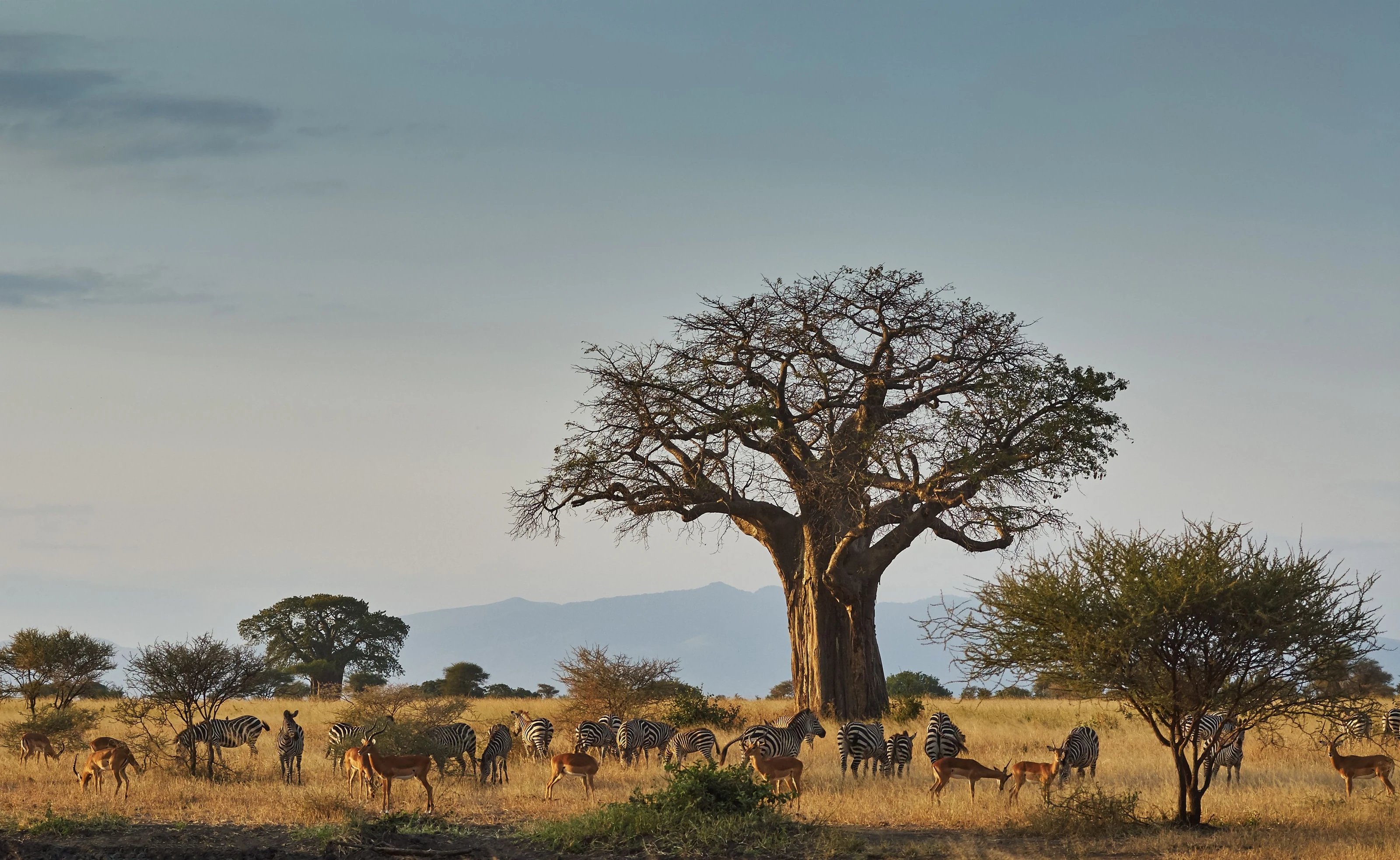
A luxury safari in Tanzania means scale and private land: small camps on concessions such as the 350,000-acre Grumeti reserve, a lodge on the Ngorongoro Crater rim, and the remote southern parks.
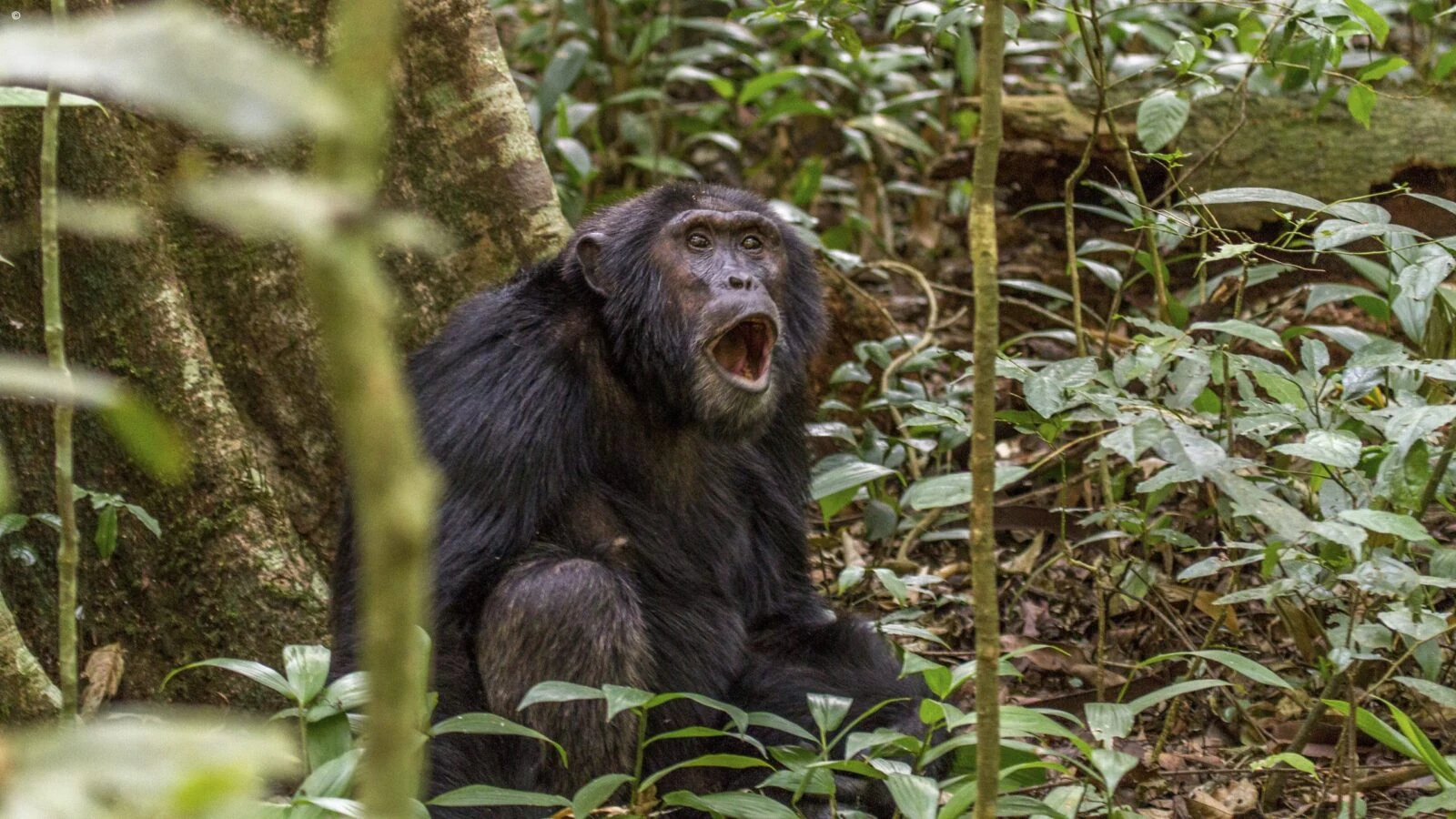
A luxury safari in Uganda is built around a handful of small lodges, a gorilla permit (US$800) and a guide who sets the day, with light aircraft replacing the long roads.
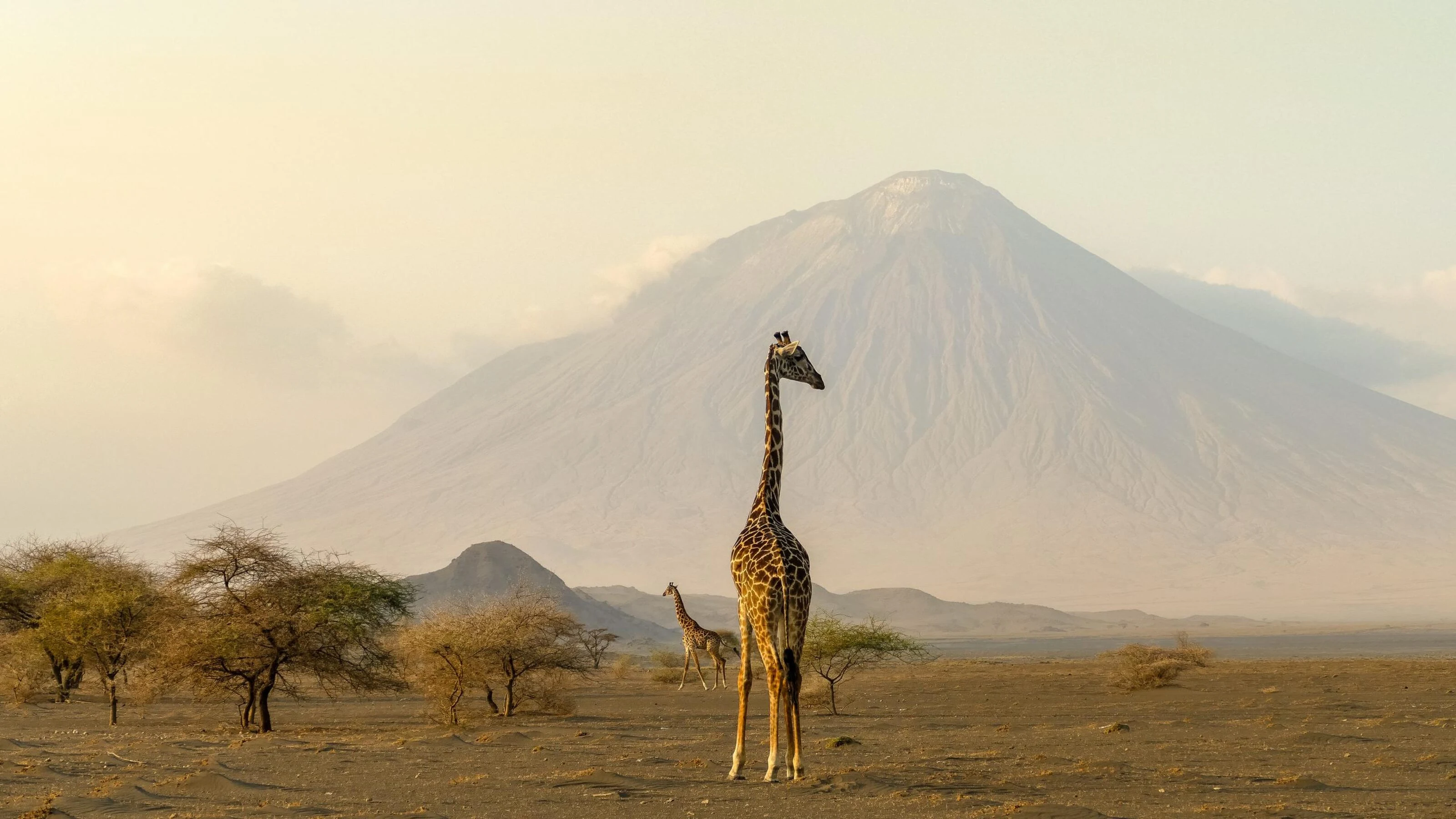
A luxury safari buys space rather than more animals: small camps, few guests in each vehicle and, on private land such as Kenya's Mara conservancies or the Grumeti reserves beside the Serengeti, the freedom to walk, drive at night and leave
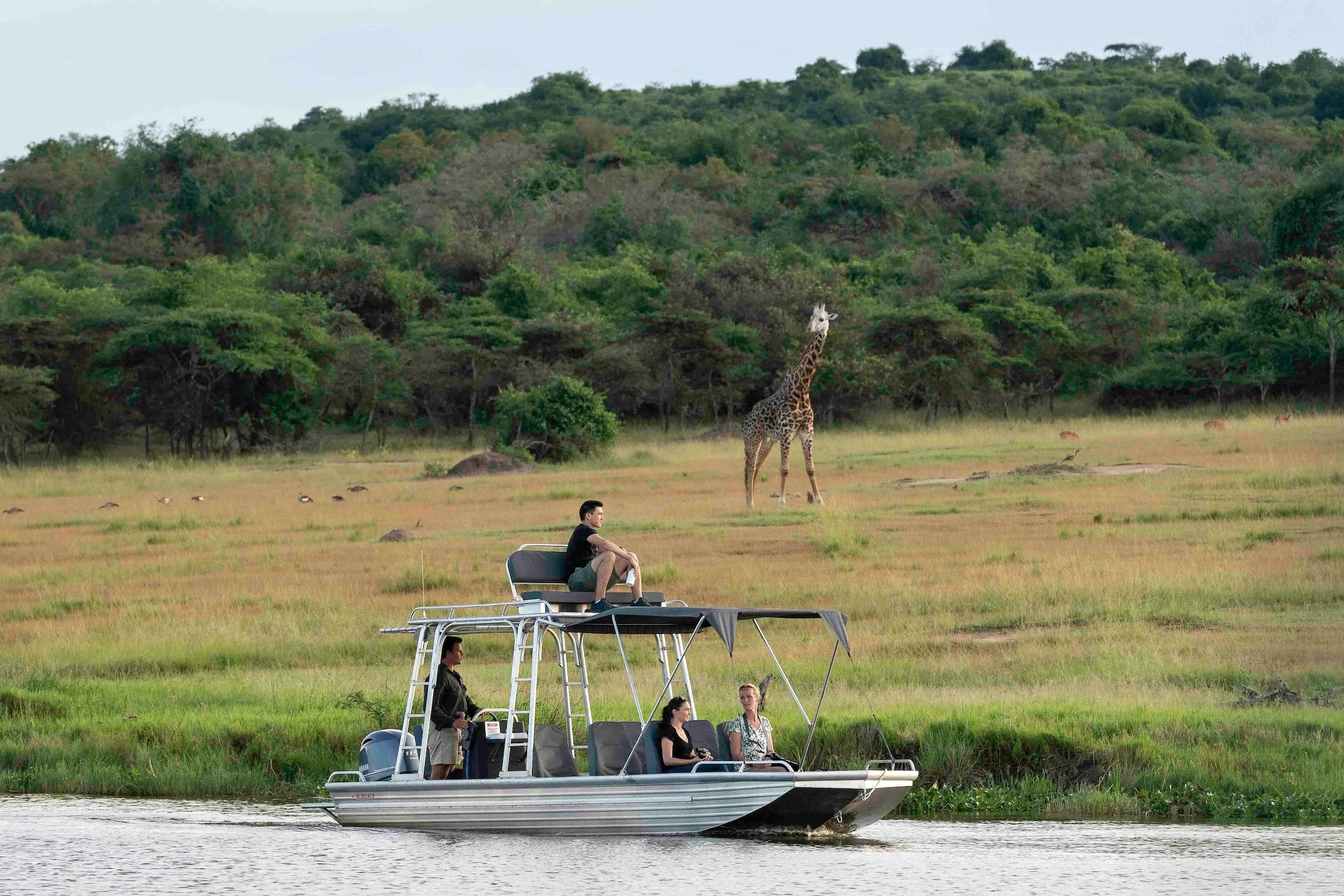
A multi-generational safari works when it is built from short flights, a place of your own and days that split by energy and meet again at sundown.
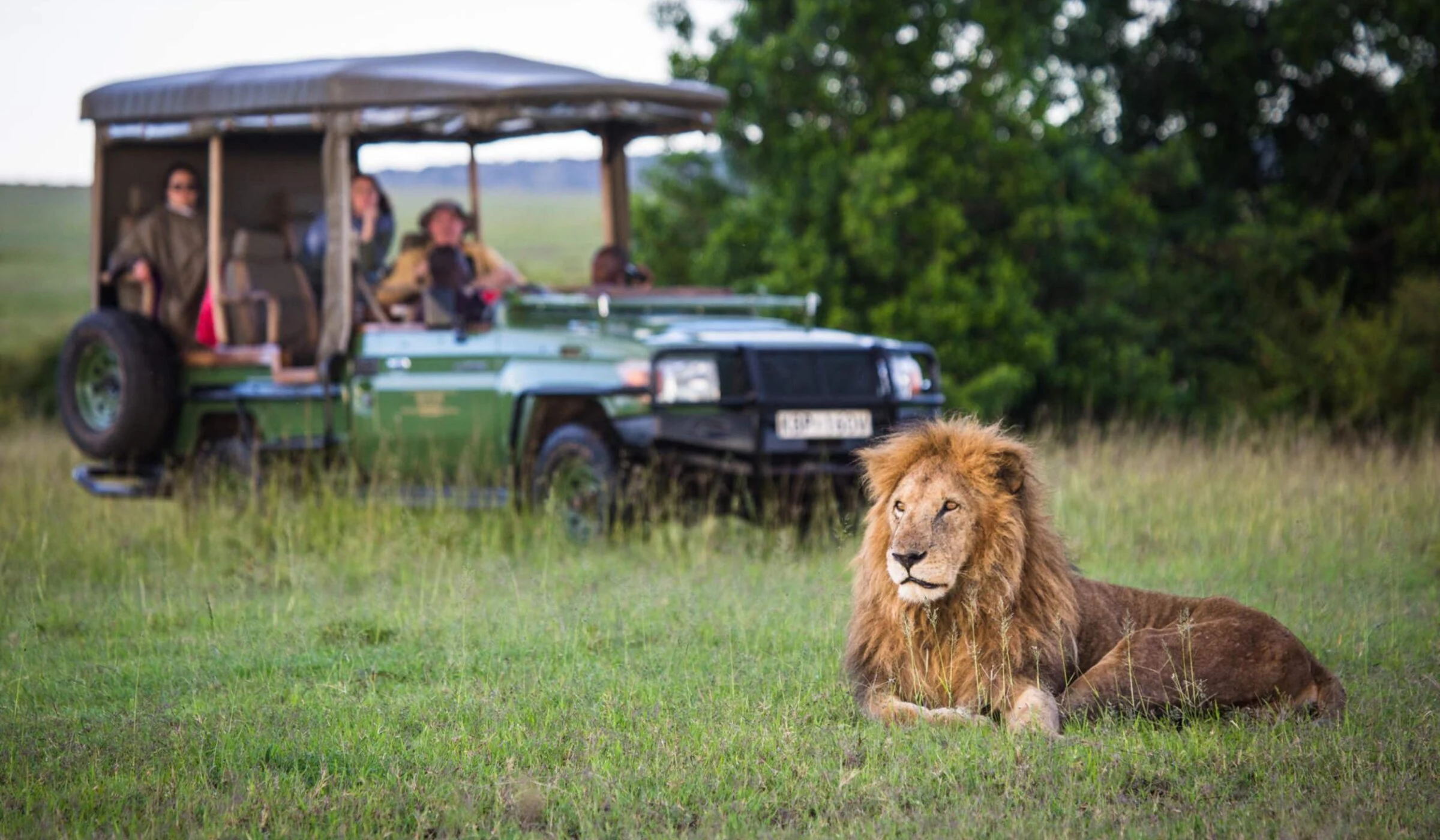
A photography safari suits a beginner who wants to come home with pictures they are proud of: you need curiosity and a camera, not a portfolio.
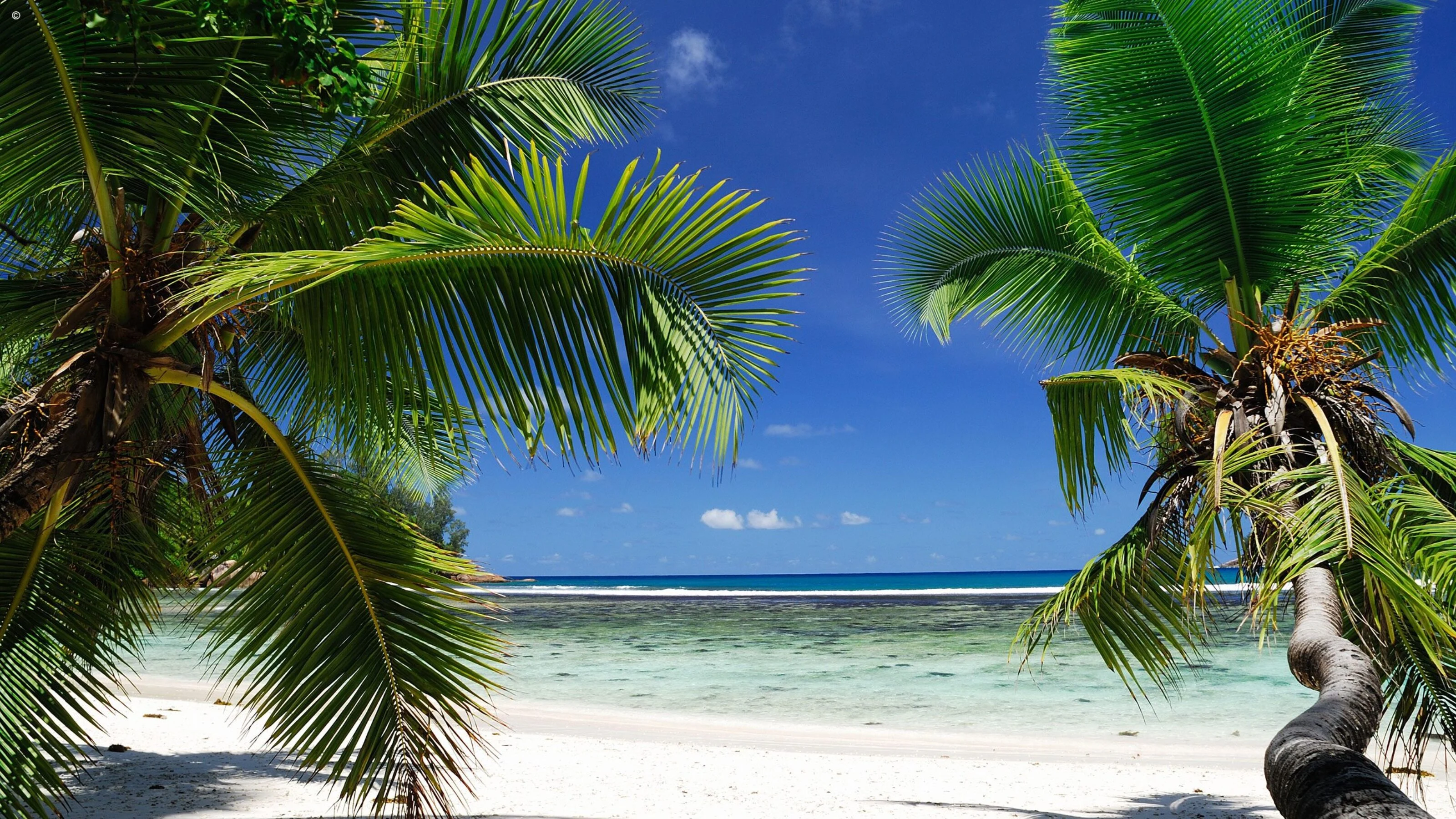
For a safari and beach holiday, split the trip if you have seven nights or more: at least four in the bush, then three on the coast.
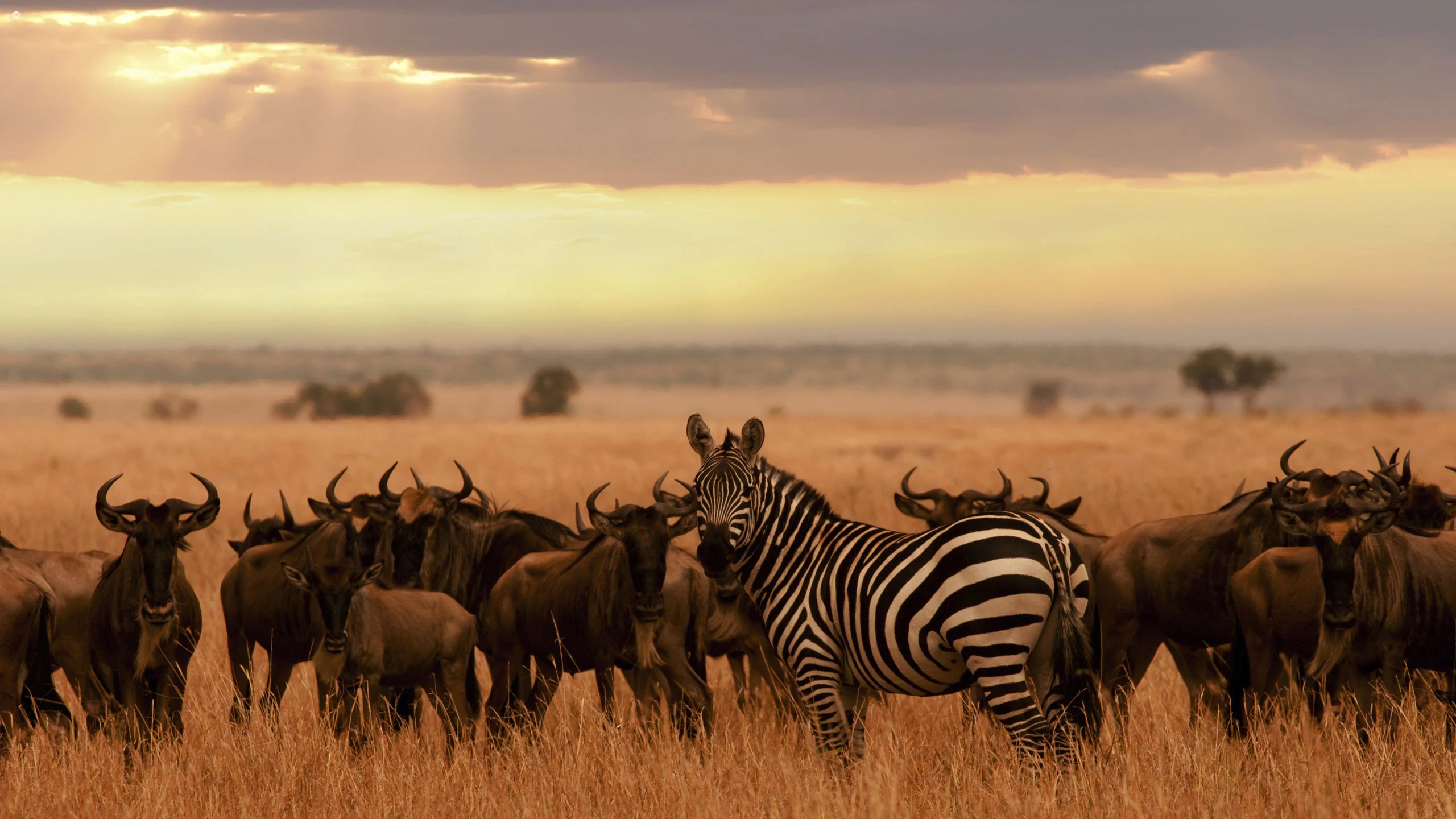
A safari for couples works best with a private vehicle and guide, small camps of roughly six to ten tents, and days built around what each of you actually enjoys, not around a script: one of you can take the dawn drive while the other stays
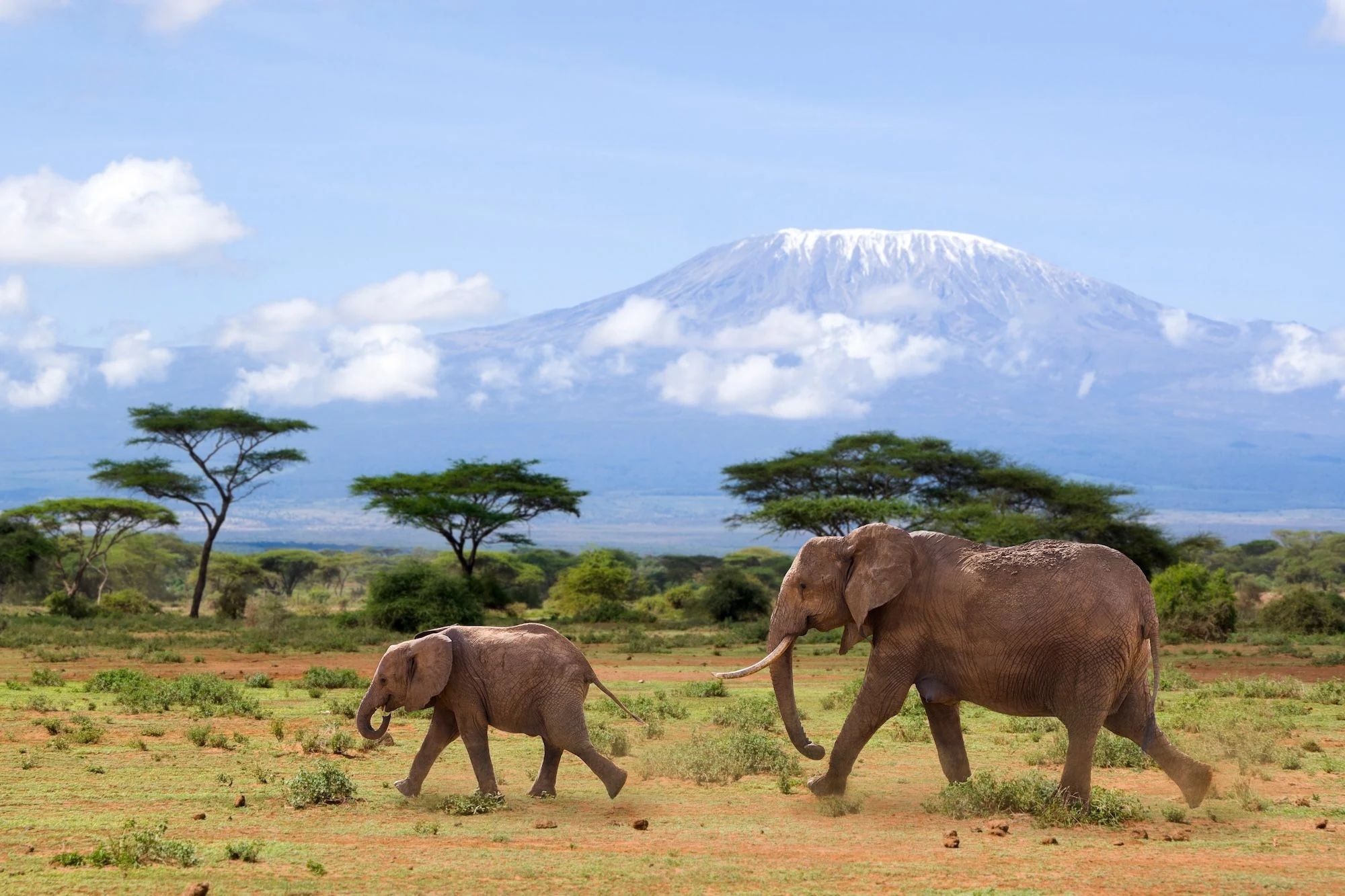
A safari for over-60s is built around pace and comfort, not coverage.
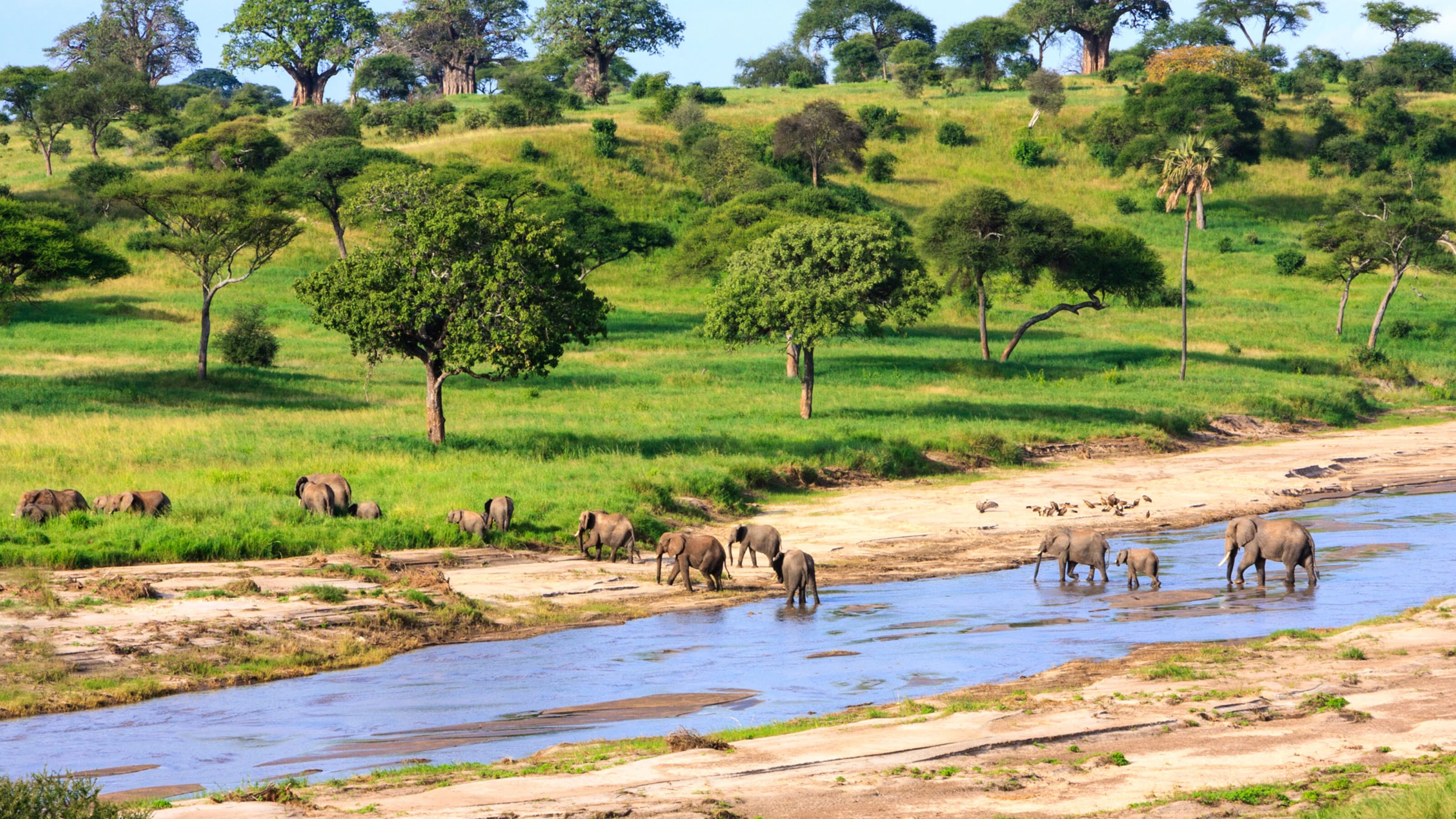
A safari with teenagers works when it is active and participatory: walking with a ranger, tracking rhino on foot, night drives from a conservancy camp and a coast finish for diving or kitesurfing, rather than long drives watched through a w
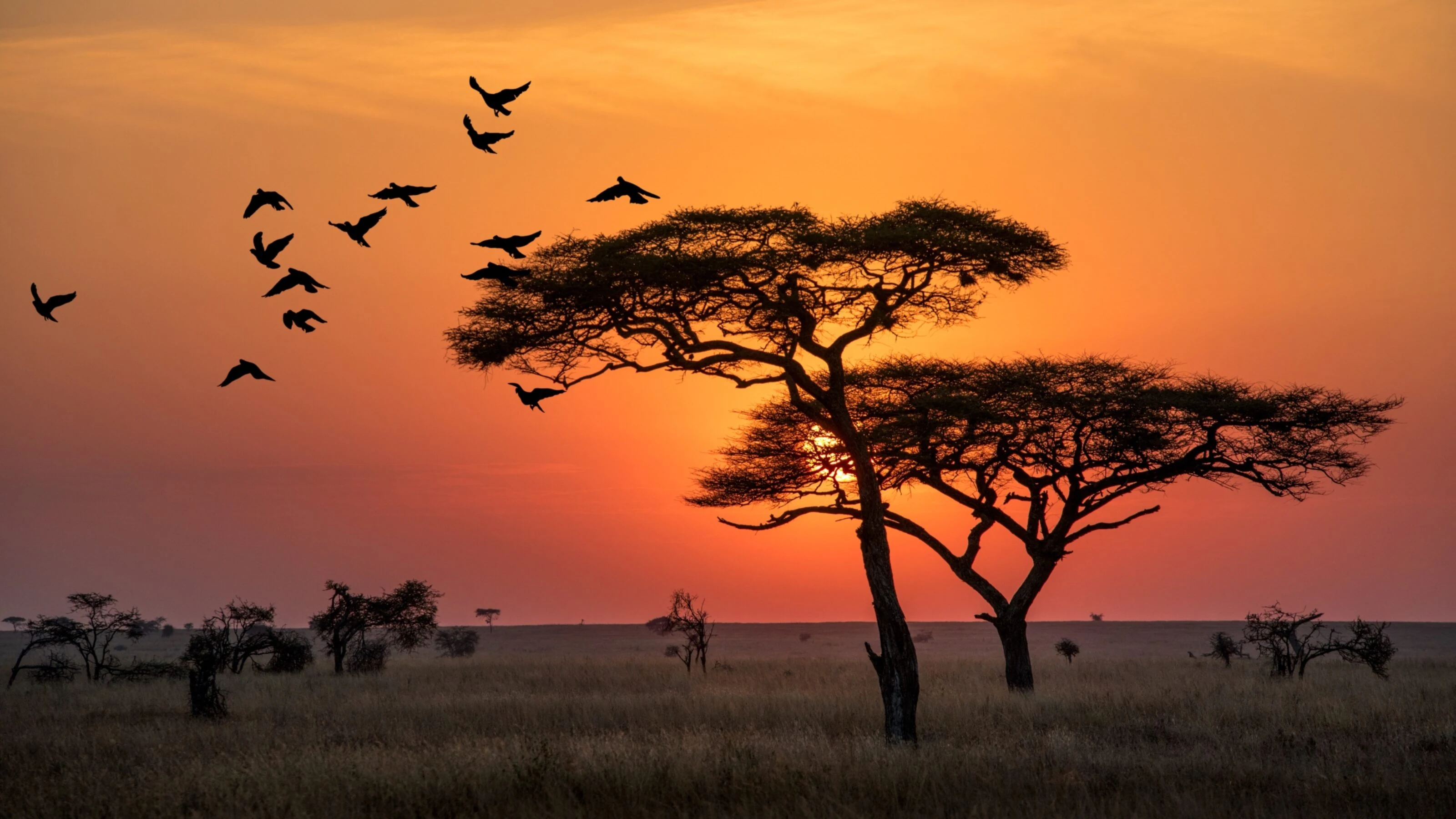
A solo safari works well because the days are guided and camps are small, so you are rarely alone unless you choose to be.
In the Maasai Mara, published non-resident adult entry is USD 100 (1 January–30 June); USD 200 (1 July–31 December) for a 06:00–18:00 ticket.
Compare the same park visits before comparing the beds.
A family park-fee budget depends on each child’s age, visitor category and the entry period.
Compare the same experience and visitor category before choosing a forest visit.
A safari quotation is easier to compare when every option describes the same people, place, date and experience.
Read a fee’s charging unit and inclusions before judging its name.