Start here
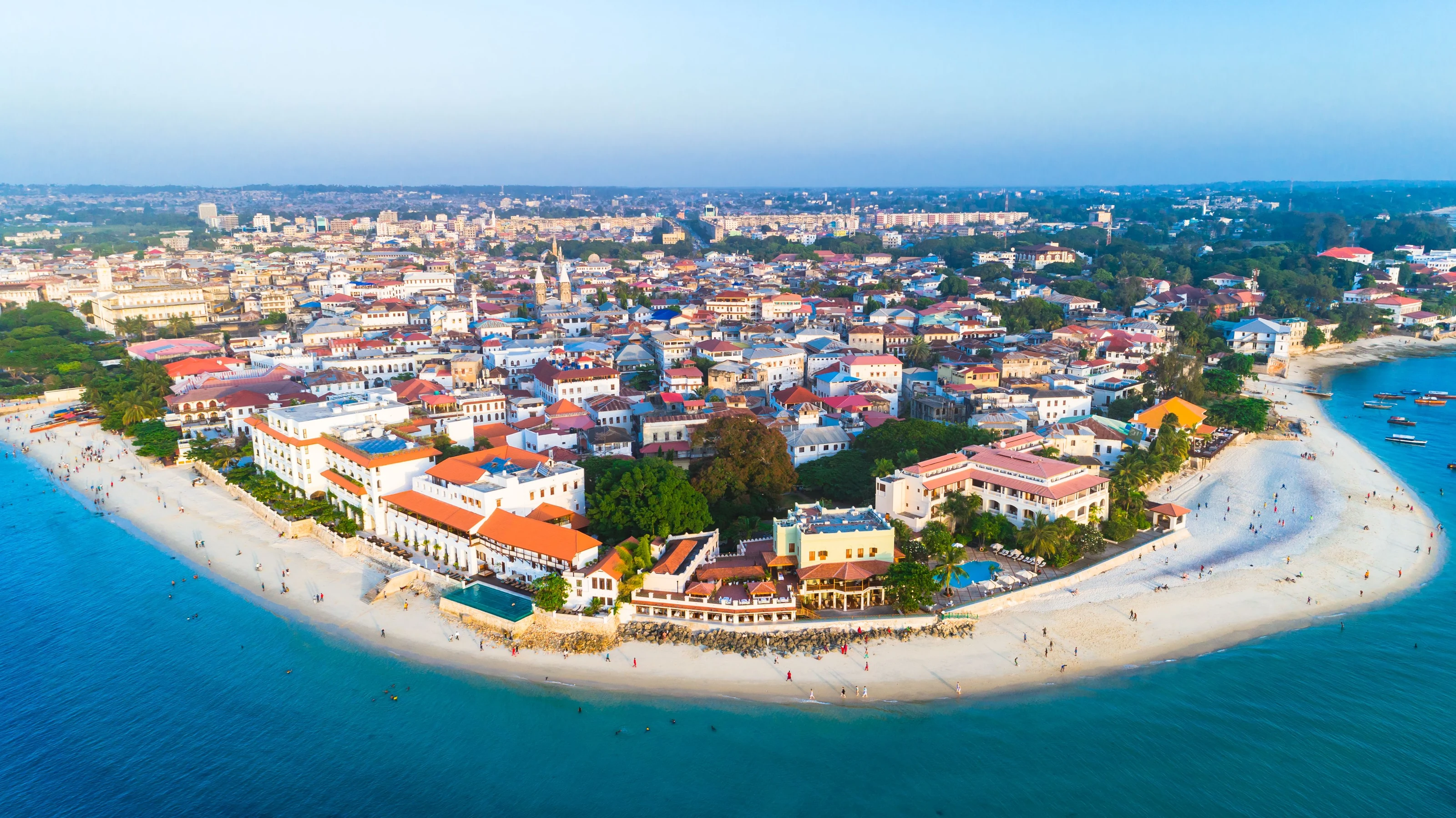
Zanzibar coffee is one of the first things you notice in Stone Town. It comes out of kettles on a charcoal stove before the shops open, and it is carried in small cups along the lanes. Visitors often treat it as a quick stop between sights. Locals treat it as the start of the day's business, the place where neighbours catch up and news travels. This page looks at what the habit means, where you are most likely to see it and how to take part without turning it into a performance. The old town's wider story is told in a history of Stone Town in ten buildings.
The story
Kahawa in the lanes. Coffee here is served black and strong in the morning, usually from a kettle over charcoal into small handle-less cups. It is usually unsweetened and sometimes carries a little ginger. It is often eaten alongside kashata, a peanut brittle sold nearby, taken between sips. The sitting is the point. A cup takes time, and a regular who sits down is saying they have time for you.
Jaws Corner. Where lanes meet in the centre of Stone Town, a small courtyard carries murals of the shark from the film Jaws. Locals gather there early, on shaded steps, with the coffee and the chatter. The name comes from those shark murals on the walls. The murals are the tourist's way of remembering the place; the steps belong to the people who sit on them.
A café seat. If you would rather sit at a table with a menu than on the steps, the Zanzibar Coffee House is the café option. It occupies a building dating from 1885, in an old merchant's house with a rooftop. Its beans come from the Utengule estate on the mainland, in Mbeya, so the coffee you drink there is grown outside the island. Tours of the roasting area can be arranged.
The baraza. A baraza is a raised stone bench, often set into the front of a house or built into a public space, where men sat to talk, trade and settle matters. It is a general term for a social seat, not a coffee house. In the old town, the benches and steps of the coffee corners carry the same function: a place to sit, watch and be seen. The word is often used loosely for any gathering place, so a guide can say what a particular bench is for.
Cardamom and the spiced cup. Some cups are spiced with cardamom, a common spice across the Indian Ocean trade routes.
Key facts
What: kahawa, Swahili for coffee, served black and strong. Where: Stone Town's courtyards and shaded steps, mostly in the morning. Best known corner: Jaws Corner, where lanes meet. Café option: Zanzibar Coffee House, in a building dating from 1885, with beans from the Utengule estate on the mainland. Serving: kettle brewed over charcoal, into small porcelain cups. Sweetness: usually unsweetened; the stall will say. Spices: cardamom in some versions. Etiquette: sit when invited, greet first, accept the cup offered and do not photograph people sitting without permission.
How to experience it
Sit down, and stay a while. Go in the morning, when the coffee is freshest and the steps are busiest. Sit where a local is sitting, or where a host shows you. Do not stand at the edge with a camera. Order from the person who brews it and pay the small sum, which changes from year to year, so the stall's price beats a number from an old guide.
Arranging a home visit. Some families welcome visitors into their home for coffee. A local guide can find out whether a family would welcome you. Treat it as a privilege. Bring a small gift only if your guide advises it, and take your shoes off where you are asked.
Greet first, and respect the elders. Greet people with jambo or habari, and a respectful word to older people. Dress modestly, shoulders and knees covered, as the dress code guide explains. Seating customs vary, so follow the lead of those around you.
Photographs. Get permission before you photograph anyone sitting down, and accept a refusal without argument. A general view of the courtyard from a distance is usually fine. Zanzibar for photographers covers the wider etiquette.
Timing. Coffee corners are busiest in the morning and quieter in the afternoon. During Ramadan the rhythm of the day shifts, and most coffee is drunk after dark; visiting Zanzibar during Ramadan sets out what to expect.
Why it matters to how we travel
Coffee is one of the easiest ways to slow down in Stone Town. A morning spent on a step, with a guide to explain the lanes, shows more of the island's daily life than a checklist of sights. A travel designer can leave a Stone Town morning free for this, rather than filling it with landmarks, and can find out whether a home coffee visit is possible on your dates.
Right for you if you like to sit and watch, and slow mornings matter more to you than a list of sights. Skip it if you want an espresso bar or a quick stop between sights. A visit to a mainland coffee estate is a different trip, and this page does not cover it.
Journeys to consider
- Shores of Zanzibar — the island journey, with time for Stone Town mornings. → See the Shores of Zanzibar journey
- Stone Town, the east coast and Mnemba — ten nights — the longer version, with room to return to the old town for several mornings. → See the ten-night island journey