Amboseli
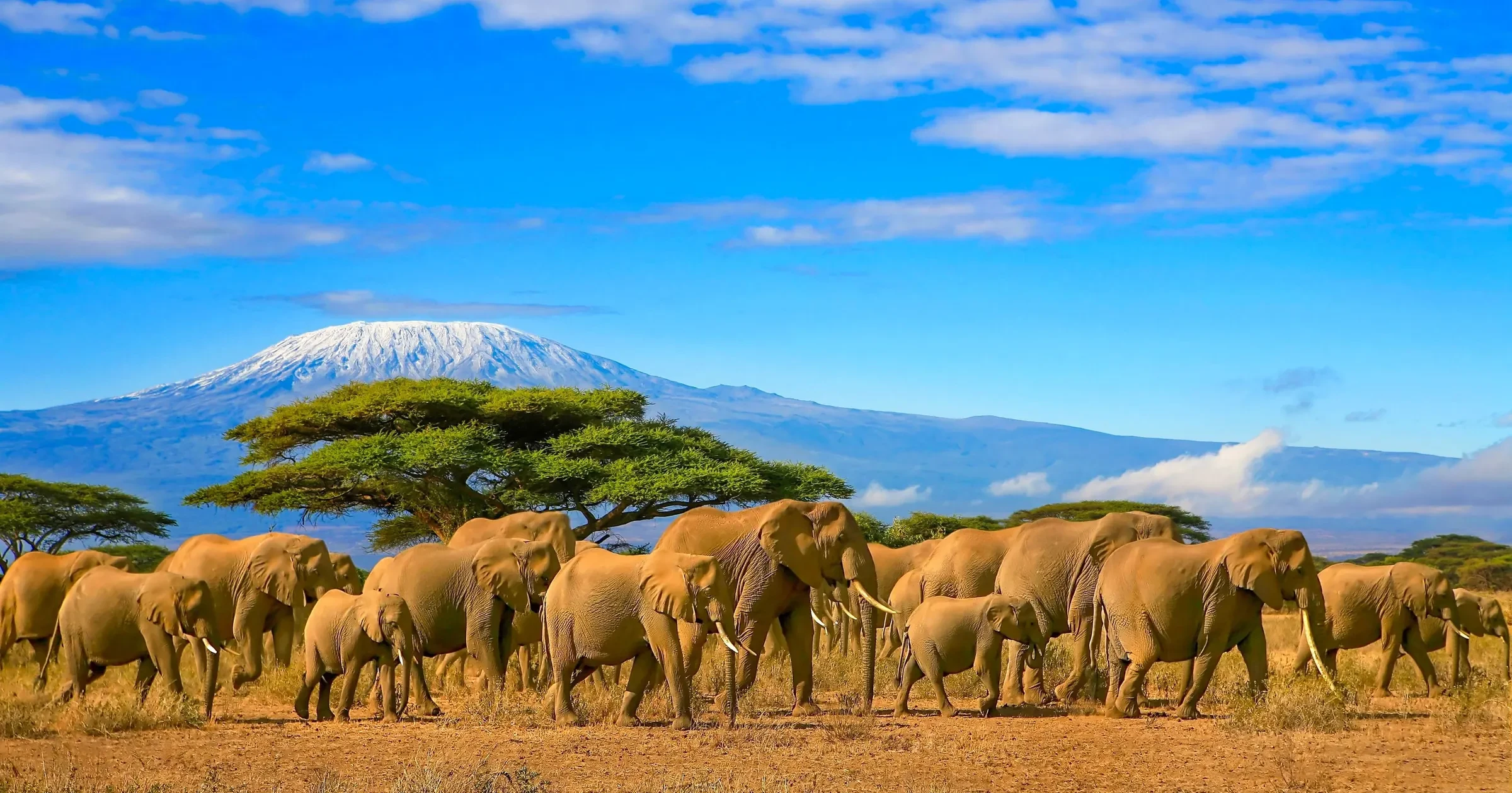
Amboseli is a national park in southern Kenya, on the Tanzanian border at the foot of Mount Kilimanjaro — famous for its large, free-ranging elephant herds, many with exceptional tusks, crossing open plains and marshes beneath Africa's highest peak. It is one of the best places on the continent to watch and photograph elephants at close range against a mountain backdrop, and it suits first-time and returning safari-goers alike.
Why visit
Amboseli is the image people carry of Africa before they ever arrive: a line of elephants moving across a dust-gold plain, and behind them the vast, snow-streaked dome of Kilimanjaro lifting out of the haze. There is nowhere else the two come together quite like this.
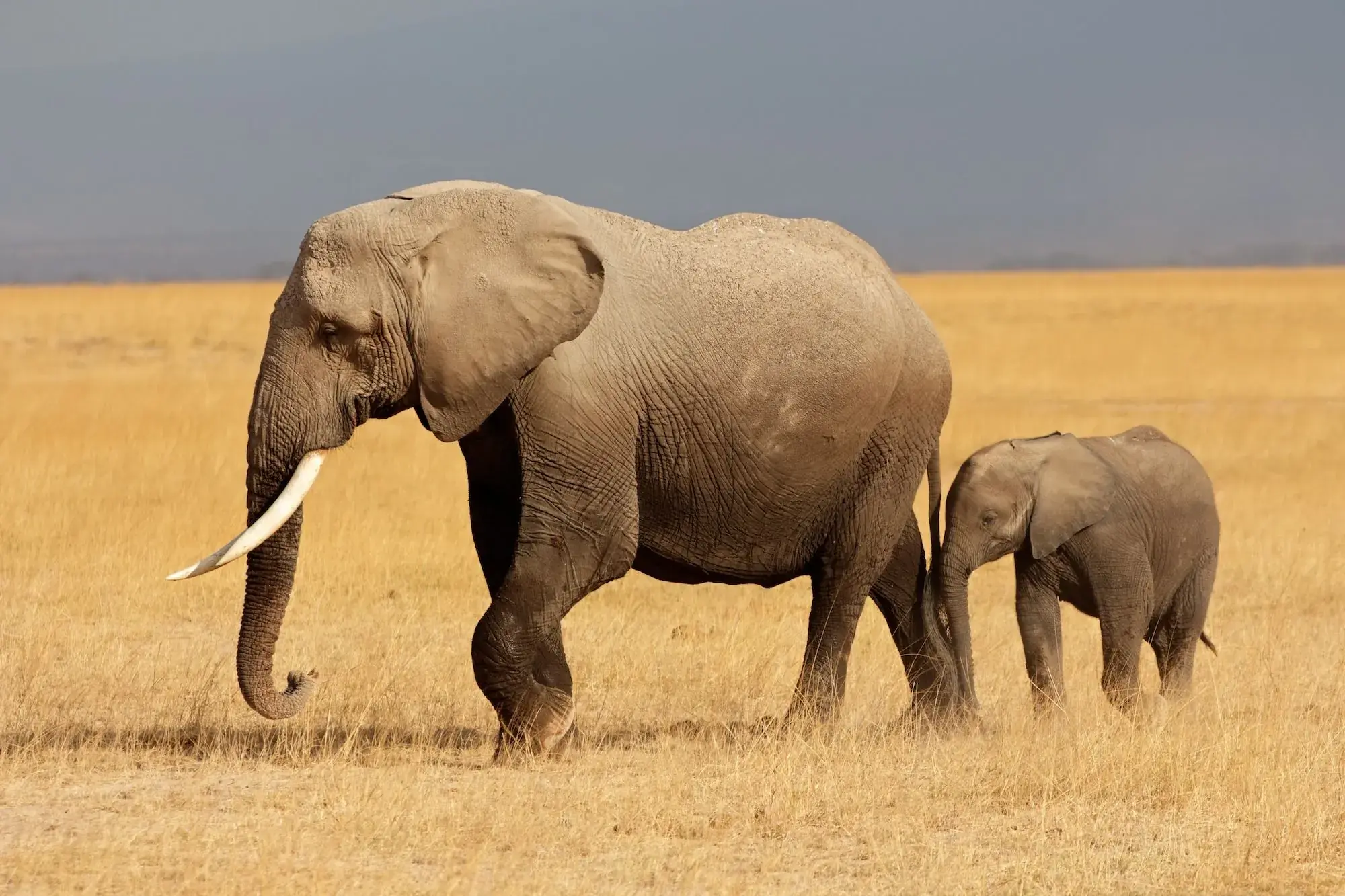
It is a smaller, more intimate park than the Mara, and that is part of its gift — the wildlife concentrates around spring-fed marshes, the sightings come close, and the light at dawn and dusk on the mountain is the stuff photographers travel years to catch. This is also some of the most studied elephant country on earth, home to families that researchers have followed across generations.
Come for the elephants and the mountain; stay for the sense of standing inside a landscape that feels both immense and astonishingly near.
Wildlife & landscapes
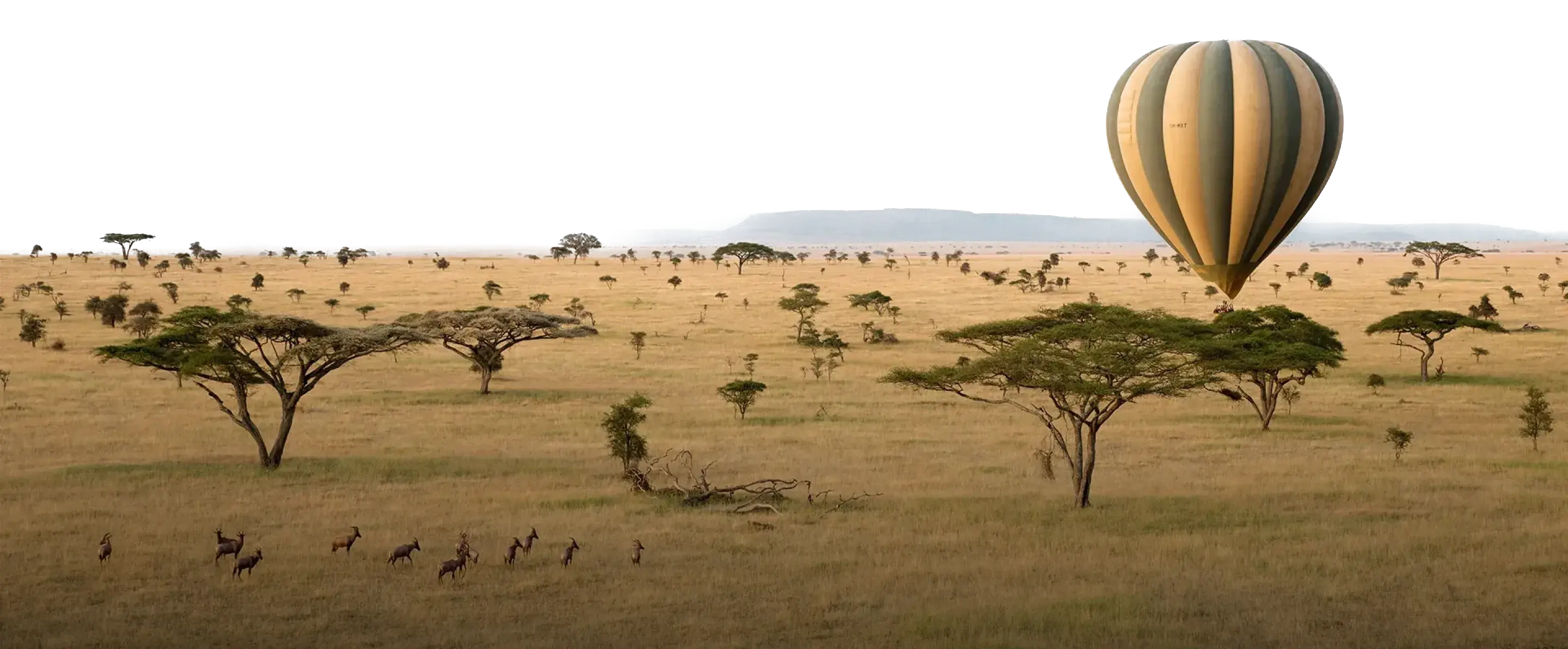
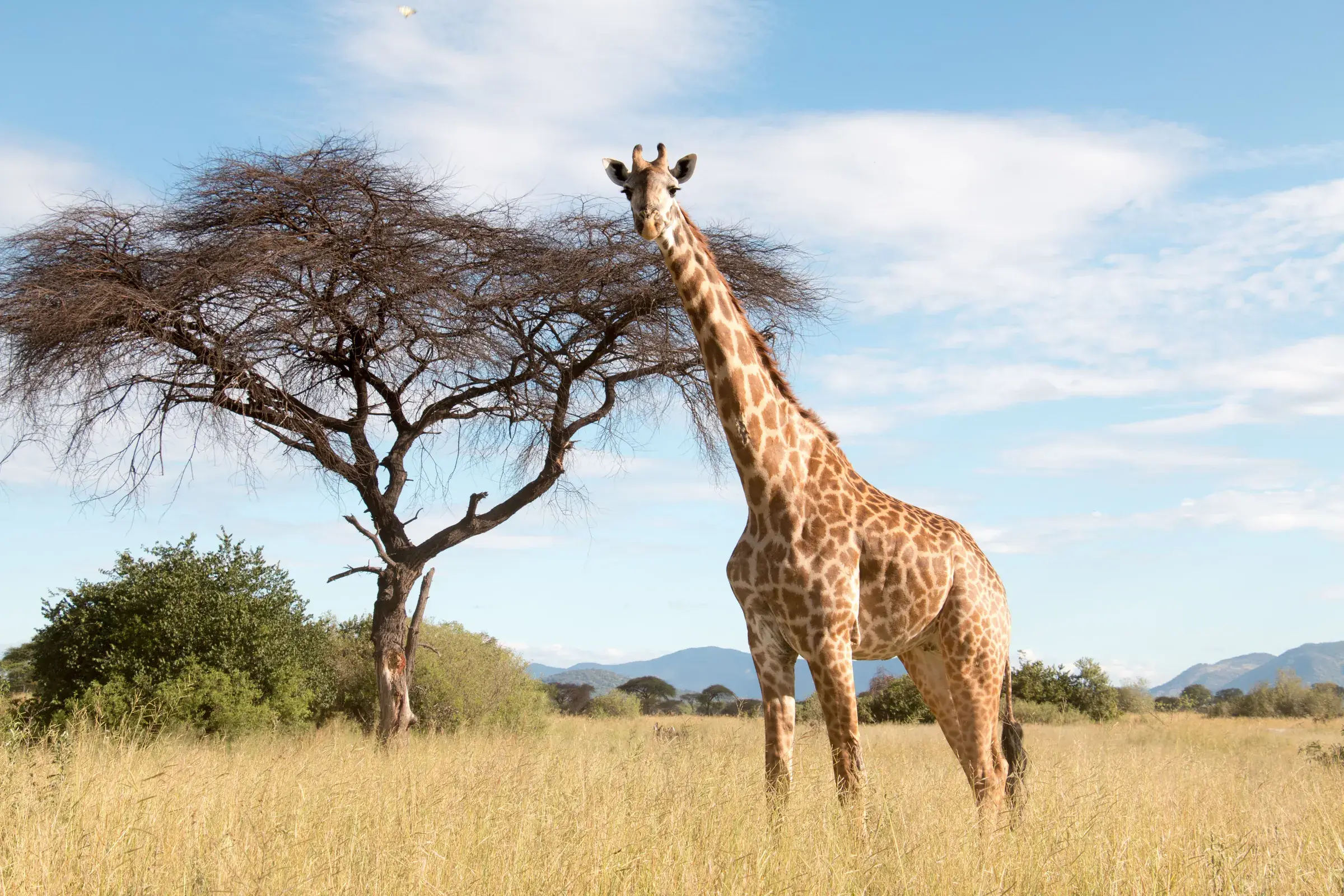
Amboseli is elephant country above all — large herds, including some of the last great big-tusked bulls in Africa, moving between dry pans and the green Enkongo Narok and Longinye marshes fed by Kilimanjaro's meltwater. Around them: lion, cheetah, spotted hyena, buffalo, giraffe, wildebeest, zebra, and good plains game. Leopard are present but shy. The wetlands draw exceptional birdlife — pelicans, flamingos in places, herons and over 400 recorded species. Rhino are not a feature here. The landscape is a dramatic mix: dusty seasonal lakebed (Lake Amboseli, often dry), swampy oases, acacia woodland, and always the presence of Mount Kilimanjaro across the border in Tanzania, clearest in the early morning and late afternoon.
Best time to visit Amboseli
The dry seasons — late June to October and January to February — are prime: wildlife gathers at the marshes, the ground firms up, and the air clears so Kilimanjaro shows itself most reliably at dawn and dusk. June to October is the long dry season and the busiest; January–February is dry, bright and a touch quieter. The green season (November–May), around the short rains of November and longer rains of April–May, brings lush plains, newborn animals, superb birding and softer rates — though the mountain hides behind cloud more often. For the classic elephants-and-Kilimanjaro photograph, plan a dry-season morning. Full month-by-month detail in our → Best time to visit Amboseli guide.
Things to do here
- Game drives — morning and late-afternoon drives across the pans and marsh edges, timed for elephants and clear mountain views.
- Photography-led safaris — Amboseli is a signature destination for the elephants-beneath-Kilimanjaro frame; we plan light and position around it.
- Observation Hill — one of the few places to step out and take in the marshes and herds from above.
- Maasai cultural visits — genuine, respectful time with the Maasai communities who share this land (see → Cultural Stories).
- Walking & community conservancies — guided walking is available in the group ranches and conservancies bordering the park, where it is permitted (see → Walking safari).
Know before you go
- Getting there: ~45-minute light-aircraft hop from Nairobi (Wilson Airport) to Amboseli airstrip, or a ~4-hour road transfer from Nairobi.
- Fees: national park entry fees apply (per person, per day); conservancy fees apply where relevant. We confirm current rates and include them in your quote.
- How long: 2–3 nights suits Amboseli well; it pairs naturally with the Maasai Mara, Tsavo or the coast for a fuller Kenya journey.
Related Nobu journeys
- Elephants & the Mountain — Amboseli at its best, timed for clear Kilimanjaro mornings. → Explore
- Mara & Amboseli Classic — Kenya's two signature parks in one journey, plains and mountain. → Explore
When to go
Month by month — daytime warmth, days of rain and what the season brings.
Where to stay
From Essential to Private Collection — the camps and lodges we know first-hand here. Rates are indicative and confirmed on enquiry.
Essential
AA Lodge Amboseli
Essentialtented camp · reserve-adjacent
from $130 pp / night· indicative, confirmed on enquiry
Kibo Safari Camp
Essentialtented camp · reserve-adjacent
from $200 pp / night· indicative, confirmed on enquiry
Sentrim Amboseli
Essentialtented camp · reserve-adjacent
from $140 pp / night· indicative, confirmed on enquiry
Signature
Amboseli Serena Safari Lodge
Signaturelodge · reserve
from $300 pp / night· indicative, confirmed on enquiry
Amboseli Sopa Lodge
Signaturelodge · reserve-adjacent
from $220 pp / night· indicative, confirmed on enquiry
Kilima Safari Camp
Signaturetented camp · reserve-adjacent
from $200 pp / night· indicative, confirmed on enquiry
Ol Tukai Lodge
Signaturelodge · reserve
from $300 pp / night· indicative, confirmed on enquiry
Elevated
Satao Elerai
Elevatedtented camp · private conservancy (Elerai)
from $350 pp / night· indicative, confirmed on enquiry
Tawi Lodge
Elevatedlodge · private conservancy (Tawi)
from $400 pp / night· indicative, confirmed on enquiry
Tortilis Camp
Elevatedtented camp · private conservancy (Kitirua)
from $700 pp / night· indicative, confirmed on enquiry
Private Collection
Angama Amboseli
Private Collectiontented camp · private conservancy (Kimana Sanctuary)
from $1,650 pp / night· indicative, confirmed on enquiry
Journeys through here
Signature routes that pass through Amboseli — starting points we reshape around your season and pace.
Experiences here
Common questions
- Can you see Mount Kilimanjaro from Amboseli?
- Yes — Amboseli sits at its foot, and the mountain is clearest at dawn and dusk in the dry seasons (late June–October, January–February); cloud often hides it midday and through the green-season rains.
- Why is Amboseli famous for elephants?
- Its spring-fed marshes hold water year-round, supporting large resident herds — including some of Africa's last big-tusked bulls — and one of the longest-running elephant research projects on the continent.
- How many days do you need in Amboseli?
- Two to three nights is enough to enjoy the elephants and the mountain without rushing; many travellers pair it with the Mara or Tsavo.
- Can you see the Big Five in Amboseli?
- Elephant, lion and buffalo are here, and leopard are present but shy; rhino are not a feature of Amboseli, so it is strong on four of the five at most.
Tell us what you want from Amboseli
We'll design the journey around it — places, pace and people matched to how you travel.