Start here
Teenagers are the easiest travellers to bore and the hardest to impress, and a safari is one of the few trips that changes them. The version that works is not a family holiday with taller children. It treats them as the capable near-adults they are: on foot in big-game country beside a ranger, kneeling in the grass to read a track, out after dark with a spotlight and a guide who whispers. The signal on their phones will do what it likes.
The detail
Do, don't watch. Walks are the biggest unlock, and the limits vary. Twelve is common at many camps. Elewana's camps on Lewa restrict walks under 16 (the conservancy itself has given 12), and Singita Serengeti House sets 16. There is no national rule in Kenya. Night drives are not offered inside the Maasai Mara reserve; the conservancies that border it allow them, with walks and off-road driving. Tanzania's Serengeti national park has no night drives either, though the neighbouring Grumeti concessions do. The activity itself is described on the walking safari, night game drive and horseback safari pages.
Camps built for it. Subject to each camp's age rule, camps that walk and drive at night include Naboisho Camp in the Mara, Loisaba Tented Camp and Lewa House in Laikipia (both also ride), and Rhino River Camp in Meru (walking). For walking and rhino tracking, choose Laikipia and Samburu; for night drives, a Mara conservancy; for the gorillas, Uganda or Rwanda at 15.
Give them a job. Rhino tracking on foot is offered at Borana in Laikipia and at Saruni Rhino in Samburu. At Ol Pejeta, teenagers can join the rhino-monitoring team or track with the anti-poaching dogs (from 12). Each costs US$70, since the child rate stops at 11. Some activities need at least four people. See rhino tracking and photographic safari for a teenager with a camera and a brief.
Who is beside them on foot. On walks in big-game country, an armed ranger or guide goes with the group, and the arrangement differs from camp to camp. Teenagers are briefed as adults are: stay in line, follow the guide, and never run. The walking safari page has the detail.
Three short blocks, not one long drive. A dawn walk, a long midday break by a pool and an afternoon drive into the dark make three distinct things, not one seven-hour one. Community visits land best as exchanges, football or a school conversation, rather than performances. Ask before photographing anyone. Wi-Fi is often limited to the main areas of a camp and absent in the tents of the remotest.
What they pay. The Mara reserve's child rate, US$50, covers ages 9 to 17, so every teenager under 18 pays it; an 18-year-old pays the adult US$100 (January to June) or US$200 (July to December). At Ol Pejeta the child rate stops at 11, so a 12-year-old pays the adult entry of US$110.
A wild finish. Kitesurfing at Diani runs mid-December to mid-March and again mid-June to mid-September. Diving at Watamu Marine National Park is usually best from about October to March. PADI Open Water starts at 10 and Advanced at 12. For the island version, see Zanzibar with teenagers.
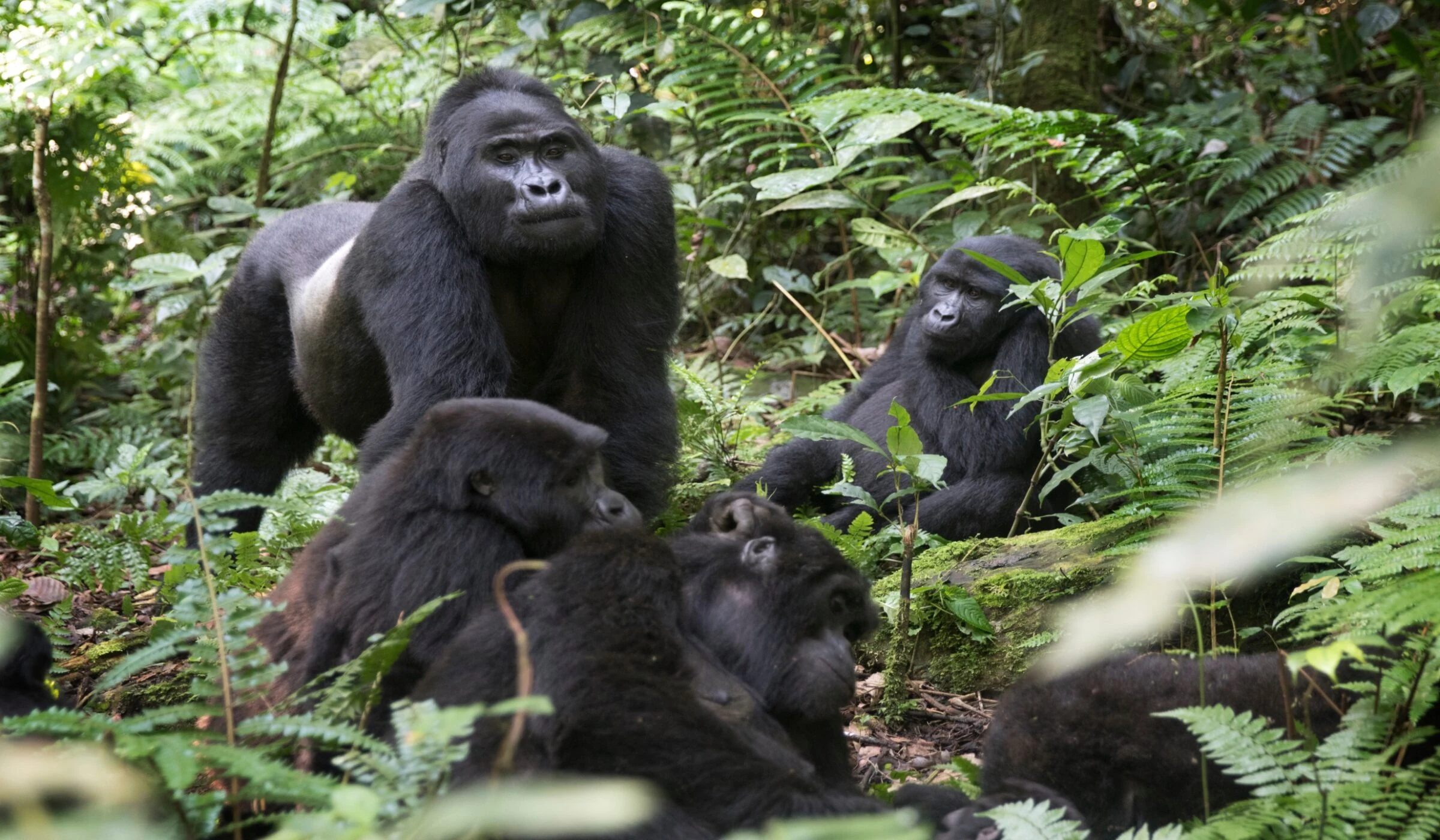
Gorillas. Gorilla trekking starts at 15 in Uganda and Rwanda, which is why it suits older teenagers; the rest is on family safari Uganda.
Key facts
| Activity | Minimum age |
|---|---|
| Bush walk | 12 at many camps, 16 at some |
| Dog tracking at Ol Pejeta | 12 |
| Diving (PADI) | Open Water 10, Advanced 12 |
Night drives: in conservancies and private concessions, not in the Mara reserve or Serengeti national park. Mara fees: ages 9 to 17 US$50. Ol Pejeta: adult entry from 12, US$110. Coast finish: kitesurf mid-December to mid-March and mid-June to mid-September; dive about October to March. Length: eight to ten nights, with the coast at the end.
Planning it with Nobu
Nobu asks what your teenagers are like before designing anything: the one who wants to walk everywhere and the one who wants to photograph everything need different trips. The age rule for each activity is confirmed with the camp before it is suggested.
Is it right for you?
This suits you if your children are about 12 to 18 and you would rather they came home talking about the ranger than the signal. It works for one teenager or three, as a first safari or a return. When teenagers sit either side of a cut-off, a 13- and a 16-year-old for example, one may sit out a walk or the gorillas, so the camp is chosen for the younger. A teenager who resents dawn starts and no signal is better served by the coast finish than by a long bush stay.
Choose something else if the group includes younger siblings: the activity minimums split the family, and family safari Kenya is the better starting point. With grandparents too, see multi-generational safari. For safety on safari in general, read is a safari safe. For Tanzania's walks and crater, see family safari Tanzania.
Journeys to consider
- North of the ordinary — seven days in Laikipia and Samburu, the most active country for walking and rhino tracking. → See the Laikipia and Samburu journey
- Uganda forest journey — gorilla and forest trekking, for teenagers who are 15 or over, so every teenager in the party must be 15 or over. → See the Uganda forest journey
- A little wild. A little barefoot — the Mara, then Diani for kitesurfing and the reef. → See the Mara and Diani journey