
Stories from the wild
Big five safari
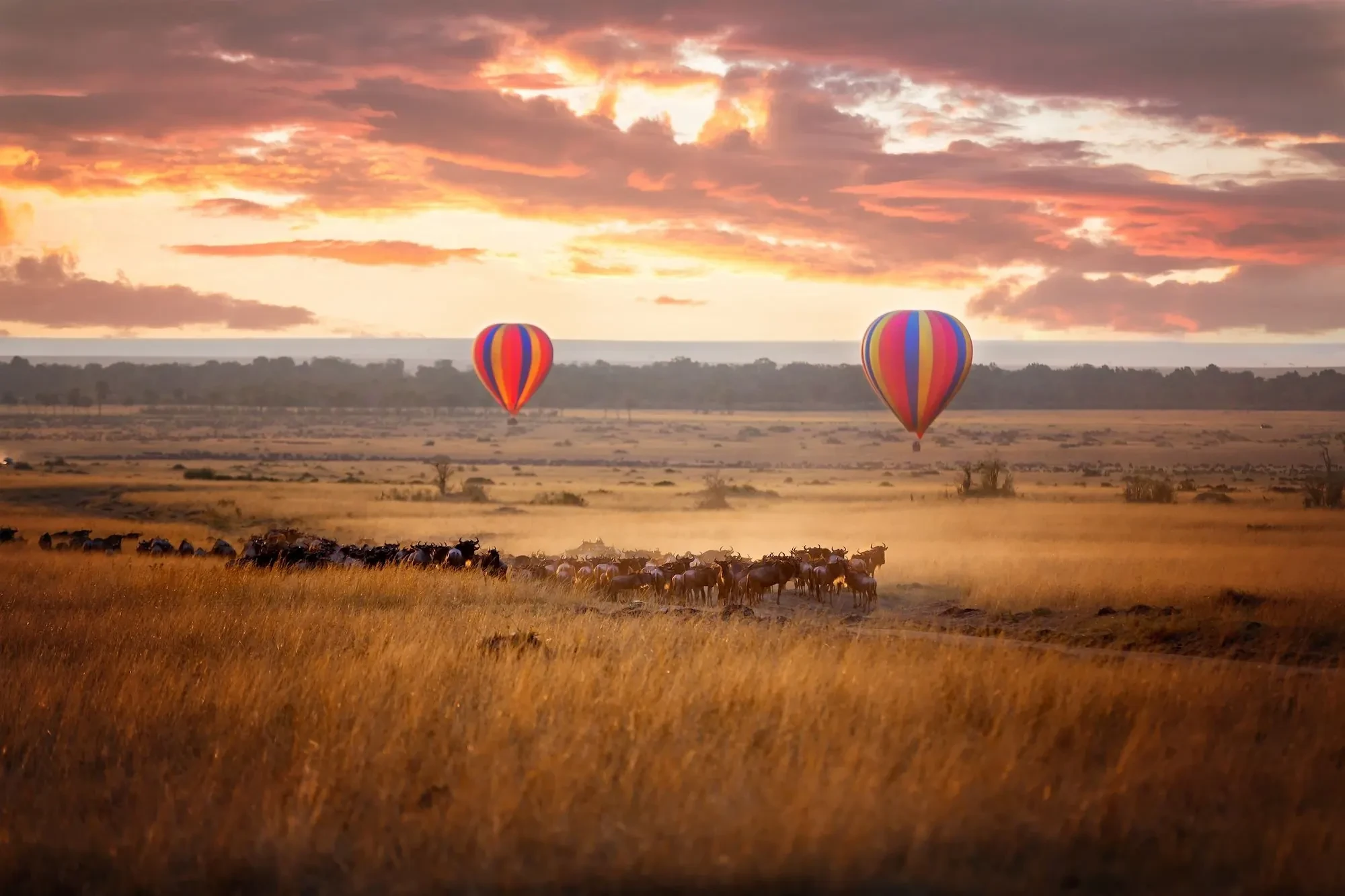
A Big Five safari sets out to see lion, leopard, elephant, buffalo and rhino. East Africa can deliver all five when the route is designed deliberately — pairing big-cat areas such as the Maasai Mara or Serengeti with rhino strongholds such as Ol Pejeta, Lake Nakuru, Laikipia or Ngorongoro Crater.
Written by Joseph Gathuru · Travel designer at Nobu Safaris
Intro
The Big Five began as a hunting term, but on a modern safari it has become something very different: a wildlife-watching shorthand for five powerful, charismatic animals. Lion, leopard, elephant, buffalo and rhino still carry a charge because each asks something different of the landscape and the guide.
Seeing all five is not simply a matter of luck. Lion, elephant and buffalo are widespread in many classic safari areas. Leopard and rhino require more intention. The best Big Five safari is therefore not a frantic race to tick names; it is a route that gives each animal the right setting and lets the checklist become a story.
The detail
The five animals are lion, leopard, elephant, buffalo and rhino. Lion are often the easiest of the cats to see in strong big-game areas, especially where prey is abundant and guiding is excellent. Elephant and buffalo are also relatively reliable across many East African parks. They still deserve attention: an elephant herd moving quietly through Amboseli or a line of buffalo crossing a valley can be as memorable as any predator sighting.
Leopard is different. Secretive, mostly solitary and often active in low light, leopard rewards patience and guiding. The Maasai Mara, Laikipia and the Serengeti can all be excellent, but no honest operator should promise a leopard on cue. A good guide reads trees, drainage lines, alarm calls and behaviour. A good route gives you enough time in places where leopard is genuinely possible.
Rhino is the other planning animal. Because of conservation pressure, rhino viewing in East Africa is concentrated in specific protected strongholds and conservancies. In Kenya, Ol Pejeta, parts of Laikipia and Lake Nakuru are important rhino areas. In Tanzania, the Ngorongoro Crater can offer the possibility of seeing all five within one dramatic landscape. If rhino matters to you, the route should include a place with a realistic rhino focus rather than relying on chance.
Season changes the texture of a Big Five safari. Dry months can make wildlife easier to see as grass shortens and animals concentrate around water. Green-season travel can be more atmospheric, with fewer vehicles, dramatic skies and strong photography. The right choice depends on whether your priority is easiest viewing, richer mood, migration timing or value.
The Big Five are a satisfying aim, but they should not shrink the journey. Cheetah, giraffe, zebra, wild dog, hyena, hippo, antelope, birds and the smaller stories of tracks and behaviour are often what make the days unforgettable. We design for the five, then leave room for the rest of Africa to enter.
Key facts
The five: lion, leopard, elephant, buffalo and rhino. Hardest to plan: leopard and rhino. Strong East Africa combinations: Maasai Mara or Serengeti for big cats and plains game, plus Ol Pejeta, Lake Nakuru, Laikipia or Ngorongoro for rhino focus. Best season: dry months for easier viewing; green season for mood, space and photography. Suits: first-time safari travellers, families, photographers and anyone who wants the classic wildlife set without losing the wider story.
Why Nobu for this
Nobu routes the Big Five deliberately. If all five matter, we do not leave rhino as an afterthought or expect leopard to appear because the page says it should. We pair areas intelligently, choose guiding carefully and explain where the probabilities sit.
We also keep the experience elegant. A Big Five safari can become noisy if every day is reduced to a scorecard. Our job is to hold the ambition lightly: give you a real chance of the five, while making sure the journey still feels cinematic, patient and alive.
Suitability — "right for you if…"
A Big Five safari is right for you if you want the classic wildlife foundation and the satisfaction of seeing the animals that define safari in the popular imagination. It suits first-timers especially, because it gives the journey a clear shape and a sense of achievement.
It may be less right if you are a returning traveller looking for quieter specialist interests: walking, birds, primates, desert species, culture or remote landscapes. In that case, the Big Five can sit in the background rather than drive the whole route.
Related Nobu journeys
- Into the Wild Mara — big cats and plains game at their best, with rhino added through smart routing if needed. → Explore
- Conservancy & Rhino — a Kenya route weighted toward Laikipia, Ol Pejeta and rhino conservation landscapes. → Explore
- Northern Crater Highlands — Tanzania's Ngorongoro and northern parks, strong for a classic wildlife foundation. → Explore
Common questions
- What are the Big Five?
- Lion, leopard, elephant, buffalo and rhino. The phrase began in hunting history, but today it is used as a wildlife-viewing shorthand.
- Where can you see all of the Big Five in East Africa?
- Kenya and Tanzania both work when routed carefully. In Kenya, pair the Mara with rhino areas such as Ol Pejeta or Lake Nakuru. In Tanzania, Ngorongoro can be especially strong.
- Which of the Big Five is hardest to see?
- Leopard and rhino. Leopard is elusive by behaviour; rhino is concentrated in protected areas and needs deliberate routing.
- Can you guarantee all five?
- No. Wildlife is wild. We can design a route that gives you a strong chance, but we will not promise a sighting on demand.
- Is a Big Five safari good for first-timers?
- Yes. It gives a clear wildlife foundation, especially when balanced with scenery, guiding and enough time in each area.
More stories
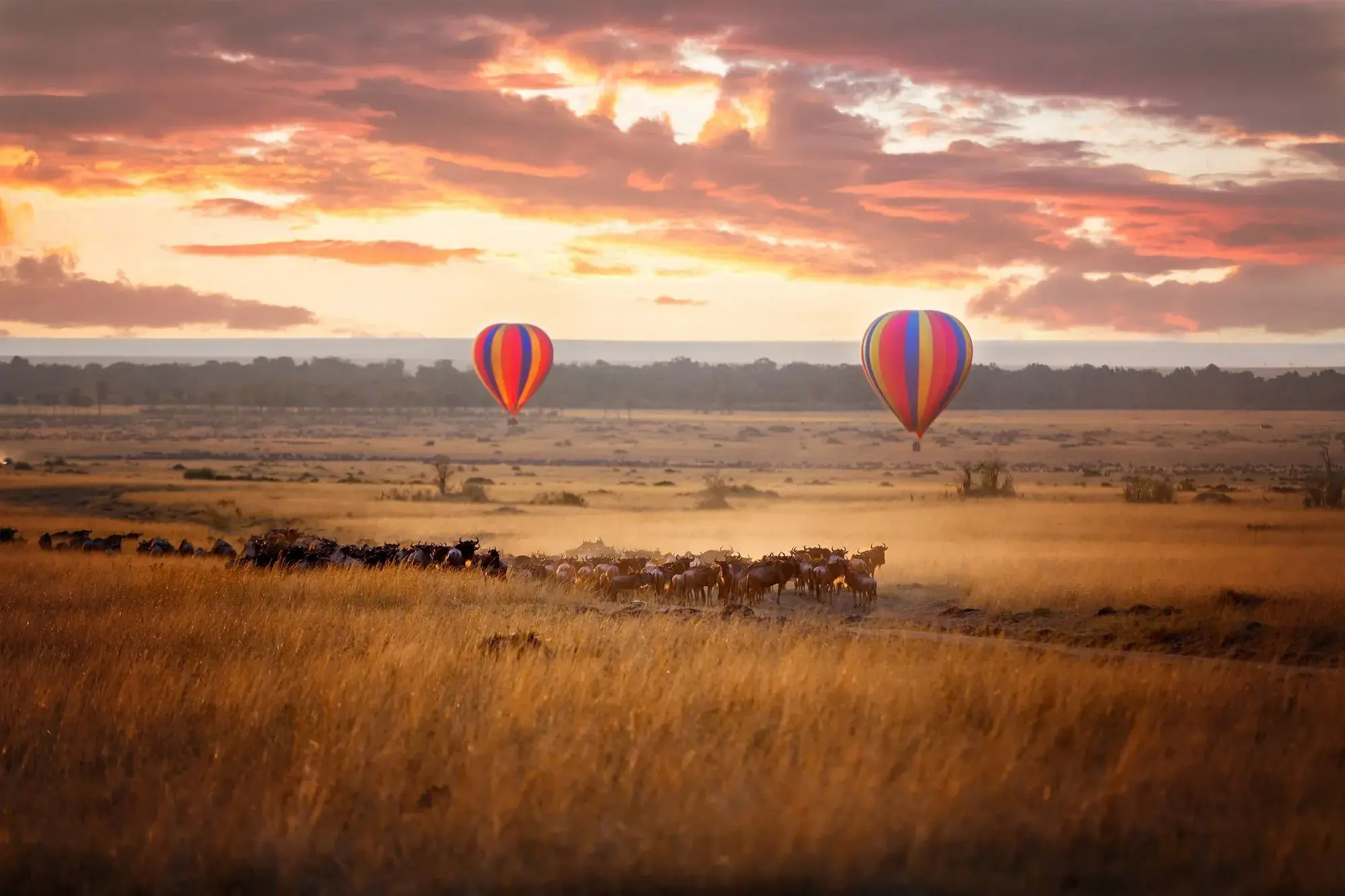 Cultural safari & Maasai village visitsA cultural safari and Maasai village visit done right — genuine encounters with Maasai and Samburu communities, on terms of respect, not spectacle. Your Africa, beautifully told.
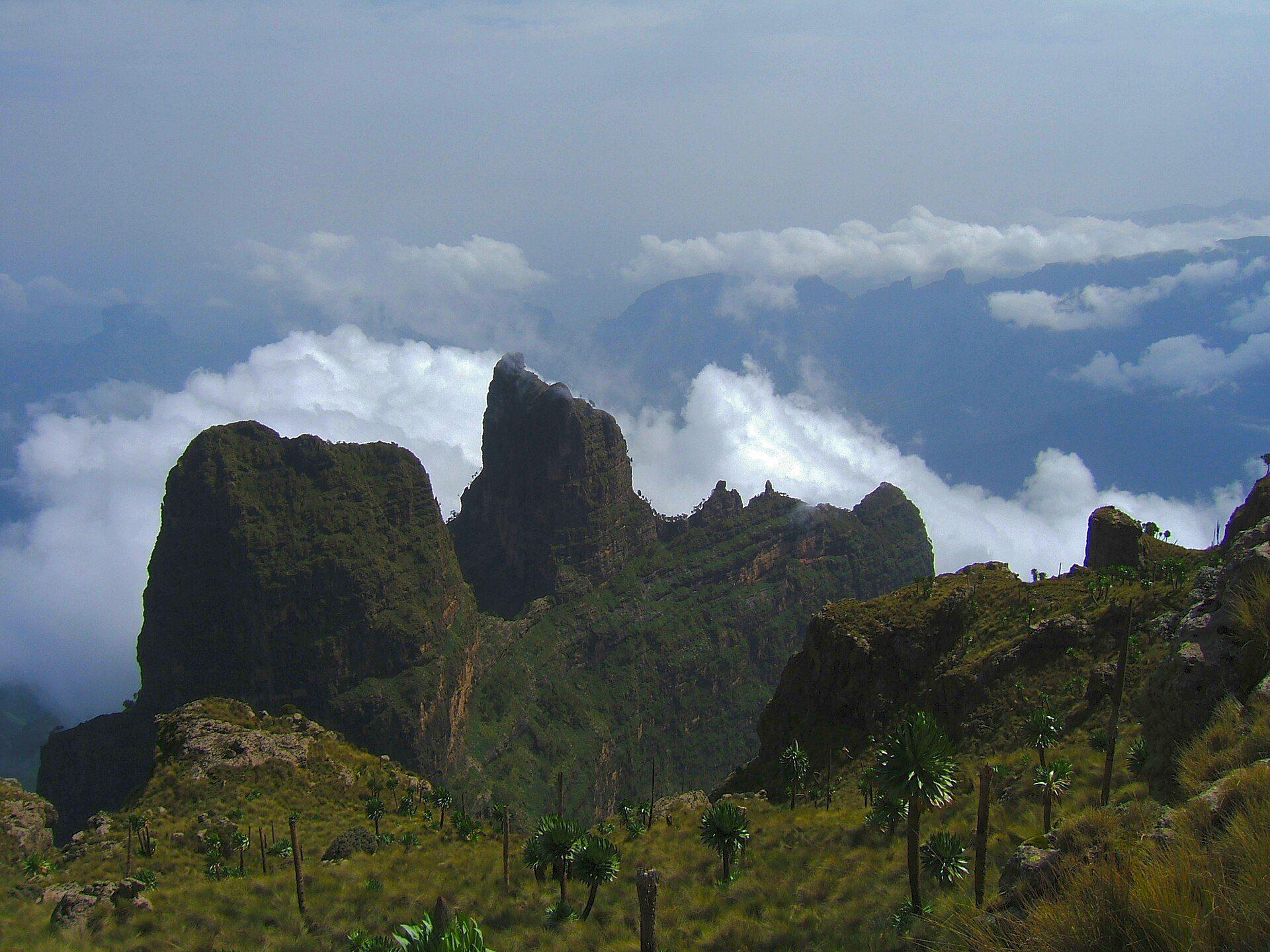 Ethiopia safariAn Ethiopia safari is different: Simien and Bale Mountains, gelada monkeys, Ethiopian wolf, highland trekking and ancient cultural routes. Your Africa, beautifully told.
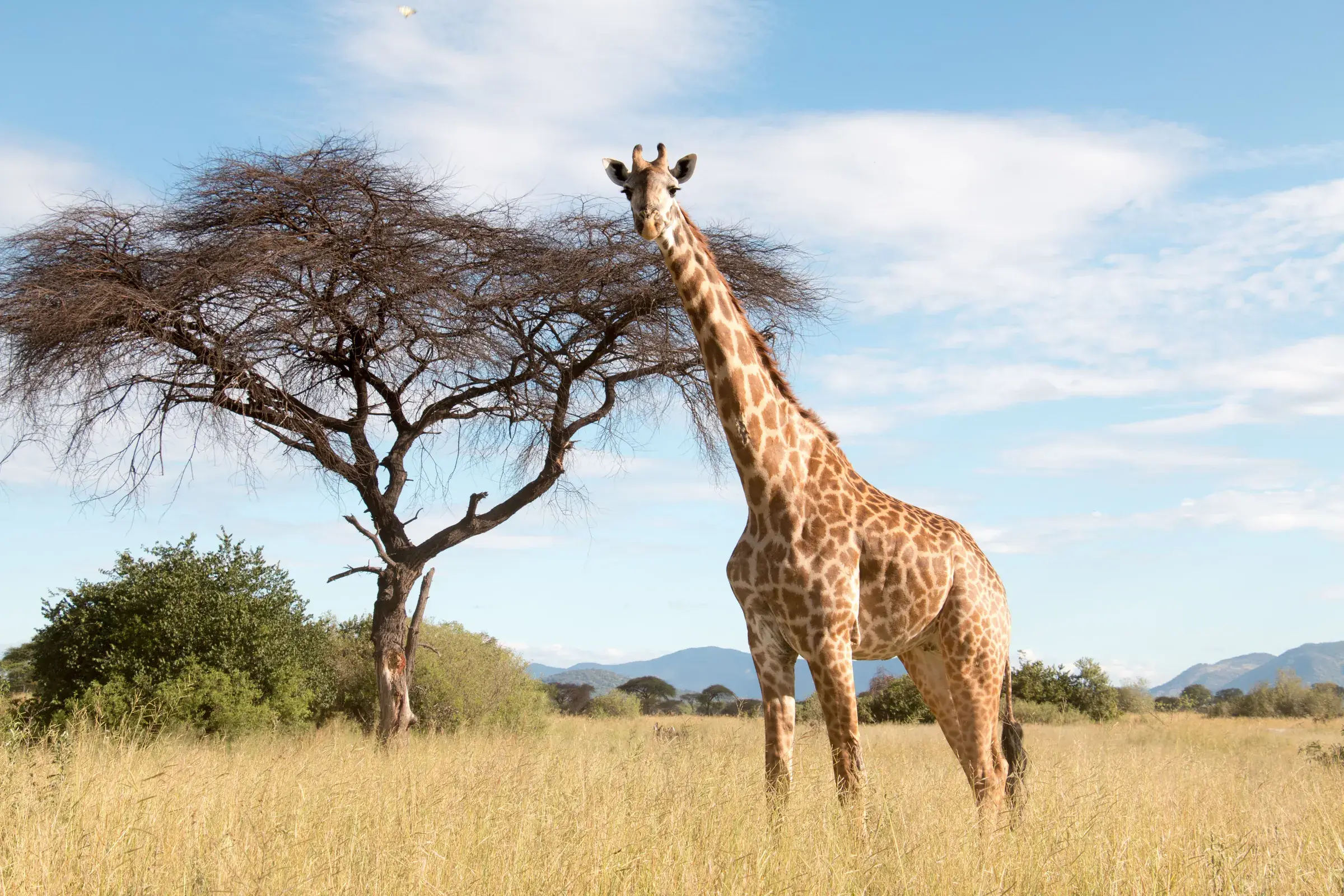 Family safari KenyaA family safari in Kenya designed around children, pace, safety, space and wonder — from the Maasai Mara to Amboseli and the coast. Your Africa, beautifully told.