Uganda
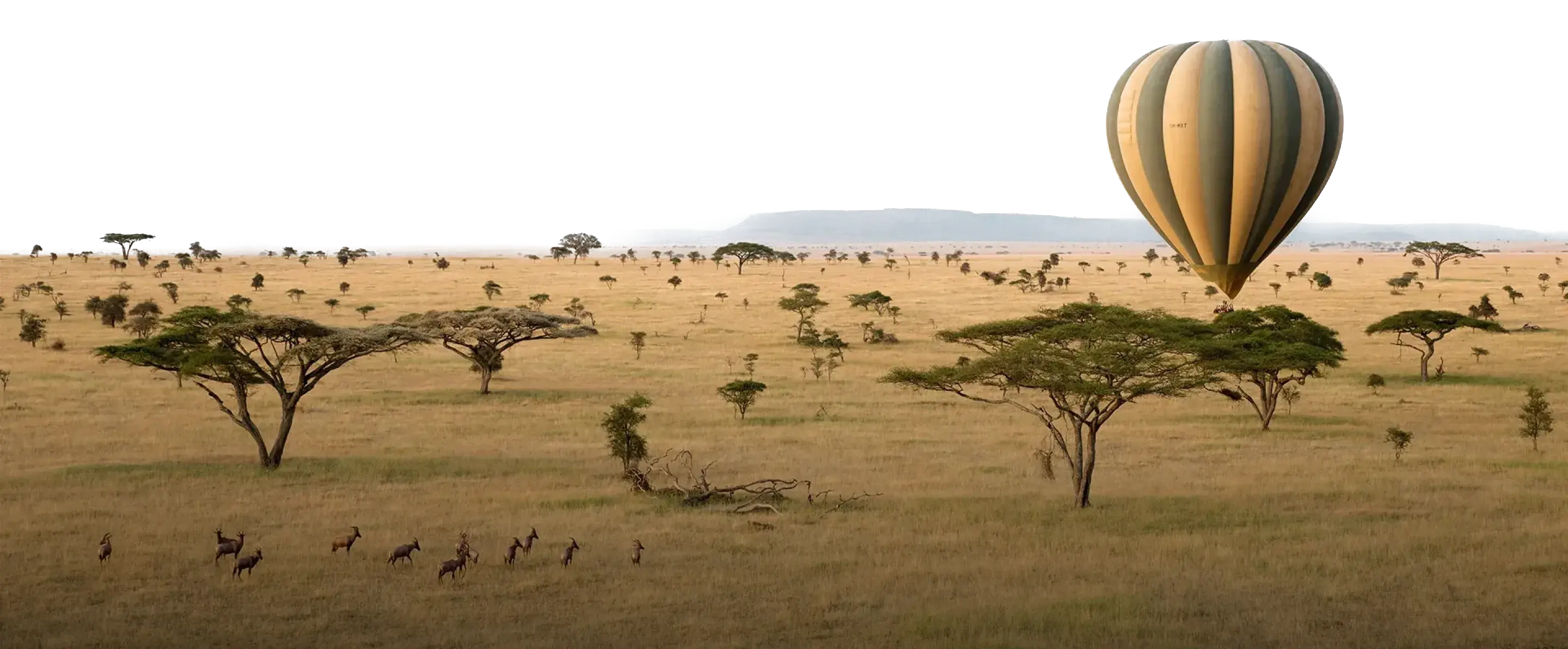
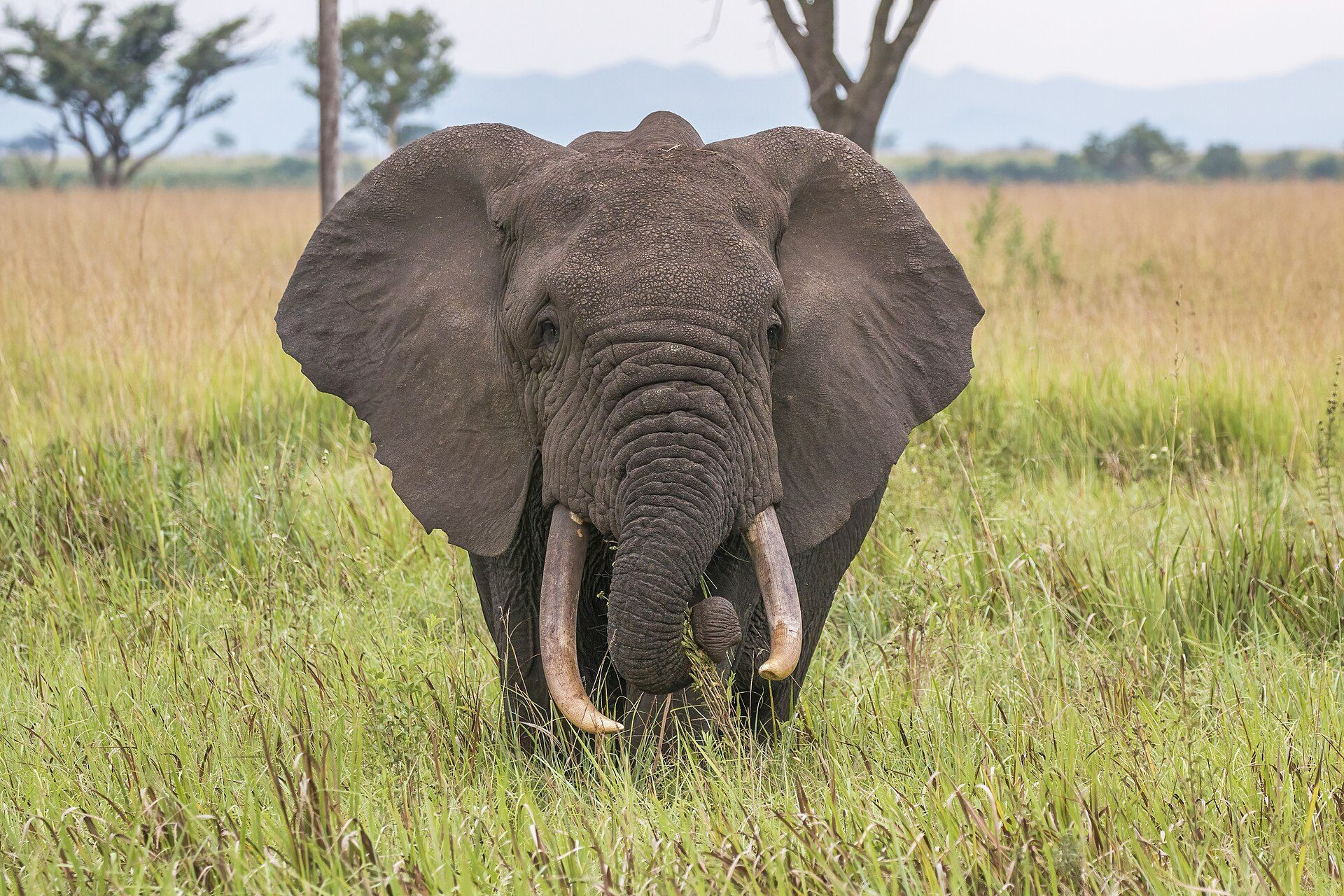
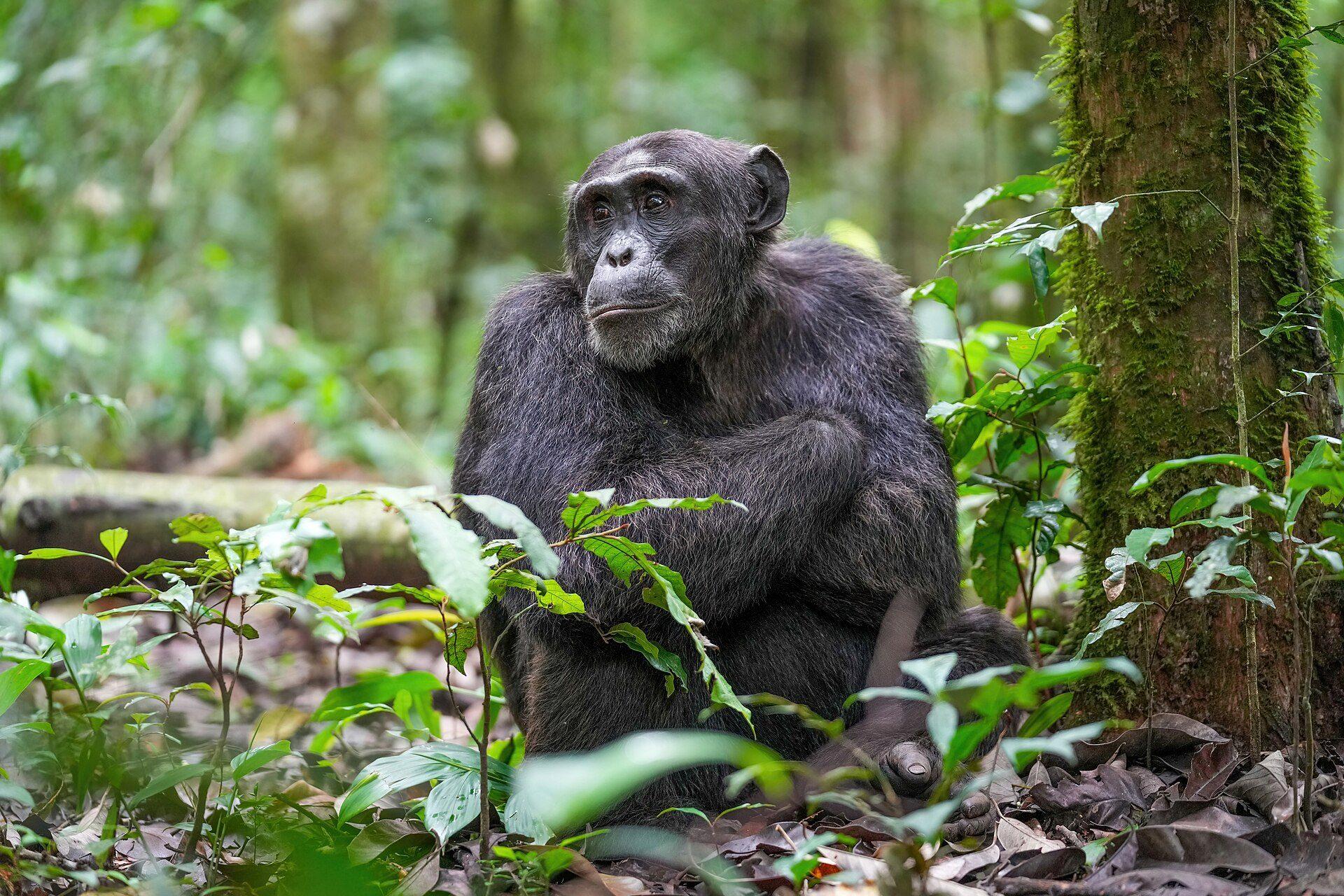
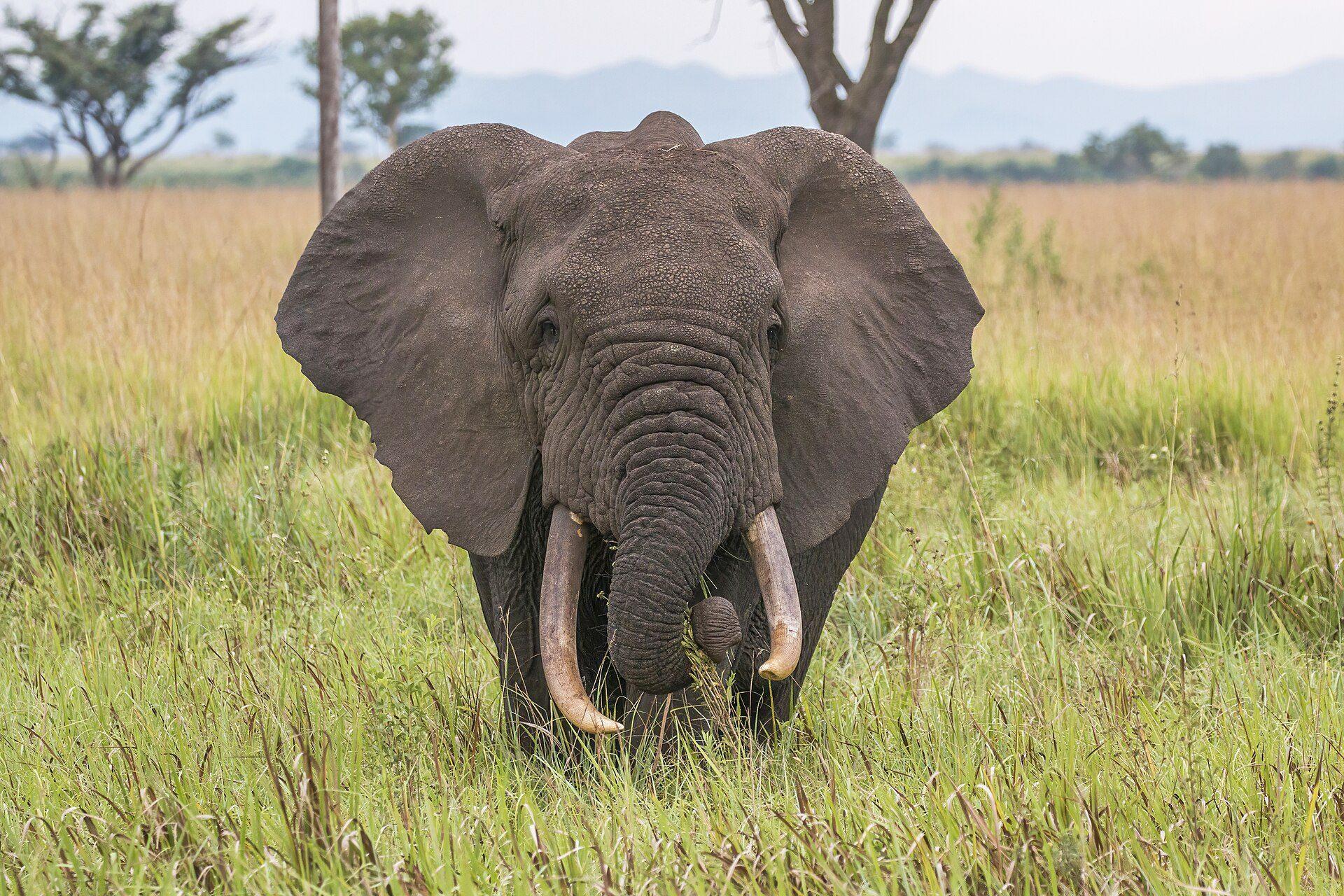
Uganda is East Africa's green heart — home to nearly half the world's remaining mountain gorillas in Bwindi Impenetrable Forest, the chimpanzees of Kibale, and classic savannah game in Queen Elizabeth and Murchison Falls national parks. It is a primate-trekking and forest-and-savannah destination rather than a wildebeest-migration country. Nobu designs tailored Uganda journeys — gorilla and chimpanzee trekking, savannah safaris, boat journeys on the Nile and the Kazinga Channel, and cultural encounters — for every kind of explorer.
Why visit
Uganda is where Africa turns green. This is the country Churchill called "the Pearl of Africa" — a land of forested mountains, crater lakes and a thousand shades of foliage, where the great savannah of East Africa runs up against the rainforests of the Congo Basin. The result is a density of life found almost nowhere else: more than half the world's mountain gorillas, thirteen species of primate in a single forest, and over a thousand species of bird.
The headline is the gorillas. To sit a few metres from a silverback in the mist of Bwindi is one of the most moving encounters in all of travel — quiet, intimate, and utterly unlike a vehicle-based safari. But Uganda is more than its gorillas. You can track chimpanzees through Kibale at dawn, watch tree-climbing lions drape from fig branches in the Ishasha plains, and cruise the Nile to the foot of a waterfall where the whole river is forced through a gap barely seven metres wide.
What sets Uganda apart is the intimacy and the variety — forest and savannah, primates and big game, river and crater lake, all within one compact, deeply storied country. This is the Africa of the imagination, met on foot and up close.
Signature experiences here
- Gorilla trekking — The flagship encounter: tracking a habituated mountain-gorilla family through the forest of Bwindi, on foot with expert guides. → Expedition Experiences
- Chimpanzee trekking — Following our closest relatives through Kibale, the richest primate forest in East Africa. → Expedition Experiences
- Classic savannah safaris — Game drives and boat safaris in Queen Elizabeth and Murchison Falls, for lions, elephants and the wider cast. → Safaris
- River & water journeys — The Nile to the foot of Murchison Falls, and the wildlife-lined Kazinga Channel by boat. → Safaris
- Cultural encounters — Time with the Batwa, Bakiga and other communities who share these forests and plains, on terms of respect, not spectacle. → Cultural Stories
- Designed for every explorer — Comfort-led and multi-generational Uganda journeys; note that gorilla and chimp trekking involve hill walking on forest trails. → Accessible Travel
Featured journeys
- Gorillas & Golden Forests — Bwindi's gorillas and Kibale's chimpanzees, the great primate pairing. → Explore
- Pearl of Africa Circuit — Forest and savannah together — gorillas, chimps, lions and the Nile. → Explore
- Source of the Nile Passage — Murchison Falls and the great river, by vehicle and by boat. → Explore Link: View all Uganda journeys →
Parks & places
- Bwindi Impenetrable Forest — Misted mountain forest and nearly half the world's gorillas. → Explore
- Queen Elizabeth National Park — Tree-climbing lions, the Kazinga Channel and savannah game. → Explore
- Murchison Falls National Park — Where the Nile explodes through a seven-metre gap. → Explore
- Kibale National Park — East Africa's chimpanzee capital and richest primate forest. → Explore
- Lake Mburo & the crater lakes — Smaller parks and the green calm of the western lakes. → Explore
Best time to visit
Uganda sits on the equator and is warm and green year-round, but the rhythm of the rains shapes the trekking and the game viewing.
The drier months (June–September and December–February) are prime for gorilla and chimpanzee trekking: forest trails are firmer, the going is easier underfoot, and savannah game gathers around water. These are the most popular windows, so gorilla permits are most in demand then.
The wetter months (March–May and October–November) bring lush forest, dramatic skies and superb birding, often with fewer travellers on the trails — though paths can be muddy and slippery, and a gorilla trek can be longer and harder. Crucially, gorilla and chimpanzee trekking run year-round: there is no closed season, and the forest is green in every month. See our → Best time to visit Uganda and → Best time for gorilla trekking guides for month-by-month detail.
Know before you go
- Getting there: Most travellers fly into Entebbe International Airport (EBB) on Lake Victoria, then connect to the parks by light aircraft to bush airstrips or by road through the western highlands.
- Entry: Most international visitors need a visa, available via the official e-visa portal before travel; the East African Tourist Visa covers Uganda, Kenya and Rwanda together. (Rules change — we confirm current requirements with you and link to the official portal.)
- Gorilla & chimp permits: Trekking requires a permit, issued in limited daily numbers and best secured well in advance; we arrange these as part of your journey. (Permit fees are set officially and change — we confirm current rates with you.)
- Health: Proof of yellow-fever vaccination is generally required for entry; check current vaccination and antimalarial guidance with a travel clinic.
- Fitness & accessibility: Gorilla and chimpanzee trekking involve hill walking on forest trails that can be steep and muddy; we match the trek and sector to your fitness, and design gentler journeys where needed.
- How long: Most Uganda journeys run 7–12 days; allow at least two nights at Bwindi for gorilla trekking, with room for weather and a second permit.
Pair it with
Uganda pairs naturally with Rwanda — a short hop for a second gorilla experience in Volcanoes National Park, or an easier-access alternative (see our → Uganda vs Rwanda gorilla trekking comparison). It also combines beautifully with Kenya or Tanzania for the classic savannah-and-migration safari, or with Zanzibar for a bush-and-beach finish. We'll design the connections seamlessly.
Travel with confidence
A KATO/TRA-registered operator with on-the-ground expertise, supported journeys, financial protection and 24-hour assistance. (Confirm and insert exact credentials and a Uganda-specific review snippet.)
Where to begin
The areas most journeys through Uganda are built around.
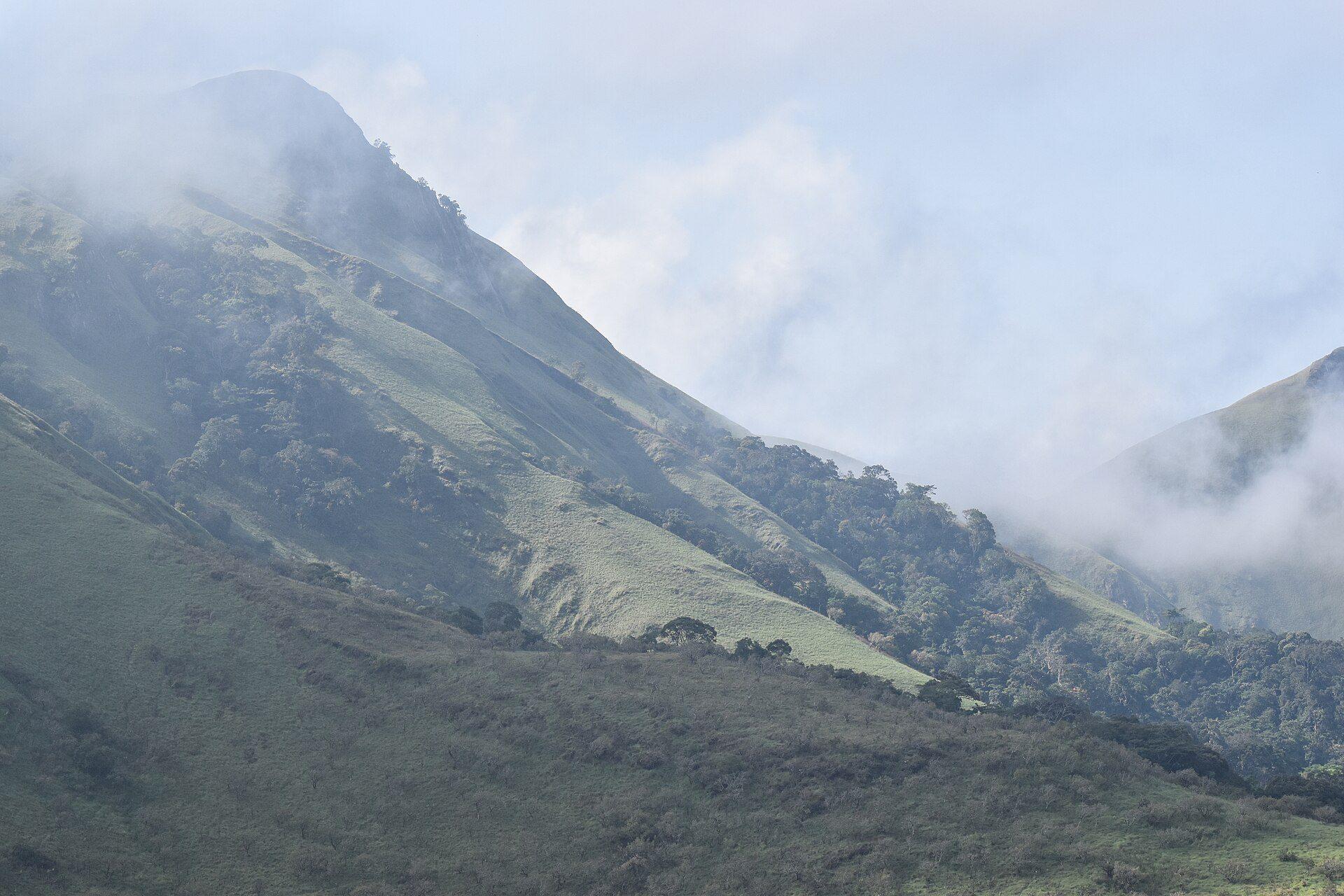
All places in Uganda
Every area we place guests, grouped by the ground it covers.
Parks & reserves
Cities & gateways
Common questions
- Is Uganda safe for tourists?
- Uganda's main national parks and trekking regions are well-established and well-run. We design routes and support around your safety, brief you fully before you travel, and keep current with regional advice.
- When is the best time for a Uganda safari?
- The drier months — June to September and December to February — are easiest for gorilla and chimp trekking and savannah game viewing; the wetter months bring lush forest, fewer crowds and superb birding. Gorilla trekking runs year-round.
- How many days do you need in Uganda?
- Seven to twelve days suits most journeys; allow at least two nights at Bwindi for the gorillas, and add Kibale and a savannah park for the full picture.
- Do you need a permit to see the gorillas in Uganda?
- Yes. Gorilla trekking requires a permit issued in limited daily numbers; we secure these well in advance as part of your journey, and confirm the current official rate with you.
- Is Uganda good for families, first-timers or accessible travel?
- Yes for savannah safaris and boat journeys, which suit families and first-timers well. Gorilla and chimp trekking involve hill walking on forest trails, so we match the sector and pace to each traveller and design gentler routes where needed.
Tell us what you want from Uganda
We'll design the journey around it — places, pace and people matched to how you travel.