Start here
You want a luxury safari in Kenya that shows you the Mara, and you have heard about the lines of vehicles around a single lion. You are willing to spend more to avoid that, but you want to know what the extra actually buys before you commit to it.
In Kenya it buys land. Around the Maasai Mara National Reserve sit conservancies, private or community-owned areas where the number of beds and the number of vehicles are limited, and where guests spend their mornings among the same plains and the same big cats with far fewer people watching. The luxury is that quiet, and the guide who knows how to use it.
The detail
Conservancy or reserve. In the Mara conservancies (Olare Motorogi, Mara North and Naboisho), guided walks, led by an armed ranger or guide, and night drives are permitted and vehicles can leave the track. Inside the reserve, night drives are not offered, and off-road driving is tightly limited: in the Mara Triangle, for example, vehicles may leave the track only in low-use zones and only to approach lion, leopard or cheetah. Each conservancy sets its own cap on beds and vehicles, and few publish it. Conservancy fees are paid largely as lease income to the Maasai families who own the land, which is what keeps it open to wildlife.
| Mara conservancy | National reserve | |
|---|---|---|
| Vehicles at a sighting | Few | Often many |
| Night drives | Yes | No |
| Walking | Yes, with an armed ranger or guide | No |
| Day visitors and ticket | Mostly camp guests only, fee per night | Day visitors; 12-hour ticket |
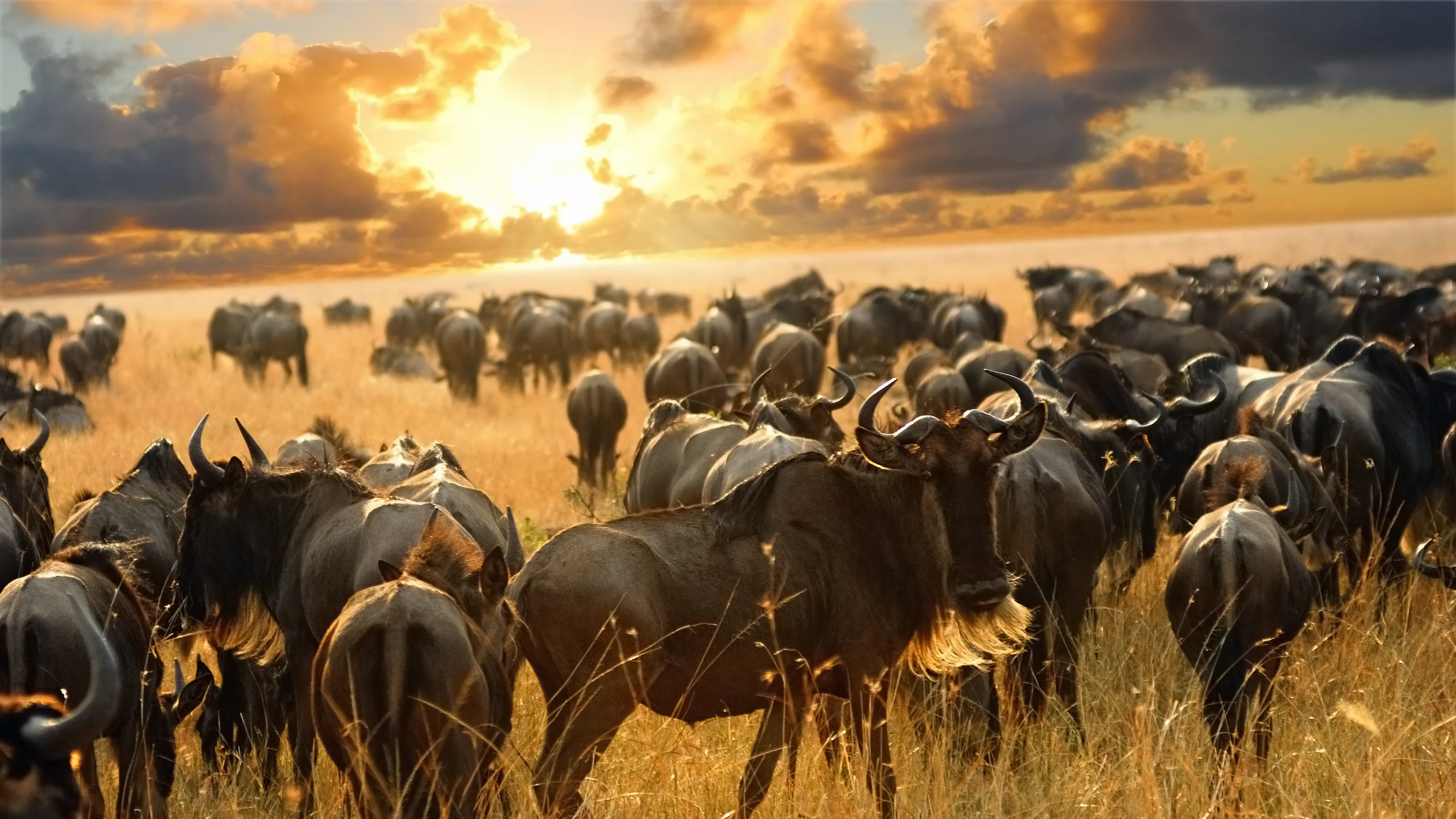
Where the reserve is the right choice. Angama Mara, on the Oloololo escarpment, has 30 tents in two camps of 15 and drives in the Mara Triangle, which is part of the national reserve rather than a conservancy. That means no night drives, and a reserve ticket valid for 12 hours (06:00 to 18:00) rather than overnight. The reserve is also where many travellers go for the river crossings. They cluster between July and October and are most reliable in August and September, but herds do not keep a timetable. You can pair a conservancy camp with a day or two in the reserve at that time of year.
Laikipia. North of Mount Kenya, conservancies such as Lewa, Borana and Ol Pejeta add a different landscape and, for some camps, rhino on foot with the conservancy's scouts. Borana offers rhino tracking on foot with its scouts; age limits are set by each camp. Rhino tracking on foot explains what it involves. Ol Pejeta runs night drives and limits sightings to six vehicles for ten minutes each; unlike the Mara conservancies it also takes day visitors, so a quiet drive depends on where your camp sits.
Further out. Samburu, the Chyulu Hills and Meru each offer a smaller, drier or hillier version of the idea, and fit a second week better than a first.
Flying and driving. Light aircraft from Wilson reach the Mara in about 45 minutes, against five to six hours by road.
What drives the cost. After the camp itself, season, the number of nights and the number of flights move the total most. The reserve charges per 12-hour ticket (US$200 per adult per day until 31 December, US$100 from 1 January), while each conservancy charges its own fee per night, which usually sits inside or alongside the camp rate. How much a safari costs has the wider logic.
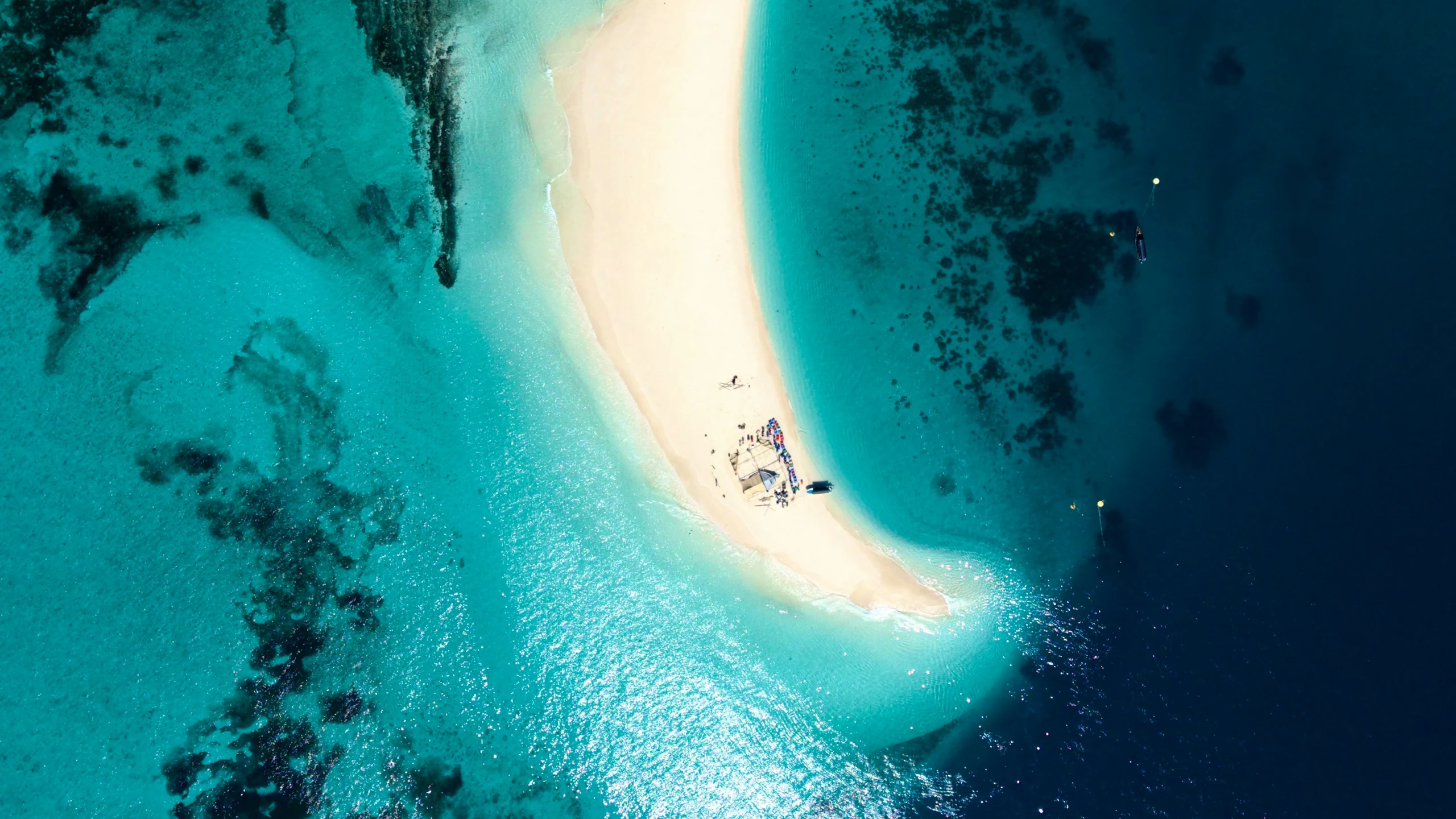
The coast. The beach finish is a short flight to Diani; the Foreign Office advice for Lamu is on is a safari safe, and entry rules are on the Kenya page.
Key facts
Where: Mara conservancies (Olare Motorogi, Mara North, Naboisho), Laikipia, Samburu, the Chyulu Hills. What the extra buys: fewer vehicles and beds, walking and night drives, a guide who sets the day. In the reserve: no night drives; off-road driving limited to big-cat approaches. Flights: Wilson to the Mara about 45 minutes. Typical length: seven to ten nights. Not guaranteed: sightings, crossings, or any animal.
Planning it with Nobu
Nobu designs Kenya luxury journeys as tailor-made trips, with a guide and vehicle arrangement set out in your quote. The order of camps, the number of flights and the choice between conservancy and reserve are the decisions that change the experience, and they are worked out around your dates. Plan Your Journey is the place to start.
Is it right for you?
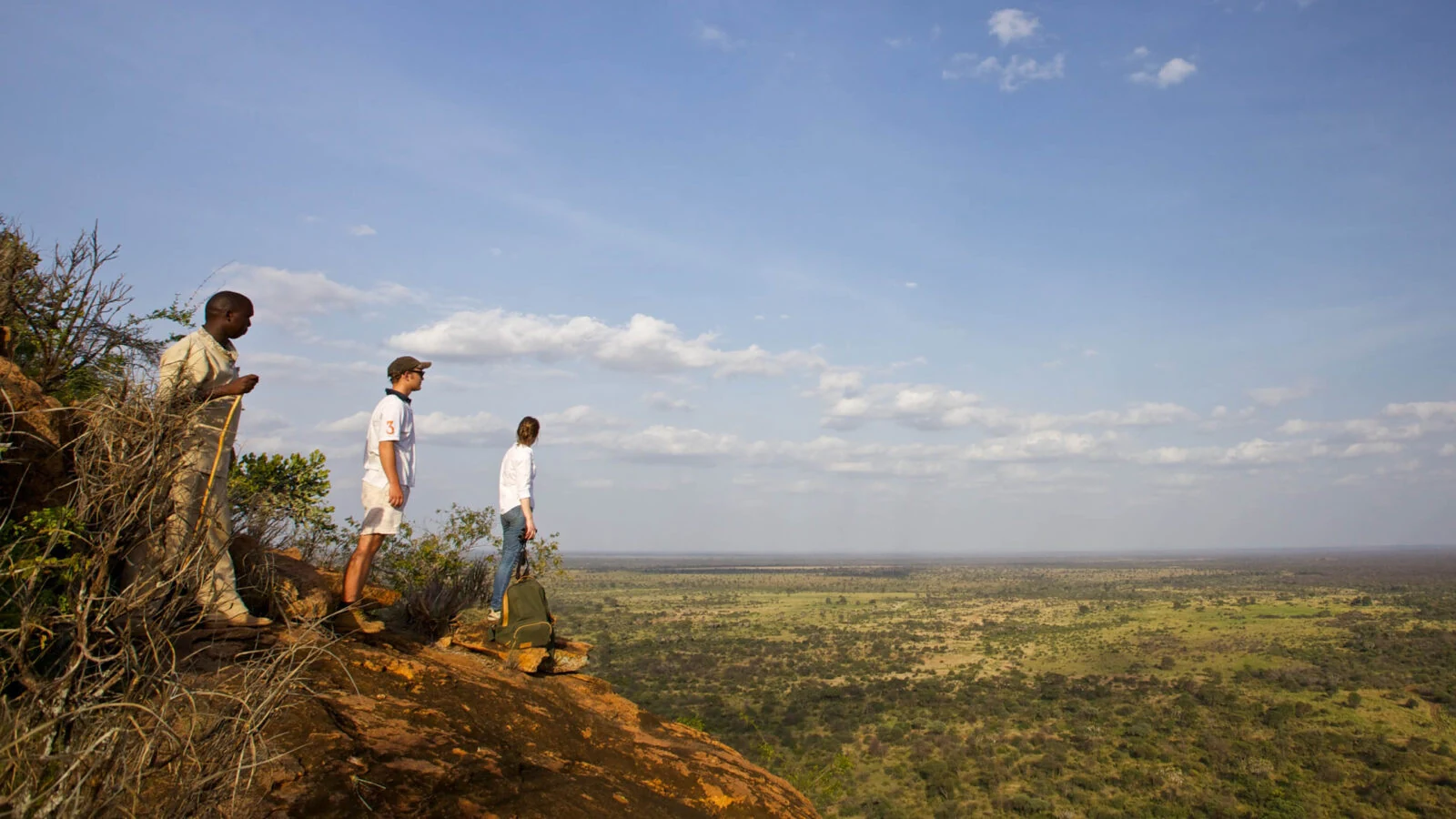
Choose Kenya's luxury safari if you want your first or second safari to feel unhurried, if a week or ten days is all you have, and if walking or a night drive appeals. It also suits celebrations, including a honeymoon.
Choose something else in these cases. If you want a private vehicle without the luxury camp, private safari Kenya is the right page. If scale and the whole Serengeti plain matter more than compactness, read luxury safari Tanzania, and Kenya vs Tanzania compares the two directly. If you are travelling with younger children, family safari Kenya covers camp age policies. If the spend is the constraint, affordable safari Kenya shows how to reduce it without losing the quality of the guiding.
Journeys to consider
- The Mara, unhurried — four nights in the Maasai Mara, as a private safari, best July to October. → See the Mara journey
- North of the ordinary — seven days across northern Kenya (Laikipia and Samburu) for those who want space and a landscape change. → See the northern Kenya journey
- A little wild. A little barefoot — eight nights, the Mara then the beach at Diani. → See the safari-and-sea journey