Laikipia
Laikipia is a highland plateau in central Kenya, north of Mount Kenya, made up of private and community conservancies rather than a single national park. It is one of Africa's most important refuges for black and white rhino and rare species like Grévy's zebra and wild dog, and — because the land is privately managed — it permits walking, horseback riding and night drives that the national parks do not. It suits travellers wanting exclusivity, active safaris and a hand in conservation.
Why visit
Laikipia is the Kenya that seasoned safari-goers come back for. Not a single park but a great quilt of private and community conservancies spread across the highland plateau north of Mount Kenya, it offers what the famous reserves cannot: space, exclusivity, and the freedom to experience the wild on foot, on horseback and after dark.
It is also one of the continent's great conservation success stories. Laikipia's conservancies have become a stronghold for black and white rhino and a refuge for some of Kenya's rarest animals — Grévy's zebra, reticulated giraffe, wild dog — protected on working landscapes where wildlife, livestock and community share the land. To travel here is to take part in that story, not just observe it.
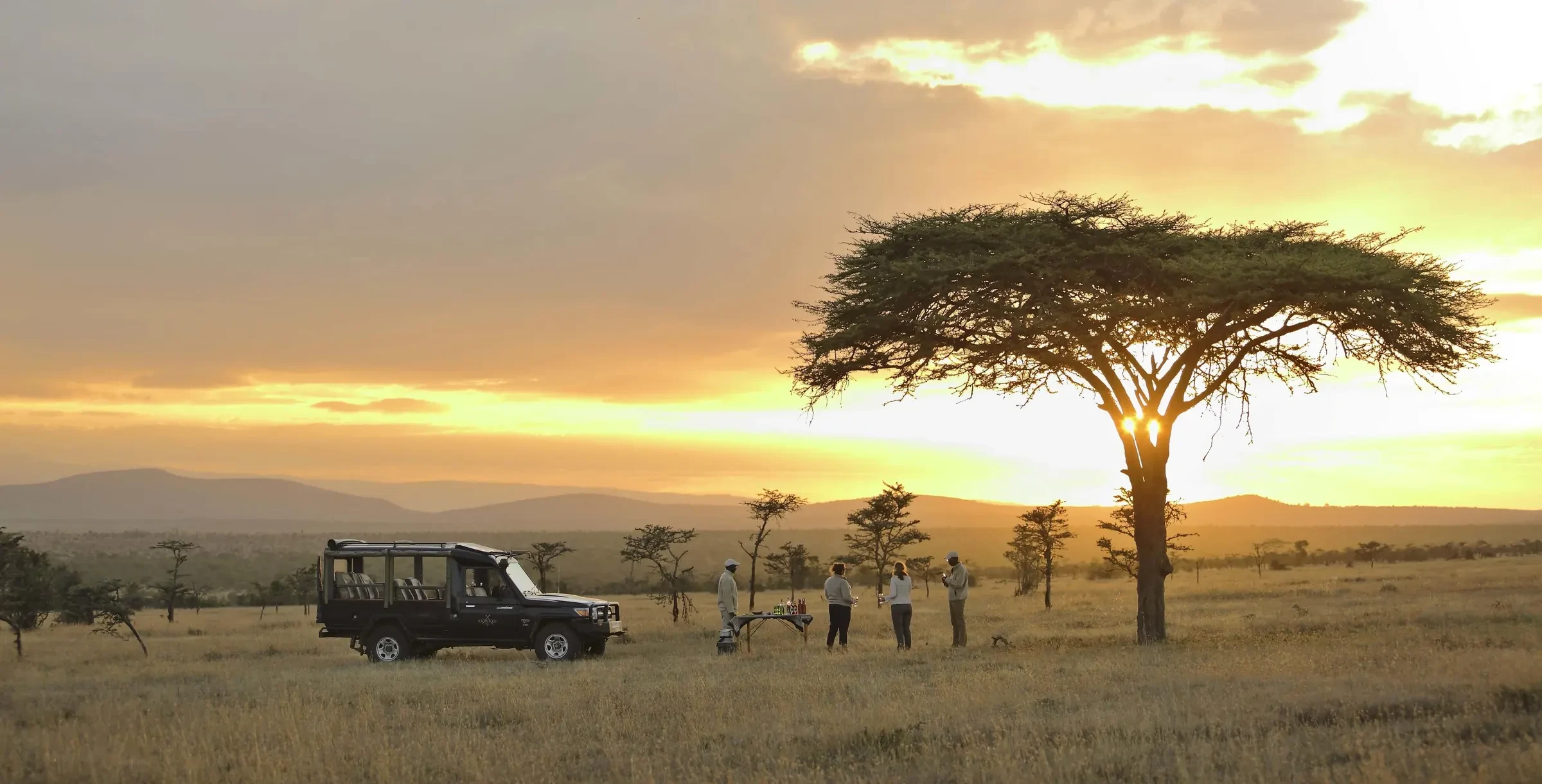
With far fewer vehicles, guided walks at dawn, rides across open country and the snows of Mount Kenya on the skyline, Laikipia rewards those who want their safari quieter, more active and more personal.
Wildlife & landscapes
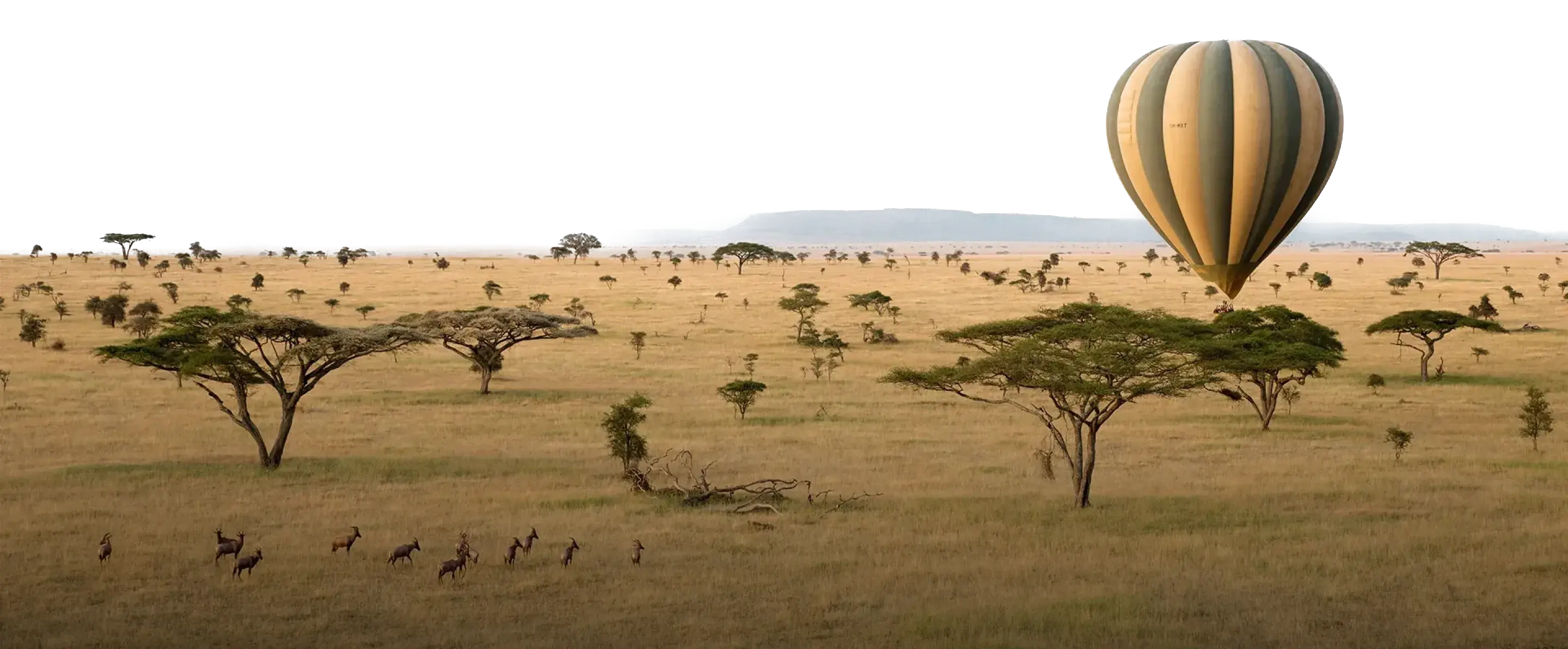
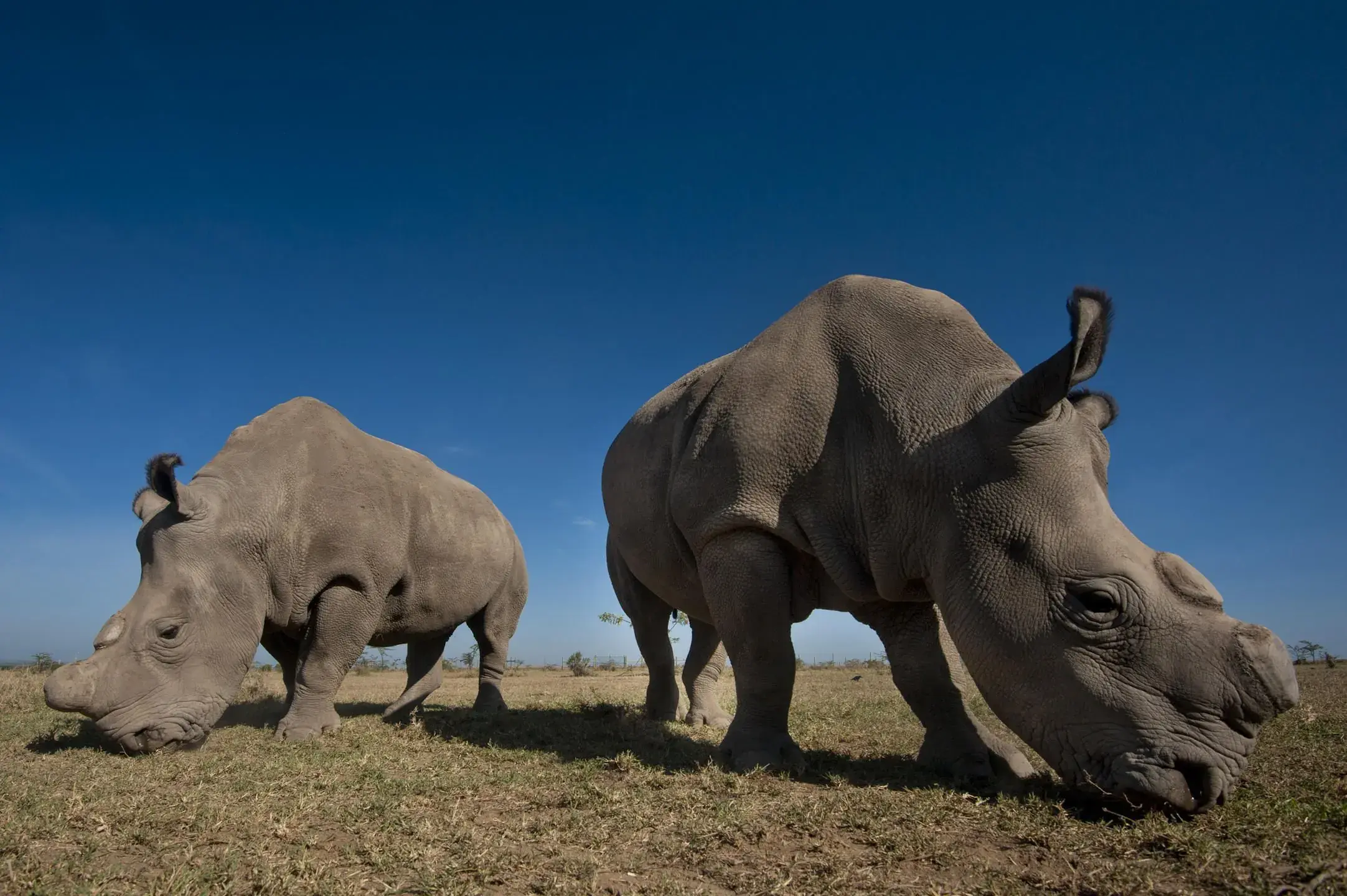
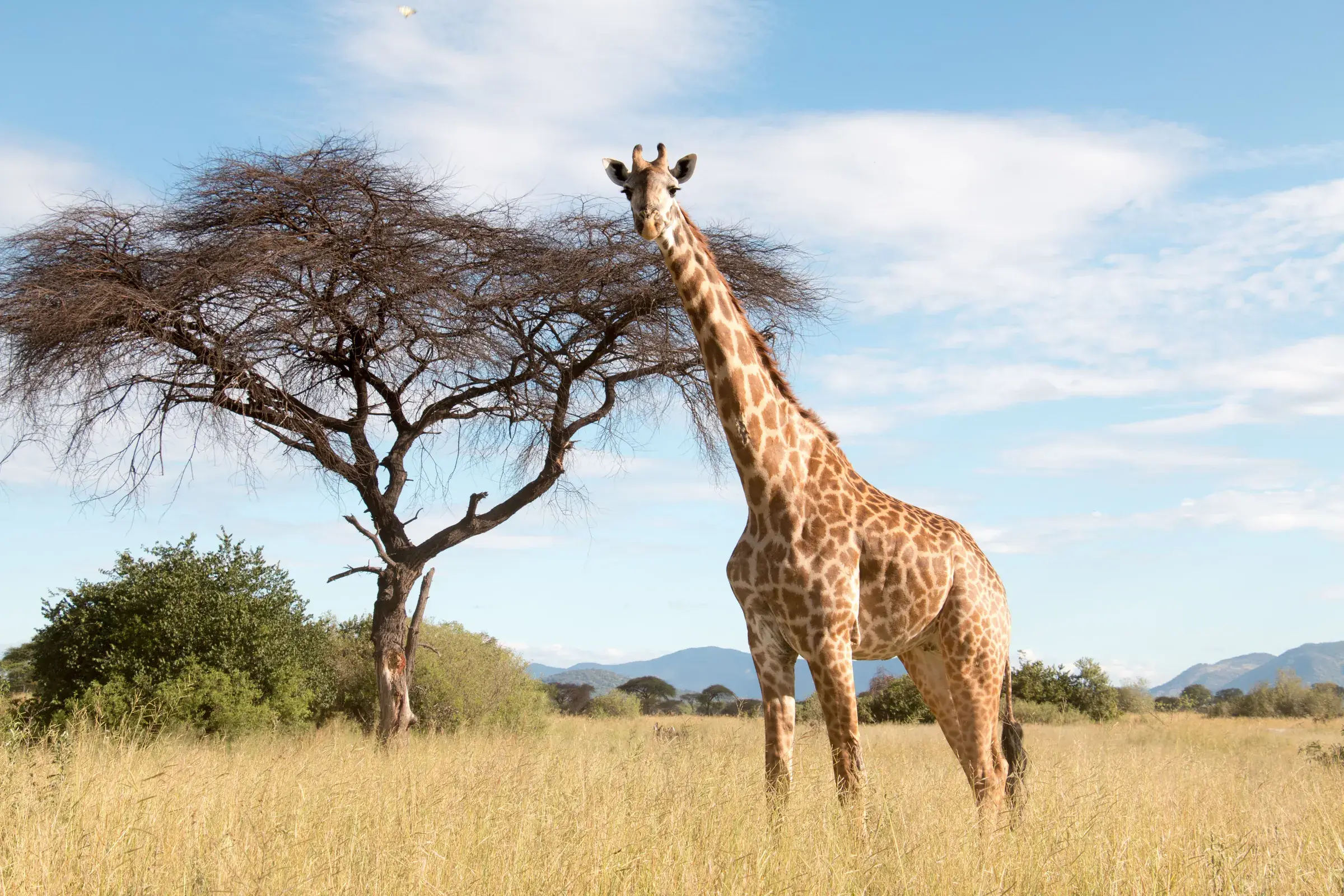
Laikipia is rhino country — its conservancies hold significant populations of both black and white rhino, including some of Kenya's most important breeding sanctuaries. Alongside them roam the northern specialists: Grévy's zebra (the rare, narrow-striped highland species), reticulated giraffe, and one of Kenya's strongest populations of endangered African wild dog. Add elephant, lion, leopard, cheetah, buffalo and abundant plains game. The setting is high, open savannah and acacia bushland rolling across the plateau between the Aberdares and Mount Kenya, whose snow-capped peak often crowns the horizon — cooler, drier and more expansive than the lowland parks. Several conservancies run pioneering programmes for rhino and predators, and some shelter rescued or relocated species.
Best time to visit Laikipia
Laikipia's highland setting keeps it rewarding year-round, with cooler, drier air than the lowland parks. The dry seasons — late June to October and January to February — give the easiest game viewing and the firmest ground for walking and riding, with wildlife drawn to permanent water. The green season (November–May), around the short rains of November and longer rains of April–May, brings lush plains, newborn animals, fine birding and the clearest views of a snow-dusted Mount Kenya, with very few other travellers. Because the conservancies cap guest numbers in every season, Laikipia rarely feels busy whenever you come. We match the timing to whether walking, riding or photography leads your journey.
Things to do here
- Walking safaris — on foot with expert guides across open conservancy land, where walking is permitted; one of the best places in Kenya to do it (see → Walking safari).
- Horseback safaris — ride among plains game across the plateau, a Laikipia signature (see → Horseback safari).
- Night drives — after-dark drives for nocturnal species, allowed on private land.
- Rhino & conservation experiences — meet the rhino-protection and anti-poaching teams, and learn the conservancy model first-hand.
- Game drives & off-road — off-road sightings the national parks don't allow, with very few other vehicles.
- Camel safaris & community visits — camel-supported walking and time with the communities who steward the land.
Know before you go
- Getting there: light-aircraft flights from Nairobi (Wilson Airport) reach Laikipia's conservancy airstrips in about an hour; road transfers from Nairobi take roughly 4–5 hours.
- Fees: conservancy fees apply (per person, per night) and directly fund wildlife protection and community programmes; these are included in your quote and we confirm current rates.
- How long: 3–4 nights lets you settle into a conservancy and make the most of walking, riding and night drives; Laikipia pairs beautifully with the Mara, Samburu or the coast.
Related Nobu journeys
- Conservancy & Rhino — Laikipia's private wildlife ranches and the story of rhino conservation. → Explore
- On Foot & in the Saddle — walking and horseback across the Laikipia plateau. → Explore
When to go
Month by month — daytime warmth, days of rain and what the season brings.
Where to stay
From Essential to Private Collection — the camps and lodges we know first-hand here. Rates are indicative and confirmed on enquiry.
Signature
Laikipia Wilderness Camp
Signaturetented camp · private conservancy
from $500 pp / night· indicative, confirmed on enquiry
Expedition
Loisaba Star Beds
Expeditiontented camp · private conservancy
from $600 pp / night· indicative, confirmed on enquiry
Elevated
Loisaba Lodo Springs
Elevatedtented camp · private conservancy
from $650 pp / night· indicative, confirmed on enquiry
Loisaba Tented Camp
Elevatedtented camp · private conservancy
from $650 pp / night· indicative, confirmed on enquiry
Sosian Lodge
Elevatedlodge · private conservancy
from $650 pp / night· indicative, confirmed on enquiry
Private Collection
Borana Lodge
Private Collectionlodge · private conservancy (Borana)
from $700 pp / night· indicative, confirmed on enquiry
Segera Retreat
Private Collectionvilla · private conservancy
from $1,200 pp / night· indicative, confirmed on enquiry
The Sanctuary at Ol Lentille
Private Collectionvilla · private conservancy
from $700 pp / night· indicative, confirmed on enquiry
Journeys through here
Signature routes that pass through Laikipia — starting points we reshape around your season and pace.
Experiences here
Common questions
- Is Laikipia a national park?
- No — Laikipia is a region of private and community conservancies rather than a single park, which is why it allows walking, horseback riding and night drives that the national parks do not.
- Why is Laikipia important for rhino?
- Its conservancies run some of Kenya's most significant black and white rhino sanctuaries and breeding programmes, making the region a continental stronghold for the species.
- What can you do in Laikipia that you can't in the Maasai Mara reserve?
- Walk on foot, ride on horseback, drive off-road and travel after dark — all standard on Laikipia's private land but restricted in the national reserves.
- How many days do you need in Laikipia?
- Three to four nights lets you settle into a conservancy and enjoy walking, riding and night drives without rushing; it pairs well with the Mara or Samburu.
Tell us what you want from Laikipia
We'll design the journey around it — places, pace and people matched to how you travel.