Start here
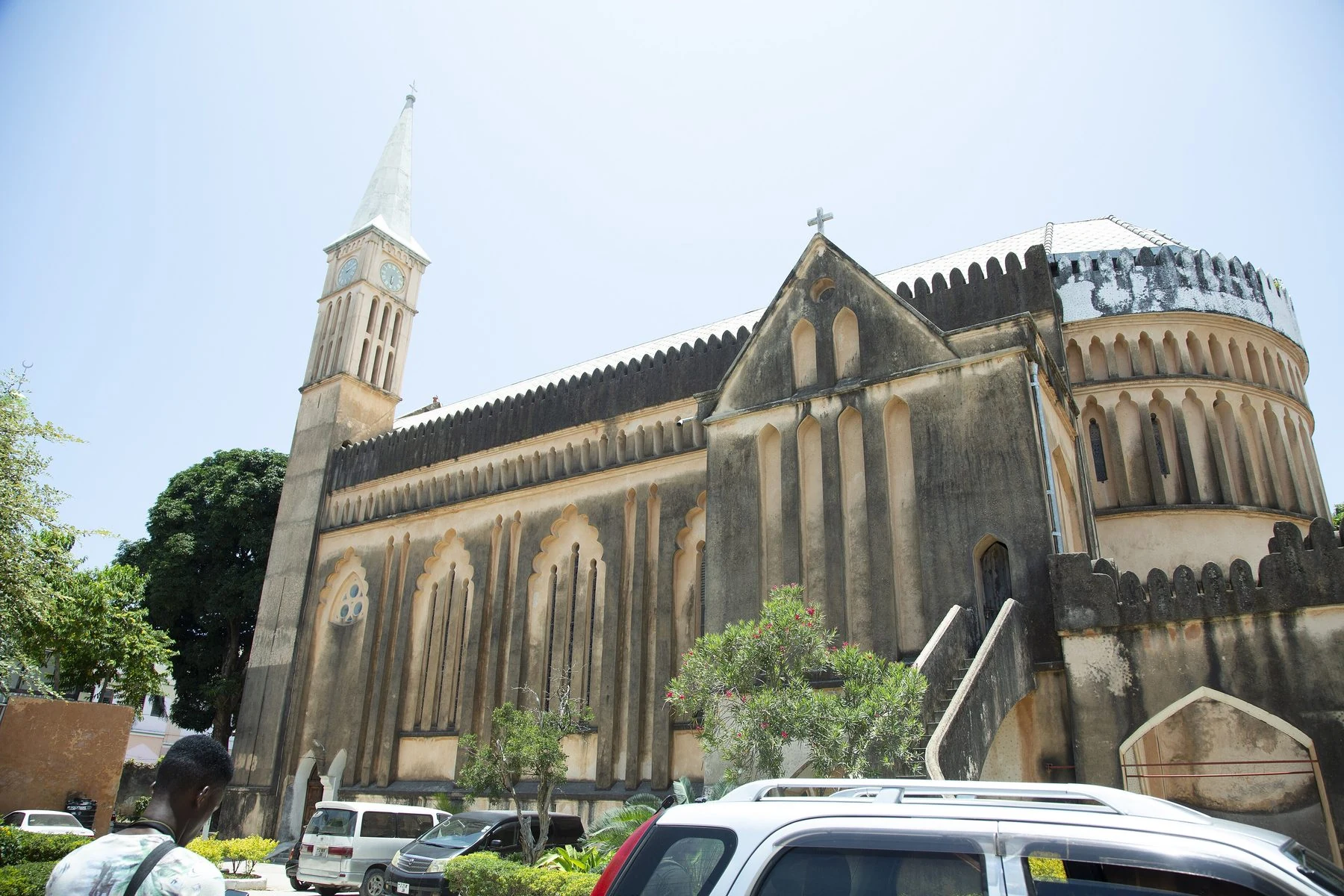
From the lane, the Zanzibar slave market site looks like a church compound: a coral-stone cathedral, a garden, a low building that was once a mission hostel. Then you reach the memorial — figures standing in a pit, iron at their necks — and the ground changes meaning.
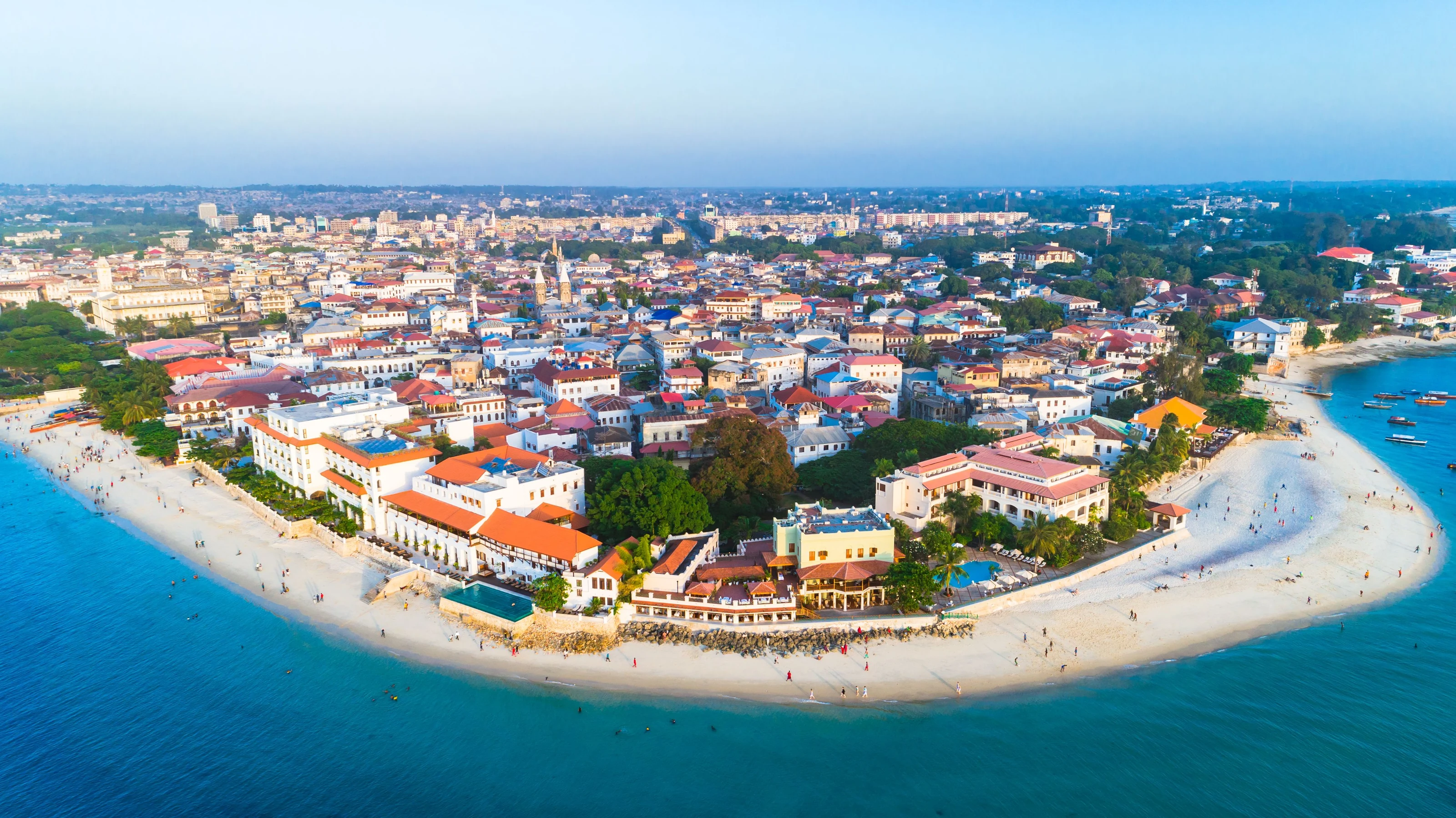
This is the most important place in Stone Town to visit slowly. It is not a ruin preserved as it was; it is a site that was deliberately remade, by people who wanted the place of sale to become a place of worship. Knowing that, and knowing what the market was, is what makes the hour here mean something. For the wider town, read Stone Town history in ten buildings; this page stays with the market.
The story
What passed through Zanzibar. In the nineteenth century Zanzibar was the hub of the East African trade in enslaved people. Captives were marched from the mainland interior to the coast, shipped to the island and sold — some onward to Arabia, Persia and the Somali coast, many to the clove and coconut plantations of Zanzibar and Pemba. Historians disagree on the total number sold, and no single figure is reliable, so this page gives no total. What is less disputed is the weight of the trade in the island's life: the enslaved are estimated to have made up around two-thirds of the population in the 1850s. The wealth of the palaces and merchant houses you walk past rested on this trade.
The closing of the market. In 1873 the British consul, John Kirk, presented Sultan Barghash with an ultimatum backed by the threat of a naval blockade. Barghash signed a treaty prohibiting the sea-borne trade, and the main market closed at once. Closing the market did not end slavery. Smuggling continued, especially to Pemba, and slavery itself kept its legal status until 1897; women held as concubines were excluded from that decree until 1909. The site tells the story of an ending that took more than a generation.
A cathedral on the market. On Christmas Day 1873 work on Christ Church Cathedral began on the market ground, under Bishop Edward Steere of the Universities' Mission to Central Africa. The diocese records that part of the land was bought by the missionary Arthur Nugent West and the rest given by the Hindu merchant Jairam Sewji. According to the Anglican diocese, the cathedral was completed in December 1880; other sources give different dates for its opening and consecration. By tradition the high altar stands where the market's whipping post stood. Inside, a crucifix is made from the tree at Chitambo under which David Livingstone's heart was buried, and a window remembers him.
The chambers and the memorial. Beneath the former St Monica's hostel are two small, low chambers. Rough Guides describes the two cells as holding up to 75 people at a time, without a per-cell figure. The written record of how these particular rooms were used is thin, and visitors should know the site presents them as holding chambers. Outside, the memorial sculpture of figures in a pit, chained at the neck, is the image most visitors carry away.
The 2016 exhibit. In June 2016 an exhibit on the East African slave trade opened in the former hostel, with support from the World Monuments Fund. It sets out the routes, the people and the economics, and it gives the visit a frame the chambers alone cannot.
Key facts
Site: Christ Church Cathedral compound, Mkunazini, central Stone Town. Market closed: 1873, by treaty with Britain. Cathedral work began: Christmas Day 1873; completed December 1880 (diocese). Slavery's legal status abolished: 1897; concubines included 1909. Heritage exhibit opened: June 2016. What you see: cathedral, memorial sculpture, two underground chambers, exhibit. Time needed: about an hour. Entry: fees apply — confirm at the gate, where a site guide is usually included. Opening hours: confirm with the cathedral before you go; service times come first (see section 4).
How to experience it
When. Morning, before the heat and before the larger tour groups. Service times come first: this is a working cathedral, and Sunday morning is for worship.
Entry. Fees apply and are paid at the gate. The amount is not printed here, so confirm it before you go.
With whom. The site guide included in the ticket is usually the right choice; a good private guide who handles the subject calmly is better still. Questions are welcome. Let silence happen in the chambers.
Preparing yourself. The chambers are cramped, dark and airless; visits to the chambers are usually short. If you find enclosed spaces difficult, the memorial and exhibit carry the story without them.
With children. Teenagers often get more from the visit with some reading beforehand and a calm guide. Younger children can find the chambers frightening; talk first about what they will see, and skip the chambers if they are uneasy. Tell your guide the ages in advance.
Photographs and conduct. Photography rules apply on the day; posing with the sculpture is not appropriate. Dress for a church — shoulders and knees covered — and see dress and photography etiquette for the rest of town.
Right for you if… you are travelling with teenagers, you read East African history, or you want to pair it with a walk through the town. You want to understand what Zanzibar's wealth was built on, not only admire it. It is less right as a quick stop squeezed between shopping and lunch, and families with young children or anyone uneasy in enclosed spaces should skip the chambers rather than the site. It fits naturally into a Stone Town guided walk.
Why it matters to how we travel
The island's beauty and its history are not separate stories. A travel designer can place this visit into Stone Town days with time either side, with guides who speak plainly and without performance. It is never a photo stop.
Journeys to consider
- Shores of Zanzibar — Stone Town first, then the coast; this site belongs in the town day. → See the Shores of Zanzibar route
- Southern Safari & Spice — Tanzania's parks, then the island and its history. → See the Southern Safari & Spice route
- Stone Town, the east coast and Mnemba — ten nights — enough time to visit unhurried. → See the ten-night island journey