
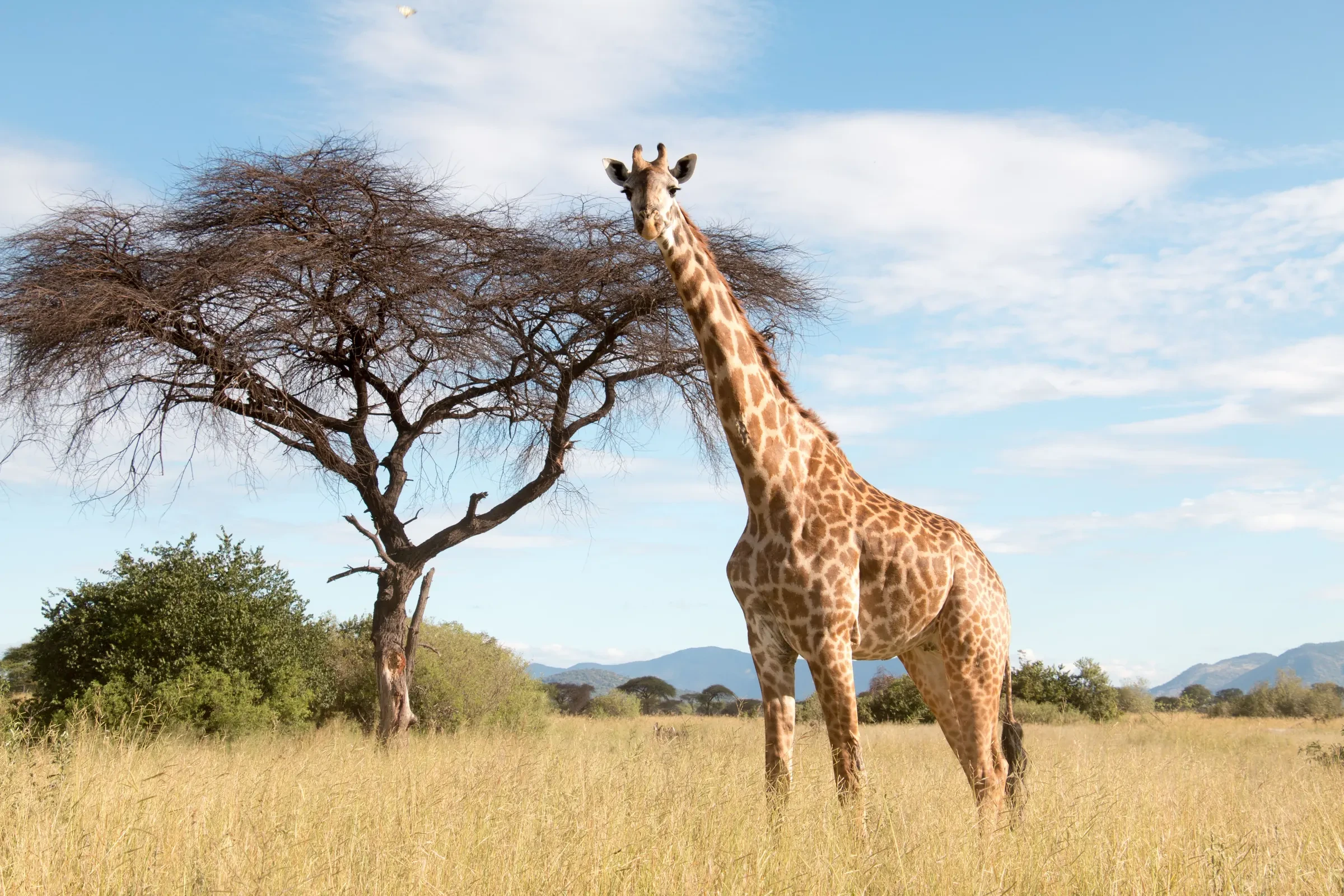
Stories from the wild
Family safari Kenya
Kenya is one of the best countries for a family safari because it combines strong wildlife, relatively simple logistics, family-friendly camps and routes that can balance game drives with rest. A well-designed family safari keeps drives manageable, chooses the right camp style and shapes the pace around children's attention, not adult ambition.
Written by Joseph Gathuru · Travel designer at Nobu Safaris
Intro
A family safari is not an adult safari with smaller people added. It has its own rhythm: wonder in bright bursts, questions from the back seat, early mornings balanced by pool time, and the quiet satisfaction of seeing children understand that the world is larger and wilder than they imagined.
Kenya is particularly good at this. The wildlife is strong enough to reward short drives, the routes can be kept sensible, and the range of camps means we can choose places that welcome families rather than merely tolerate them. The best family safaris feel adventurous without ever feeling chaotic.
The detail
The first design question is pace. Children rarely need a race across the map; they need enough time in each place to settle and enough variety to stay curious. In Kenya, that might mean the Maasai Mara for big cats and open plains, Amboseli for elephants and Kilimanjaro views, or the Rift Valley for a gentler interlude with lakes, birds and shorter road links. Laikipia can work beautifully for older children, especially where activities go beyond vehicle-based viewing.
The second question is camp style. Some families need adjoining rooms, family tents, flexible meals, a pool and guides who enjoy children's questions. Others want a private house or sole-use villa where the family can spread out completely. For younger children, a private vehicle is often worth it: you can return early, stop for snacks, shorten a drive or linger without worrying about other guests.
Safety is built through design rather than drama. Camps have rules, guides brief children clearly, and the rhythm of the day is structured. We avoid overlong transfers where possible and think carefully about ages, attention spans and sleep. The aim is not to remove adventure, but to hold it properly.
The coast can be a brilliant close. After early mornings and intense wildlife days, Diani, Watamu or Zanzibar gives the family time to rest, swim and let the safari become stories. For many children, that contrast — lion at dawn, warm water a few days later — is what makes the journey unforgettable.
Key facts
Best Kenya family areas: Maasai Mara, Amboseli, Rift Valley lakes, Laikipia for older children and the coast for a soft finish. Design priorities: manageable drives, family-friendly camps, private vehicle where useful, downtime, flexible meals and clear safety briefings. Good length: around seven to ten nights, depending on ages and whether the coast is included. Best for: first-time safari families, multi-generational trips and children old enough to enjoy guided wildlife days.
Why Nobu for this
Nobu designs family journeys around the actual family, not the brochure version of one. We ask who is travelling, how old the children are, how they handle early mornings, whether anyone needs downtime, how much privacy matters and what would make the adults feel relaxed enough to enjoy it too.
Then we choose the route and camps accordingly. A family with young children may need fewer moves and a private vehicle. Teenagers may love Laikipia's activity range. Grandparents may need gentler transfers and more comfortable stays. The safari becomes a shared story because everyone has been considered.
Suitability — "right for you if…"
A Kenya family safari is right for you if you want the children to experience real wildlife without pushing the trip beyond their rhythm. It suits families who want strong sightings, warm guiding, clear logistics and the possibility of ending by the ocean.
It may be less right if you want long remote expedition days, very early starts every morning or a route built around adult pace alone. Those can wait. The first family safari should make children want to come back.
Related Nobu journeys
- Mara & Amboseli Classic — a strong family route pairing big cats, elephants and a clear Kenya shape. → Explore
- Bush to Beach — a family-friendly safari with a coast finish for rest and sea air. → Explore
- Mara & the Lakes — a gentler Kenya route with wildlife, Rift Valley variety and easier pacing. → Explore
Common questions
- Is Kenya good for a family safari?
- Yes. Kenya combines excellent wildlife, clear logistics, family-friendly camps and routes that can be kept simple.
- What age is best for a family safari?
- It depends on the child and the camp. Many families travel successfully with school-age children; younger children need more careful camp and vehicle choices.
- Do families need a private vehicle?
- Not always, but it is often helpful. It lets the day flex around snacks, tiredness, questions and shorter attention spans.
- Can a family safari include the beach?
- Yes. Kenya pairs naturally with Diani, Watamu or the wider coast, giving children time to swim and rest after wildlife days.
- How do you keep children safe on safari?
- Through good camp selection, clear guide briefings, sensible pacing and adult supervision. We choose places that are comfortable hosting families.
More stories
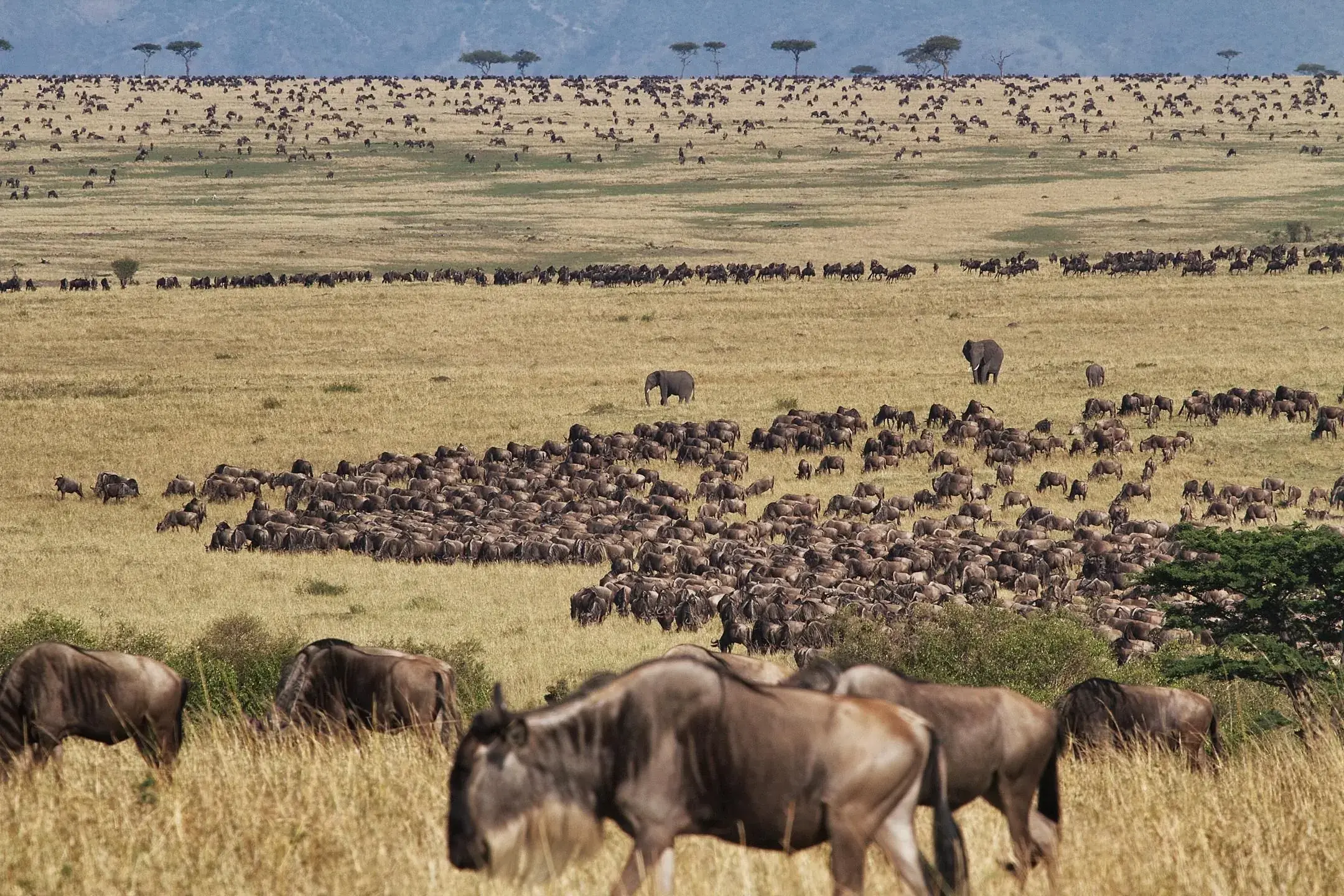 Family safari TanzaniaA family safari in Tanzania — Serengeti drama, Ngorongoro wildlife, Tarangire elephants and a Zanzibar finish, designed at a child's pace. Your Africa, beautifully told.
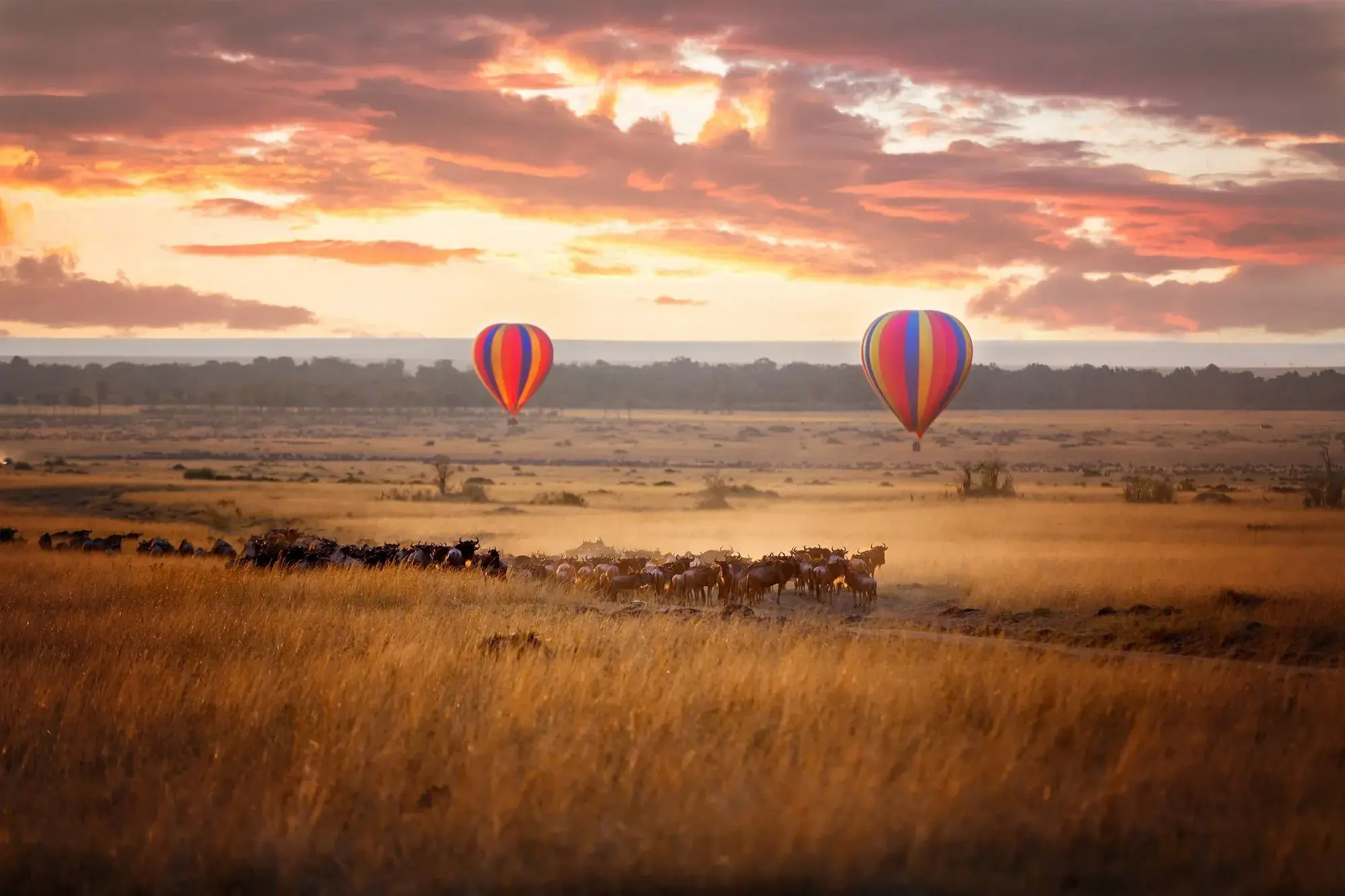 First-time safariPlanning your first safari? Learn where to go, how long to travel, what the days feel like and how Nobu designs a first journey with calm confidence.
- Green season safariA green season safari in East Africa — lush landscapes, newborn wildlife, dramatic skies, superb birding and fewer travellers. Your Africa, beautifully told.