Start here
A safari for over-60s, a safari for seniors in American terms, often starts with a worry: that this is a young person's adventure, with early starts, rough roads and hours of jolting. It does not have to be any of those things, and you are not too old to want it. Picture the afternoon rest instead, on a tent veranda above the Mara plains, with the day's heat easing and nothing to do until the light turns gold. What matters is the shape of the trip: how often you move, how far you walk between your tent and the dinner table, and what you do about medication and insurance before you leave home.
The detail
Fewer camps, longer stays. A workable rule is three nights or more in each place, and two or three camps across eight to ten nights, so the trip is not spent packing. Longer stays also give you a rest day without losing a wildlife day.
Fly, don't drive. From Nairobi's Wilson Airport, scheduled light aircraft reach the Mara in about 45 minutes and Laikipia in about an hour; Samburu can take up to an hour and a half with stops. Safari aircraft take about 15 kg per person in soft bags, hand luggage included, and boarding means a few steps. Airkenya carries wheelchairs and walkers outside the allowance, and medical equipment must be arranged when you book.
What to ask each camp.
- Step-free or few-step access to your tent and the dining area.
- A walk-in shower.
- Reliable power for medical devices, and fridge space for medication.
- How far your tent is from the main area, and whether you are escorted at night. Ask for a tent near the main area.
- A step stool at the vehicle, if the Land Cruiser step is high.
This is general information, not medical advice — consult a travel clinic.
Altitude and heat. The Mara plains lie at roughly 1,500 metres, Nairobi at about 1,800 and the Ngorongoro rim at around 2,300, where nights are cold. If you have a heart or lung condition, talk to your doctor before choosing a high rim stay. Lowland parks such as Amboseli and Samburu are hotter at midday than the highlands, so plan a long rest after lunch.
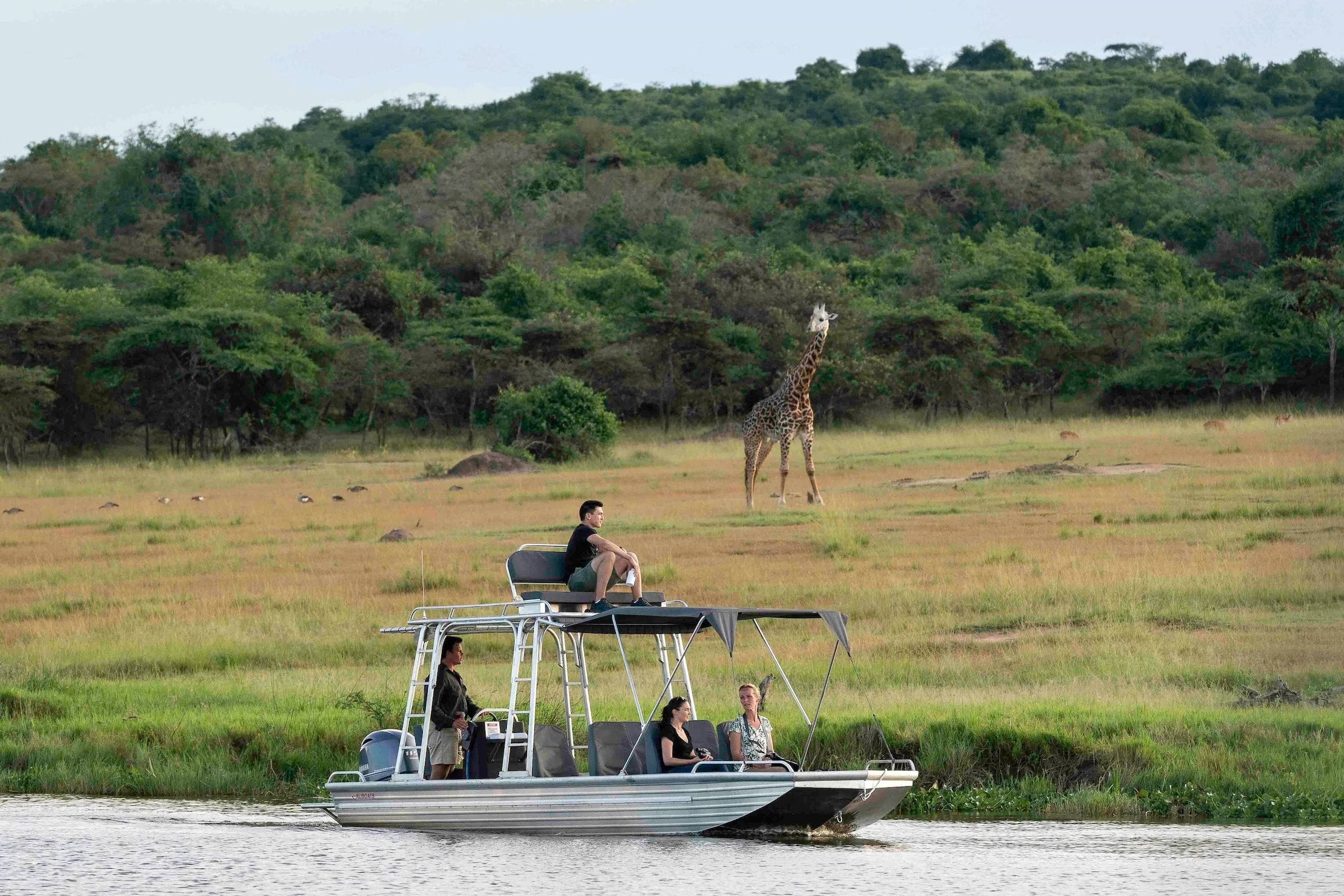
Activities that suit, and one that does not. Boat safaris and sundowners ask little more than vehicle access. Walks are on uneven ground at a guide's pace. A Mara balloon flight is not for limited mobility: you climb over a basket side about 1.1 metres high using footholds, stand for about an hour and brace for a landing that can be rough, and operators may decline guests with mobility, back or heart conditions. Gorilla trekking has no upper age limit, and in Bwindi porters can carry a chair, booked early, but the walk to the gorillas cannot be guaranteed short. Trekkers with a cold or other infection can be turned away to protect the gorillas, so leave a buffer day in case you are unwell. See gorilla trekking. In conservancies such as Ol Pejeta, limits on the number of vehicles at a sighting keep it quiet, so you can stay without a crowd.
Medication, vaccines and evacuation. See a travel clinic four to six weeks before you go. Malaria is present in all areas below 2,500 metres except the city of Nairobi, game parks included, and tablets are recommended. Kenya reported an imported Ebola case on 6 October 2026, and some countries may screen travellers arriving from Kenya, so check current UK and US advice before you fly, and whether Tanzania or Uganda screens arrivals from Kenya. The right tablet depends on your health and other medicines: mefloquine is not advised for people with certain heart-rhythm abnormalities, so tell your doctor your full history. Yellow fever vaccination is recommended for most of Kenya, and Tanzania requires a certificate from travellers arriving from Kenya, which matters for a Kenya and Ngorongoro trip. For general safety and medical support, see is a safari safe.
AMREF Flying Doctors' Maisha plan covers air evacuation to Nairobi when its operations centre approves it and an airstrip is usable. It is not medical insurance. In Tanzania, in-country evacuation is included only at Platinum level.
Insurance. This is the practical limit. Some standard policies cover only people up to 64, specialist over-65 policies exist, and conditions must be declared or a claim can be refused. Check that your own policy covers air evacuation and repatriation, not only medical treatment. MoneyHelper runs a directory for people whose conditions make cover hard to find. Since 5 October 2026 Kenya has required visitors to buy a travel health policy as part of the eTA application. It is not a substitute for your own policy.
Kenya or Tanzania. For most over-60s, Kenya: short flights between conservancies and little driving. Northern Tanzania means more road time, and works best with longer stays and fewer moves. The full comparison is in Kenya or Tanzania.
Key facts
Age limit: none on safari itself. Pace: 3+ nights per camp; 2–3 camps in 8–10 nights. Flights from Wilson: Mara about 45 min; Laikipia about 1 h; Samburu up to 1.5 h. Bags: about 15 kg, soft, hand luggage included. Altitude: Mara about 1,500 m; Nairobi about 1,800 m; Ngorongoro rim about 2,300 m. Balloon: not for limited mobility. Evacuation: air to Nairobi, not insurance. Insurance: declare conditions; some policies stop at 64.
Planning it with Nobu
Before we suggest a camp, we ask about your medication, mobility and insurance, and put access questions to each property. Plan your journey.
Is it right for you?
You are in your sixties, seventies or eighties, travelling as a couple or with friends, and you want an unhurried first safari or a long-awaited return, with fewer moves and shorter days.
Choose something else if you use a wheelchair or need step-free access throughout: read wheelchair-accessible safari and our accessible travel page. If you travel alone, read solo safari. If you bring grandchildren, multi-generational safari fits better. If you have a heart or lung condition, see your doctor before choosing anywhere high. And if your heart is set on a strenuous trek or a balloon flight, talk it through with us first. For a private vehicle on your schedule, see private safari in Kenya.
Journeys to consider
- The Mara, unhurried — five days, one conservancy, no moving camp. See the one-conservancy Mara journey
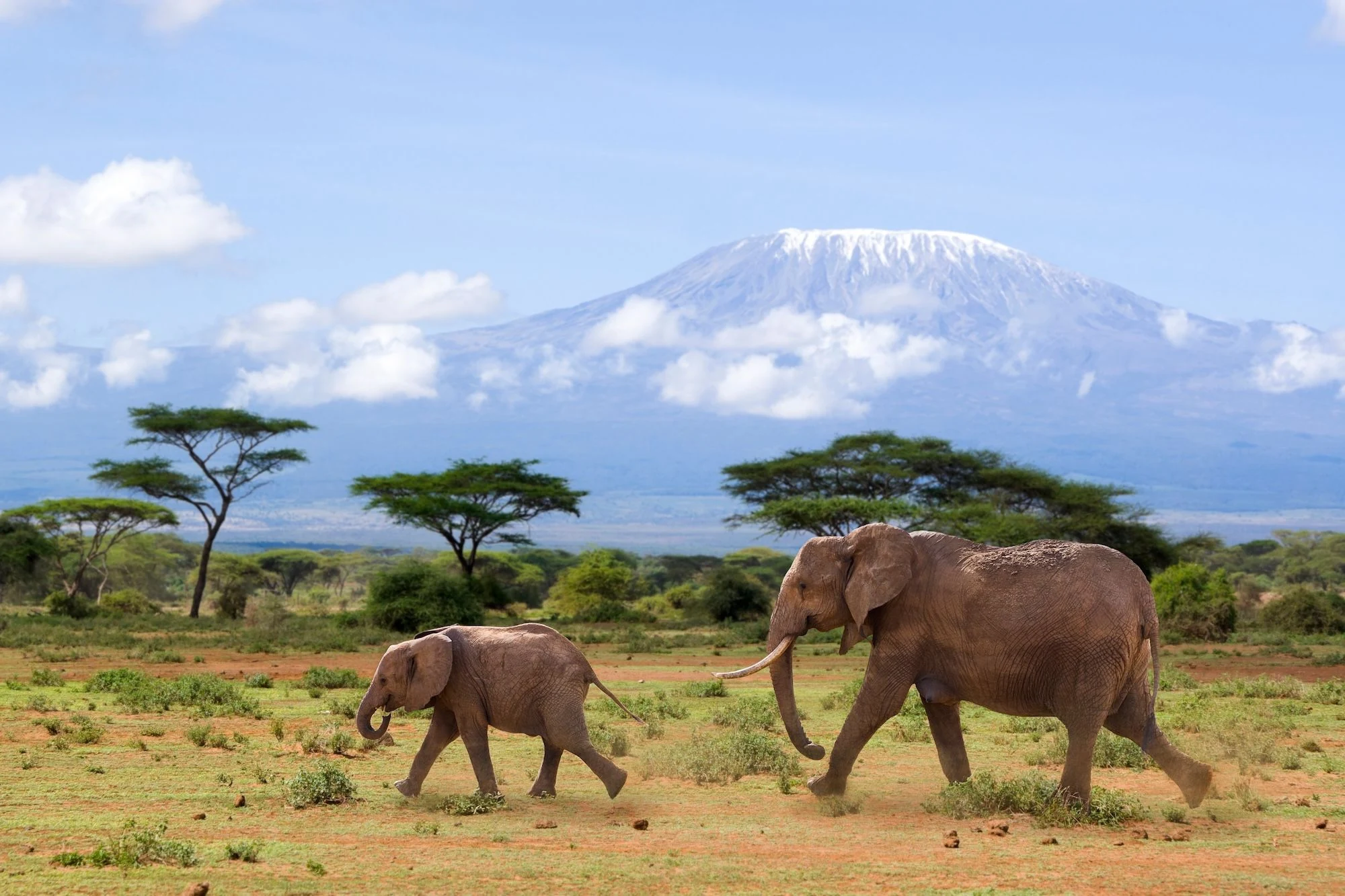
- In the company of giants — four days in Amboseli with elephants beneath Kilimanjaro. See the Amboseli journey
- Tanzania, one chapter at a time — eight days in northern Tanzania; more road time, so best with longer stays. See the northern Tanzania journey