Start here
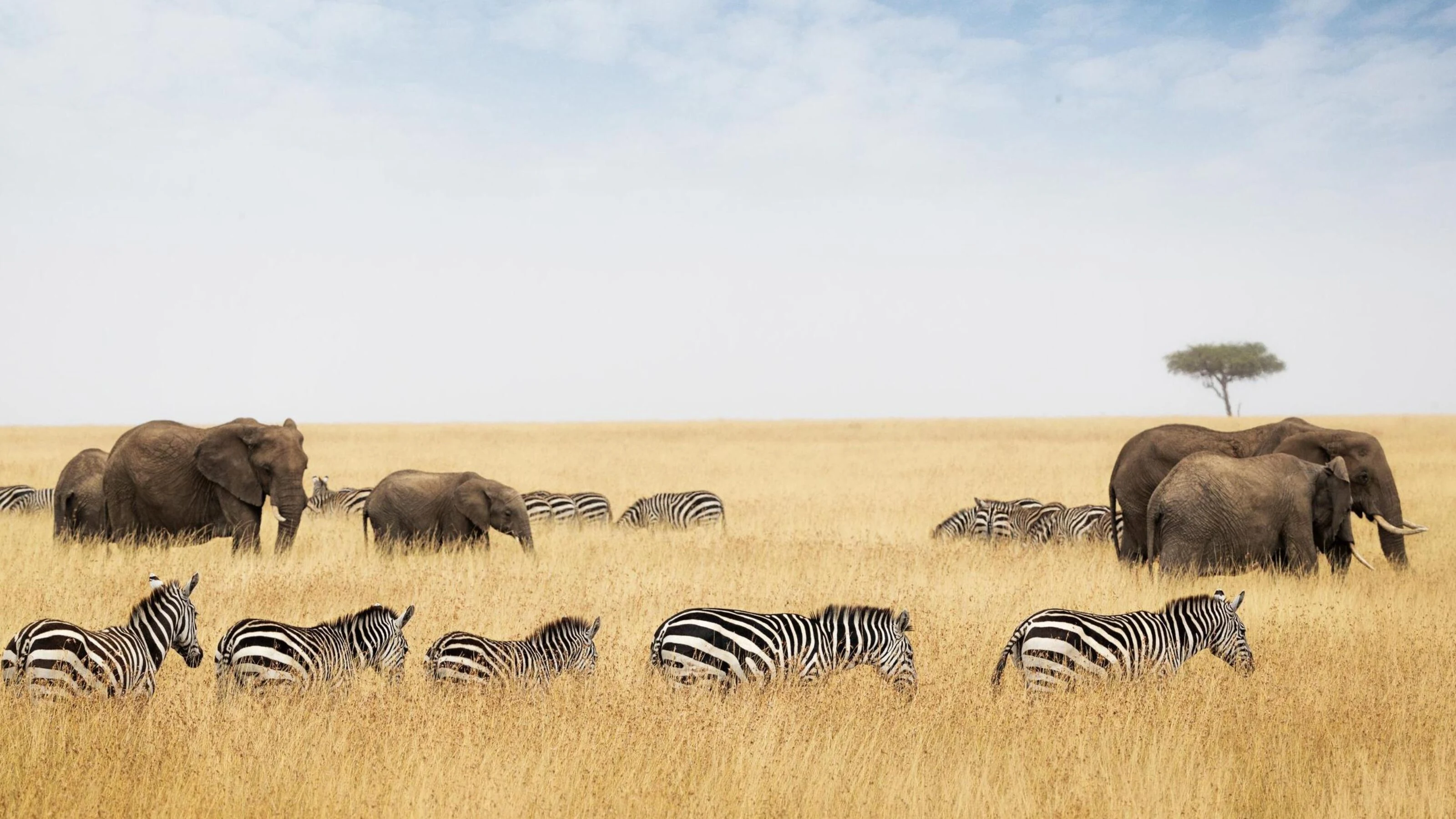
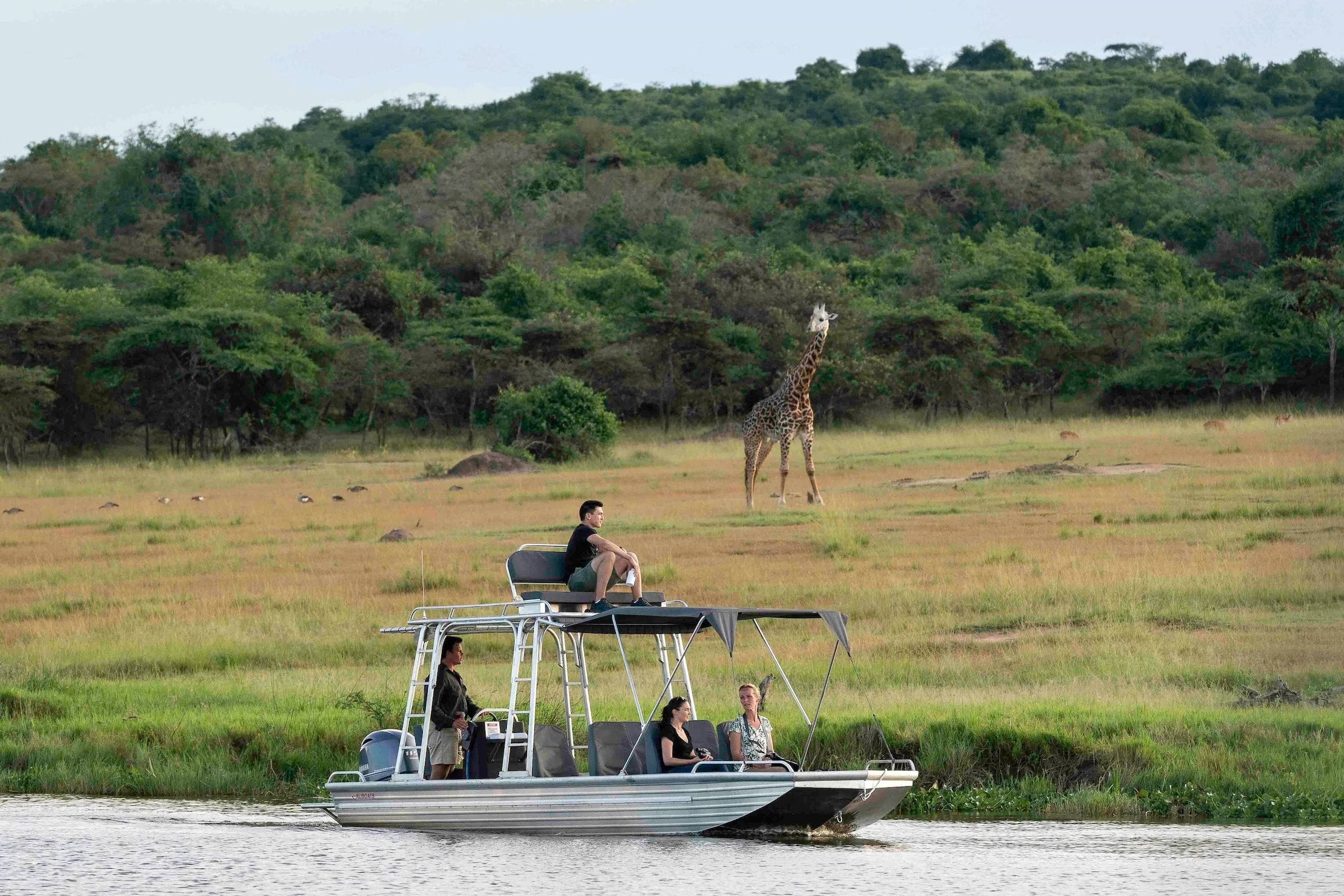
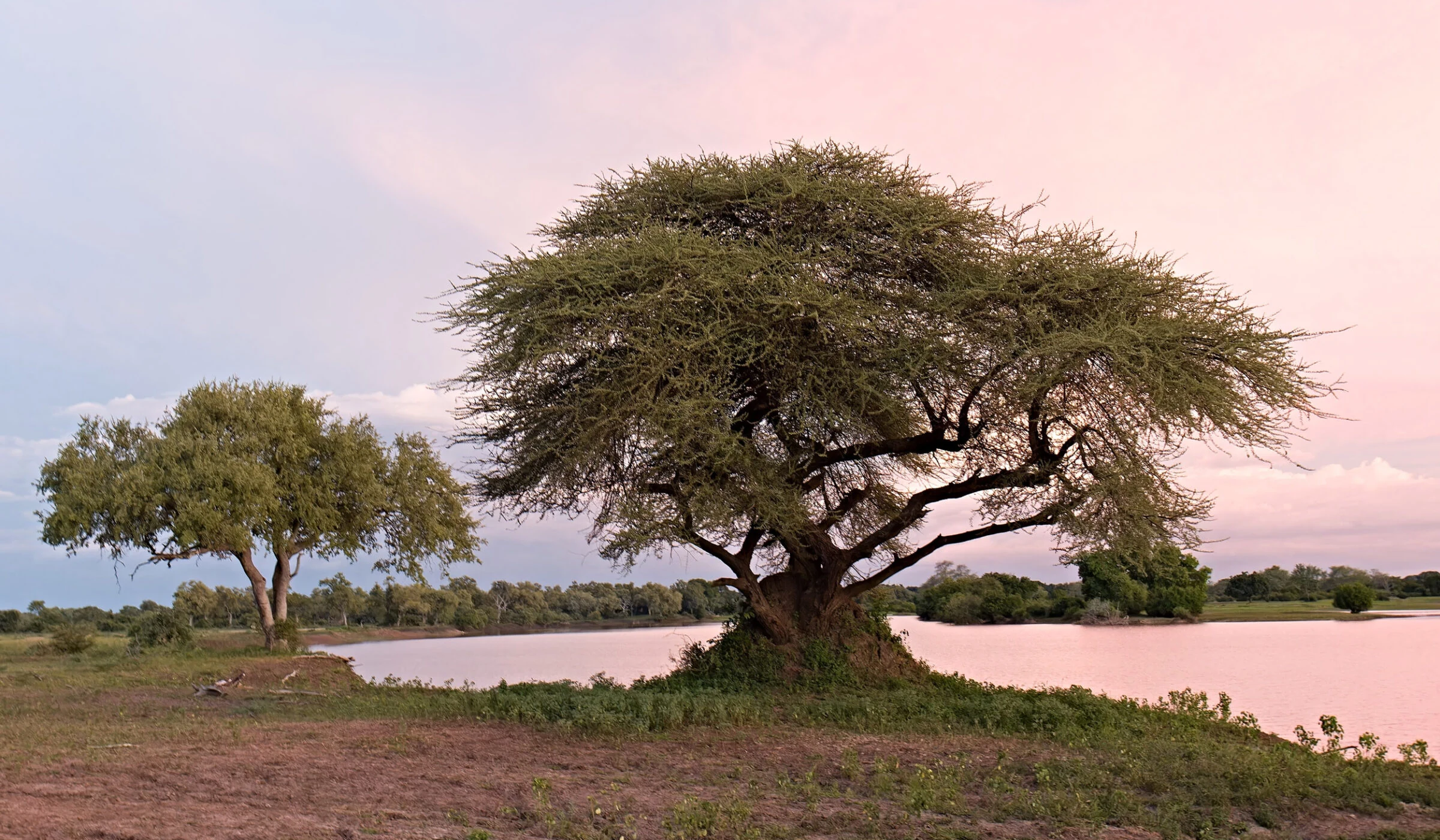
You want the holiday to be a story the family tells for years, not a repeat of every other December. A safari gives you that: an acacia for a tree, lunch with elephants in the middle distance, no screens at the table. The worries are practical. The fortnight is the most expensive of the year, the best camps are full long before you decide, and the weather is not guaranteed. This page helps you decide whether Christmas on safari is worth those trade-offs, or whether a different month gives you the same landscapes for less.
The detail
The weather this year. The usual pattern is that the short rains run from October to December and ease towards Christmas, leaving the Mara, Laikipia and the northern Tanzania plains green. December 2026 is not usual. Kenya's weather service forecasts above-average short rains, continuing around the Mara into January 2027, and Tanzania's weather authority forecasts above-normal to normal rain for the north, also into January. Expect showers, muddy tracks and the occasional flooded low-lying camp or access road. Ask your designer where the backup to a road transfer is a flight. In the wet, good guides keep to the tracks, because driving across soft ground scars the plains.
What you will see. Resident wildlife is strong: lion, leopard, elephant, giraffe and the new green grass that brings the plains game. The Mara River crossings are over, as they run from July to October; the herds are usually spread across the southern Serengeti plains around Ndutu, with calving beginning in late January. For where the herds are in any month, read the migration timing guide.
What it costs. Peak rates start about 20 December and run to roughly 5 January. One Mara camp group lists its 2026–27 high season as 20 December to 5 January, and its rate that week is about a third above its November to mid-December rate. A second operator's multi-camp Mara itinerary (Porini, a trip price rather than a single camp) costs about 45 per cent more between 20 December and 2 January than between 1 November and 19 December, while its longer Kenya–Tanzania itinerary steps up by about a quarter. Some camps add a festive supplement for each night of 24, 25, 26 and 31 December and 1 January, and some set minimum stays. The Maasai Mara reserve charges US$200 per adult per day until 31 December, then US$100 from 1 January.
If your dates can move to 1–19 December, the same camps cost a quarter to a third less and the plains are just as green.
| Window | Weather in 2026 | Price | Herds |
|---|---|---|---|
| Early December (1–19) | Showery; the Kenyan coast clears first | Base rate | Around the southern Serengeti plains |
| Christmas to New Year (20 Dec–5 Jan) | Showers likely | A quarter to nearly half more; Mara fee falls from US$200 to US$100 on 1 January | Same |
| Mid-January | Still unsettled around the Mara | Peak rate ends; January–March is often above early-December rates | Calving at Ndutu begins late January |
When to book. The best camps and family houses fill many months ahead, and nine to twelve months is the usual advice. For this December, that window has closed, so ask now: a few camps will still have space, and the earlier you ask the more choice you keep. For Christmas 2027, begin early in 2027. International fares rise around the holiday too.
The day itself. Many camps lay on a festive meal or a table under a tree, arranged in advance. A typical day runs from a morning drive to a bush breakfast or long lunch, a late drive and a festive dinner. Tell the camp what your family wants, and what you would rather skip. Camp and guiding teams work through their own Christmas, so ask how the camp's staff tip box works and allow for it.
Beyond Kenya and Tanzania. Gorilla trekking runs all year. The south-west of Uganda usually has a drier spell from December to February, though forecasts for late 2026 keep rain in the lowlands into January. On the coast, the Kenyan beaches are usually dry by late December, with this year's coastal rains expected to end in early to mid-December; Zanzibar is usually dry from December, though Tanzania's weather authority expects rain there to run into January 2027. For the island half, see Zanzibar at Christmas and New Year.
Key facts
Peak rates: about 20 December to early January. Weather: short rains easing; wetter than usual in 2026. Wildlife: resident game excellent; no Mara River crossings; herds around Ndutu, calving from late January. Cost: a quarter to nearly half above November to mid-December rates at one camp group and one operator's itineraries checked. Mara fee: US$200 per adult per day to 31 December, US$100 from 1 January. Booking: nine to twelve months ahead for the best camps. Gorillas: trekking runs all year. Alternative: early December and the green season.
Planning it with Nobu
Over the holidays, design and timing are the same decision: the right camp, held early, with the day arranged your way. Nobu asks the camps on your shortlist at once, holds what is free while you decide and passes your requests for Christmas Day to the camp. Plan your journey.
Is it right for you?
You want the holiday to be a story, you can plan most of a year ahead, and a showery morning does not spoil your day. It suits families with school-age children, whose holiday dates are fixed, and anyone escaping a northern winter. Choose differently if the Mara River crossings are the dream: they run from July to October, so read the Great Migration guide. If peak rates are a stretch, the green season and early December offer similar landscapes for less. If children are the reason, family safari in Kenya and multi-generational safari cover the planning in more detail.
Journeys to consider
- A little wild. A little barefoot — nine days: the Mara, then Diani beach; can be timed for the holidays.
- Tanzania, one chapter at a time — eight days in northern Tanzania, built as a private safari.
- The Mara, unhurried — five days in the Maasai Mara; the shortest of the three.