Start here
You have saved for one big trip, and you do not want it to feel like a queue. Somewhere between the photographs of canvas suites and the price at the bottom of a quote, you are asking a fair question: what will I notice at six in the morning, with a lion in front of the vehicle, that I would not notice at a standard camp?
The honest answer is fewer things than the brochures suggest, and the ones that matter are quiet. This page explains which they are, so you can decide whether a luxury safari is right for you before anyone asks you for dates.
The detail
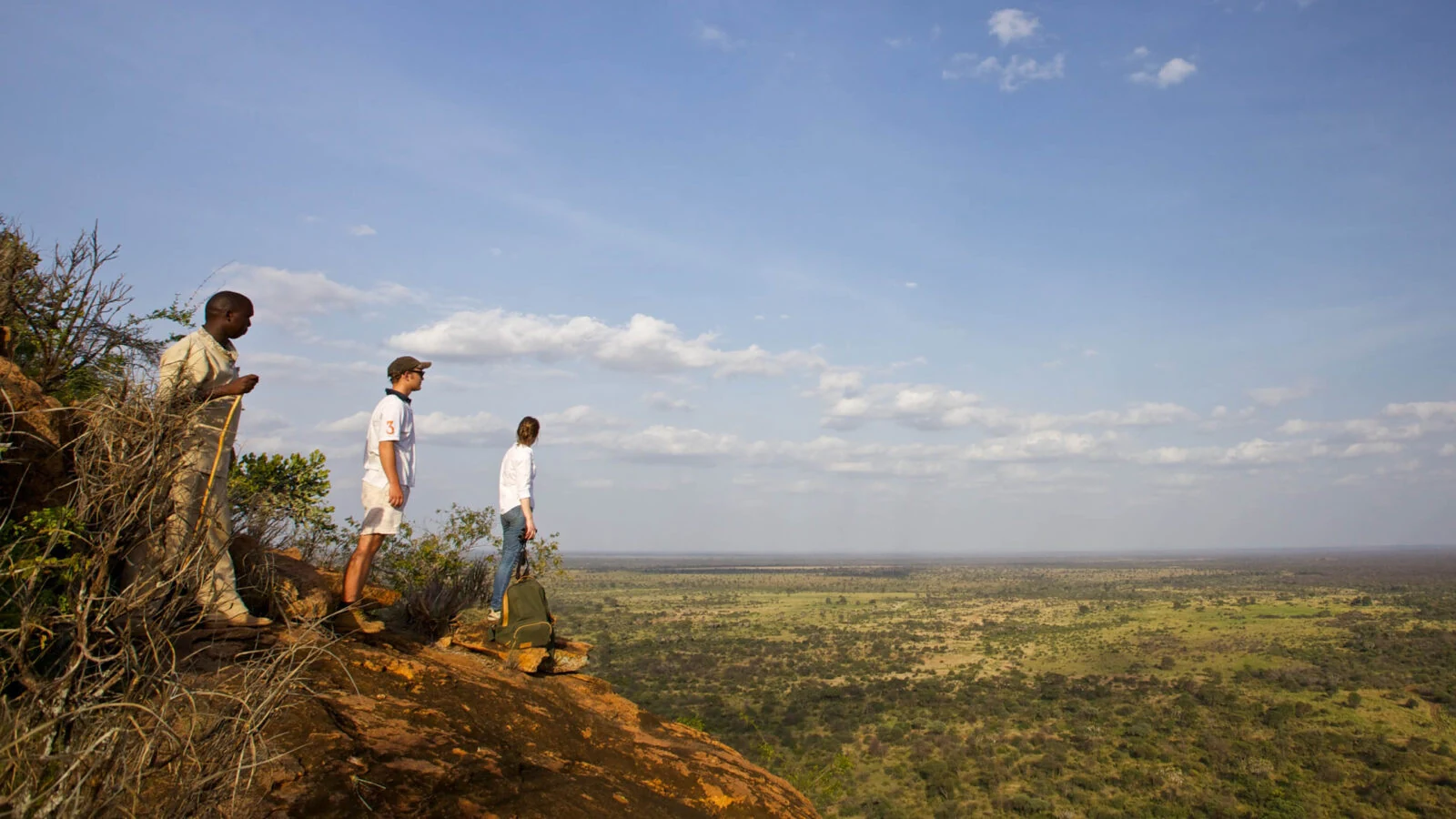
What changes on the ground. Luxury safari camps are small, usually a dozen tents or fewer, and the best-placed ones sit on private or community land rather than inside a national park. That land comes with rules the parks do not allow. In Kenya's Mara conservancies, guided walks and night drives are permitted and vehicles can leave the track; inside the Maasai Mara National Reserve itself night drives are not offered and leaving the track is limited and controlled (the Mara Triangle allows it only in signed zones, to approach big cats). Conservancy fees fund lease payments to the Maasai landowners, so part of the higher rate goes to the people who share the plains with the wildlife.
In Tanzania the same split applies: night drives are not permitted in Serengeti National Park, but the private Grumeti reserves on its western edge allow them, along with walking and off-road driving. Add a small number of guests per vehicle, and the difference is real. A private vehicle and guide is usually an extra, or comes with certain suites, and is quoted separately.
The better conservancies also limit how many vehicles share a sighting: at Ol Pejeta, no more than six vehicles for ten minutes at a rhino. In the Mara Triangle, off-road approaches to big cats stop at 25 m. Walking safaris and night game drives are the two experiences that most often decide it.
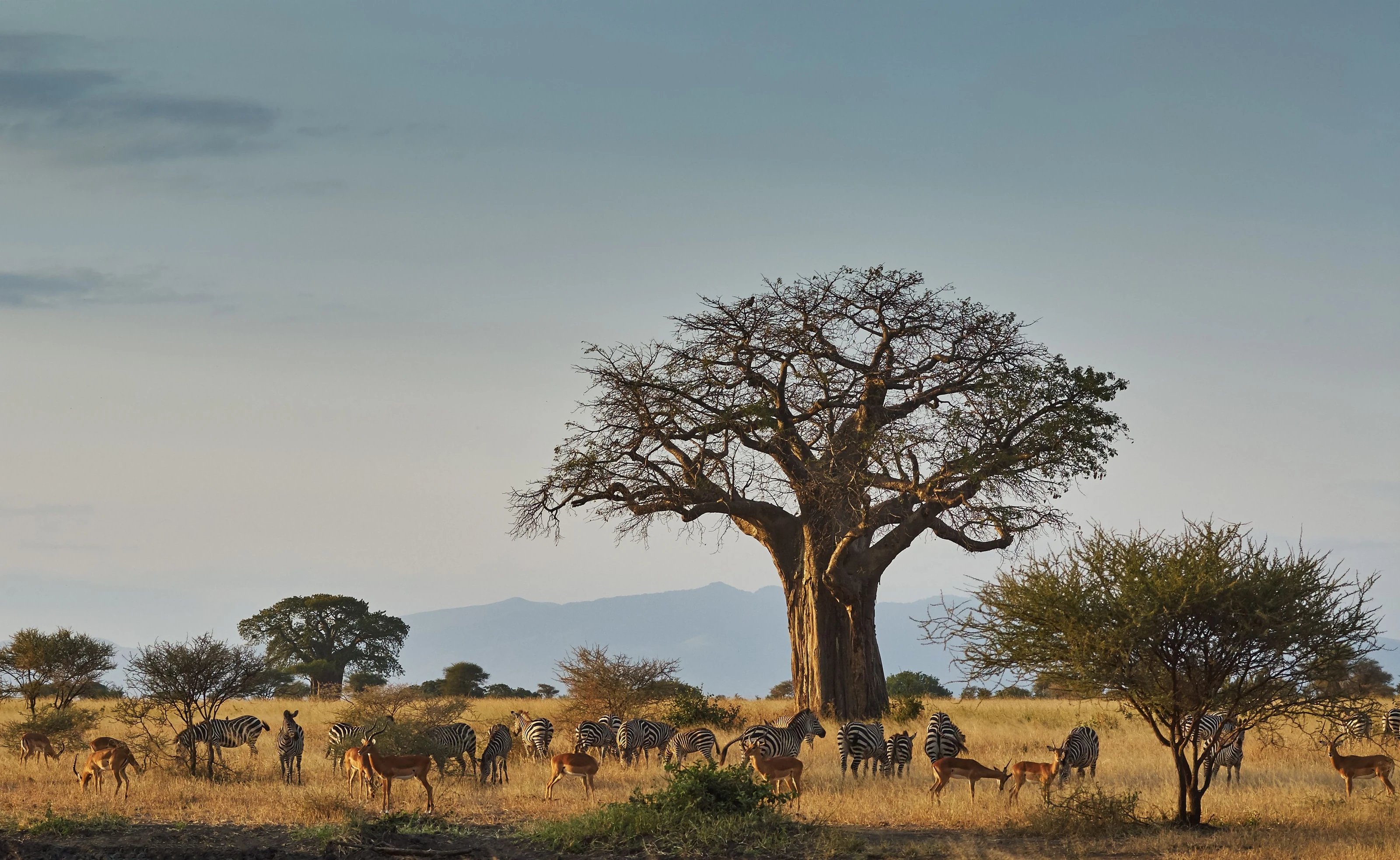
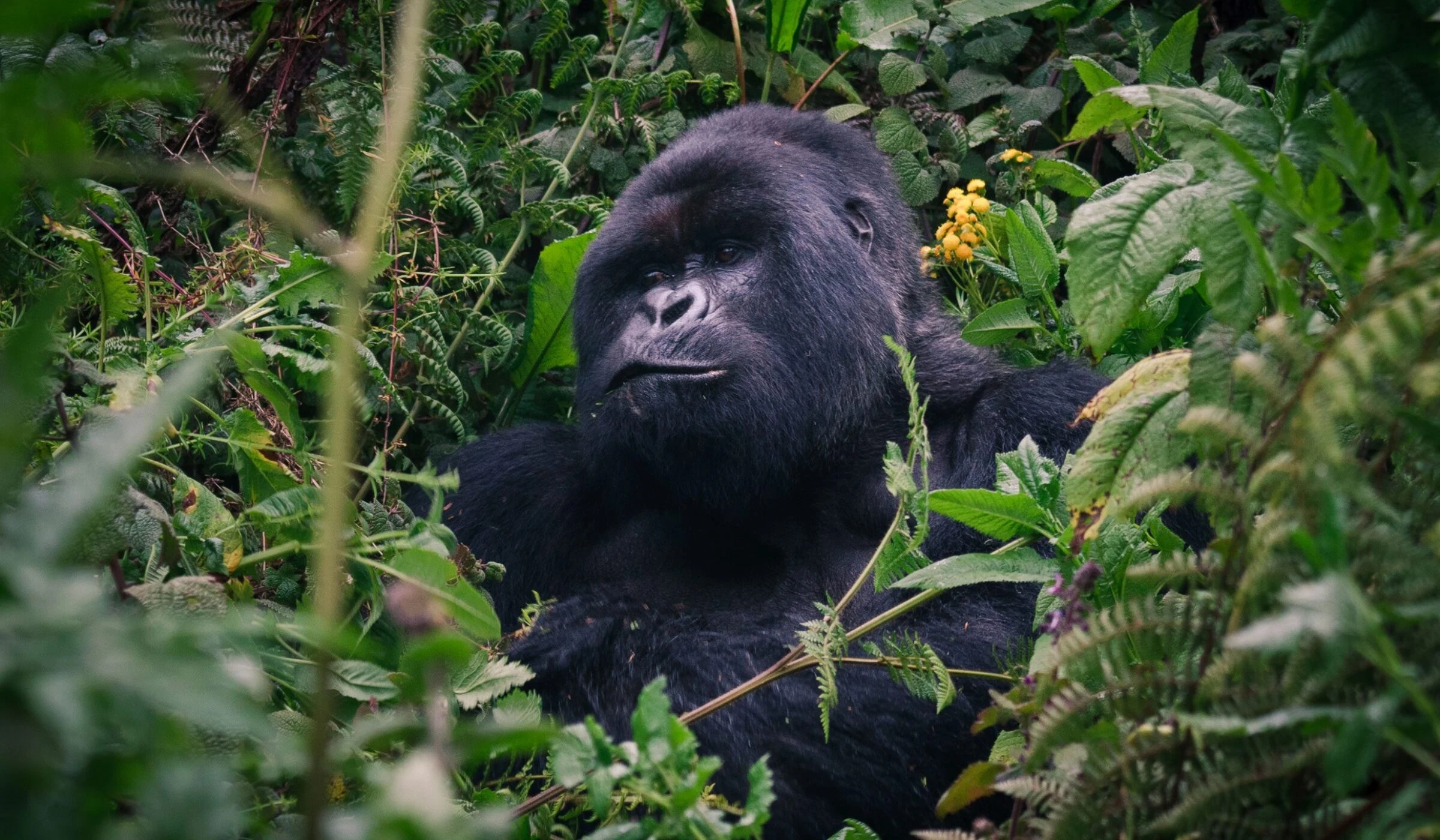
What does not change. By day, the animals. A conservancy camp and a reserve camp watch the same herds and the same big cats, and no camp, at any level, controls where they are on a given morning. The one real exception is the night: drives on private land show nocturnal animals that camps inside the Mara reserve or Serengeti National Park never see. What you buy is fewer vehicles at each sighting and more freedom in how you spend the time, not a better chance of any particular animal. In Uganda and Rwanda the luxury is in the logistics rather than the land: the gorilla permit costs the same whichever lodge you sleep in, and in Rwanda part of it (US$150) goes to the communities around the park.
| Reserve or park camp | Private-land luxury camp | |
|---|---|---|
| Night drives | Not allowed (some Ruaha and Nyerere camps excepted) | Allowed |
| Walking | Rarely | Guided walks |
| Off-road driving | Restricted | Allowed, within each conservancy's rules |
| Getting there | Road or scheduled flight | Often a light-aircraft hop to a private airstrip |
| What drives the cost | Camp and park fees | Fewer guests per acre, flights, conservancy fees |
Which country suits which kind of luxury. One line each, then the full page.
- Kenya is compact and conservancy-led: small owner-run camps, short light-aircraft hops, walking and night drives. See luxury safari Kenya.
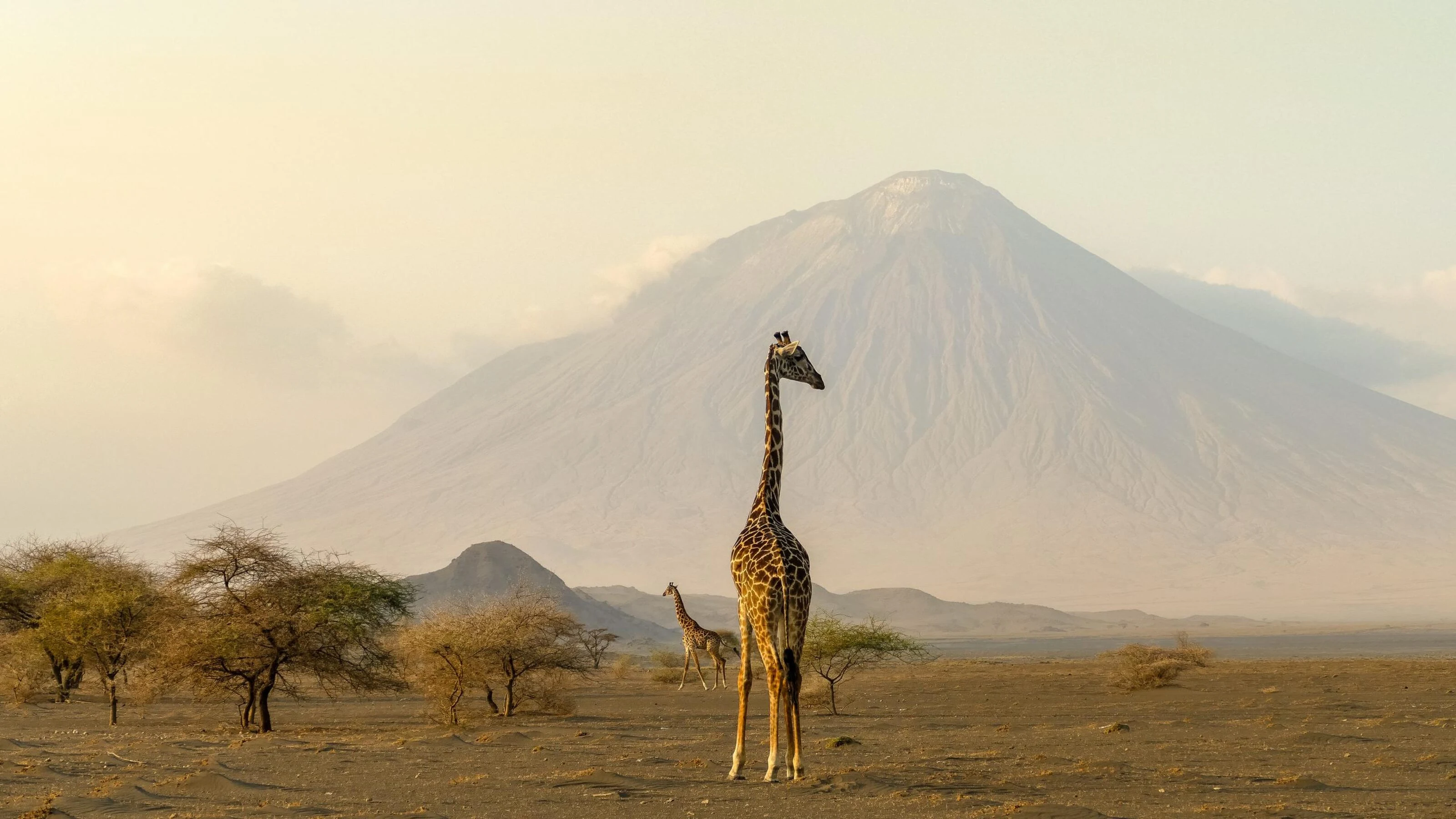
- Tanzania is scale: private concessions beside the Serengeti, camps on the Ngorongoro rim, and the remote south. See luxury safari Tanzania.
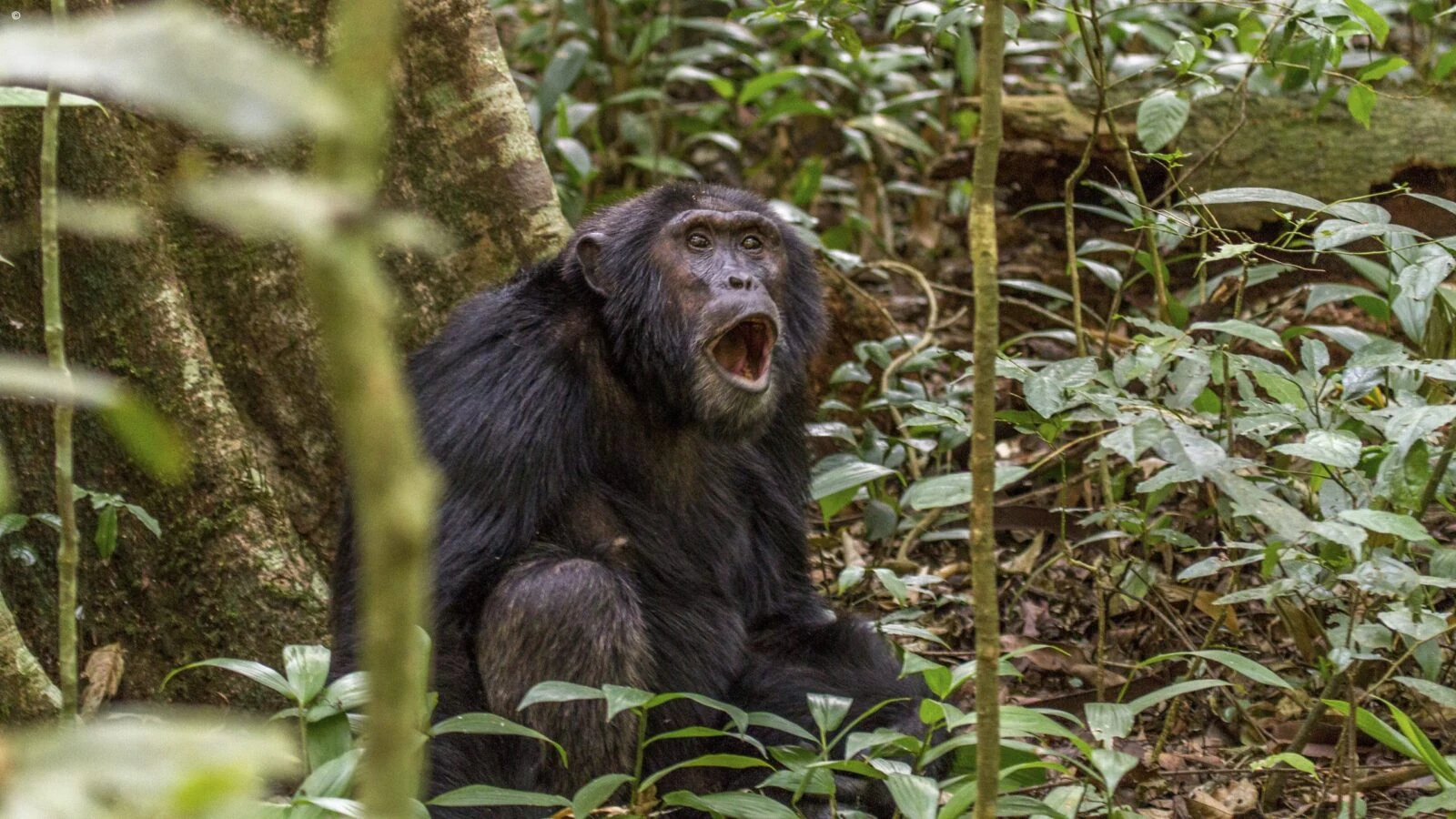
- Uganda is forest and river with few lodges, and gorillas and chimpanzees on foot. See luxury safari Uganda.
- Rwanda is the shortest route to a gorilla trek, with high-end lodges close to the park. See luxury safari Rwanda.
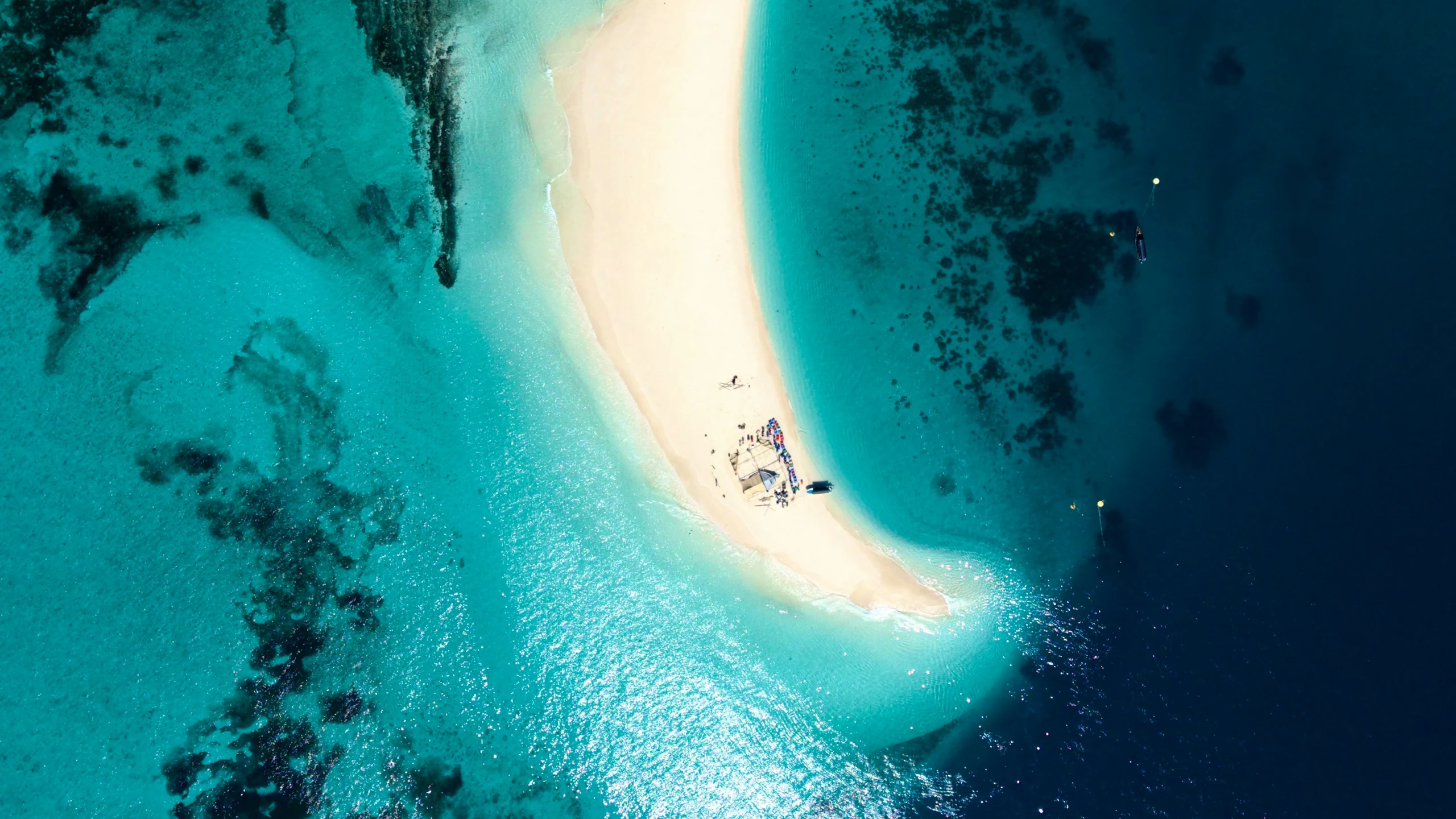
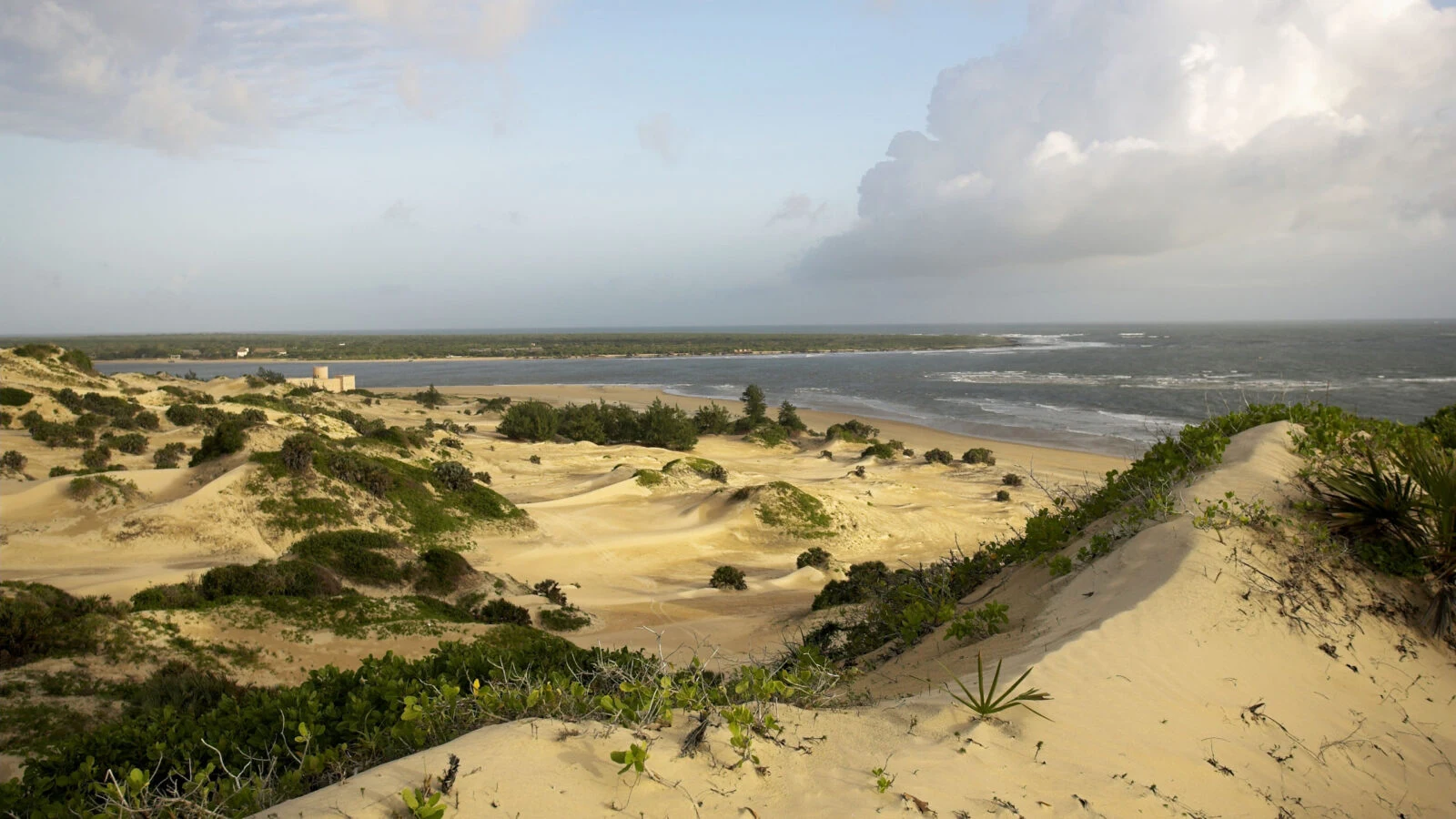
- Zanzibar is the beach finish, covered in luxury Zanzibar.
What drives the cost. Where you sleep, flights between camps, vehicle sharing and season; how much a safari costs has the full logic. Gorilla permits add to it: US$800 in Uganda and US$1,500 in Rwanda, with lower rates in some months; Uganda vs Rwanda explains them.
Fly or drive. Flying between camps saves days on a one-week trip; luxury safari Kenya covers how it works.
Key facts
What it buys: small camps, few guests per vehicle (a private vehicle on request), and on private land the freedom to walk, drive at night and leave the track. What it does not buy: guaranteed sightings. The exception is the night, when private-land drives show nocturnal animals that camps inside the Mara reserve or Serengeti National Park never see. Where the freedoms apply: Kenya's Mara conservancies and Laikipia (Ol Pejeta offers night drives); the Grumeti reserves beside the Serengeti; in Ruaha and Nyerere, walking with an armed ranger, and night drives only at some camps; not the Maasai Mara National Reserve or Serengeti National Park. Gorilla permits: US$800 in Uganda (US$600 in April, May and November, when permits cannot be rescheduled) and US$1,500 in Rwanda. Rwanda has offered a reduced low-season permit (November to May) when combined with nights in Akagera or Nyungwe; confirm the current terms. Cost drivers: camp, flights, vehicle share, season, permits.
Planning it with Nobu
Nobu designs luxury safaris as tailor-made journeys, and chooses the country and the camps for the experience you want rather than from a fixed itinerary. Each country page above explains what to expect there, and Plan Your Journey is where the conversation about dates and spend starts.
Is it right for you?
Luxury suits you if you would rather have a quiet plain than save some nights, if you want a vehicle that can be made private and a day shaped around you, or if the trip marks an occasion such as a honeymoon or a milestone. It also suits a returning visitor who has done the standard version and noticed what crowds cost.
Choose something else if your priority is the most wildlife for the lowest spend. Affordable safari Kenya explains how to do that well. If what you want is your own vehicle without the luxury camp, read private safari Kenya. If this is your first safari and you are unsure where to begin, first-time safari planning comes first.
Journeys to consider
- The Mara, unhurried — five days and four nights in the Maasai Mara, a private safari to start from. → See the Mara journey
- Tanzania, one chapter at a time — eight days and seven nights across northern Tanzania, a private safari. → See the Tanzania journey
- Rwanda forest journey — Rwanda's volcanoes and forest, shaped around a gorilla trek. → See the Rwanda journey