The first strip
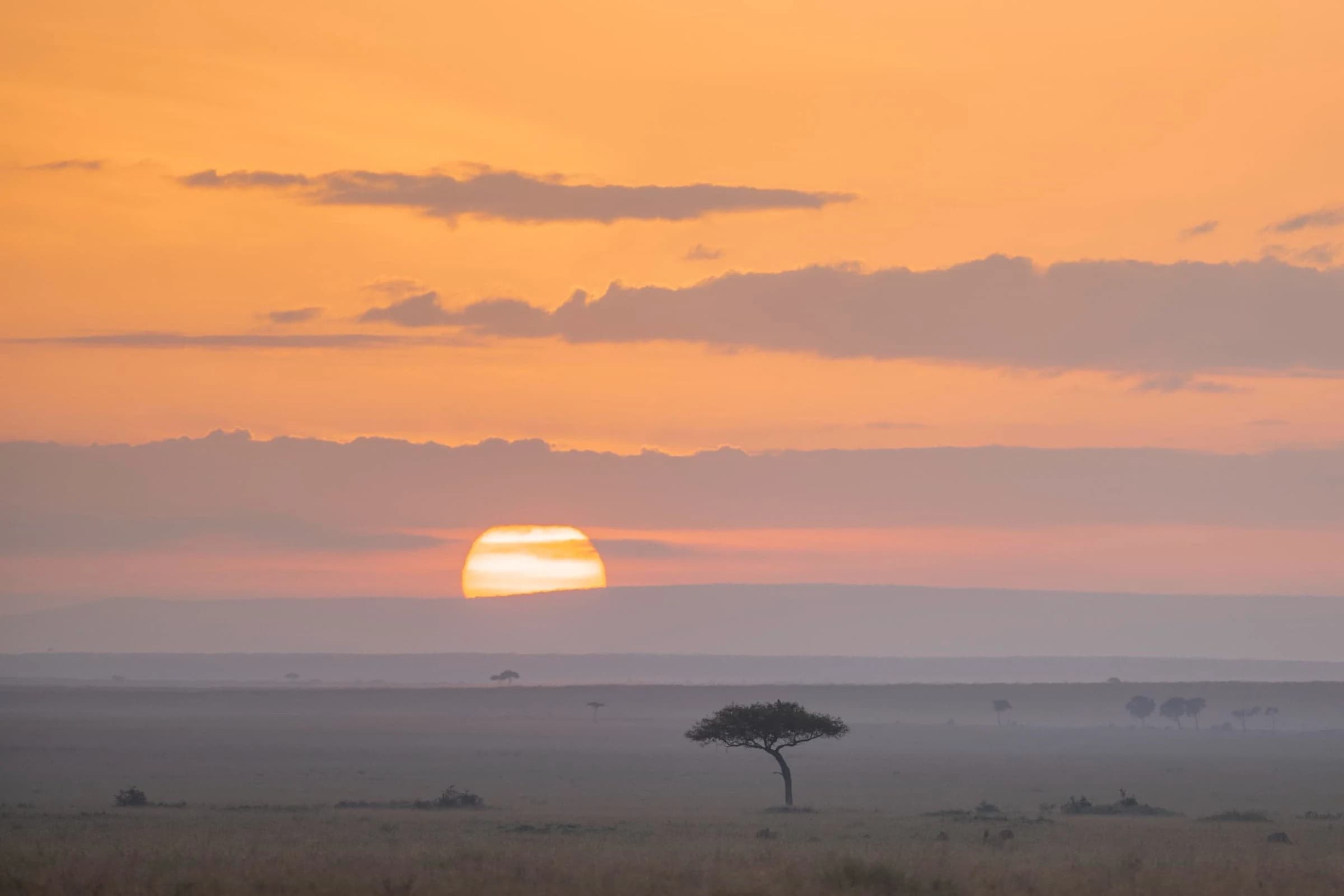
Laikipia is an hour or so by air; a vehicle waits beside a dirt strip.
Fly-in safari / Kenya
Laikipia’s rhinos, then the Mara’s big cats, for travellers who would rather fly than drive.
The journey
Two Kenyas, joined by a morning flight.
This Kenya fly-in safari leaves Nairobi’s Wilson Airport for the Laikipia plateau, where private conservancies and ranches hold rhino and Grevy’s zebra. A light aircraft then carries you south to the Mara conservancies, where big cats are resident all year and vehicles are fewer than in the reserve.
It suits travellers who want comfort and two kinds of wildlife country without a long road day between them. The trade-offs are a 15 kg soft-bag limit, flights that need at least four passengers a service, and an order that cannot be reversed without a change at Wilson. No sighting is promised.
Plateau first, then plains: seven or eight nights, two regions joined by air, and the pace set on your terms.
Moments along the way
Laikipia is an hour or so by air; a vehicle waits beside a dirt strip.
 02
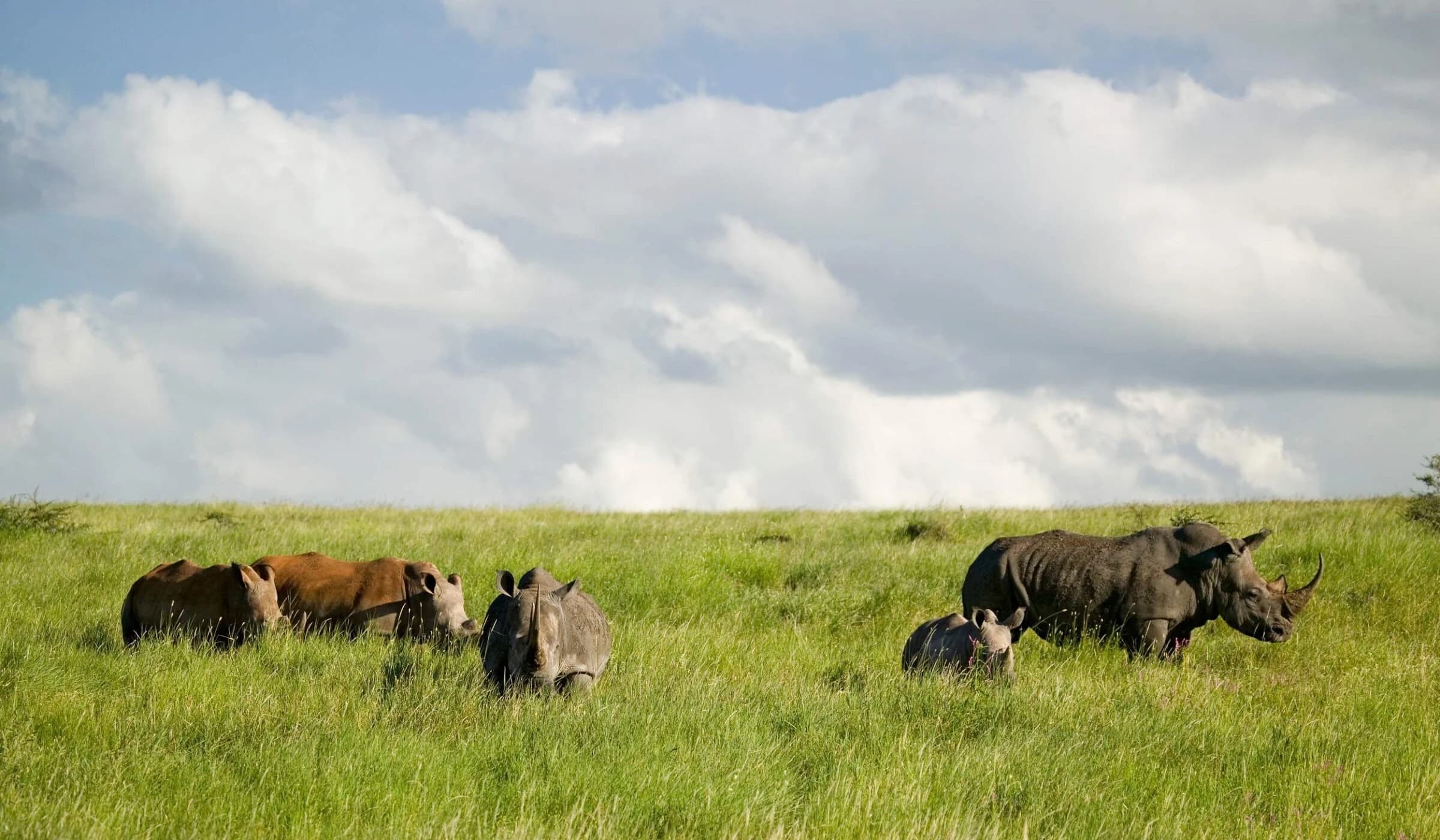
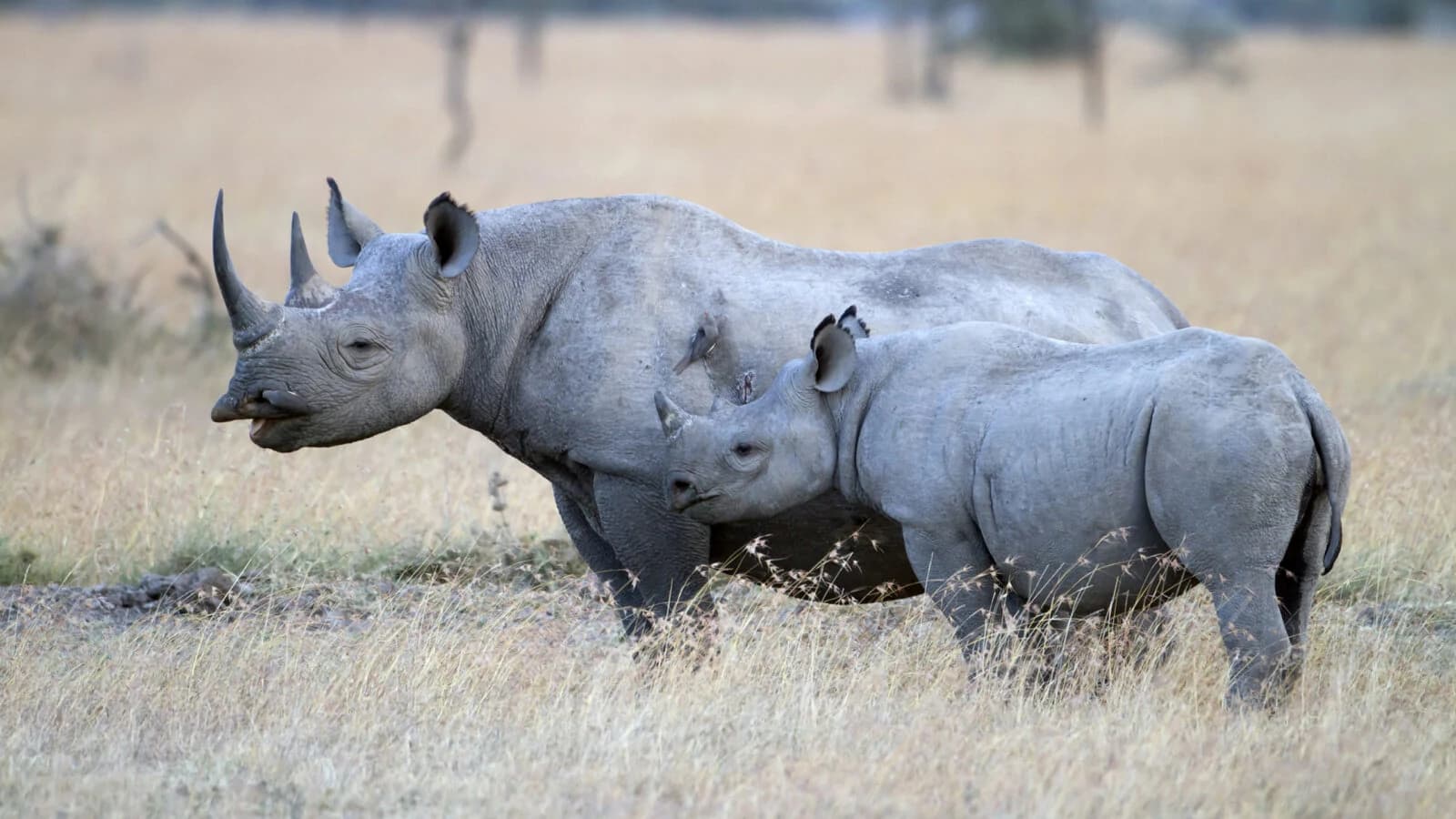
02Laikipia’s conservancies hold black and white rhino. Your guide sets the distance; nothing is promised.
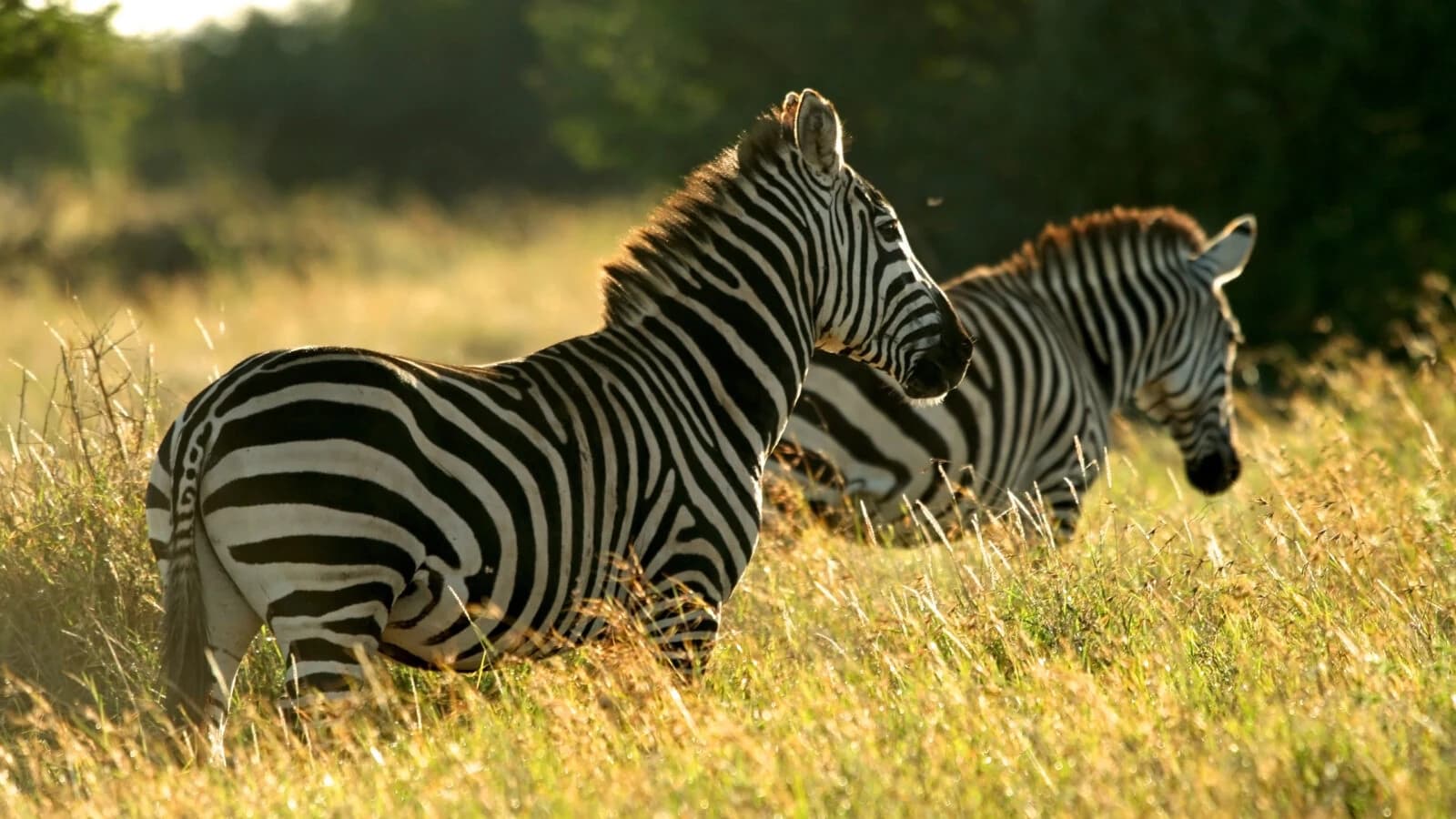
Endangered Grevy’s zebra live mainly in northern Kenya, Laikipia included; seeing one takes luck.
Fly direct after an early breakfast and you are on a Mara airstrip by late morning.
 05
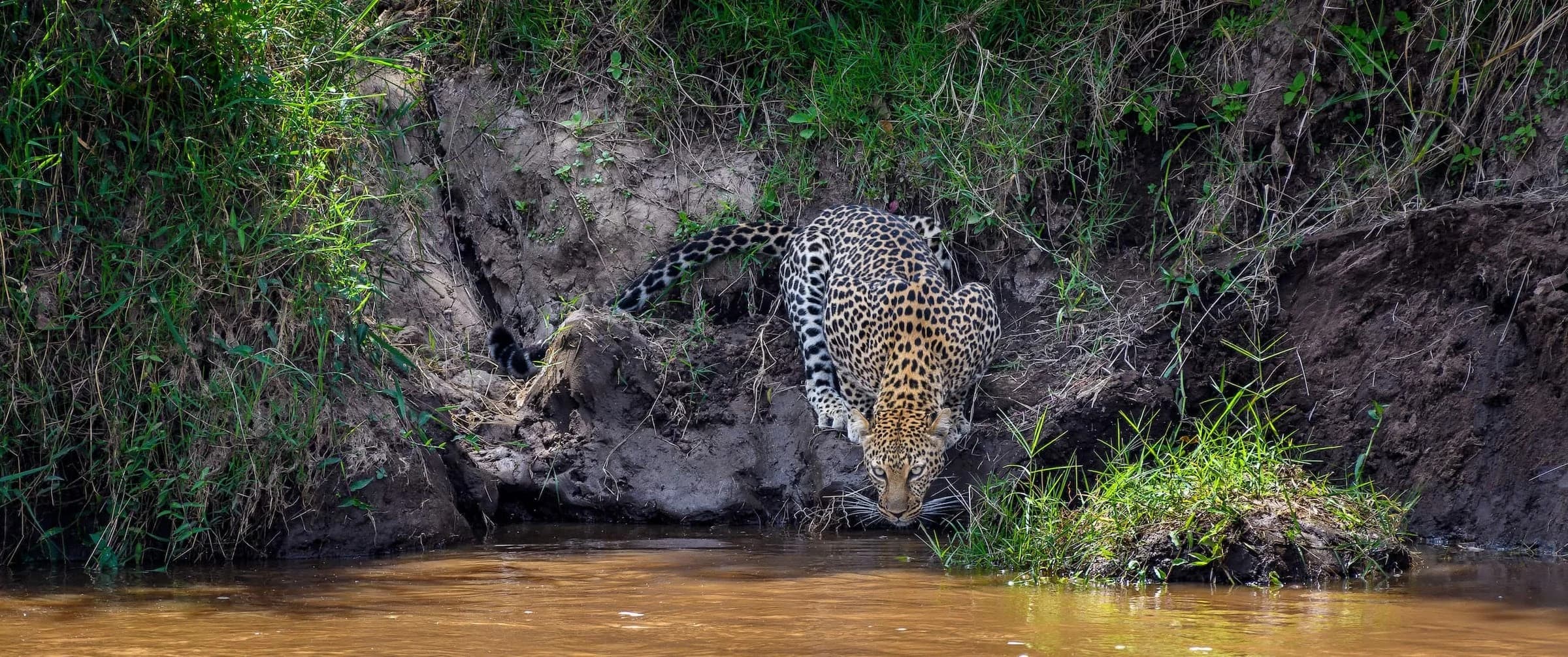
05Mara conservancies hold few camps: Naboisho has nine on 60,000 acres; sightings are often quieter.
 06
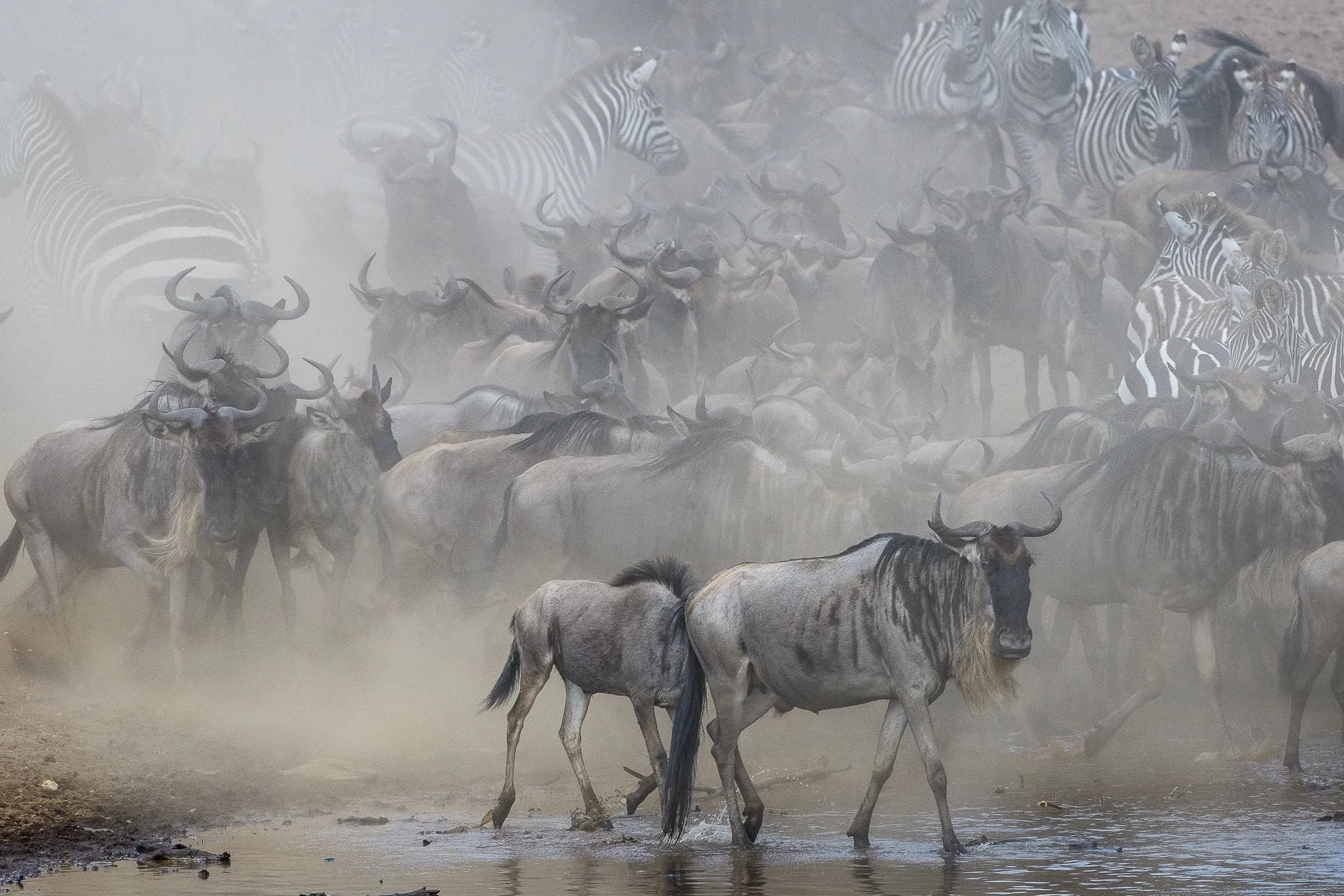
06The herds are usually in the Mara from July to October; a crossing is never promised.
Where you’ll stay
Choose a comfort level, Essential through Private Collection, separately for each region; the two need not match. Your proposal names each camp and its size; conservancy fees usually sit inside the camp rate. Add a Nairobi night before an early flight.
LAIKIPIA
Where you might stay
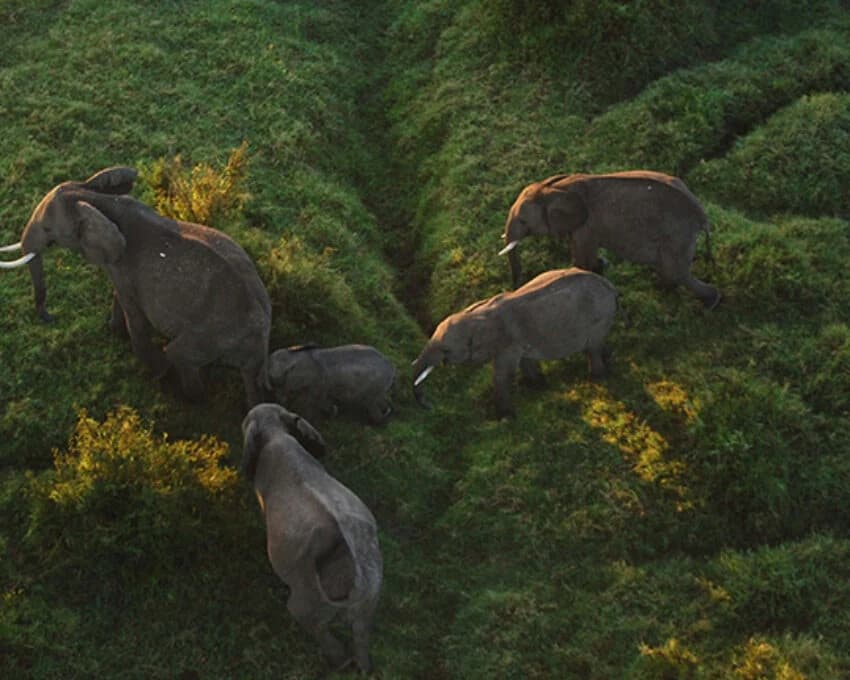
MARA CONSERVANCY
Where you might stay
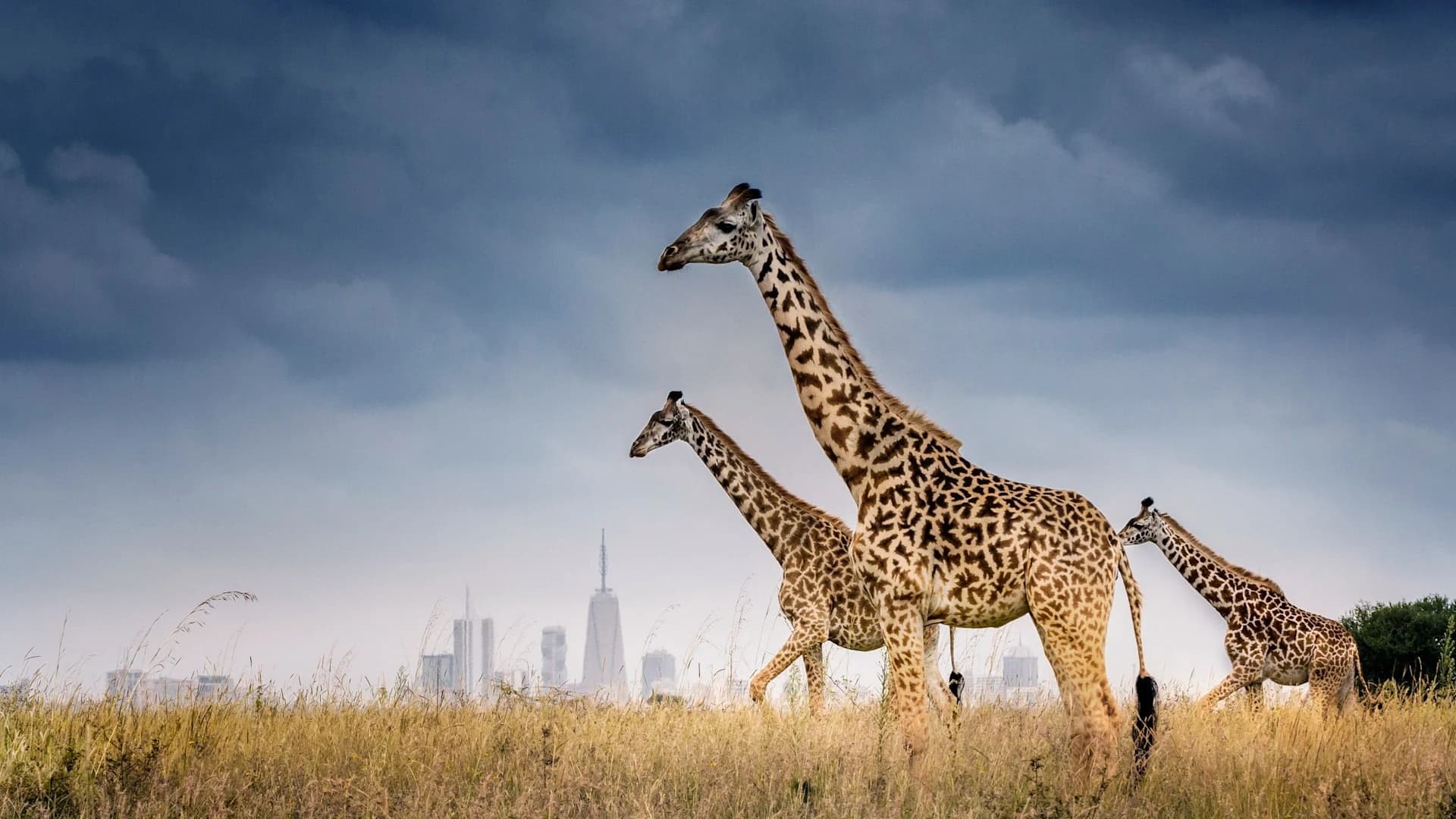
NAIROBI
Where you might stay
Your planner confirms each stay for your dates.
Add to your journey
Select an idea to carry into your brief. Nothing is added to a booking or priced automatically.
A route with room to breathe
Nairobi → Laikipia → Mara conservancy → Nairobi by light aircraft. Published 2026 direct options can route via Wilson in low season or operationally; your proposal names each strip, time and transfer.
A sense of the days
The aircraft leaves Wilson in the morning and puts you down in Laikipia, where a vehicle takes you to camp. The ride from strip to camp differs between camps, so ask how long yours takes. After lunch and a rest, the first drive of your stay starts as the sun lowers. Mornings and evenings are cool at this height, so keep a fleece to hand.
Days are built around the cooler hours. A drive leaves soon after dawn, the midday hours are for lunch and quiet in camp, and a second drive goes out as things cool. Some Laikipia conservancies also run walks with a ranger or after-dark drives, subject to their own rules and age limits, so ask what your camp offers before you plan around it.
On flight day you are driven to the strip after breakfast for the flight south. On landing in the Mara you go on to camp, and the afternoon is yours: lunch, then a drive. Should your flight be routed through Wilson instead, you change aircraft there and much of the day goes on travel, so leave that afternoon free.
Fewer vehicles share the tracks, so drives can run at your pace. The usual pattern is a dawn drive, a late breakfast or picnic, a rest and an afternoon drive. Each extra you add, whether the balloon, a guided walk within the camp’s age limits or a day in the reserve, takes the place of a drive, so choose one or two rather than all.
Your booked flight shapes the last morning. The dated 2026 timetable lists Safarilink’s 11:00 to Wilson, landing about 12:20; a later flight leaves at 15:15. Either leaves room for a final drive at dawn, while an earlier flight means breakfast, then the strip. Keep your passport, medication and chargers in your hand luggage.
Typically three or four nights in Laikipia and four in the Mara: seven or eight in all, before any Nairobi night.
Clear from the beginning
Every journey is quoted in full, with no surprises.
Good to know
Laikipia lies north-west of Mount Kenya, in private conservancies and ranches that hold rhino and Grevy’s zebra. The Maasai Mara, in the south-west, is the northern end of the Mara–Serengeti ecosystem; conservancies on land leased from Maasai landowners border its national reserve, with fewer camps and vehicles. Conservancies allow walks and night drives, which the reserve, whose fees Narok County sets, does not. Light aircraft join the two regions, and the direct leg runs north to south only.
From Wilson, Laikipia and the Mara are reached by separate light-aircraft services. Published 2026 options link Laikipia to the Mara north to south, with Wilson routing in low season or when required operationally. Confirm the exact strips, stops and date.
As close as each area’s rules allow: in the reserve, more than 25 m away, with at most five vehicles at a sighting; at Ol Pejeta, six vehicles at a rhino, ten minutes each. Other conservancies set their own. No sighting is promised.
Safarilink’s dated 2026 PDF publishes direct routing from mid-June to October and 16 December to March, with Wilson routing in low season or operationally. Current pages and 2027 can differ; confirm the booked date.
Seven or eight: three or four in Laikipia, then four in the Mara. Eight gives Laikipia a fourth night. Fewer nights leave each region thin, because the flight day belongs to both. A Nairobi night comes extra.
Fifteen kilograms a person, in soft bags, hand luggage included, on both Safarilink and AirKenya. Extra kilos travel only if there is room, at roughly US$4 to US$5 a kilo. Seats are small, so tell us early if you need more space.
For the Mara alone, choose Into the Wild Mara. For walks and rides as the point, choose On Foot & in the Saddle. For rhino conservancies and Samburu by road, choose Laikipia & Samburu. Choose this route when comfort and variety come first.
Checked October 2026: the US State Department rates Kenya Level 2, issued 28 July 2026. Neither government’s warning list names Laikipia or Narok, the Mara’s county, though the UK reports security operations in parts of Laikipia. In March 2026 Kenya declared four Laikipia areas, Mukogodo, Sieku, Makurian and Il Ngwesi, “security-disturbed and dangerous”; on 7 October its Interior Ministry said they remain under active security operations. Flights may touch down at Samburu County strips, including Kalama in Waso ward, where an operation ran in late September. Your proposal names each conservancy and where it lies. This is not a safety verdict.
Malaria is present across Kenya below 2,500 m, Laikipia and the Mara included. Ask about prevention well before you travel. This is general information, not medical advice — consult a travel clinic.
Before you choose a month or a comfort level: Luxury safaris in Kenya · Best time to visit the Maasai Mara · Kenya safety and travel advice
Last checked: October 2026.
When to go
Guidance, not a forecast. Exact examples use dated 2026 timetables; current carrier pages can differ, and Wilson routing may apply in low season or operationally.
Aug / Main dry season
Safarilink’s dated 2026 PDF publishes direct flights from 16 June to 31 October, subject to operational Wilson routing. The herds usually reach the Mara in July; confirm dates and fees.
Broad seasonal guidance — not a forecast, availability calendar or migration promise. Picking a month sets it in your plan.Related journeys
A journey made around you
Tell us your month and how many nights you have, and we’ll shape Mara & Laikipia by Air around you.