
Safari guide
Kenya vs Tanzania safari: which is right for you?
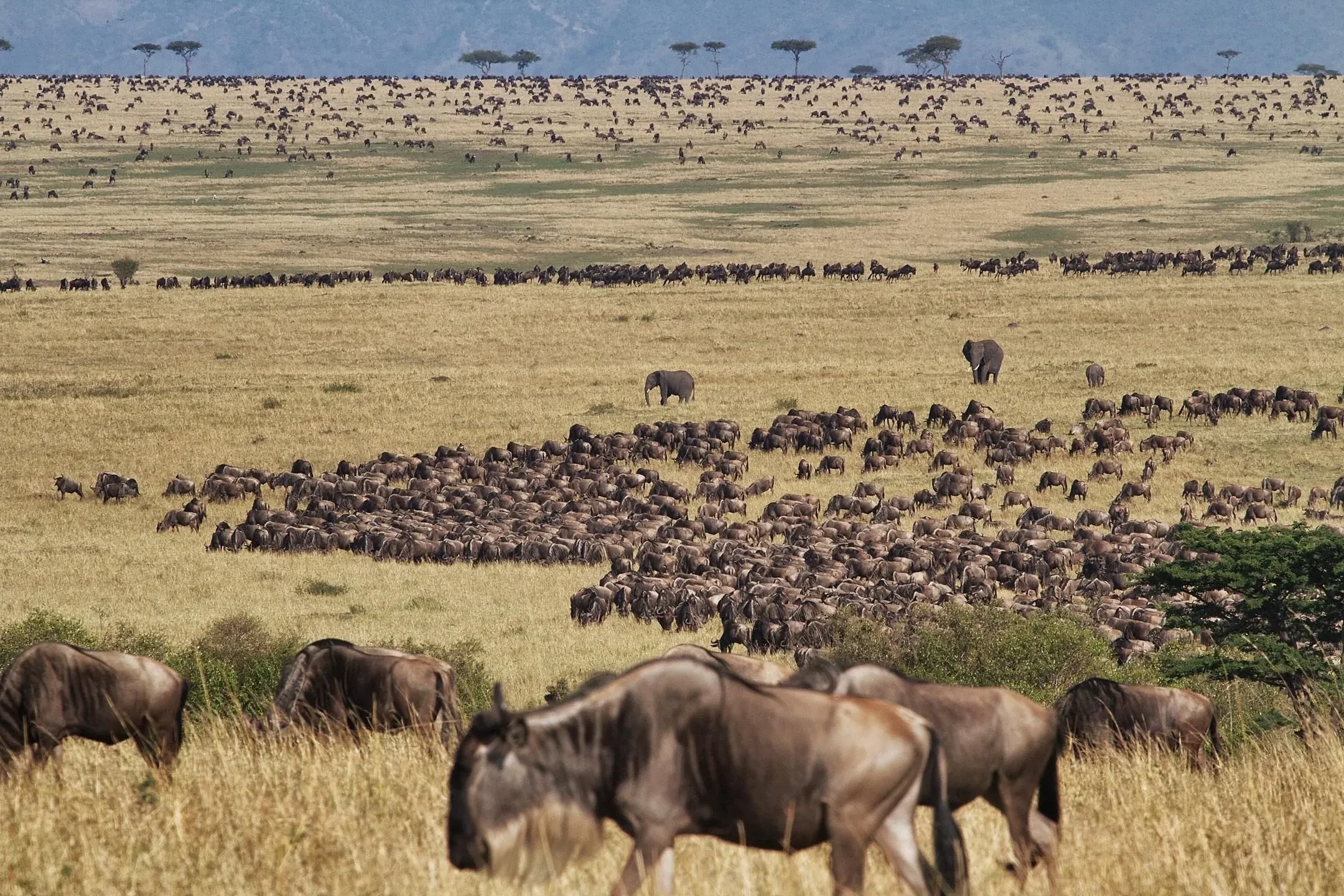
Kenya suits first-time and value-conscious safari-goers with compact, varied parks and easy logistics; Tanzania offers vaster, wilder landscapes like the Serengeti and Ngorongoro Crater at a higher price. Both share the same wildebeest migration — it simply moves between them through the year.
Written by Joseph Gathuru · Travel designer at Nobu Safaris
Intro
It's the classic safari dilemma, and the honest answer is that you can't go wrong — these two share an ecosystem and a border. The right choice comes down to spend, pace, and which chapter of the migration you want to catch.
Kenya is often the easier first safari: Nairobi access, compact routing, strong resident wildlife and a natural route from the Mara to Amboseli, Laikipia or the coast. Tanzania feels larger and more elemental: Serengeti horizons, Ngorongoro's crater floor, Tarangire in the dry season, and the chance to place yourself in the right part of the migration at the right moment. Both can be luxurious, both can be wild, and both can be designed badly if the route tries to do too much.
The detail
- Choose Kenya for — variety and value: the Maasai Mara's superb big-cat density, compact parks that are quick to move between, strong walking, horseback and self-drive options, and an easy pairing with the Indian Ocean coast. Generally lower park fees and gentler logistics — ideal for first-timers, families and travellers who want a rich safari without too much internal movement.
- Choose Tanzania for — scale and spectacle: the endless Serengeti, the wildlife amphitheatre of the Ngorongoro Crater, and the southern-Serengeti calving. Wilder and more remote, usually at a higher cost, Tanzania suits travellers who want the journey to feel expansive and are comfortable spending more time and money on positioning.
- The migration is in both — calving in Tanzania's southern Serengeti around January–February; the dramatic river crossings into Kenya's Maasai Mara around July–October. Pick the country by the season you travel.
If you are deciding for a first safari, ask what would disappoint you more: missing the vastness of the Serengeti, or spending too much time in transit. If the answer is transit, Kenya may be the cleaner start. If the answer is scale, Tanzania may be worth the extra logistics. If your dates are flexible and the migration is the anchor, the calendar should decide.
Access is another practical difference. Kenya's safari circuit often begins cleanly from Nairobi, with the Mara, Amboseli, Laikipia and the coast forming several coherent routes. Tanzania's northern circuit can still be efficient, but Serengeti placement, internal flights and the relationship between crater, plains and coast require more design. Neither approach is automatically better; one is simply more compact, the other more expansive.
Key facts
Kenya: compact, varied, value, easy access (Nairobi hub). Tanzania: vast, remote, premium, Serengeti + Ngorongoro. Migration: calving Jan–Feb (Tanzania), crossings Jul–Oct (Kenya). Both: world-class. Rule: choose Kenya for clean logistics; choose Tanzania for scale.
Why Nobu for this
We design across both — and combine them. The most complete answer is often both, linked seamlessly. The craft is deciding when a cross-border journey adds meaning and when it simply adds movement. A Kenya-only safari can be excellent. A Tanzania-only safari can be complete. A combined itinerary works best when season, flights and pace make the connection feel inevitable.
See our → Kenya journeys or → combine with Tanzania.
Suitability — "right for you if…"
First safari, tighter spend, or you want bush-and-beach → lean Kenya. Returning traveller chasing scale and the Serengeti → lean Tanzania. Want the definitive trip → do both, but only if you have enough nights for the border crossing or flights not to dominate the journey.
If travelling with children or multiple generations, Kenya's shorter hops can be a real advantage. If travelling for a milestone and willing to build the trip around one grand wilderness stage, Tanzania's scale can feel unforgettable.
Related Nobu journeys
- Into the Wild Mara — the Kenyan case, in one journey. → Explore
- The Great Migration Circuit — Kenya and Tanzania when the season supports both. → Explore
- Southern Safari and Spice — Tanzania with a quieter, more expansive rhythm. → Explore
Common questions
- Which usually costs less, Kenya or Tanzania?
- Kenya is generally more approachable on price, with easier logistics; Tanzania's marquee parks carry premium costs.
- Which is better for first-timers?
- Kenya, for its variety, value and gentle logistics.
- Can I visit both in one trip?
- Yes — they border each other and combine naturally; we design the connection.
- Which is better for the migration?
- Tanzania for calving around January–February; Kenya for Mara River crossings around July–October.
- Which feels wilder?
- Tanzania often feels larger and more remote; Kenya can still feel deeply wild when the route includes conservancies or the northern frontier.
- Which is easier to combine with the beach?
- Both can combine with the coast, but Kenya often pairs naturally with Diani while Tanzania pairs naturally with Zanzibar.
- Can I choose by month?
- Yes. January–February leans Tanzania for calving; July–October can lean Kenya for Mara crossings, though both countries remain excellent in dry season.
More guides
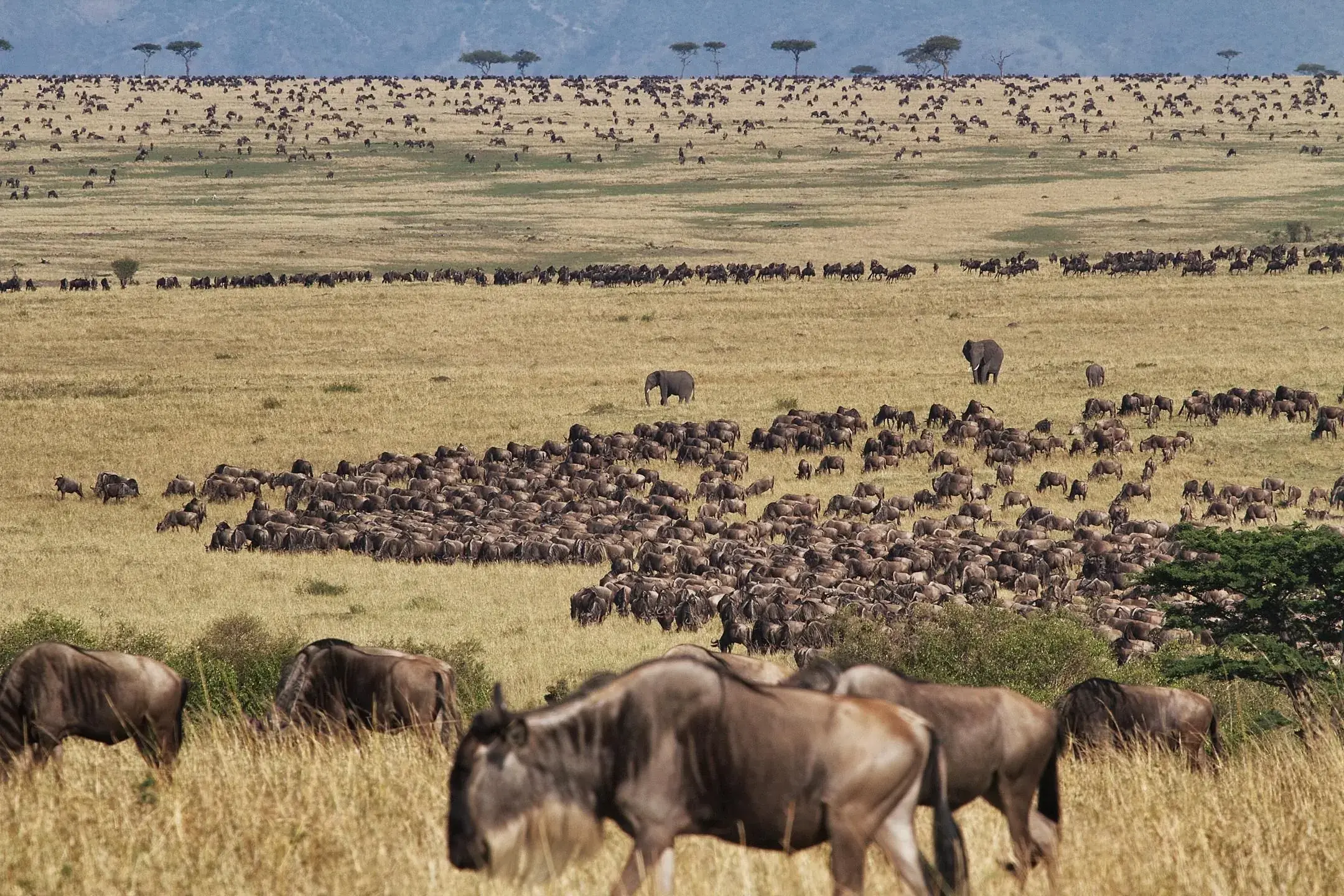 Maasai Mara vs Serengeti: which to choose?Maasai Mara or Serengeti? Compare size, big-cat density, the migration's timing in each, access and cost — an honest, side-by-side guide. Your Africa, beautifully told.
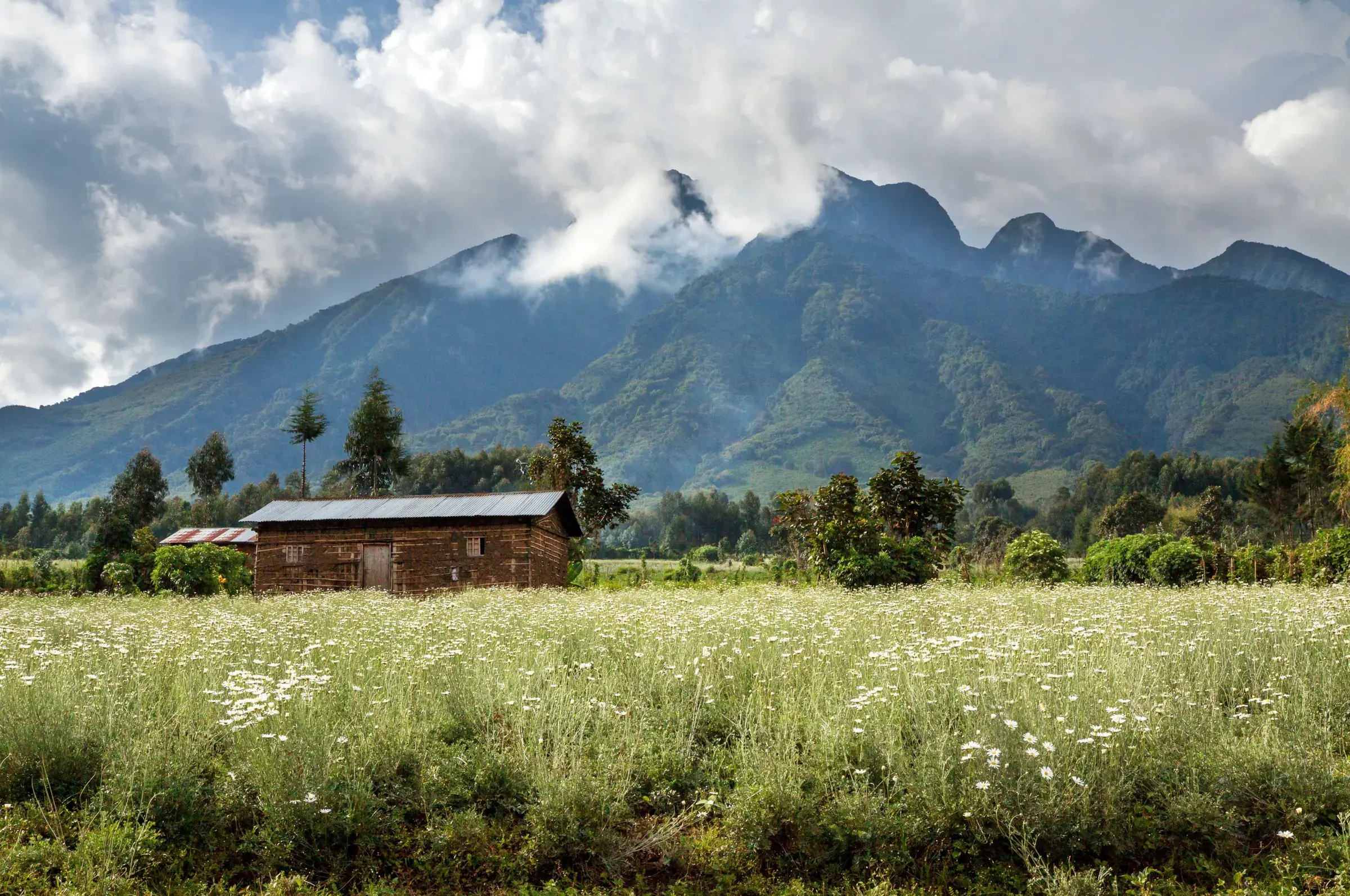 Uganda vs Rwanda gorilla trekking: which to choose?Uganda or Rwanda for gorilla trekking? Compare permit costs ($800 vs $1,500), access, trek difficulty and experience — honestly. Your Africa, beautifully told.
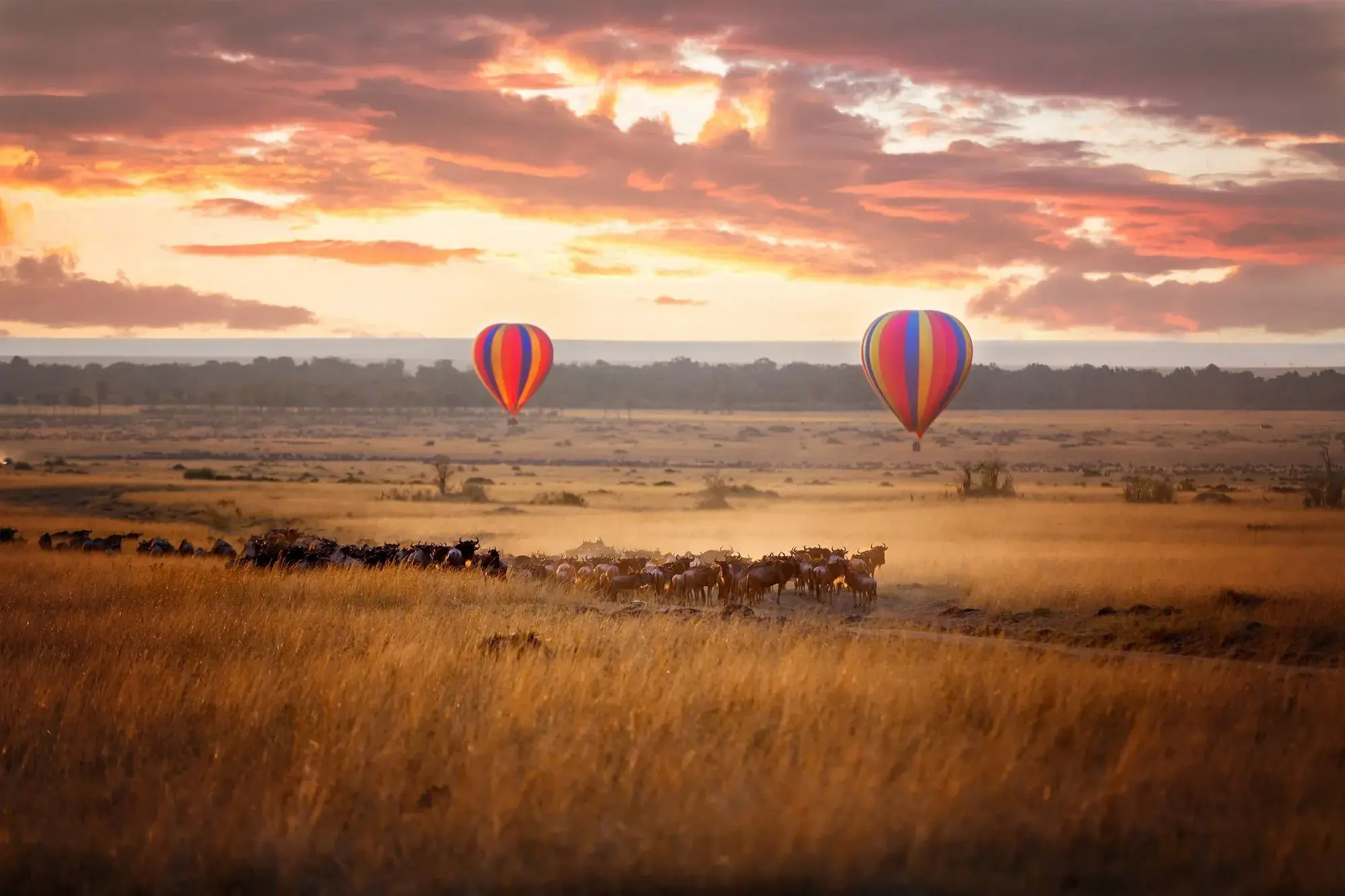 Wheelchair-accessible safarisAccessible safaris in Kenya and East Africa, designed around mobility needs — adapted vehicles, step-free lodges and careful planning. Journeys designed for every explorer.