
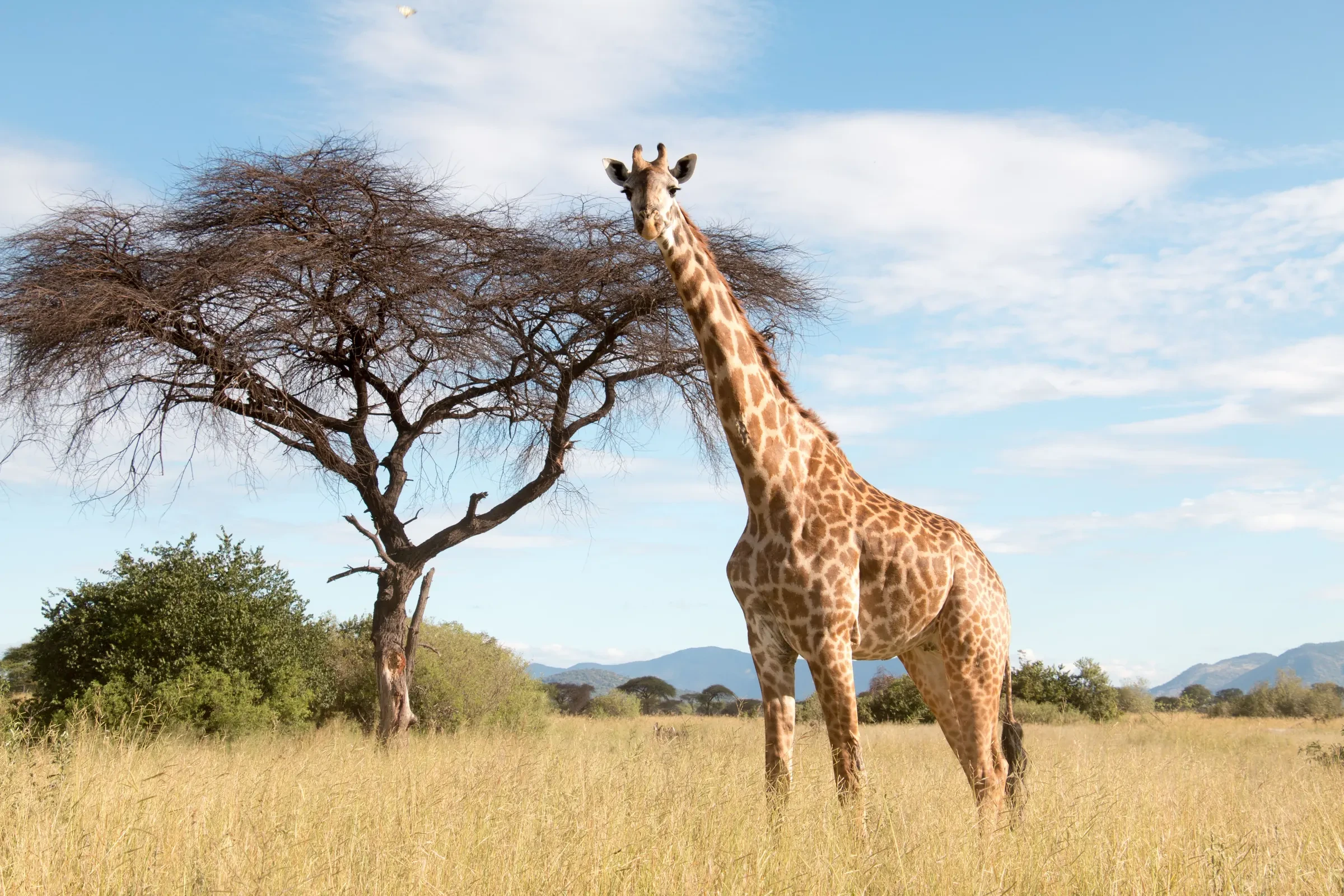
Safari guide
Best time to visit Kenya
The best time to visit Kenya is the dry season — late June to October — when wildlife gathers at water, the bush thins for easier sightings, and the wildebeest migration is in the Maasai Mara. January to February is a second dry, bright window, while the green season (November to May) is quieter, greener and often better value, with strong resident wildlife all year.
Written by Joseph Gathuru · Travel designer at Nobu Safaris
Intro
Kenya rewards travellers in every month — but the season decides the story you come home with. For most first-time safaris the dry months from late June to October are the headline: easy game viewing, golden light, and the great migration on the Maasai Mara's plains. Yet the quieter green season has its own quiet magic, and the right answer depends less on the calendar than on the kind of journey you're after.
The detail
Late June–October — the peak. The long dry season. Grass is short, water is scarce, and wildlife concentrates where it can drink — so sightings come easily. This is also when the wildebeest migration is in the Maasai Mara (roughly July to October), with the dramatic Mara River crossings at its heart. The most spectacular window, and the busiest, at the highest rates.
January–February — the short dry. A bright, warm gap between the rains. Excellent resident game across the parks — lion, cheetah, elephant — without the migration crowds, and some of the clearest views of Kilimanjaro from Amboseli. A quietly brilliant time to travel.
November–May — the green season. Short rains fall around November, longer rains around April–May, usually as short downpours rather than all-day grey. In return: lush landscapes, newborn wildlife, superb birding, dramatic skies and far fewer vehicles, often at gentler rates. Resident wildlife stays strong throughout.
By region, briefly. The Maasai Mara peaks with the migration (Jul–Oct) but keeps its big cats year-round. Amboseli offers its clearest Kilimanjaro views in the dry months. The northern frontier — Samburu and Laikipia — rewards all year, simply hotter and drier. And the Swahili coast around Diani is at its best in the December–March dry warmth, worth avoiding during the heaviest long rains of April–May.
How to choose. If this is your first safari, choose the dry season and keep the route clean: Nairobi, the Mara, perhaps Amboseli or Laikipia, and enough nights in each place to avoid constant motion. If you are returning, the green season can be more interesting than the obvious peak: fewer vehicles, richer colour and a slower mood. If the coast is part of the plan, check Diani's calendar before locking the bush dates; a beautiful safari deserves a beautiful final chapter.
Key facts
Best overall: late June–October (dry, peak game viewing). Second window: January–February (dry, clear, quieter). Migration in the Mara: ~July–October. Green season: November–May (fewer crowds, better value, lush). Rains: short ~November, long ~April–May. Coast (Diani): best ~December–March. Resident wildlife: excellent year-round. Clearest Kilimanjaro views: dry months. Design rule: match the month to the region, not just to the country.
Why Nobu for this
We design Kenya journeys for every season, not just the peak — see → Into the Wild Mara — and we'll match your travel dates to the experience you actually want, whether that's the river crossings, empty green-season plains, or clear skies over Amboseli. The season is a tool we design with, not a constraint.
Suitability — "right for you if…"
Chasing the migration and easiest big-game viewing → travel late June–October. Want clear skies and fewer people → January–February. After value, solitude, lush scenery, newborns and exceptional birding → the green season, November–May, is a gift. Adding a coastal finish → aim for December–March. Tell us which matters most and we'll build the calendar around it.
Related Nobu journeys
- Into the Wild Mara — time it to the migration, or to the quiet green-season plains. → Explore
- Northern Frontier Expedition — Samburu and the north reward travel year-round. → Explore
- Rift Valley Passage — lakes, light and birding at their best in the green months. → Explore
Common questions
- What is the best value and quietest time to visit Kenya?
- The green season, roughly November to May (outside the festive peak): fewer travellers, lush landscapes, newborn wildlife and often gentler rates, with strong resident game throughout.
- Which months are the rainy season in Kenya?
- Short rains usually fall around November and longer rains around April–May. They tend to come as short downpours rather than all-day rain, and the bush turns green and dramatic.
- When is the best time for the Kenyan coast?
- The Swahili coast around Diani is at its best in the dry warmth of roughly December to March; the heaviest long rains of April–May are better avoided for a beach finish.
- Can you visit Kenya year-round?
- Yes. Resident wildlife is excellent every month; the season mainly shapes the crowds, the rates and whether the migration is on the Mara.
- How should first-timers choose dates?
- Late June to October is the safest all-round choice; January to February is a strong alternative if you want clear skies and fewer migration-season vehicles.
More guides
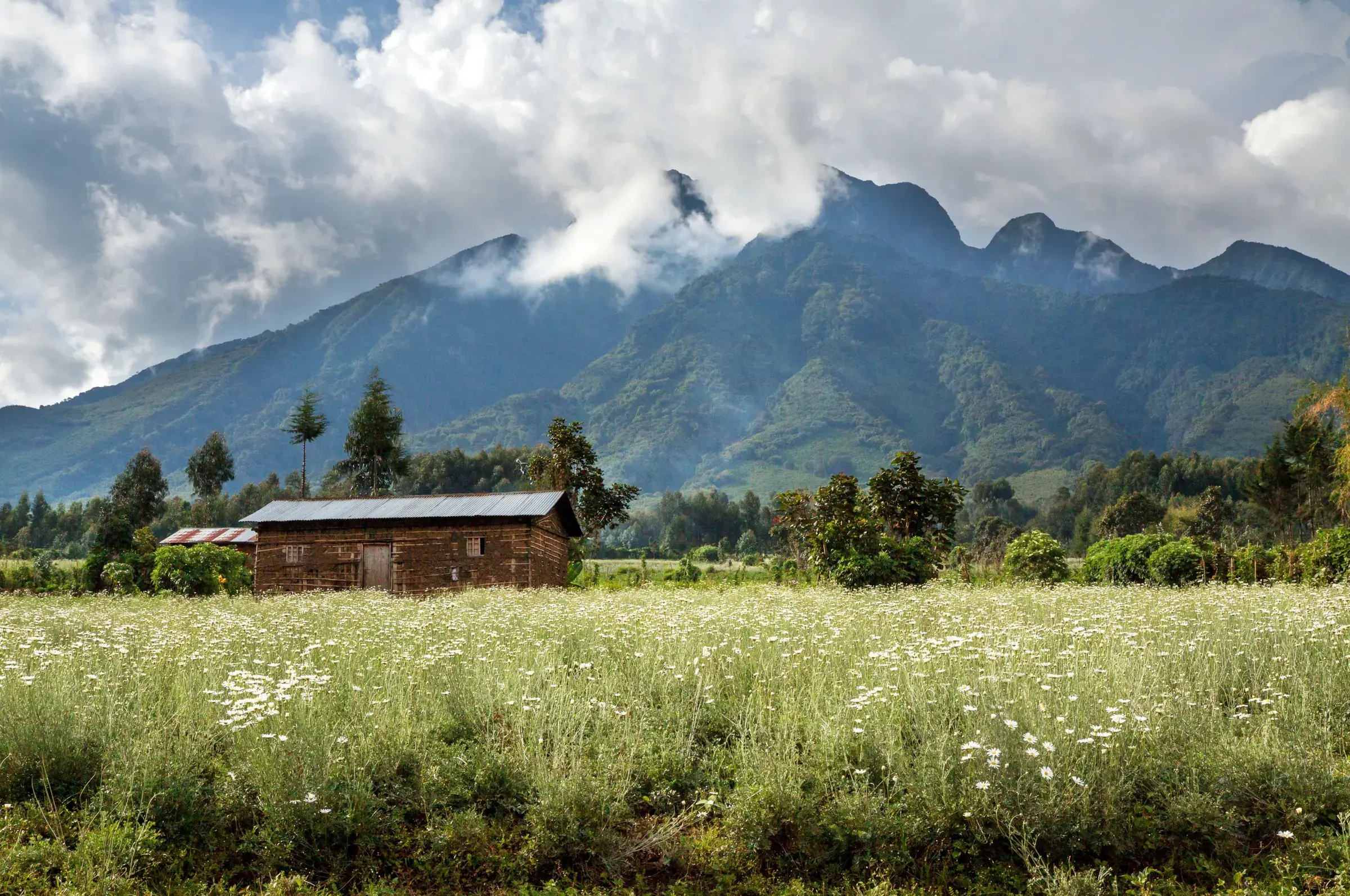 Best time to visit RwandaWhen to visit Rwanda: the long dry season (June–September) for gorilla trekking, December–February as a second window, and the green, quieter rains. Trekking runs year-round. Your Africa, beautifully told.
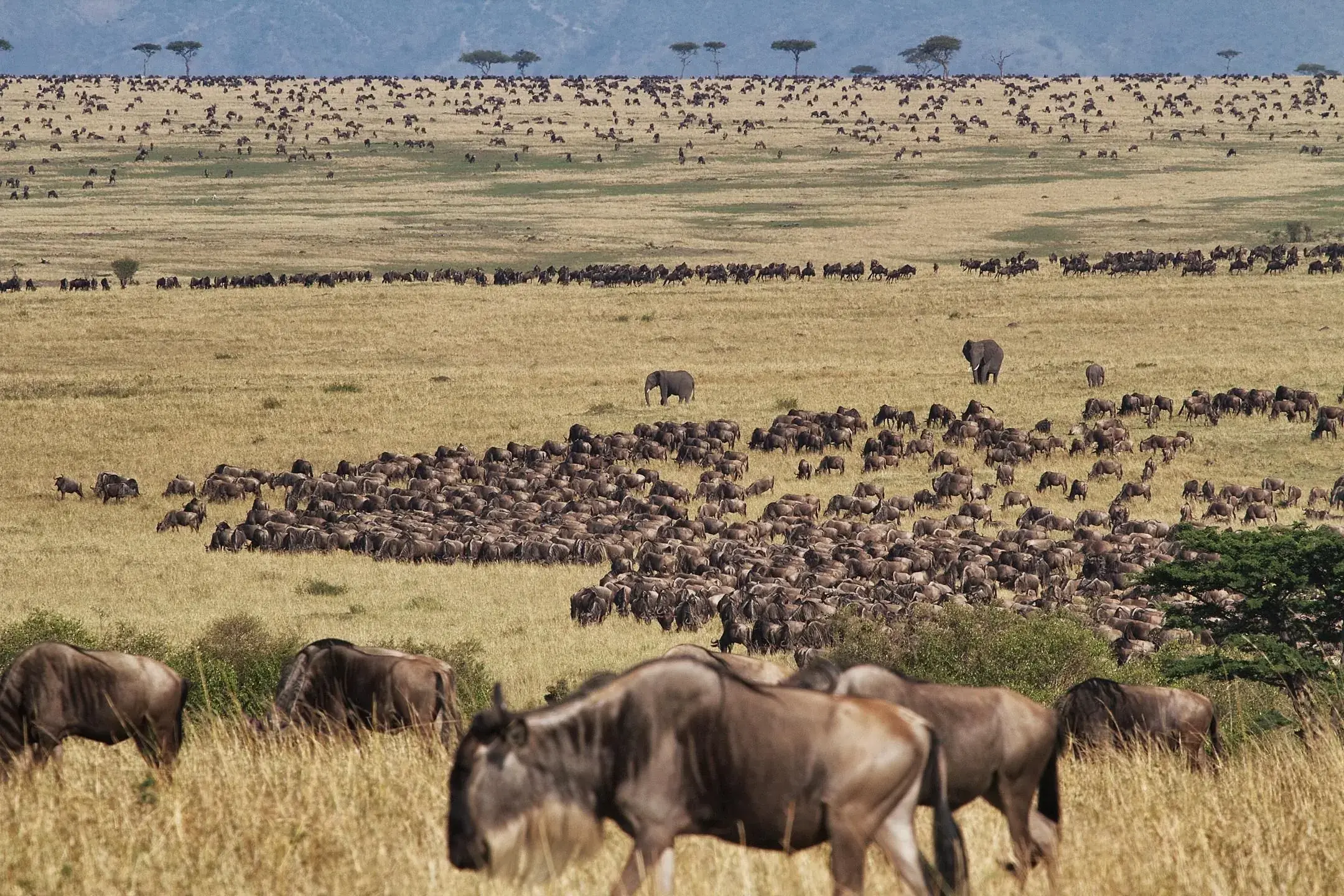 Best time to visit TanzaniaWhen to visit Tanzania: the dry season (June–October) for the Serengeti river crossings, late January–February for calving, and the green season for value and solitude. Your Africa, beautifully told.
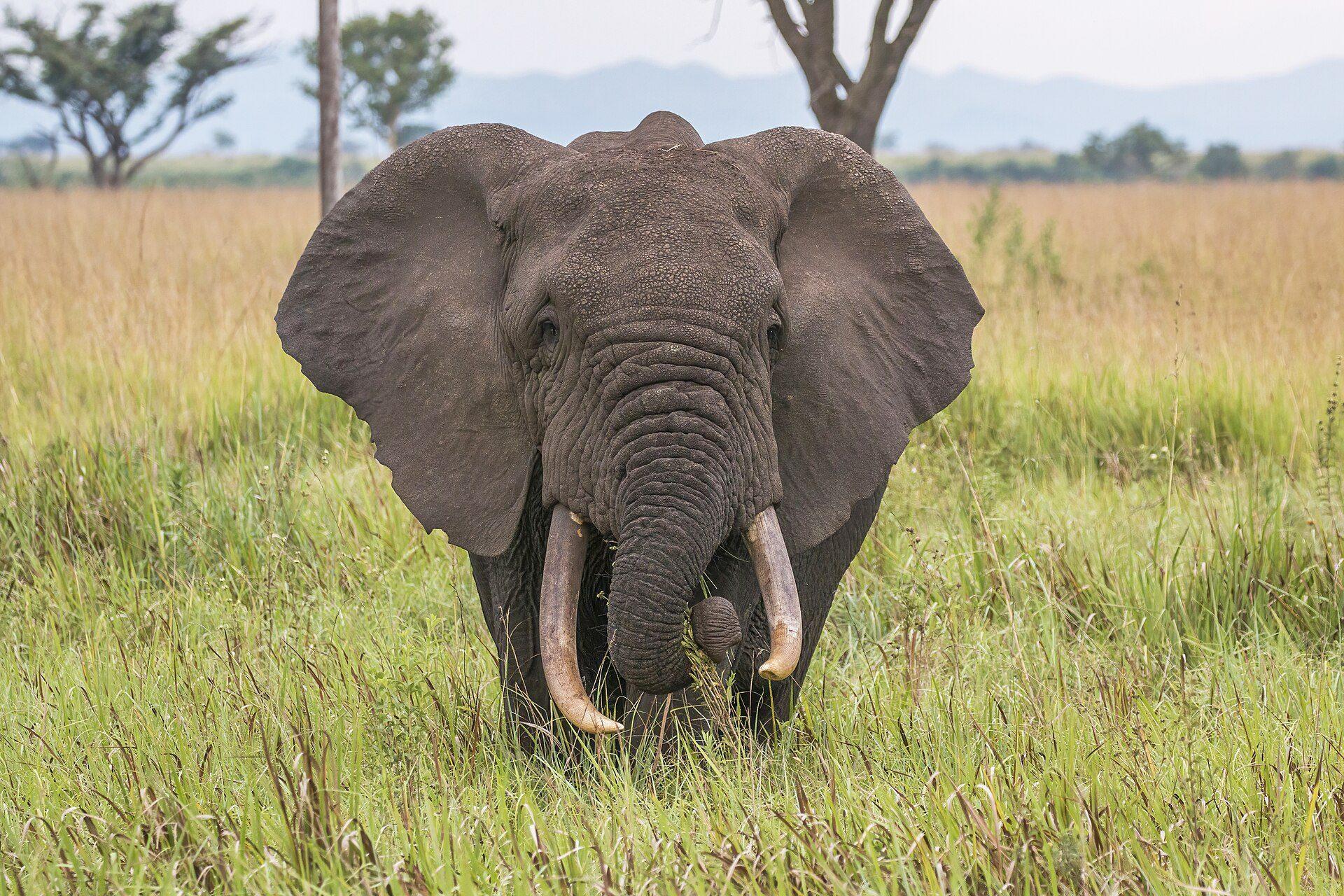 Best time to visit UgandaWhen to visit Uganda: the dry seasons (June–September and December–February) for gorilla and chimp trekking, and the green, quieter wet months. Trekking runs year-round. Your Africa, beautifully told.