Before the keys
Walk round the 4x4 at the handover, then trace the week’s roads on the map.
Self-drive / Kenya
For experienced drivers: Laikipia’s plateau, Samburu’s river, then the forested Mathews Range, in a Nobu 4x4.
The journey
North of Mount Kenya, highland gives way to dry riverbeds, thorn scrub and long views. You drive from Laikipia’s plateau down to Samburu’s river, then on unpaved road to the Mathews Range, where forest climbs out of dry country.
A Nobu four-wheel drive is yours for the nine nights, returned in Nairobi, with 24-hour support. Before you commit, the vehicle, briefing, communications and recovery arrangements need agreeing with us.
Northern Frontier Expedition is for experienced off-tarmac drivers who understand that independence does not cancel local advice. It is unsuitable for a first self-drive or anyone needing a fixed route months ahead. Kenya Self-Drive offers a gentler starting point; Laikipia & Samburu removes the driving responsibility.
Three contrasting northern bases give the journey its shape, with the driving format and pace decided on your terms.
Moments along the way
Walk round the 4x4 at the handover, then trace the week’s roads on the map.
The road climbs past Mount Kenya before the landscape opens northward.
 03
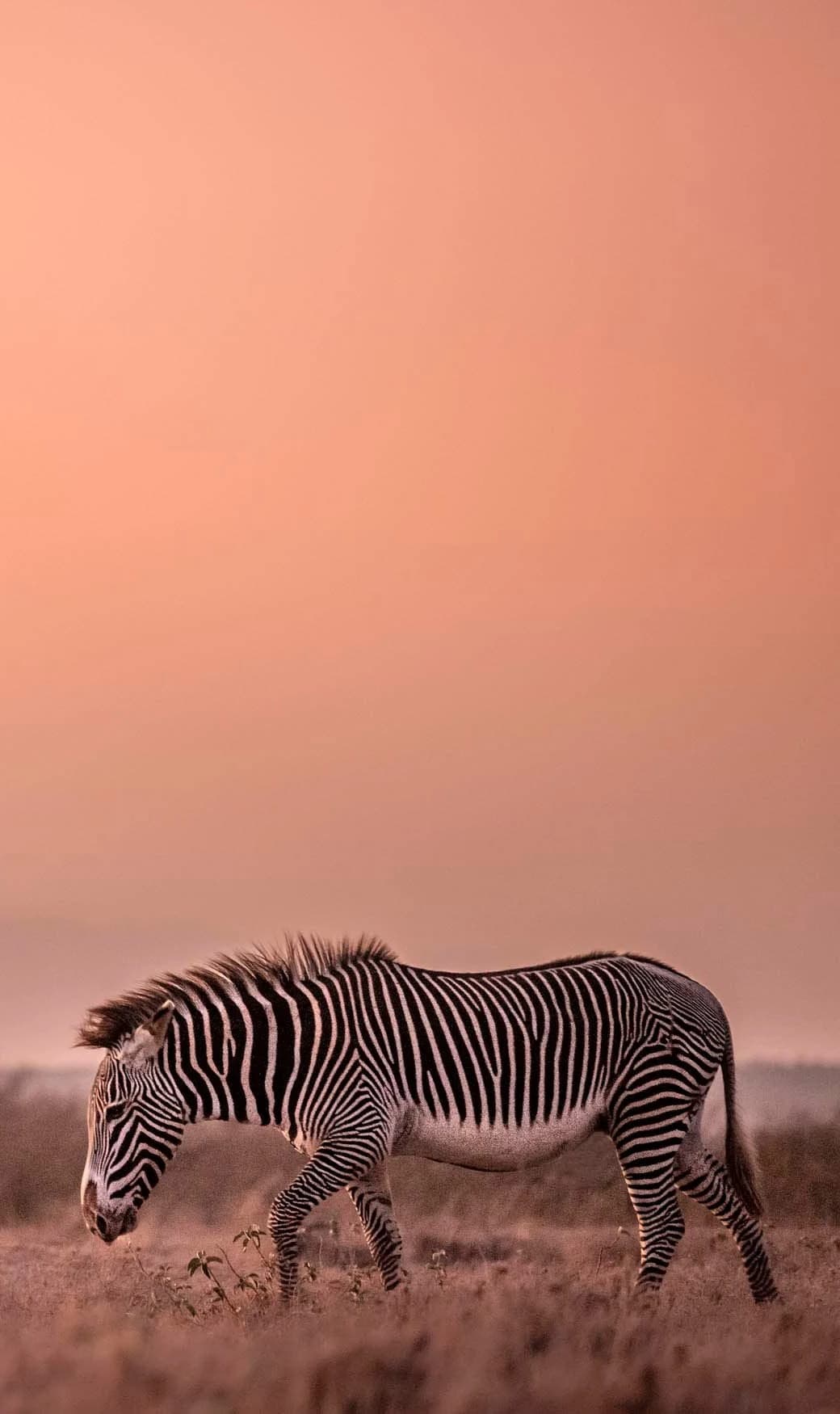
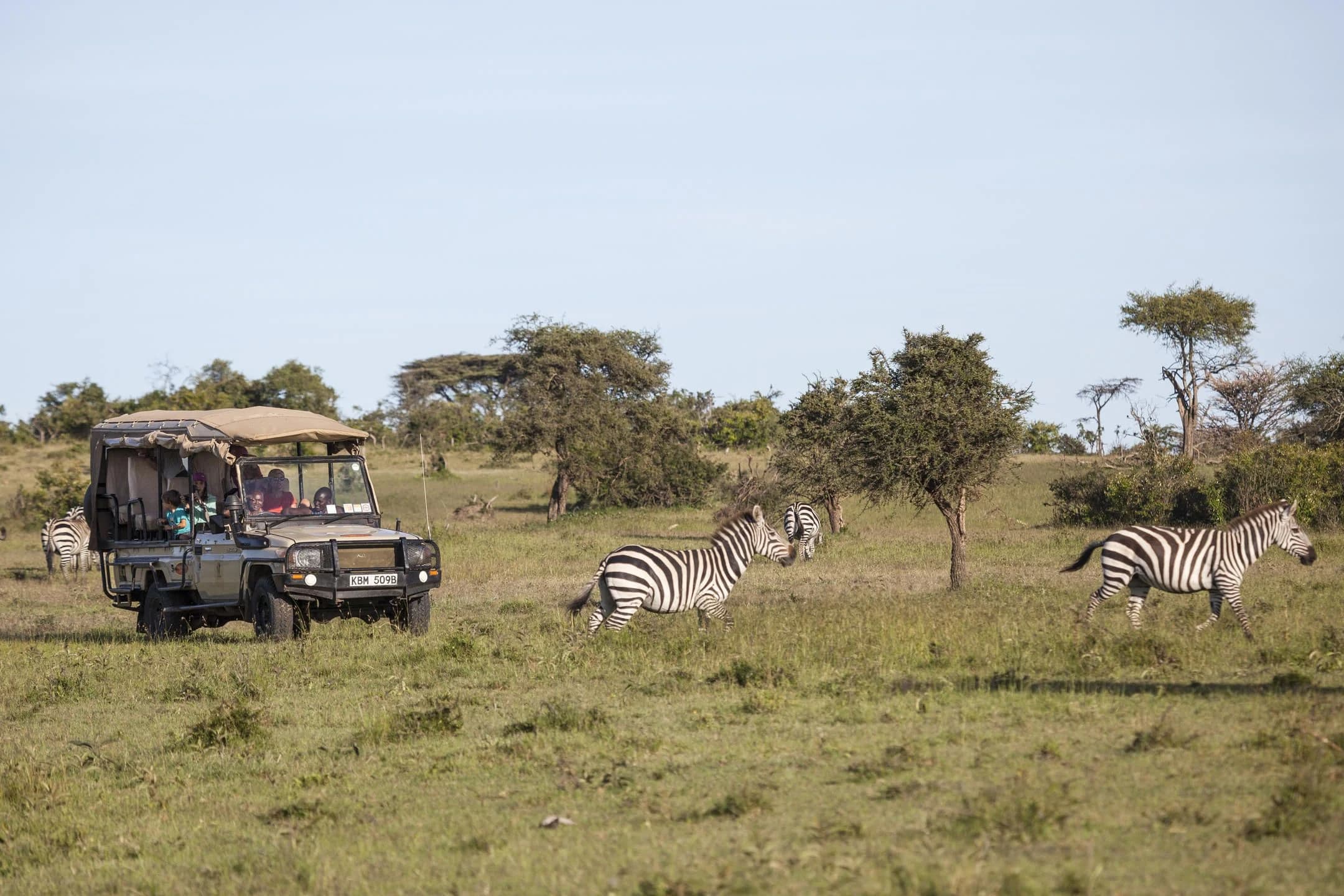
If Grevy’s zebra cross the track, cut the engine, stay well back and let them pass.
Past Samburu the tarmac soon ends; the 4x4 earns its keep on murram towards the ridges.
Dark ridges rise above acacia country at the route’s northern edge.
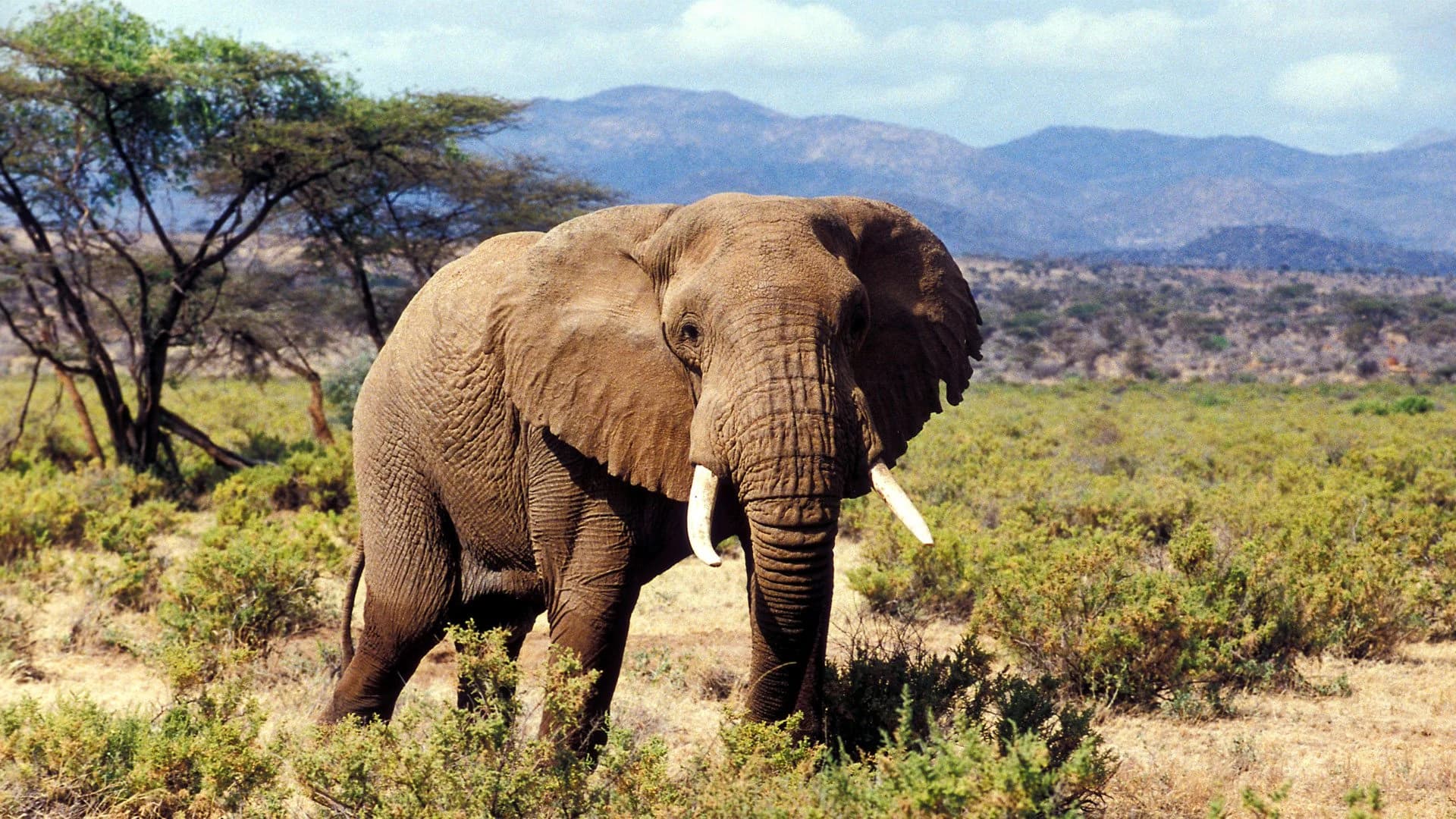
Elephants are frequent visitors to the Mathews forest; Samburu guides read their paths on foot.
Where you’ll stay
Choose Essential or Signature stays, with an Elevated forest camp in the Mathews where available. Your quote names each camp and its access road, and whether its conservancy lets you drive yourself.
LAIKIPIA
SAMBURU
MATHEWS RANGE
Your planner confirms each stay for your dates.
Add to your journey
Select an idea to carry into your brief. Nothing is added to a booking or priced automatically.
A route with room to breathe
Nairobi → Nanyuki → Laikipia → Samburu → Mathews Range → Nairobi. The lines follow the main roads but are indicative; your quote names each road and camp.
A sense of the days
The first night is spent in Nairobi, with nothing to drive yet. Use it to repack, buy water and go over the route with us, because the next morning starts early. Bring something warm, as Laikipia sits high and cools quickly at night. A morning landing leaves the afternoon open; a late one leaves just the evening.
Drive out of Nairobi early on tarmac, pause in Nanyuki for fuel and supplies, then turn off to your conservancy, which sets its own rules for private vehicles. The days after arrival need no long drive. Your camp explains what the rules mean in practice, from driving yourself to going out with its guides, so ask what the conservancy allows before you arrive.
Out of your conservancy the day is mostly tarmac, north through Nanyuki and Isiolo to the river at Samburu, before the dirt begins. Top up the fuel at Nanyuki and keep water within reach. The second day is for slower drives on the reserve’s tracks. Start in the morning and there is time for an outing on arrival; start late and the day is all road.
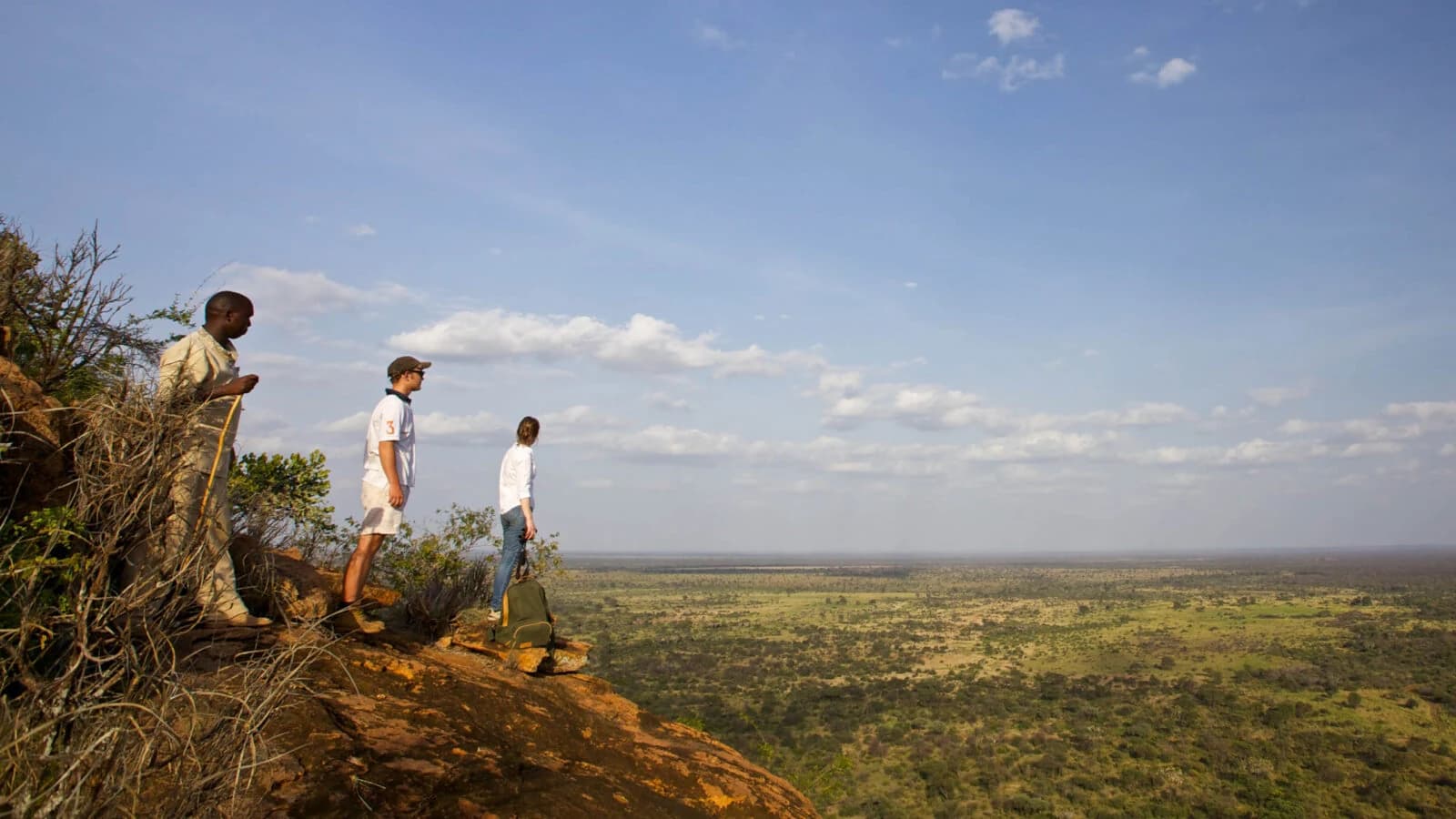
Beyond Samburu the paved road is behind you: the way to the forest is murram and slow going, and your camp gives directions for the last stretch. The days that follow suit unhurried walks in the forest, led by the camp’s guides and within the camp’s age limits, with time to rest between. Ask before photographing people, and tell the guides how far you want to walk.
Set off at first light, because the drive to Nairobi is long: unpaved road from the range first, then tarmac through Isiolo and Nanyuki. Keep seatbelts fastened throughout, top up the fuel along the way, and plan to be off the road in daylight. The 4x4 goes back in Nairobi. Stopping overnight in Nanyuki breaks the drive in two, if you would rather not do it in one.
Nine nights: one Nairobi, three Laikipia, two Samburu, three Mathews Range. The long drive home stays; an optional tenth night in Nanyuki shortens it.
Clear from the beginning
Every journey is quoted in full, with no surprises.
Good to know
Laikipia’s conservancies spread across a high plateau west and north of Nanyuki. From there the tarmac A2, the route’s last paved road, drops through Meru and Isiolo counties to Samburu’s reserve on the Ewaso Ng’iro. Beyond it, unpaved roads cross Wamba to the Mathews Range, whose forested ridges rise out of community conservancy land. Each conservancy decides where a private vehicle may go, and your Mathews camp sets the final approach.
Because the road on to Lake Turkana’s east shore, Maralal to South Horr, crosses Baragoi Division, which Kenya declared security-disturbed in March 2026, and bandits attacked vehicles on it in 2025. The Mathews keeps the remoteness, but its own approach crosses parts of Wamba Division, on the same list.
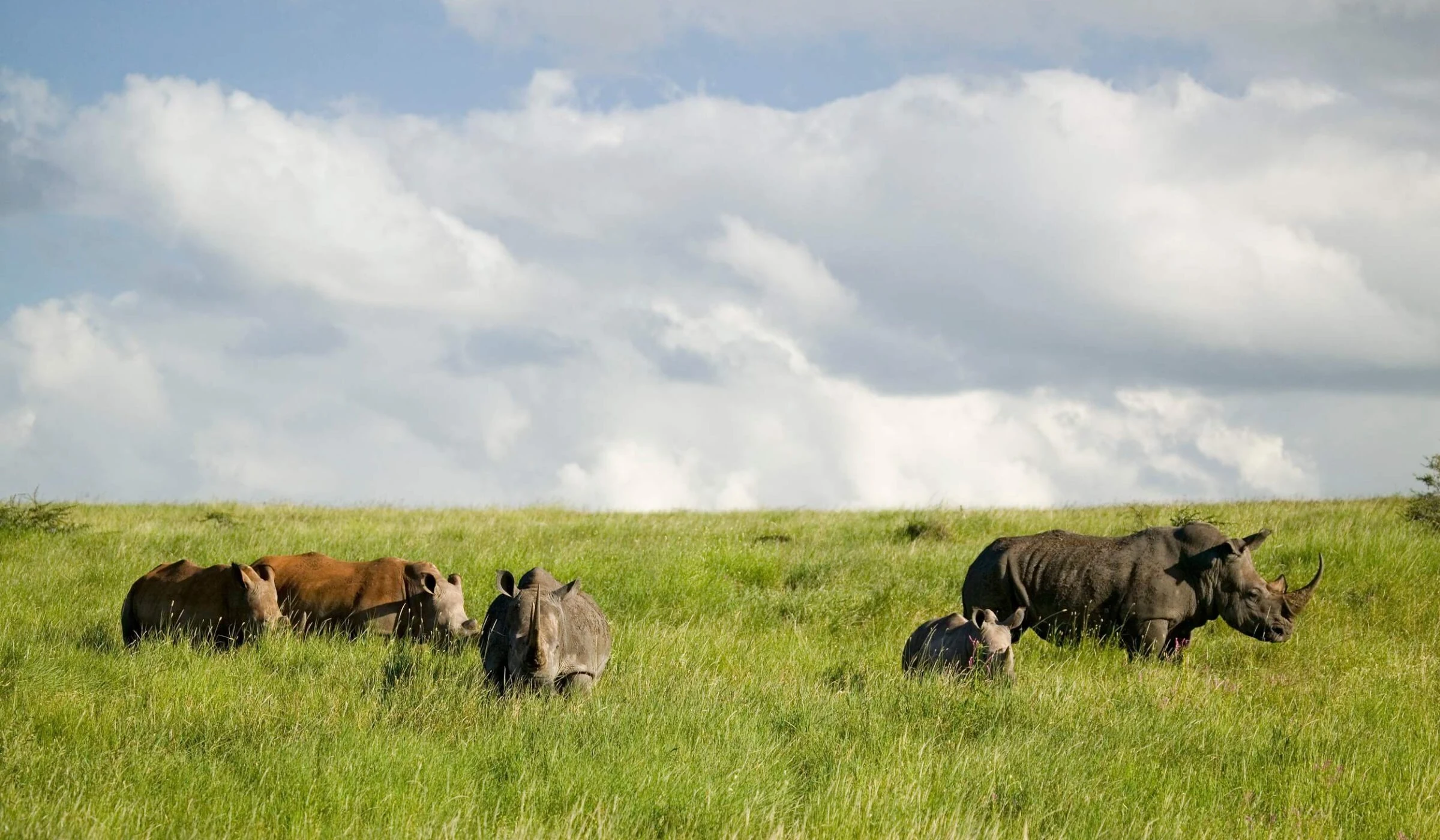
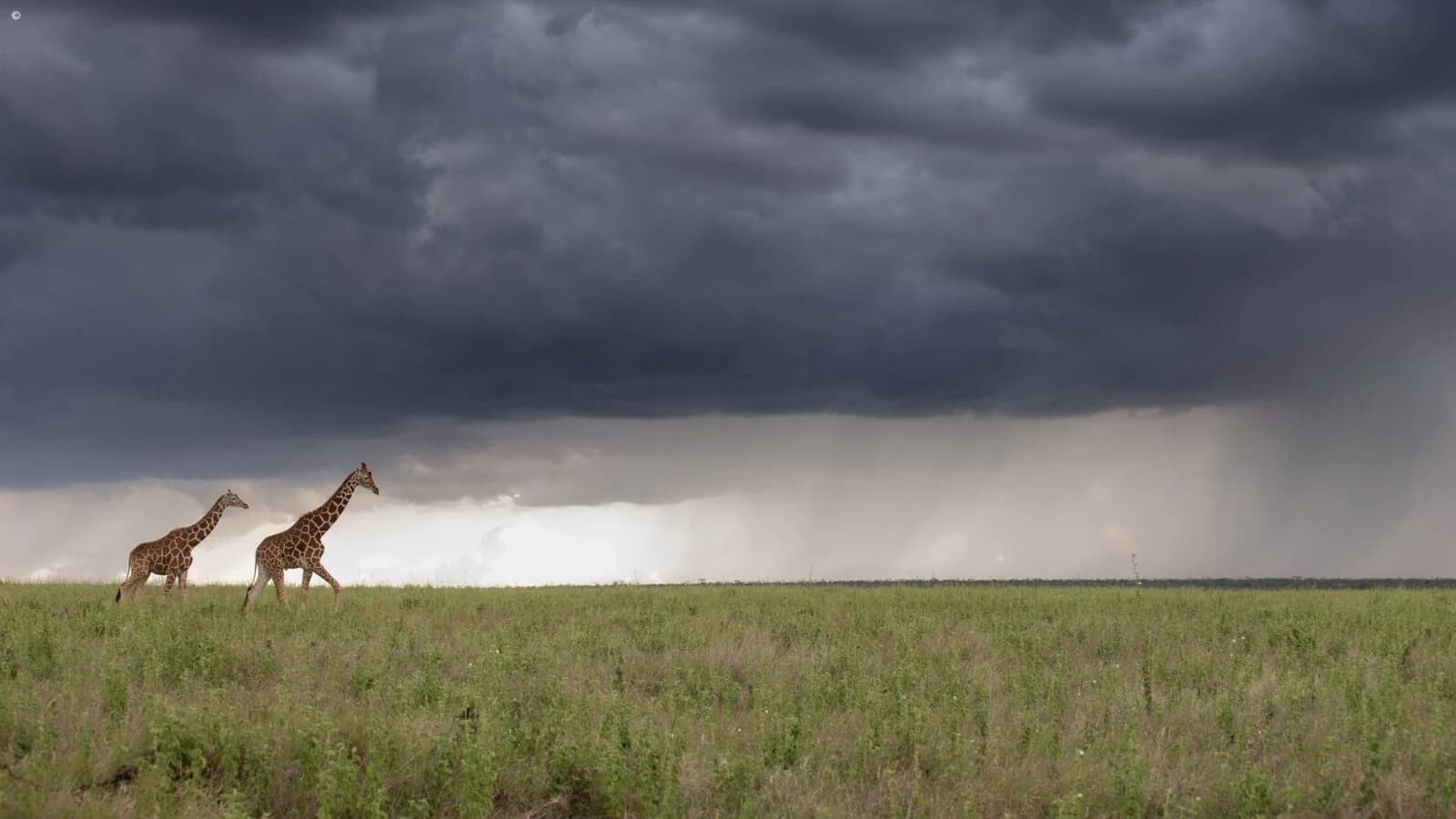
Grevy’s zebra, reticulated giraffe and gerenuk live in the dry country of Samburu and Laikipia, and elephants are frequent visitors to the Mathews forest. None is promised, and each conservancy sets how close a vehicle may go.
June to September is usually driest, with firmer murram, and January and February are often dry too. From March to May the unpaved roads beyond Samburu can become impassable. Rain is only half of it: security operations can close a road in any month.
Nine: one in Nairobi, three in Laikipia, two in Samburu and three in the Mathews Range. The drive home is the longest day, seven to eight hours or more, so add a tenth night in Nanyuki or Nairobi before an international flight.
Yes: rough surfaces, low-range controls and conservative decisions should already be familiar. Stay on permitted tracks and travel in daylight. Your chosen conservancy must allow the vehicle; otherwise discuss a guided format. Agree equipment and recovery with us before you book.
No one can promise that. Security operations against banditry continue in parts of the four northern counties the route crosses, and in Samburu an ambush on 16 September 2026 killed five people, two of them police officers. Read the US and UK pages for your dates.
Read before choosing self-drive:
Last checked: October 2026.
When to go
Seasons change the roads, but they never override current government advice or local movement restrictions, which can close a leg in any month.
Aug / Main dry season
June to September is usually the driest spell, with firmer murram. Firm roads do not lift security operations or movement restrictions, which can change between booking and the day you drive.
Broad seasonal guidance — not a forecast, availability calendar or migration promise. Picking a month sets it in your plan.Related journeys
Travel with Nobu
Based in Kenya, arranging journeys across East Africa.
Your guide and vehicle are arranged for the route you choose.
Help is a call or message away, day or night.
Your proposal sets out the agreed arrangements for your journey.