Assessed before you ride
Guides assess your riding early, and can move you into a vehicle.
Active safari / Kenya
Walks and horseback rides in Laikipia, then the Mara conservancies, for travellers who want hours outdoors.
The journey
Kenya met at ground level, from the saddle and on foot.
This walking and horseback safari in Kenya starts in Laikipia, where private conservancies allow riding and walks, usually led by an armed ranger or guide, then flies south to the Mara’s conservancies for more time on foot. The Mara reserve itself allows neither, so the route stays on conservancy land.
It suits confident walkers and riders; beginners can ride short outings at some stables. The trade-offs: riders are assessed, stables set weight limits, and a walk is not a game drive, so no sighting is promised. For vehicles first, choose Into the Wild Mara.
Laikipia first, then the Mara: ground-level Kenya, with the saddle, the walk and the vehicle arranged on your terms.
Moments along the way
Guides assess your riding early, and can move you into a vehicle.
 02
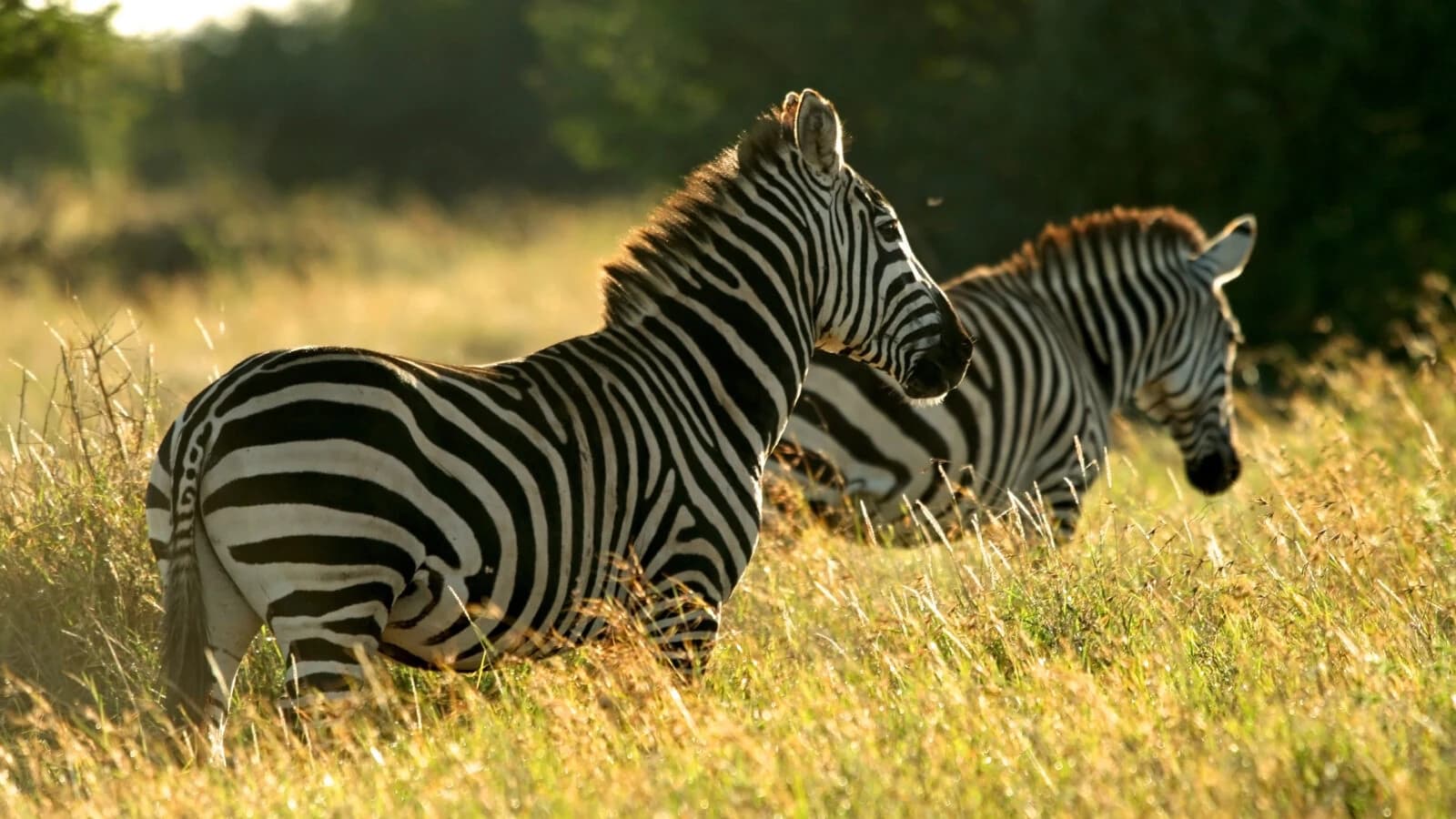
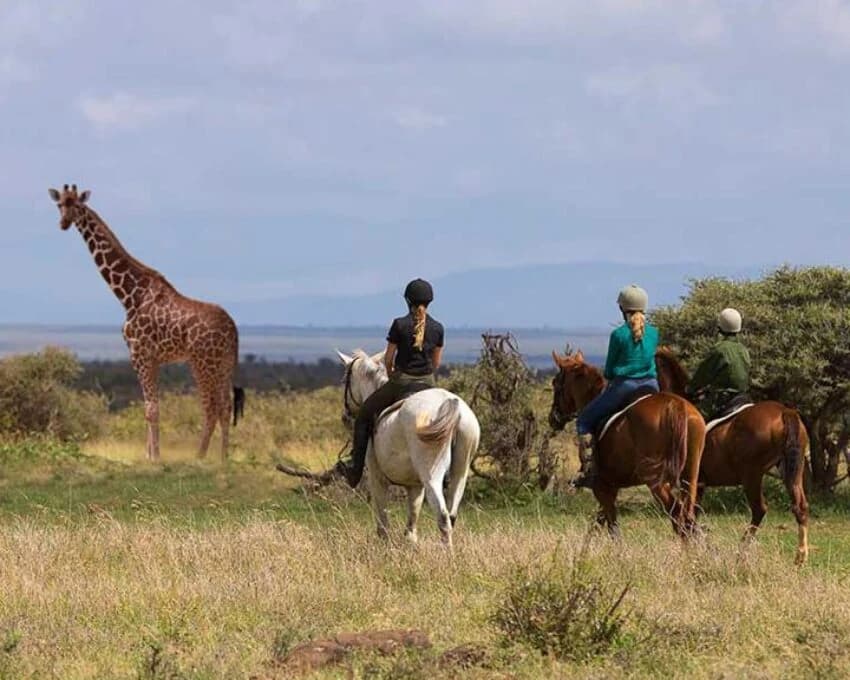
In Laikipia, a horse crosses open ground where zebra and giraffe may graze nearby.
 03
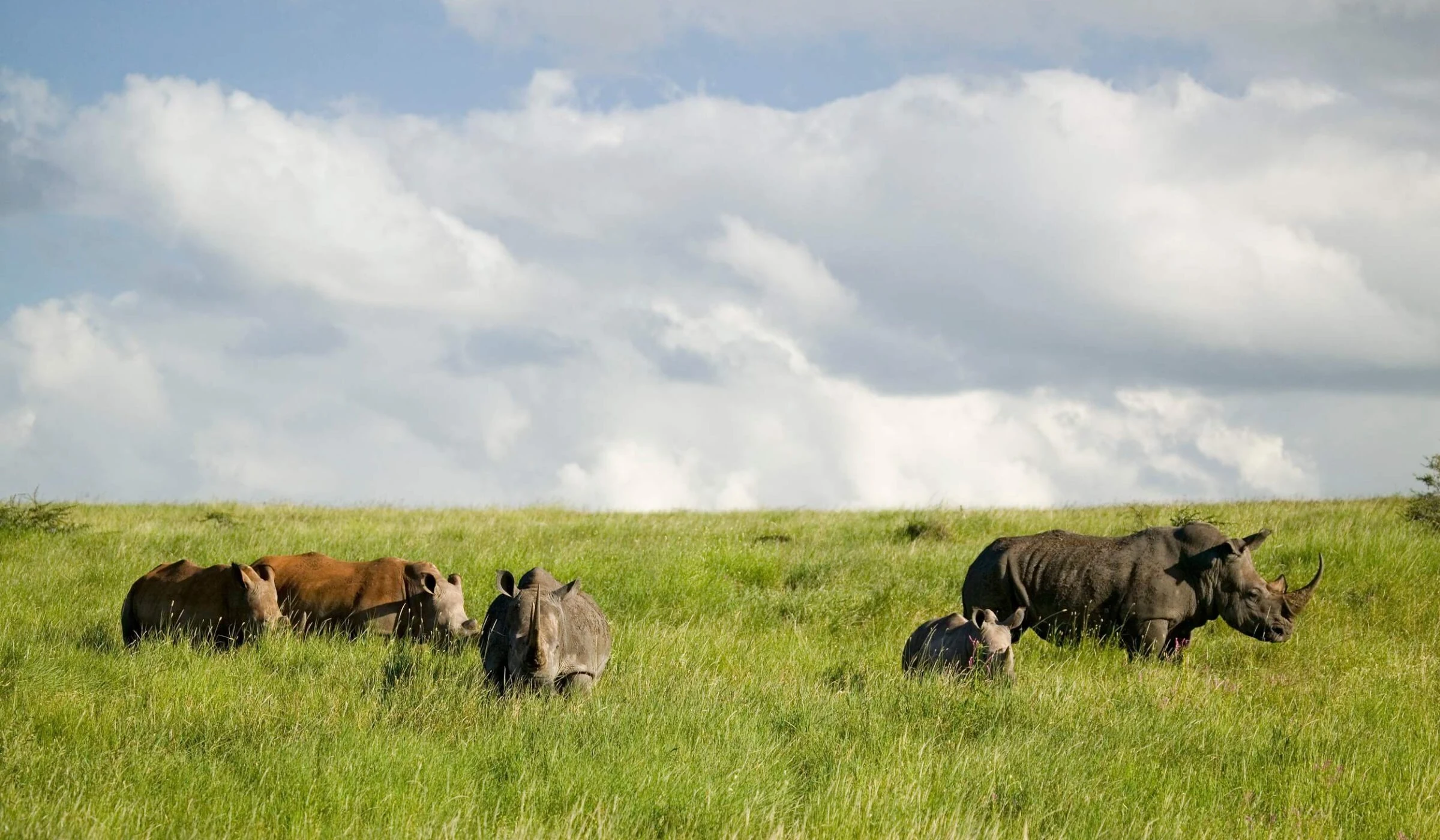
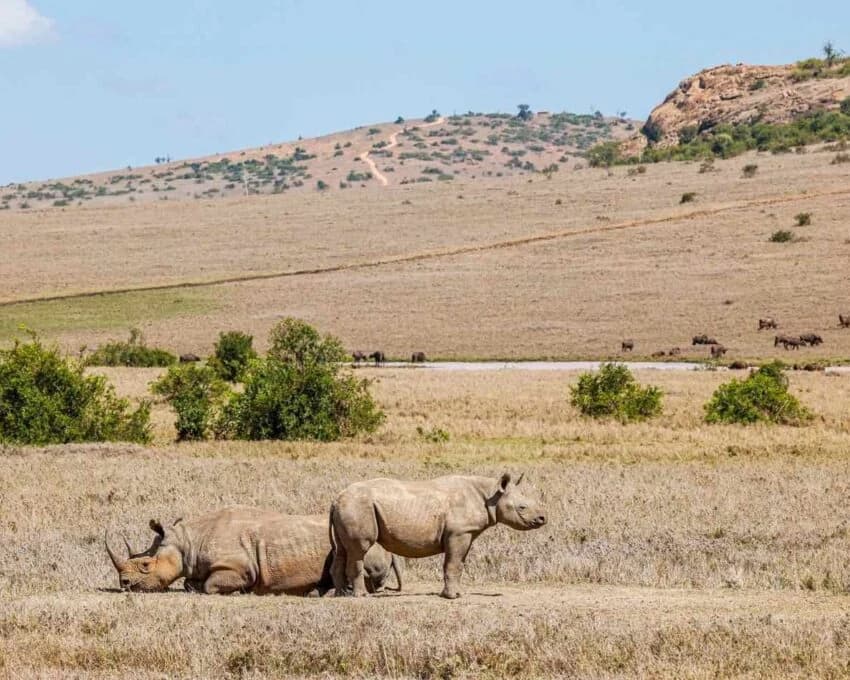
At some Laikipia conservancies, scouts lead walks to track rhino; finding one is never promised.
An armed ranger or guide usually leads. Minimum ages vary: 12 is common, 16 at some.
Mara riding is mainly in Mara North Conservancy, and mostly for experienced riders.
 06
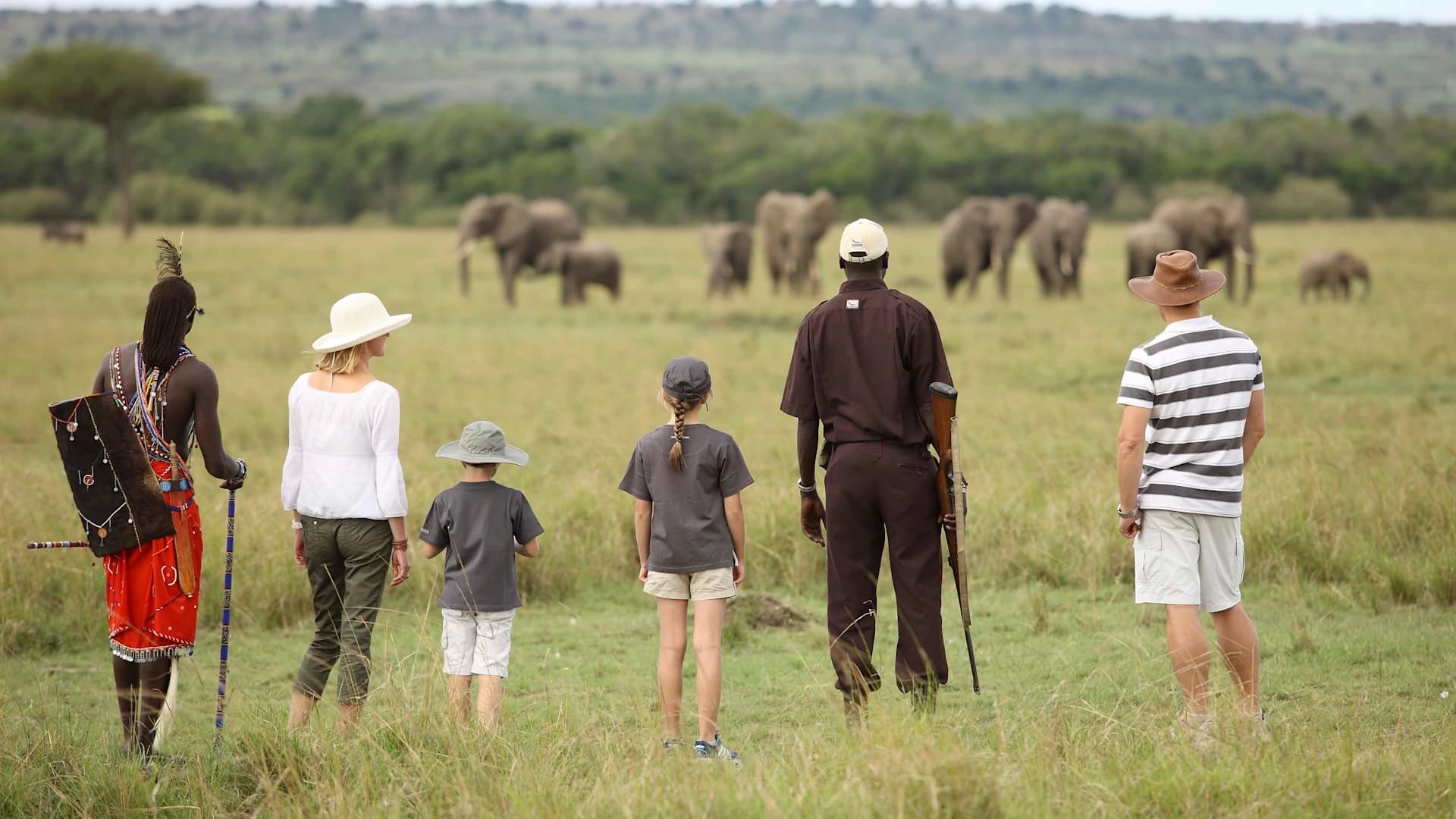
Where a conservancy allows walks, a ranger or guide takes you beyond the vehicle’s reach.
Where you’ll stay
Choose a comfort level for each stay, from Essential to Private Collection; the levels need not match. Stables, rangers and rules differ by camp, so we arrange the riding and walking first and fit the stay around them.
LAIKIPIA
MARA CONSERVANCY
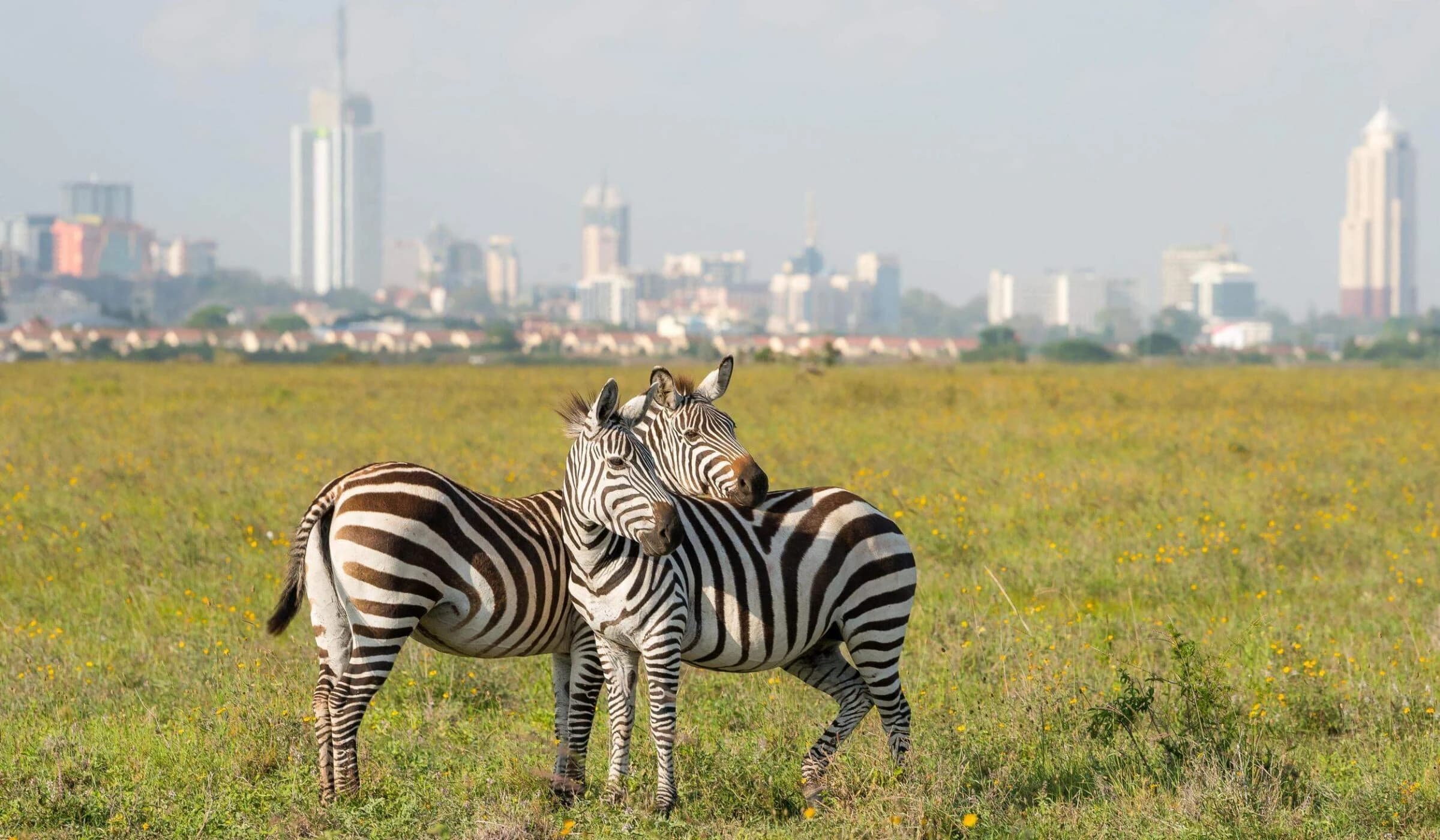
NAIROBI
Your planner confirms each stay for your dates.
Add to your journey
Select an idea to carry into your brief. Nothing is added to a booking or priced automatically.
A route with room to breathe
Nairobi → Laikipia → Mara conservancies → Nairobi by light aircraft. Published 2026 direct options may route via Wilson; your proposal confirms dates, strips and riding camps.
A sense of the days
Morning flights leave Wilson for the plateau, where a vehicle meets the aircraft and takes you on to camp. After lunch comes a short, gentle first outing with a guide, on a horse or on foot, within age limits. Use soft bags, since rigid cases may follow on a later flight, and ask which riding kit the stable supplies before you pack.
Riding days begin at breakfast. You ride out with guides while it is still cool, then return to camp for lunch and a long rest; a shorter ride or guided walk may follow. Some days on a multi-day ride last five to eight hours in the saddle. Stables label skill levels differently and set age limits, so describe your riding plainly.
Walks leave soon after sunrise, before the heat arrives. You walk in single file behind the ranger or guide, who sets the pace and your distance from wildlife. Stops come as often for dung, birds and plants as for large animals. Camps set their own age limits for walking, so check them before a younger traveller joins. Wear closed shoes and a sun hat.
After breakfast you drive to the strip and fly south to a Mara conservancy, where another vehicle is waiting to take you on to camp. The afternoon is easy: a short drive or, if the camp offers one, a walk with a guide within its age limits. If your aircraft changes at Wilson, the day becomes largely travel, so plan nothing else for it.
Conservancy mornings usually start on foot with a guide, or in the saddle where the camp keeps horses. Breakfast and a rest through the heat follow, then an afternoon drive. Some conservancies add a night drive after supper. A day in the reserve itself, if you add one, is by vehicle and by daylight. Not every camp offers every activity, so ask first.
Pack the evening before. If your flight from the Mara leaves late in the morning, there is time for one more guided walk or ride at dawn; an earlier flight means breakfast and straight to the strip. A late-morning flight lands at Wilson near midday, so a flight abroad the same day should leave in the evening rather than at lunchtime.
Typically three nights in Laikipia and three in the Mara. Five nights means two in Laikipia; seven or eight adds a second riding camp.
Clear from the beginning
Every journey is quoted in full, with no surprises.
Good to know
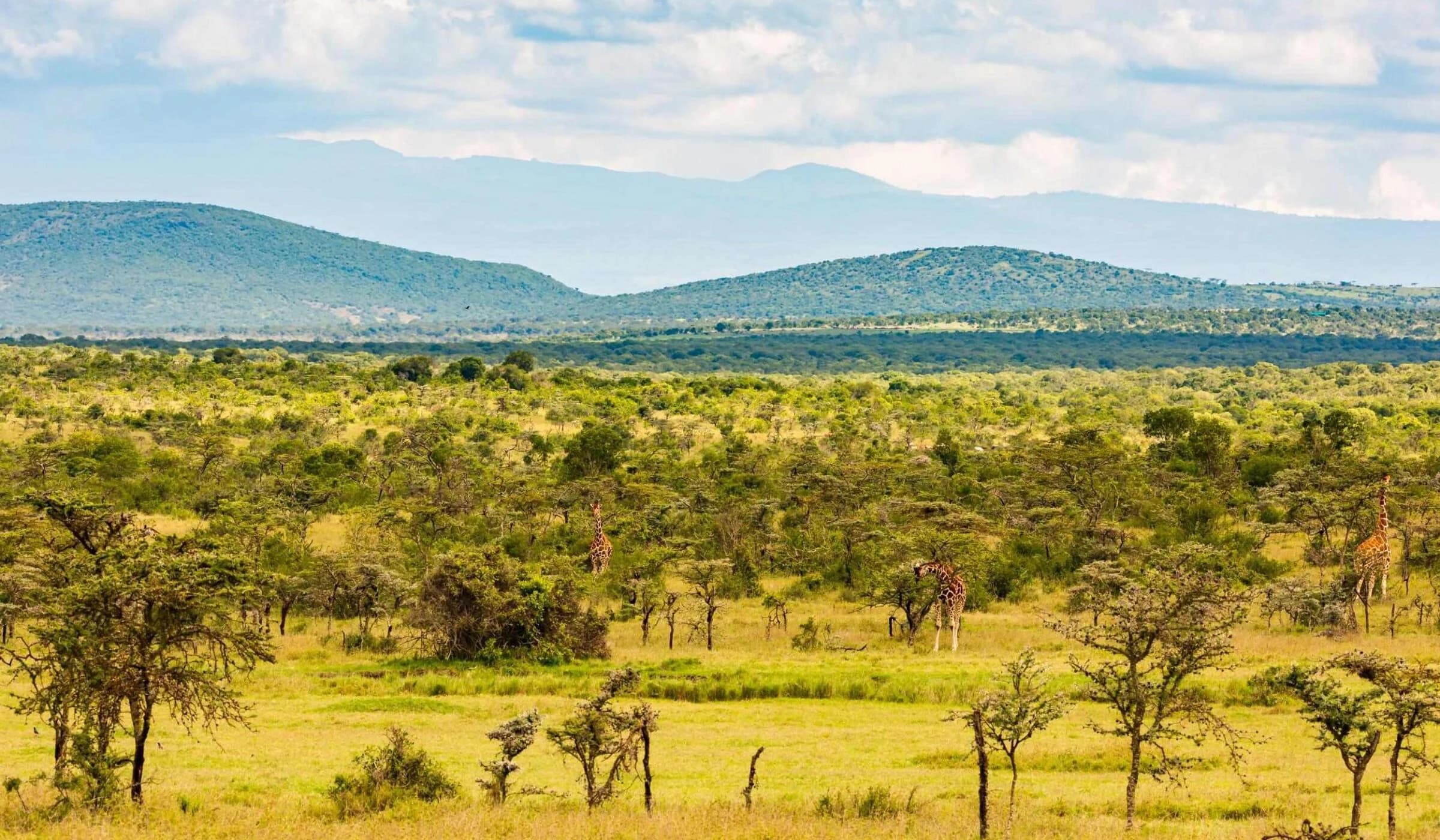
Laikipia is a plateau north-west of Mount Kenya, where private conservancies and ranches allow riding and guided walks. The Maasai Mara reserve allows neither; the conservancies beside it, on land leased from Maasai landowners, permit walks and night drives, and riding is offered mainly in Mara North. Walking inside national parks is unusual, so the route stays on private and conservancy land. You fly between the regions, and a game drive stays an option on any day.
Before you go
Before your Laikipia journeyBefore your Ol Pejeta Conservancy journeyBefore your Lewa Wildlife Conservancy journeyBefore your Kenya journeyLaikipia’s private conservancies offer riding and walks; the Mara’s conservancies offer walks and night drives beside a reserve that allows none of these. Published 2026 direct options run north to south, with Wilson routing possible in low season or operationally.
No sighting is promised. Some Laikipia conservancies hold rhino and offer tracking on foot with scouts; big cats live in the Mara all year. Wildlife on foot carries real risk, so follow your ranger’s instructions.
June to September and January to February are the drier spells. Safarilink’s dated 2026 timetable publishes direct Laikipia–Mara options outside its low seasons, but operational Wilson routing and current-page differences require a date check. The long rains make tracks heavy and close some Mara camps.
Five to eight. Six is typical: three in Laikipia, three in the Mara. Five is the shortest that leaves riding time around the flight days; seven or eight adds a second riding camp. A Nairobi night comes extra.
Yes, with limits. Some Laikipia stables take beginners on short rides, and walks need no riding. Multi-day rides, and most Mara riding, ask for confidence at walk, trot and canter in an English saddle, some at gallop. Stables set weight limits, often 90 to 95 kg, and minimum ages.
Not automatically. GOV.UK warns that wildlife on foot or at close range carries risks, and says insurance should cover every planned activity. Ask your insurer about riding and walks by name, and medical evacuation.
The activities, in detail:
Last checked: October 2026.
When to go
Guidance, not a forecast. Flight examples use dated 2026 timetables; current carrier pages can differ, and low-season or operational Wilson routing may apply.
Aug / Main dry season
June to September is usually drier. Safarilink’s dated 2026 timetable publishes direct links from 16 June, subject to operational Wilson routing. Confirm the travel-year service; rain can still fall.
Broad seasonal guidance — not a forecast, availability calendar or migration promise. Picking a month sets it in your plan.Related journeys
Travel with Nobu
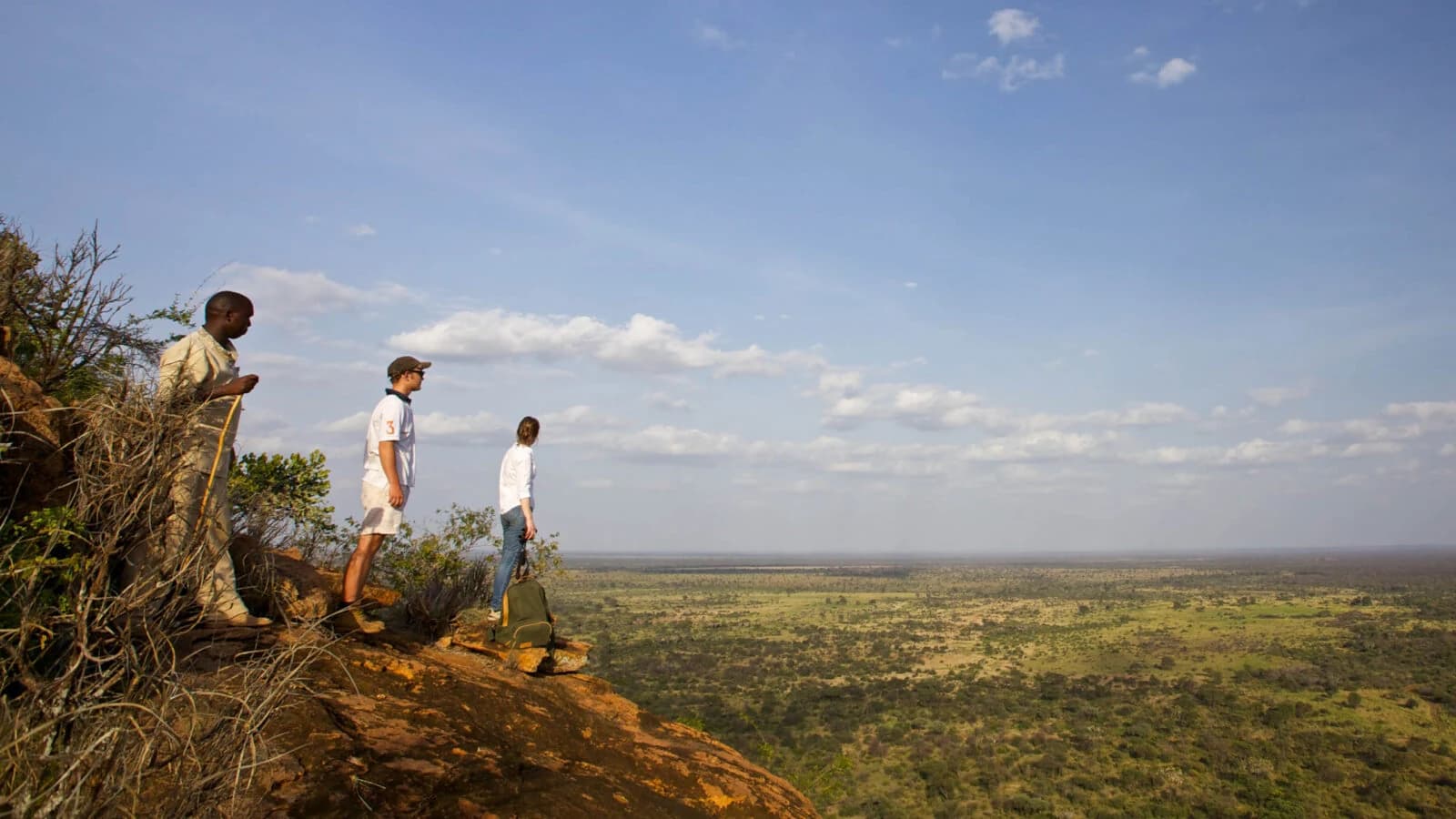
Based in Kenya, arranging journeys across East Africa.
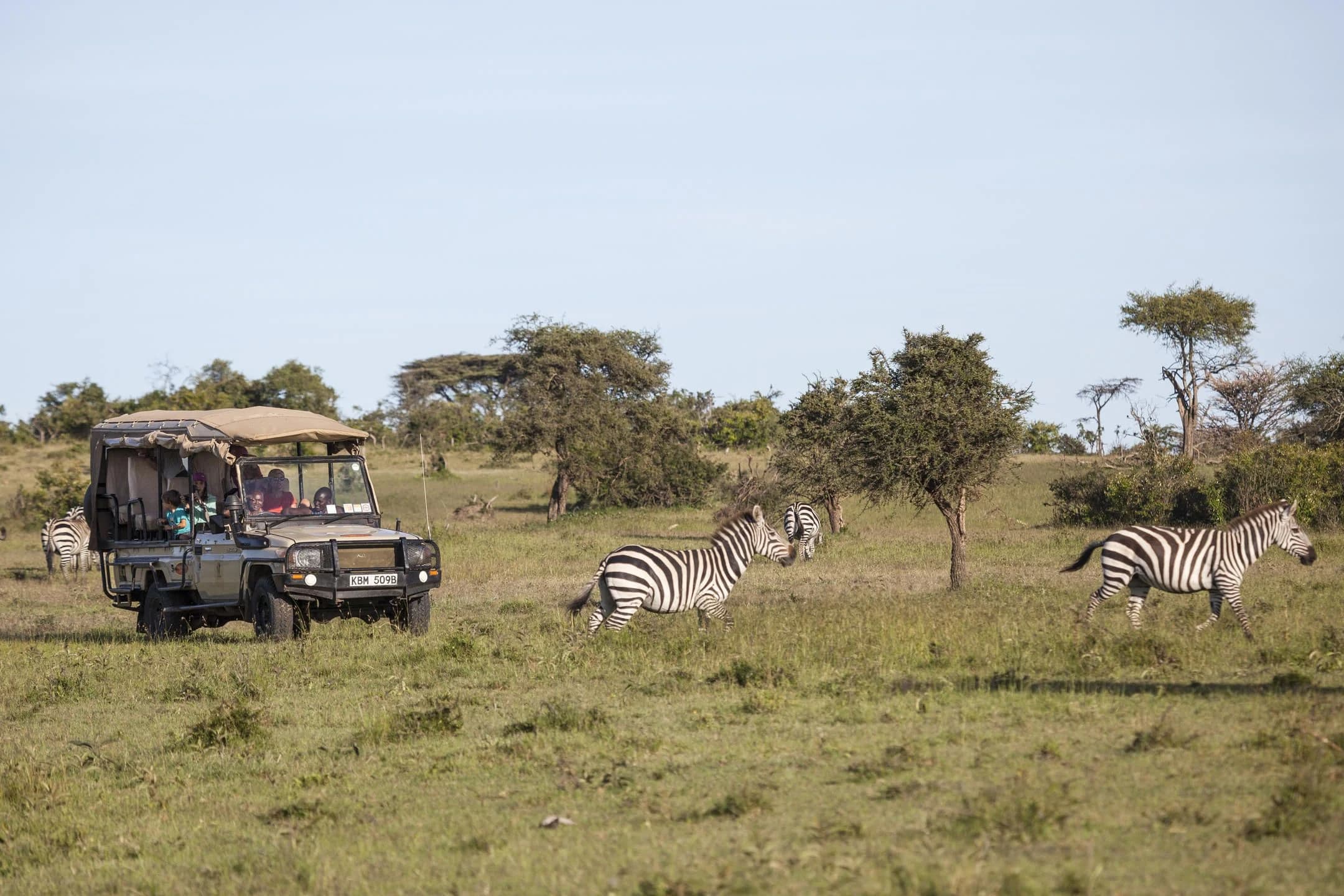
Your guide and vehicle are arranged for the route you choose.
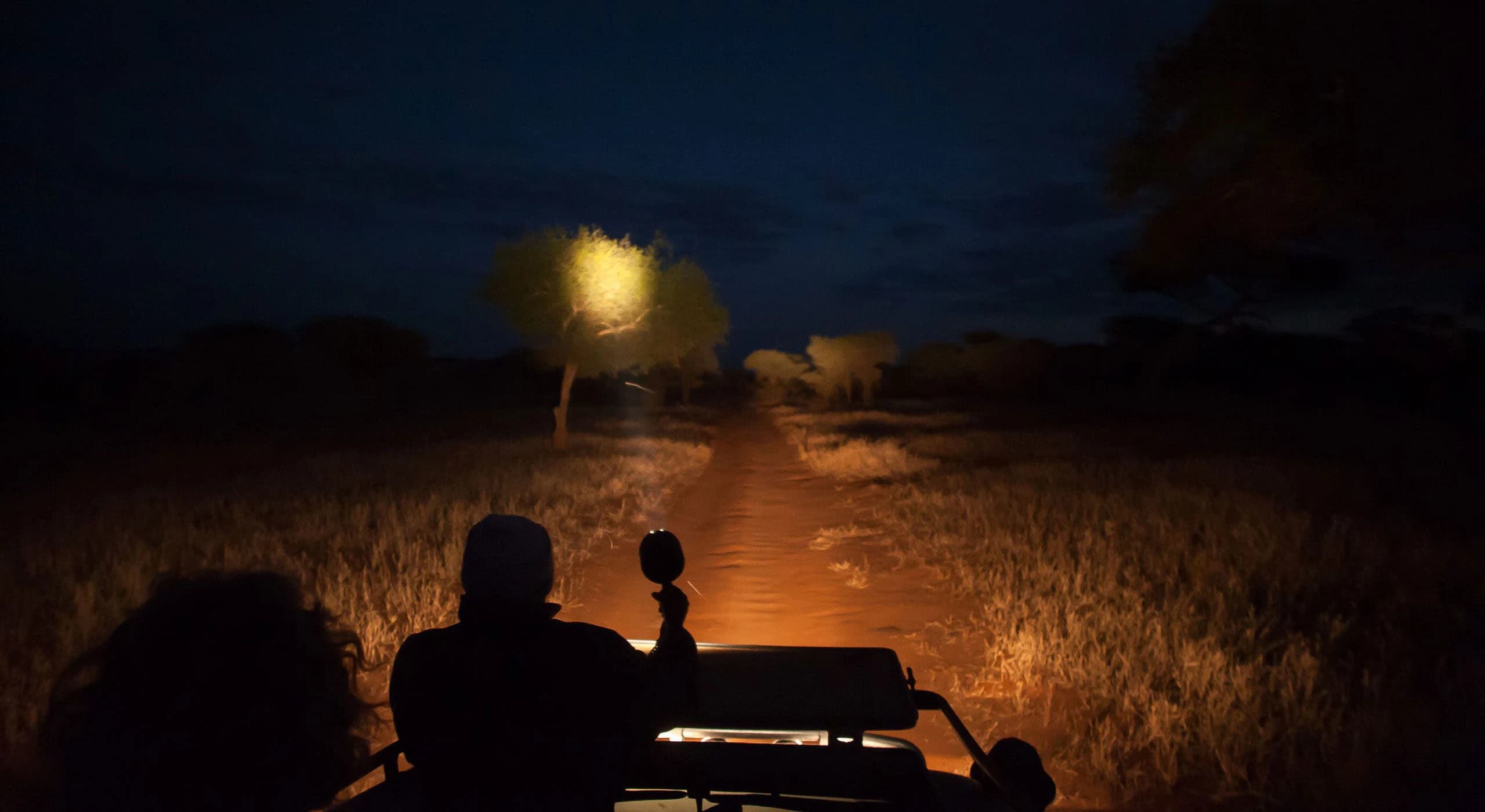
Help is a call or message away, day or night.
Your proposal sets out the agreed arrangements for your journey.