
Safari guide
Best time to visit Amboseli
The best time to visit Amboseli is the dry seasons — June to October and January to February — when Kilimanjaro's views are clearest, game viewing is easiest, and elephant herds gather at the swamps. The green season (November–May) is lush and quiet, though cloud more often hides the mountain.
Written by Joseph Gathuru · Travel designer at Nobu Safaris
Intro
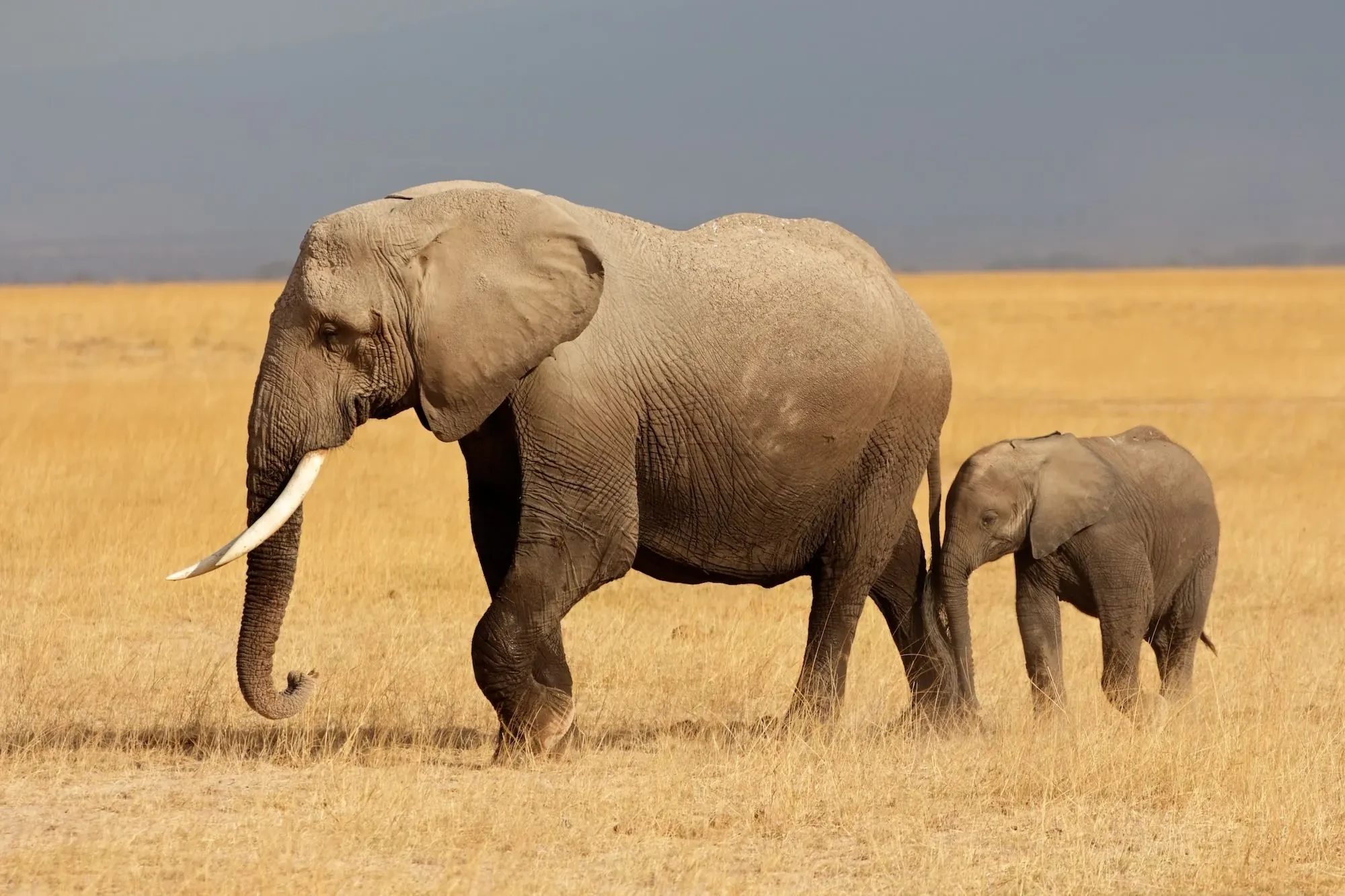
Amboseli is two pictures at once: great elephant herds in the foreground, the snows of Kilimanjaro behind. Both are at their best in the dry months, when the air is clear and the wildlife draws in to the park's spring-fed swamps.
The park is also a lesson in timing within the day. Even in the best months, Kilimanjaro can hide behind cloud by mid-morning. The most successful Amboseli days are paced around early starts, patient late afternoons and enough time to let the mountain reveal itself. If the mountain view matters to you, the itinerary should not treat Amboseli as a rushed one-night stop.
The detail
- June–October & January–February — dry. The prime windows: easy game viewing, elephants concentrated at the swamps, and the clearest, most reliable views of Kilimanjaro — usually at dawn and late afternoon before cloud builds. This is the window to choose if Amboseli is about the iconic photograph, big elephant herds and a clean pairing with the Maasai Mara.
- November–May — green season. Short rains around November, longer rains around April–May. The plains turn lush and very quiet, with fewer vehicles and gentler rates — but the mountain is more often veiled in cloud. The reward is atmosphere: dust settles, the land softens, birds arrive and the park feels less performed.
Amboseli also works differently depending on what comes before and after it. With the Mara, it adds elephants, mountain light and a contrasting landscape. With the coast, it can become a short, beautiful bridge between safari and sea. With Nairobi, it is logistically simple enough to avoid overcomplicating a first Kenya journey, but it still deserves careful lodge choice and enough time for unhurried drives.
The common mistake is treating Amboseli as only a mountain-view stop. The mountain is magnificent, but the park's quieter rhythm matters too: elephants moving between dust and swamp, birds working the wetlands, and open plains that feel very different from the Mara. A good Amboseli stay gives you more than one chance at Kilimanjaro and still lets the wildlife carry the day if cloud rolls in.
Key facts
Best overall: Jun–Oct & Jan–Feb (dry). Clearest Kilimanjaro views: dry months, dawn & dusk. Elephants: concentrate at the swamps in the dry; resident year-round. Green season: Nov–May (lush, quiet, more cloud). Rains: short ~Nov, long ~Apr–May. Planning note: stay long enough for at least two dawn or dusk chances at the mountain.
Why Nobu for this
We time Amboseli for the shot you came for — the elephants beneath a clear Kilimanjaro — and pair it cleanly with the Mara or the coast. We also design the pacing around the mountain itself: early starts, late light, lodges with sensible access, and no needless transfers on the day you most need patience.
If your dates fall in the green season, we do not pretend it is the same experience. We frame it honestly: quieter plains, richer colour, more cloud risk and a different kind of beauty. → Plan your journey.
Suitability — "right for you if…"
You want the iconic Kilimanjaro backdrop and big elephant sightings → the dry months. You'd trade some mountain reliability for lush, quiet plains and gentler rates → the green season. Photographers should favour dry months, dawns and late afternoons. Families and first-timers can use Amboseli as a manageable, rewarding counterpoint to the Mara, provided the route is not packed too tightly.
Related Nobu journeys
- Elephants and the Mountain — Amboseli shaped around clear light and elephant movement. → Explore
- Mara and Amboseli Classic — Kenya's plains and mountain-view safari in one route. → Explore
- Into the Wild Mara — combine Amboseli's elephants with the Mara's big-cat country. → Explore
Common questions
- When are Kilimanjaro views clearest from Amboseli?
- In the dry months, and typically at dawn and late afternoon before cloud builds over the mountain.
- When is the best time to see Amboseli's elephants?
- The dry season concentrates the herds at the swamps, though elephants are resident year-round.
- Is the green season worth it in Amboseli?
- Yes for lush, quiet plains and gentler rates — just expect the mountain to be cloud-covered more often.
- How many nights should I spend in Amboseli?
- Two nights gives a better chance of clear mountain light than a rushed one-night stop, especially if photography matters.
- Can Amboseli combine with the Maasai Mara?
- Yes. It is one of Kenya's cleanest contrasts: elephants and Kilimanjaro in the south, big cats and open plains in the Mara.
- Is Amboseli only worth it for photographers?
- No. The mountain view is a gift, but the elephant behaviour, wetlands and open-country atmosphere make the park rewarding even without a perfect cloudless morning.
More guides
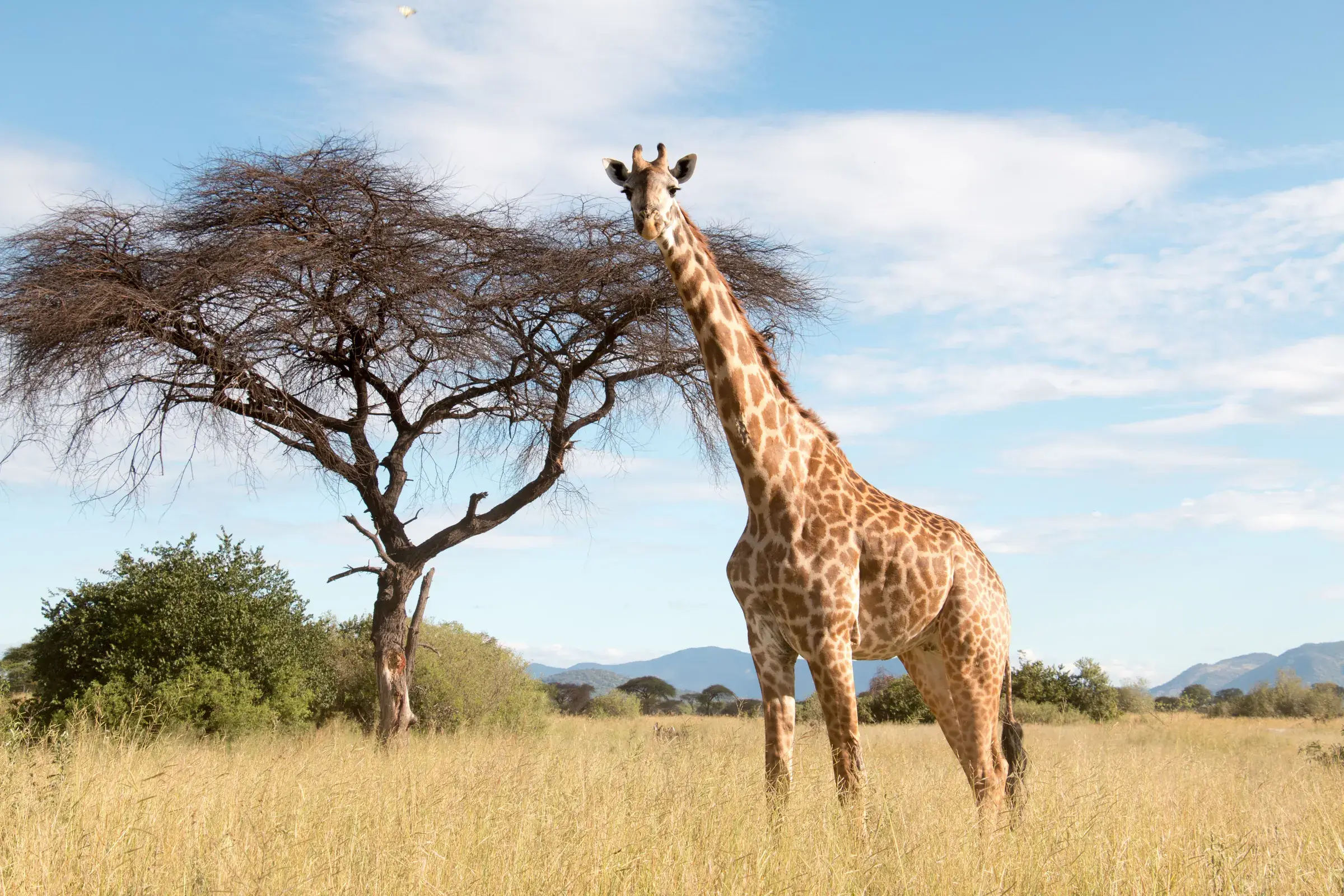 Best time to visit KenyaWhen to visit Kenya: the dry season (late June–October) for the migration and best game viewing, January–February for clear skies, and the green season for value and solitude. Your Africa, beautifully told.
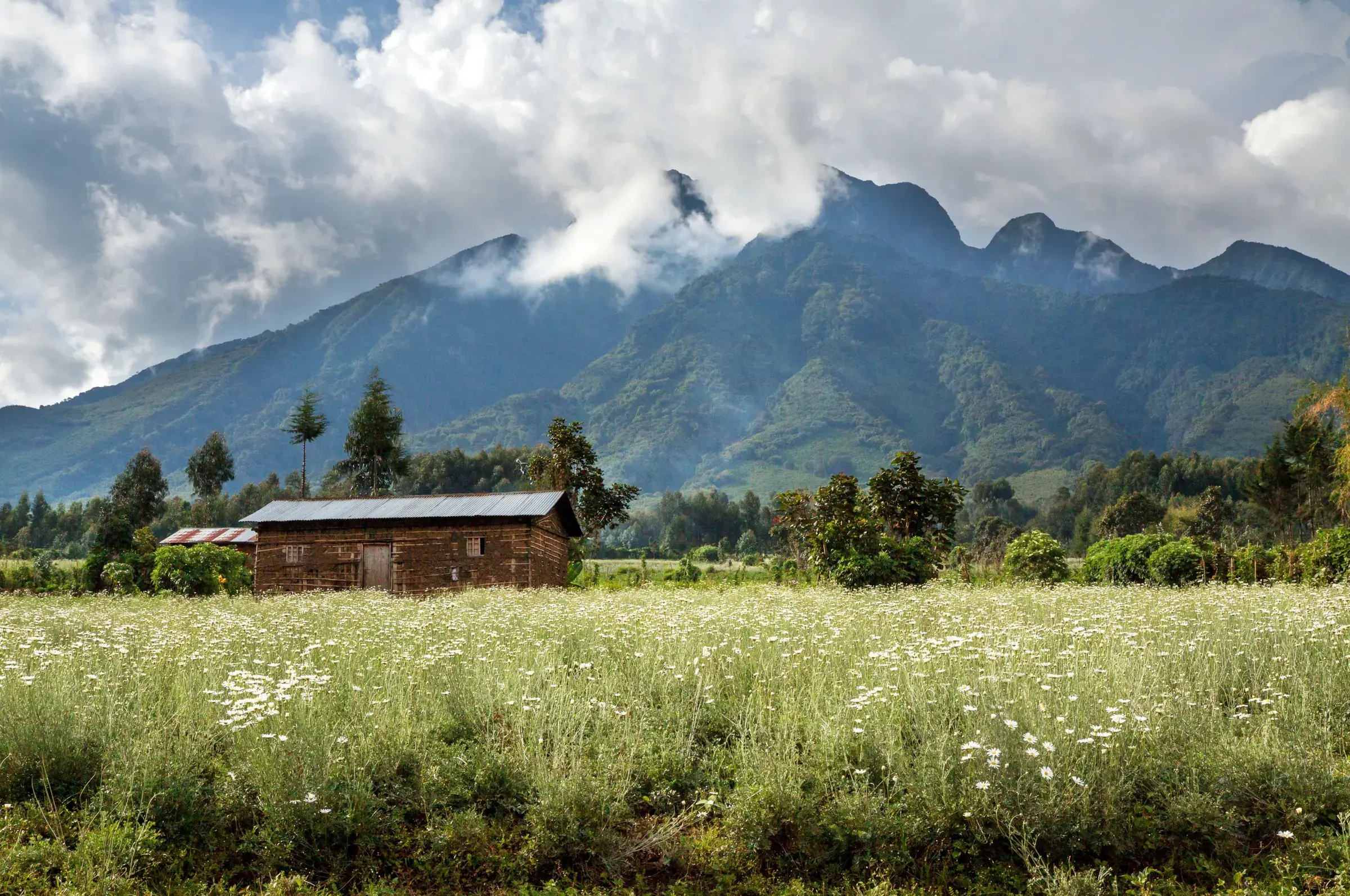 Best time to visit RwandaWhen to visit Rwanda: the long dry season (June–September) for gorilla trekking, December–February as a second window, and the green, quieter rains. Trekking runs year-round. Your Africa, beautifully told.
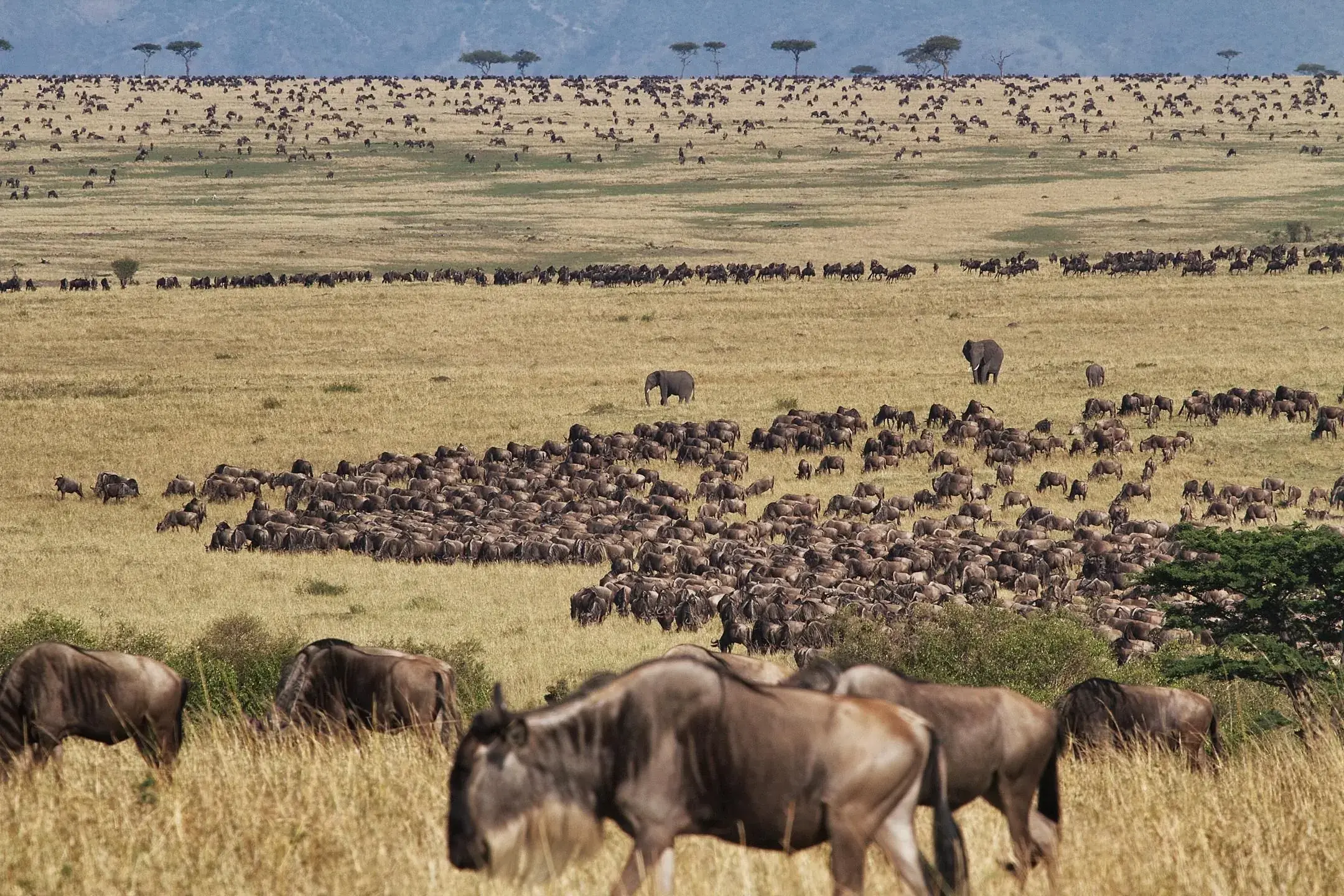 Best time to visit TanzaniaWhen to visit Tanzania: the dry season (June–October) for the Serengeti river crossings, late January–February for calving, and the green season for value and solitude. Your Africa, beautifully told.