Your chair, measured first
Share dimensions, weight, turning space and transfer method before we choose rooms.
Step-free safari / Kenya
From Nairobi to Naivasha and the Mara by road, in an adapted vehicle.
The journey
Nairobi gives you time to settle before the road drops into the Rift Valley. At Naivasha, fever trees frame the water and the pace slows beside the lake.
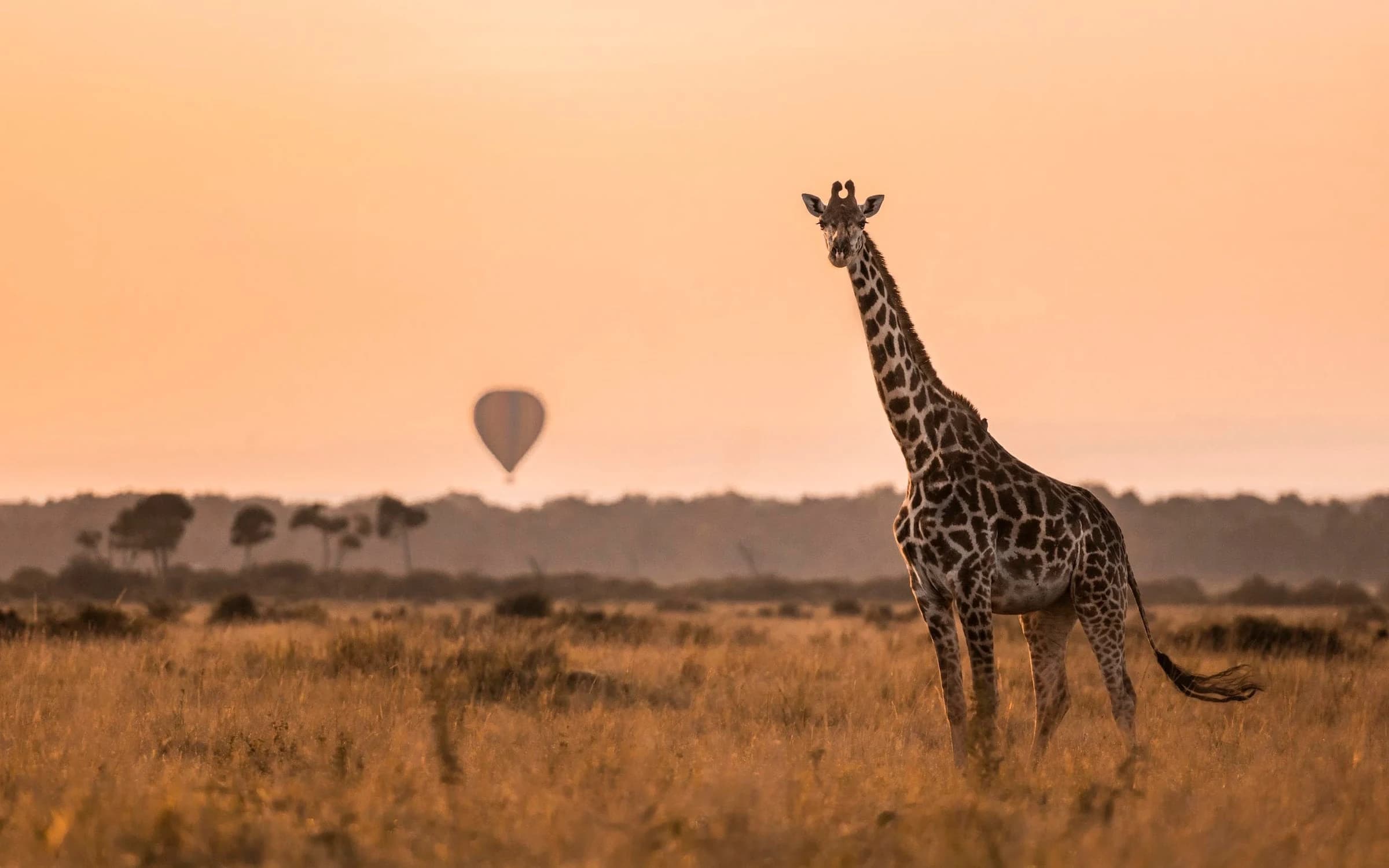
The Mara follows with open grassland and wildlife drives from an adapted vehicle. Keeping this route on the road avoids light-aircraft boarding, but it brings long transfers and rough final approaches that need an individual plan.
Choose this journey if vehicle-based wildlife viewing, a lakeside pause and fewer changes of equipment suit you. Nobu has hosted wheelchair users, checked accessible rooms and trained guides or staff. Tell us if long seated periods or uneven roads make a shorter route preferable.
Two road days out, one back, and the plains taken at the pace you set.
Moments along the way
Share dimensions, weight, turning space and transfer method before we choose rooms.
Review how you enter, ride and position equipment before the first long drive.
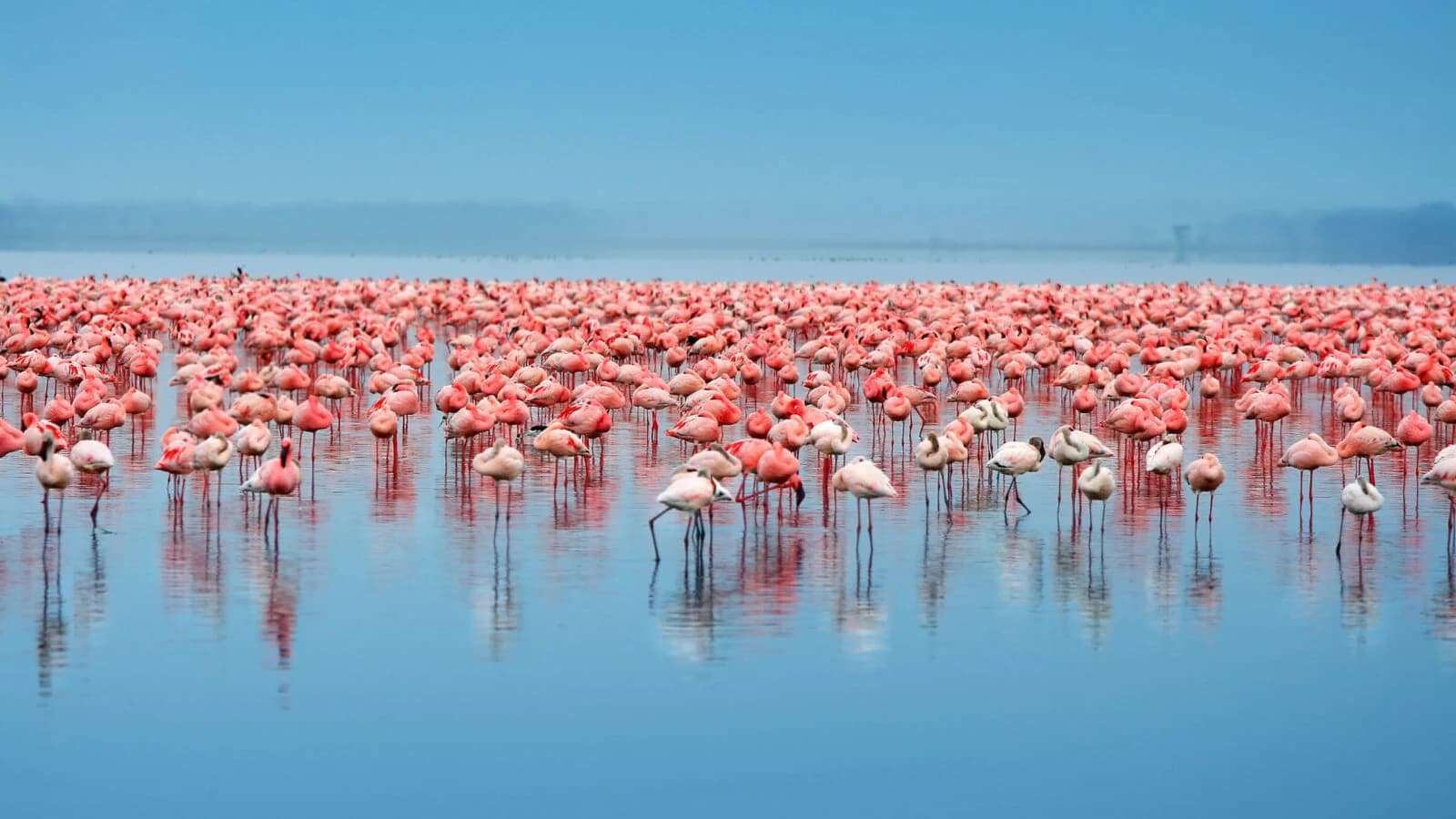
Watch fever trees and the light on the water, with no boat required.
Doorway widths, shower, bed height and paths are checked against your measurements before booking.
 05
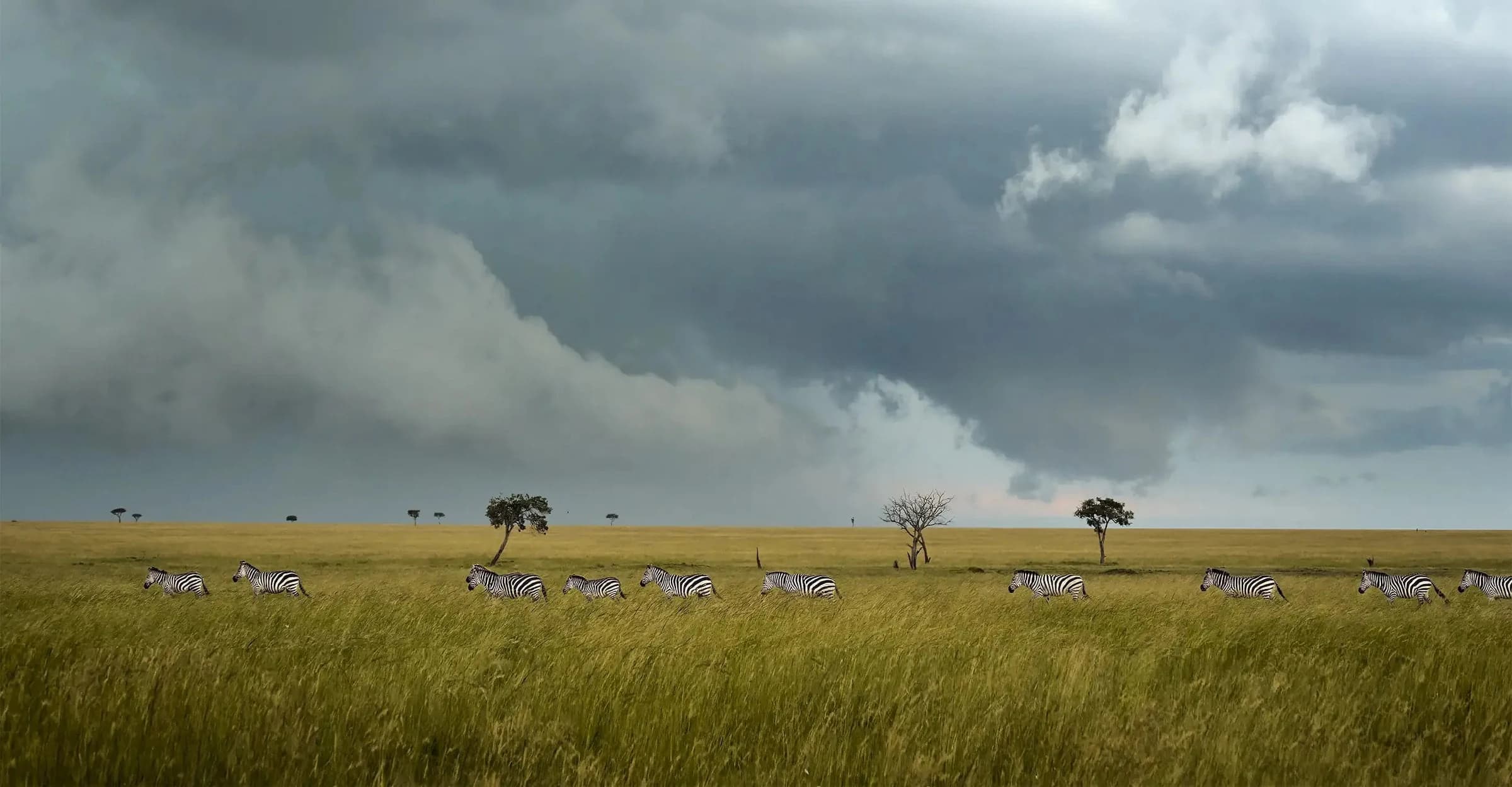
05Use the adapted vehicle as your wildlife-viewing base across the Mara roads.
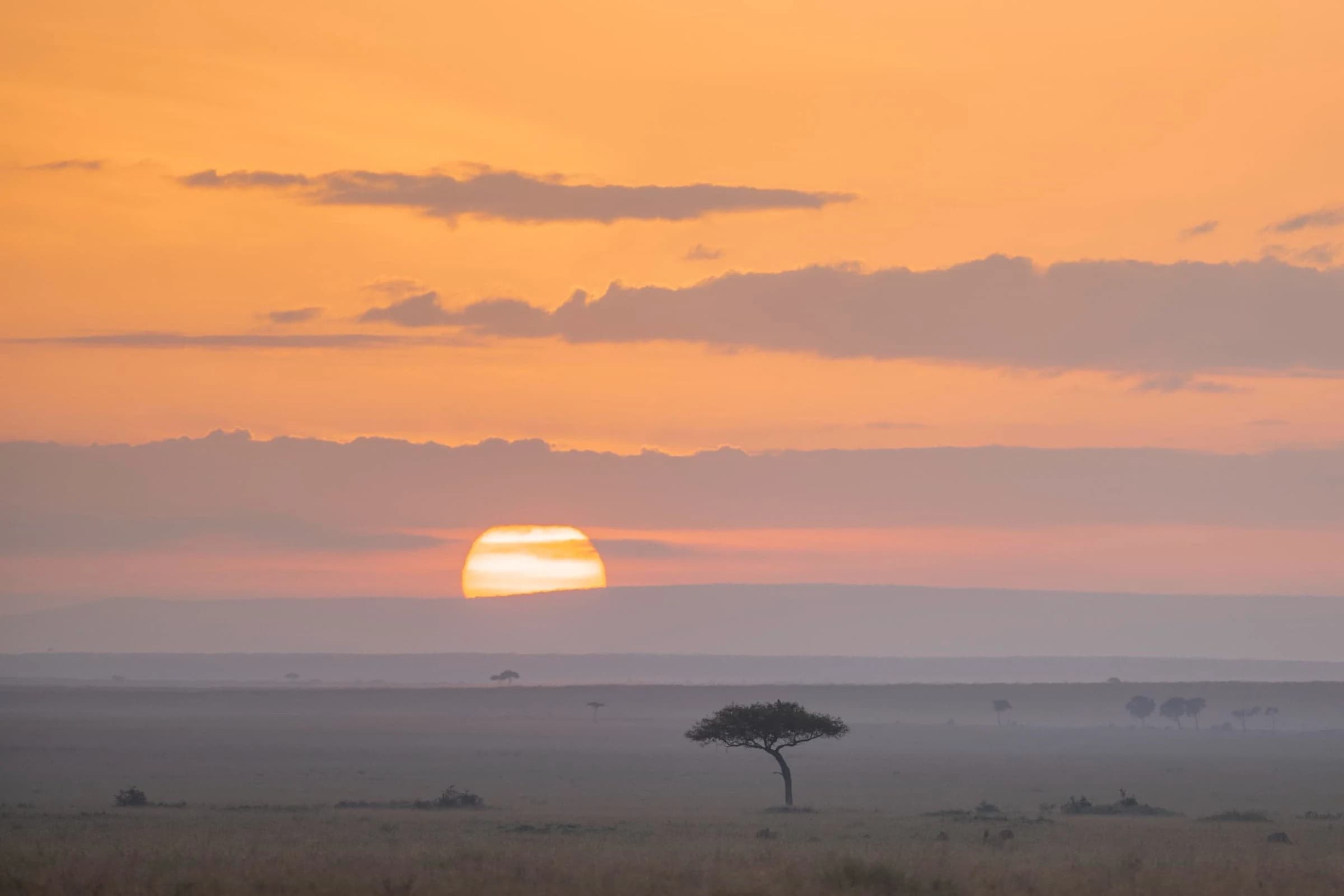
The light leaves the grassland, and the day’s driving is done.
Where you’ll stay
Accommodation ranges from Essential to Private Collection, but category never proves access. Nobu has checked accessible rooms; for your dates, we check the exact room, bathroom, route from vehicle and any equipment against your own requirements.
NAIROBI
LAKE NAIVASHA
MAASAI MARA
Add to your journey
Select an idea to carry into your brief. Nothing is added to a booking or priced automatically.
A route with room to breathe
Nairobi → Lake Naivasha → Maasai Mara → Nairobi. The route stays on the road so the same adapted vehicle can support the main journey. Exact access checks are booking-specific.
A sense of the days
Keep the first day light after the flight. Rest first: meeting the trained guides or staff and seeing the vehicle can wait until you are ready, provided it happens before you leave the city. Bring chargers and spare batteries in a bag you can reach. A second Nairobi night suits a long flight, so the road to the lake starts rested.
Much of this day is spent seated, on a highway shared with heavy traffic where roadworks set the pace. Keep your seatbelt, and any chair restraint in use, fastened whenever the vehicle moves, and tell the guide when you want to stop or change position; the road limits what is possible. A later start gives a calmer morning but a shorter afternoon at the lake.
Nothing is fixed today. Rest, see the lake by day, or take on a single outing; a boat trip requires an access check of its own before it can be added. Hippos feed on lodge lawns at night, so stay within the lodge’s rules for moving around outside. Doing nothing is a fair choice, and you can decide on the morning.
Today is another long day seated, and the slow, bumpy tracks inside the reserve come at the end of it. Ask for any break before the tracks begin; once on them, the road decides when stopping is possible. If you arrive late, rest, and begin the drives the next morning instead of squeezing one in.
Plan drives around your energy, not the clock. Many start early, rest at camp through the heat, and go out again later for a shorter outing, returning in the early evening. Tracks inside the reserve are bumpy and slow, so even a short drive means a long time in your seat. A fourth night, if you add it, allows a day without a drive.
Leave after breakfast and keep the day free of plans, because the traffic into Nairobi sets the time you arrive. Expect a full day seated, on rough tracks at first and slow roads later, with your seatbelt fastened the whole way. A flight home that evening leaves little room for delay, so choose a later one or ask about an extra night in the city.
One or two nights in Nairobi, two at Naivasha and three or four in the Mara make six to eight nights.
Clear from the beginning
Every journey is quoted in full, with no surprises.
Good to know
Kenya, Step-Free links Nairobi, Naivasha and the Mara by road, with no light-aircraft sector in the core plan. An emergency is different: AMREF Flying Doctors provide air evacuation from the Mara, so check your insurance covers it. Naivasha provides two nights between the city and plains, but boat boarding is not assumed. Before confirming, agree the exact vehicle, room, bathroom, paths, equipment and support. The Narok–Sekenani road into the reserve was blocked by residents on 30 July and 7 September 2026; a blockade can mean hours in the vehicle.
Road lets the same adapted vehicle support the main journey and avoids light-aircraft boarding. AirKenya, for example, says passengers unable to lift themselves or reach an exit unaided must travel with two people who help them board. Road surfaces still vary.
Yes. Game viewing happens almost entirely from inside the vehicle, for every visitor. What decides your view is the height of the windows and roof hatch from your seated position, so confirm it first. Mara park rules ask vehicles to stay more than 25 metres from animals; sightings vary.
Usually June to September or January to February, when the Mara tracks and camp paths are more often dry. Dust and heat come with them, and rain can soften a path within a day, so it is worth rechecking rooms and paths close to travel.
Six to eight nights gives one or two nights in Nairobi, two at Naivasha and three or four in the Mara. That shape allows an arrival review, careful road days and enough time in the adapted vehicle without moving every morning.
That depends on the exact vehicle, chair, restraint system and transfer arrangement. Confirm the travelling position before booking, including whether you transfer into a vehicle seat. The word adapted alone does not establish compatibility, and personal care or lifting support needs a separate agreement.
No. It describes this itinerary’s design, not every park, lodge or activity. A Mara balloon, for example, means climbing over a basket side about 1.1 metres high and standing for about an hour; boats and flights need their own checks.
Access needs, fatigue, pressure care, medication, heat tolerance and evacuation planning are individual. Share relevant requirements with the travel designer and seek personal clinical advice where needed. This is general information, not medical advice — consult a travel clinic.
Use alongside the route: Wheelchair-accessible safari guide · Best time to visit Kenya · Maasai Mara seasons
Last checked: October 2026.
When to go
Season matters for heat, rain and road surfaces, but your access brief and the rooms matched to it matter more than a generic calendar.
Jul / Main dry season
June to September is often drier and busier, and the Mara reserve fee doubles from 1 July. Dust and long road days still need rest built in.
Broad seasonal guidance — not a forecast, availability calendar or migration promise. Picking a month sets it in your plan.Related journeys
A journey made around you
Tell us exactly what works for you, and we’ll shape Kenya, Step-Free around it.