
Safari guide
Best time to visit the Maasai Mara
The best time to visit the Maasai Mara is July to October, when the wildebeest migration and its river crossings are in the reserve and wildlife viewing peaks. The green season (November–June) is quieter, greener and often better value, with excellent resident game year-round.
Written by Joseph Gathuru · Travel designer at Nobu Safaris
Intro
The Mara rewards travellers all year — but the season shapes the story you'll come home with. In the dry crossing months, the reserve has theatre: dust, movement, riverbanks, big cats and the pressure of the migration. In the green months, it has space: softer light, fewer vehicles, young animals and the quiet confidence of resident wildlife.
That is why the best time is not simply "when the migration is there." The migration is extraordinary, but the Mara's big-cat country does not disappear when the herds move south. If you want drama and do not mind peak-season demand, July to October is the headline. If you want a more intimate Mara, January to March or the quieter green months can feel more personal.
The detail
- July–October — peak. The migration is in the Mara; the river crossings are the headline act. The most spectacular time, and the busiest, at the highest rates. Crossings are never guaranteed on a schedule, so the best itineraries build in enough nights and avoid treating the river as a one-day appointment.
- January–February — dry and bright. Warm, dry, excellent resident game (lion, cheetah, elephant) without the migration crowds. This is a strong choice for travellers who want the Mara's predator density and open plains without the intensity of crossing season.
- November–June — green season. Short rains around November, longer rains around April–May. Lush landscapes, newborns, superb birding, fewer vehicles and gentler rates — with strong resident wildlife throughout. April and May require the most flexibility, but the surrounding green months can be quietly beautiful.
The conservancies around the reserve also change the decision. They can offer lower vehicle density, night drives or walking in areas where those are permitted, and a more private feel in busy months. If the migration is central, the main reserve and river access matter. If the Mara's cats, light and space matter more, a conservancy-led design may be the better fit.
For many travellers, the best Mara itinerary uses both ideas carefully: enough access to the reserve when crossings matter, and enough conservancy time to let the safari breathe. That balance is especially useful in peak season, when the wildlife is extraordinary but the most famous locations can feel busy.
For families, the Mara also works because it delivers quickly. Children do not need to sit through days of travel before the first lion or elephant appears. The season still matters, but the reserve's year-round resident wildlife makes it forgiving for school holidays, first safaris and multi-generational trips.
Key facts
Migration: ~Jul–Oct. Driest/brightest: Jan–Feb & Jul–Oct. Green season: Nov–Jun (fewer crowds, better value). Resident game: superb year-round. Tip: the Mara's big cats are there every month. Design note: choose reserve or conservancy by the experience you want, not only by the month.
Why Nobu for this
We design Mara journeys for every season — see → Into the Wild Mara — and we'll match your travel dates to the experience you want. For crossings, that means patient placement and enough nights. For green season, it means lodges and conservancies that make the most of space, light and resident cats. For families, it means pacing the days so the Mara feels alive rather than over-scheduled.
Suitability — "right for you if…"
Chasing the migration → Jul–Oct. Want value, space and green landscapes → Nov–Jun. Either way the cats are home. First-time safari and one clear answer needed → late June to October is the safest pick. Returning traveller, photographer or someone who dislikes crowds → January–March or selected green-season months may be more rewarding.
Related Nobu journeys
- Into the Wild Mara — the Mara, timed to your season. → Explore
- Mara and Amboseli Classic — the Mara paired with elephants and Kilimanjaro light. → Explore
- Mara and the Lakes — a wider Kenya rhythm with birding and Rift Valley texture. → Explore
Common questions
- When is the migration in the Maasai Mara?
- Roughly July to October, including the river crossings.
- Is the green season worth it?
- Yes — fewer crowds, lush scenery, newborn wildlife and often better value, with excellent resident game.
- Are there always big cats in the Mara?
- Yes — lion, cheetah and leopard are resident year-round.
- How many nights do I need for river crossings?
- Give yourself several nights in the right area; crossings depend on herd movement, weather and patience.
- Should I stay in the reserve or a conservancy?
- For crossings, reserve access can matter; for space, privacy and varied activities, conservancies are often excellent.
- Is the Mara good outside migration season?
- Yes. The cats, elephants and plains remain; what changes is crowd level, grass height, colour and whether the herds are present.
More guides
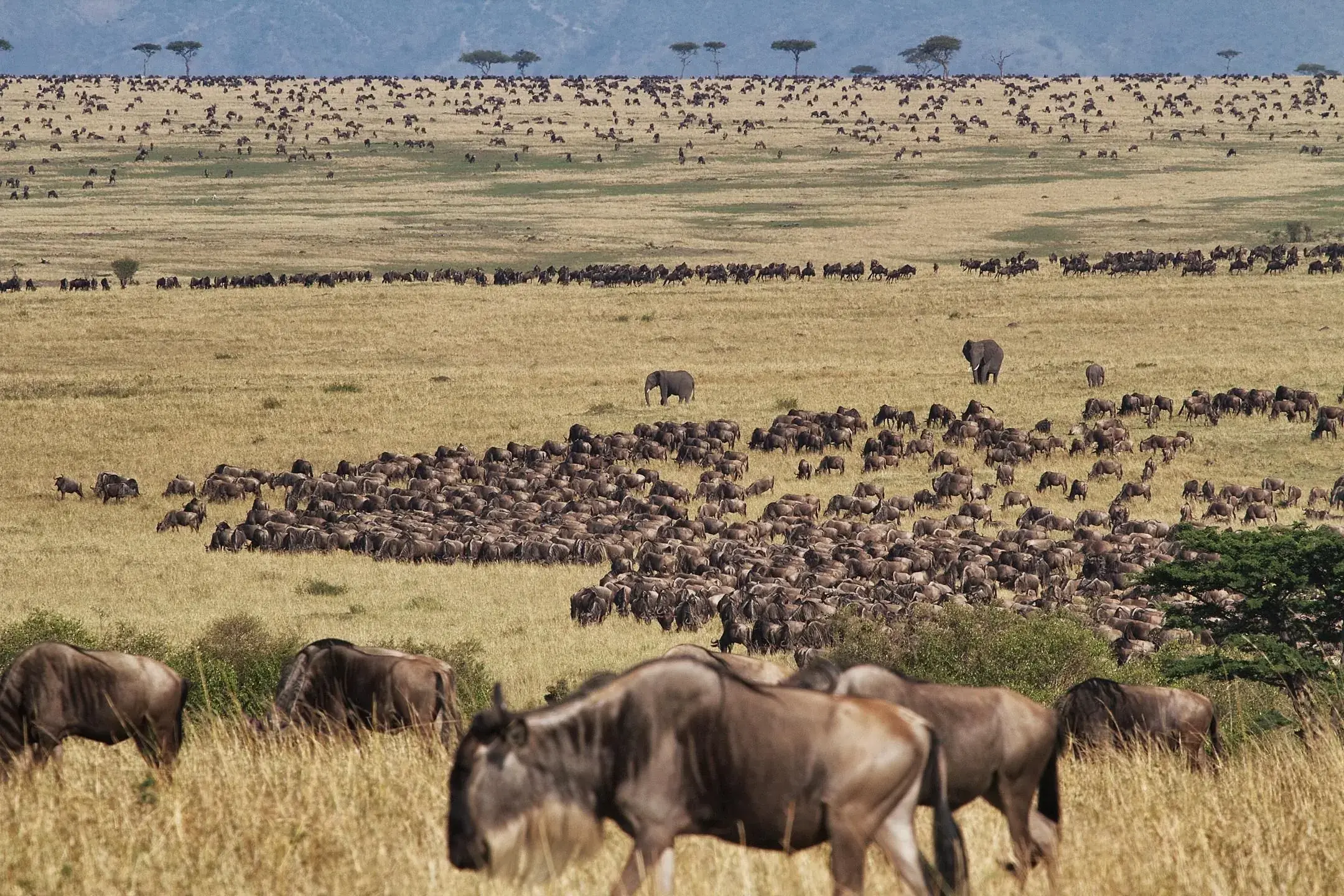 Best time to visit the SerengetiWhen to visit the Serengeti: the dry season (June–October) for the northern river crossings, late January–February for calving in the south, and the green season for value. Your Africa, beautifully told.
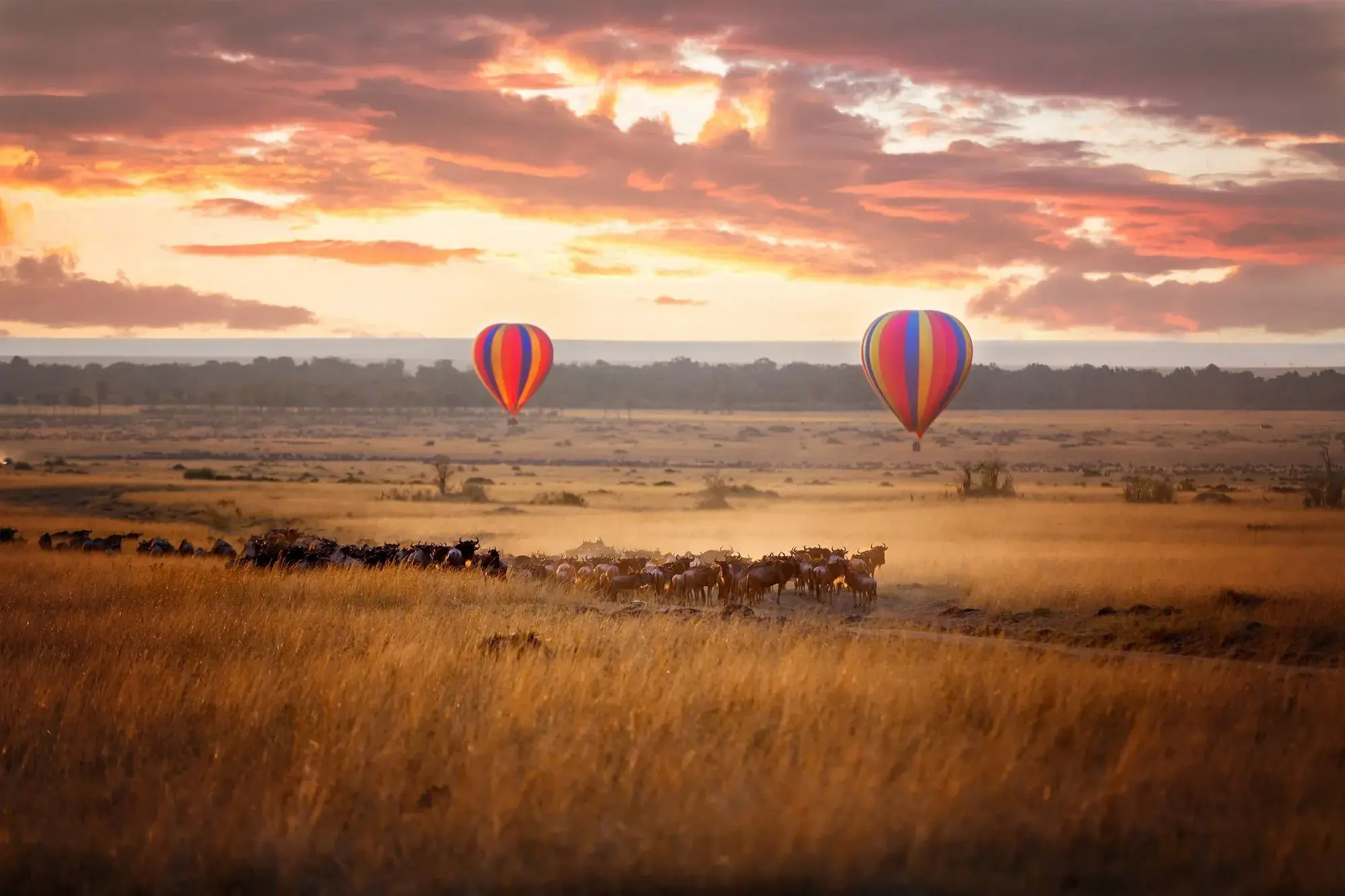 How much does a safari cost?What a safari costs and why — the real drivers (season, accommodation tier, group size, route and country) explained honestly, with no fixed price tags. Your Africa, beautifully told.
- Kenya vs Tanzania safari: which is right for you?Kenya or Tanzania for your first safari? An honest, side-by-side comparison of wildlife, the migration, cost, access and when to go. Your Africa, beautifully told.