Start here
Last checked: October 2026.
The Maasai Mara and the Serengeti are one ecosystem split by a border, and the same herds use both. In the Maasai Mara vs Serengeti decision, neither park has better wildlife in general. The differences are size, which months the herds are there, how you get in, how crowded the sightings are and what the fees look like by season. Each of those points one way or the other depending on when you travel and how long you have.
If you are still deciding between the two countries, rather than the two parks, start with Kenya vs Tanzania.
The detail
Side by side.
| Maasai Mara (Kenya) | Serengeti (Tanzania) | |
|---|---|---|
| Size | About 1,510 km² of national reserve, plus community conservancies on its northern and eastern edges | About 14,763 km², close to ten times larger |
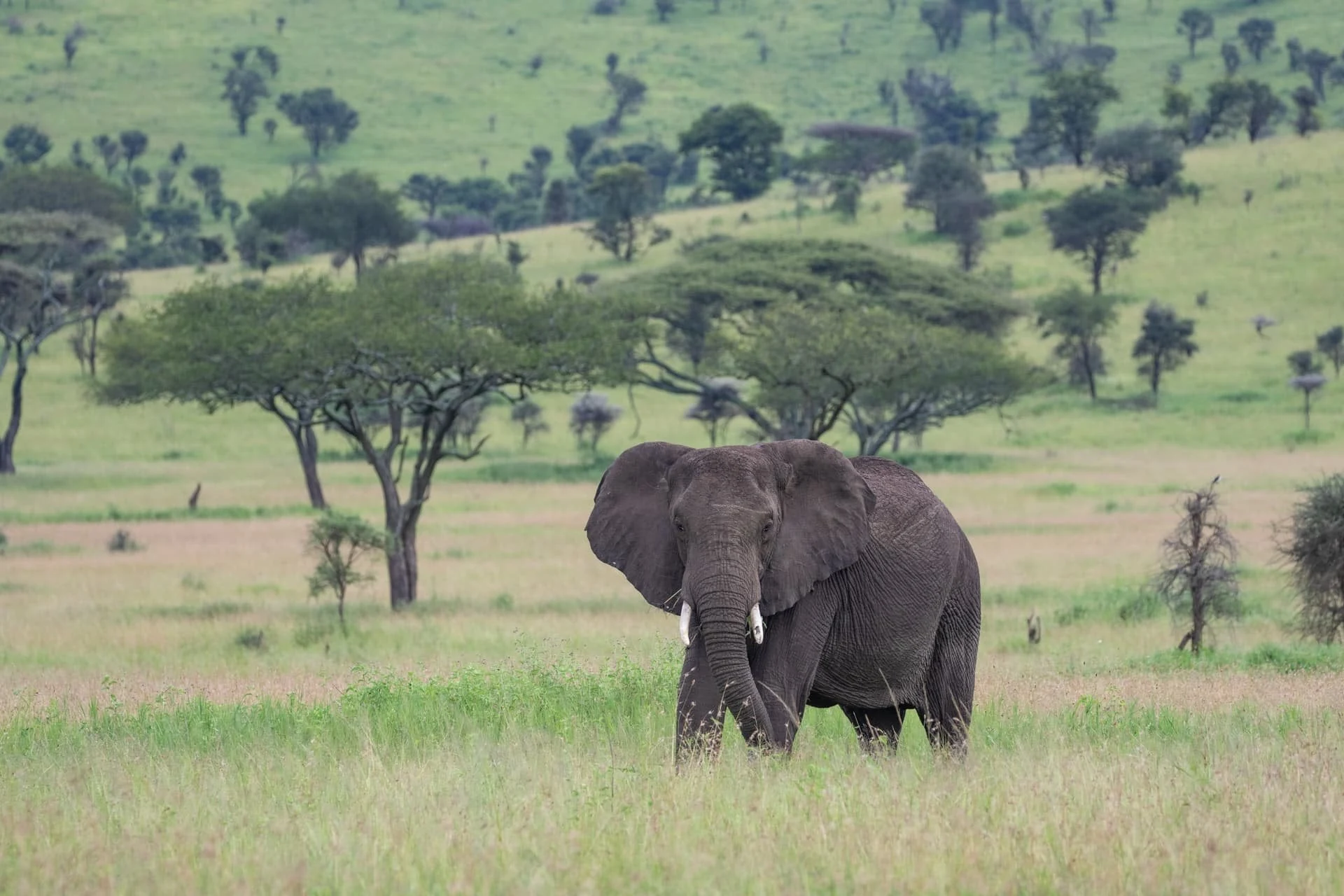
| Landscape | Rolling grassland, riverine forest along the Mara and Talek rivers, the Oloololo escarpment on the western edge | Open short-grass plains with granite kopjes, woodland in the west and north |
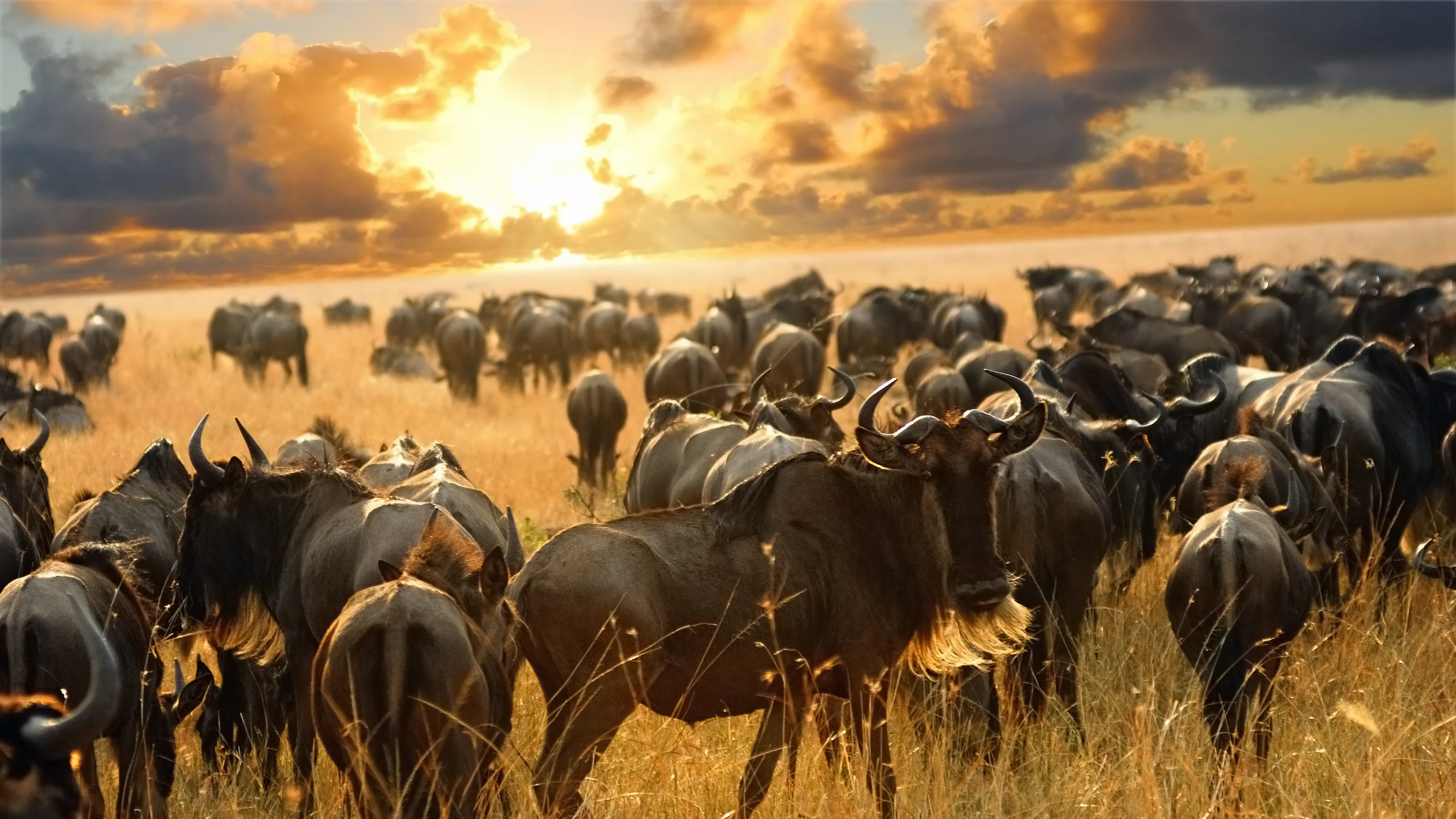
| Herds present | Usually about July–October | All year, in different regions |
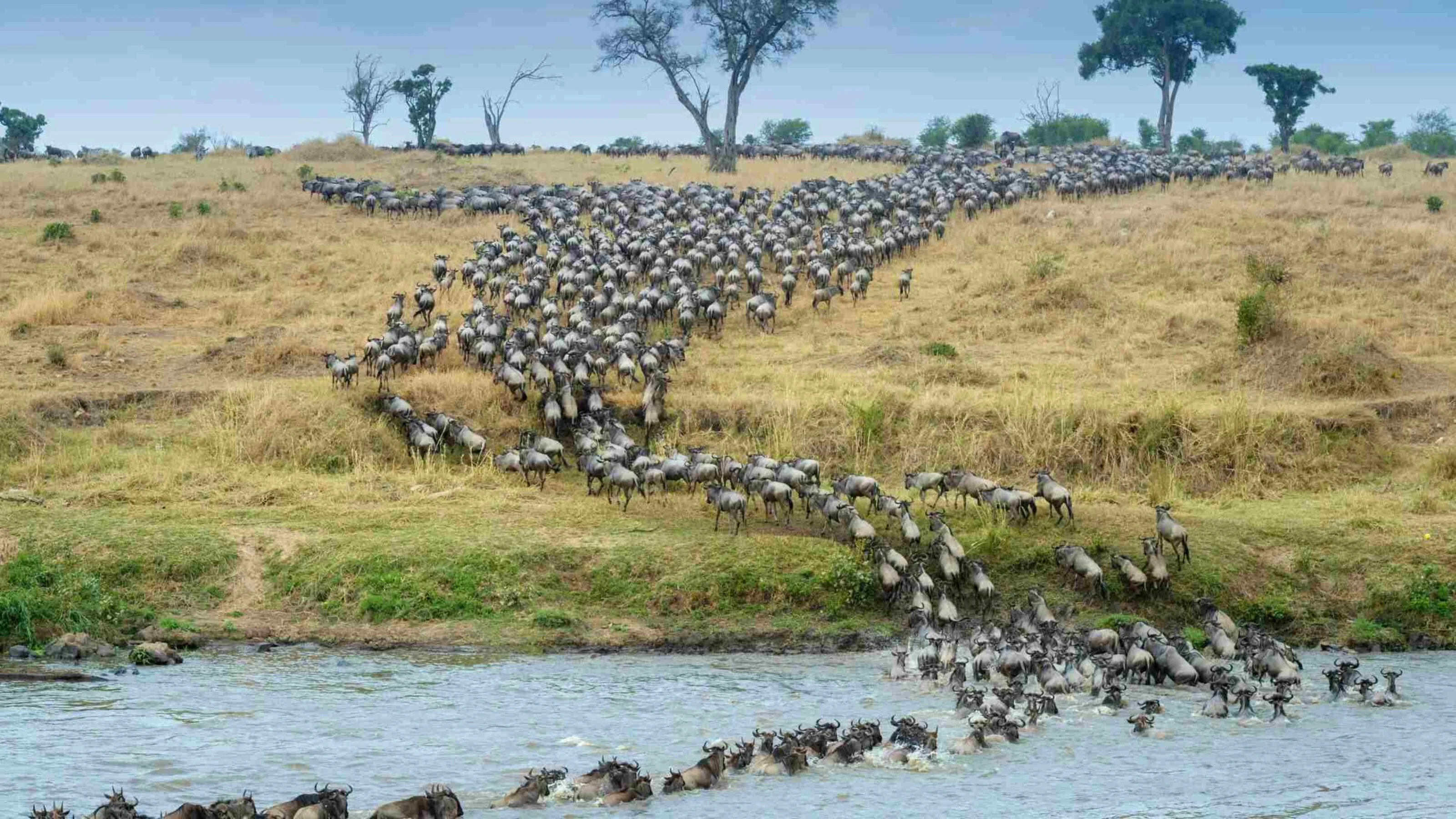
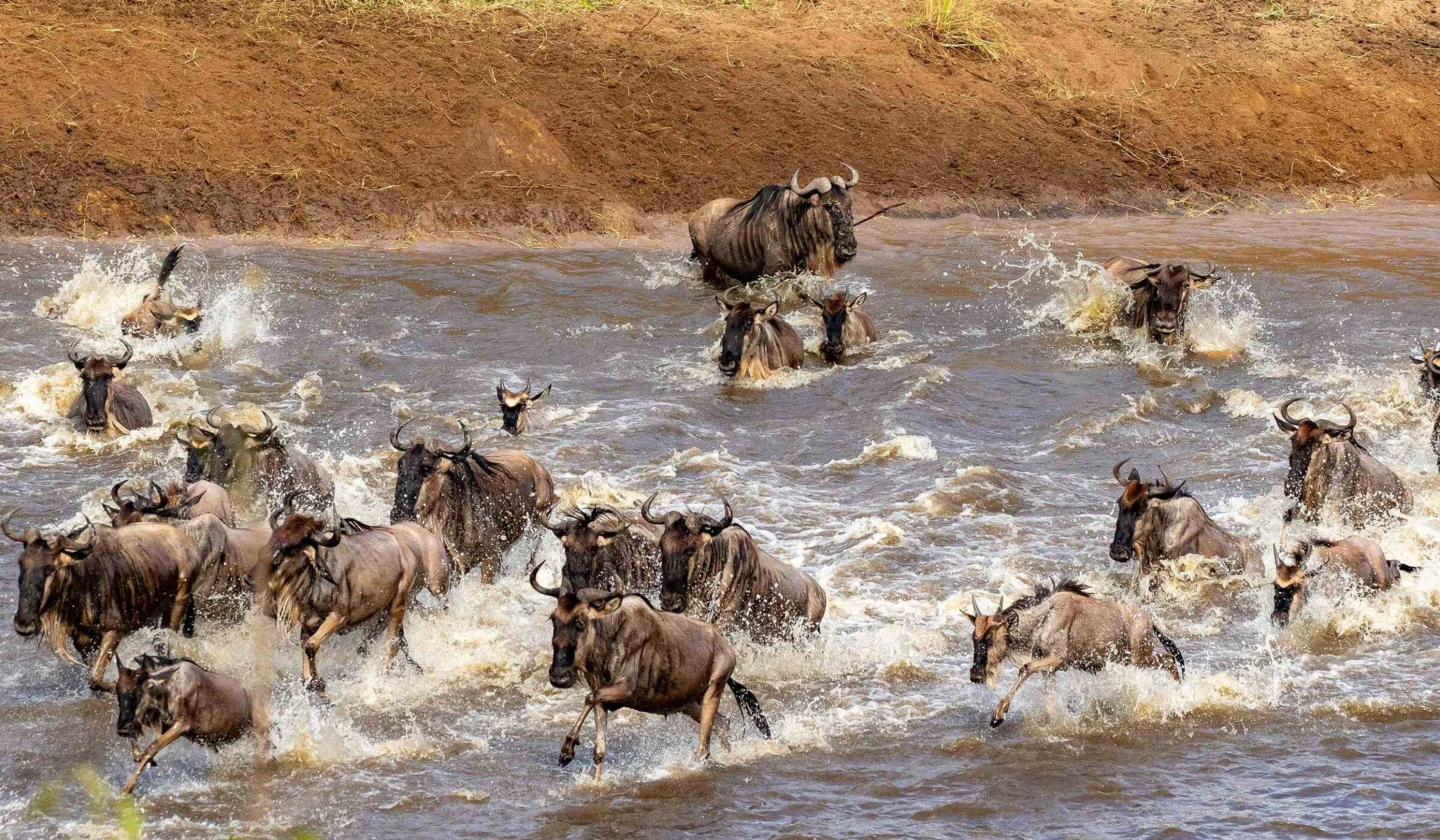
| River crossings | Mara River, July–October, most often August–September | Mara River in the far north, same months |
| Calving | No | Southern plains and Ndutu, late January–March, peak February |
| Access from the hub | About 45 minutes by light aircraft from Nairobi; 5–6.5 hours by road | More time between regions, and often more flying |
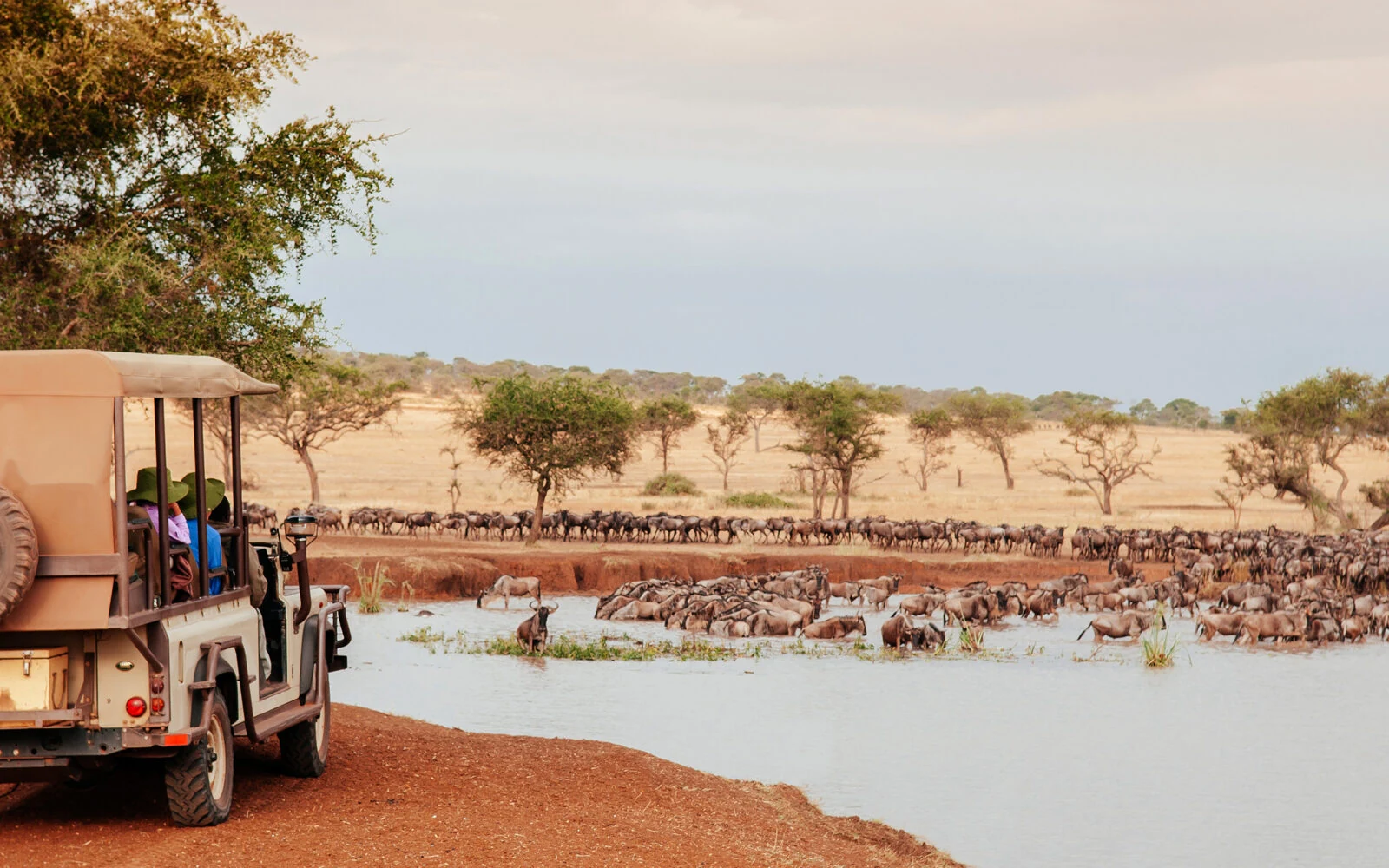
| Ways to watch | Reserve: daytime drives on tracks. Conservancies: walking, night drives, off-road driving | Daytime drives in the park; ranger-led walks in some areas; walking and night drives in private reserves on its edges, such as Grumeti |
| Published non-resident adult entry | USD 100 (1 January–30 June); USD 200 (1 July–31 December); daytime ticket. Check source dates. | TZS 178,850 (Dated live entrance records; valid 2026-05-16–2027-03-14); published 24-hour entry basis. Overnight charges need separate confirmation. |
Timing decides more than the park. Between December and March the herds are in the southern Serengeti, so the Mara has its resident game but not the migration. From July to October the herds spread across the Mara and the northern Serengeti, and crossings happen on both stretches of the same river. Between those windows the herds are moving through the central and western Serengeti. The full month-by-month route is on the best time to see the great migration.
Crowds: the conservancies change the Mara's answer. The Mara reserve is compact and popular, and its best-known crossing points can draw long lines of vehicles in August and September. The community conservancies that border it work differently: they are generally closed to day visitors, limit the number of camps and vehicles, and allow walking safaris and night drives, which the reserve does not. The conservancies are Maasai land leased to camps, and the lease payments go to the families who own it. Rules differ by conservancy, and their fees are set separately and vary, so they are quoted with the camp. The Serengeti's answer to crowds is simply space. Where the Mara is framed by forest-lined rivers and its western escarpment, the Serengeti's plains run to the horizon: outside the crossing season and away from Seronera, you can drive a long way without seeing another vehicle.
Park fees, park by park. Maasai Mara National Reserve fees shows the published January–June and July–December reserve bands. Serengeti National Park fees: TZS 178,850 (Dated live entrance records; valid 2026-05-16–2027-03-14) per adult, using the published 24-hour entry basis. TANAPA’s dated amounts are in TZS. Its webpage says VAT is included where applicable, while the linked 2023/24 booklet says charges exclude 18% VAT. Tax treatment remains unresolved; confirm the payable amount before booking. Vehicles, overnight stays and activities need separate confirmed lines. Compare the actual dates and chargeable periods before drawing a cost comparison.
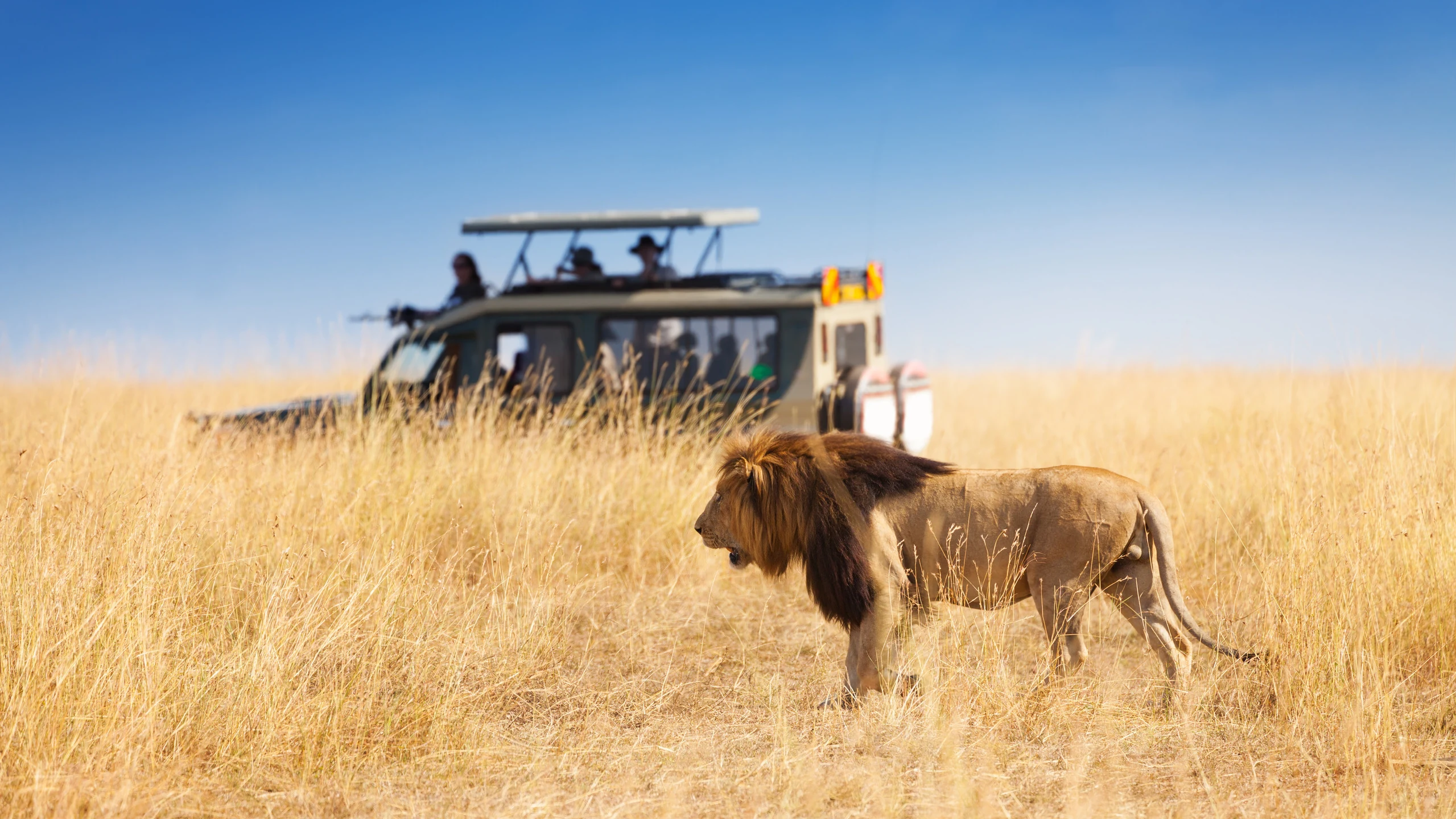
Big cats in both. Lion, leopard and cheetah are resident in both parks all year. The Mara's compact size can make them quicker to find on a short stay; the Serengeti's are spread across more ground.
Key facts
Size: Mara reserve about 1,510 km²; Serengeti about 14,763 km². Herds in the Mara: about July–October. Herds in the Serengeti: all year, region by region. Crossings: July–October, most often August–September, on both sides of the border. Calving: Serengeti only, late January–March. Mara reserve fee: US$100 (January–June), US$200 (July–December) per adult per 12-hour ticket. Serengeti fee: use the dated TZS park reference; overnight charges need separate confirmation. Nairobi to the Mara: about 45 minutes by air; 5–6.5 hours by road. Conservancies: walking and night drives allowed; not in the reserve.
Planning it with Nobu
A designer can split the decision by month rather than by park: the Mara's conservancies for a quiet July week, the southern Serengeti for February calving, or both sides of the border when the herds are spread across them. The aim is the park that fits your dates, not the one with the bigger name.
Is it right for you?
The Maasai Mara is right for you if you have three to five nights, are flying from Nairobi, want walking and night drives as a standard part of your stay in a conservancy, or are travelling from July to October and want the herds close at hand. Less ideal from December to March if the migration is the point.
The Serengeti is right for you if you want space, are travelling between December and March for calving, have a week or more to follow the herds across regions, or would walk with a ranger or stay in a private reserve such as Grumeti. Less ideal on a short trip, because the distances eat into it.
Look elsewhere if the migration matters less to you than elephants under Kilimanjaro: the best time to visit Amboseli covers that park, which has no wildebeest migration of its own.
Journeys to consider
- The Mara, unhurried. — five days in one place, best July to October, for travellers who choose the Mara for depth rather than distance. The Mara, unhurried
- Small-group journeys — join a few other travellers, for those who want the Mara's access with shared company. Small-group journeys
- Tanzania, one chapter at a time. — eight days through Tarangire, Ngorongoro and the Serengeti, for those who choose space. Tanzania, one chapter at a time