Start here
Last checked: October 2026.
Is Kenya safe for tourists? No honest page can answer in one word, and the two governments that advise their citizens do not. What they say is specific, so this page quotes it with dates and then sets it against the places visitors actually go. Both governments update these pages without notice, so read the live versions in the week you travel.
Two neighbouring questions have their own pages. If you want to know about animals, vehicles and walking with guides, read is a safari safe. If you want to know how Nobu protects your money and your trip, see travel with confidence. This page covers the country: crime, unrest, terrorism, roads and health alerts.
The detail
What the two governments say, side by side.
| UK FCDO | US State Department | |
|---|---|---|
| Page date | Kenya page last updated 9 October 2026 | Level 2 issued 28 July 2026 |
| Overall level | Advises against travel to named areas; no whole-country warning | Level 2, "Exercise increased caution" |
| Wording on risks | "Terrorists are very likely to try to carry out attacks in Kenya"; "frequent incidents of violent crime" | Crime, kidnapping, terrorism, unrest, health and traffic safety; "Some areas have increased risk" |
| Areas to avoid altogether | Mandera County; parts of Wajir and Garissa counties; Lamu County except Lamu and Manda islands | See the list under the table |
| Advises against all but essential travel | Garissa Town; Tana River County north of the river up to Saka; within 15 km of the east coast between the Tana and Galana rivers | Not used (the US scale is levels) |
The US areas to avoid, in short:
- North-east and coast (terrorism, kidnapping): Garissa, Wajir, Mandera, Lamu, most of Tana River, Kilifi north of highway C103 and the coast north of Malindi
- West Pokot and western Turkana (crime)
- Border strips in Marsabit and Turkana (unrest)
The US list is wider than the UK one: it covers all of Lamu County, including the islands, and Kilifi north of the C103 highway. The US advisory also raises the level for some Nairobi neighbourhoods, including Eastleigh and Kibera, but readings of its page differ, so check the live page for the exact level. FCDO's stated reason for its warnings is "the risk of terrorism from groups based in Somalia", and it adds that travel insurance "could be invalidated if you travel against advice". We read the UK page on 9 October 2026. We read the US text through a mirror of the State Department page, so check the US page yourself before you book.
Where safaris go, against those lists. Neither government's warning names a park. The areas they warn about lie in the north-east, along the Somali border, and on parts of the coast. The Maasai Mara (Narok County), Amboseli (Kajiado), Samburu, Laikipia and Tsavo are not named in either list; the US text explicitly excepts Tsavo National Park from its Tana River warning. That is a reading of the maps, not a guarantee of safety. Nobu plans around the current advice, and we never route guests into any area either government warns against, including Lamu island.
Crime in cities. Street crime is the everyday risk in Kenya's big cities. FCDO writes of "frequent incidents of violent crime including mugging, armed robbery and carjacking". It names a higher carjacking risk on the old airport road and Jogoo Road in Nairobi, where fake checkpoints are possible, and lists Eastleigh, Nairobi's central business district, Mathare and Kibera as higher-risk. In Mombasa it names the Old Town and the Likoni ferry. Crime is higher around Christmas and New Year. Practical habits help: use a transfer arranged by your lodge or designer rather than hailing a car at the airport, keep phones out of sight in traffic, and leave valuables in a safe. If you stay in Nairobi, the leafy suburbs, an arranged transfer and a night or less in the city reduce the risk.
Roads. Driving is a real risk on Kenya's roads. FCDO says "Driving standards are often poor" and reports "frequent minibus hijackings and robberies". You can avoid much of the problem by flying to the parks on small scheduled planes or by travelling with a driver-guide who knows the route. The self-drive journey is planned around daylight driving and known stretches.
Protests. Demonstrations are common, mostly in cities. FCDO states that "Protests, demonstrations and strikes are common in Kenya, particularly in Nairobi". They often follow political or cost-of-living news. Stay away from crowds and check the news on arrival.
Health alert, dated. Kenya confirmed one imported Ebola case on 6 October 2026. The GOV.UK Kenya health page says: "On 6 October 2026, the Kenyan Ministry of Health confirmed its first imported case of Ebola." It adds that the government is running contact tracing, border screening and quarantine. Kenya's Health Cabinet Secretary, Aden Duale, said on 7 October 2026: "We don't have an Ebola outbreak in Kenya, what we have is an imported Ebola incident." The wider outbreak centred in DR Congo is a public health emergency of international concern, as the World Health Organization (WHO) determined on 17 May 2026. The situation can change within days, so check GOV.UK and TravelHealthPro before you fly. This is general information, not medical advice — consult a travel clinic. Separately, FCDO advises travel insurance that covers local treatment and medical evacuation, and since 5 October 2026 GOV.UK says travel health insurance is tied to Kenya's eTA application. See Kenya entry requirements.
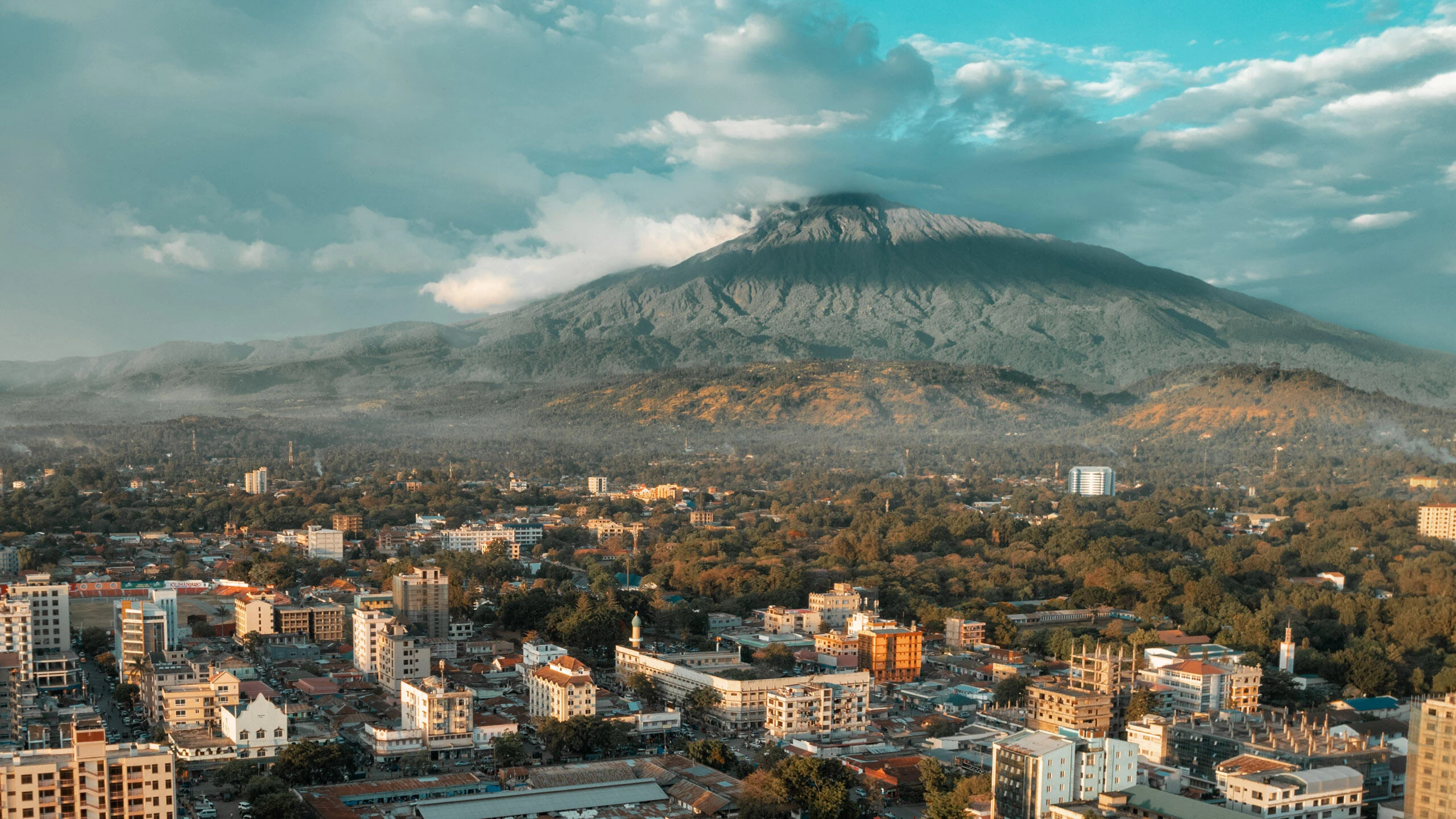
Tanzania, in short. FCDO's Tanzania page, updated 9 October 2026, advises against all but essential travel within 20 km of the border with Mozambique's Cabo Delgado province, in the far south, and warns of "armed crime ... throughout Tanzania" and that "Terrorist attacks in Tanzania cannot be ruled out". After the 29 October 2025 election it says protests and the security response "led to fatalities and injuries in many areas of mainland Tanzania". The US State Department rates Tanzania Level 3, "Reconsider travel", renewed on 31 October 2025 for unrest, crime, terrorism and the targeting of gay and lesbian people. That is a higher US level than Kenya's. Serengeti, Ngorongoro, Tarangire and Zanzibar are outside the UK warned strip. For the visa side see the Tanzania visa guide.
Practical precautions. Buy insurance that covers cancellation, medical care and evacuation; read its exclusions for travel against government advice. Do not buy safari tours from touts, as FCDO advises. Do not swim in rivers or lakes in national parks, which FCDO notes is illegal. Register for your government's alerts, and carry a copy of your passport.
Key facts
UK FCDO, Kenya: last updated 9 October 2026; advises against all travel to Mandera County and parts of Wajir, Garissa and Lamu counties. US State Department, Kenya: Level 2, "Exercise increased caution", issued 28 July 2026. US State Department, Tanzania: Level 3, "Reconsider travel", 31 October 2025. Parks: the Mara, Amboseli, Samburu, Laikipia and Tsavo are not named in either government's list. Ebola: first imported case confirmed by Kenya's Ministry of Health on 6 October 2026. Main everyday risks: city crime, poor driving, protests in Nairobi.
Planning it with Nobu
We check the UK and US advice before every quote and plan routes, transfers and flights around them, including who meets you at the airport. If advice changes before you travel, we tell you and adjust. Our protections for your money are on the travel with confidence page.
Is it right for you?
A Kenya safari is right for you if you are flying between the Mara, Amboseli or Laikipia with arranged transfers and a night or less in Nairobi, and you will follow current advice. Think again if you want to add Lamu (open under UK advice, warned against by the US), drive yourself after dark, or travel independently in the north-east, along the Somali border or the northern coast, which both governments warn about. Choose a different trip if your insurer will not cover travel in the area you want, or if you are uneasy about any country with an active health alert. To plan dates, see the best time to visit Kenya and Tanzania.
Journeys to consider
- The Mara, unhurried. — Five days in one place, with arrivals and transfers arranged. The Mara, unhurried.
- In the company of giants. — Four days in Amboseli. In the company of giants.
- Your own way through Kenya. — A ten-day self-drive with planned stays. Your own way through Kenya.