 01
Elephants at the swamp
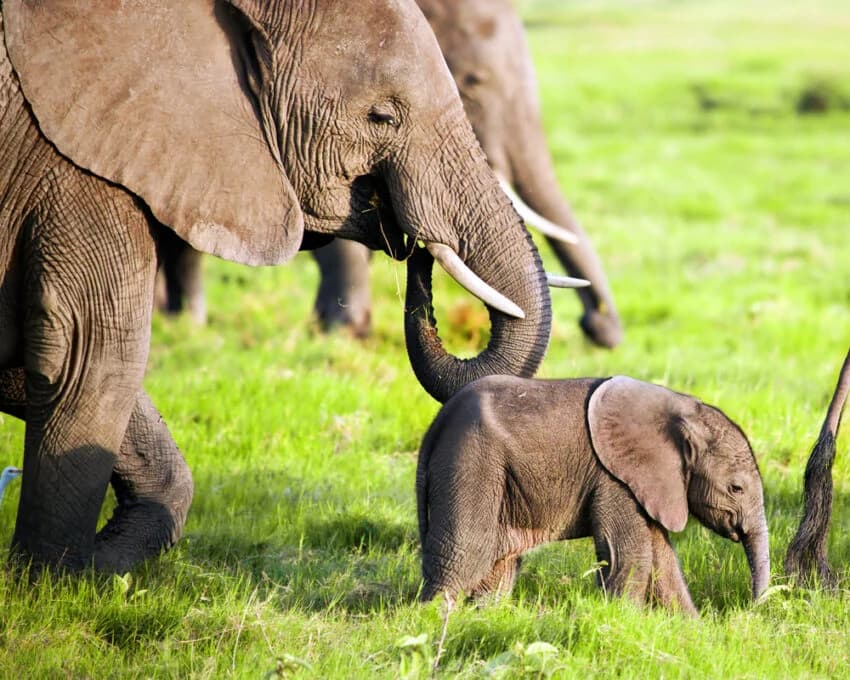
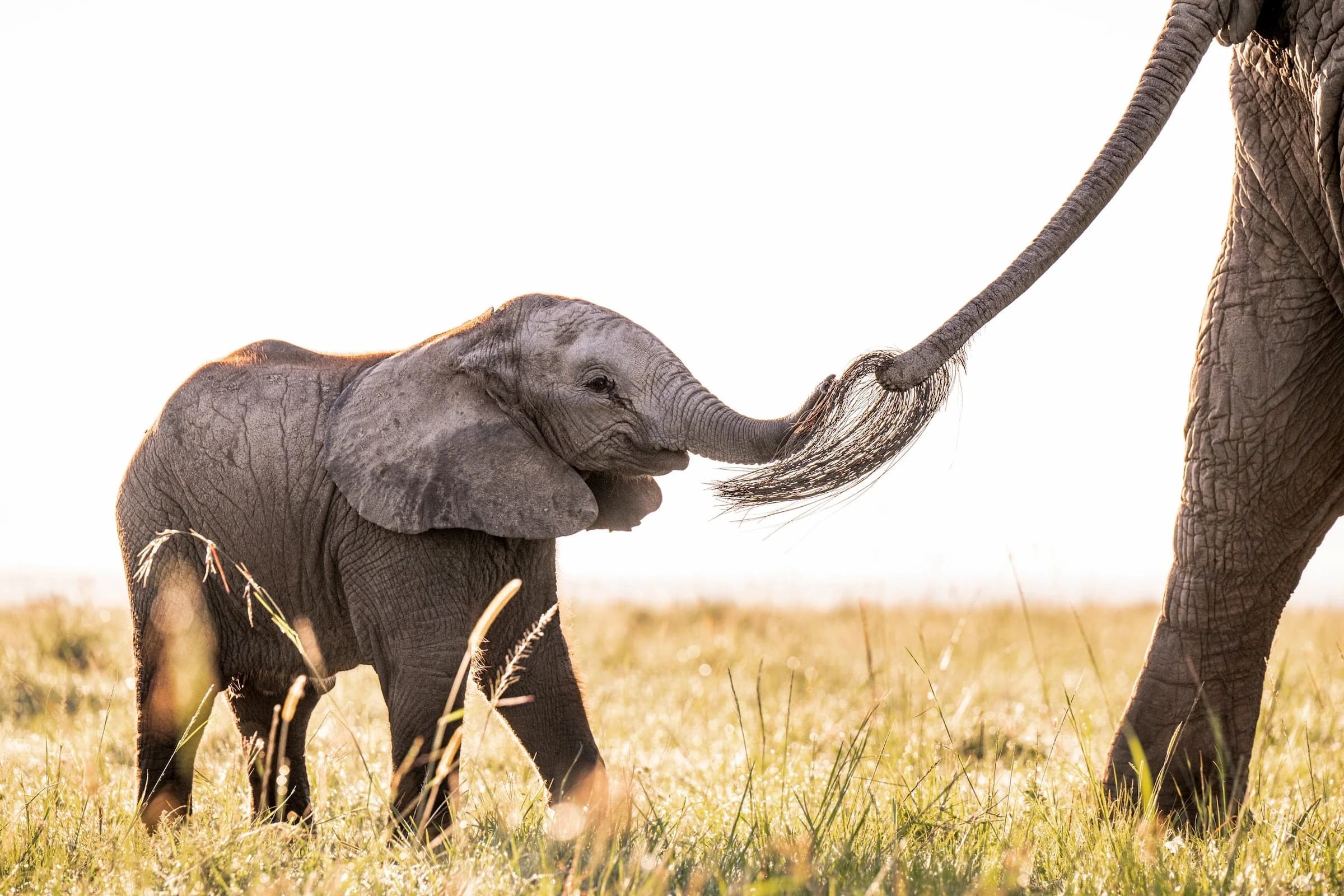
In the dry season elephants concentrate around Amboseli’s spring-fed swamps, family groups wading together.
Safari / Kenya
A first safari from Amboseli’s elephants beneath Kilimanjaro to the Maasai Mara’s open plains, flown between.
The journey
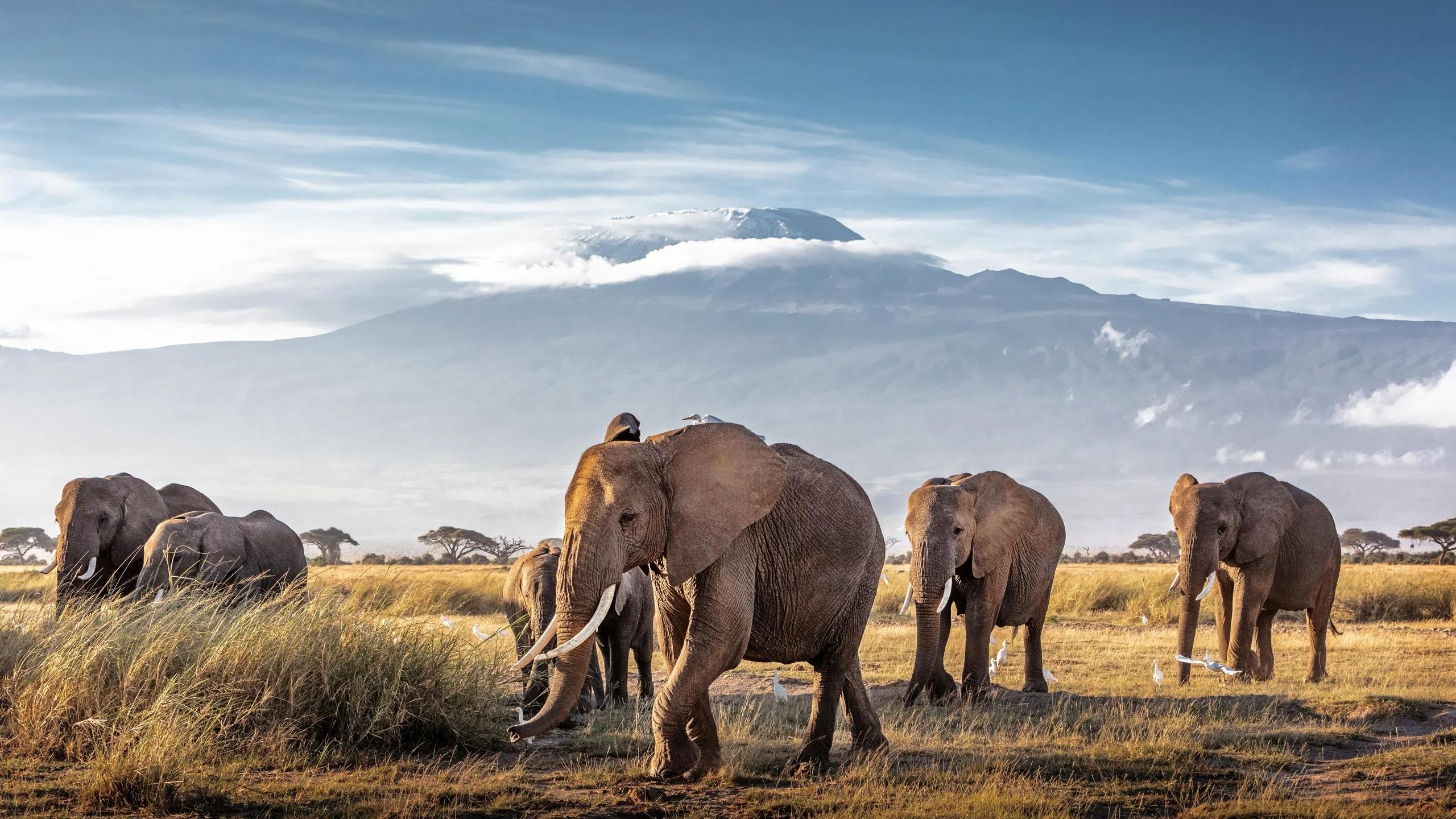
Elephants first. Amboseli’s herds feed in green swamps below Kilimanjaro, which stands across the border in Tanzania.
Then a light aircraft carries you to the Maasai Mara by late morning, a flight that replaces two days on the road. The grass runs to the horizon, and lion and leopard are most active at dawn and dusk.
Mara & Amboseli Classic suits a first safari: two very different parks, no long road days and a clear order to follow. The trade-off is the small aircraft, and a mountain that cloud may hide. If the migration is your reason to come, Into the Wild Mara gives it more nights.
Mountain first, plains second: two parks and the sky between, paced and shaped entirely on your terms.
Moments along the way
01In the dry season elephants concentrate around Amboseli’s spring-fed swamps, family groups wading together.
Kilimanjaro is often clear at dawn, before cloud builds around the summit as the day warms.
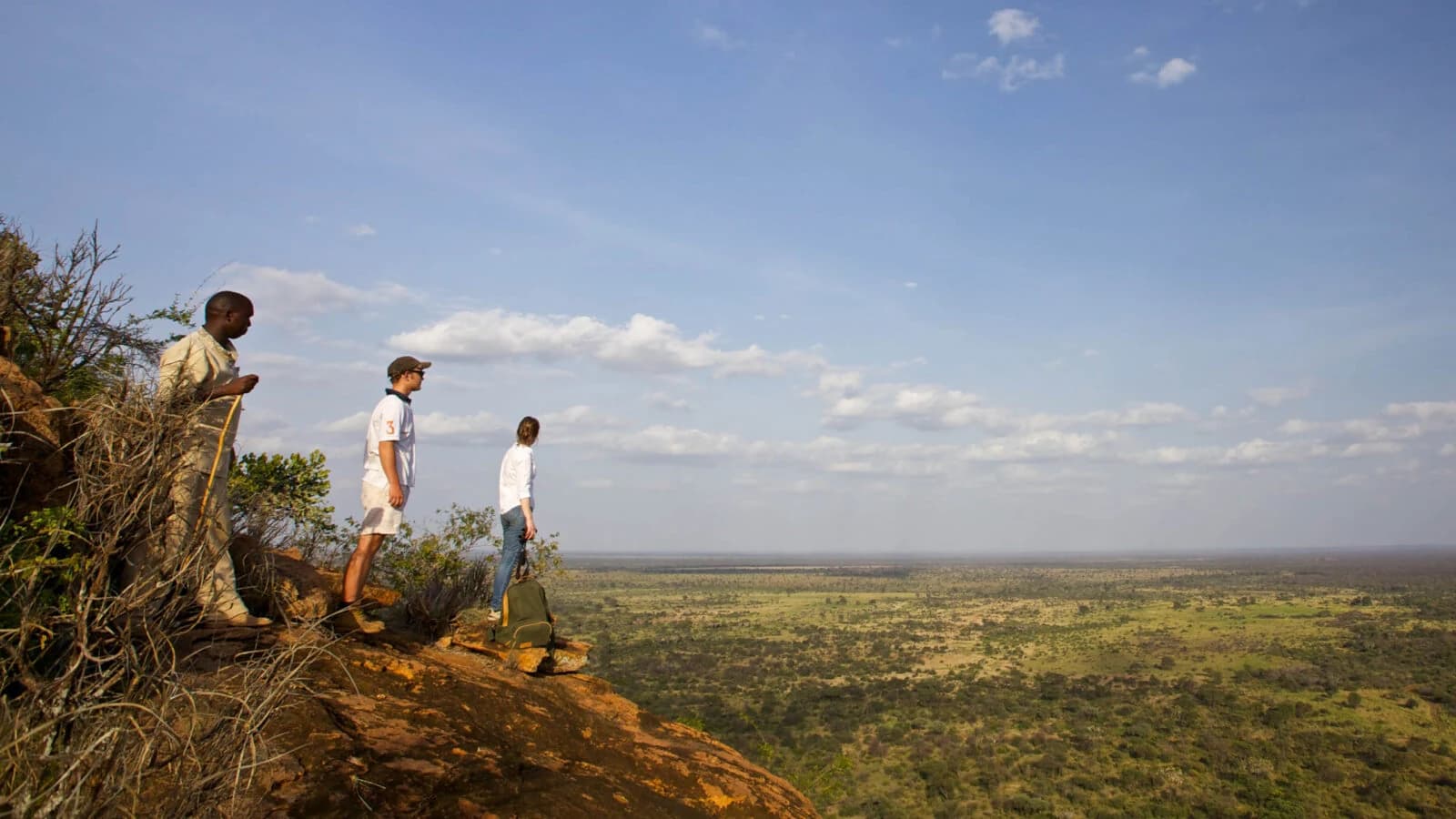
From Observation Hill, the park’s viewpoint, the swamps and plains lie spread out below.
Amboseli’s swamps shrink to green threads below the wing, and then the Mara’s grass takes over.
 05
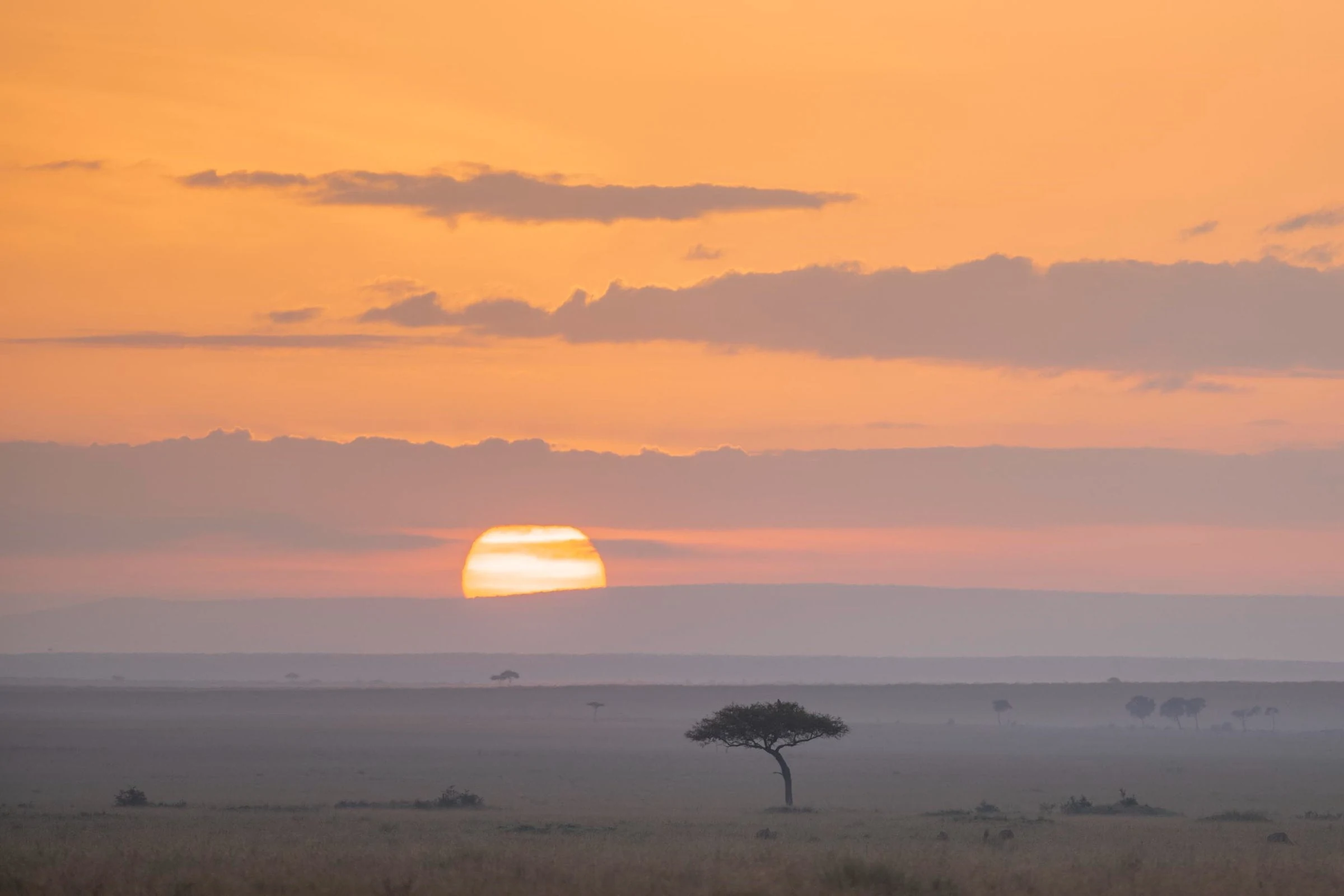
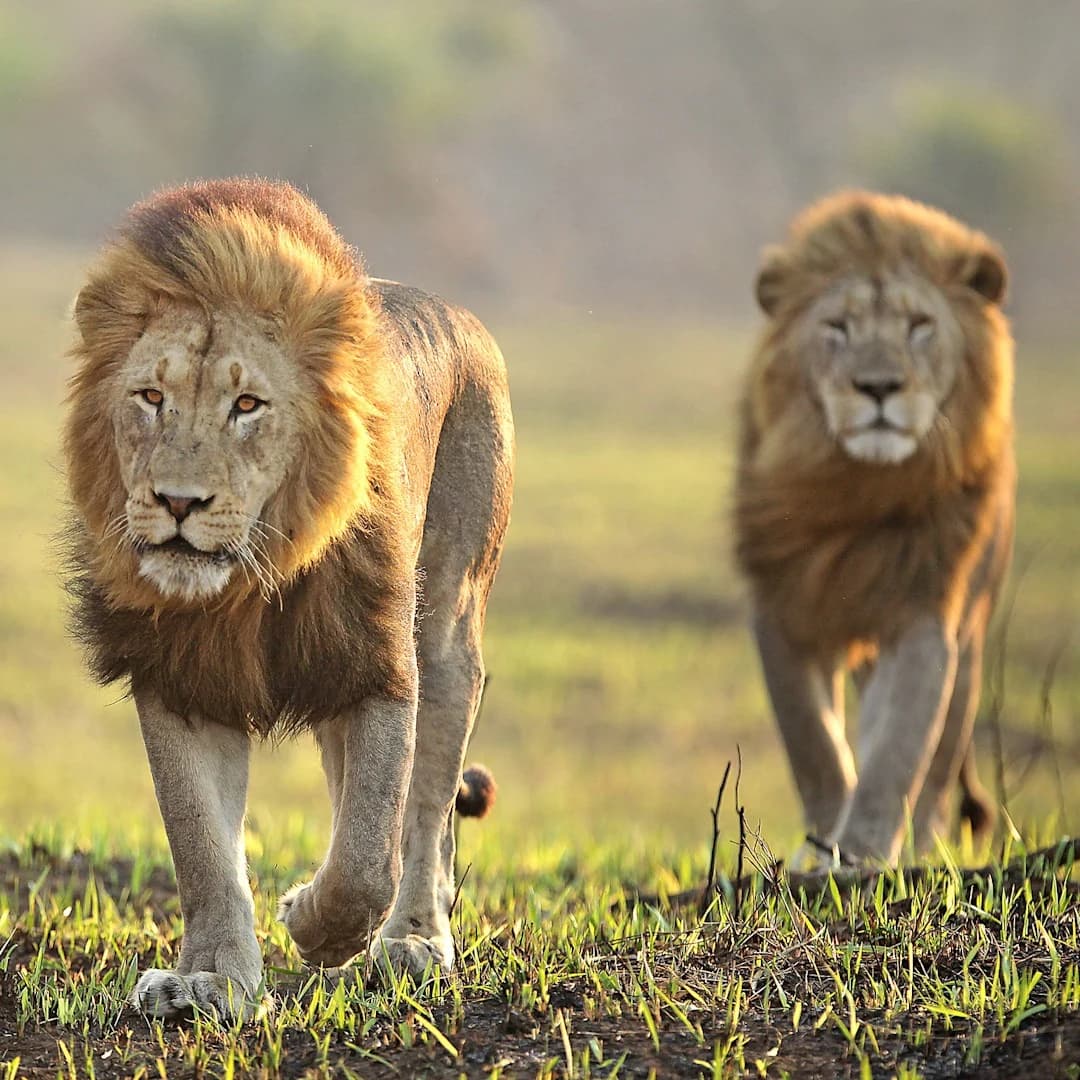
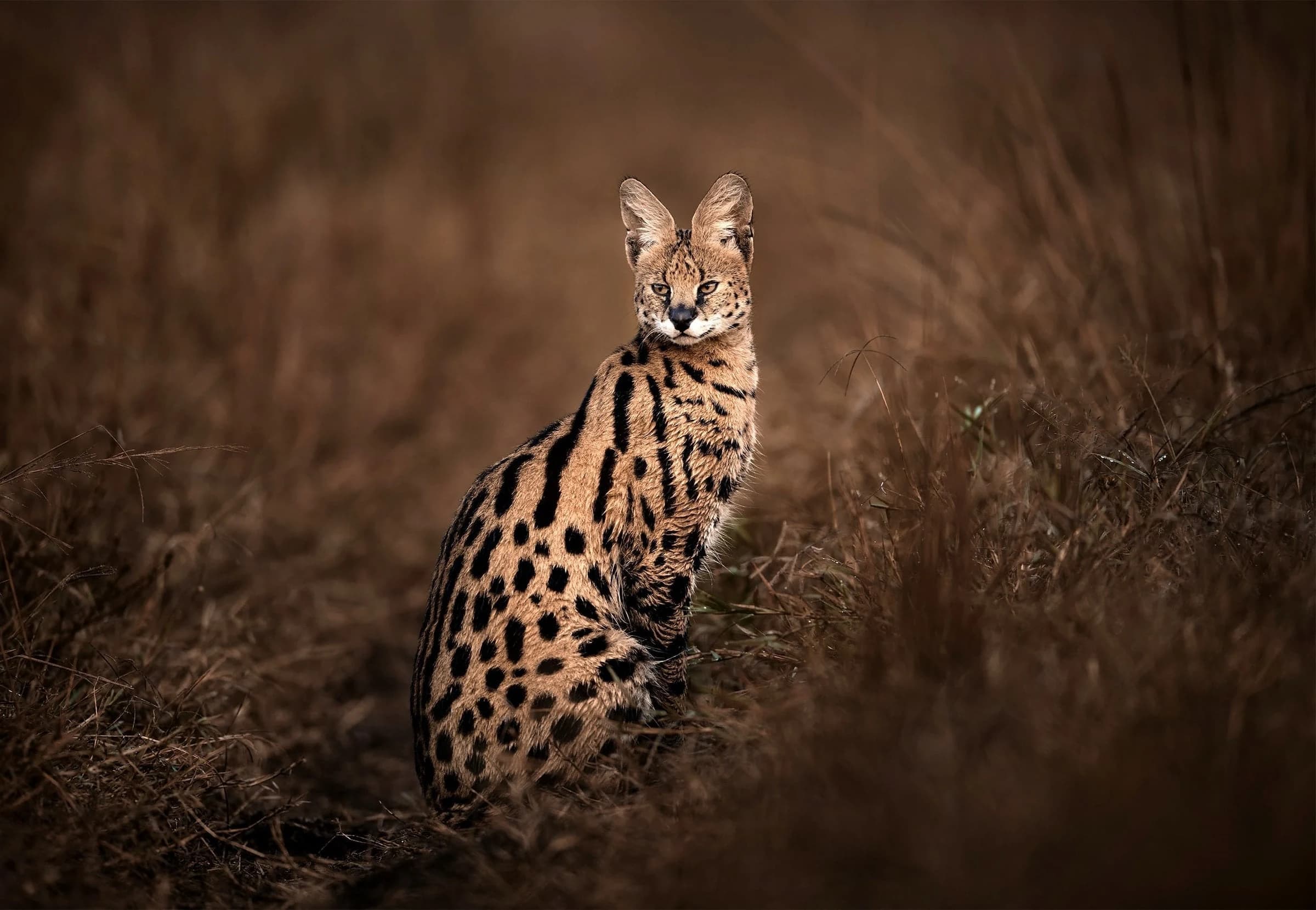
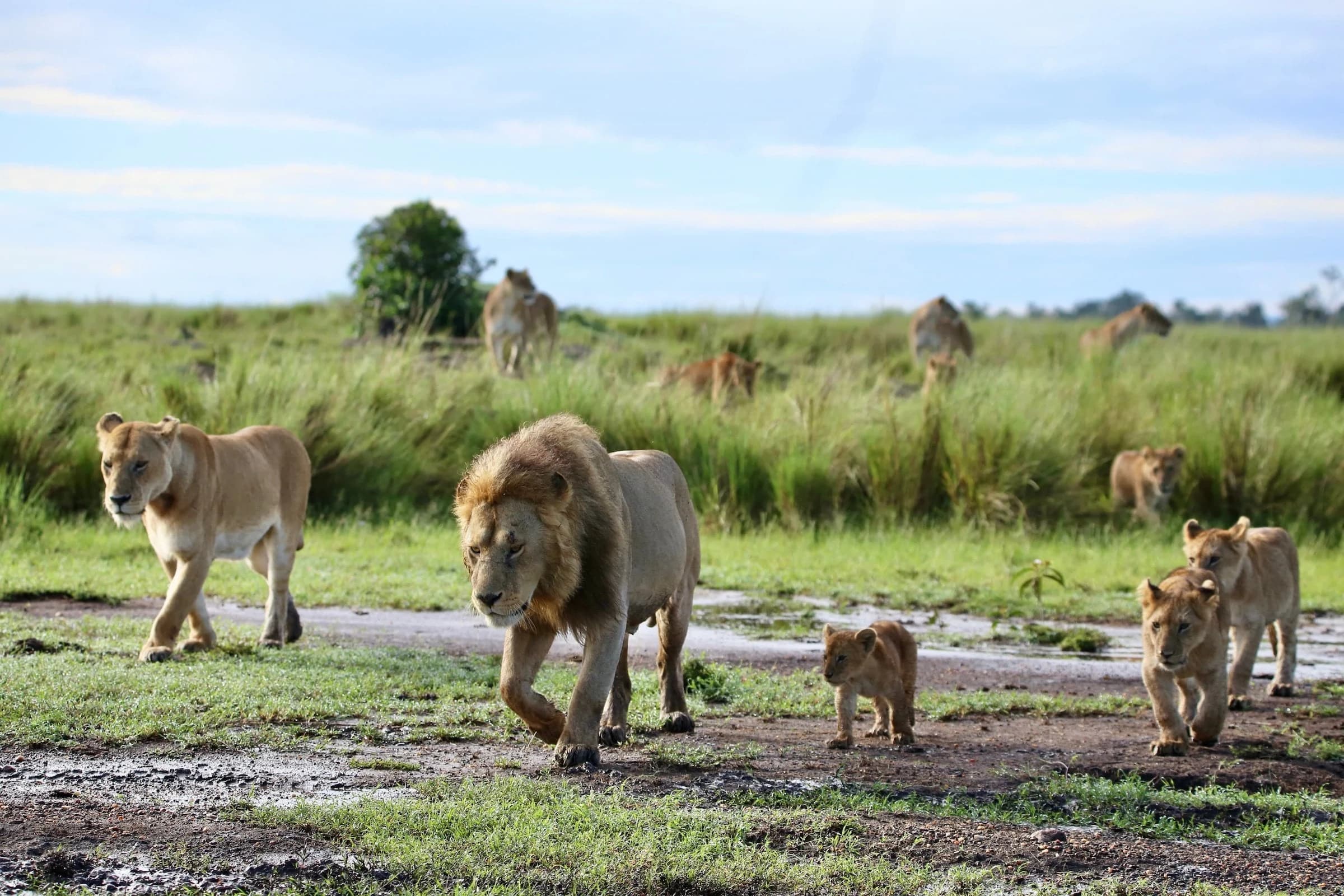
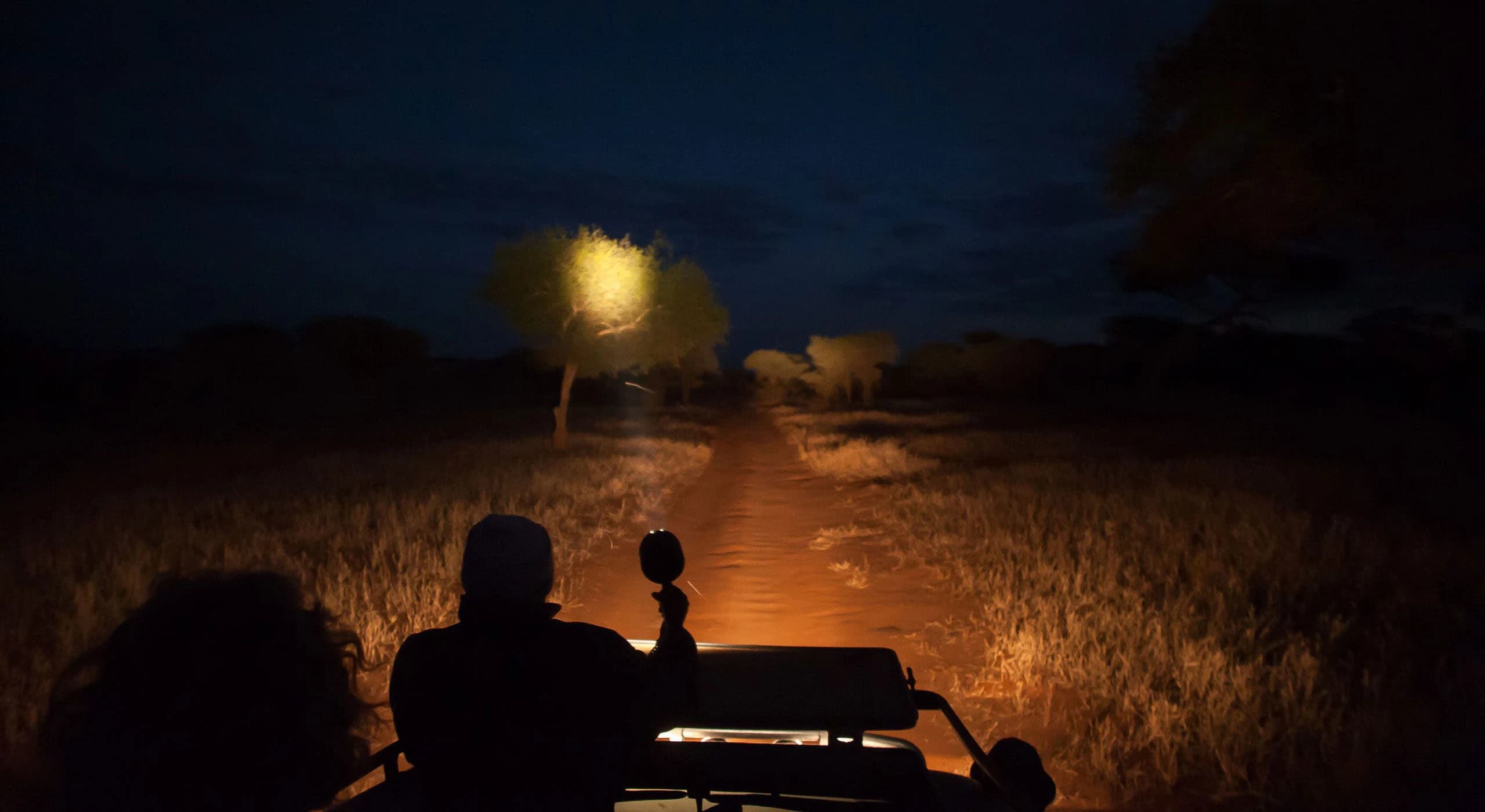
You leave before sunrise, when lion and leopard may still be moving after the night.
 06
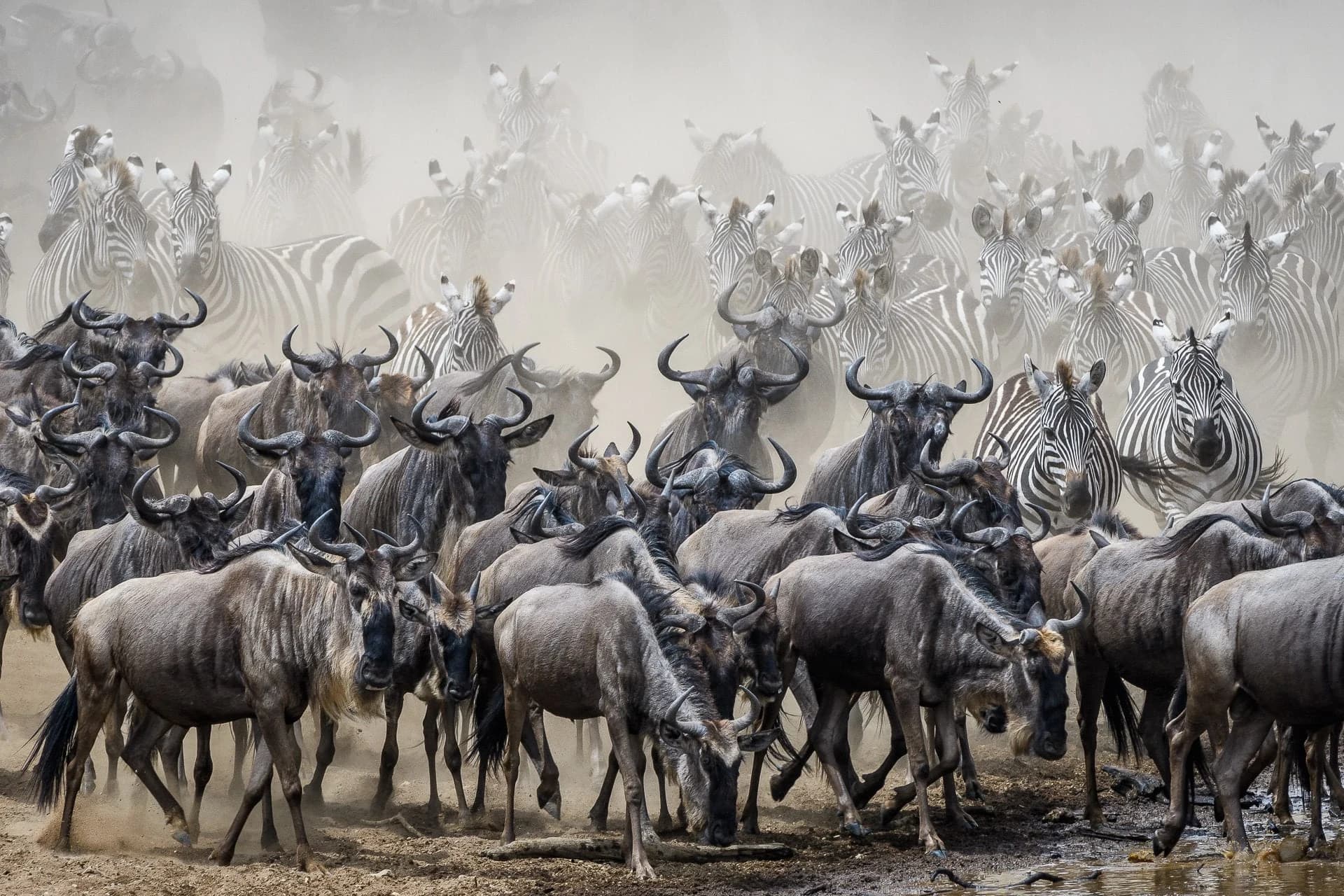
Wildebeest and zebra usually fill the Mara from July; a river crossing is luck, not timetable.
Where you’ll stay
Choose your level, from Essential to Private Collection, and we hold it across both parks. In each, the bigger choice is inside the park or reserve, or a conservancy next door: only conservancies offer guided walks and night drives.
AMBOSELI
MARA RESERVE
MARA CONSERVANCY
Your planner confirms each stay for your dates.
Add to your journey
Select an idea to carry into your brief. Nothing is added to a booking or priced automatically.
A route with room to breathe
Nairobi → Amboseli → Maasai Mara → Nairobi, by light aircraft through Wilson Airport. No scheduled flight runs Mara to Amboseli, so we open in Amboseli. Times are confirmed in your proposal.
A sense of the days
The first flight leaves Wilson early, so you are usually in camp before lunch, once the transfer from the airstrip is done. Use the heat of midday to unpack and rest, then head out for a first afternoon drive. Which airstrip your camp uses decides how long that transfer takes and how much of the morning is left.
Wake before dawn for a hot drink, then set off in the first light. In the park, vehicles keep to established roads and a 40 km/h limit, and passengers stay aboard except at designated stops. Brunch at camp leads into a long rest; the second drive runs from mid-afternoon to early evening. If you would rather start later, tell your guide the night before.
Breakfast is early, because the flight leaves in the morning. Keep your day bag light and your camera to hand; the aircraft is small. A vehicle is waiting when you land, and after lunch at camp you rest before an afternoon drive. If your flight routes through Wilson, you land later and the midday rest shrinks.
Mara days settle into a rhythm: an early drive in the cool, breakfast in the bush or back at camp, a long rest, then a late-afternoon drive to close the day. In herd season you can swap one day for a full outing with a picnic lunch towards the river; crossings keep no timetable, and at crossing points the reserve’s rules keep you in the vehicle.
Your flight time shapes the morning: an afternoon departure leaves room for another drive and a slow breakfast, while an early one means heading to the strip soon after waking. The flight to Wilson takes an hour or a little more, but times can shift with the day’s routing, so leave a generous margin before a same-day international flight, or stay a night in Nairobi.
Typically two or three nights in Amboseli and four or five in the Mara, six to eight in all. We shape the split around you.
Clear from the beginning
Every journey is quoted in full, with no surprises.
Good to know
Amboseli lies in Kajiado County, in southern Kenya near the Tanzanian border, with Kilimanjaro (5,895 m by the figure usually given) rising on the Tanzanian side. Kenya Wildlife Service lists US$90 a day for non-resident adults, but that fee and the park’s handover to the county are both before the courts, so fees are confirmed at booking. The Maasai Mara, in south-west Kenya, is the northern end of the Mara–Serengeti ecosystem, with fees set by Narok County. Together they make a classic first safari, joined by light aircraft.
They show two different Kenyas: Amboseli’s elephant swamps beneath Kilimanjaro, and the Mara’s open plains and predators. A morning flight joins them, so even the day you move ends with a drive on the plains.
Elephants are Amboseli’s signature, but no sighting is promised, and no month guarantees the mountain; it is more often clear at dawn and late afternoon. The Mara adds lion, leopard and buffalo, with rhino scarce.
July to September is the dry season in both parks, and a busy one: the Mara fee doubles on 1 July. January and February are drier and quieter. April is the peak of the long rains, when some Mara camps close.
Six to eight: two or three in Amboseli, enough for a second dawn with the mountain, and four or five in the Mara. A Nairobi night comes on top if you arrive the day before your early flight to Amboseli.
Not directly: neither airline’s 2026 timetable lists one. Safarilink flies Amboseli to the Mara, so we open in Amboseli. Going Mara first means connecting through Wilson, often with a Nairobi night; by road it is two days via Nairobi.
Choose Into the Wild Mara if the herds are the point, with more Mara nights. Choose Mara & the Lakes for rhino and water instead of Amboseli, or Kenya in Two Weeks if you have time for the north. If small aircraft worry you, tell us early.
Read before you decide:
Last checked: October 2026.
When to go
Guidance for Amboseli and the Mara, not a forecast: the camps you choose and what you want to see count as much as the month.
Aug / The busy dry season
Both parks are drier and the herds usually reach the Mara in July. The Mara reserve fee doubles to US$200 a day on 1 July, which shows in your quote. Kilimanjaro shows more often.
Broad seasonal guidance — not a forecast, availability calendar or migration promise. Picking a month sets it in your plan.Related journeys
Travel with Nobu
Based in Kenya, arranging journeys across East Africa.
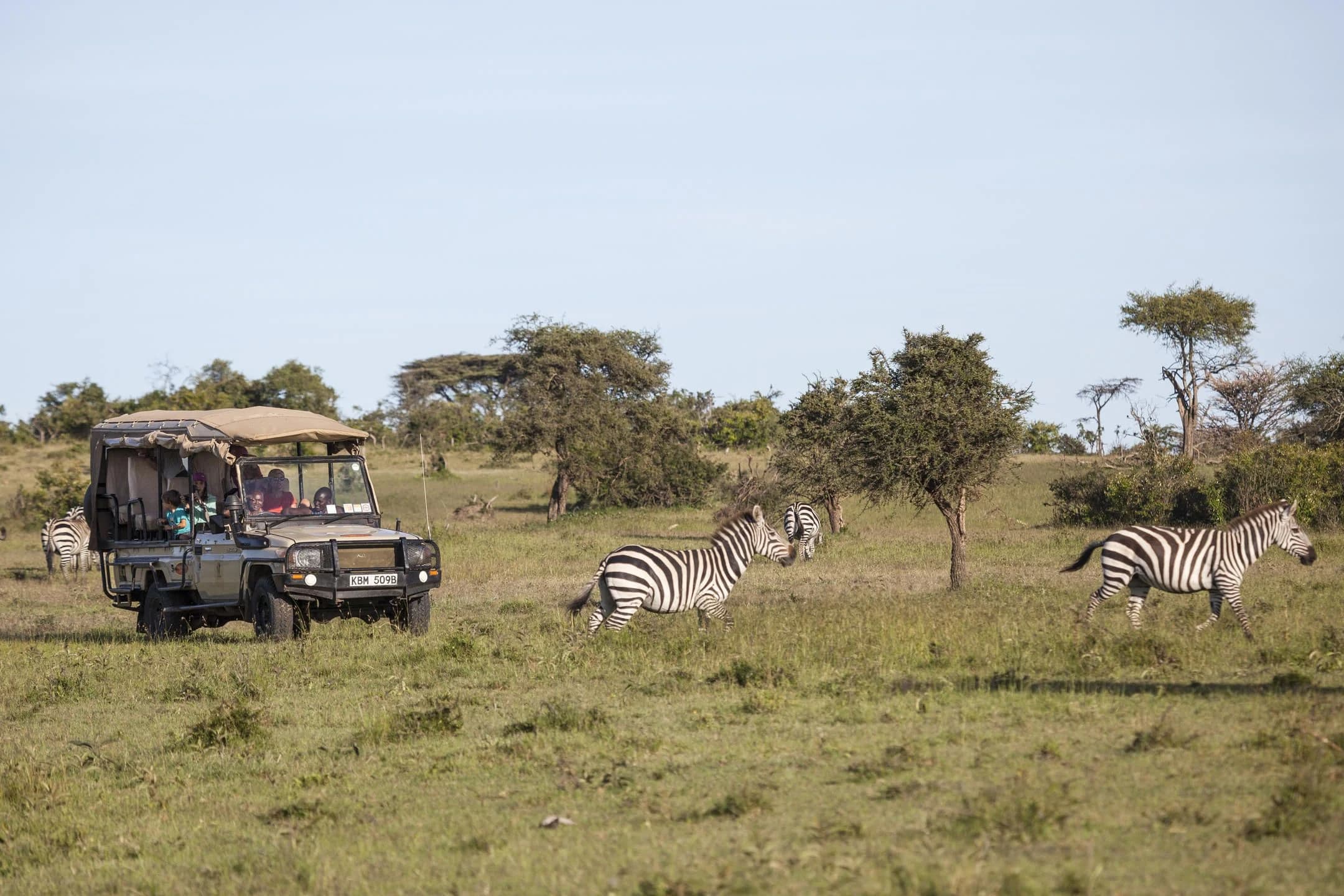
Your guide and vehicle are arranged for the route you choose.
Help is a call or message away, day or night.
Your proposal sets out the agreed arrangements for your journey.