 01
01Elephants in the swamps
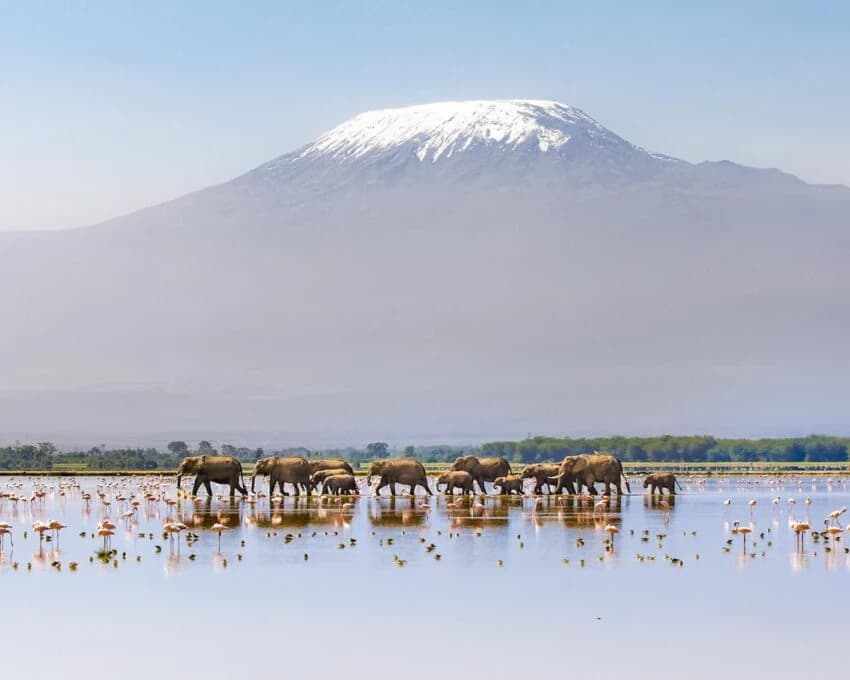
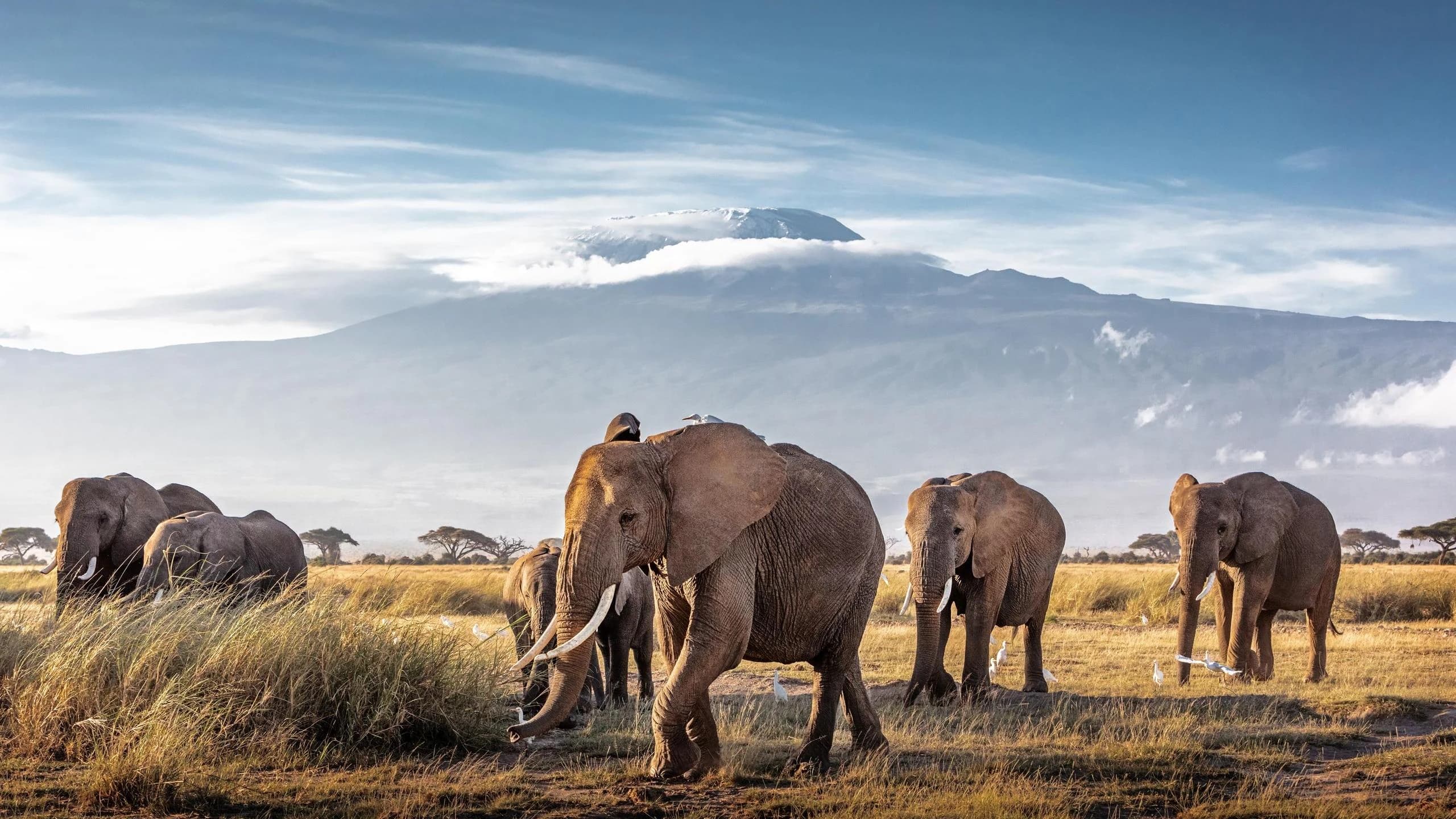
Dry-season elephants typically gather at the swamps, wading and feeding in family groups.
Safari / Kenya
For travellers who want elephants and space: Amboseli below Kilimanjaro, then Tsavo’s red earth.
The journey
Two kinds of elephant country, a few hours apart.
Amboseli gathers around spring-fed swamps, with Kilimanjaro rising across the Tanzanian border. Tsavo runs on a far bigger scale: lava flows, hills, springs and herds coloured red by the earth. One short flight opens the journey, two drives carry you east and a train brings you home.
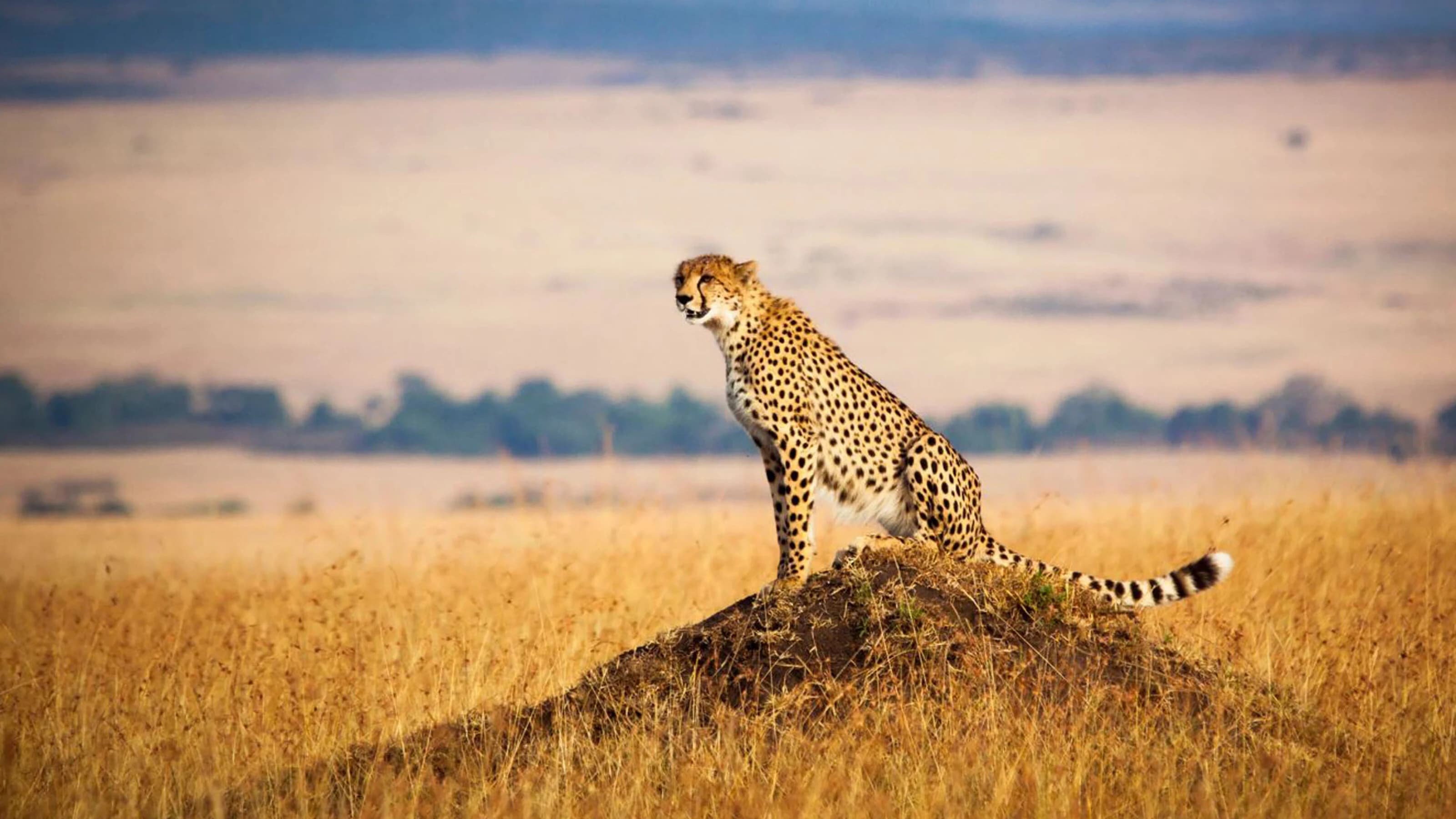
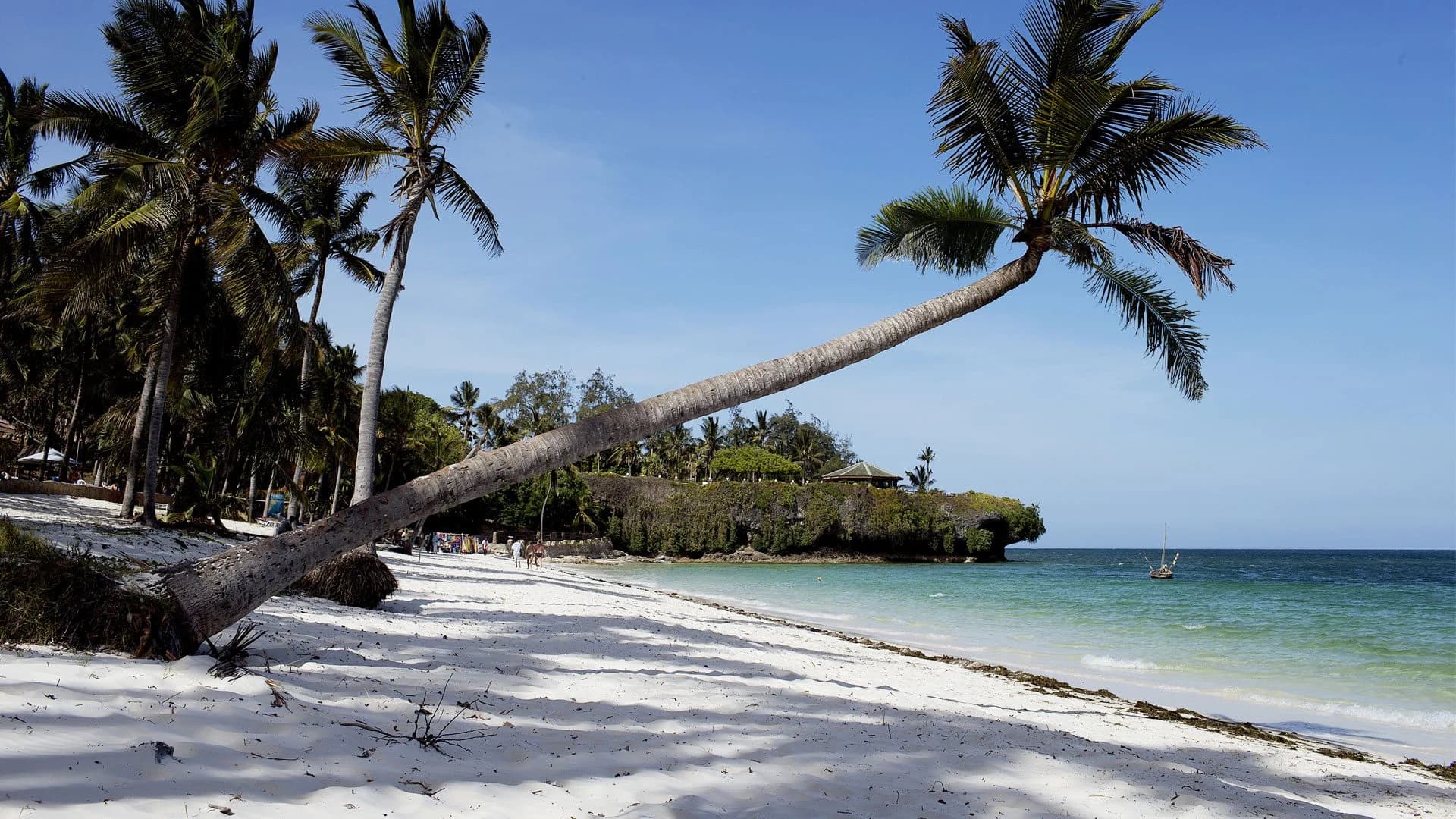
This Amboseli and Tsavo safari suits travellers who come for elephants and scale, and accept long drives in return, some of them on dirt. It is not a big-cat or migration trip: choose a Mara journey for those, and Kenya Safari & Beach if you want sand days.
Swamps, lava and red dust: three parks along one southern corridor, paced entirely on your terms.
Moments along the way
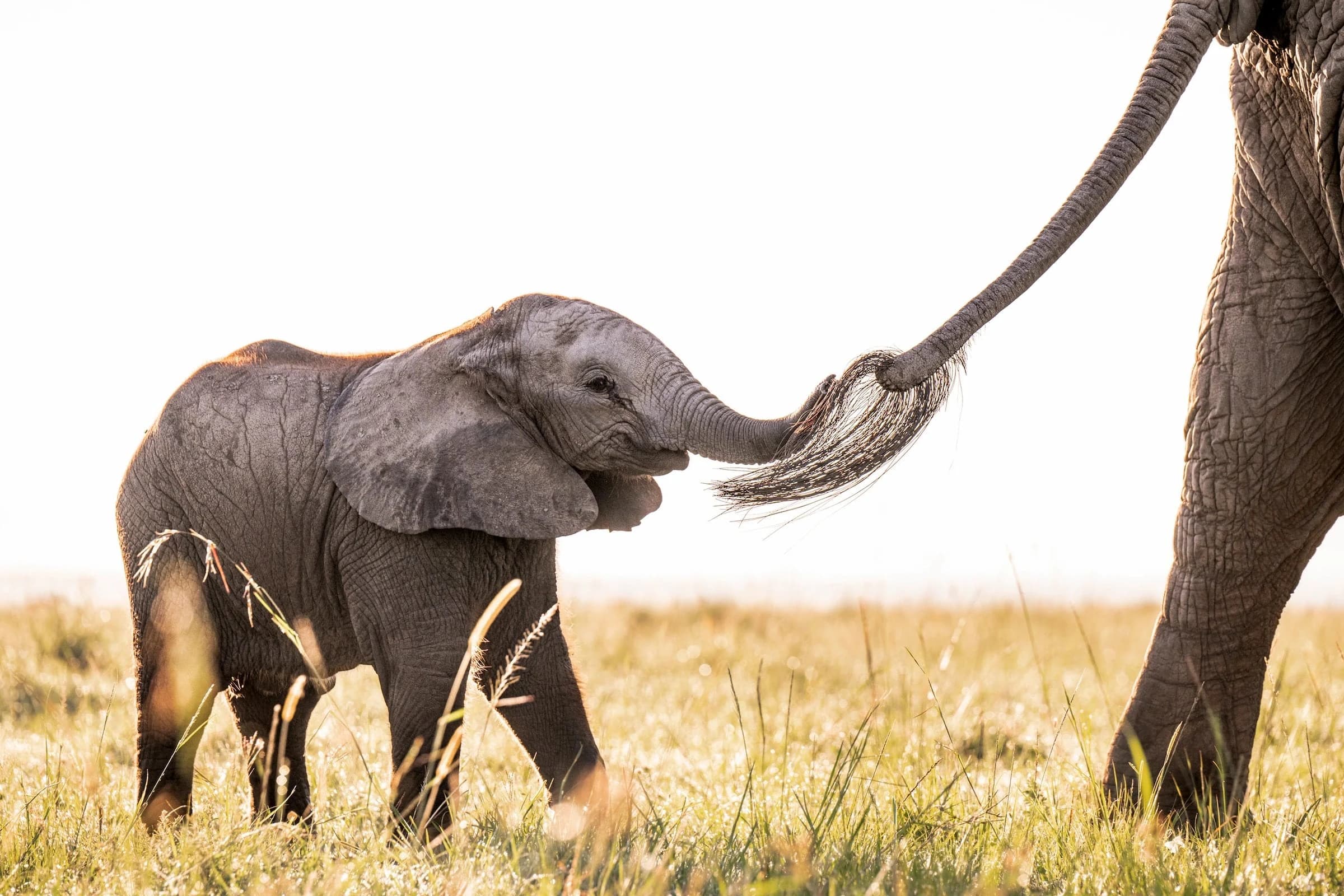
01Dry-season elephants typically gather at the swamps, wading and feeding in family groups.
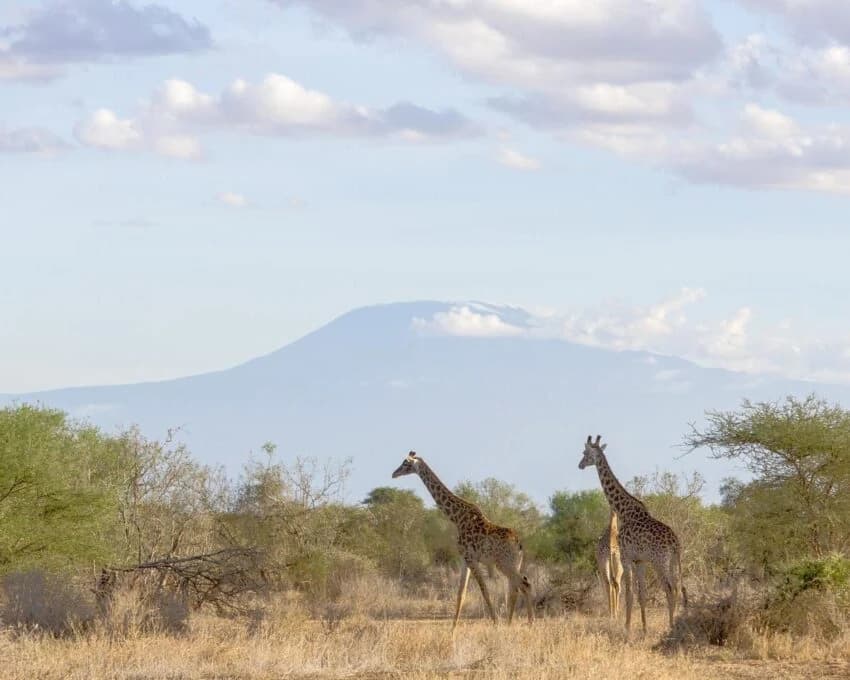
The summit is often clearest at dawn, then cloud builds; no month promises the view.
At Mzima Springs, water fed from the Chyulu Hills surfaces in dry country.
The Shetani flow lays black lava across the scrub, with caves you can explore.
Dust baths in iron-rich red soil colour Tsavo’s elephants; they are not a separate kind.
The Galana’s green water cuts through dry bush and tumbles over rock at Lugard’s Falls.
Where you’ll stay
Choose your level, from Essential to Private Collection; it can differ by stop. In Amboseli, sleep inside the park or in a conservancy on Maasai land beside it, where walks and night drives are possible. In Tsavo, a camp’s position sets your drive times.
AMBOSELI
Where you might stay
TSAVO WEST
Where you might stay
TSAVO EAST
Where you might stay
Your planner confirms each stay for your dates.
Add to your journey
Select an idea to carry into your brief. Nothing is added to a booking or priced automatically.
A route with room to breathe
Nairobi → Amboseli → Tsavo West → Tsavo East → Nairobi, by one flight, two drives and a train. Times follow the 2026 timetables; your proposal confirms them.
A sense of the days
The flight is short, and a vehicle takes you from the strip to camp. Wear layers that come off by midday, when a rest is welcome. In the mid-afternoon you drive out around the swamp edges; bring a scarf and hat for dust and sun. If you come from Nairobi by car instead, the road takes your morning, but you usually keep the afternoon drive.
On a two-night stay, this is your one full day. Go out at first light, back when the sun climbs, out again late in the afternoon. Vehicles keep to established roads, 40 km/h at most, so a patient wait at a good spot often beats moving on. A third night adds a second full day, useful if cloud hides the mountain on the first.
Have a last early drive if time allows, then set off east after breakfast. Part of the road is dirt, so keep your seatbelt fastened and tell your guide when you want a stop. You usually reach Tsavo West early enough to look around. A camp deep in the park adds time, and wet weather can add more.
This is the day for scenery as much as animals. Start with the lava while it is cool, and wear sturdy shoes for the black rock. Mzima’s pools hold hippos and crocodiles: stay with the ranger on the path and keep back from the water. A guided walk, booked ahead with KWS at extra cost and within age limits, can replace a drive.
Move on after breakfast with seatbelts fastened; the transfer can fill the morning, depending on where your camps sit. After lunch you drive out onto the plains. Red dust is fine and gets everywhere, so keep camera lenses covered. Tsavo East is large, so a full day out with a packed lunch reaches farther than a morning drive; ask your guide which suits you.
Choose your train by the morning you want: the Inter-County leaves Voi at 09:49, straight after breakfast; the Express leaves at 16:38, after a last morning drive. The station is 15 to 30 minutes from Voi Gate, longer from camps farther away; arrive an hour before departure. Bags must be easy to carry, and your passport is checked at boarding.
Typically two or three nights in Amboseli, two in Tsavo West and two or three in Tsavo East: six to eight in all.
Clear from the beginning
Every journey is quoted in full, with no surprises.
Good to know
Amboseli sits in Kajiado County in southern Kenya, near the Tanzanian border and below Kilimanjaro. Tsavo, between Nairobi and the coast, is split by the Nairobi–Mombasa highway and railway into Tsavo West and Tsavo East; Tsavo East alone covers about 13,700 square kilometres. This Amboseli and Tsavo safari crosses that corridor from west to east. KWS lists US$90 a day for Amboseli and US$80 for each Tsavo park, but those 2025 rates and Amboseli’s handover to the county are before the courts, so we confirm fees when we quote.
They are two kinds of elephant country, one road apart: Amboseli’s swamps beneath Kilimanjaro, then Tsavo’s red earth, lava and springs. Going west to east, you fly in once and ride a daytime train home from Voi instead of a long road back.
Elephants are the draw in both parks, yet no sighting is promised and cloud often hides the summit. At a sighting your guide keeps to the roads, stays quiet and lets families cross first; KWS bans hooting.
July to September and January to February are the drier windows for both parks; March to May brings the long rains and soft roads. Amboseli’s own month-by-month detail, including the mountain, sits in our guide.
Six to eight: two or three in Amboseli, two in Tsavo West and two or three in Tsavo East. Below six, the two road transfers take too large a share, so choose Amboseli plus one Tsavo. A Nairobi night comes on top.
Voi, for Tsavo East, has all three daily trains, but the 15:00 Express arrives at 18:48, too late for a drive: gates close at 18:00. Only the 08:00 Inter-County, in at 12:02, leaves an afternoon drive; it also stops at Mtito Andei, for Tsavo West.
Probably not. Mara & Amboseli Classic suits big cats, flown between its two parks; Kenya Safari & Beach adds sand days; Kenya by Rail makes the train the point. Stay here for elephants, scale and an unhurried pace.
Government advice, checked October 2026: the US rates Kenya Level 2 (issued 28 July 2026). Its Level 4, Do not travel, areas include Tana River County, except Tsavo National Park, and Kilifi north of highway C103, the Malindi road to Tsavo East’s Sala Gate, on the park’s far side from Voi. The UK advises against all or all but essential travel to parts of the north-east and the coast north of Malindi (updated 9 October 2026). Neither list names Amboseli or Tsavo; that describes the lists, not conditions on the ground.
Before you fix your month: Best time to visit Amboseli · Walking safaris · Kenya entry requirements
Last checked: October 2026.
When to go
Guidance for southern Kenya, not a forecast: heavy rain can slow the dirt road between Amboseli and Tsavo West, or force a longer way round.
Aug / The drier months
Both areas are drier, and from July Kilimanjaro clears more often. KWS lists one rate all year, so the fee does not jump as the Mara’s does in July.
Broad seasonal guidance — not a forecast, availability calendar or migration promise. Picking a month sets it in your plan.Related journeys
A journey made around you
Tell us your month and how you feel about long drives, and we’ll shape Amboseli & Tsavo around you.