Lake Manyara
Lake Manyara National Park is a compact, richly varied park in northern Tanzania, set between the Great Rift Valley escarpment and a shallow soda lake. It is known for its tree-climbing lions, large flocks of flamingos, dense groundwater forest and strong elephant and birdlife, and sits on the road to Ngorongoro and the Serengeti — a natural first stop on the northern safari circuit.
Why visit
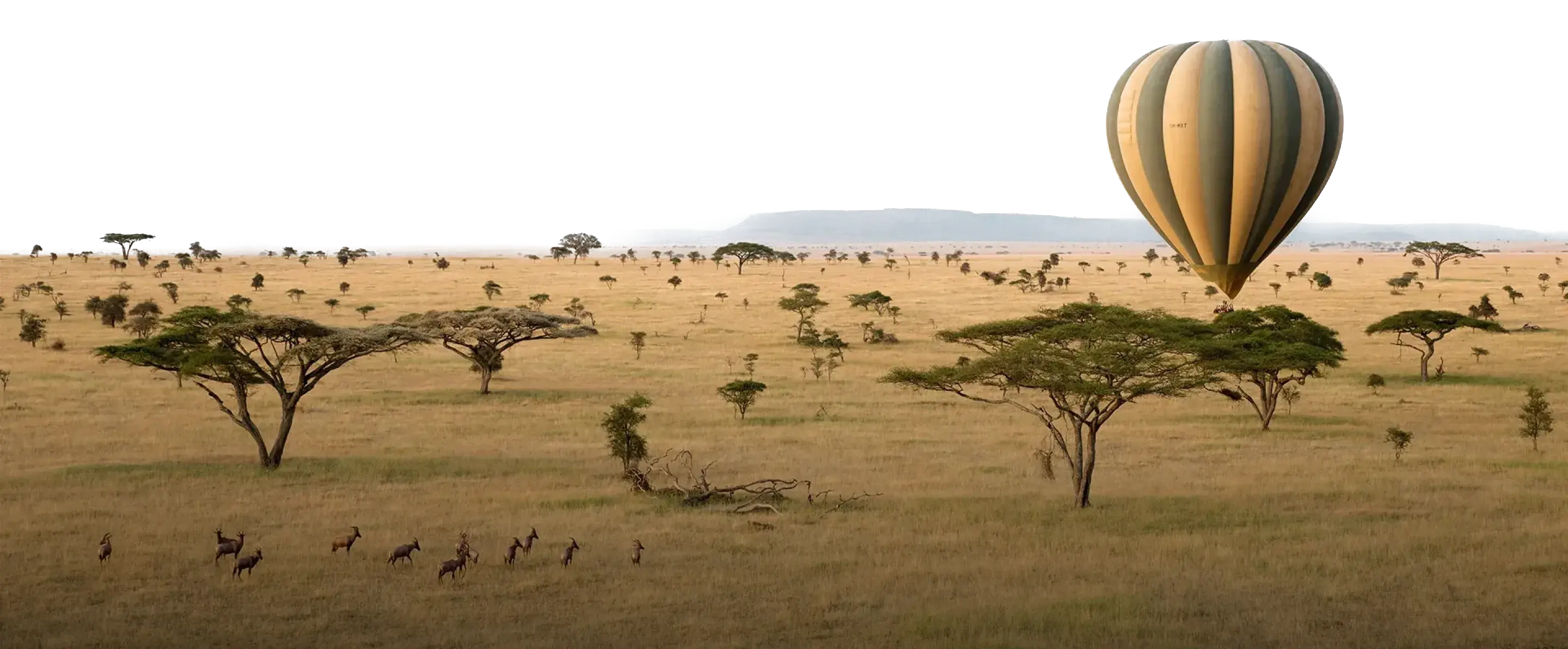
Lake Manyara packs an improbable amount of variety into a small frame. In the space of a single morning's drive the land moves from shadowy groundwater forest fed by springs, through open woodland and grassy floodplain, to the bright soda shallows of the lake itself — all of it pressed between the sheer red wall of the Rift Valley escarpment and the water's edge.
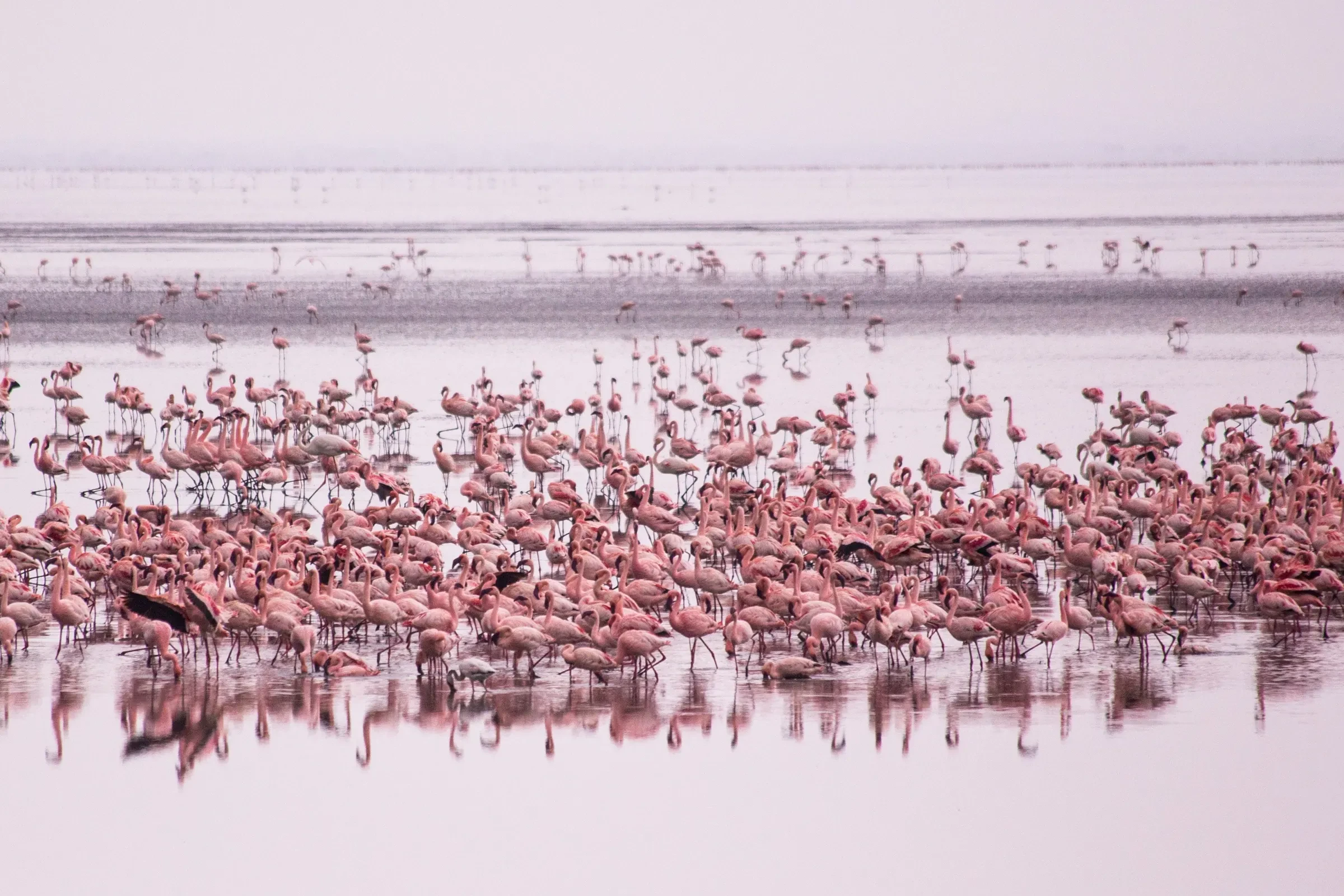
It is best known for a peculiar local habit: lions that lounge in the branches of acacia and fig trees, draped along the limbs in a way lions mostly don't. No one is quite certain why Manyara's cats do it, which is part of the charm. Add the flamingos that turn the shallows pink, the troops of baboons along the forest road, and elephant moving through the trees, and Manyara becomes a gentle, beautiful overture.
Compact and close to Arusha, it is the classic opening act of a northern Tanzania journey — the first taste before the Crater and the plains.
Wildlife & landscapes
Manyara's signature is its tree-climbing lions, often seen resting in acacia and fig trees. The alkaline lake draws great flocks of flamingos and a remarkable diversity of waterbirds — the park records over 400 bird species, including pelicans, storks and raptors. The forest and floodplain hold large elephant, big troops of baboon, buffalo, giraffe, hippo in the pools, zebra and wildebeest, with leopard in the denser cover. The landscape is the draw as much as the wildlife: groundwater forest, open woodland, grassy plain and the shimmering soda lake, all beneath the towering Rift Valley escarpment.
Best time to visit Lake Manyara
The dry season (June–October) is best for general game viewing, when wildlife is easier to spot in thinner bush and the elephant and big game are active — the busiest window. The green season (November–May) is Manyara's birding peak, when migratory species arrive, the flamingo numbers swell on the fuller lake and the forest is at its lushest, with fewer vehicles. Because the park is compact and reliably rewarding year-round, it works in any season as a gateway stop. For the wider seasonal picture, see our → Best time to visit Tanzania guide.
Things to do here
- Game drives — morning and afternoon drives from forest to lakeshore, watching for tree-climbing lions and elephant.
- Birdwatching — one of the richest birding parks in northern Tanzania, exceptional around the lake.
- Canopy walkway — an elevated treetop walkway through the groundwater forest, a different vantage on the canopy.
- Night drives — permitted in the park, a chance at nocturnal species rarely seen elsewhere on the circuit.
- Cultural visits — encounters with nearby communities and the farmlands of Mto wa Mbu.
Know before you go
- Getting there: roughly a 2-hour drive from Arusha, on the road to Ngorongoro and the Serengeti; light-aircraft access via nearby airstrips.
- Fees: national park entry fees apply (per person, per day); we confirm current rates and include them in your quote.
- How long: 1 night (or a half-day en route) suits most northern-circuit journeys; longer for keen birders.
Related Nobu journeys
- Northern Crater Highlands — Manyara as the gateway, with the Crater and Tarangire. → Explore
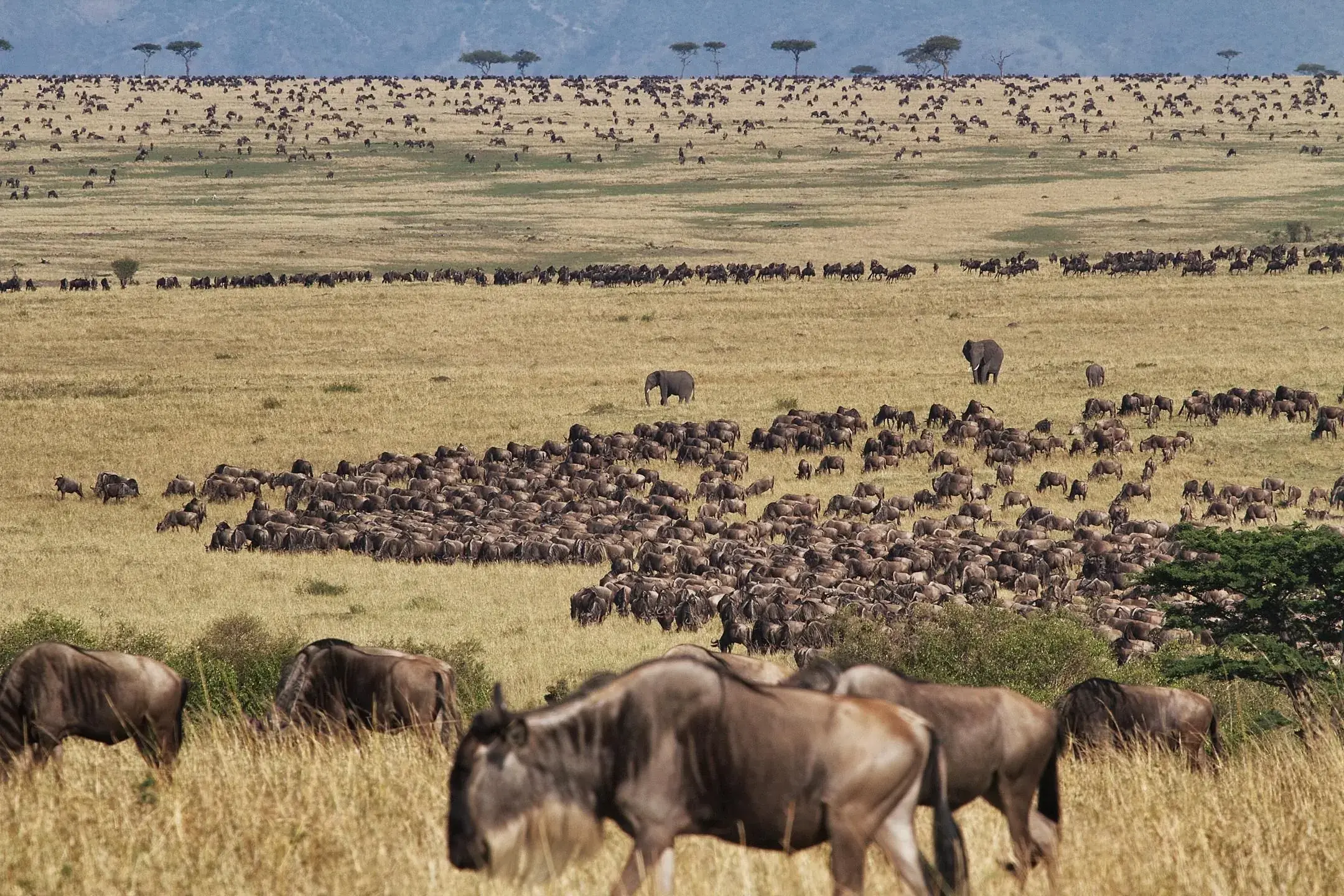
- The Great Migration Circuit — Manyara as a gentle first stop before the plains. → Explore
When to go
Month by month — daytime warmth, days of rain and what the season brings.
Where to stay
From Essential to Private Collection — the camps and lodges we know first-hand here. Rates are indicative and confirmed on enquiry.
Essential
Migunga Tented Camp
Essentialtented camp · forest
from $150 pp / night· indicative, confirmed on enquiry
Signature
Kirurumu Manyara Lodge
Signaturetented camp · escarpment forest
from $200 pp / night· indicative, confirmed on enquiry
Lake Manyara Serena Safari Lodge
Signaturelodge · escarpment
from $250 pp / night· indicative, confirmed on enquiry
Maramboi Tented Camp
Signaturetented camp · lakeshore
from $250 pp / night· indicative, confirmed on enquiry
Elevated
Lake Manyara Kilimamoja Lodge
Elevatedlodge · escarpment
from $300 pp / night· indicative, confirmed on enquiry
Private Collection
Lake Manyara Tree Lodge
Private Collectionlodge · forest (in-park)
from $900 pp / night· indicative, confirmed on enquiry
Journeys through here
Signature routes that pass through Lake Manyara — starting points we reshape around your season and pace.
Common questions
- When is the best time to visit Lake Manyara?
- The dry season (June–October) for general game viewing, and the green season (November–May) for peak birding and flamingos; the park rewards year-round as a gateway stop.
- Are the tree-climbing lions guaranteed at Lake Manyara?
- No sighting is ever guaranteed, but Manyara is one of the few places where lions habitually rest in trees, and your guide will know where they have been seen.
- How many days do you need at Lake Manyara?
- Usually one night, or a half-day en route to Ngorongoro; add a night if birding is a priority.
- Why are there flamingos at Lake Manyara?
- The lake is alkaline (soda), which supports the algae flamingos feed on; numbers rise and fall with water levels through the seasons.
Tell us what you want from Lake Manyara
We'll design the journey around it — places, pace and people matched to how you travel.