
Safari guide
How much does a safari cost?
A safari's cost is driven by five things: the season you travel, your accommodation tier, your group size, the route and number of parks, and the country (gorilla permits, for example, add a fixed cost). Because each journey is tailored, we quote in considered bands rather than fixed tags — and we're transparent about exactly what's included.
Written by Joseph Gathuru · Travel designer at Nobu Safaris
Intro
"How much does a safari cost?" has no single honest answer — and anyone who gives you one is selling a fixed itinerary. The useful answer is to understand what moves the price, so you can flex the parts that suit you and protect the parts that matter.
A safari is not priced like a city break. You are paying for access, guiding, conservation fees, remote logistics, accommodation standards, vehicle time, park routing and, sometimes, fixed permits. Two journeys can be the same number of days and feel entirely different on the ground because one flies between remote camps, another drives a compact route, one uses private guiding throughout, and another shares selected safari days. The goal is not to make the journey as low as possible. It is to spend deliberately.
The detail — what drives the cost
- Season. Peak dry-season and migration dates cost more; the green season is gentler (see → Green season safari). Moving by even a few weeks can change lodge availability and rate bands without changing the quality of guiding.
- Accommodation tier. From our Essential tier up to the Private Collection, the stay is usually the biggest single lever. This does not only mean room size. It affects guiding style, location, exclusivity, food, service, camp density and how much wilderness you feel around you.
- Group size. Sharing a vehicle and guide, or joining a small-group departure, lowers the per-person cost; fully private raises it. Families and friends travelling together can often protect privacy while spreading vehicle and guide costs more efficiently.
- Route & parks. More parks, more flying and remoter regions add cost; compact routing keeps it down. A brilliant four-night route in one ecosystem is often better value than an overfilled itinerary that spends too much time moving.
- Country & permits. Some costs are fixed — notably gorilla permits (~$800 Uganda, $1,500 Rwanda, 2026) — and sit on top of the journey (see → Uganda vs Rwanda gorilla trekking). Park fees, concession fees and conservation levies also vary by country and season.
The parts we usually protect first are guiding, location and pacing. The parts we can often flex are season, lodge tier, number of regions, internal flights and whether every day needs to be private. Good design is knowing which lever to pull without weakening the reason you are travelling in the first place.
Key facts
Five drivers: season · accommodation tier · group size · route/parks · country & permits. How we price: considered bands, tailored — not fixed tags. Biggest lever: accommodation tier. Fixed add-ons: gorilla permits. For value: green season + Essential tier + shared departures. Protect first: guiding, location and pacing.
Why Nobu for this
We quote transparently and in bands, then design to your priorities — spending where it counts and saving where it doesn't. Tell us your ceiling and we'll be honest about what it buys. We will also tell you when a target is too tight for the experience you want, because a safari that looks efficient on paper can become disappointing if the wrong corners are cut.
Our pricing logic is connected to real inputs: season, properties, rates, conservation costs, routing and the level of privacy you need. The aim is to make the trade-offs visible before you commit. → Plan your journey.
Suitability — "right for you if…"
You want to understand cost before committing, and you'd rather flex season, tier and group size than chase a single headline number. Tell us your planning range and we'll design candidly to it. This guide is especially useful if you are comparing Kenya with Tanzania, considering gorilla permits, deciding between private and shared guiding, or trying to understand why two safari quotes can differ so much.
Related Nobu journeys
- Into the Wild Mara — a compact Kenya journey where season and camp tier shape the final band. → Explore
- The Great Migration Circuit — higher logistics complexity when the route follows the herds. → Explore
- Gorillas in the Mist — a permit-led journey where fixed gorilla costs are central. → Explore
Common questions
- How much does a Kenya safari cost?
- It depends on season, accommodation tier, group size and route; we quote in tailored bands rather than a fixed price, and explain exactly what's included.
- What drives the cost of a safari?
- Mainly season, accommodation tier, group size, the route and number of parks, and any fixed permits such as gorilla trekking.
- How can I get better value?
- Travel the green season, choose the Essential tier, share a vehicle or join a small-group departure, and keep the routing compact.
- Is a private safari always more expensive?
- Usually, because the vehicle, guide and routing are dedicated to you, but families or groups can sometimes spread those costs efficiently.
- Why do gorilla safaris cost more?
- Gorilla permits are fixed, high-value conservation costs added per person, and the best routes also require careful lodge and transfer planning.
More guides
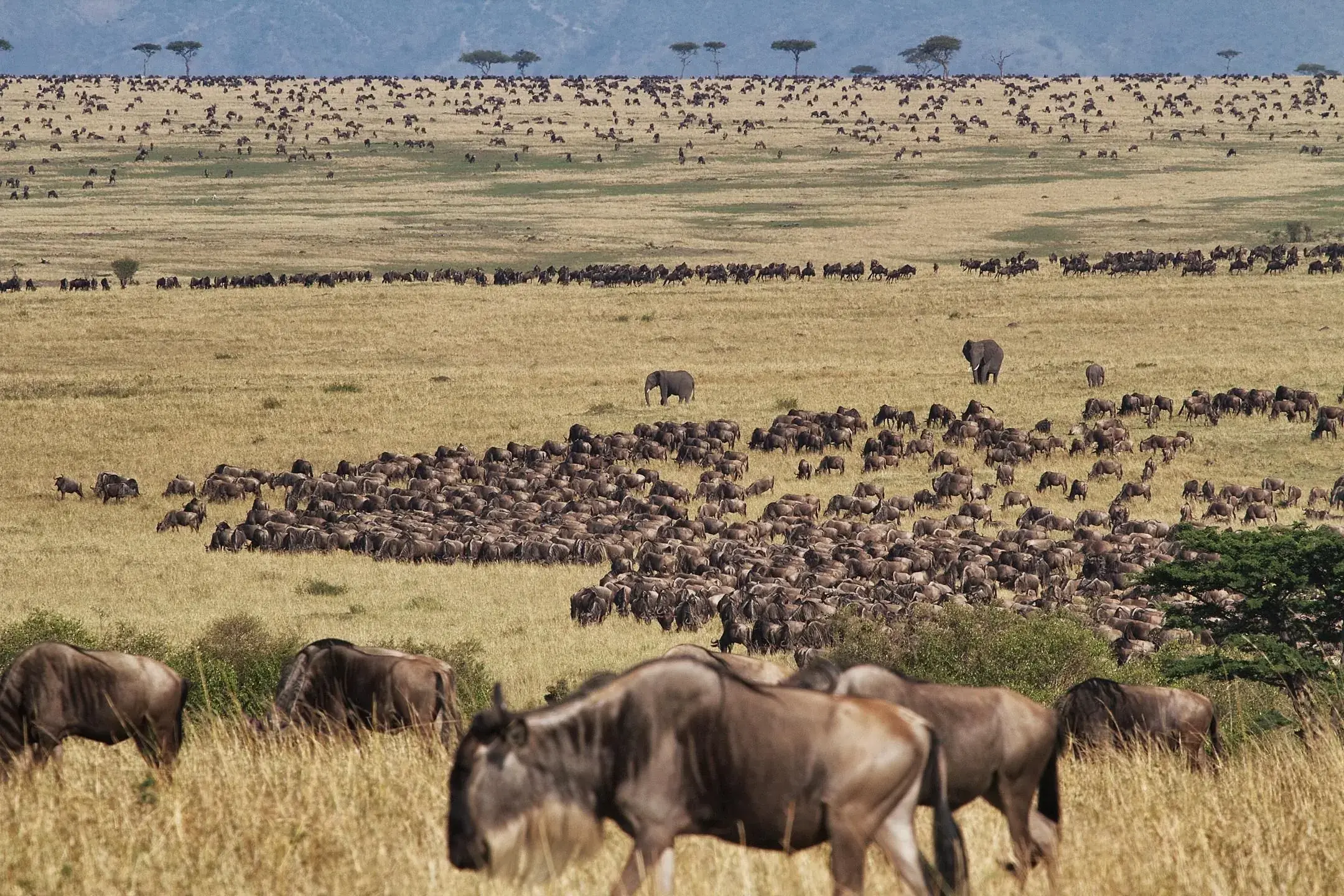 Kenya vs Tanzania safari: which is right for you?Kenya or Tanzania for your first safari? An honest, side-by-side comparison of wildlife, the migration, cost, access and when to go. Your Africa, beautifully told.
- Maasai Mara vs Serengeti: which to choose?Maasai Mara or Serengeti? Compare size, big-cat density, the migration's timing in each, access and cost — an honest, side-by-side guide. Your Africa, beautifully told.
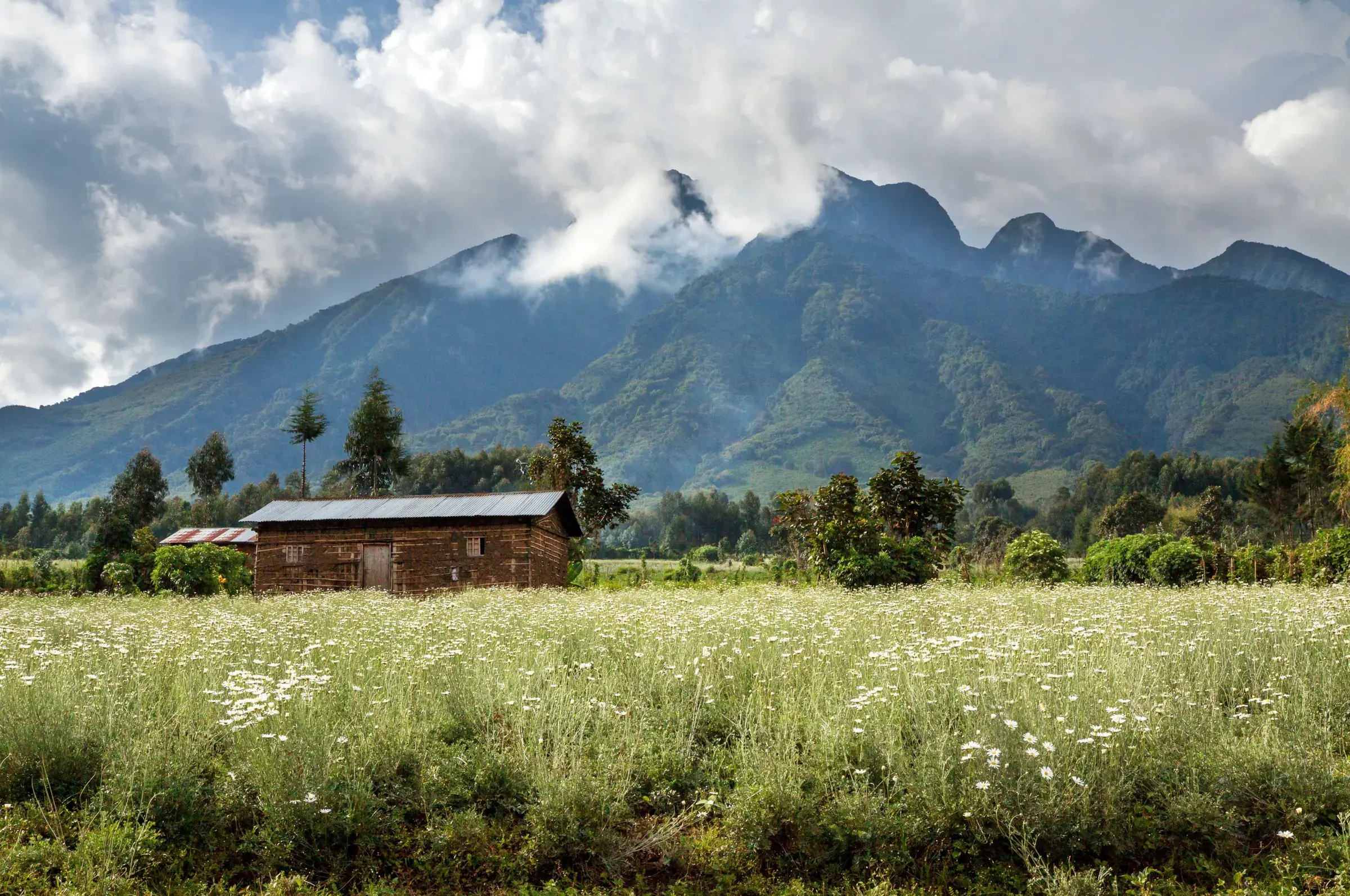 Uganda vs Rwanda gorilla trekking: which to choose?Uganda or Rwanda for gorilla trekking? Compare permit costs ($800 vs $1,500), access, trek difficulty and experience — honestly. Your Africa, beautifully told.