
Safari guide
Best time to visit Tanzania
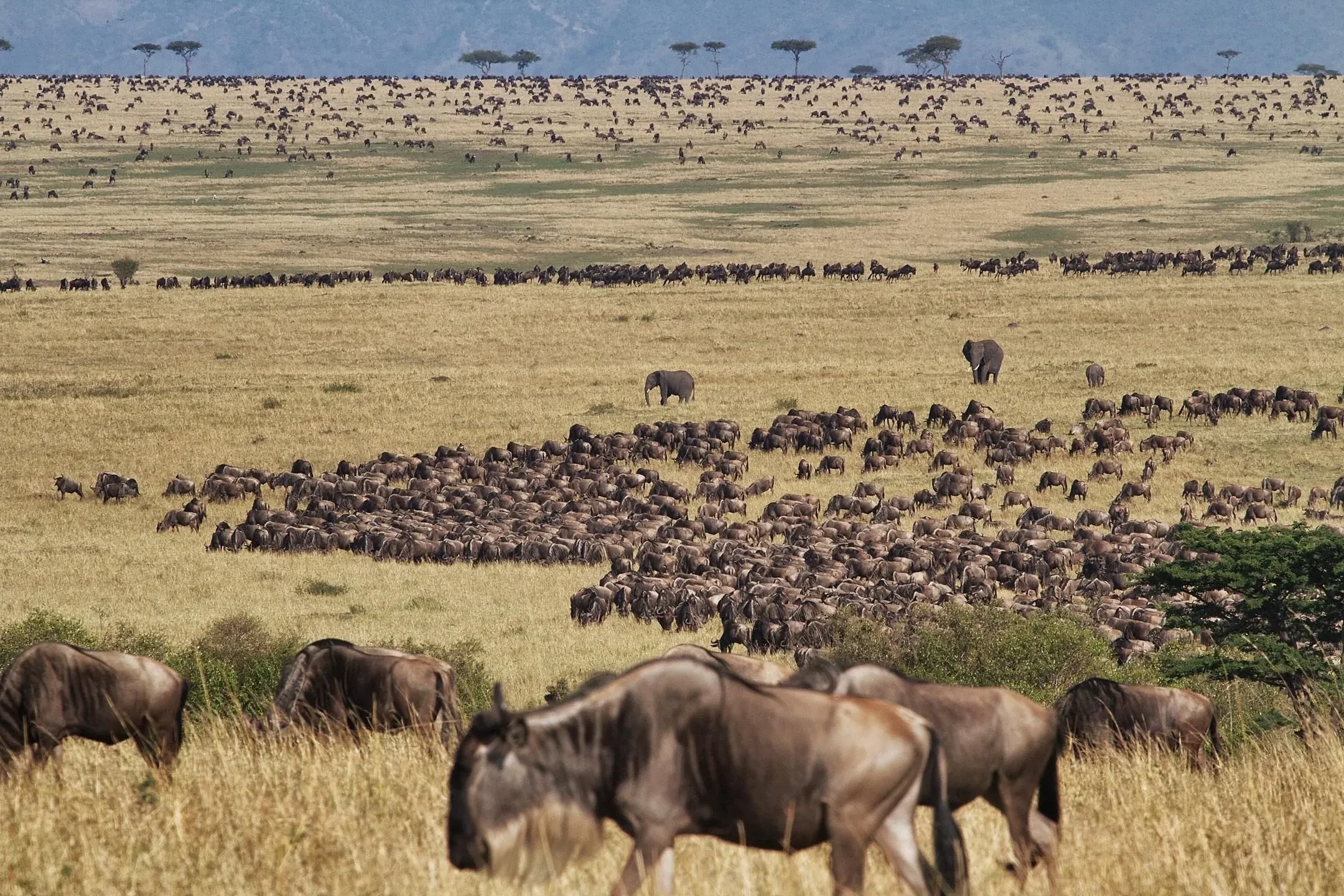
The best time to visit Tanzania is the dry season — June to October — for the best game viewing and the Serengeti's wildebeest river crossings. Late January to February is calving season in the southern Serengeti, while the green season (November to May) is lush, quieter and often better value, with strong resident wildlife year-round.
Written by Joseph Gathuru · Travel designer at Nobu Safaris
Intro
Tanzania holds two of the migration's greatest acts — the river crossings and the calving — and they fall in different seasons. Add the country's resident wildlife, strong all year, and the best time depends entirely on which chapter you want to witness.
The country is also large enough that "Tanzania in July" and "Tanzania in February" can feel like different safaris. July points north, toward the Serengeti's river-crossing country and dry-season game viewing. February points south, toward Ndutu, open plains and newborn wildebeest. November or March might mean a quieter green-season journey with a softer photographic mood. The month should decide the region, not the other way around.
The detail
- June–October — dry, peak. The classic season: easy sightings as water thins, and the migration reaching the northern Serengeti for the Mara River crossings (roughly July–October; the Grumeti crossings come earlier, around June). This is the window for travellers who want the iconic Serengeti story, but it needs early planning and realistic expectations around busy areas.
- Late January–February — calving. Hundreds of thousands of wildebeest calve in the southern Serengeti and Ndutu, drawing dramatic predator action. Dry and superb, between the rains. It is one of Tanzania's most compelling periods: open plains, young animals, big cats and fewer vehicles than the northern crossing months.
- November–May — green season. Short rains around November, long rains around April–May. Lush plains, newborn wildlife, fewer vehicles and gentler rates, with excellent resident game throughout. The heaviest rains need careful routing, but the season can be rewarding for photographers and travellers who like quieter camps.
Beyond the Serengeti, Tanzania's timing changes by region. Tarangire is excellent in the dry season as wildlife gathers near water. Ngorongoro is strong year-round but busier at peak dates. Zanzibar works best in its dry beach windows, so a bush-and-beach journey should line up the coast as deliberately as the plains.
This is where Tanzania benefits from restraint. It is tempting to add every famous name, but the journey improves when the route follows one clear seasonal logic. A northern circuit can be superb; a southern safari can be quieter and more remote; a Serengeti-and-Zanzibar pairing can be beautiful when both halves are timed properly.
Key facts
River crossings: ~Jul–Oct (northern Serengeti). Grumeti crossings: ~June. Calving: late Jan–Feb (south/Ndutu). Dry/peak: Jun–Oct. Green season: Nov–May (value, fewer crowds). Resident game: superb year-round. Design rule: choose the Serengeti region by month.
Why Nobu for this
We time Tanzania journeys to the act you most want — crossings, calving or quiet green plains — and place you in the right part of the Serengeti for the season. The design work is in the placement: northern camps for crossing windows, southern camps for calving, and routes that avoid spending too much of the journey in transit.
When Zanzibar is included, we also protect the end of the trip. A safari that peaks beautifully and then meets the island in heavy rain has not been designed carefully enough. → Plan your journey.
Suitability — "right for you if…"
Chasing the river crossings → July–October. Want predators and newborns → calving, late January–February. After value, space and lush scenery → the green season, November–May. Resident game is excellent whenever you come. First-timers who want maximum reliability should choose dry season; returning travellers often find calving or green-season Tanzania more personal.
Related Nobu journeys
- The Great Migration Circuit — shaped around the herd's movement through Tanzania and Kenya. → Explore
- Northern Crater Highlands — Ngorongoro and northern Tanzania with seasonal context. → Explore
- Shores of Zanzibar — pair the Serengeti with the island for a bush-and-beach finish. → Explore
Common questions
- When are the Serengeti river crossings?
- Roughly July to October, in the northern Serengeti; the earlier Grumeti crossings happen around June.
- When is calving season in the Serengeti?
- Around late January to February in the southern Serengeti and Ndutu, when predator action is at its most intense.
- Is the green season a good time for Tanzania?
- Yes — lush landscapes, fewer vehicles and gentler rates, with calving in January–February and strong resident wildlife throughout.
- Where should I stay in the Serengeti by month?
- North for July to October crossings, south/Ndutu for late January to February calving, and central areas when resident game and flexibility matter most.
- When should I add Zanzibar?
- June to October and December to February are the cleanest beach windows; March to May is the wettest island period.
- Is Tanzania too much for a short safari?
- Not always, but shorter trips should stay focused. A compact northern route is stronger than trying to force Serengeti, crater, Tarangire and beach into too few nights.
More guides
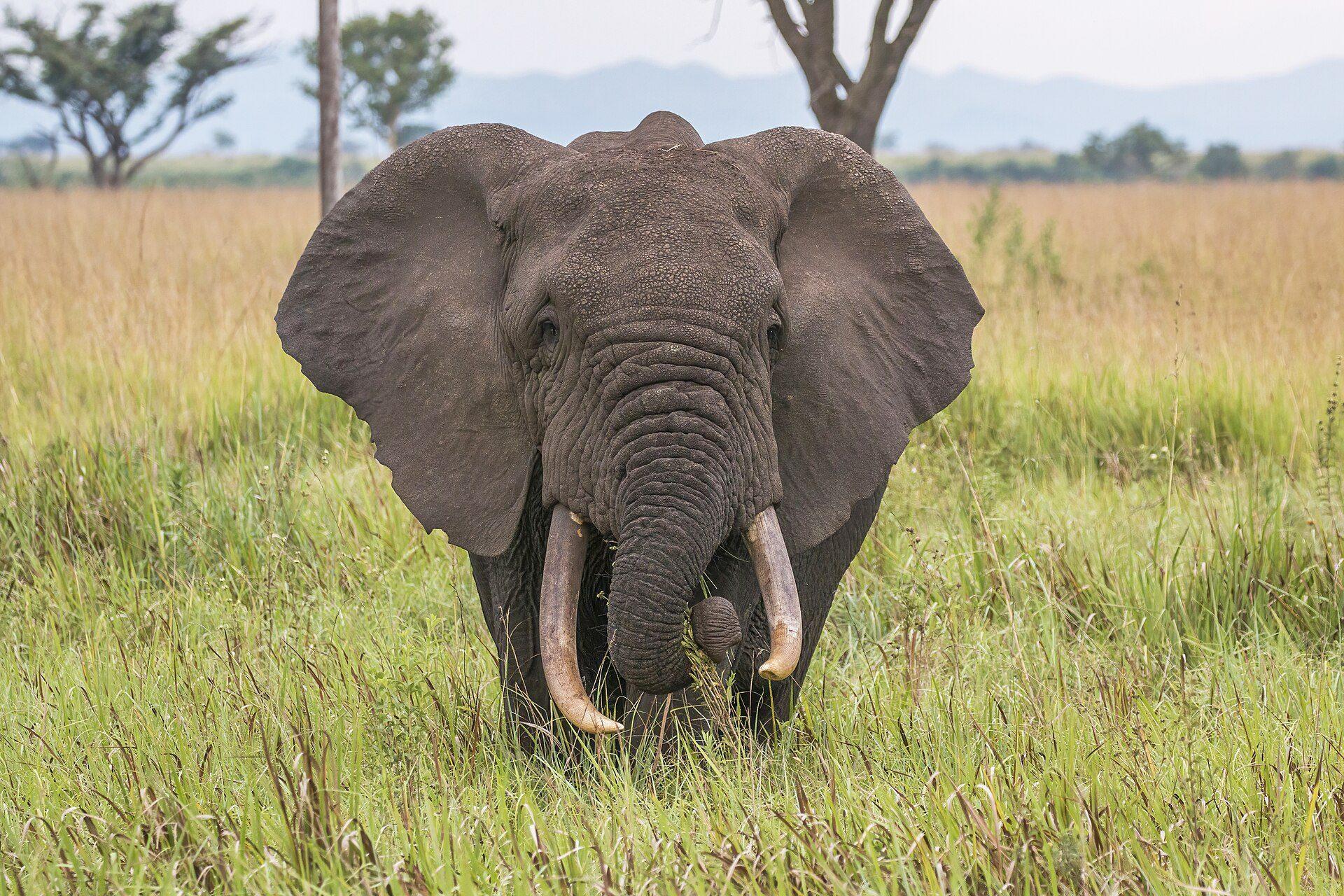 Best time to visit UgandaWhen to visit Uganda: the dry seasons (June–September and December–February) for gorilla and chimp trekking, and the green, quieter wet months. Trekking runs year-round. Your Africa, beautifully told.
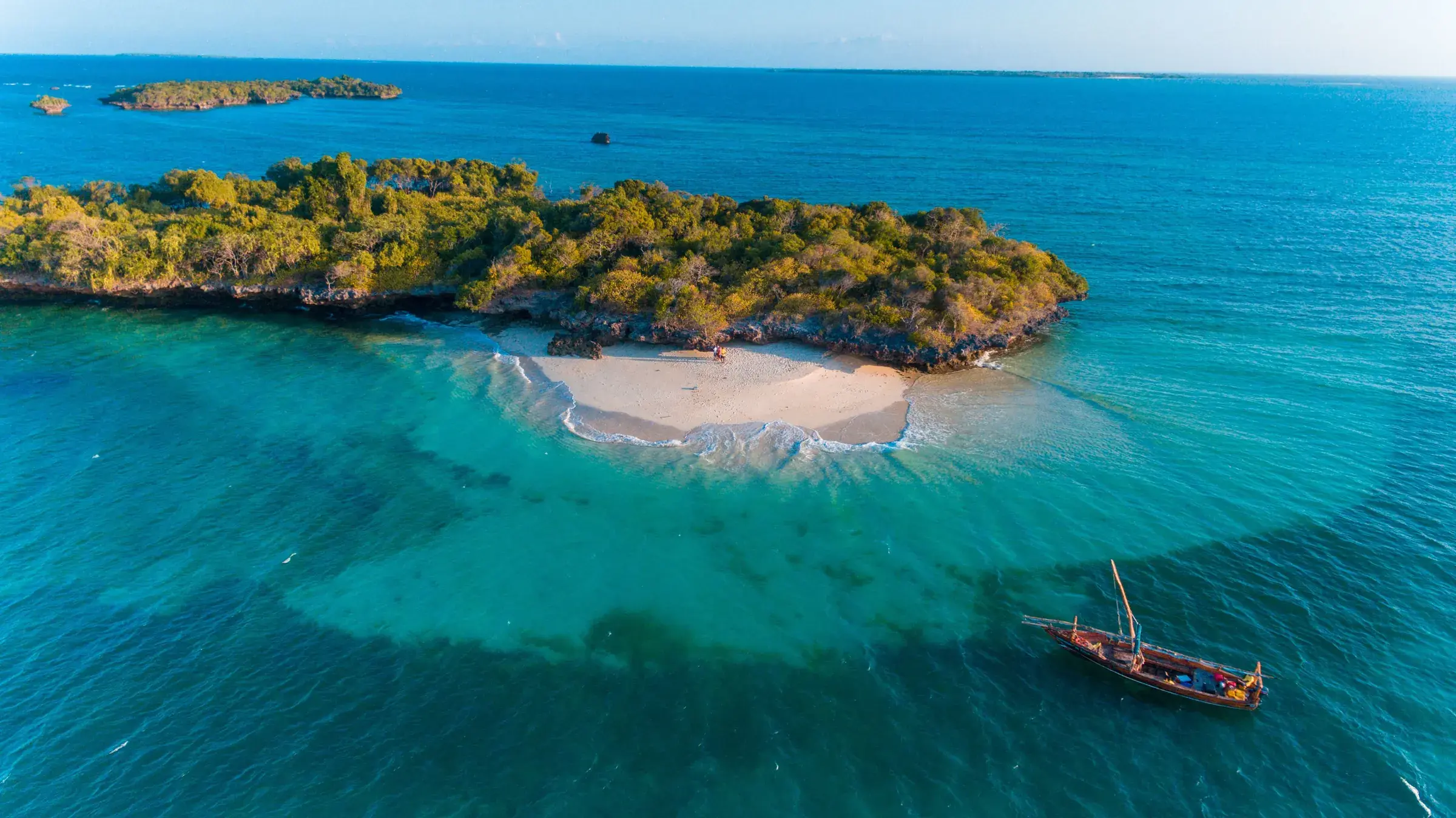 Best time to visit ZanzibarWhen to visit Zanzibar: the dry, sunny months of June–October and December–February for beach days, and the green, quieter long rains of March–May. Your Africa, beautifully told.
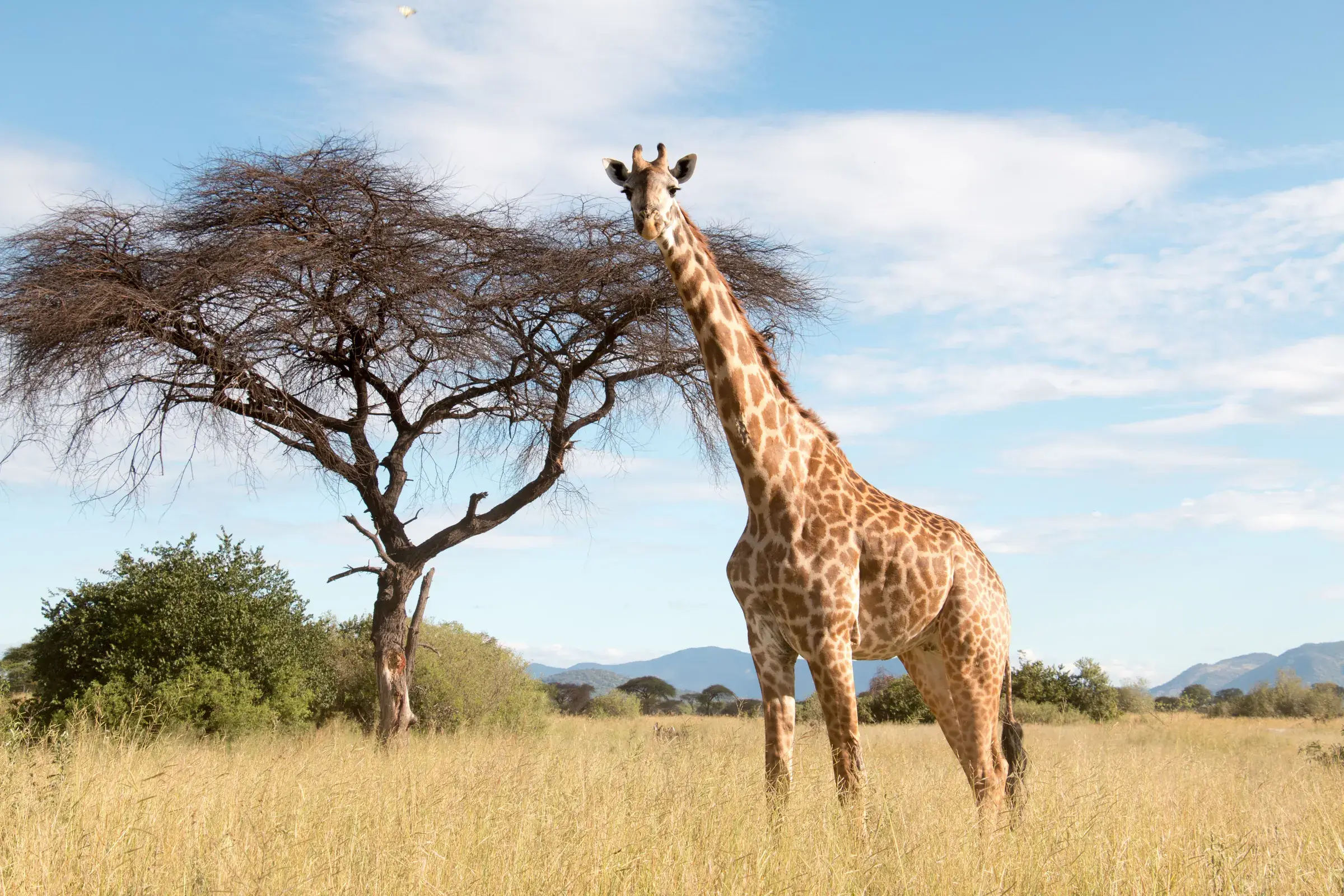 Best time to visit the Maasai MaraWhen to visit the Maasai Mara: the migration (July–October), the dry season, and the quieter green season. An honest month-by-month guide. Your Africa, beautifully told.