 01
01Baobabs and elephants
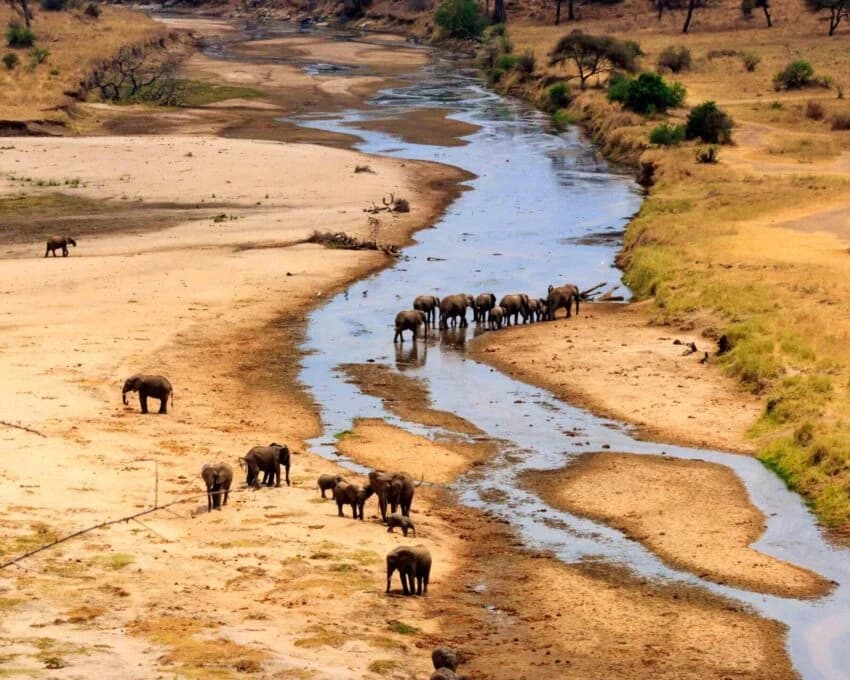
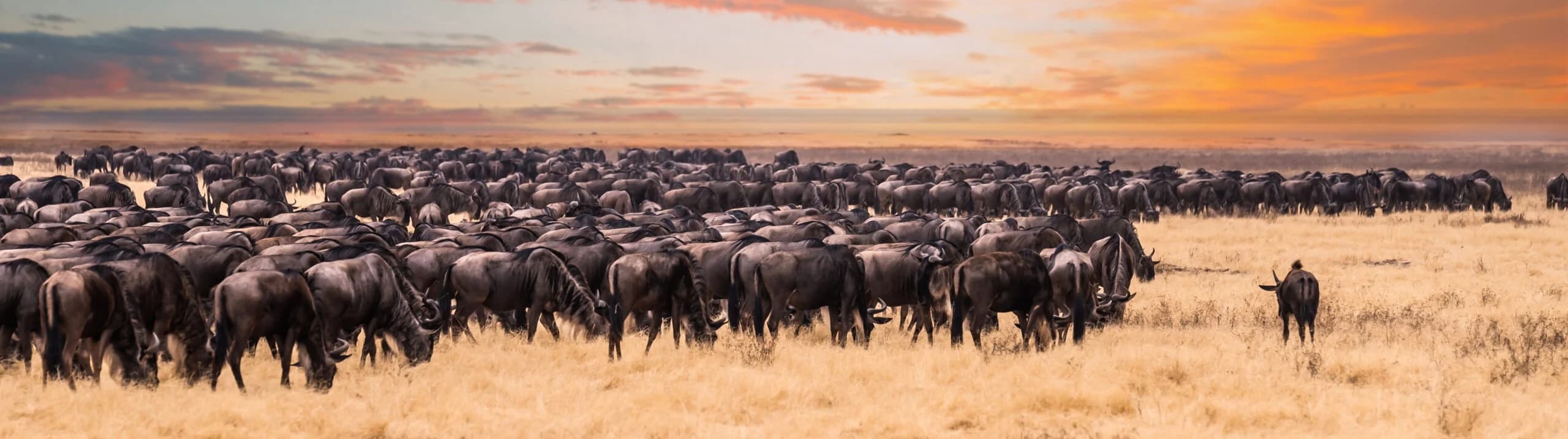
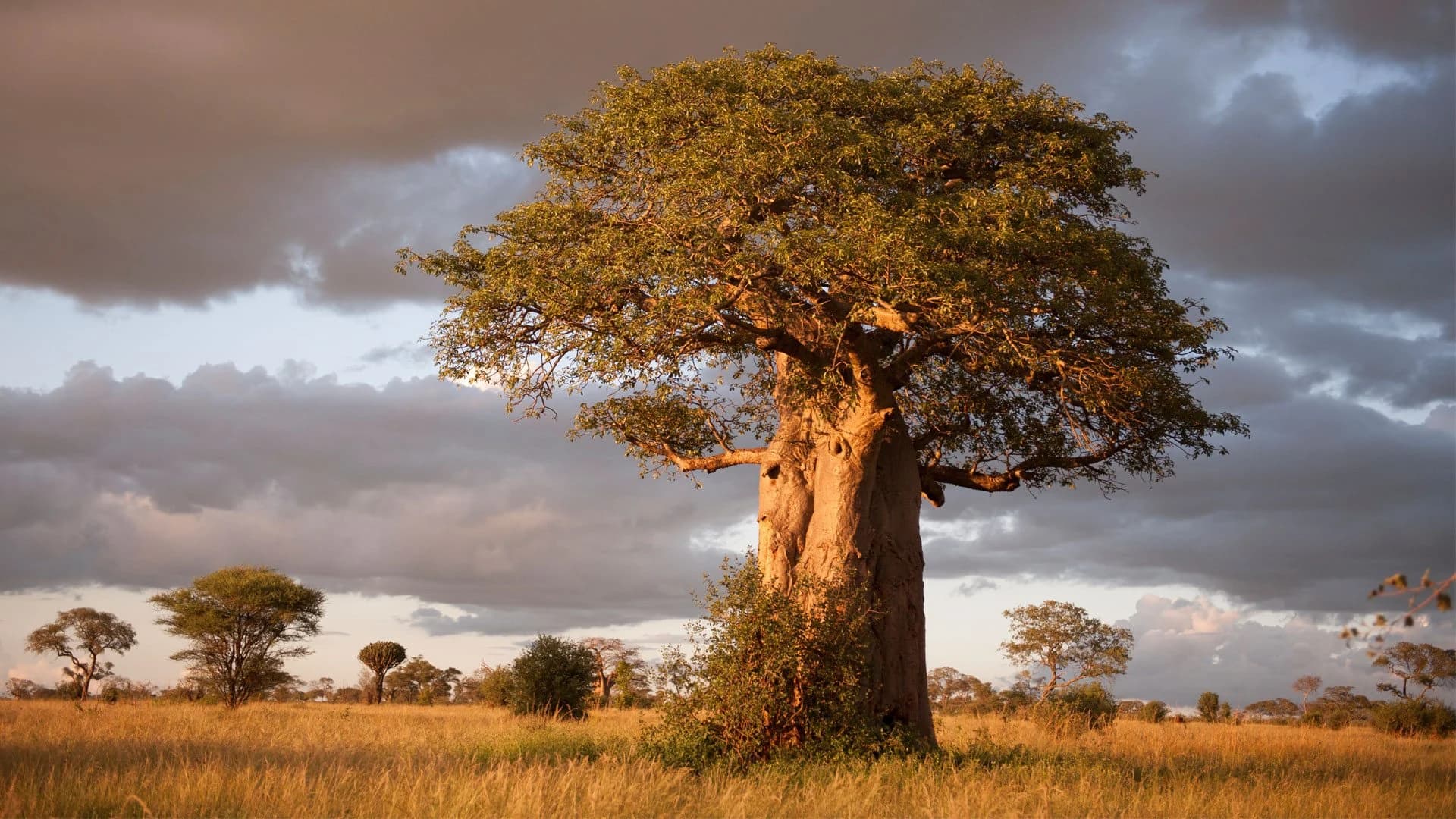
Elephants gather along the Tarangire River in the dry months, with baobabs standing over the scene.
Safari / Tanzania
Tarangire's baobabs, the crater floor and the open Serengeti: Tanzania's first-time circuit, by road.
The journey
A first Tanzania safari follows the land as it climbs, drops and opens out.
You start among Tarangire's baobabs and elephants, then climb through Karatu to the rim of Ngorongoro, where a track drops to a crater floor busy with grazers and the cats that shadow them. Then the highlands fall away to the Serengeti's kopjes and long horizons.
Tanzania Classic suits a first safari of seven to nine nights. The cost is road: drives of two to four hours, plus a full day back unless you fly. If the herds are the whole point, choose The Great Migration; to walk the highlands, Crater Highlands to Natron.
Elephant country, a walled crater and the open plains, driven at a gentle pace and shaped entirely on your terms.
Moments along the way
01Elephants gather along the Tarangire River in the dry months, with baobabs standing over the scene.
Sleep on the caldera's edge and wake before the descent; cloud can hide the floor.
 03
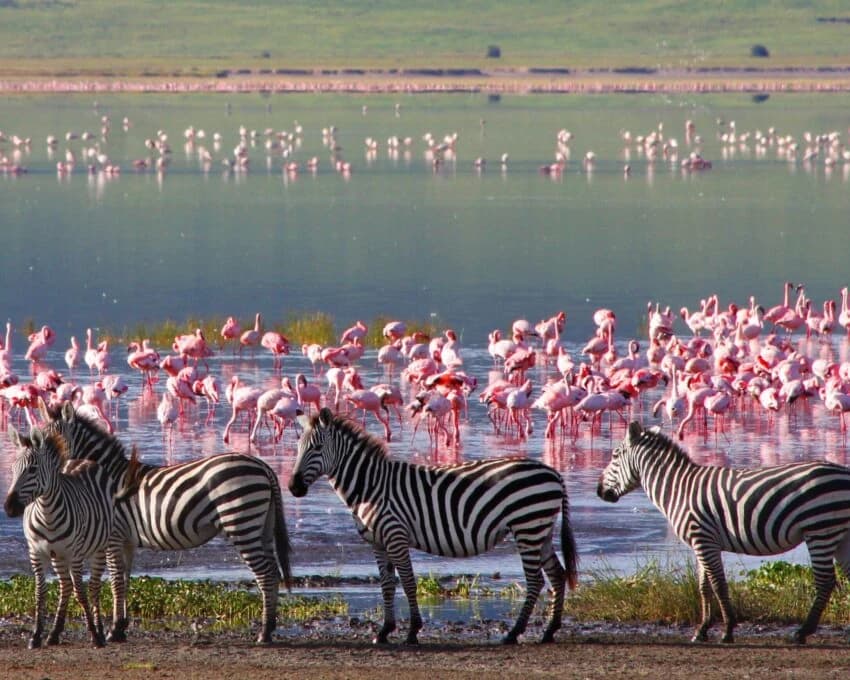
03Descend with a licensed guide to a floor 610 metres down and about 20 km across.
 04
04Granite kopjes rise from the plains, and predators use them as lookouts.
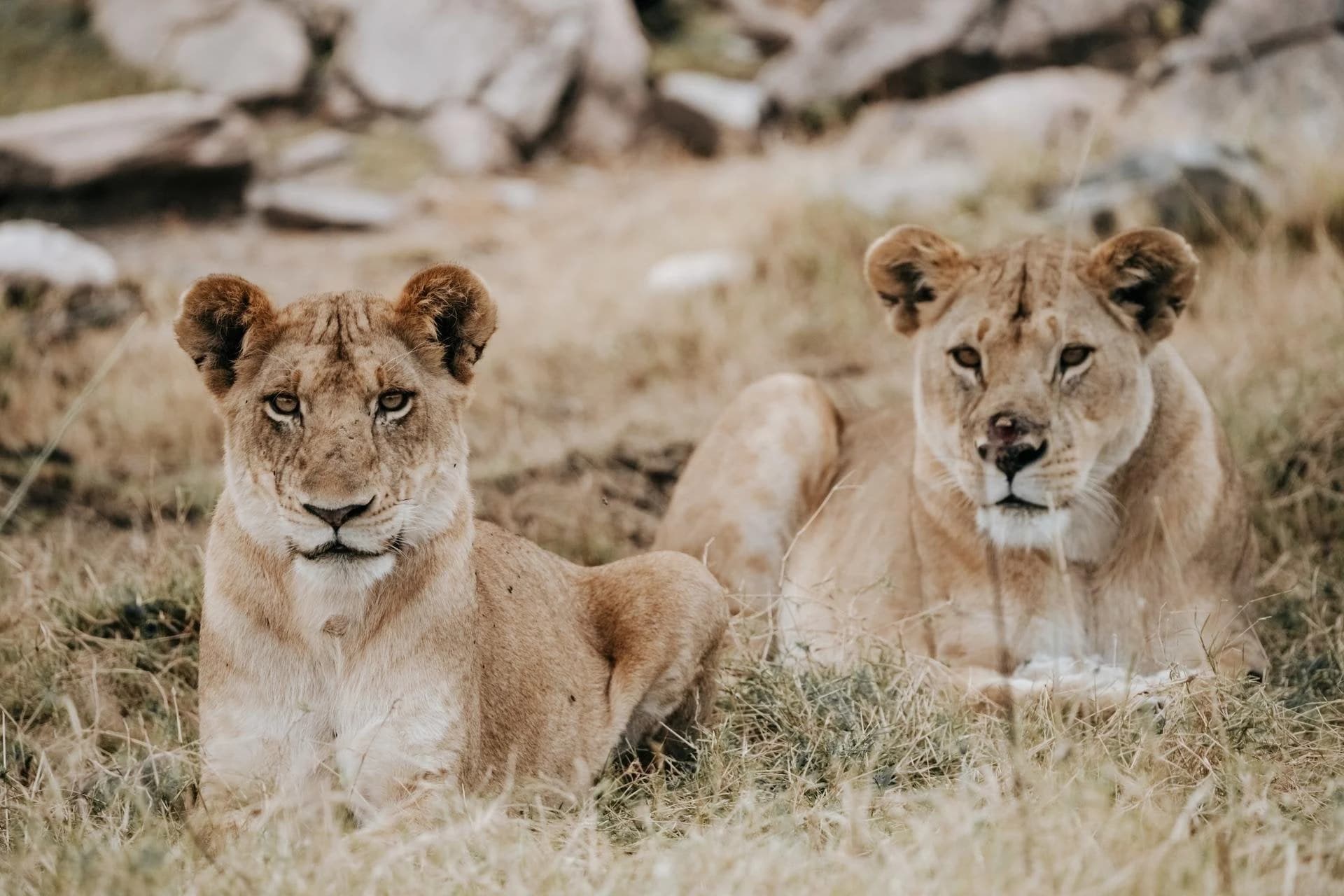
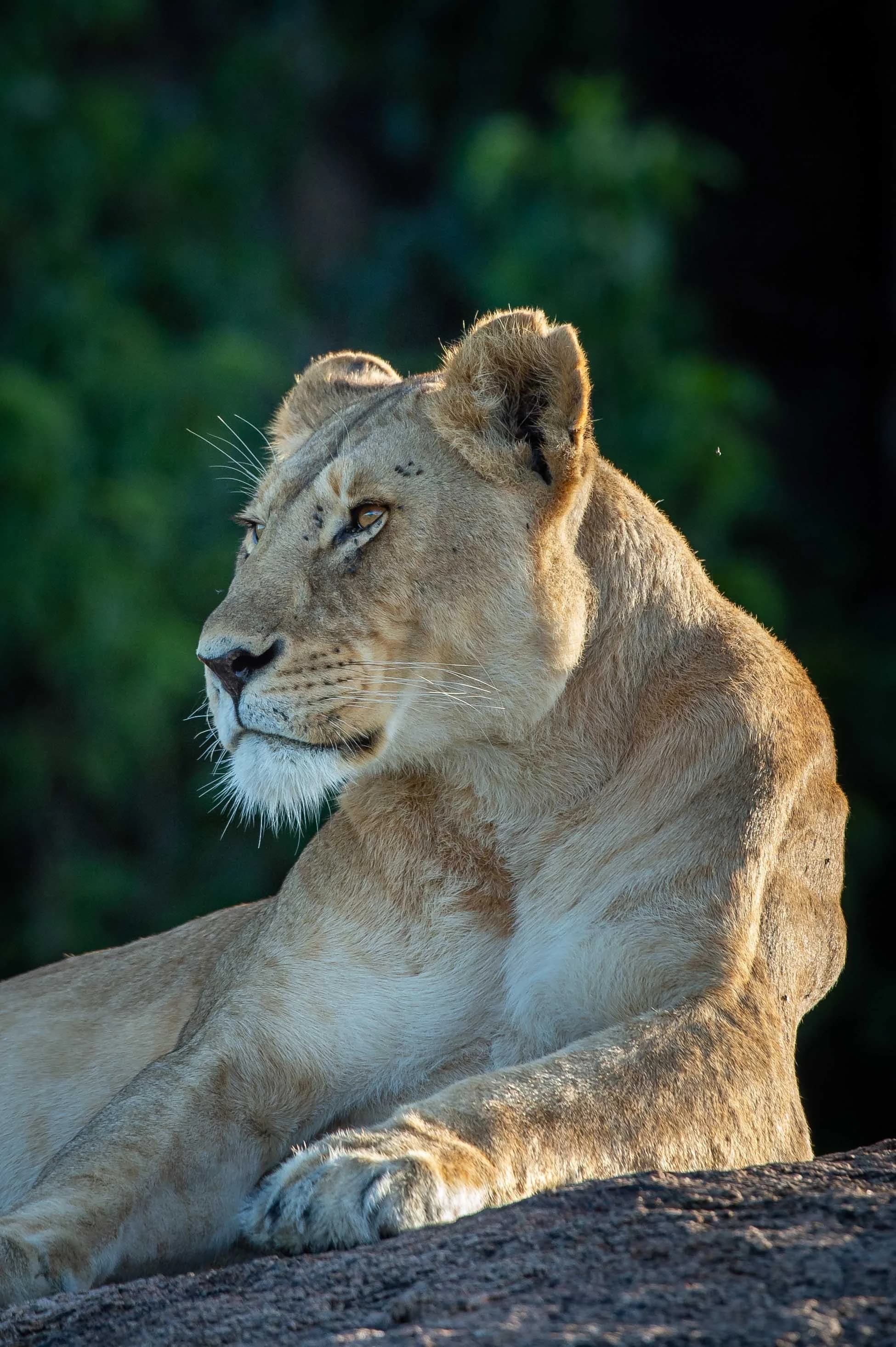
Serengeti lions, leopards and cheetahs stay all year: a chance, never a promise.
A morning flight from Seronera replaces the long drive back and shows the plains from above.
Where you’ll stay
From a simple Essential camp near Tarangire to a Private Collection lodge on the crater rim, each stay is chosen for what it adds. You choose the comfort level, and we keep it steady.
TARANGIRE
Where you might stay
NGORONGORO RIM
Where you might stay
SERENGETI
Where you might stay
Your planner confirms each stay for your dates.
Add to your journey
Select an idea to carry into your brief. Nothing is added to a booking or priced automatically.
A route with room to breathe
Arusha → Tarangire → Ngorongoro rim → Serengeti → Arusha. Three road days, then a drive back or a bush flight out. Your proposal confirms exact times.
A sense of the days
Land and rest in Arusha. Next morning, drive about two hours to Tarangire for a first afternoon drive.
A full day by the Tarangire River, where animals gather in the dry months and scatter when rain returns.
Drive via Karatu to the caldera's edge. Cloud can cover the view, so the afternoon stays open.
Descend at first light with a licensed guide and spend the morning on the floor, then climb out and head west.
Three to four hours to Seronera through Naabi Hill gate, watching for game on the way and arriving by late afternoon.
Unhurried days on the plains and among the kopjes, then the bush flight to Arusha or the long road back.
Typically one night near Arusha, two at Tarangire, one on the Ngorongoro rim and three to five in the Serengeti: seven to nine nights.
Clear from the beginning
Every journey is quoted in full, with no surprises.
Good to know
Northern Tanzania's safari circuit strings together three protected areas south and west of Arusha. Tarangire National Park is known for elephants and baobabs. The Ngorongoro Conservation Area, run by its own authority (NCAA), holds a caldera about 20 km across and was set aside for Maasai land use as well as wildlife. The Serengeti lies to its north-west, running up to the Kenyan border. This Tanzania safari itinerary links them by road, with two to four hours between stops.
Each stop breaks the next drive, and the Serengeti's longest stay comes last. The cost is a full road day back from Seronera; reversing the order just moves it, since Tarangire to Seronera runs six hours or more. Flying out removes it.
Tarangire is elephant and baobab country, its river drawing animals in the dry months. NCAA says the crater holds over 25,000 animals, Big Five included. Cats live in the central Serengeti all year. Sightings vary, and none is promised.
June to September is usually dry, with Tarangire's herds at the river. January and February are a drier spell with calving to the south. March to May brings the long rains; October to mid-December the short rains.
Seven to nine: one near Arusha, two at Tarangire, one on the rim and three to five in the Serengeti. One rim night allows a crater morning; add a second for a full day. Under seven, drives take too big a share.
Operators often quote six hours, but no NCAA page we read states that limit. The descent gate closes at 16:00 and a licensed guide must go with every visitor. NCAA caps a sighting at five vehicles; expect company.
Driving is a full day: three to four hours to the rim, then about four more to Arusha. Morning bush flights reach Arusha by about midday, with baggage limits of 15 kg on Coastal and 20 kg on Auric, whose flights need two seats booked.
Government advice, checked October 2026: the US rates Tanzania Level 3, Reconsider travel (31 October 2025). The UK advises against all but essential travel only within 20 km of Mozambique’s Cabo Delgado border, and warns of armed crime. Neither names Tarangire, Ngorongoro or the Serengeti as warned areas. The UK Air Safety List names Tanzania-certified airlines, which are banned from commercial services to, from and within the UK. Read both before travelling.
Malaria risk is high across Tanzania below 1,800 m; ask a clinic how that applies to each stop. Tanzania asks for a yellow fever certificate from travellers arriving from countries on its risk list, Kenya included. This is general information, not medical advice — consult a travel clinic.
Read before you decide: Hot-air balloon safaris · Best time to see the Great Migration · Tanzania visa
Last checked: October 2026.
When to go
A seasonal snapshot for the northern circuit. It suits almost any month; camps and interests matter as much as the calendar.
Jul / Main dry season
Usually dry, and Tarangire's herds are drawn to its river. Parks and camps are busier, and the nightly concession fee for sleeping inside the Serengeti is higher from July to September.
Broad seasonal guidance — not a forecast, availability calendar or migration promise. Picking a month sets it in your plan.Related journeys
A journey made around you
Tell us your dates and whether you would fly out of the Serengeti, and we'll shape Tanzania Classic around you.