
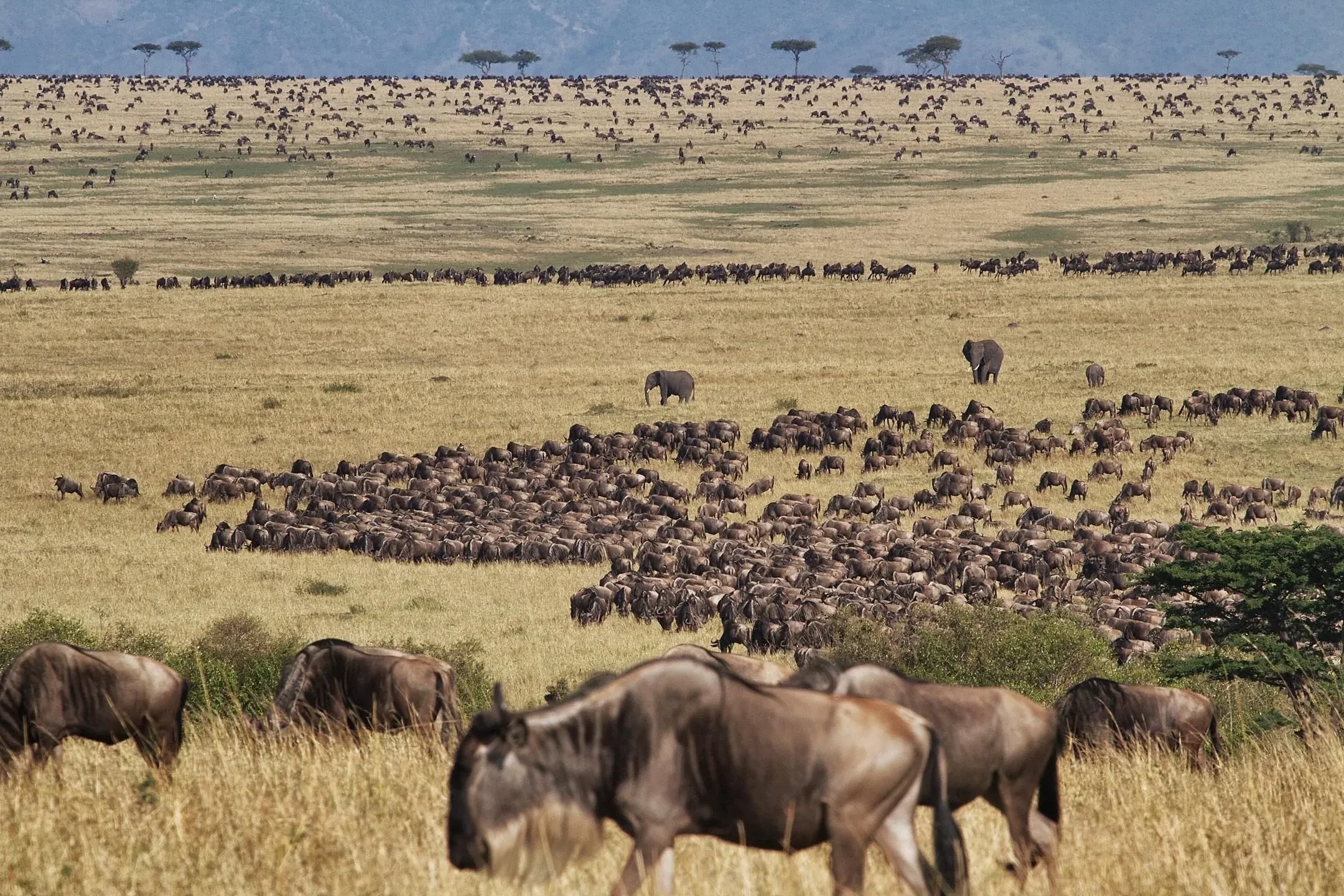
Safari guide
Best time to visit the Serengeti
The best time to visit the Serengeti is the dry season — June to October — for the best game viewing and the wildebeest river crossings in the north. Late January to February is calving season in the south (Ndutu), while the green season (November–May) is lush, quieter and better value. Because the park is vast, the *best* region shifts with the herds through the year.
Written by Joseph Gathuru · Travel designer at Nobu Safaris
Intro
The Serengeti is not one place but a sweep of plains the size of a small country — so the real question isn't only when to go, but where in it to be. The migration moves through it all year, and the dry months simply make the wildlife easiest to find.
That scale is what makes the Serengeti thrilling and easy to mis-plan. A camp that is perfect in February may be wrong for August. A northern crossing itinerary may miss the softness and predator intensity of calving season. Central Serengeti can be excellent when resident wildlife and flexibility matter, but it is not a substitute for being near the right migration chapter if that chapter is the reason you came.
The detail
- June–October — dry, peak. Easy sightings as water thins. The herds reach the northern Serengeti for the Mara River crossings (roughly July–October); the Grumeti crossings in the west come earlier, around June. This is the strongest window for classic dry-season wildlife and river drama, but it brings higher demand and busier camps in the right zones.
- Late January–February — calving (south / Ndutu). Hundreds of thousands of wildebeest calve on the southern short-grass plains, with intense predator action. Dry and superb. This is the Serengeti at its most elemental: open horizons, newborn life, hyenas and big cats working the edges of the herds.
- November–May — green season. Short rains around November, long rains around April–May. Lush plains, newborns, fewer vehicles and gentler rates, with strong resident game throughout. The heaviest rains can complicate travel, but the shoulder green months are rich for photographers and travellers who want space.
The Serengeti also needs honest pacing. Flying between regions can protect time; driving can be beautiful but long. A good itinerary spends less energy "covering" the park and more time in the right ecosystem at the right moment.
That may mean fewer stops than expected. A well-placed camp in the north during crossing season, or in the south during calving, can do more for the journey than a route that changes beds every night. The Serengeti rewards depth over coverage.
Key facts
River crossings: ~Jul–Oct (north). Grumeti: ~June (west). Calving: late Jan–Feb (south/Ndutu). Dry/peak: Jun–Oct. Green season: Nov–May. Tip: match your camp's location to where the herds are that month. Pacing: use flights or fewer stops when distance would erode the safari.
Why Nobu for this
The Serengeti's scale is exactly why placement matters — we put you in the right region for the season, not just the right month. We design the route around what the herds are likely doing, how much time you have, and whether the journey should finish with Ngorongoro, Tarangire or Zanzibar.
For crossing season, that means northern placement and enough nights for nature's uncertainty. For calving, it means the southern plains and a rhythm that lets predator action unfold. For a quieter safari, it may mean central or shoulder-season camps chosen for resident wildlife rather than headline migration timing. → Plan your journey.
Suitability — "right for you if…"
Chasing the crossings → north, July–October. Want calving and predators → south/Ndutu, late January–February. After value and space → the green season, anywhere the herds are settled. Choose the Serengeti over a shorter Mara route if scale and remoteness matter to you; choose a tighter Kenya route if time, simplicity or lower internal travel is more important.
Related Nobu journeys
- The Great Migration Circuit — timed around the Serengeti-Mara movement. → Explore
- Northern Crater Highlands — a natural partner for Serengeti and Ngorongoro. → Explore
- Shores of Zanzibar — pair the Serengeti with the island to finish. → Explore
Common questions
- Where in the Serengeti should I stay by season?
- The north for the river crossings (Jul–Oct), and the southern Ndutu plains for calving (late Jan–Feb); central Serengeti is strong much of the year.
- Is the Serengeti good year-round?
- Yes — resident wildlife is excellent every month; the migration simply moves between regions.
- When is the Serengeti least crowded?
- The green-season months (roughly March–May and November) see far fewer vehicles.
- Are river crossings guaranteed?
- No. They depend on rain and herd movement, so the best plan allows time in the right region rather than promising a fixed event.
- Should I fly or drive between Serengeti regions?
- It depends on time and route. Flying protects safari hours; driving can add landscape and context but should not dominate the journey.
- How many nights should I spend in the Serengeti?
- Three nights is a sensible minimum for most seasonal aims; more is better when crossings, calving or remote camps are central.
More guides
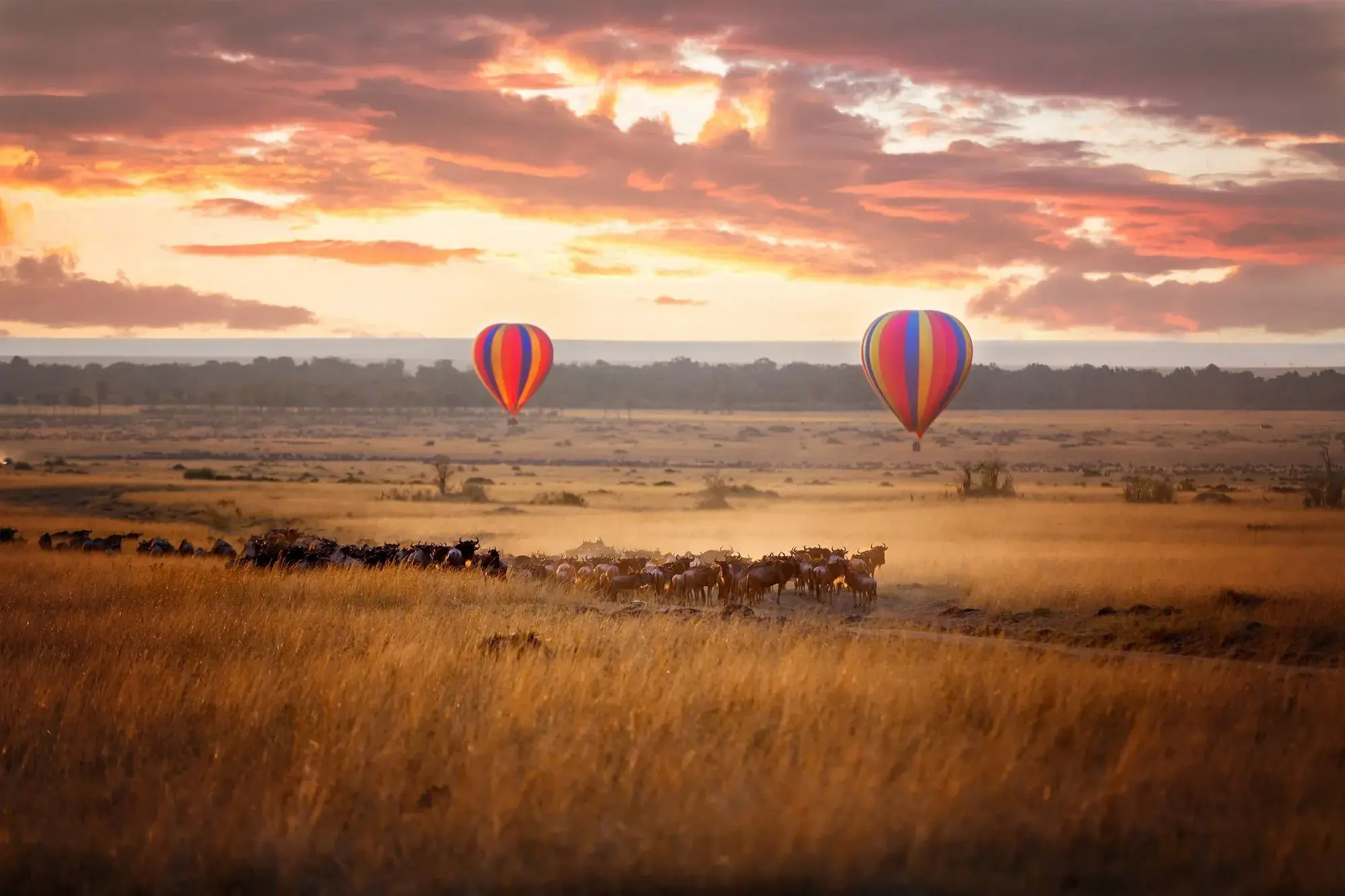 How much does a safari cost?What a safari costs and why — the real drivers (season, accommodation tier, group size, route and country) explained honestly, with no fixed price tags. Your Africa, beautifully told.
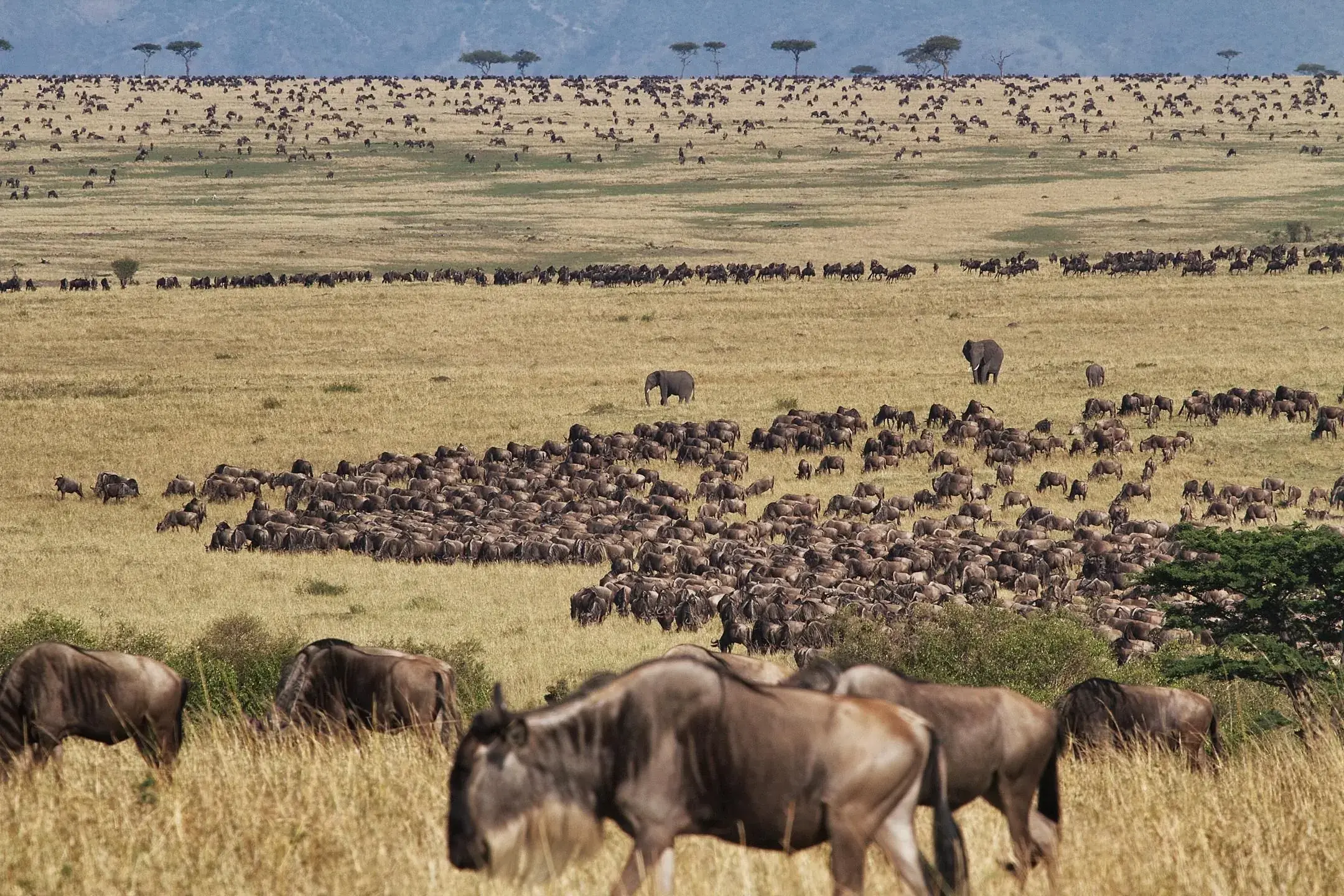 Kenya vs Tanzania safari: which is right for you?Kenya or Tanzania for your first safari? An honest, side-by-side comparison of wildlife, the migration, cost, access and when to go. Your Africa, beautifully told.
- Maasai Mara vs Serengeti: which to choose?Maasai Mara or Serengeti? Compare size, big-cat density, the migration's timing in each, access and cost — an honest, side-by-side guide. Your Africa, beautifully told.