
Safari guide
Best time to see the great migration
The great migration moves year-round, so the best time depends on what you want to see: the dramatic Mara River crossings happen in Kenya's Maasai Mara around July–October, while the calving season is in Tanzania's southern Serengeti around January–February.
Written by Joseph Gathuru · Travel designer at Nobu Safaris
Intro
The migration isn't an event you miss or catch — it's a continuous, year-round circuit of around two million wildebeest and zebra. The question is which chapter you want a front-row seat for.
That matters because the most famous footage, the Mara River crossings, is only one expression of the migration. Calving season in the southern Serengeti can be just as powerful, with thousands of newborns on the short-grass plains and predators never far away. The western corridor has its own drama around the Grumeti. Even the quieter movement between regions can be beautiful if you care about light, scale and the feeling of travelling with a living system rather than arriving for a single scene.
The detail — month by month
- January–February — calving (southern Serengeti / Ndutu, Tanzania). Hundreds of thousands of calves are born; predators are active. This is dramatic in a quieter, lower way than crossing season: open plains, soft light, fast predator encounters and a sense of abundance rather than suspense.
- March–May — the move north & long rains. Herds drift north-west through the central Serengeti; lush, green, low season. Roads and weather need careful handling, but the landscape is cinematic and vehicles thin out.
- June — the Grumeti (western Serengeti). The herds mass and tackle the Grumeti River. It is less famous than the Mara River, but it can be superb for travellers who want river drama before the height of crossing-season demand.
- July–October — the Mara River crossings (Maasai Mara, Kenya). The iconic, heart-in-mouth crossings. Peak season — the most spectacular and the busiest. Because crossings cannot be scheduled, the best design is not one rushed night near a river; it is enough time in the right area to let the herds move.
- November — the return south. Short rains pull the herds back toward the Serengeti. It is a transitional month, better for flexible travellers than for anyone fixed on one exact migration moment.
The Mara River crossings
The crossings are the migration's most dramatic act: thousands of wildebeest massing on the banks before plunging through crocodile-filled water. They happen in Kenya's Maasai Mara, roughly July to October — never on a fixed date, since the herds move with the rains. We plan around the likeliest windows and place you near the active crossing points.
The honest advice is to build patience into the itinerary. A crossing day can involve waiting, reading herd behaviour, changing position and accepting that nature may refuse the script. The reward is not just the plunge itself, but the days around it: big cats following the herds, dusty evening light, the sound of movement across the grass and the feeling that the whole plain is alive.
Key facts
River crossings: Jul–Oct (Kenya, Maasai Mara). Calving: Jan–Feb (Tanzania, S Serengeti). Grumeti: ~June. Green movement: Mar–May and Nov. Note: timing shifts year to year with the rains — nature keeps its own calendar.
Why Nobu for this
We design journeys timed to the chapter you want, in the right country — see → Into the Wild Mara for crossing season, or ask us to time a calving safari. The key is placement: not simply "Serengeti" or "Mara", but the right part of each ecosystem for the month.
For crossing season, we build in enough time and choose camps with sensible access to likely crossing points. For calving, we lean south into Ndutu and the short-grass plains. For the shoulder months, we design with a little more flexibility, so the journey can still feel rich even if the herds are between headline locations.
Suitability — "right for you if…"
Want the famous crossings → travel Jul–Oct to the Mara, and allow enough nights for patience. Prefer drama with fewer crowds → Jan–Feb calving in the Serengeti. Want a softer, moodier safari with lower vehicle density → consider the green movement months. Travelling with children or first-time safari companions → crossings can be thrilling, but calving may offer a better balance of action, open space and daily rhythm.
Related Nobu journeys
- Into the Wild Mara — timed to the river-crossing season. → Explore
- The Great Migration Circuit — built around the moving herds across Kenya and Tanzania. → Explore
- Northern Crater Highlands — pairs naturally with a southern Serengeti calving focus. → Explore
Common questions
- When are the Mara River crossings?
- Roughly July to October, in Kenya's Maasai Mara.
- When is calving season?
- Around January–February in Tanzania's southern Serengeti.
- Can the timing be predicted exactly?
- No — the herds follow the rains, so months shift year to year; we plan around the likeliest windows.
- How many nights do I need for crossings?
- More than one. The best designs allow time near the river rather than relying on a single scheduled crossing day.
- Is calving better than the crossings?
- Not better, just different: calving is broad, predator-rich and often quieter; crossings are intense, suspenseful and busier.
More guides
- Best time to visit AfricaWhen to go on an African safari: broadly the dry season (June–October in East Africa, May–October in the south), with green seasons for value, birding and newborns. Your Africa, beautifully told.
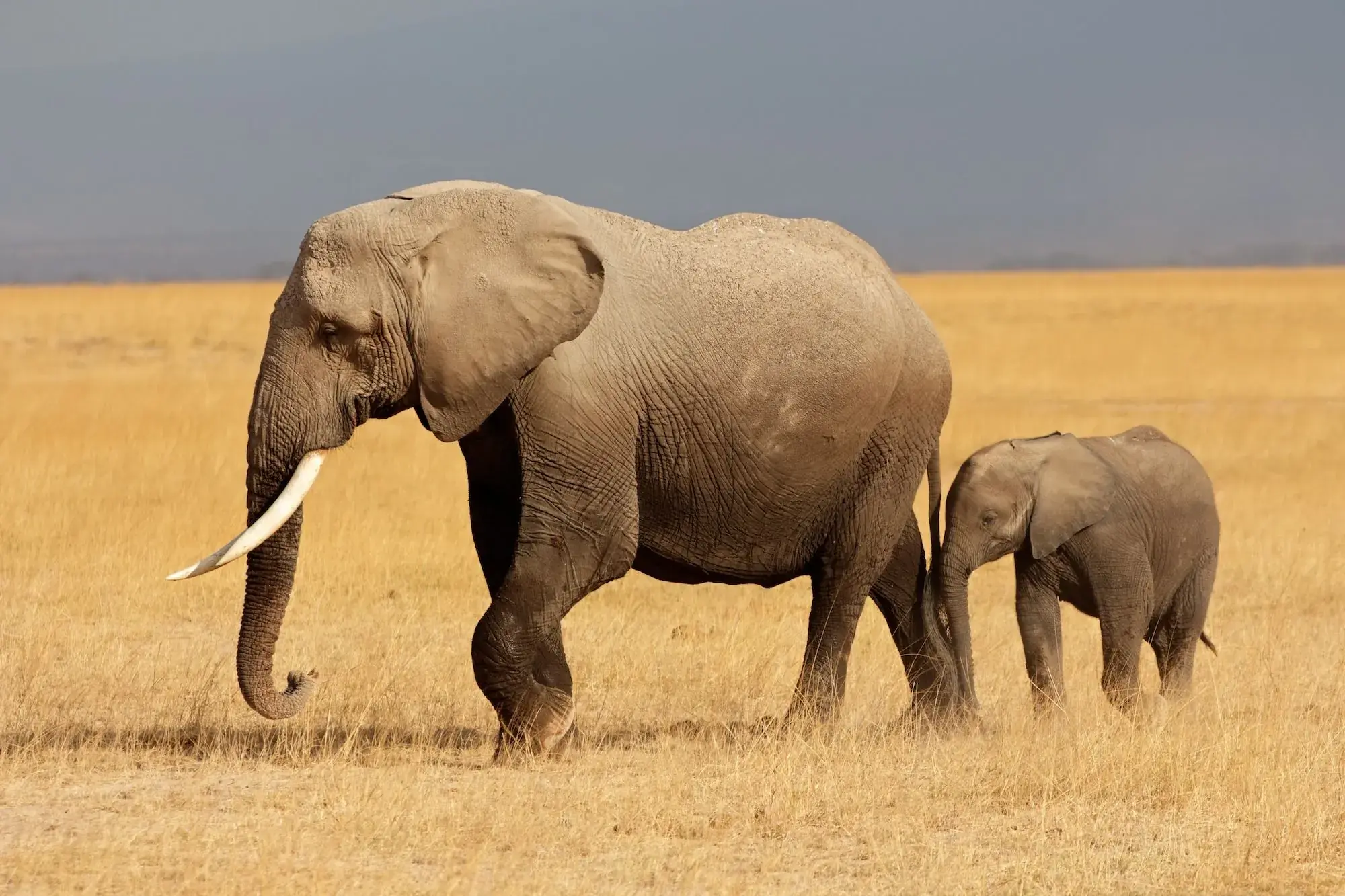 Best time to visit AmboseliWhen to visit Amboseli: the dry seasons (June–October and January–February) for clear Kilimanjaro views and big elephant herds, and the green months for lush, quiet plains. Your Africa, beautifully told.
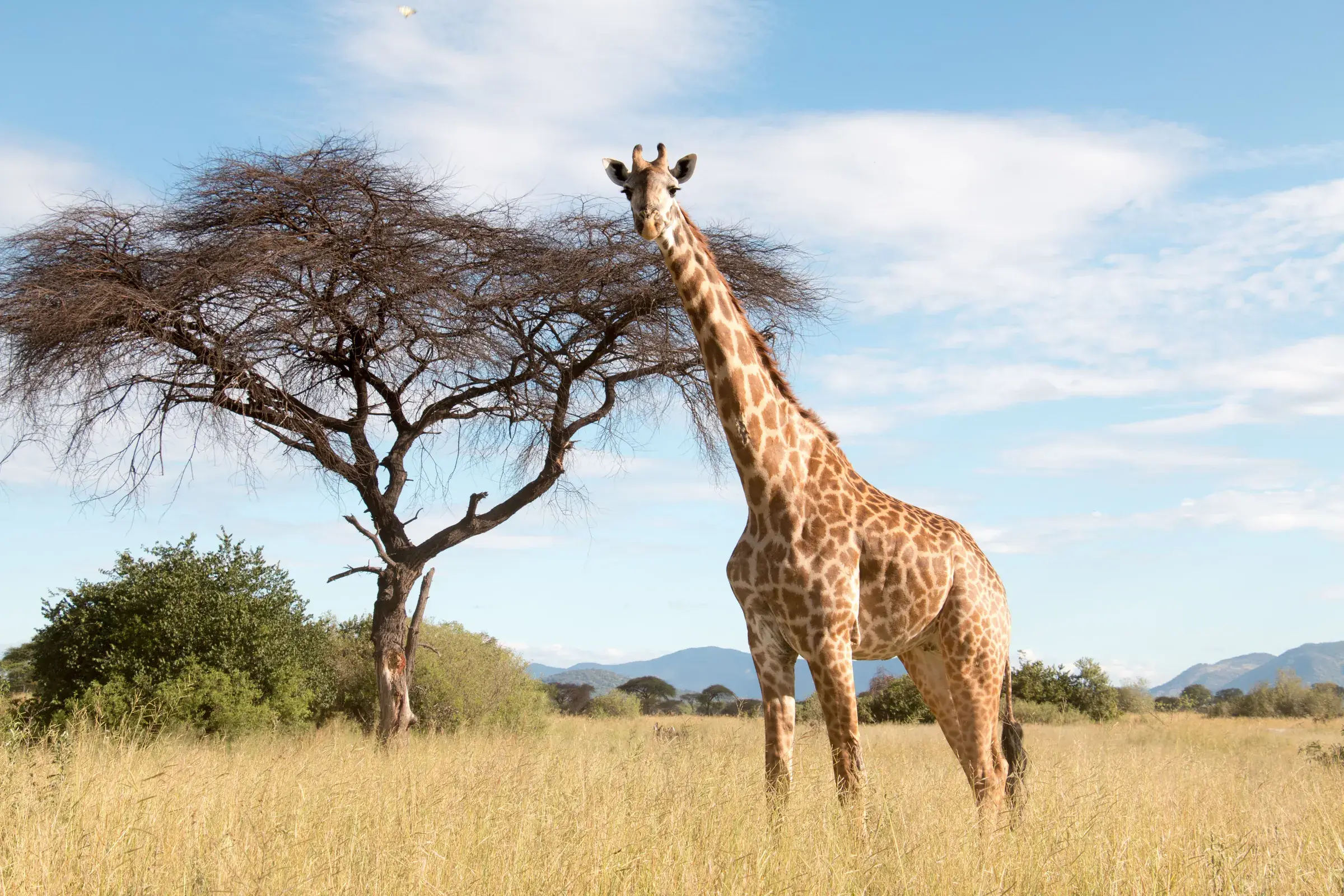 Best time to visit KenyaWhen to visit Kenya: the dry season (late June–October) for the migration and best game viewing, January–February for clear skies, and the green season for value and solitude. Your Africa, beautifully told.