Mara North Conservancy
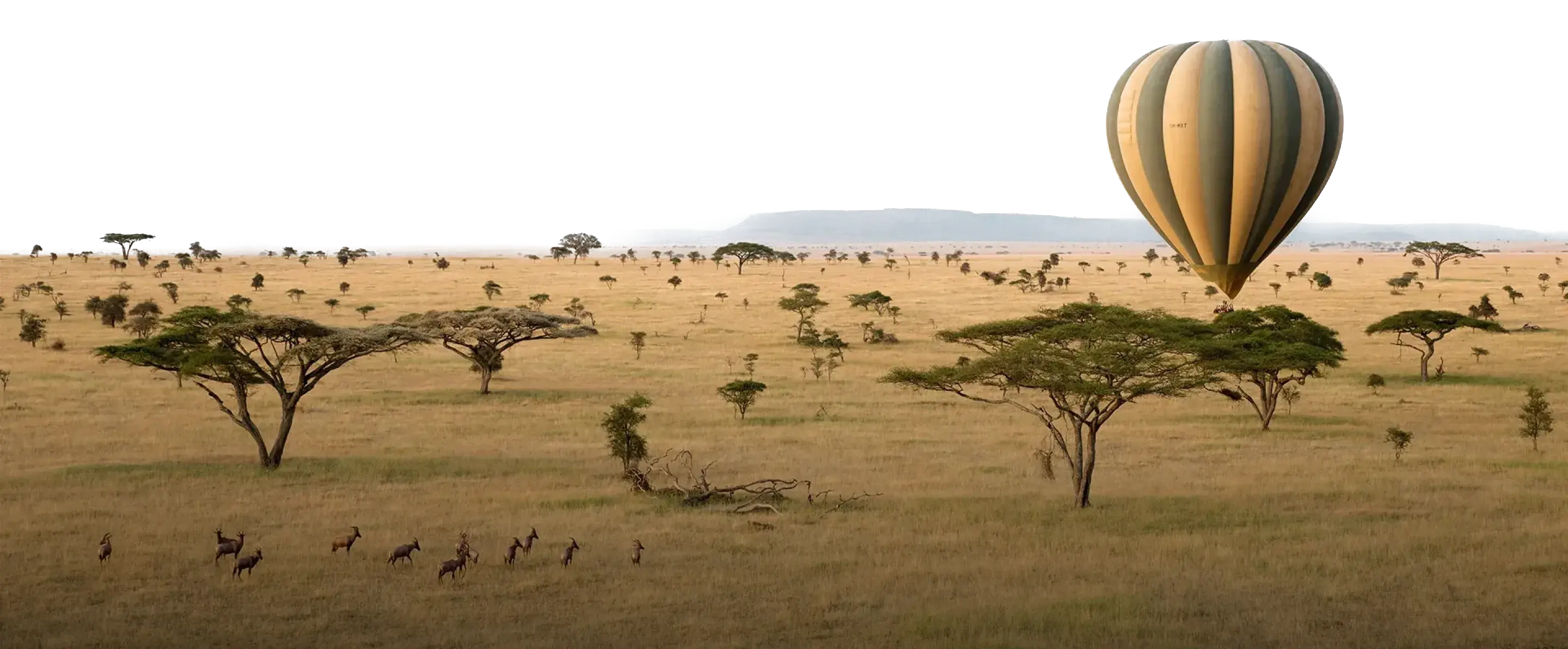
Mara North Conservancy is one of the largest private conservancies bordering Kenya's Maasai Mara National Reserve, on its north-western edge, framed by the Oloololo (Lemek) escarpment. Formed as a partnership with Maasai landowners, it delivers classic sweeping Mara scenery with far fewer vehicles — capped game-drive numbers plus walking, night and off-road drives the reserve does not allow — and sits close enough to reach the Mara River crossings in season.
Why visit
If the Maasai Mara is the first name in African safari, Mara North is the Mara you have to yourself. It is one of the largest of the conservancies that ring the national reserve — tens of thousands of acres of open grassland running up to the wall of the Oloololo escarpment on the reserve's north-western flank. The scale is the point. Here the plains simply keep going, and the vehicle you share them with may be the only one in sight.
What makes that possible is a partnership rather than a fence. Mara North is held in agreement with the Maasai landowners whose grazing has shaped this land for generations, and the conservancy caps how many camps operate and how many vehicles reach any sighting. The result is a stretch of quintessential Mara country — the golden light, the escarpment backdrop, the cats on the ridgelines — experienced at a density the reserve itself cannot offer.
And it is not remote from the drama. Mara North shares its southern boundary with the national reserve, so the Mara River crossings of migration season are within reach on a day's drive, while your nights return to the quiet of the conservancy.
Wildlife & landscapes
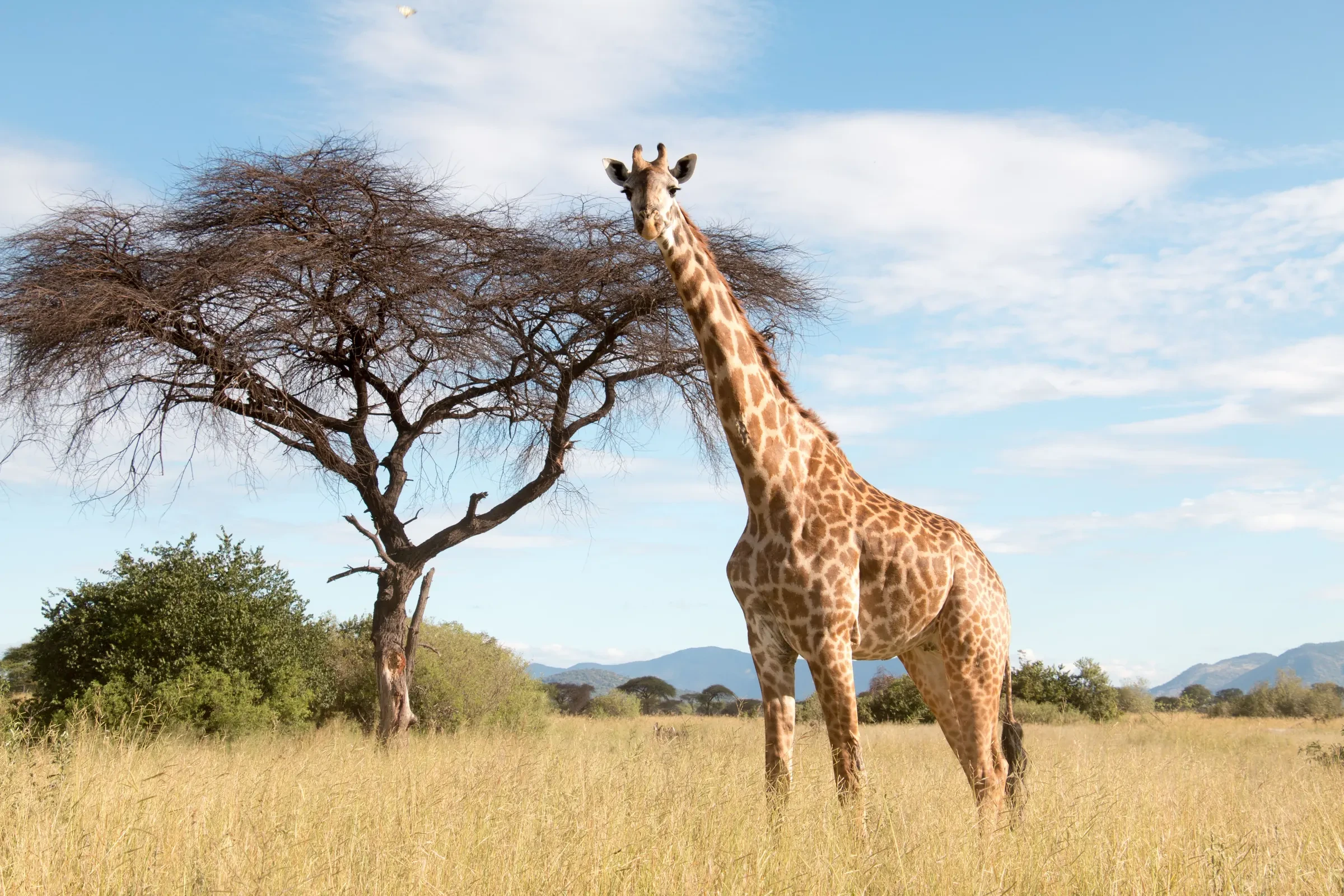
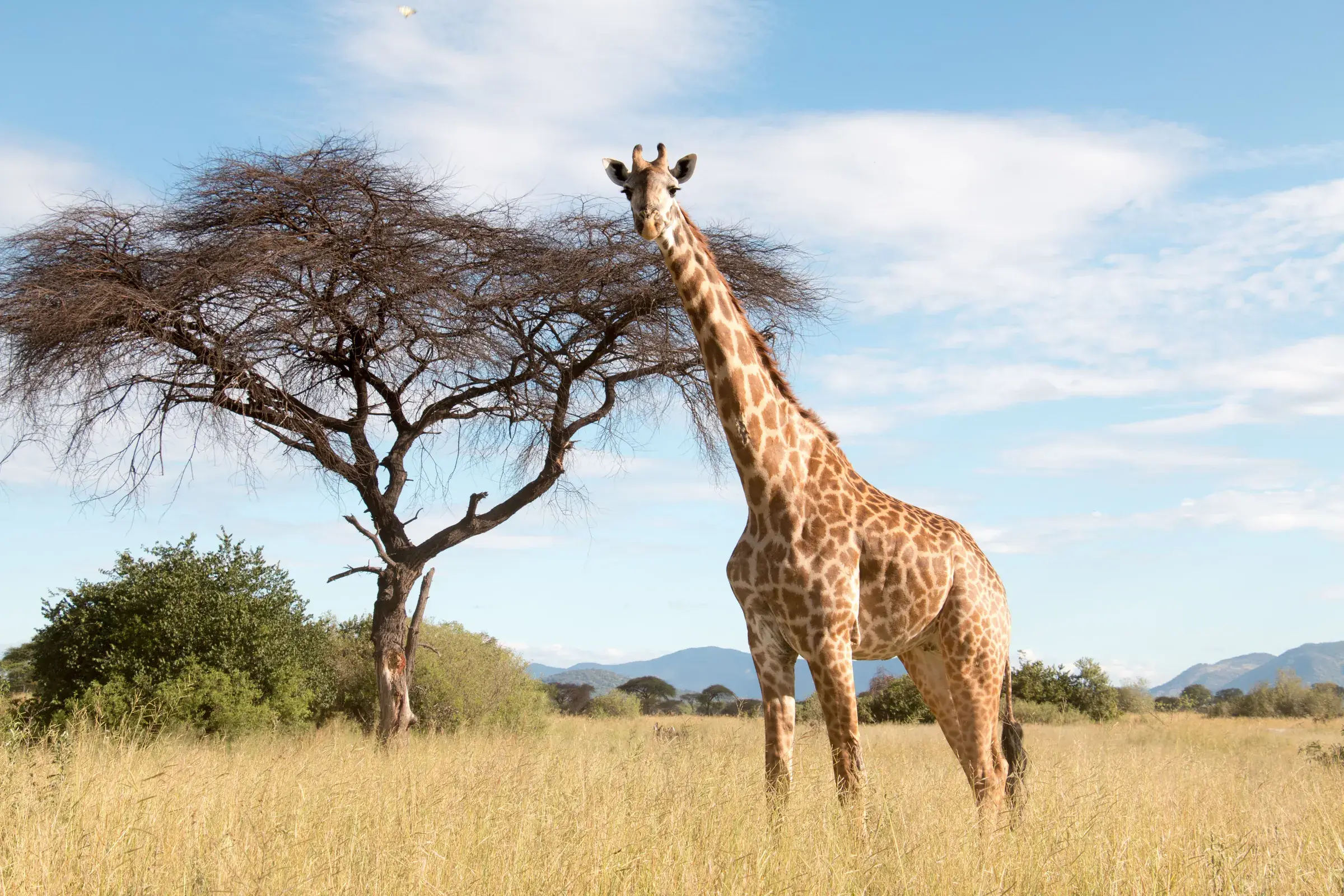
Mara North is big-cat country with room to breathe. The open plains beneath the escarpment hold strong resident lion prides — this is famous territory for some of the Mara's best-known prides — alongside cheetah on the grassland and leopard in the riverine thickets and rocky ground below the ridge. Add elephant moving in family herds, buffalo, giraffe, eland, topi and the plains game that draw the predators, plus hyena and other smaller carnivores best seen on a night drive.
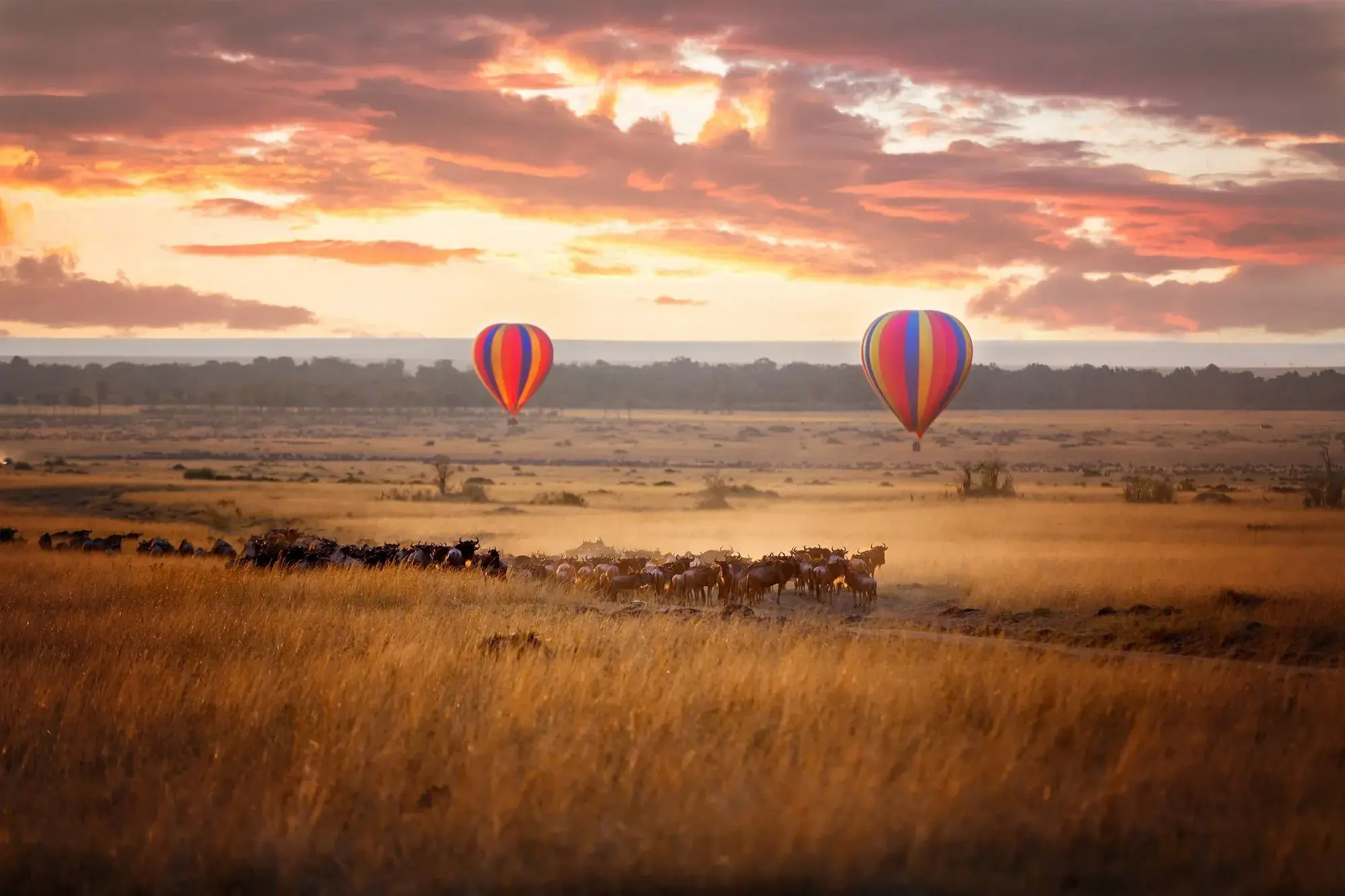
The landscape is the differentiator. Where much of the Mara is uninterrupted savannah, Mara North is framed by the Oloololo (Lemek) escarpment, a long rampart rising along its western edge that gives the plains depth and drama and puts sundowners against a genuine skyline. The Mara River and its tributaries thread the country, drawing game to water. In migration season, wildebeest and zebra pour through the conservancy on their way to and from the crossing points on the reserve boundary.
Best time to visit
Mara North rewards every season. The headline remains the wildebeest migration, roughly July to October, when the herds move through the conservancy and the crossings on the neighbouring reserve are within reach — the busiest, most dramatic window. January–February is dry and bright with excellent resident game and green-tinged plains. The green season (November–June) brings lush grass, newborns and the fewest other guests, when the conservancy's exclusivity is felt most keenly. The resident cats are here every month. Full month-by-month detail sits in our → Best time to visit the Maasai Mara guide.
Things to do here
- Game drives — morning and late-afternoon drives across open plains beneath the escarpment, with capped vehicle numbers at every sighting.
- Walking safaris — on foot with an armed Maasai guide, permitted in the conservancy where it is not in the reserve (see → Walking safari).
- Night drives — after-dark drives for leopard, hyena and nocturnal species, a conservancy privilege (see → Night game drive).
- Off-road driving — leaving the track to reach a sighting, allowed here and not in the national reserve.
- Maasai cultural visits — genuine encounters with the landowning communities whose partnership makes the conservancy possible.
- Migration crossings — full-day drives to the Mara River crossing points on the adjoining reserve in season.
Know before you go
- Getting there: ~45-minute light-aircraft hop from Nairobi (Wilson Airport) to one of the Mara airstrips serving the conservancy, or a ~5–6 hour road transfer.
- Fees: a conservancy fee applies (per night, per person) and is typically included in a camp's rate; we confirm current charges and set them out in your quote.
- How long: 3–4 nights lets you cover the conservancy's plains and reach the reserve crossings without rushing; pair with Amboseli, Laikipia or the coast for a fuller Kenya journey.
Related Nobu journeys
- Into the Wild Mara — the Mara at its fullest, timed to your season and weighted to the quiet of a conservancy. → Explore
- The Great Migration Circuit — following the herds across the Mara ecosystem, crossings included. → Explore
- Mara and Amboseli Classic — the Mara's great plains paired with elephants beneath Kilimanjaro. → Explore
When to go
Month by month — daytime warmth, days of rain and what the season brings.
Where to stay
From Essential to Private Collection — the camps and lodges we know first-hand here. Rates are indicative and confirmed on enquiry.
Elevated
Kicheche Mara Camp
Elevatedtented camp · private conservancy
from $500 pp / night· indicative, confirmed on enquiry
Saruni Mara
Elevatedlodge · private conservancy
from $500 pp / night· indicative, confirmed on enquiry
Private Collection
JW Marriott Masai Mara Lodge
Private Collectiontented camp · private conservancy
from $1,000 pp / night· indicative, confirmed on enquiry
Journeys through here
Signature routes that pass through Mara North Conservancy — starting points we reshape around your season and pace.
Experiences here
Common questions
- How big is Mara North Conservancy?
- It is one of the largest of the Maasai Mara's private conservancies, running across tens of thousands of acres on the reserve's north-western edge up to the Oloololo escarpment — scale is a large part of what gives it its sense of space and solitude.
- What is the difference between Mara North and the other Mara conservancies?
- All the conservancies cap vehicles and allow walking, night and off-road drives, but Mara North's signature is its scale and its escarpment landscape, plus a southern boundary shared with the national reserve that puts the migration crossings within reach.
- Can you see the migration crossings from Mara North?
- The crossings happen on the Mara River within the national reserve, which adjoins the conservancy; from a Mara North camp you reach them on a full day's drive in season, roughly July to October.
- Is Mara North good for walking safaris?
- Yes. As a private conservancy it permits guided walking with an armed Maasai guide, alongside night and off-road drives that the national reserve does not allow.
- How is Mara North connected to the Maasai community?
- The conservancy is a partnership with the Maasai landowners whose land it comprises; conservancy fees and a capped camp model channel tourism income back to those communities.
Tell us what you want from Mara North Conservancy
We'll design the journey around it — places, pace and people matched to how you travel.