Landing on dirt
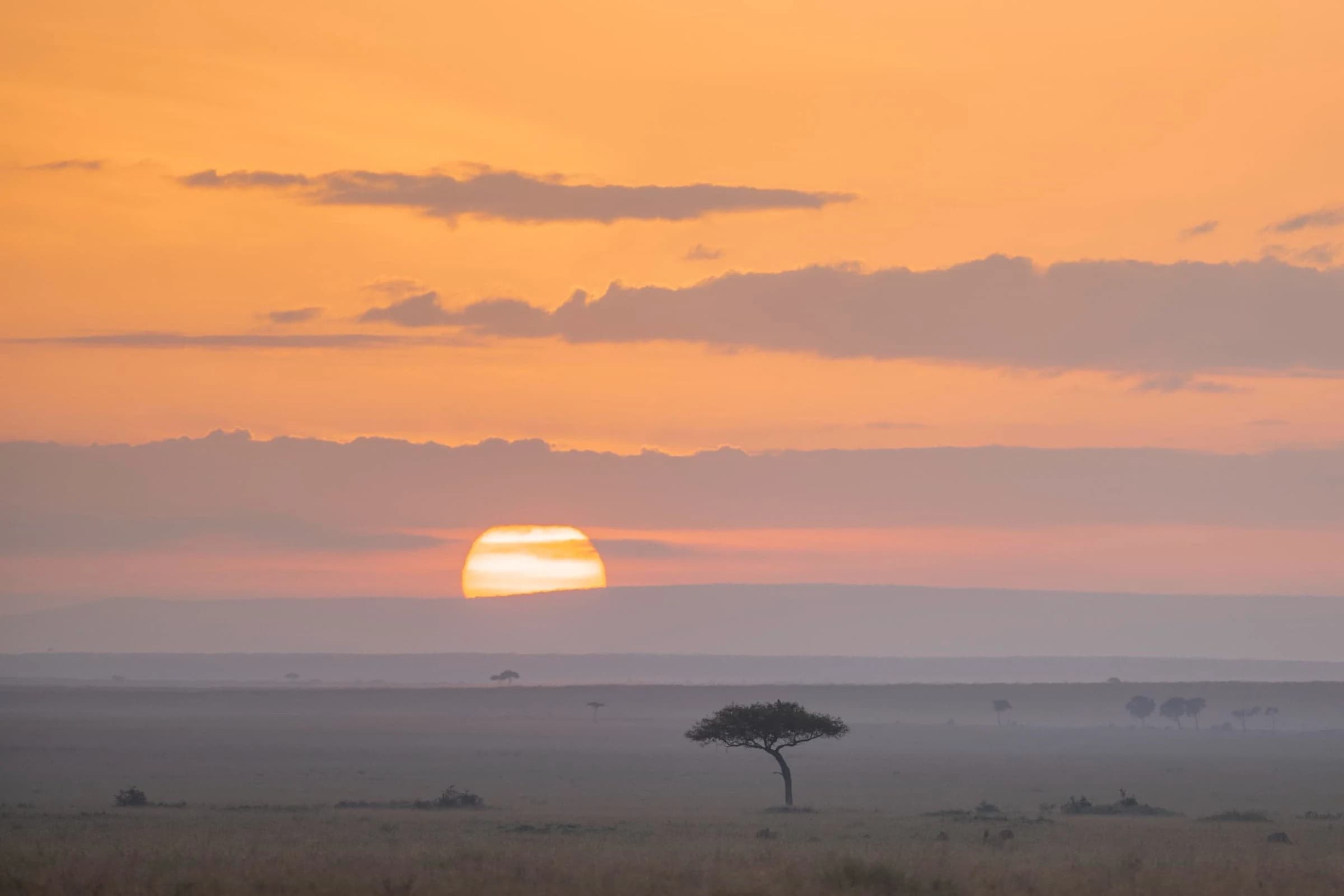
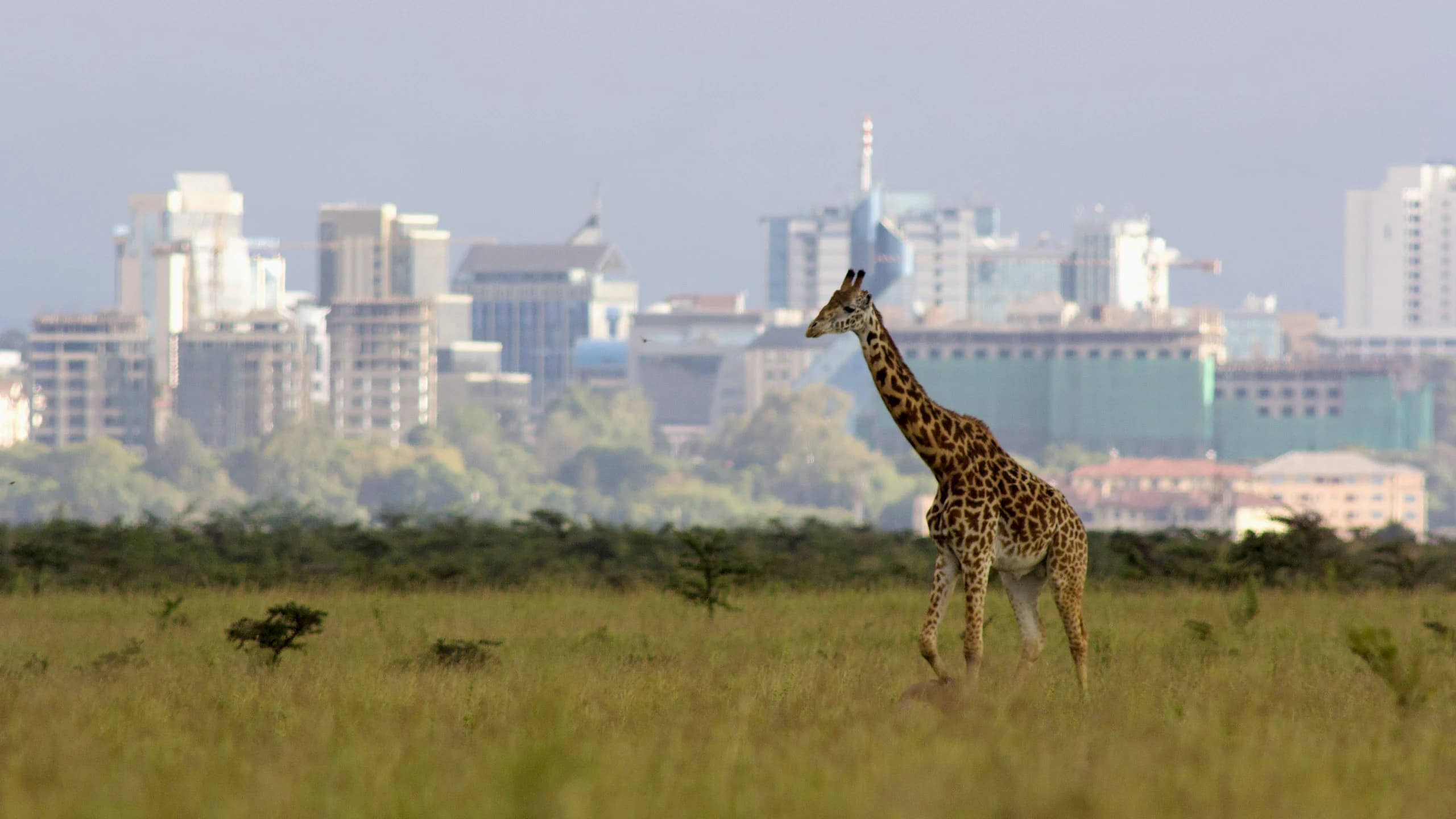
Below the wing the city gives way to the Rift, then grass, then a dirt strip.
Safari / Kenya
The Maasai Mara alone, for travellers who would rather stay than move: four or five nights.
The journey
Just the Maasai Mara, with enough nights to stop counting them.
This Maasai Mara safari itinerary takes you by light aircraft from Nairobi’s Wilson Airport to a bush airstrip in about an hour, then to a camp on Maasai-leased land, where vehicles are fewer and walks and night drives are allowed. A night or two on the reserve side brings the Mara River within reach.
Into the Wild Mara suits travellers who prefer depth to range: the cats, the plains and the river, with no second park to reach. The trade-off is a single landscape. You can travel privately, or join a small group on set dates.
One place, given time: the Mara read slowly, in the season you choose, and arranged on your terms.
Moments along the way
Below the wing the city gives way to the Rift, then grass, then a dirt strip.
 02
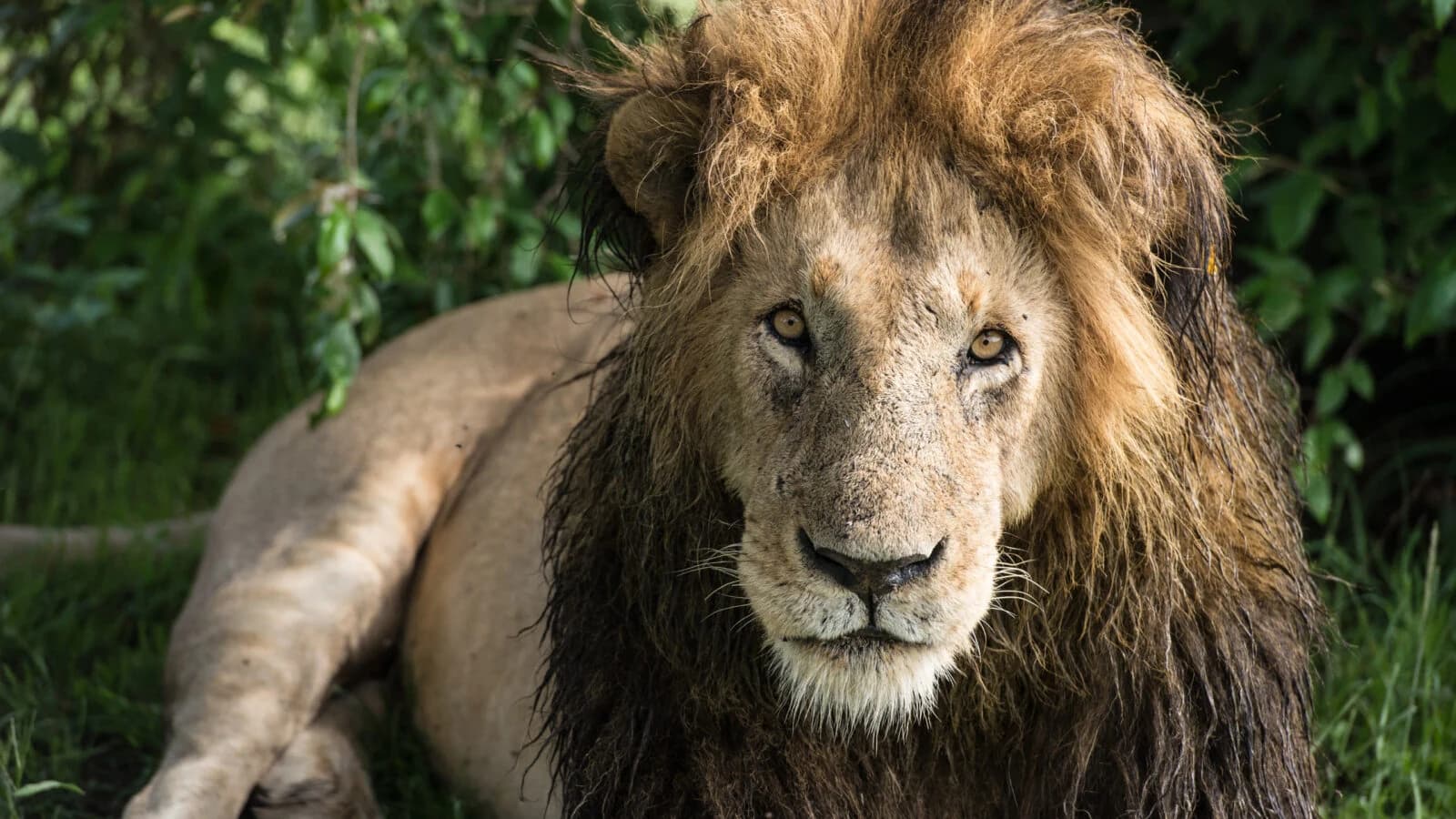
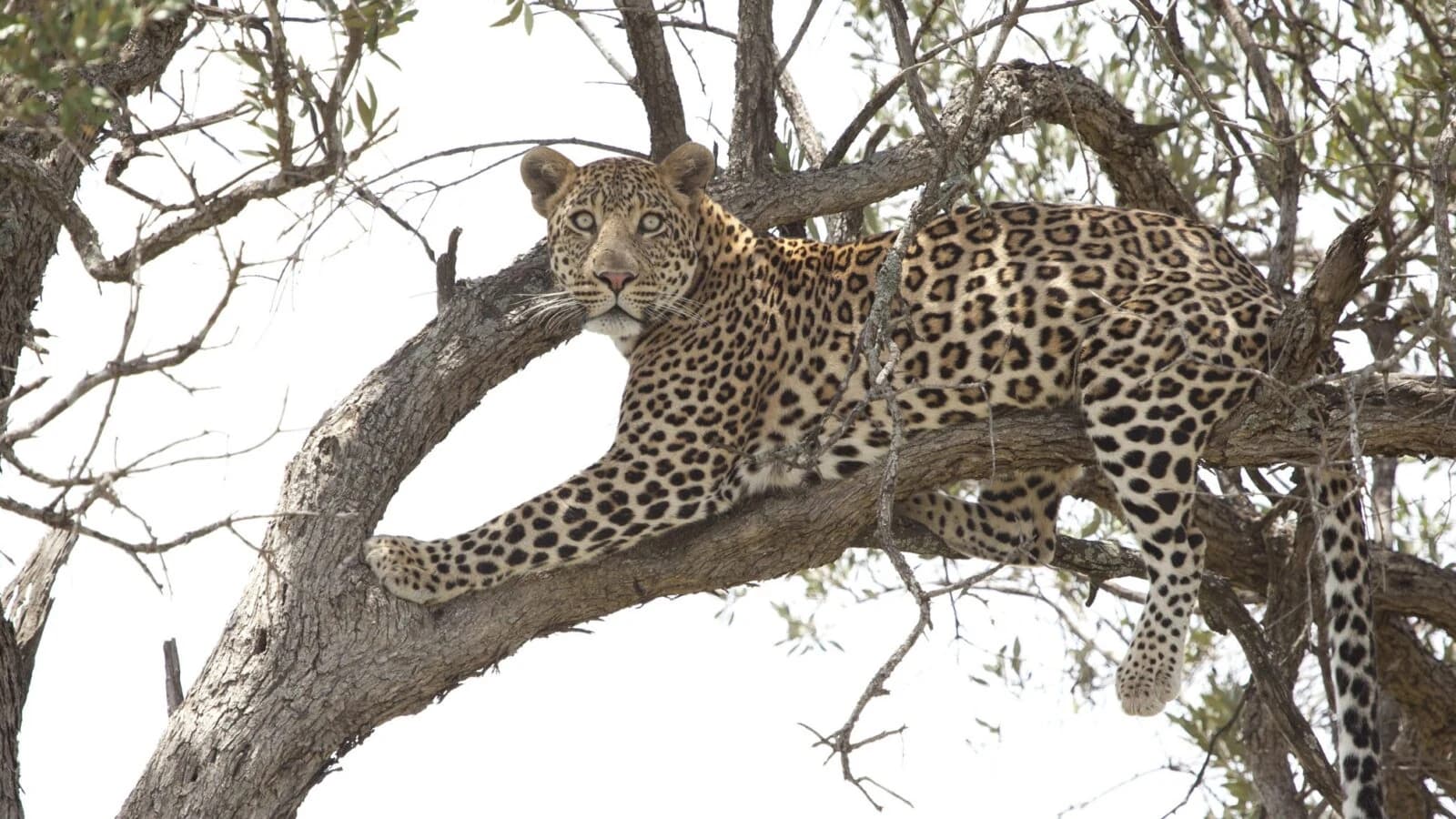
02Conservancies limit guests as well as vehicles, so a lion or cheetah is watched, not crowded.
 03
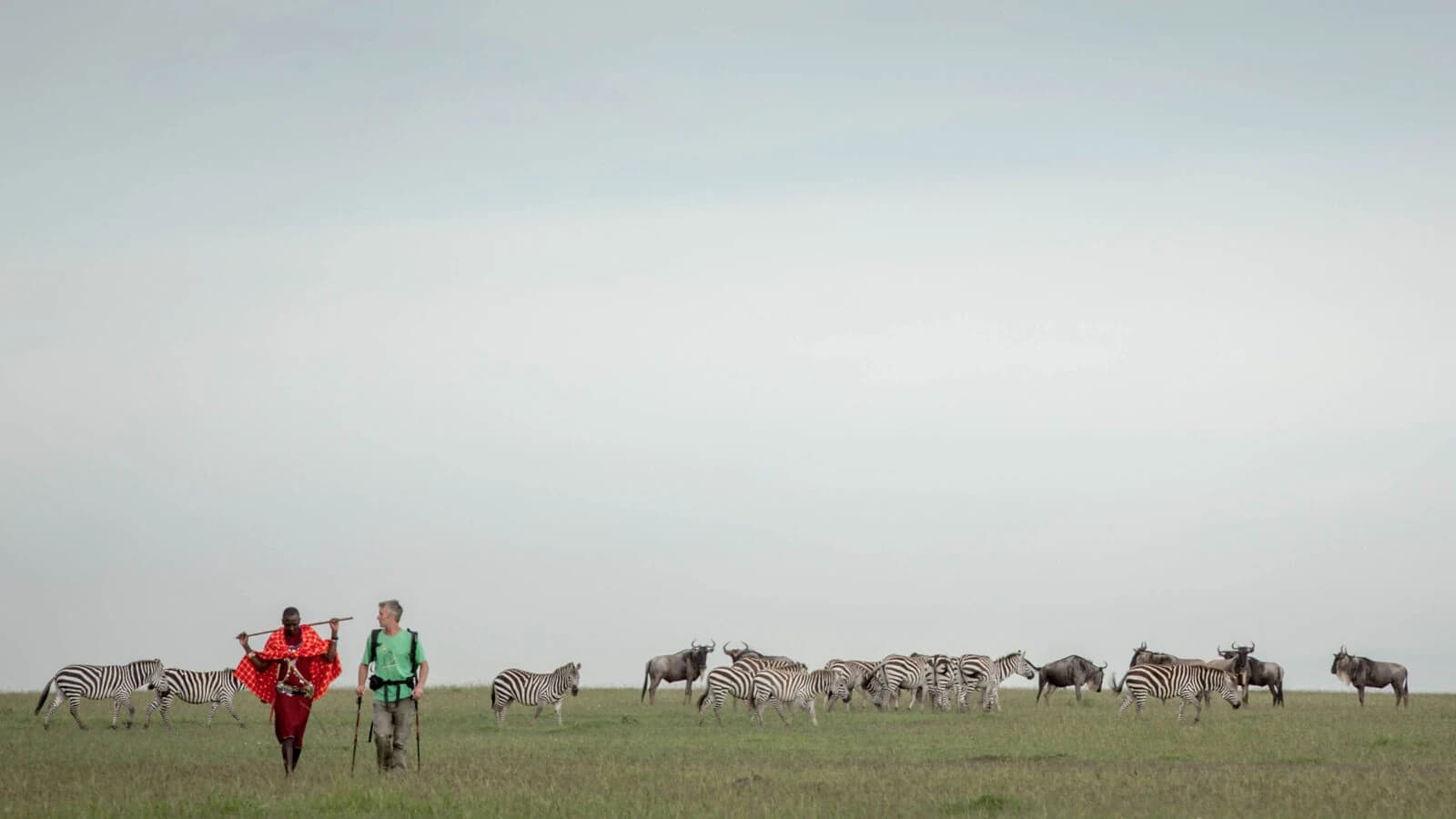
03An armed ranger or guide usually leads, and each conservancy camp sets its own minimum age.
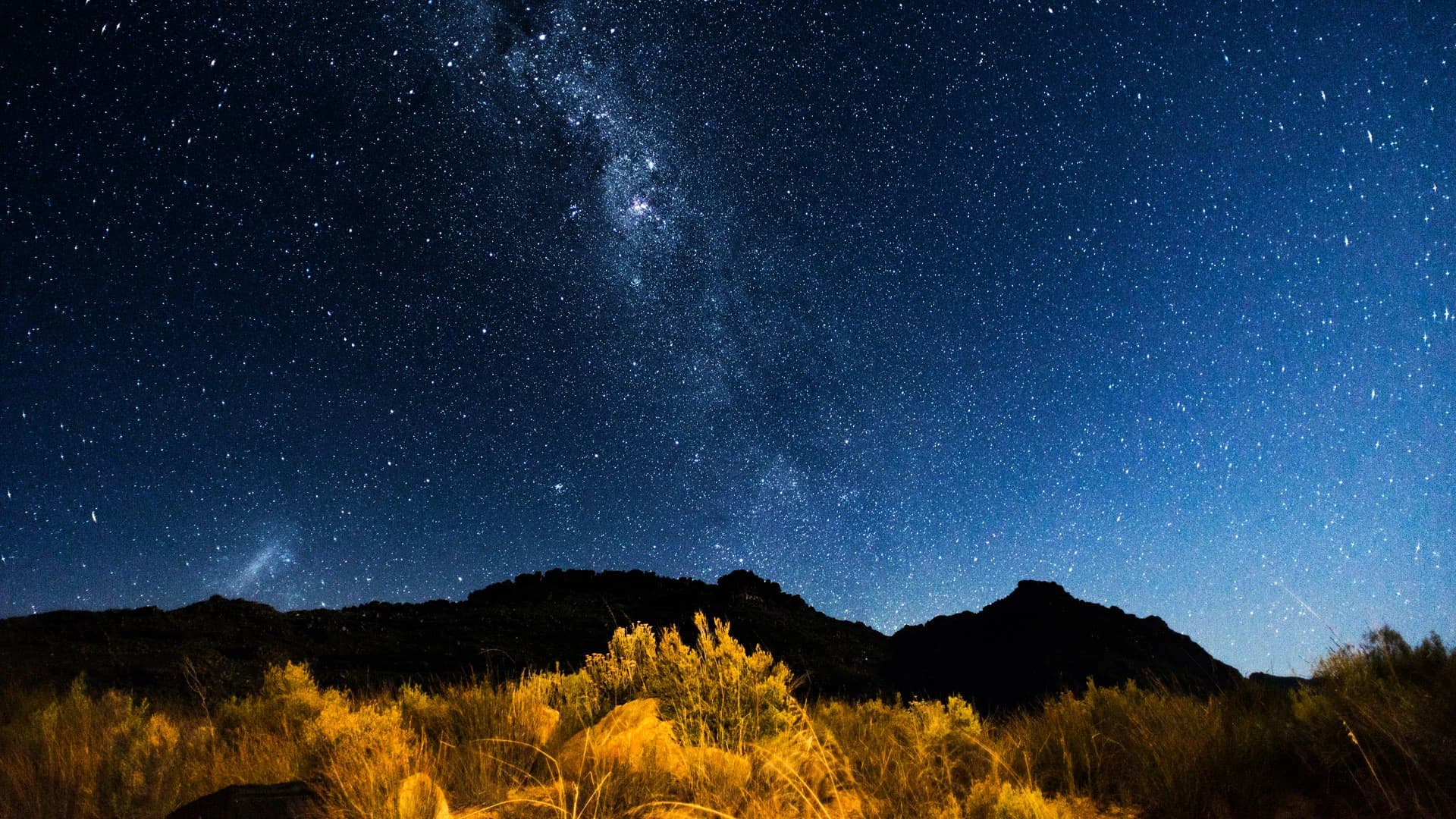
A spotlit drive after dusk shows the conservancy on its other shift.
 05
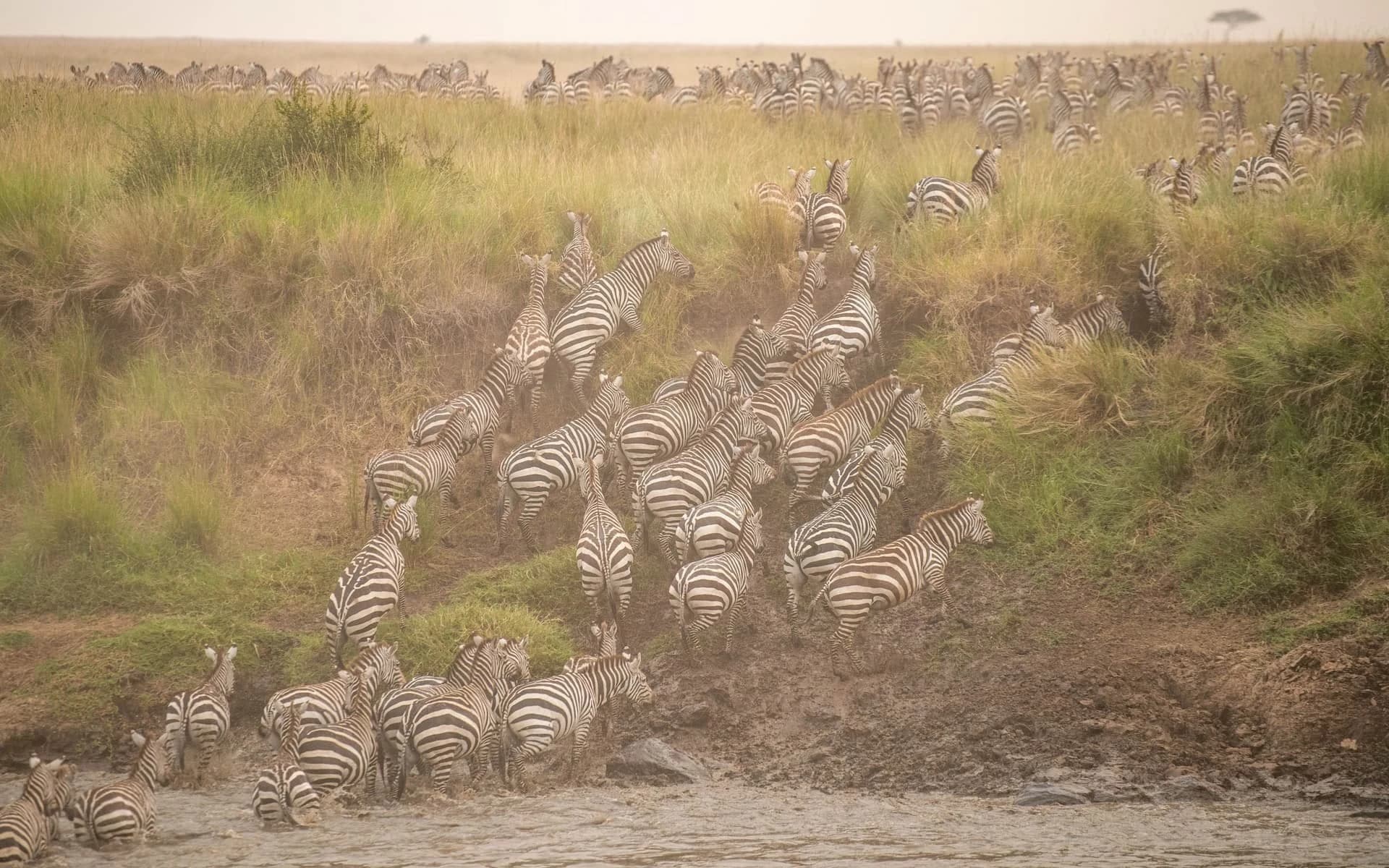
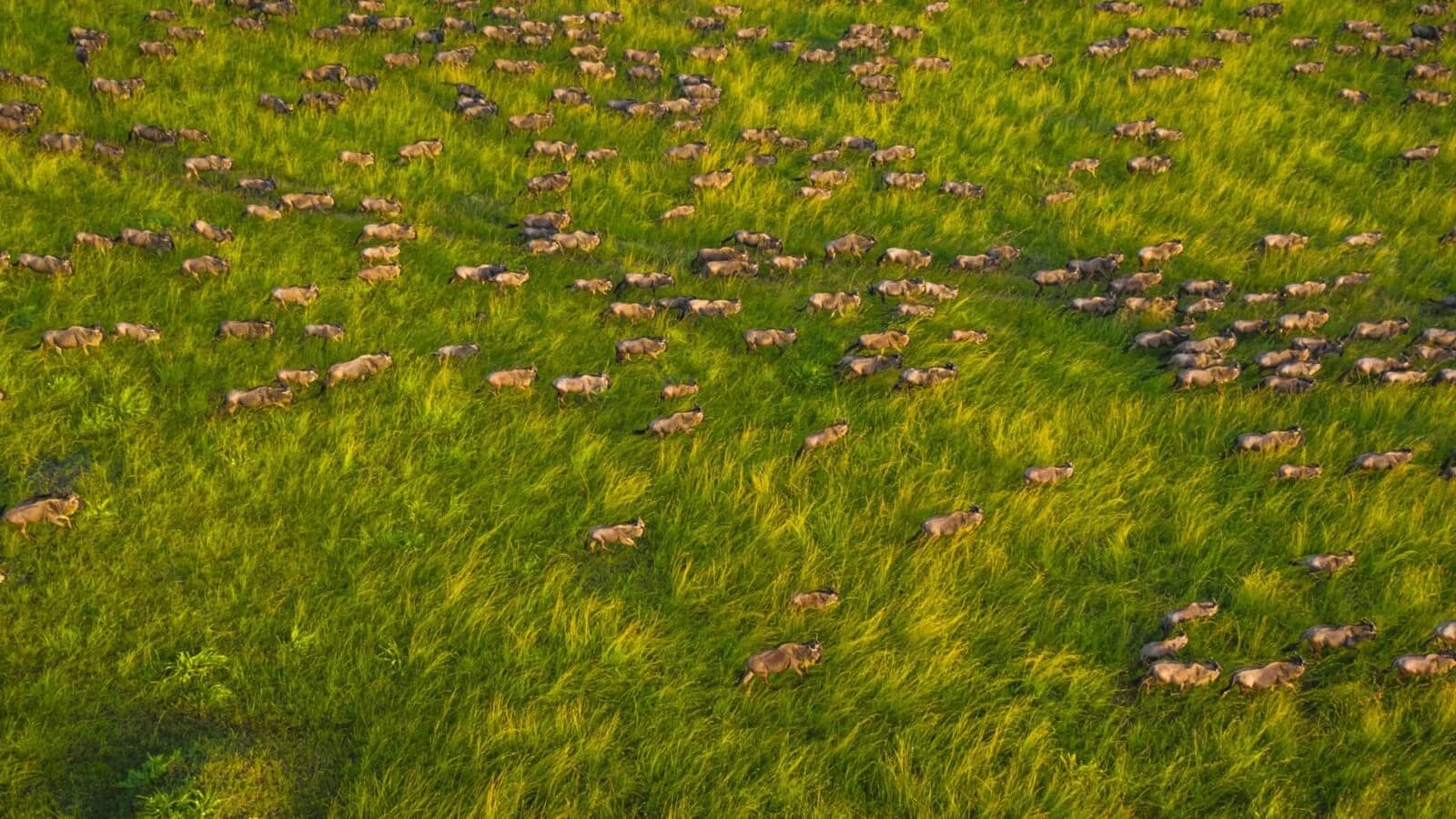
05From July to October the herds are usually here; whether they cross is theirs to decide.
Ask your guide to hold back and give crossing herds and resting cats a wide margin.
Where you’ll stay
Pick a comfort level, Essential through Private Collection, and it holds for the whole trip. The choice is where you sleep: a conservancy for quiet, the reserve side for the river, or both, plus a Nairobi night before an early flight.
MARA CONSERVANCY
Where you might stay
MARA RESERVE
Where you might stay
NAIROBI
Where you might stay
Your planner confirms each stay for your dates.
Add to your journey
Select an idea to carry into your brief. Nothing is added to a booking or priced automatically.
A route with room to breathe
Nairobi → Mara conservancy → Mara reserve → Nairobi. Light aircraft each way, one road transfer between camps. The second camp is optional, and your proposal confirms times and airstrips.
A sense of the days
A driver-guide meets you at the strip, and the road to camp is your first look at the conservancy. After a morning flight you lunch in camp, rest through the middle of the day, then head out on the grass. Pack binoculars and a hat within easy reach. The afternoon flight leaves less daylight, so expect a short drive or a quiet first evening.
A wake-up call and a hot drink start the day, and you are in the vehicle by first light. Return for breakfast, then take the long break: shade, a book, the view from camp. The second drive begins as the heat eases and finishes at camp in the early evening. For a full day out, order a packed lunch the night before.
Take either the walk or the night drive on a given day, not both. A guided walk, within age limits, usually replaces the dawn drive and ends in time for breakfast; wear closed shoes and muted colours. A night drive makes a longer day, so rest well at midday. The reserve offers neither, so nights there mean giving them up.
If you take the optional move, you leave your conservancy camp after breakfast and drive across to the reserve, settling in before the afternoon drive. Seatbelts stay fastened on the way. River days are patient days: your guide picks a vantage point and you wait in the vehicle, picnic lunch to hand. A crossing may not come, and your guide will say when to move on.
What you do on the last morning depends on your departure flight. The 11:00 flight usually leaves time for a last drive at dawn, then breakfast and the transfer to the strip; the earliest flight means a packed breakfast and going straight to the plane. Repack the night before, because the aircraft’s luggage limit is strict and excess travels only if there is room.
Typically three nights in a conservancy and one or two on the reserve side: four or five in all, before any Nairobi night.
Clear from the beginning
Every journey is quoted in full, with no surprises.
Good to know
South-west Kenya’s Maasai Mara is the Kenyan end of the Mara–Serengeti ecosystem. Narok County sets the national reserve’s fees, and around it lie conservancies on land leased from Maasai landowners, with fewer camps and vehicles, and with walks and night drives allowed. The Mara River runs through the reserve, so a river day from a conservancy camp means driving in. In the reserve’s quieter zones, including the Mara Triangle west of the river, vehicles may leave the track only for big cats, and must stay at least 25 m away.
Depth beats range when cats and the river are the point. One place means short transfers and more hours looking, not moving. The trade-off is one landscape: no Rift lakes, no Kilimanjaro and no second park.
No one can promise a crossing. Herds are usually in the Mara from July to October, crossings cluster in August and September, and none keeps a timetable. At crossing points the reserve’s rules keep everyone inside the vehicle.
July to October if the herds matter most, when the reserve nights earn their place. January and February suit a quieter stay with resident cats. In April and May some conservancy camps close. Our best-time guide to the Mara has the month-by-month detail.
Four or five: three in a conservancy, then one or two on the reserve side. Three is the minimum we suggest, because the days you fly in and out are part-days. Six leaves room for a second conservancy camp or a balloon morning.
Fly where you can. Light aircraft take about an hour from Wilson, while the road takes five to six and a half hours and its last stretch is rough; residents blocked the Narok–Sekenani road on 30 July and 7 September 2026 over its condition.
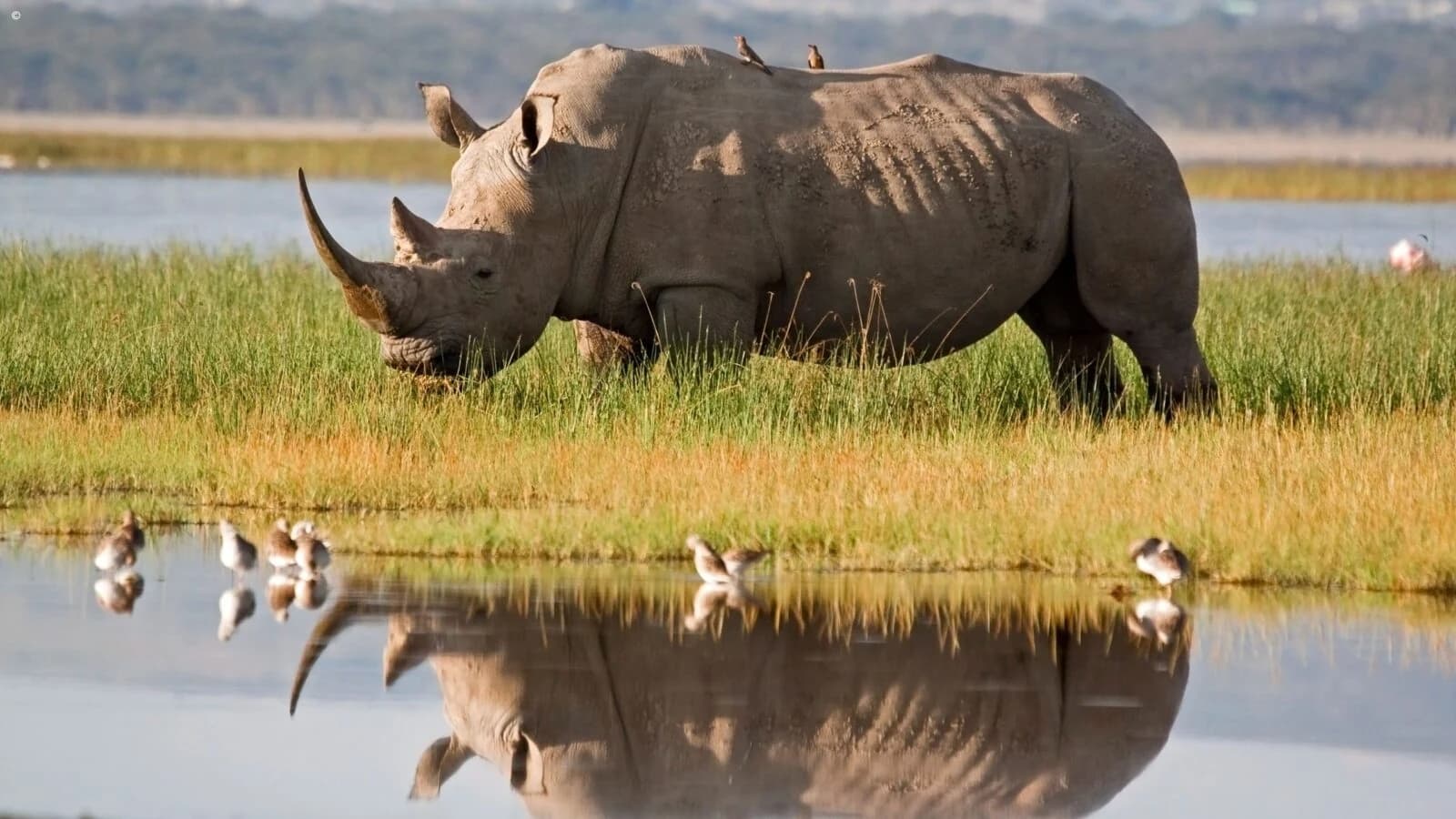
Mara & the Lakes adds rhino at Nakuru and the Rift lakes; Mara & Amboseli Classic adds Amboseli’s elephants under Kilimanjaro; Mara & Laikipia by Air adds a second conservancy region in the north. For one landscape done slowly, stay here.
Before you pick dates: Best time to visit the Maasai Mara · Walking safaris · Group and small-group safaris
Last checked: October 2026.
When to go
Guidance, not a forecast. In the Mara the camp and the side of the river count as much as the month.
Aug / Main dry season
Herds usually arrive in July and stay into October; crossings and reserve crowds tend to peak in August and September. In 2026 the reserve fee doubled to US$200 a day from 1 July.
Broad seasonal guidance — not a forecast, availability calendar or migration promise. Picking a month sets it in your plan.Related journeys
A journey made around you
Tell us your month and whether you prefer private or small-group, and we’ll shape Into the Wild Mara around you.