Lake Mburo National Park
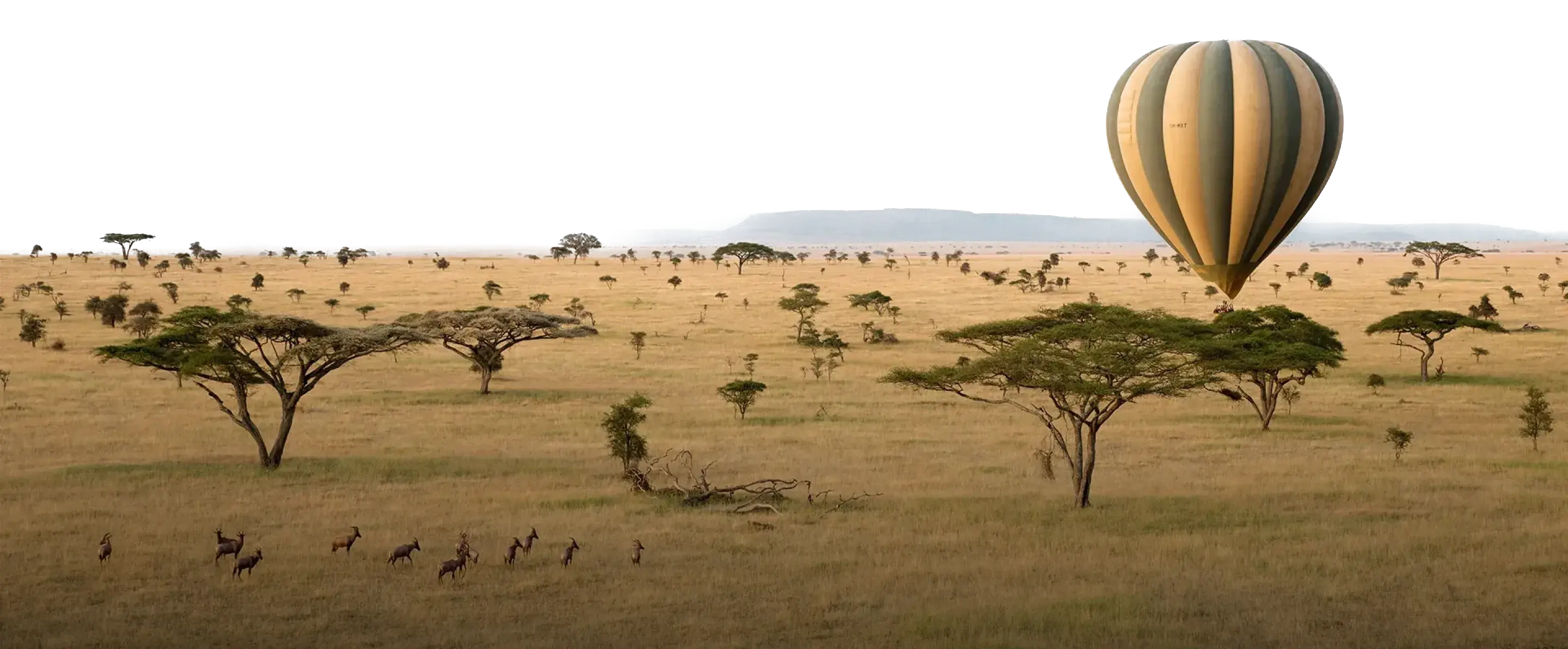
Lake Mburo National Park is Uganda's smallest and most accessible savannah park, set in the acacia-and-wetland country of the country's west, near Mbarara. It is the only Ugandan park where zebra, impala and eland gather in number, and — with no lions or elephants to constrain movement — one of the few where you can safely explore on foot, on horseback and by boat. This makes it the natural, active break on the road between Kampala or Entebbe and the gorillas of Bwindi.
Why visit
Most of Uganda's safari draws ask you to travel — north to Murchison Falls, deep west to the crater lakes, or up into the mountains for the gorillas. Lake Mburo sits quietly in the middle of the route, and that is precisely its gift. It is the park you pass through, then wish you had stayed longer in.
The scale is part of the appeal. This is a small, intimate landscape — a mosaic of open acacia woodland, rolling grassland and papyrus-fringed wetland strung along a chain of lakes. There are no big cats prowling the plains and no elephants shaping the bush, and rather than a shortcoming, that absence is what unlocks the place. Without the pressure of dangerous game, Lake Mburo lets you step down from the vehicle and meet the country on foot, in the saddle, or from the water.
And the wildlife it does hold is quietly distinctive. This is the best place in Uganda to see zebra, and home to antelope you will find in few other Ugandan parks. It rewards travellers who like their safari active and their pace their own.
Wildlife & landscapes
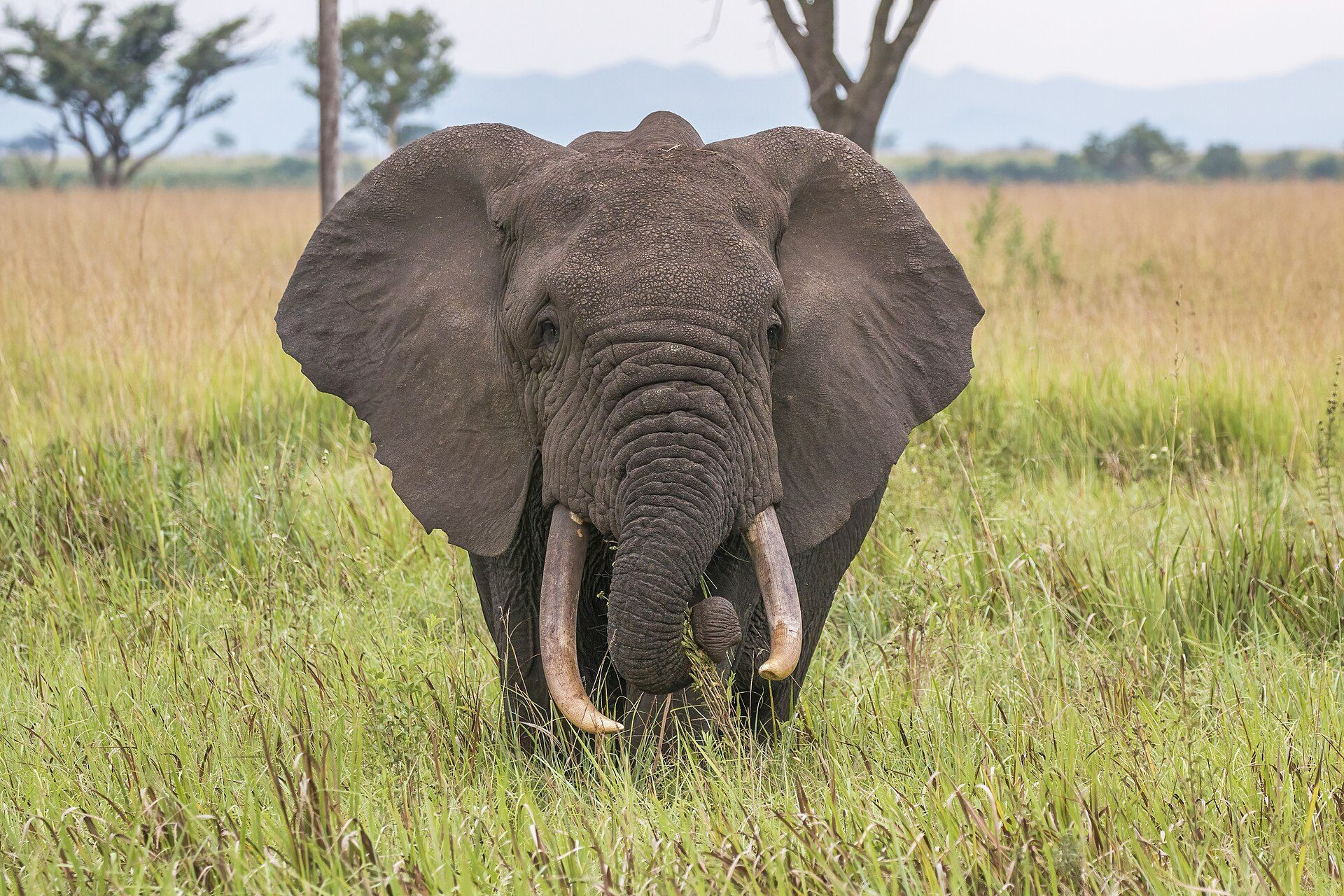
Lake Mburo is plains-game country rather than big-cat country, and it wears that honestly. It holds Uganda's most reliable zebra, large herds of impala, and the stately eland — Africa's largest antelope — alongside topi, an antelope found in only a handful of Ugandan parks. Add buffalo, warthog, defassa waterbuck, bushbuck and the shy oribi across the acacia grassland. Leopard and hyena are present but rarely seen; there are no lions or elephants here, which is exactly why the park permits its unusually relaxed range of activities.
The lakes and wetlands are the second act. Along the water you will find hippo and crocodile, and a genuinely rich birdlife — this is one of Uganda's finest birding parks, with the papyrus-loving specials and, for the patient, a chance at the rare African finfoot and the elusive shoebill in the surrounding swamps. The landscape itself — silver water, dark acacia, honey-coloured grass — has a softness that the bigger parks, for all their drama, do not.
Best time to visit
Lake Mburo is a year-round park, and its position on the gorilla-tracking route means many travellers visit it around whatever timing their wider Uganda journey dictates. That said, the dry seasons — roughly June to August and December to February — bring the easiest conditions: firmer tracks, thinner vegetation and game concentrated around the water, which also suits walking and riding.
The wetter months (March to May and September to November) turn the country green and lush, lift the birding to its peak as migrants arrive, and see fewer visitors — a fine trade for the occasional afternoon downpour. Because the park has no strict "peak event", it flexes easily to fit the season you are travelling. For the fuller picture across the country, see our → Best time to visit Uganda guide.
Things to do here
- Boat cruise on Lake Mburo — a gentle launch trip along the lake for hippo, crocodile, waterbuck at the shore and a parade of waterbirds; one of the park's defining experiences.
- Walking safaris — on foot with an armed ranger, possible here precisely because there are no lions or elephants — you can approach zebra, eland and impala on their own terms (see → Walking safari).
- Horseback riding — Lake Mburo is one of the very few East African parks where you can ride among plains game, drawing close to zebra and antelope in a way no vehicle allows (see → Horseback safari).
- Game drives — morning and late-afternoon drives across the acacia grassland for zebra, topi, eland and the wider plains game.
- Guided nature and birding walks — the wetlands and forest patches reward slow, quiet exploration for the park's exceptional birdlife.
- Night drives & cultural visits — nocturnal drives for the chance of leopard and bushbabies, and encounters with the Ankole cattle-keeping communities who border the park.
Know before you go
- Getting there: Lake Mburo is reached by road, roughly a 3.5 to 4 hour drive from Kampala or Entebbe — its great convenience is that it lies directly on the main route west toward Bwindi and the gorillas. The nearest airstrip serving the region is at Mbarara, about an hour on; most travellers arrive overland.
- Fees: park entry and activity fees apply (per person, per day); we confirm current rates and include them in your quote.
- How long: 1 to 2 nights suits Lake Mburo well as an active break on a longer Uganda journey; a second night lets you fit both the boat cruise and a walk or ride without rushing.
- Pairing: it slots naturally between Entebbe and the south-western parks — most often paired with Bwindi for gorilla tracking, and with Queen Elizabeth for a fuller savannah chapter.
Related Nobu journeys
- Gorillas in the Mist — the classic route to Bwindi's gorillas, with Lake Mburo as the natural first stop out of Entebbe. → Explore
- Forest and Savannah Passage — Uganda's forests and open plains woven together, with Lake Mburo's walking and riding on the way through. → Explore
- On Foot and in the Saddle — a journey built around active, low-vehicle safari — walking and horseback — for which Lake Mburo is made. → Explore
When to go
Month by month — daytime warmth, days of rain and what the season brings.
Where to stay
From Essential to Private Collection — the camps and lodges we know first-hand here. Rates are indicative and confirmed on enquiry.
Essential
Eagle's Nest Lake Mburo
Essentialtented camp · hilltop
from $70 pp / night· indicative, confirmed on enquiry
Signature
Hyena Hill Lodge
Signaturelodge · reserve-adjacent
from $130 pp / night· indicative, confirmed on enquiry
Mantana Tented Camp
Signaturetented camp · reserve
from $150 pp / night· indicative, confirmed on enquiry
Rwakobo Rock
Signaturelodge · rock outcrop
from $180 pp / night· indicative, confirmed on enquiry
Elevated
Mburo Safari Lodge
Elevatedlodge · reserve-adjacent
from $250 pp / night· indicative, confirmed on enquiry
Mihingo Lodge
Elevatedtented camp · kopje
from $350 pp / night· indicative, confirmed on enquiry
Common questions
- What animals can you see in Lake Mburo National Park?
- Zebra (the best in Uganda), impala, eland, topi, buffalo, warthog and waterbuck across the plains, plus hippo and crocodile in the lakes. There are no lions or elephants, and leopard are present but rarely seen — which is exactly why the park allows walking and riding.
- Why is Lake Mburo good for walking and horseback safaris?
- Because it holds no lions or elephants, it is safe to explore on foot and on horseback with a guide. This lets you approach zebra and antelope directly — an experience most of Uganda's bigger parks cannot offer.
- How many days do you need in Lake Mburo?
- One to two nights is ideal. A single night covers a game drive and the boat cruise; a second lets you add a walk or a ride and slow the pace.
- Where is Lake Mburo and how do you get there?
- It sits in western Uganda near Mbarara, about 3.5 to 4 hours by road from Kampala or Entebbe — directly on the route to Bwindi, which makes it the ideal break on the way to the gorillas.
- Can you do a boat safari in Lake Mburo?
- Yes. A launch cruise on Lake Mburo is one of the park's highlights, bringing you close to hippo, crocodile and a wealth of waterbirds along the shoreline.
Tell us what you want from Lake Mburo National Park
We'll design the journey around it — places, pace and people matched to how you travel.