
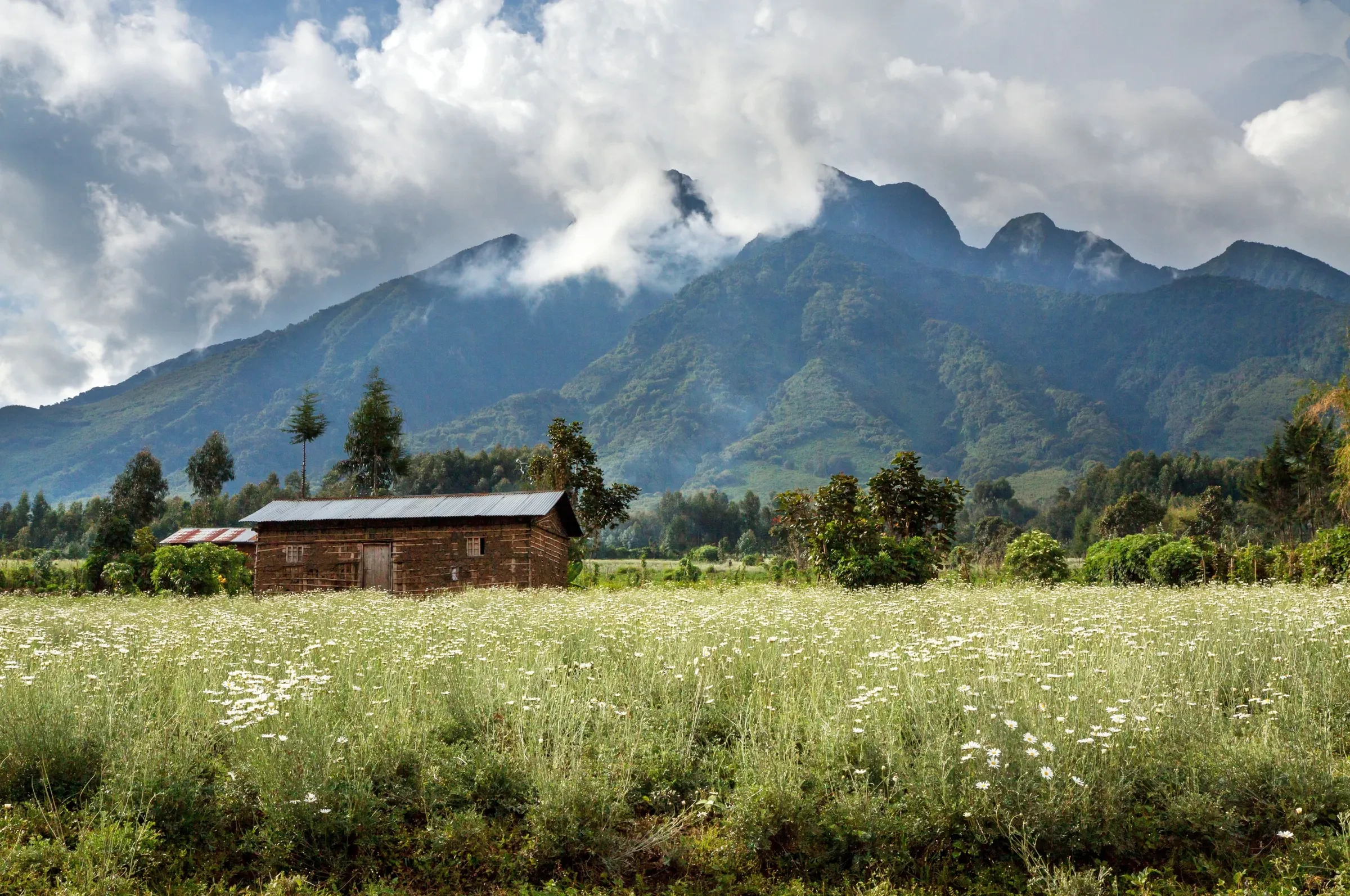
Safari guide
Best time for gorilla trekking (Rwanda & Uganda)
The best time for gorilla trekking in Rwanda and Uganda is the dry seasons — June to September and December to February — when forest trails are firmer and the trek is more comfortable. Trekking runs year-round; the wetter months (March–May and October–November) are greener and quieter, and Uganda's permit drops in its low season.
Written by Joseph Gathuru · Travel designer at Nobu Safaris
Intro
Gorilla trekking happens in the same misted mountains all year, so the season won't decide whether you go — it decides how firm the trail is, how heavy the rain, and, in Uganda, what the permit costs. Both Rwanda's Volcanoes National Park and Uganda's Bwindi follow the same broad rhythm: two drier windows, two wetter windows, and forest that can change character within a single afternoon.
The useful planning question is not just "will it rain?" It is how much comfort you want underfoot, how much flexibility you have with dates, and whether the trek is the centrepiece of a short trip or part of a wider East African journey. A June trek in Rwanda can feel polished and efficient, with quick access from Kigali. A November trek in Uganda can feel quieter, greener and more layered, especially if you are adding chimpanzees, savannah wildlife or time on the lakes.
The detail
- June–September — long dry. The most comfortable window: firmer trails, lighter rain, easier going in both Volcanoes NP (Rwanda) and Bwindi (Uganda). This is the safest recommendation for travellers who want the trek to feel as smooth as possible, especially if mobility, photography gear or limited time make muddy trails less appealing. Demand is higher, so permits and lodge space should be held early.
- December–February — short dry. A second drier window, warm and largely clear, with the same advantages underfoot. It works particularly well when the gorilla trek is part of a festive or new-year journey, or when you want to combine primates with a classic safari in Kenya or Tanzania. January and February can also pair neatly with Tanzania's southern Serengeti calving season.
- March–May & October–November — wetter. The forest is greenest and quietest; trails are muddier and downpours heavier. Trekking continues, and Uganda's permit falls to $600 in its April/May/November low season (versus $800 standard). The trade is clear: more mud and less predictability, but fewer travellers, richer forest colour and a softer cost profile if Uganda fits your style.
Season is only one half of the decision. Rwanda is usually the better fit when you have limited time, want a more streamlined arrival, or are building a short premium journey around Volcanoes National Park. Uganda asks for more travel time but gives you a deeper arc: Bwindi for gorillas, Kibale for chimpanzees, Queen Elizabeth or Murchison Falls for savannah wildlife, and a country that rewards slower movement.
Key facts
Best for trekking: Jun–Sep & Dec–Feb (drier trails). Wetter, greener: Mar–May & Oct–Nov. Trekking: year-round. Where: Volcanoes NP (Rwanda), Bwindi (Uganda). Permit note: Uganda ~$800 (low-season $600); Rwanda $1,500 (2026). Planning rule: choose Rwanda for ease and a short runway; choose Uganda for a wider, more varied safari.
Why Nobu for this
We plan the permits, lodges and pacing around the season and country you choose — and weave the trek into a wider East African journey. That means holding permits before the itinerary is dressed up, choosing lodges that make the trek day feel calm, and avoiding a route that looks elegant on a map but asks too much of the traveller on the ground.
For Rwanda, we shape the journey around quick access, recovery time and a composed lodge rhythm. For Uganda, we build in the transfers, forest pacing and optional chimpanzee or savannah chapters that make the country more than a single permit. See → Uganda vs Rwanda gorilla trekking. → Plan your journey.
Suitability — "right for you if…"
You want the firmest trails and easiest trekking → June–September or December–February. You'd accept mud for green quiet, fewer travellers and (in Uganda) a lower permit → the wet months. Choose Rwanda if you are short on time, want the simplest logistics, or prefer a refined short stay. Choose Uganda if you want the trek to sit inside a broader wildlife journey, or if the permit difference meaningfully changes how you want to allocate the rest of the trip.
Related Nobu journeys
- Gorillas in the Mist — a focused primate journey shaped around the right trekking season. → Explore
- Thousand Hills Circuit — Rwanda with time to breathe before and after the trek. → Explore
- Forest and Savannah Passage — Uganda's forests, chimps and savannah wildlife in one slower arc. → Explore
Common questions
- What is the single best month for gorilla trekking?
- Any of June to September (the long dry season) gives the firmest trails; December to February is a strong second window.
- Can you trek gorillas in the rainy season?
- Yes — it's muddier and wetter, but trekking runs year-round, and Uganda's low-season permit ($600) can make the overall trip gentler on spend.
- Do Rwanda and Uganda have different best seasons?
- No — both follow the same dry/wet pattern; the bigger differences are permit cost and access (see our comparison).
- How far ahead should permits be planned?
- As early as your dates allow, especially for June to September and festive-season travel, because the best lodge-permit combinations are limited.
- Is Uganda always harder than Rwanda?
- Not always, but Uganda usually involves longer transfers and more route design; Rwanda is the simpler choice for a short, polished gorilla-focused trip.
More guides
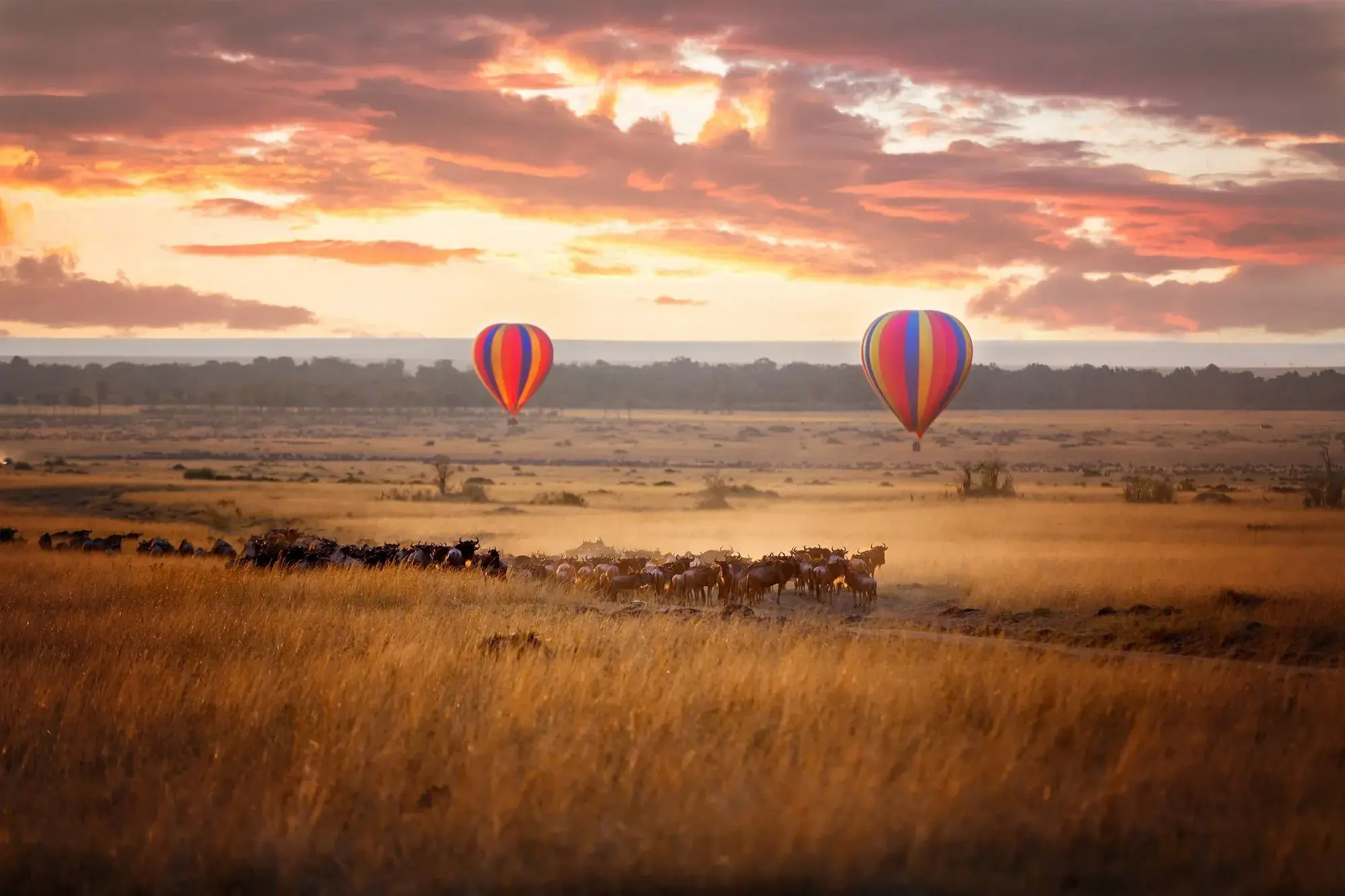 Best time to go on safariThe best time to go on safari depends on what you want: the dry season (June–October in East Africa) for easy game viewing and the migration, or the green season for value and solitude. Your Africa, beautifully told.
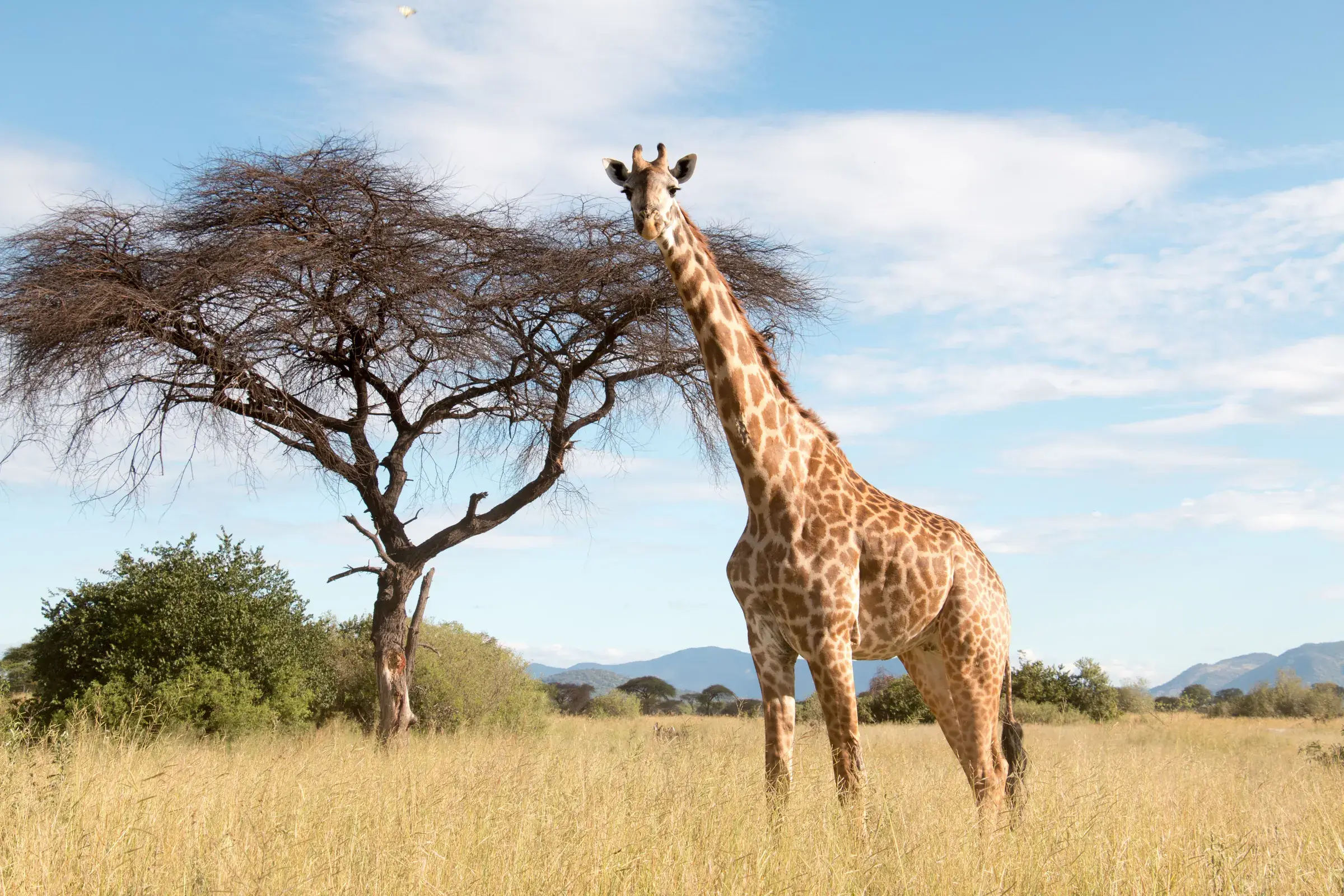 Best time to see the great migrationWhen to see the wildebeest migration: calving, the Grumeti, and the Mara River crossings, month by month across Tanzania and Kenya. Your Africa, beautifully told.
- Best time to visit AfricaWhen to go on an African safari: broadly the dry season (June–October in East Africa, May–October in the south), with green seasons for value, birding and newborns. Your Africa, beautifully told.