
Safari guide
Wheelchair-accessible safaris
A wheelchair-accessible safari is a journey designed around mobility needs — using adapted or easily-boarded vehicles, step-free or ground-floor lodges, and carefully planned pacing. In East Africa these are less common than in Southern Africa, so they need a specialist designer; Nobu builds accessibility into the journey rather than bolting it on.
Written by Joseph Gathuru · Travel designer at Nobu Safaris
Intro
Africa shouldn't keep a list of who gets to feel it. With the right planning, a safari is open to far more travellers than the industry assumes — and the wild is no less moving from a vehicle designed around you.
Accessible safari design begins with specifics, not assumptions. "Wheelchair-accessible" can mean a full-time chair user, a traveller who can transfer with assistance, someone who walks short distances, or a multi-generational group that needs fewer steps, gentler transfers and more recovery time. The right journey starts by understanding the person, then choosing the parks, lodges, vehicles and pace around that reality.
The detail
An accessible Kenya safari is about thoughtful design: vehicles that are easy to board (and, where available, adapted for wheelchairs), lodges and camps with step-free or ground-floor rooms and accessible bathrooms, transfers planned for comfort, and an itinerary paced to suit. East Africa has fewer purpose-built accessible options than South Africa or Botswana, which is exactly why it pays to work with someone who designs each detail rather than booking off a shelf.
The most important checks are practical. How high is the vehicle step? Can a ramp or transfer support be arranged? Is the room genuinely step-free from path to bathroom, or only described that way in marketing copy? Are shower chairs, grab rails, bed heights and room distances suitable? How long are the drives between stops? Is there a medical plan and a realistic way to adjust the day if fatigue changes the rhythm?
Good accessible design also avoids overpromising. Some remote camps are beautiful but not appropriate for every mobility need. Some parks are easier than others because of road quality, transfer times or lodge layout. A responsible designer will say no to the wrong property before the traveller has to discover the issue on arrival.
Season can matter too. Drier months usually mean firmer roads, simpler transfers and less mud around camp paths, which can make the whole journey feel easier. Green-season travel can still work, but it needs more caution around route choice and contingency planning.
Key facts
Where: Kenya and across East Africa, by design. How: easily-boarded/adapted vehicles · step-free lodges · comfort-paced itineraries. Checks: vehicle access · bathroom layout · transfer length · lodge paths · medical backup. Note: fewer ready-made options than Southern Africa — specialist planning matters. Promise: accessibility integrated, not separated.
Why Nobu for this
Journeys designed for every explorer is core to who we are — see → Accessible travel. We design mobility-conscious, multi-generational and comfort-led journeys as standard.
Our role is to ask careful questions early and translate the answers into the route. We would rather adjust the destination, vehicle, lodge or pace before travel than pretend every safari can be made accessible with a note on the booking. The result should feel dignified, calm and adventurous — not like a compromise.
Suitability — "right for you if…"
You, or someone travelling with you, has mobility needs and wants a safari designed honestly around them — including multi-generational trips. Tell us the specifics and we'll tell you straight what's possible. This is also right for travellers who can walk but tire easily, need step-free rooms, prefer shorter transfers, or want a slower safari rhythm without losing the wonder of the wild.
It is not right for a last-minute, one-size-fits-all booking. The better the accessibility brief, the more dignified and adventurous the journey can be.
Related Nobu journeys
- Mara and Amboseli Classic — a Kenya route that can be shaped around smoother logistics. → Explore
- Into the Wild Mara — strong wildlife in a compact ecosystem, adapted by lodge and vehicle choice. → Explore
- Family Safari Kenya — useful for multi-generational pacing and room planning. → Explore
Common questions
- Are wheelchair-accessible safaris possible in Kenya?
- Yes, with careful planning — adapted/easily-boarded vehicles and step-free lodges — though options are fewer than in Southern Africa.
- Can you accommodate limited mobility rather than a wheelchair?
- Absolutely; we design pacing, transfers and rooms around a range of mobility needs.
- Is it more expensive?
- It can require specific vehicles and lodges; we're transparent about any cost implications in your quote.
- Can you arrange an accessible safari beyond Kenya?
- Yes — we design accessible journeys across East Africa, choosing the parks, vehicles and lodges that best suit your needs.
- What information should I share first?
- Tell us transfer ability, chair dimensions if relevant, walking distance, bathroom needs, fatigue patterns and any medical considerations.
- Are all lodges that say accessible truly accessible?
- No. We verify the details that matter: paths, steps, bathroom layout, room distance, vehicle access and staff support.
- When is the best season for an accessible safari?
- Dry months are usually easier because roads and camp paths are firmer, though the best answer depends on the route and traveller needs.
More guides
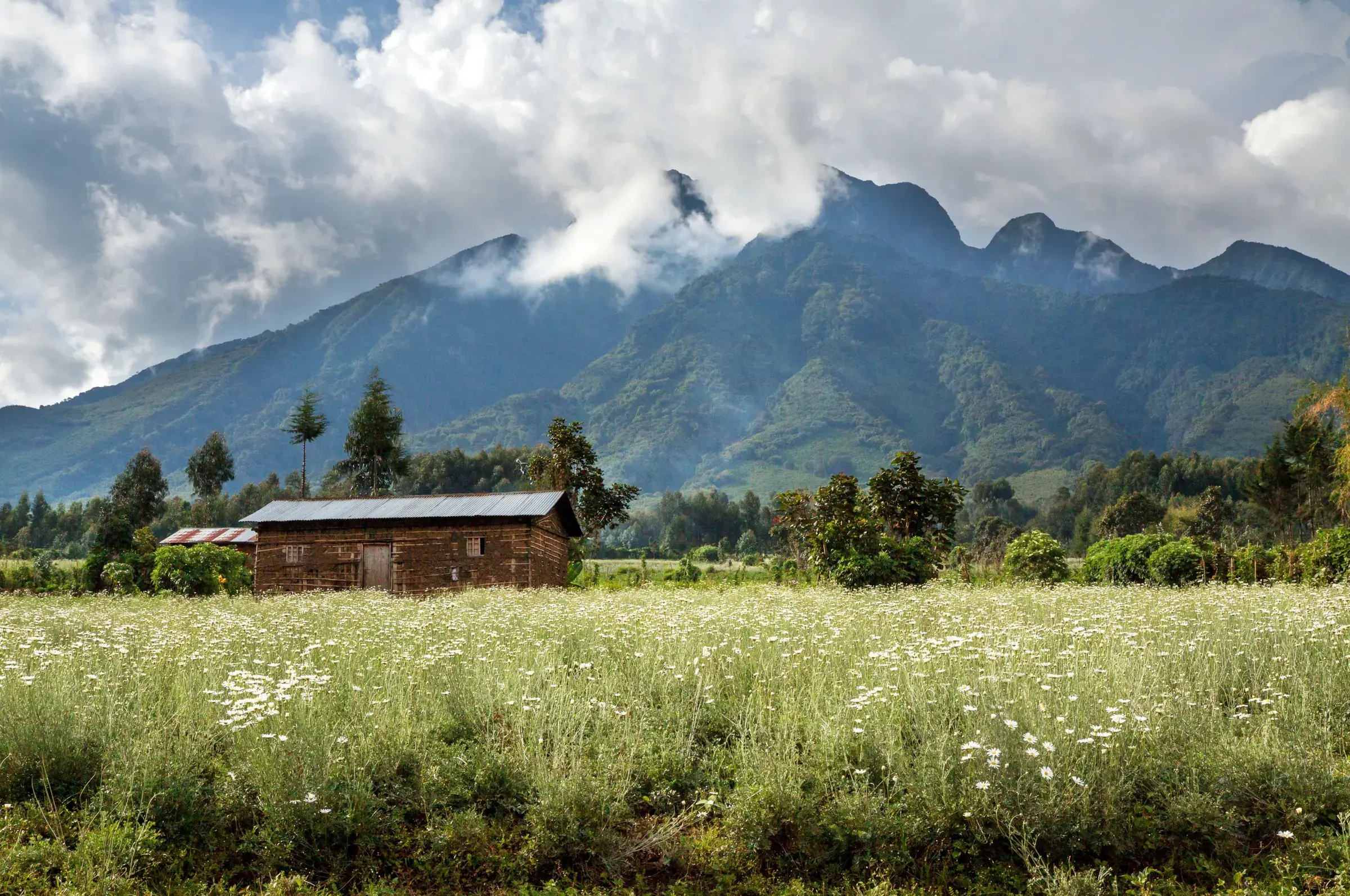 Best time for gorilla trekking (Rwanda & Uganda)When to trek gorillas in Rwanda and Uganda: the dry seasons (June–September and December–February) for firmer trails, with year-round trekking and lower low-season permits in Uganda. Your Africa, beautifully told.
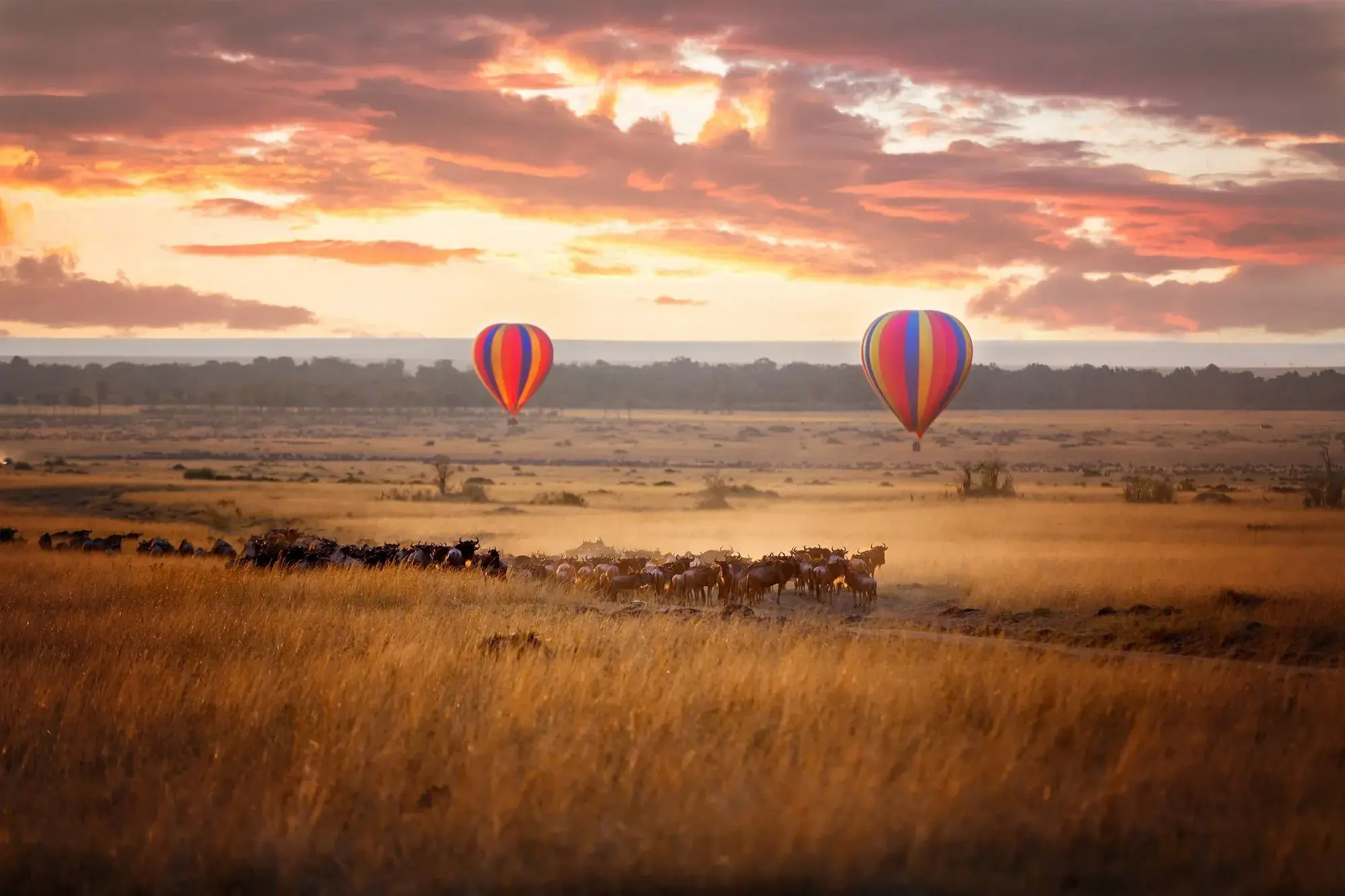 Best time to go on safariThe best time to go on safari depends on what you want: the dry season (June–October in East Africa) for easy game viewing and the migration, or the green season for value and solitude. Your Africa, beautifully told.
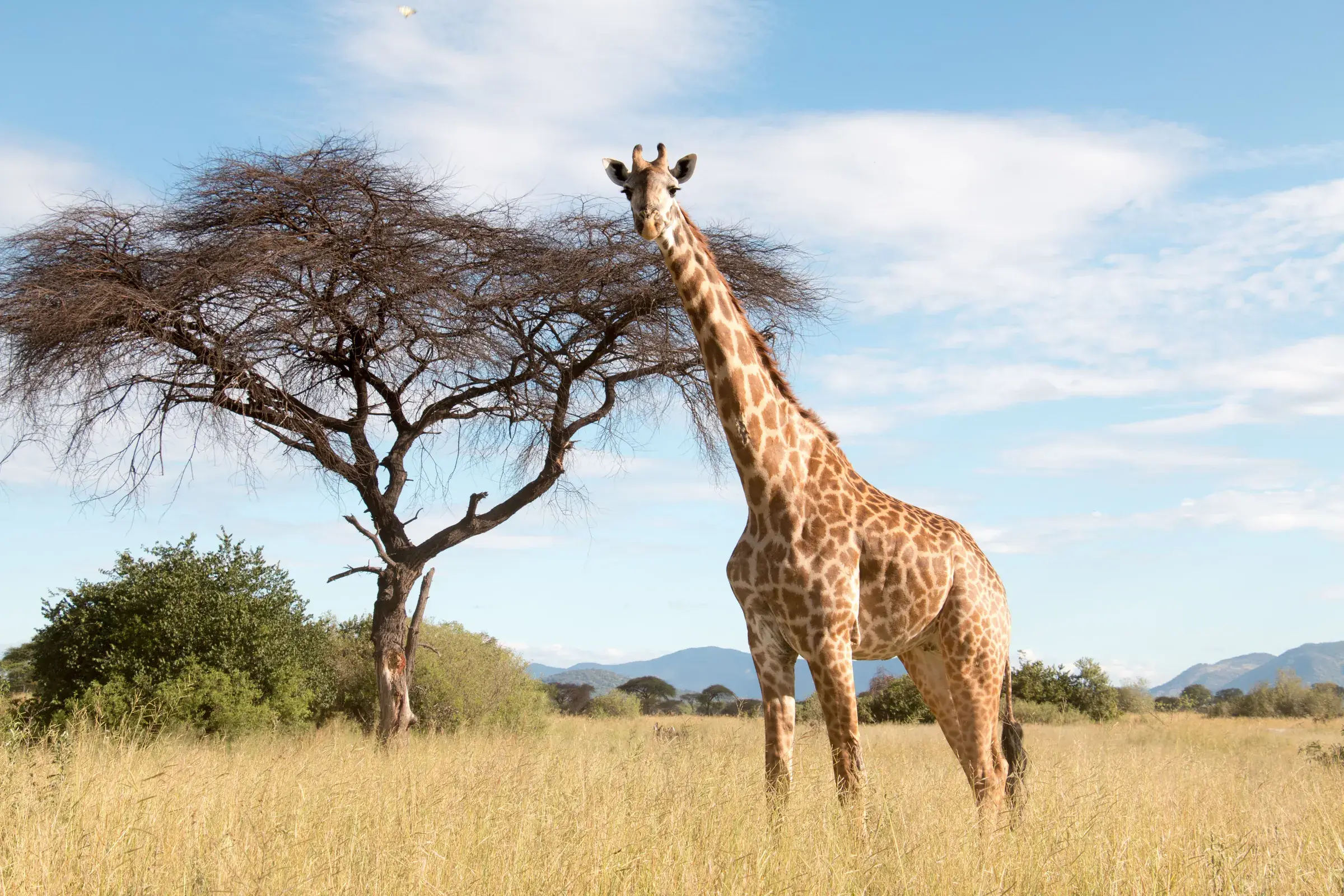 Best time to see the great migrationWhen to see the wildebeest migration: calving, the Grumeti, and the Mara River crossings, month by month across Tanzania and Kenya. Your Africa, beautifully told.