
Safari guide
Best time to visit Uganda
The best time to visit Uganda is the dry seasons — June to September and December to February — when forest trails are firmer for gorilla and chimpanzee trekking and wildlife viewing is easiest. The wetter months (March–May and October–November) are green, lush and quieter, and trekking runs year-round.
Written by Joseph Gathuru · Travel designer at Nobu Safaris
Intro
Uganda's headline isn't a migration but a forest — the misted slopes where mountain gorillas live. Trekking is possible every month of the year, so the season is less about whether you can go and more about how firm the trail is underfoot and how green the country looks around you.
It is also a country that rewards travellers who give it time. A Uganda journey might begin with chimpanzees in Kibale, move through Queen Elizabeth or Murchison Falls, and end in Bwindi for the gorillas. The dry months make that movement easier. The wetter months make the landscapes deeper and quieter, but ask for more patience with roads, rain and forest trails.
The detail
- June–September — long dry. The most comfortable window for trekking in Bwindi and chimp tracking in Kibale: firmer paths, lighter rain, easier going. This is the best choice if the gorilla day is central and you want the route to feel as smooth as Uganda allows.
- December–February — short dry. A second drier window, warm and largely clear, with the same advantages underfoot. It can pair well with festive travel, Tanzania calving or a Kenya safari if the wider East Africa routing is built carefully.
- March–May & October–November — wetter. The forest is at its greenest and quietest; trails are muddier and downpours heavier, but trekking continues and the landscapes are lush. These months suit travellers who accept a little mess in exchange for atmosphere, fewer people and, in selected Uganda low-season months, lower gorilla permit cost.
Uganda is not only gorillas. Kibale's chimpanzees, the Kazinga Channel, tree-climbing lion country, the Nile at Murchison Falls and exceptional birdlife all change the journey's texture. The best timing depends on whether you want a focused primate trip or a fuller forest-and-savannah arc.
Because the route can be long, comfort comes from design rather than speed. We look at where to pause, when to fly, when to drive, and how to keep the gorilla day from arriving after too many demanding transfer hours.
That restraint is what makes Uganda feel generous instead of tiring.
Key facts
Best for trekking: Jun–Sep & Dec–Feb (drier trails). Wetter, greener: Mar–May & Oct–Nov. Gorilla & chimp trekking: year-round. Where: Bwindi (gorillas), Kibale (chimps). Note: no wildebeest migration — Uganda's draw is primates and biodiversity. Planning rule: allow time for transfers; Uganda rewards a slower route.
Why Nobu for this
Gorilla trekking is one of East Africa's great encounters, and we plan the permits, lodges and pacing around the season you choose — see → Uganda vs Rwanda gorilla trekking. We also protect the route around the trek: sensible transfer days, lodges close enough to the right trailheads, and recovery time after the forest.
If Uganda is part of a wider East Africa journey, we decide whether it should stand as its own chapter or connect with Kenya, Rwanda or Tanzania. That decision affects flights, stamina and how much of the trip should be forest versus savannah. → Plan your journey.
Suitability — "right for you if…"
You want the firmest trails and easiest trekking → June–September or December–February. You'd accept mud for green quiet and fewer travellers → the wet months. Either way, the gorillas are home all year. Choose Uganda if you want primates plus a broader wildlife trip; choose Rwanda if your priority is a short, highly streamlined gorilla experience.
Related Nobu journeys
- Forest and Savannah Passage — Uganda's primates and open-country wildlife in one route. → Explore
- Gorillas in the Mist — a focused primate journey timed around the forest. → Explore
- Thousand Hills Circuit — compare Uganda's wider route with Rwanda's faster access. → Explore
Common questions
- When is the best time for gorilla trekking in Uganda?
- The dry months — June to September and December to February — give firmer trails; trekking is permitted year-round.
- Can you trek in the wet season?
- Yes — the forest is greener and quieter, though trails are muddier and rain heavier; permits can be easier to secure.
- Does Uganda have a wildebeest migration?
- No — Uganda's draw is gorillas, chimpanzees and lush biodiversity rather than the migration.
- How much time should I allow for Uganda?
- More than a quick extension if possible. The transfers are part of the design, and the country rewards a slower forest-and-savannah route.
- Can Uganda combine with Kenya or Rwanda?
- Yes. It can pair with Kenya for classic savannah or Rwanda for a deeper primate focus, but flights and pacing need careful design.
- Is Uganda only for gorilla trekking?
- No. Gorillas are the headline, but chimpanzees, birding, the Nile and savannah wildlife can make Uganda a complete journey.
More guides
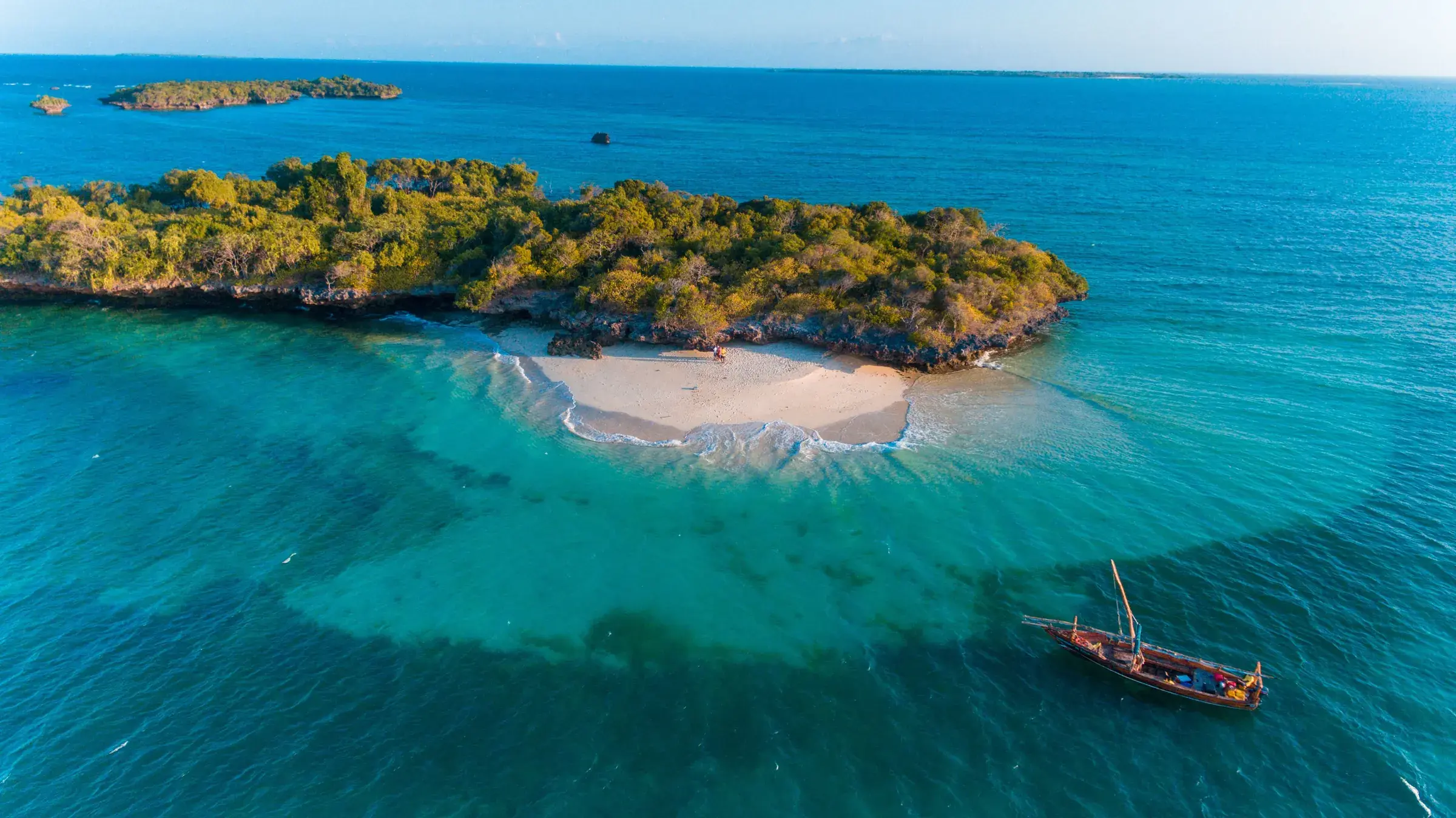 Best time to visit ZanzibarWhen to visit Zanzibar: the dry, sunny months of June–October and December–February for beach days, and the green, quieter long rains of March–May. Your Africa, beautifully told.
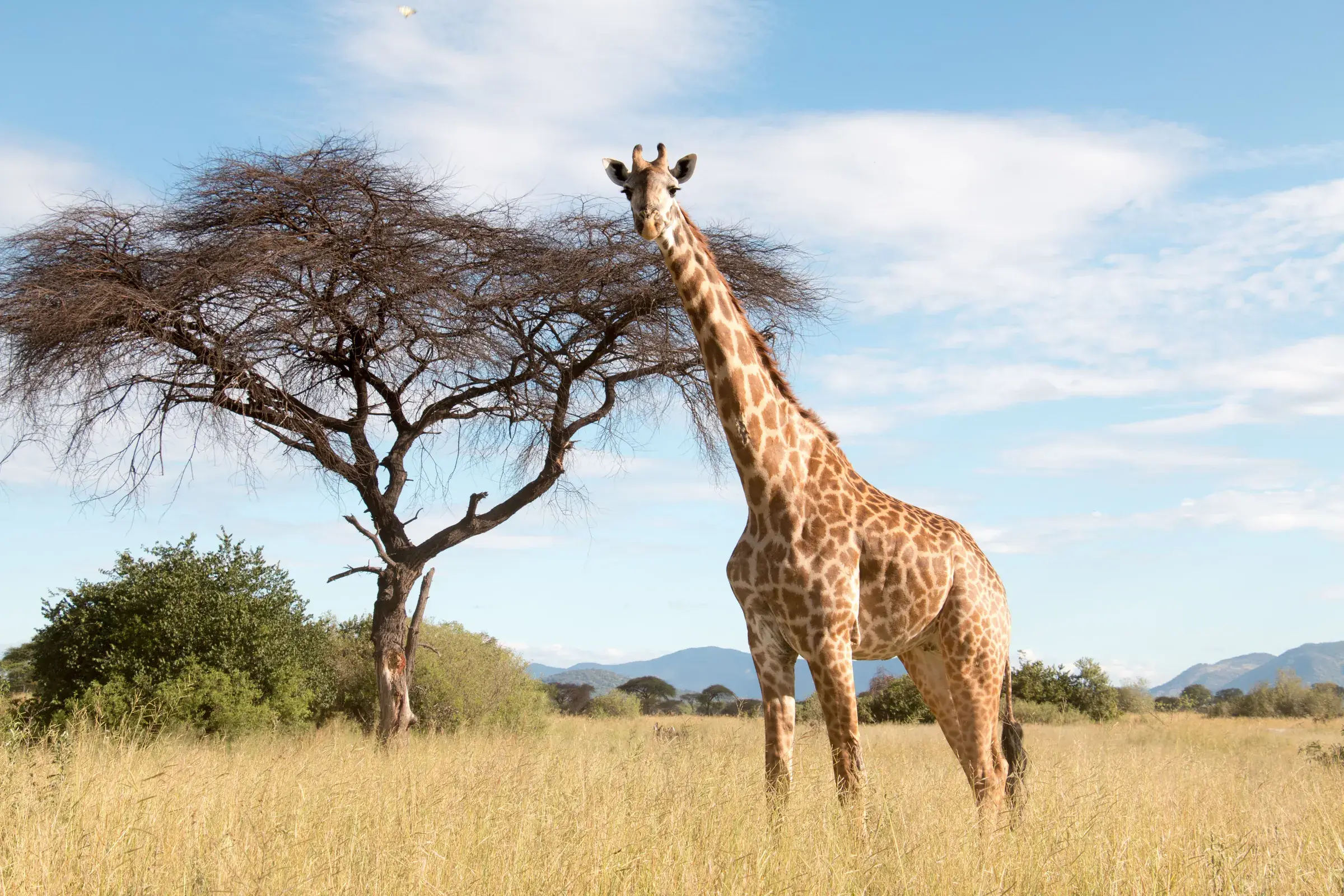 Best time to visit the Maasai MaraWhen to visit the Maasai Mara: the migration (July–October), the dry season, and the quieter green season. An honest month-by-month guide. Your Africa, beautifully told.
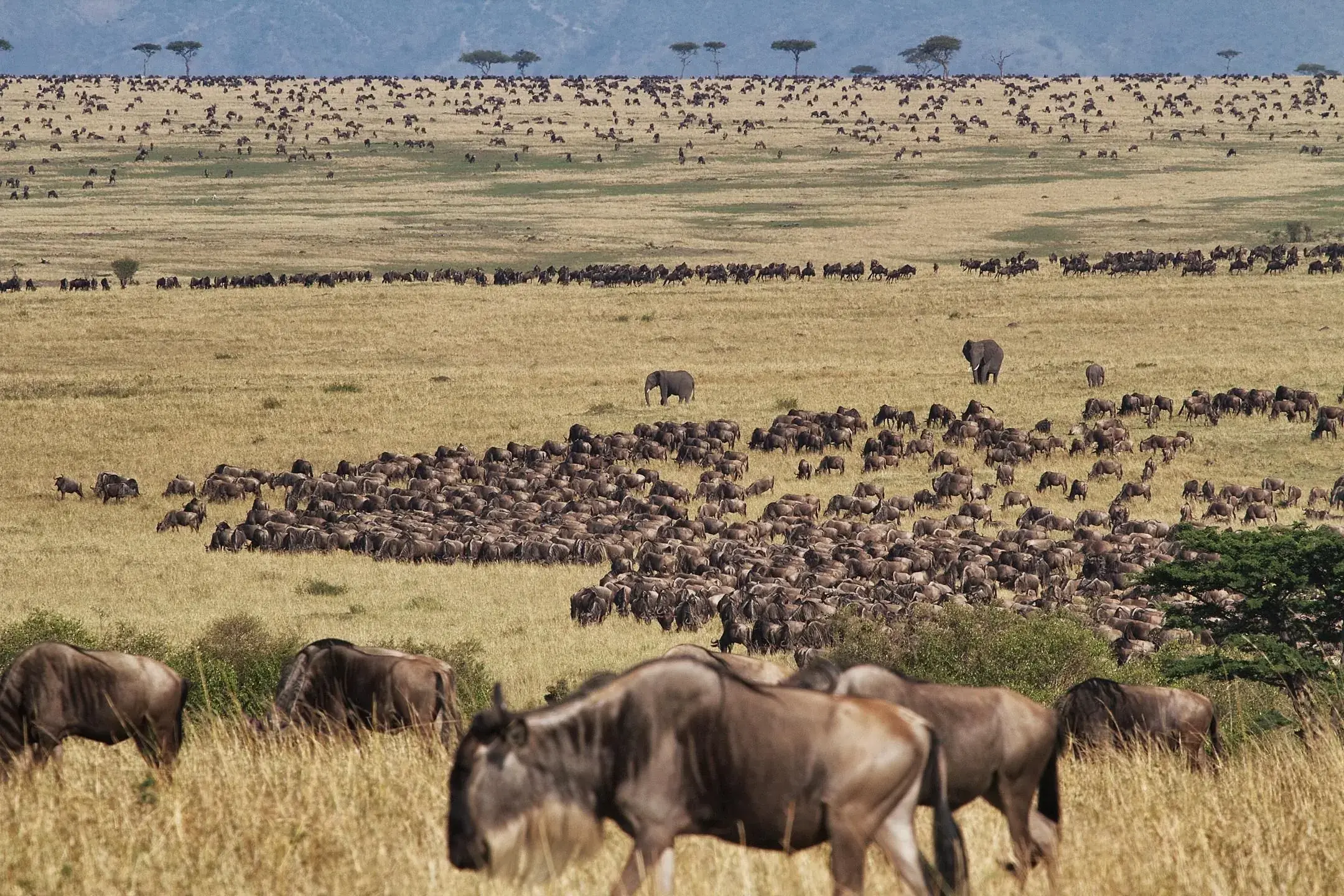 Best time to visit the SerengetiWhen to visit the Serengeti: the dry season (June–October) for the northern river crossings, late January–February for calving in the south, and the green season for value. Your Africa, beautifully told.