Kidepo Valley National Park
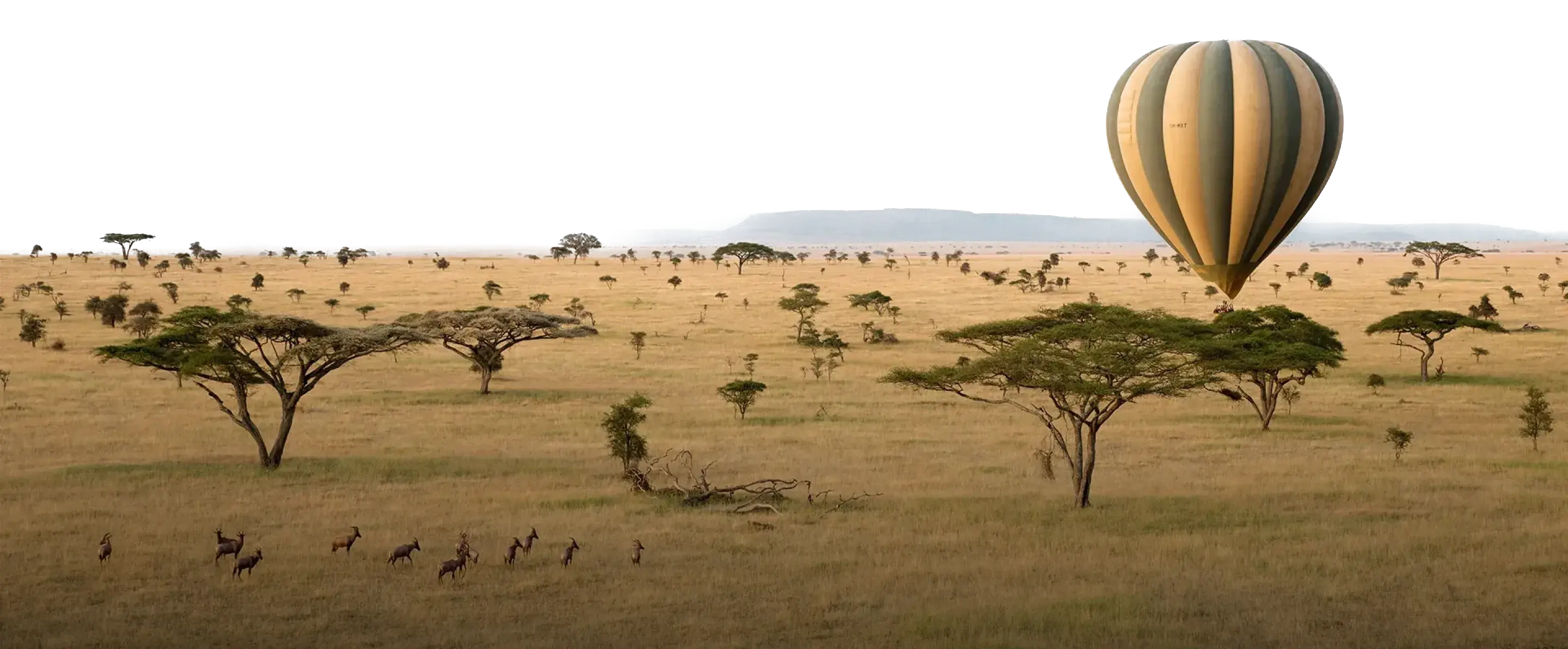
Kidepo Valley National Park is Uganda's most remote savannah reserve, in the far north-east near the South Sudan and Kenya borders — a big-game park of two mountain-ringed valleys (the Narus and Kidepo) often called the most beautiful wilderness in Africa. It holds lion, cheetah, ostrich, huge buffalo herds and species found nowhere else in Uganda, and its isolation means you often have the landscape almost entirely to yourself. Reached mainly by light aircraft to Apoka airstrip.
Why visit
Kidepo is the park you earn. It sits in Uganda's remote north-east, hard against the South Sudan and Kenya borders, a full day's drive or a short flight from anywhere — and that distance is the point. Where much of East Africa's savannah now shares its sightings with a line of other vehicles, here you can spend a morning game drive and pass no one at all. It has been called, more than once, the most beautiful wilderness in Africa.
The park is built around two valleys, and they give it two moods. The Narus Valley in the south holds water through much of the year, and its rolling grassland is where the game gathers — the reliable heart of a Kidepo safari. To the north, the seasonal Kidepo Valley runs dry and vast, a river of white sand fringed by borassus palms, ringed on every horizon by mountains that turn violet at dusk.
And then there are the people. This is the land of the Karamojong, semi-nomadic cattle-keepers whose culture has held its shape here for centuries — a living context that makes Kidepo feel less like a park you visit and more like a frontier you're briefly allowed into.
Wildlife & landscapes
Kidepo is Uganda's classic big-game park, and it plays that role like nowhere else in the country. Lion are the headline — a healthy population, and among the places you may see the celebrated tree-climbing behaviour more usually associated with Queen Elizabeth's Ishasha sector. Cheetah hunt the open plains here — Kidepo is one of the very few places in Uganda you can reasonably hope to see them. Leopard work the rocky kopjes and thickets, and spotted hyena and smaller predators round out the cast.
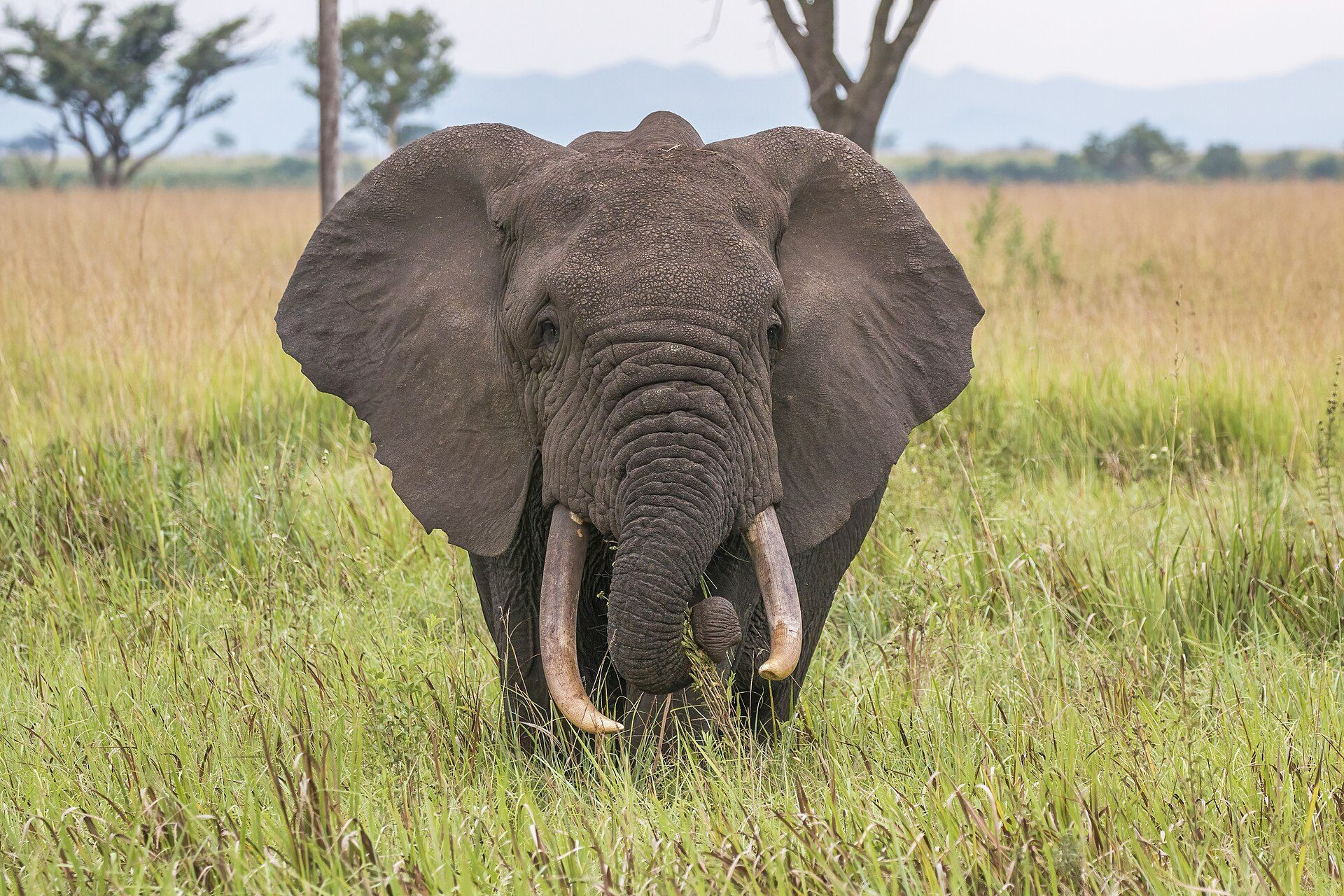
The plains game is on a scale that feels almost Serengeti-like. Vast herds of buffalo, sometimes thousands strong, move across the Narus grassland alongside elephant, zebra, Rothschild's giraffe, eland, hartebeest and oribi. Crucially, Kidepo holds a roster of species found nowhere else in Uganda — the ostrich, the greater and lesser kudu, Guenther's dik-dik, the Karamoja apalis — an arid-country fauna that spills in from the Horn of Africa and gives the park its distinct signature.
The setting carries all of it. The Narus in green season is open and golden; the Kidepo Valley's dry riverbed and palm groves feel like another country entirely; and the Morungole mountains and the Napore range wall the whole park in. Few African landscapes hold this much space and this much drama at once.
Best time to visit
Kidepo is a dry-season park above all. The main dry window, roughly September to March, concentrates wildlife around the Narus Valley's permanent water, thins the grass and makes the tracks reliable — the classic time for big cats and buffalo herds. December to February is the driest and sunniest stretch, superb for game viewing.
The wet season (April to August) transforms the park: the grass grows tall, the plains flush green, migratory birds arrive and the scenery is at its most cinematic — but game is more dispersed and some tracks turn difficult. Kidepo's remoteness means access weighs more heavily here than in most parks; your travel designer will match the season to how you want to reach it. For the wider picture across the country, see our → Best time to visit Uganda guide.
Things to do here
- Game drives — the Narus Valley loops are the core of any visit, best at first light and late afternoon for lion, cheetah and the great buffalo herds; the Kidepo Valley run rewards you with palm-fringed emptiness.
- Walking safaris — guided walks with an armed ranger bring the plains down to eye level, from the small tracks to the big spoor (see → Walking safari).
- Karamojong cultural visits — respectful encounters with the pastoralist communities whose manyattas and cattle culture define this corner of Uganda.
- Birding — over 470 recorded species, including arid-country specials found nowhere else in the country; ostrich, kori bustard and raptors in number (see → Birding safari).
- Kanangorok hot springs & the far north — a drive to the seasonal river and the springs near the South Sudan border, deep in the Kidepo Valley's stark beauty.
Know before you go
- Getting there: the sensible way in is by light aircraft to Apoka airstrip — a scheduled or charter flight from Entebbe or Kampala that turns a very long drive into a couple of hours. Overland is possible for the committed but takes a full day or more from central Uganda.
- Fees: park entry and activity fees apply (per person, per day); we confirm current rates and include them in your quote.
- How long: 3 nights lets Kidepo breathe — time for both valleys, a cultural visit and the unhurried pace the place deserves.
- Pairing: Kidepo is a destination in its own right; many travellers combine it with Murchison Falls for a fuller northern-Uganda journey, or add gorilla trekking in the south-west for the country's full contrast.
Related Nobu journeys
When to go
Month by month — daytime warmth, days of rain and what the season brings.
Where to stay
From Essential to Private Collection — the camps and lodges we know first-hand here. Rates are indicative and confirmed on enquiry.
Essential
Apoka Rest Camp
Essentiallodge · reserve
from $60 pp / night· indicative, confirmed on enquiry
Signature
Kidepo Savannah Lodge
Signaturetented camp · reserve-adjacent
from $150 pp / night· indicative, confirmed on enquiry
Nga'Moru Wilderness Camp
Signaturetented camp · reserve-adjacent
from $120 pp / night· indicative, confirmed on enquiry
Elevated
Adere Safari Lodge
Elevatedlodge · reserve-adjacent
from $300 pp / night· indicative, confirmed on enquiry
Private Collection
Apoka Safari Lodge
Private Collectionlodge · reserve
from $600 pp / night· indicative, confirmed on enquiry
Common questions
- When is the best time to visit Kidepo Valley?
- The dry season, roughly September to March, is best — wildlife concentrates around the Narus Valley's water and the tracks stay reliable, with December to February the sunniest. The green season is beautiful but game is more dispersed. See our [Best time to visit Uganda](/guides/best-time-to-visit-uganda) guide.
- What wildlife can you see in Kidepo Valley?
- Lion (sometimes seen tree-climbing), cheetah, leopard, huge buffalo herds, elephant, zebra and giraffe, plus species found nowhere else in Uganda such as ostrich, greater and lesser kudu and Guenther's dik-dik.
- How do you get to Kidepo Valley National Park?
- Most travellers fly by light aircraft to Apoka airstrip from Entebbe or Kampala; the overland route is possible but takes a full day or more, which is why Kidepo is best reached by air.
- How many days do you need in Kidepo?
- Three nights does the park justice — enough for both the Narus and Kidepo valleys, a Karamojong cultural visit, and the slow rhythm that suits such a remote place.
- Why is Kidepo considered Uganda's most beautiful park?
- Its two mountain-ringed valleys, arid-country scenery and near-total absence of other vehicles give it a wilderness quality rare in East Africa — often cited as among the most beautiful landscapes on the continent.
Tell us what you want from Kidepo Valley National Park
We'll design the journey around it — places, pace and people matched to how you travel.