Olare Motorogi Conservancy
Olare Motorogi is a private conservancy along the northern boundary of Kenya's Maasai Mara National Reserve, known for exceptional big-cat viewing — resident lion prides and famous leopards — held at some of the lowest guest-to-land ratios in the whole Mara ecosystem. A small number of high-end camps share a large protected area, with walking, night drives and off-road sightings the reserve itself does not permit.
Why visit
Olare Motorogi sits directly on the northern edge of the Maasai Mara — the same open grassland, the same rivers, the same predators — but experienced under a wholly different set of rules. Where the reserve draws the crowds, this conservancy caps them. A handful of camps share tens of thousands of acres, so a sighting here is rarely a scrum of vehicles. More often it is you, a guide who knows the individual cats by name, and the animal itself.
That restraint is not incidental. It is the whole point. By limiting beds across a large protected block, Olare Motorogi has become a byword among safari travellers for the quality of its predator viewing — the density of lion, the reliability of leopard, the sense that you are watching wildlife rather than watching other people watch wildlife.
The land was carved from community grazing into a formal conservancy in the interest of both wildlife and the Maasai families who own it. That model — protection funded by a small number of paying guests — is why the plains stay open and the cats stay dense. You feel the difference from the first drive.
Wildlife & landscapes
This is big-cat country in its purest Mara form. Olare Motorogi carries resident lion prides among the most studied and photographed in Kenya, and it has a reputation — earned over years — for leopard, with well-known individuals seen along the watercourses and rocky ground. Cheetah hunt the open plains, favouring the short grass where they can run. It is fair to say the conservancy offers some of the finest concentrated predator viewing in the entire Mara ecosystem.
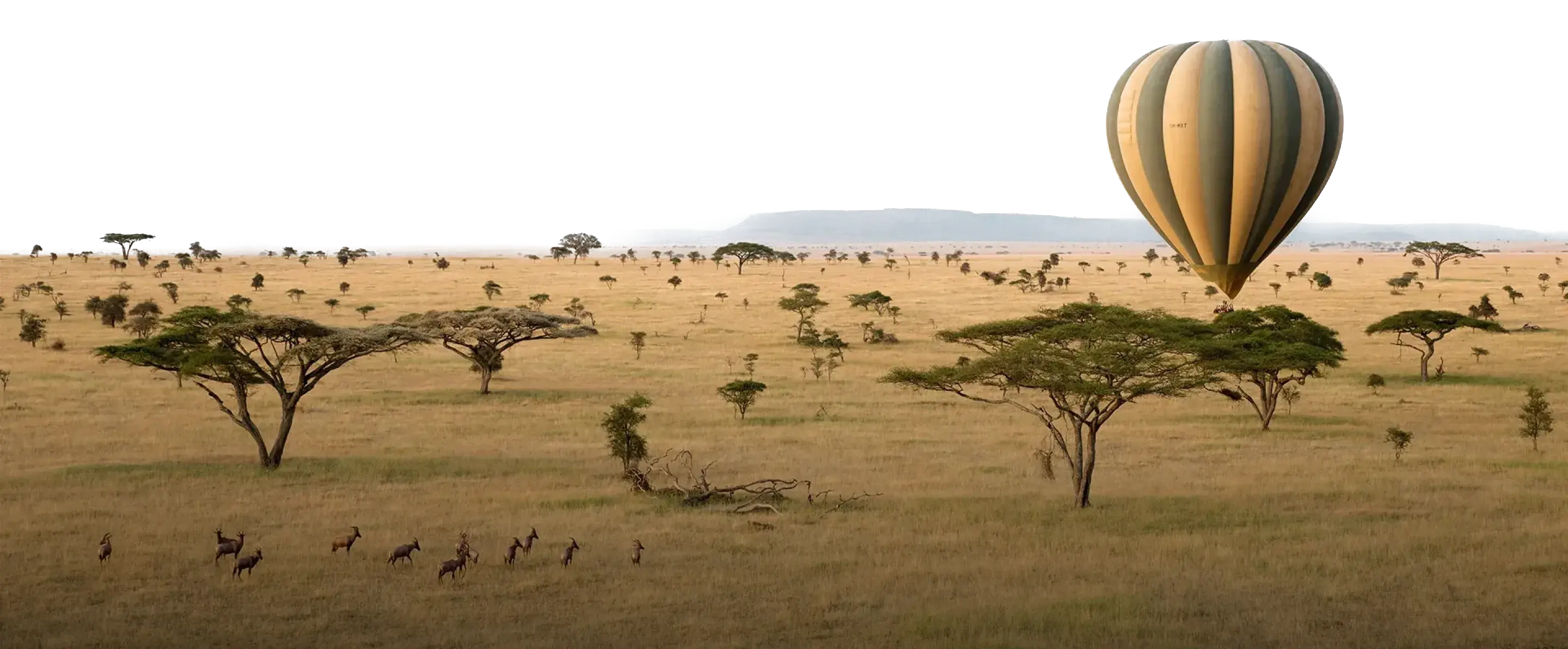
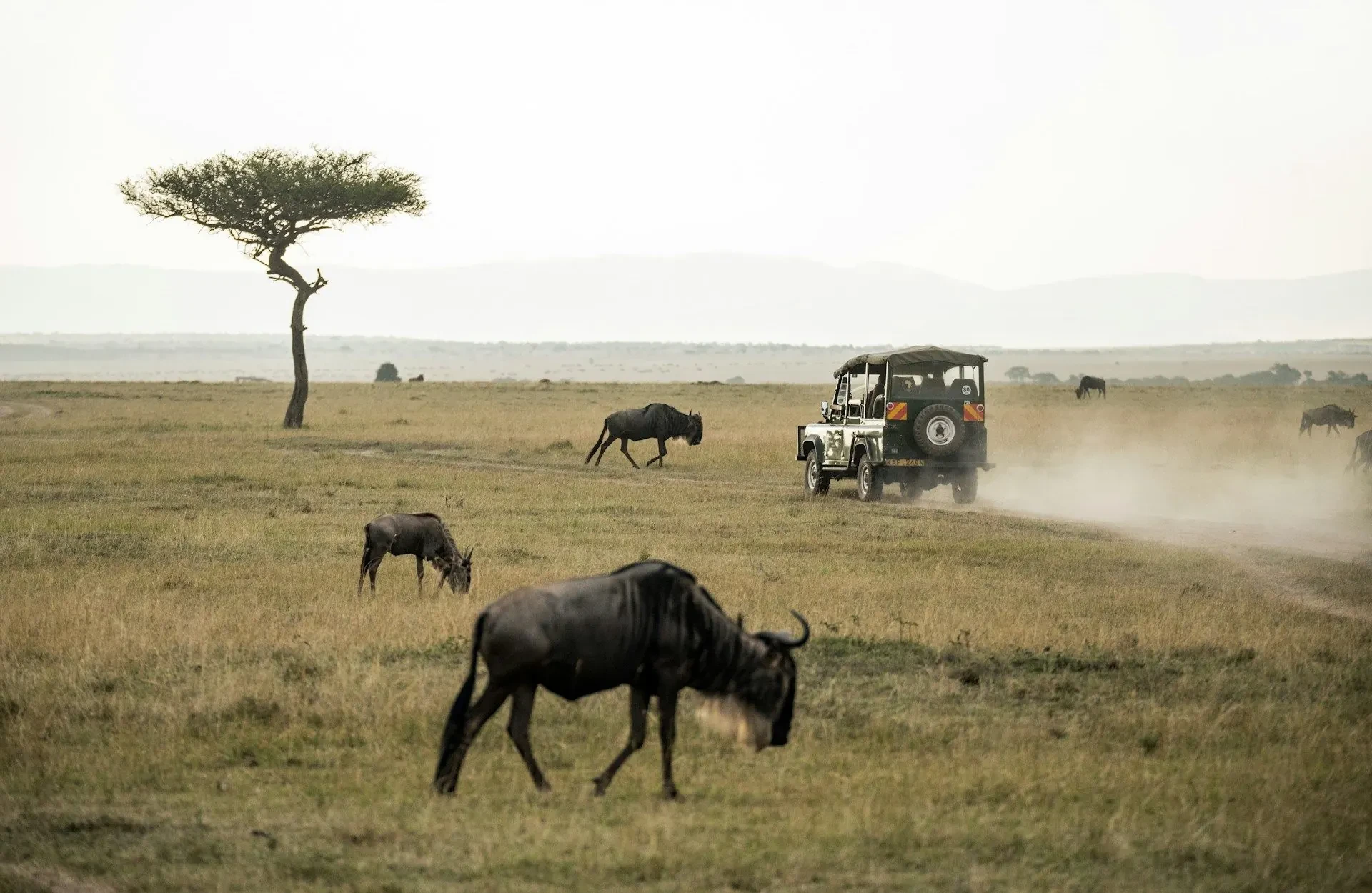
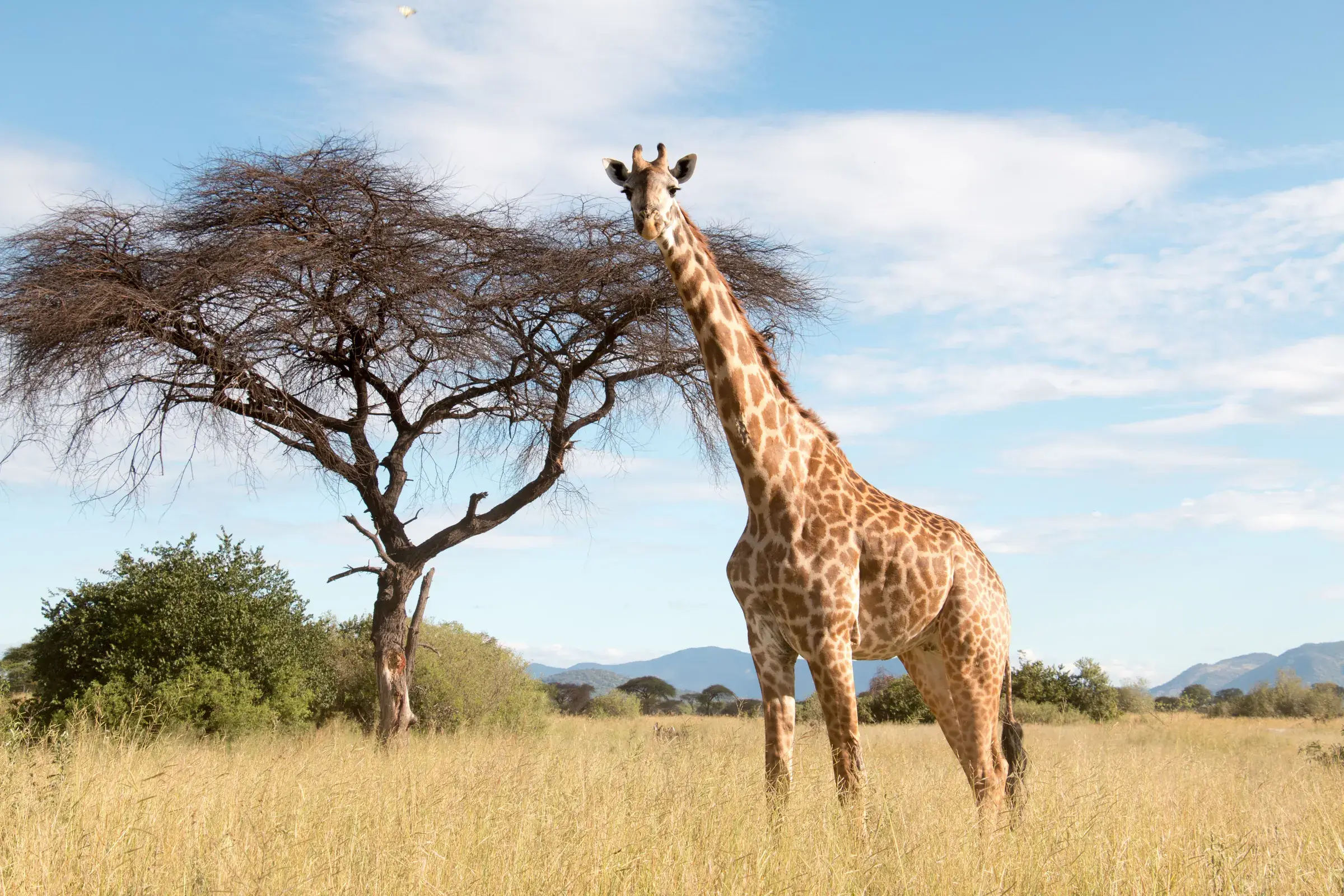
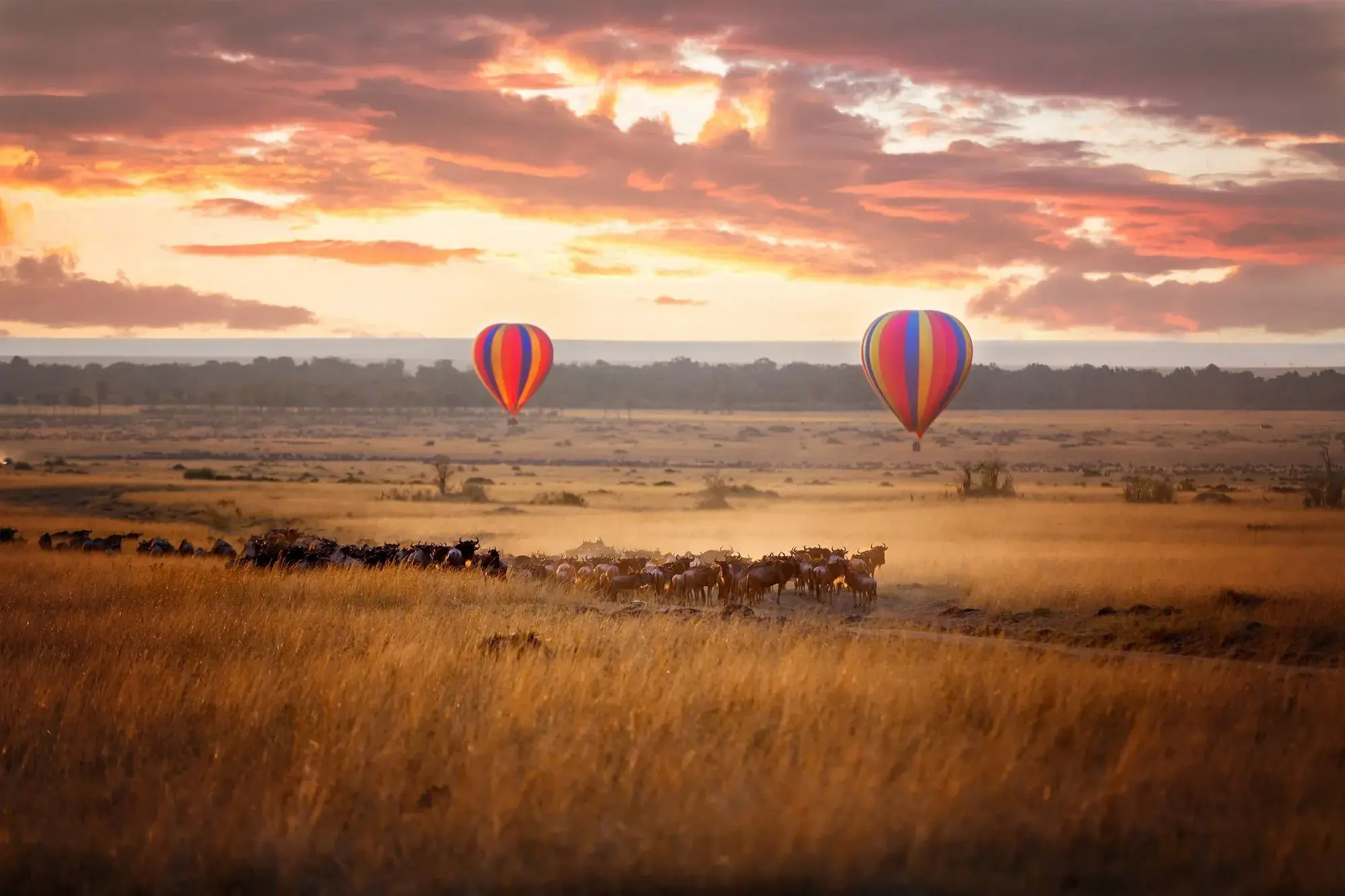
Around the cats moves the full supporting cast: elephant herds, buffalo, giraffe, eland, topi, and the seasonal press of wildebeest and zebra when the migration spills north from the reserve. The Ntiakitiak and Olare Orok watercourses thread the grassland, drawing game and framing the leopard ground. The scenery is classic Mara — rolling savannah, acacia stands, wide horizon — but held at a stillness the main reserve cannot match.
Best time to visit
The big cats are resident every month, which is Olare Motorogi's quiet advantage — you do not need to chase a single event to see world-class predator action. That said, the dry months of July to October coincide with the wider migration, when wildebeest and zebra move up from the reserve and predator activity intensifies. January and February are dry, bright and superb for cats on short grass. The green season (roughly November to June) brings lush plains, newborn game and gentler rates, with the conservancy far quieter than reserve-side camps. For the full month-by-month picture, see our → Best time to visit the Maasai Mara guide.
Things to do here
- Game drives — morning and late-afternoon drives built around the resident cats, with the freedom to go off-road to a sighting that the national reserve does not allow.
- Night game drives — after-dark drives reveal the nocturnal Mara: lion on the hunt, leopard, genet, aardvark and more (see → Night game drive).
- Walking safaris — on foot with an armed guide, reading tracks and the smaller life of the plains at close range (see → Walking safari).
- Photographic drives — the low guest density and off-road access make Olare Motorogi a serious destination for wildlife photographers wanting time and space at a sighting.
- Maasai cultural visits — the conservancy is owned by the Maasai families whose land it is; respectful visits connect the wildlife story to the people behind it.
Know before you go
- Getting there: ~45-minute light-aircraft hop from Nairobi (Wilson Airport) to one of the Mara airstrips, then a short transfer into the conservancy; a long road transfer from Nairobi is also possible.
- Fees: a conservancy fee applies (typically included in camp rates and charged per night per guest); we confirm current amounts and set them out in your quote.
- How long: 3 to 4 nights does Olare Motorogi justice and lets the cat viewing build; it pairs naturally with the national reserve for crossing-season action, or with Amboseli or the coast for a fuller Kenya journey.
- Access note: because entry is via the camps and beds are limited, Olare Motorogi is not a place to arrive at unplanned — it is designed for travellers who value space and exclusivity over volume.
Related Nobu journeys
- Into the Wild Mara — the Mara at its fullest, timed to your season and able to lean into a conservancy stay for the quiet, cat-rich side of the ecosystem. → Explore
- Mara and Amboseli Classic — Kenya's headline plains paired with elephant country beneath Kilimanjaro. → Explore
- The Great Migration Circuit — following the herds across the ecosystem, with conservancy nights for the finest predator viewing. → Explore
When to go
Month by month — daytime warmth, days of rain and what the season brings.
Where to stay
From Essential to Private Collection — the camps and lodges we know first-hand here. Rates are indicative and confirmed on enquiry.
Elevated
Enkewa Mara Camp
Elevatedtented camp · private conservancy
from $500 pp / night· indicative, confirmed on enquiry
Kicheche Bush Camp
Elevatedtented camp · private conservancy
from $500 pp / night· indicative, confirmed on enquiry
Olare Mara Kempinski
Elevatedtented camp · private conservancy
from $600 pp / night· indicative, confirmed on enquiry
Private Collection
Mahali Mzuri
Private Collectiontented camp · private conservancy
from $1,500 pp / night· indicative, confirmed on enquiry
Mara Bushtops
Private Collectiontented camp · private conservancy
from $900 pp / night· indicative, confirmed on enquiry
Mara Plains Camp
Private Collectiontented camp · private conservancy
from $1,500 pp / night· indicative, confirmed on enquiry
Journeys through here
Signature routes that pass through Olare Motorogi Conservancy — starting points we reshape around your season and pace.
Experiences here
Common questions
- Why is Olare Motorogi considered the best conservancy for big cats?
- It combines exceptional resident lion, leopard and cheetah with some of the lowest guest-to-land ratios in the Mara, so the cat viewing is both dense and uncrowded. Off-road access means you can position properly at a sighting rather than watching from a distance.
- What's the difference between Olare Motorogi and the Maasai Mara reserve?
- Both share the same wildlife and plains, but the conservancy caps guest and vehicle numbers and permits walking, night drives and off-road driving — none of which the national reserve allows. The reserve is busier but central to the river crossings.
- How is Olare Motorogi different from Naboisho or Mara North?
- All three are private Mara conservancies, but Olare Motorogi sits right on the reserve boundary and is especially known for elite predator density and premium, low-volume camps. It leans more exclusive; Naboisho and Mara North are larger with a broader range of stays.
- Can you do night and off-road drives at Olare Motorogi?
- Yes. As a private conservancy it allows night game drives and off-road access to sightings, both prohibited inside the national reserve — a large part of why it appeals to photographers and repeat safari travellers.
- How many days do you need in Olare Motorogi?
- Three to four nights lets the cat viewing develop and gives time for walking and a night drive; pair it with the reserve or another region for a fuller Kenya itinerary.
Tell us what you want from Olare Motorogi Conservancy
We'll design the journey around it — places, pace and people matched to how you travel.