Naboisho Conservancy
Naboisho Conservancy — also known as Mara Naboisho — is one of Kenya's leading private conservancies, sitting within the greater Maasai Mara ecosystem and formed in partnership with Maasai landowners. It offers exceptional big-cat sightings, strictly capped vehicle numbers, and safari activities — walking, night drives and off-road game drives — that the national reserve does not permit. It suits travellers who want the Mara at its most intimate.
Why visit
There is a version of the Maasai Mara experience that most people never find. It sits just beyond the reserve boundary, on a wide stretch of open savannah and acacia woodland where the vehicle count is capped by design and the mornings belong entirely to you. This is Naboisho — and it changes the calculus of a Mara safari.
Naboisho was built on a simple and powerful idea: that the Maasai community who have lived alongside this wildlife for centuries are its best custodians. The conservancy was formed in direct partnership with Maasai landowners, creating a model that returns meaningful revenue to the people of the land in exchange for wildlife protection. When you travel here, that story travels with you.
And then there are the cats. Naboisho holds one of the highest lion densities in the Mara ecosystem — a natural consequence of the low vehicle pressure, the managed land and the healthy prey base. Combined with the freedom to walk at dawn, to drive off the track when a cheetah is hunting, and to head out after dark for the animals the daytime misses, it adds up to a fundamentally different kind of Mara.
Wildlife & landscapes
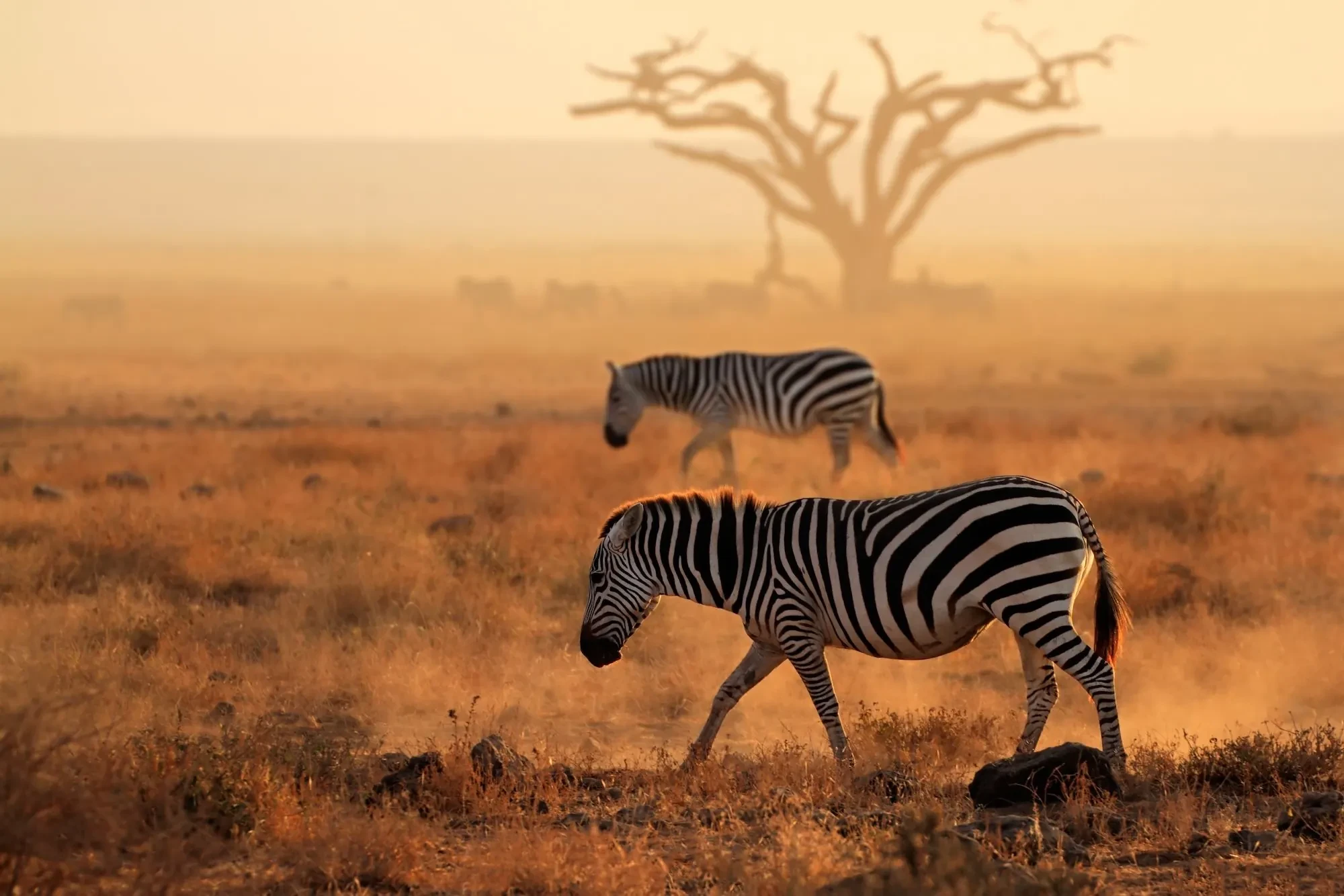
Naboisho is, first and foremost, big-cat country — and the kind where you can watch at length without a queue of vehicles. Lion are the signature: the conservancy's population is among the densest and most consistently sighted in the wider Mara. Cheetah work the open grassland, and leopard move through the acacia and riverine woodland. Elephant and buffalo roam freely; hyena, jackal and a wide range of plains game fill in the landscape around them.
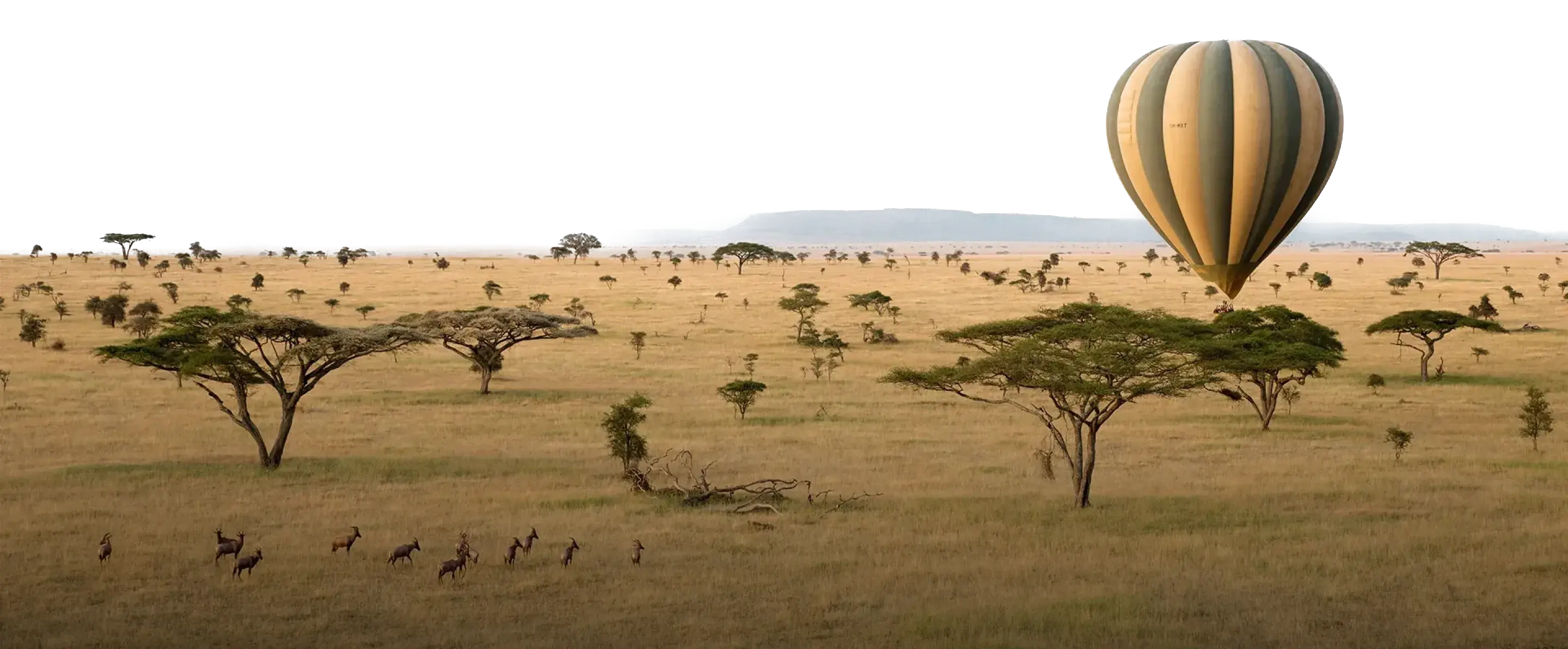
The terrain itself rewards slow attention. Open short-grass plains give way to scattered acacia and patches of croton bush, with seasonal luggas (dry watercourses) running through the land and concentrating game in the drier months. The greater Mara ecosystem brings wildebeest and zebra through the conservancy during the migration, and while the famous river crossings take place in the national reserve to the south, the movement and drama of the herds is felt here too. At the horizon, the sky is enormous.
Best time to visit Naboisho
Naboisho rewards the Mara's rhythms — and because vehicle pressure is managed, every season feels more spacious than in the reserve. The dry months of July to October bring peak migration activity to the wider ecosystem, with wildebeest and zebra moving through and the big cats hunting hard. The January–February dry window is excellent for resident predators, with clear skies and short grass that makes sightings easier. The green season (November–June) brings lush, photogenic plains, fewer travellers and newborn animals — a genuinely good time to be here, and easier on the land.
For full month-by-month detail and migration timing, see our → Best time to visit the Maasai Mara guide.
Things to do here
- Morning and afternoon game drives — longer sightings, fewer vehicles, and the freedom to hold position when something extraordinary is happening; no rush to accommodate the next car.
- Walking safaris — on foot with an experienced, armed guide across open conservancy land, one of the great ways to understand the Mara at a human scale (see → Walking safari).
- Night drives — Naboisho permits after-dark drives, revealing a nocturnal Mara of civets, porcupines, aardvark and predators on the move — experiences the national reserve does not allow (see → Night game drive).
- Off-road driving — following an animal off the track when the sighting demands it; standard in the conservancy, not possible in the reserve.
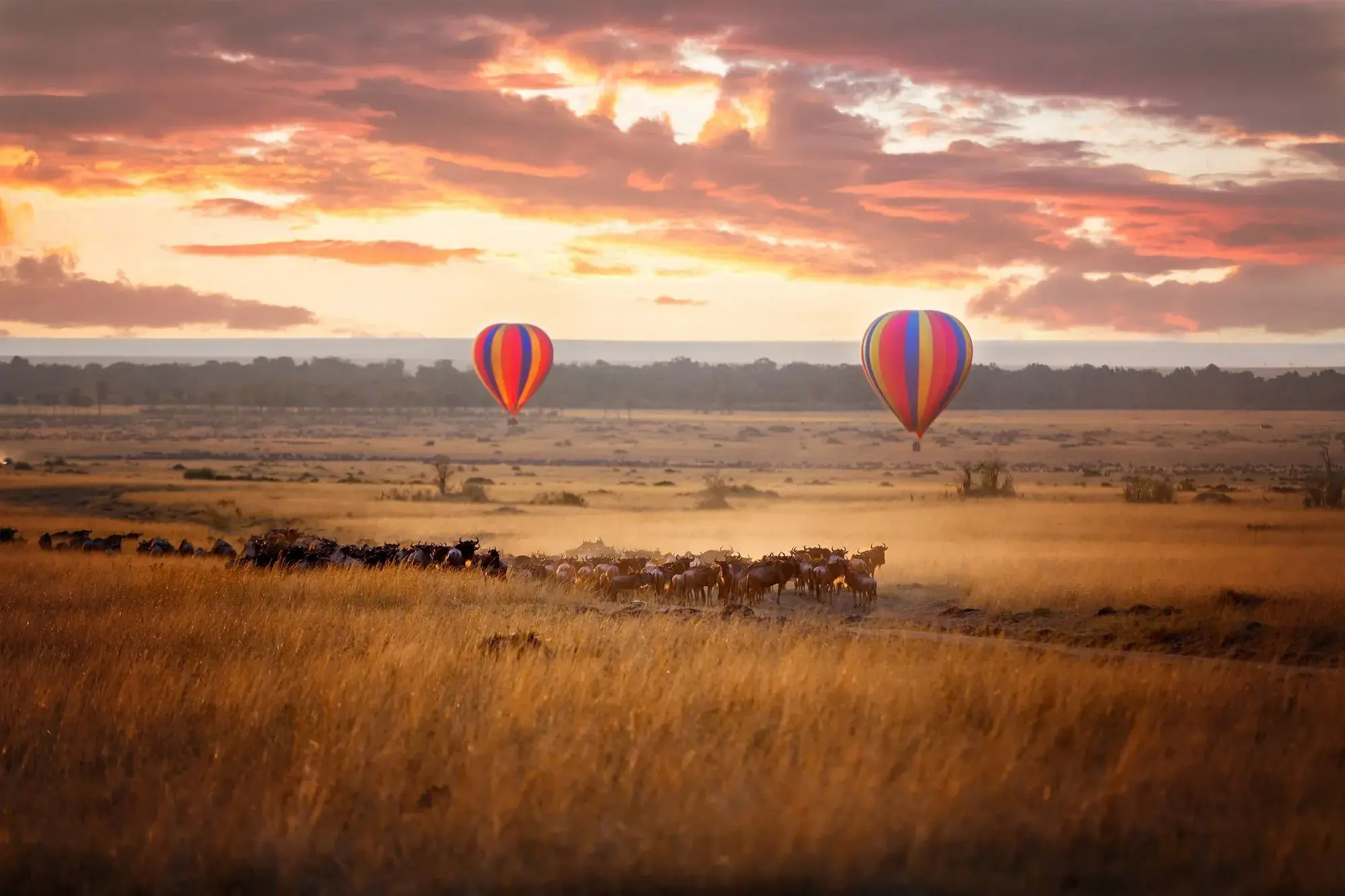
- Hot-air balloon safari — dawn flights over the wider Mara plains, with the conservancy below and the horizon stretching into Tanzania (see → Hot-air balloon safari).
- Community engagement — meaningful visits with the Maasai landowners who co-founded and sustain the conservancy, connecting the wildlife story to the human one.
Know before you go
- Getting there: ~45-minute light-aircraft hop from Nairobi (Wilson Airport) to the Mara airstrips, with a short transfer into the conservancy; road transfers from Nairobi take approximately 5–6 hours.
- Fees: conservancy fees apply per person, per night; these fund the Maasai landowners and wildlife operations directly, and are included and confirmed in your journey quote.
- How long: 3–4 nights lets you settle into the conservancy's rhythm and make full use of walking, night drives and morning game drives without hurrying. Naboisho pairs naturally with a classic Mara reserve camp or with Amboseli for a complete Kenya journey.
Related Nobu journeys
- Into the Wild Mara — the Mara at its fullest, weaving the national reserve and a private conservancy across a single journey. → Explore
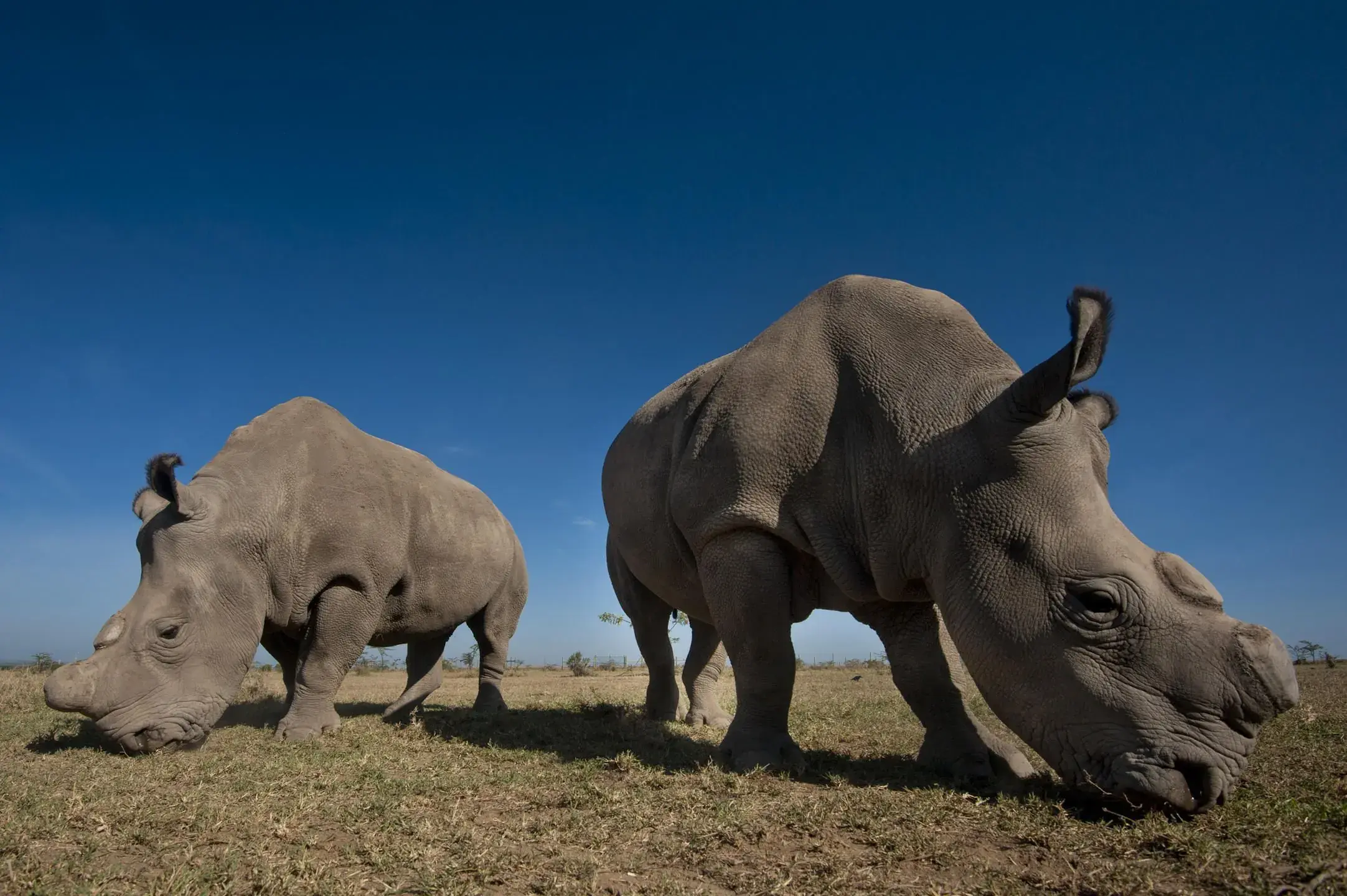
- Conservancy & Rhino — community conservation in action, from Naboisho's Maasai partnership to the highland rhino sanctuaries of Laikipia. → Explore
- Mara & Amboseli Classic — Naboisho's quiet predator country, then Amboseli's open elephant plains beneath Kilimanjaro. → Explore
When to go
Month by month — daytime warmth, days of rain and what the season brings.
Where to stay
From Essential to Private Collection — the camps and lodges we know first-hand here. Rates are indicative and confirmed on enquiry.
Elevated
Encounter Mara
Elevatedtented camp · private conservancy
from $450 pp / night· indicative, confirmed on enquiry
Kicheche Valley Camp
Elevatedtented camp · private conservancy
from $650 pp / night· indicative, confirmed on enquiry
Naboisho Camp
Elevatedtented camp · private conservancy
from $700 pp / night· indicative, confirmed on enquiry
Journeys through here
Signature routes that pass through Naboisho Conservancy — starting points we reshape around your season and pace.
Experiences here
Common questions
- What makes Naboisho different from the Maasai Mara national reserve?
- The conservancy caps the number of vehicles allowed inside it, which means quieter sightings and longer time with wildlife. It also permits walking safaris, night drives and off-road driving — none of which the national reserve allows. Naboisho also returns revenue directly to Maasai landowners, making it a community-led model, not a state reserve.
- Is Naboisho good for lion?
- It is one of the best places in the entire Mara ecosystem for lion. The controlled vehicle numbers and managed land support an exceptionally dense resident population, and sightings here tend to be unhurried.
- Do the wildebeest migration crossings happen in Naboisho?
- The famous Mara River crossings take place in the national reserve, not within Naboisho's boundaries. However, the conservancy sits within the same ecosystem, and wildebeest and zebra move through the area during the July–October window. The quiet and the cats are here year-round.
- Can you walk on safari in Naboisho?
- Yes. Walking with an armed guide is permitted in the conservancy and is one of its most distinctive activities. The national reserve does not allow walking safaris.
- How many camps are inside Naboisho?
- The conservancy deliberately limits the number of camps to protect the low-density experience. Nobu holds access across the tiers within this limited pool — we confirm availability and match the right camp to your journey.
Tell us what you want from Naboisho Conservancy
We'll design the journey around it — places, pace and people matched to how you travel.