
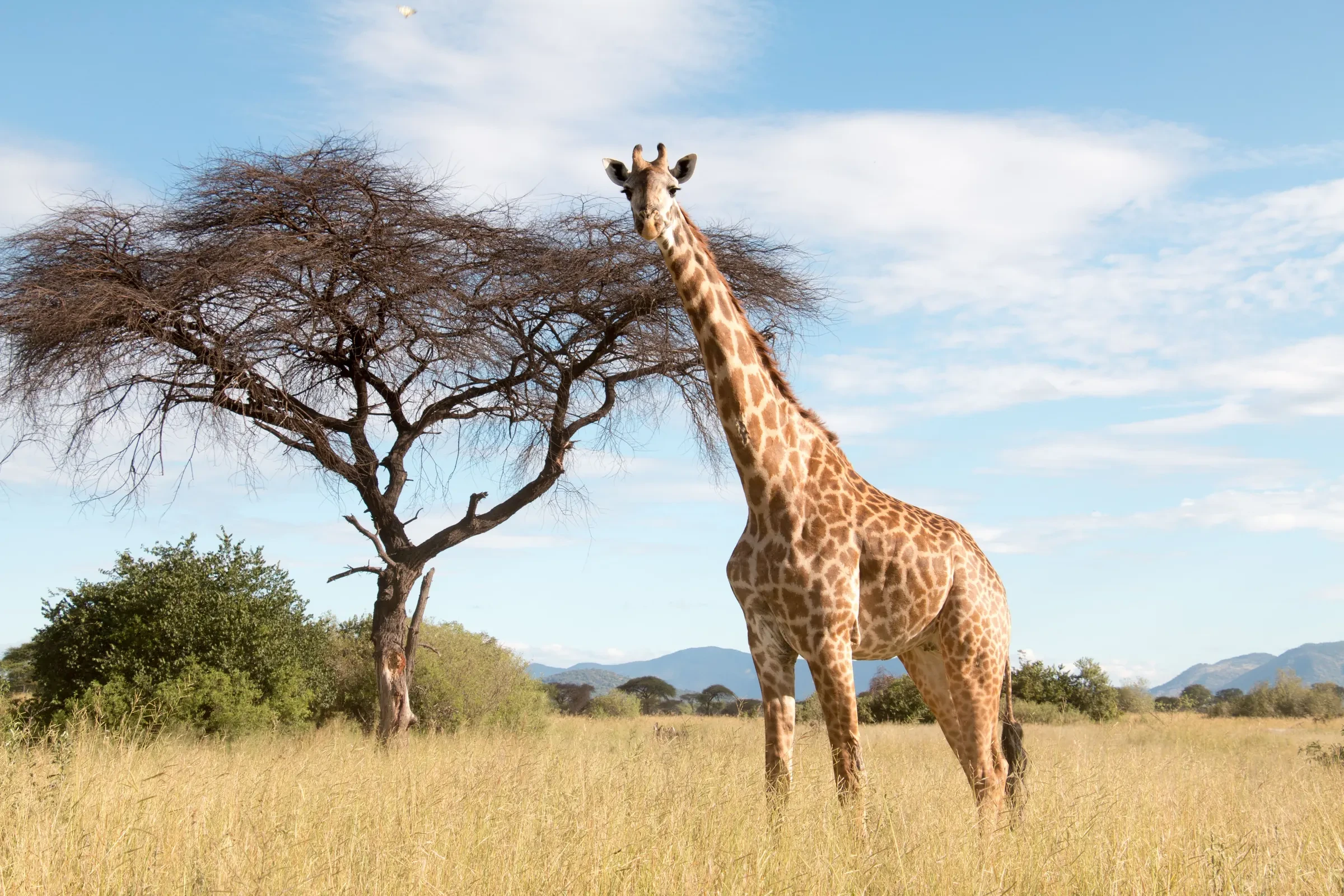
Signature journey · from 7 nights
The Great Migration Circuit
The Great Migration Circuit is a tailored Tanzania safari journey through the Serengeti and the Ngorongoro Crater, designed by Nobu around the individual traveller and timed to where the wildebeest migration is moving — the calving on the southern plains (January–February) or the Mara River crossings in the north (roughly July–October) — available across comfort levels from Essential to Private Collection.
Narrative introduction
Close to two million wildebeest and zebra move across the Serengeti in an unbroken circle, following the rains the way they have for longer than there have been people to watch them. There is no single place to "see the migration." There is only where it is right now — and that is the journey we design around you.
The Great Migration Circuit follows the herds to their season. In the new year, the short-grass plains of the south fill with newborn calves and the predators that shadow them. By mid-year, the columns are pressing north, gathering at the rivers for the crossings that draw breath from everyone who witnesses them. We read the calendar and the country, and place you where the story is loudest.
And when the plains have given everything, the journey descends into the Ngorongoro Crater — a collapsed volcano holding a world of wildlife within its walls — for a different kind of abundance entirely. This is the migration met not as a postcard, but as a living thing, on its own moving terms.
Experience moments
- The herds to the horizon — Stand where the plains run on forever and the wildebeest fill every distance, a sound you feel before you hear.
- A river crossing, if the season is right — Wait at the bank as the herd gathers, hesitates, and then pours across in thunder and spray.
- Calving on the short-grass plains — In the new year, watch newborns find their legs within minutes, the great cats never far behind.
- Descending into the Crater — Drop through the cloud line into Ngorongoro and a floor crowded with life in every direction.
- A lunch where the view earns it — Stop where the land deserves it; let the afternoon stretch.
- Firelight and the open sky — End each day where the conversation slows and the stars take over.
How you'll travel
Because the migration moves, so can you. From an intimate Essential camp that follows the herds across the seasons to a Private Collection retreat on the Crater rim or deep in the plains, the Serengeti is yours at the level that suits you. Mobile camps place you within reach of the action as it shifts; permanent lodges offer the comfort of a fixed horizon. Every stay is chosen for the story it adds — not just a bed, but a place in the picture.
Make it yours
Lift off at dawn over the plains by balloon, the herds spread beneath you. Add time with a Maasai community on their terms, not as a stop on a route. Extend west to the Grumeti or north toward the Mara for the deepest crossing country, slip across into Kenya's Maasai Mara for the other half of the ecosystem, or let Zanzibar's reefs and white sand finish the story.
The rhythm of the journey
- Arrive in the Serengeti — Fly in by light aircraft; the endless plains greet you from the air. Settle into camp, an evening drive as the light turns gold.
- Into the migration — Full days following the herds at your own pace — to the calving grounds in the south early in the year, or north toward the crossing rivers in the dry season. Long lunches, unhurried afternoons.
- Where the story is loudest — Time set aside to position around the herds as they move, with the freedom to linger when a moment unfolds.
- Down to the Crater — Transfer to the Ngorongoro highlands and descend to the Crater floor for a day among its remarkable density of wildlife.
- A last morning — One more drive before you fly out, or continue your wider Tanzania journey — west, north into Kenya, or on to the coast.
Most travellers spend 4–5 nights in the Serengeti and 1–2 in the Ngorongoro highlands. We'll shape the exact rhythm — and the season — around you.
What's included
Typically included: all park, conservation and Crater fees · expert driver-guide · 4x4 safari vehicle · accommodation at your chosen tier · meals as specified per camp · internal light-aircraft flights and transfers as routed · drinking water and game drives.
Not included: international flights · visas and travel insurance · premium drinks · gratuities · optional add-ons (balloon, private guide). Every journey is quoted in full, with no surprises.
What it costs
The Great Migration Circuit is designed bespoke, so the price reflects your journey — not a fixed tier. Your quote is built from live rates, season, group size, routing, guiding, permits and accommodation tier. We'll give you a clear, all-in quote before you commit.
The great migration, in context
The Serengeti, in northern Tanzania, is the heart of the Serengeti–Mara ecosystem and the stage for the annual wildebeest migration — a year-round, circular movement of close to two million animals following the rains. The calving season falls roughly January to February on the southern short-grass plains; the dramatic Mara River crossings fall roughly July to October in the north. The Ngorongoro Crater, a short drive south-east, is a collapsed volcanic caldera holding one of the densest concentrations of wildlife in Africa. The two pair naturally into a single journey of around seven nights, linked by light aircraft or an overland transfer through the highlands. Nobu designs the circuit to your season, placing you where the herds are moving.
Related journeys
- Northern Crater Highlands — the classic first safari: the Crater, Tarangire and Lake Manyara. → Explore
- Southern Safari & Spice — pair the plains with Zanzibar's reefs and Stone Town. → Explore
- Into the Wild Mara — the other half of the migration ecosystem, across the border in Kenya. → Explore
Trust reinforcement
A KATO/TRA-registered operator with our own guides and 4x4 fleet, 24-hour on-safari support and financial protection on every journey. The detail handled quietly, so your safari stays effortless.
Told by a traveller
“I would like to thank Mr. Joseph and Ms Imelda for their seamless trip planning and itinerary, it was like really living your dream. … We look forward to coming back to Masai Mara.”
Common questions
- The herds to the horizon
- Stand where the plains run on forever and the wildebeest fill every distance, a sound you feel before you hear.
- A river crossing, if the season is right
- Wait at the bank as the herd gathers, hesitates, and then pours across in thunder and spray.
- Calving on the short-grass plains
- In the new year, watch newborns find their legs within minutes, the great cats never far behind.
- Descending into the Crater
- Drop through the cloud line into Ngorongoro and a floor crowded with life in every direction.
- A lunch where the view earns it
- Stop where the land deserves it; let the afternoon stretch.
- Firelight and the open sky
- End each day where the conversation slows and the stars take over.
- Arrive in the Serengeti
- Fly in by light aircraft; the endless plains greet you from the air. Settle into camp, an evening drive as the light turns gold.
- Into the migration
- Full days following the herds at your own pace — to the calving grounds in the south early in the year, or north toward the crossing rivers in the dry season. Long lunches, unhurried afternoons.
- Where the story is loudest
- Time set aside to position around the herds as they move, with the freedom to linger when a moment unfolds.
- Down to the Crater
- Transfer to the Ngorongoro highlands and descend to the Crater floor for a day among its remarkable density of wildlife.
- A last morning
- One more drive before you fly out, or continue your wider Tanzania journey — west, north into Kenya, or on to the coast.
- When is the best time to see the great migration?
- It depends what you want to see: roughly January–February for the calving and big cats on the southern plains, and roughly July–October for the Mara River crossings in the north. The herds move year-round, so we design the journey around where they'll be when you travel.
- Can you guarantee I'll see a river crossing?
- No one honestly can — the herds and the rivers keep their own calendar. What we do is place you in the right region at the right time and give you the days and the guides to be there when it happens.
- Why finish in the Ngorongoro Crater?
- It offers a completely different rhythm to the open plains: an enclosed world with an extraordinary density of wildlife, and a fitting, grounded close to the wide-open drama of the migration.
- How many days do you need?
- Most travellers spend around seven nights — four to five in the Serengeti and one to two in the Ngorongoro highlands — but we'll shape the length around your wider journey.
- Is it suitable for families and first-time safari-goers?
- Yes. We design the circuit for first-timers, families and seasoned travellers alike, including mobility-conscious options.
- Northern Crater Highlands
- the classic first safari: the Crater, Tarangire and Lake Manyara. → [Explore](/journeys/northern-crater-highlands)
- Southern Safari & Spice
- pair the plains with Zanzibar's reefs and Stone Town. → [Explore](/journeys/southern-safari-and-spice)
- Into the Wild Mara
- the other half of the migration ecosystem, across the border in Kenya. → [Explore](/journeys/into-the-wild-mara)
More journeys to start from
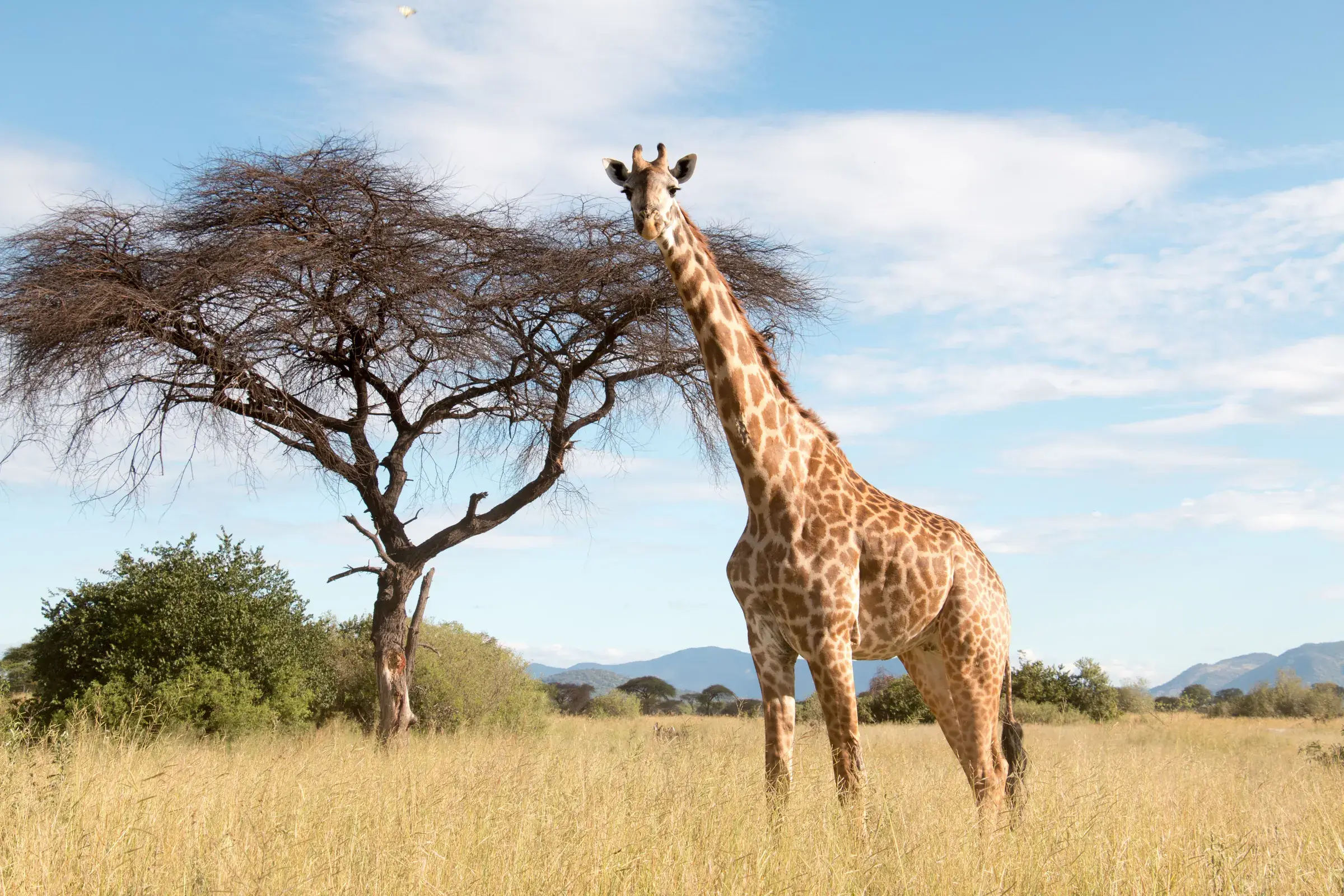 from 4 nightsThe Wild NorthA safari into Kenya's wild northern frontier, designed around you — Samburu's rare desert species, Meru's untamed bush, doum palms and the rivers that draw the wild in. Your Africa, beautifully told.
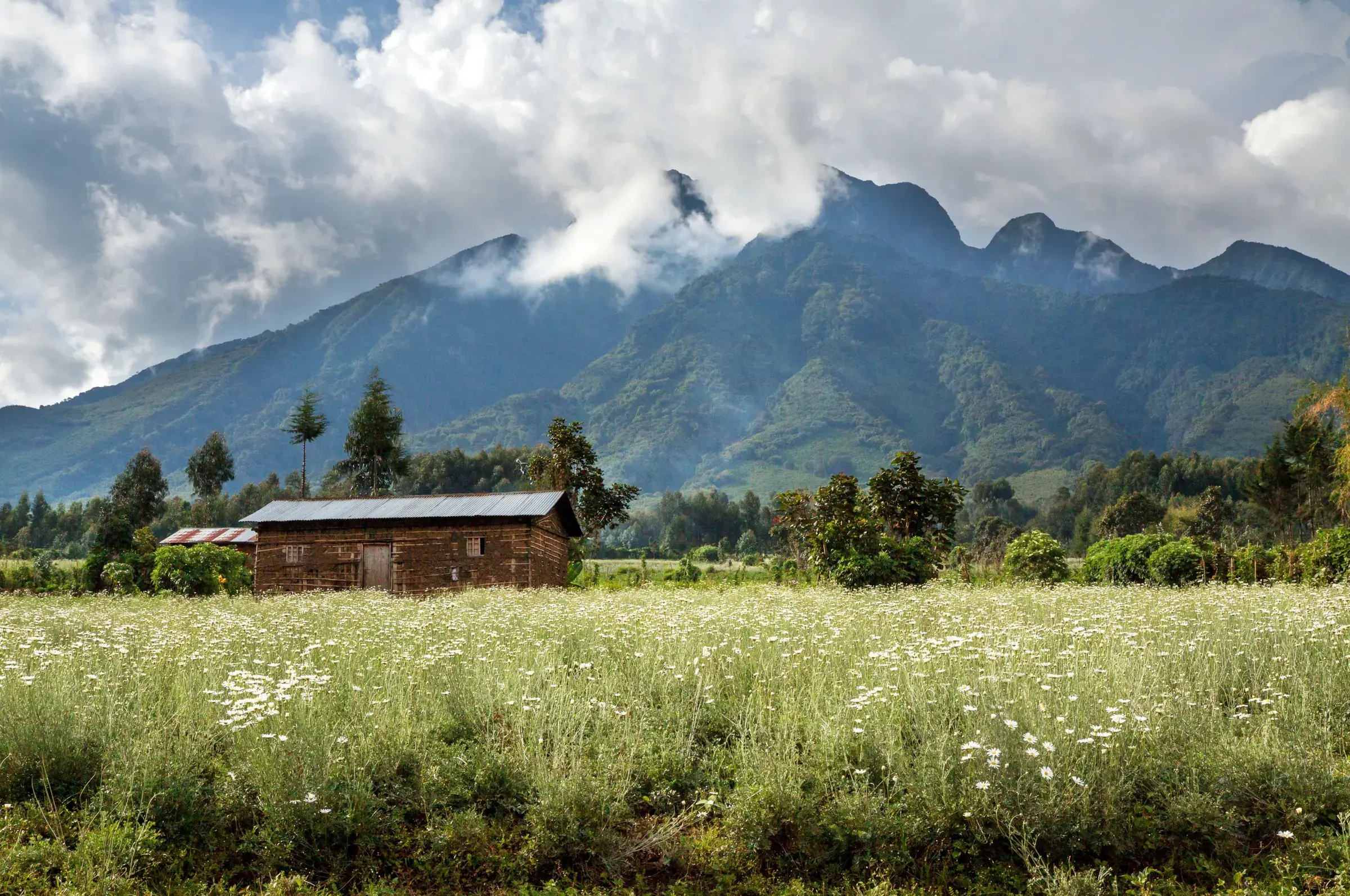 from 6 nightsThousand Hills CircuitA tailored Rwanda journey designed around you — mountain gorillas in Volcanoes National Park, the calm and culture of Kigali, and the ancient rainforest of Nyungwe. Your Africa, beautifully told.
- from 10 nightsVolcanoes & the SerengetiA Rwanda and Tanzania journey designed around you - gorillas in Volcanoes National Park, then the Serengeti plains and northern Tanzania. Your Africa, beautifully told.