Lake Eyasi
Lake Eyasi is a shallow soda lake in Tanzania's Great Rift Valley, lying below the Ngorongoro highlands in the country's north. Its draw is cultural rather than game: it is home to the Hadzabe, one of Africa's last hunter-gatherer peoples, and to the Datoga pastoralist blacksmiths — and a dawn foraging walk with the Hadzabe is among East Africa's most humbling human encounters. The lake shallows also draw waterbirds and flamingo when the rains fill them.
Why visit
Most of northern Tanzania is measured in wildlife — the crossings, the crater, the herds. Lake Eyasi is measured in something else. Tucked into the floor of the Rift below the Ngorongoro highlands, this quiet soda lake is not a place you come to tick off big cats. You come for an encounter with people whose way of life reaches back further than almost any other on the continent.
The land around the lake is home to the Hadzabe, one of the last communities on earth still living substantially by hunting and gathering, and to the Datoga, pastoralists whose blacksmiths shape metal by hand as they have for generations. To spend a dawn walking with Hadzabe hunters — reading tracks, gathering tubers and berries, moving through the bush the way humans moved for tens of thousands of years — is to feel time open up beneath you. It is not a performance staged for visitors. It is a genuine, unhurried meeting between people, and it asks to be approached with humility.
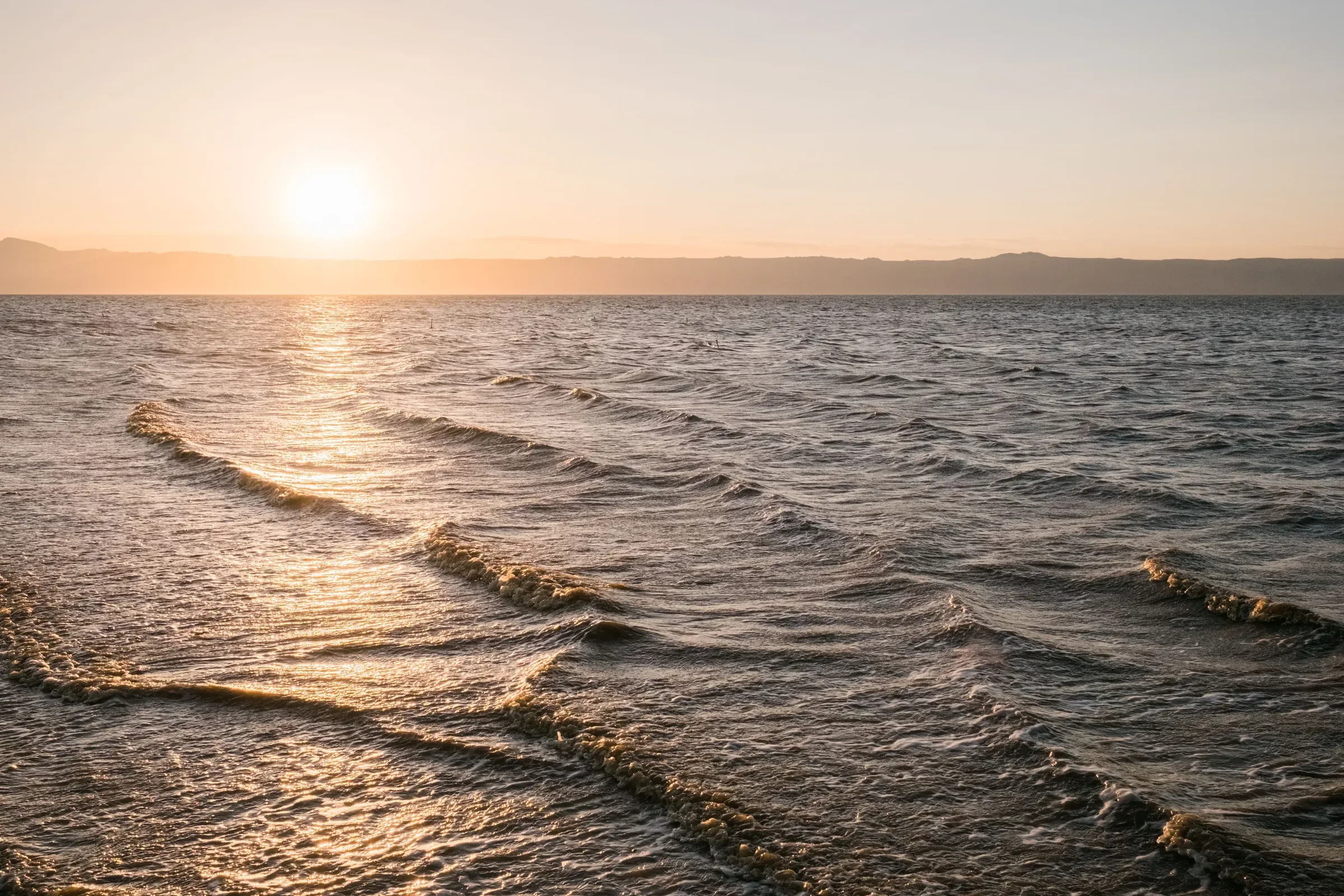
Around all of this lies the lake itself: a wide, shifting sheet of shallow water that swells with the rains and retreats to cracked pan in the dry months, ringed by acacia and doum palm and framed by the Rift's escarpment. It is a landscape of stillness — a gentler counterpoint to the drama of the crater an hour above.
The lake, its birdlife & the Rift
Lake Eyasi is a shallow, seasonal soda lake on the floor of the Great Rift Valley, held between the Eyasi escarpment to the south-west and the highlands of Ngorongoro rising to the north-east. Its character changes entirely with the seasons: after the rains it spreads into a broad, mirror-flat expanse; in the dry months it shrinks back to shimmering flats and exposed shoreline, the water turned alkaline and mineral.
The draw here is birdlife, not big game. When the lake holds water, the shallows draw flamingo, pelican, storks and a range of waders and waterfowl — quieter and less famous than the flamingo spectacle of the northern soda lakes, but rewarding for anyone who travels with binoculars. The surrounding acacia woodland and scrub add bush and dryland species, so a slow morning along the shore can turn up a long list. For dedicated birders this pairs naturally with the wider northern circuit (see → Birding safari).
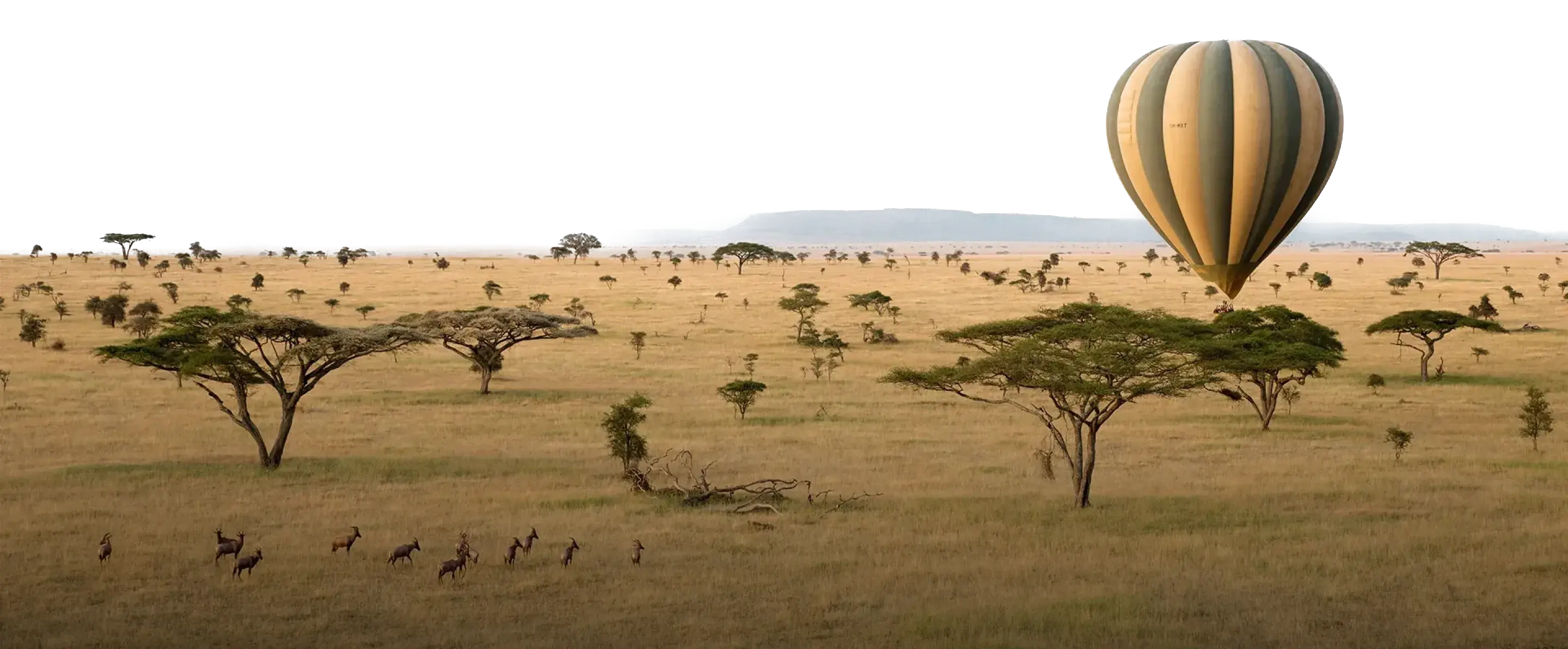
This is not classic game country — you will not find the dense predator-and-herd theatre of the Serengeti here. What Eyasi offers is landscape and light: the vast Rift floor, the escarpment catching the low sun, the doum palms along the shore, and a horizon that feels genuinely remote.
Best time to visit
Lake Eyasi's rhythm follows the northern Tanzania seasons. The dry season (June to October) is the most reliable window for the cultural visits — tracks are firm, mornings are clear, and the Hadzabe range across open, walkable bush; this is also when the lake is at its most retreated. The short dry spell around January and February is another good window. The rains (November, and the longer March to May) fill the lake, bringing the best of the birdlife but softer, muddier ground underfoot. Because Eyasi is almost always visited as a one- or two-night addition to the northern circuit, its timing usually follows whatever brings you to Ngorongoro and the Serengeti — see our → Best time to visit Tanzania guide for the full picture.
Things to do here
- A dawn walk with the Hadzabe — the signature experience: joining hunter-gatherers at first light as they forage and track, approached as a genuine, respectful encounter rather than a spectacle. Early morning is essential — this is when the community is active.
- Visiting the Datoga blacksmiths — the pastoralist Datoga are known for metalwork, forging arrowheads, tools and jewellery by hand; a considered, unhurried visit to a homestead.
- Birding the lake shallows — flamingo, pelican and waders when the lake holds water, plus dryland species in the surrounding bush (see → Birding safari).
- Walking and landscape time — guided walks along the shore and escarpment for the Rift scenery, the palms and the wide, quiet horizon.
- Cultural context, done well — every encounter here is arranged with community consent and fair benefit; your guide sets the tone of respect that these visits ask for.
Know before you go
- Getting there: Lake Eyasi is reached by road, most often as a detour from Karatu / Ngorongoro — roughly a one-to-two-hour drive down onto the Rift floor. The nearest served airstrip for the wider region is Lake Manyara (LKY), with light-aircraft links; most travellers arrive overland as part of the northern circuit.
- Fees: cultural-visit and community fees apply and support the Hadzabe and Datoga directly; these are confirmed in your quote, never paid ad hoc on the day.
- How long: one to two nights is ample — Eyasi is an immersion, not a base. It slots naturally between Ngorongoro and the Serengeti, or as a reflective bookend to the crater.
- Approach: the cultural encounters here are real and deserve dignity — early starts, an open mind, and your guide's lead on etiquette make all the difference.
Related Nobu journeys
- Northern Crater Highlands — the Ngorongoro highlands and their Rift surrounds, with Eyasi as the cultural chapter. → Explore
- The Great Migration Circuit — the full northern Tanzania loop, into which an Eyasi cultural morning folds naturally. → Explore
- Rift Valley Passage — the Rift's lakes and landscapes, of which Eyasi is a quiet highlight. → Explore
When to go
Month by month — daytime warmth, days of rain and what the season brings.
Where to stay
From Essential to Private Collection — the camps and lodges we know first-hand here. Rates are indicative and confirmed on enquiry.
Signature
Lake Eyasi Safari Lodge
Signaturelodge · lakeshore
from $150 pp / night· indicative, confirmed on enquiry
Ziwani Lodge
Signaturelodge · lakeshore
from $200 pp / night· indicative, confirmed on enquiry
Elevated
Kisima Ngeda Camp
Elevatedtented camp · lakeshore
from $350 pp / night· indicative, confirmed on enquiry
Common questions
- What is there to do at Lake Eyasi?
- The heart of a visit is cultural: a dawn foraging walk with the Hadzabe hunter-gatherers and a visit to the Datoga blacksmiths, plus birding on the lake shallows and time in the Rift landscape. It is not a game-viewing destination.
- Who are the Hadzabe?
- The Hadzabe are one of Africa's last communities still living substantially by hunting and gathering. A morning spent walking with them, arranged respectfully and with community consent, is among East Africa's most profound human encounters — approached as a genuine meeting, never a show.
- Is Lake Eyasi a good safari for wildlife?
- Not in the classic sense. Eyasi has birdlife rather than big game — flamingo, pelican and waders when the lake holds water — so it is best combined with the Serengeti or Ngorongoro for wildlife, and visited for its people and landscape.
- How many days do you need at Lake Eyasi?
- One to two nights is enough; the cultural encounters happen at dawn, so a single well-planned morning delivers the essence. It works best as an addition to the northern circuit.
- How do you get to Lake Eyasi?
- By road, usually a one-to-two-hour drive down from Karatu and Ngorongoro onto the Rift floor. The nearest airstrip for the region is Lake Manyara (LKY); most travellers arrive overland.
Tell us what you want from Lake Eyasi
We'll design the journey around it — places, pace and people matched to how you travel.