Chyulu Hills
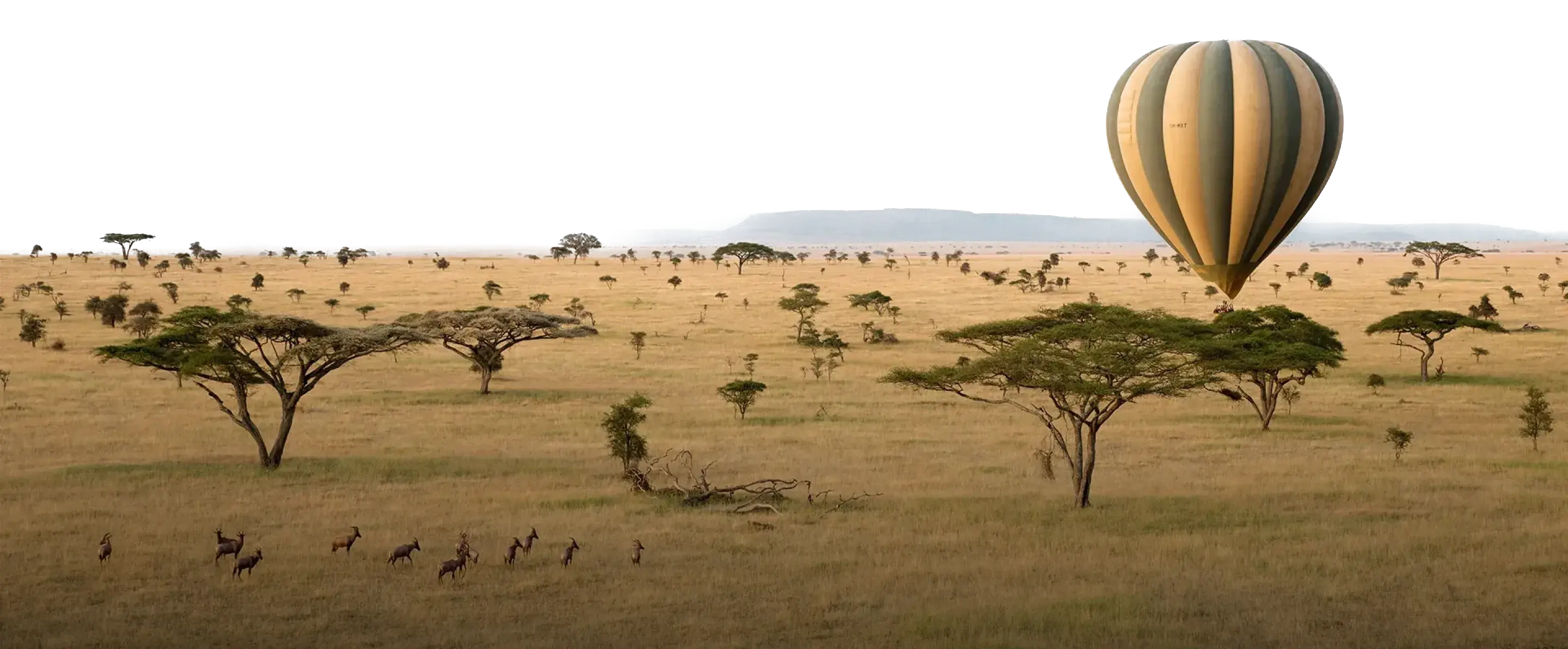
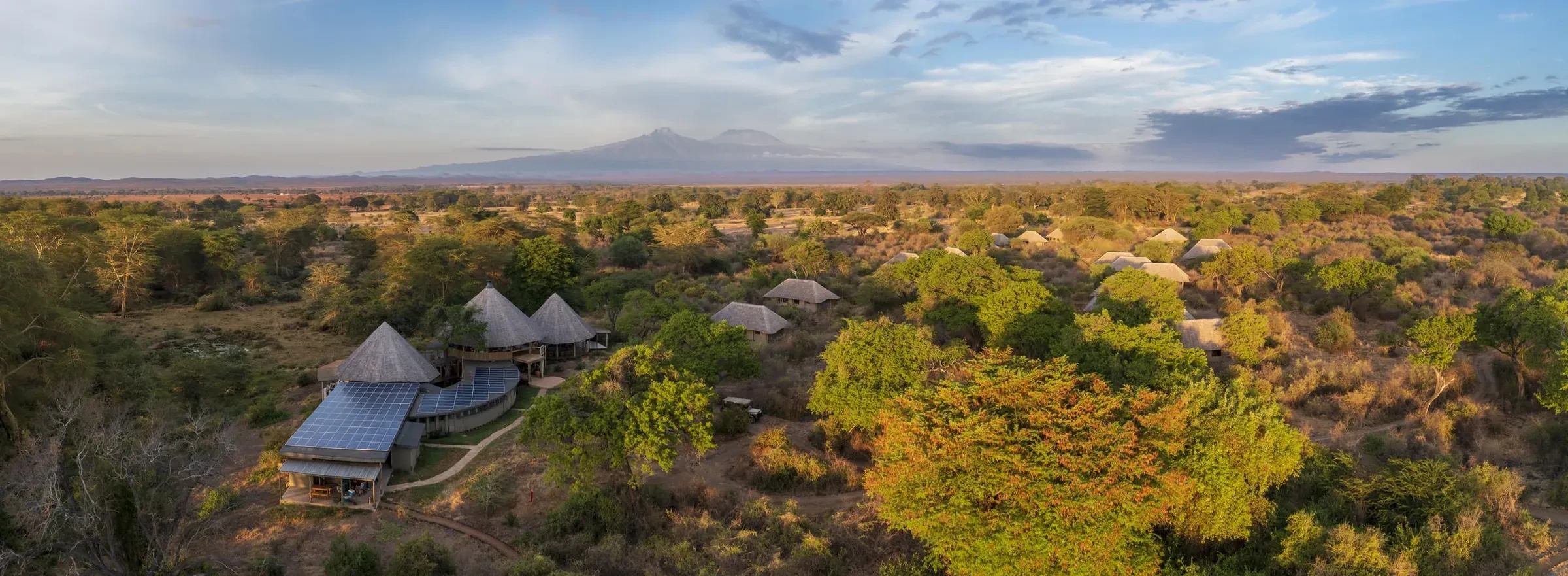
The Chyulu Hills are a range of young, green volcanic hills in southern Kenya, set between Amboseli and Tsavo, and often called the real "Out of Africa" country. This is cloud-forest and rolling grassland over lava — with caves, lava tubes and spring-fed streams — held largely as Maasai community conservancy land where walking, horseback riding and night drives are permitted, all under the gaze of Mount Kilimanjaro. It suits travellers who want low-density, exclusive wilderness and active safari rather than crowded game roads.
Why visit
Some places on a Kenyan safari announce themselves with sheer numbers of animals. The Chyulu Hills work differently. They rise as a run of soft, grass-covered volcanic hills between the dust of Amboseli and the red earth of Tsavo — improbably green, wrapped in cloud, cool where the plains below are hot. This is the landscape that lent Karen Blixen's Out of Africa its ache, and it still feels like a country apart.
What sets the Chyulus apart is not density but freedom. Most of the range sits on Maasai community land held as conservancy, which means the rules of the national parks fall away. Here you can walk with a guide, ride on horseback across the ridgelines, and drive after dark to find the animals the daylight hides. Vehicle numbers are low, camps are few, and the sense of having the hills to yourself is real.
And above it all stands Kilimanjaro. On a clear morning the mountain fills the southern sky, its snows catching the first light while elephant move quietly across the grass below. It is one of the great compositions in Africa, and the Chyulus own one of its finest seats.
Wildlife & landscapes
The Chyulu Hills are, above all, a landscape — a chain of young volcanic hills and cones cloaked in rolling grassland and pockets of montane cloud-forest, rising cool and green between the drier plains on either side. Beneath the surface run some of the longest lava tubes and caves on earth, and the porous rock feeds clear spring-fed streams that surface as the lifeline of the wider Tsavo–Amboseli ecosystem.
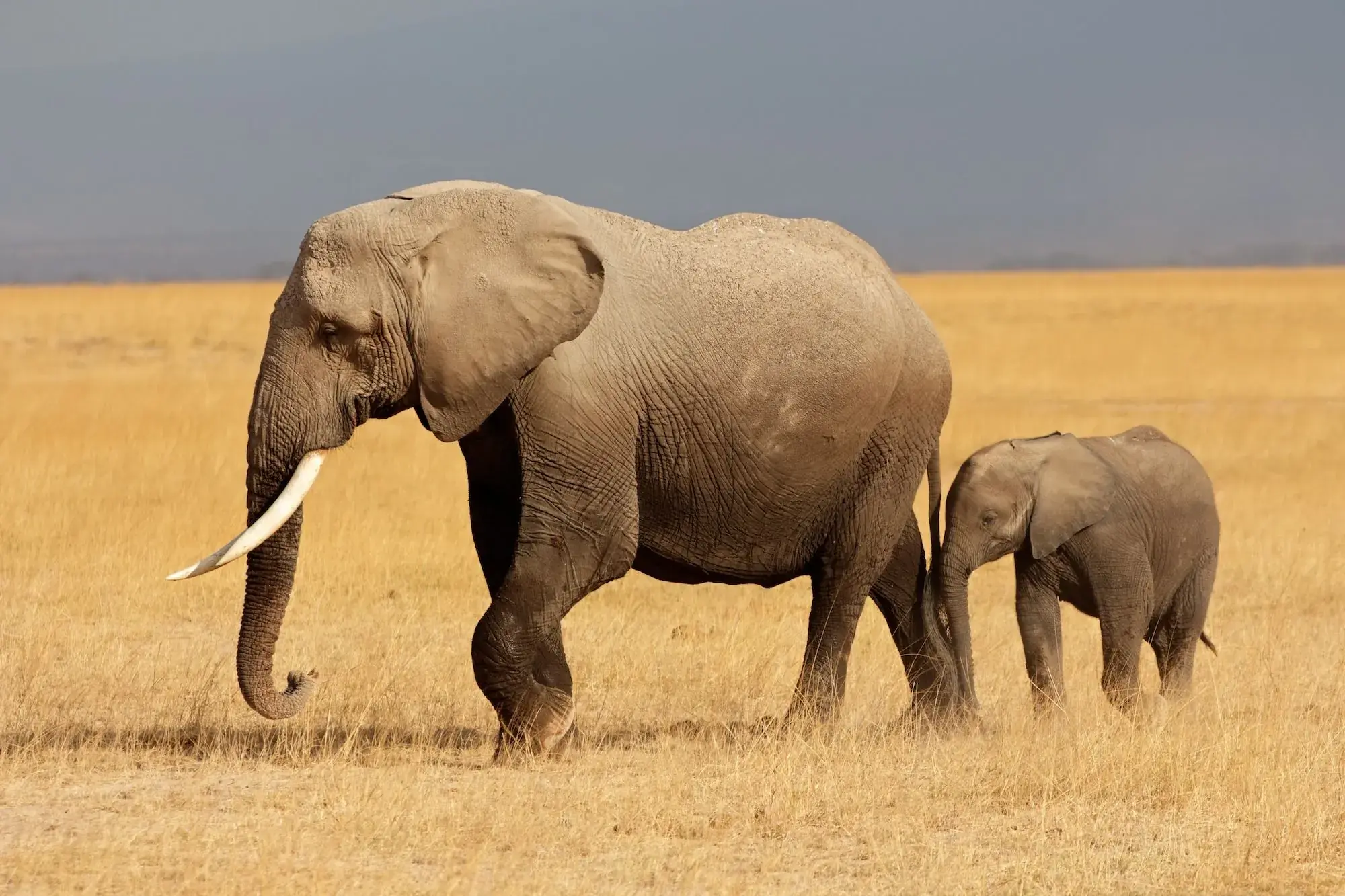
This is corridor country. Elephant move between Amboseli and Tsavo through and around the hills, and the big tuskers the region is known for pass through — a genuine chance at some of the most impressive bulls in Kenya. Alongside them you may find lion, leopard, cheetah, buffalo, giraffe, eland, zebra and a range of plains antelope, though densities are lower and sightings are earned rather than guaranteed. The forested and volcanic ground also makes this rewarding birding country.
The headline, though, remains the setting: green hills, drifting cloud and Mount Kilimanjaro on the horizon — scenery that gives the Chyulus a character no flat savannah reserve can match.
Best time to visit
The Chyulus reward both dry and green seasons, and their elevation softens the extremes. The dry seasons — roughly June to October and January to February — bring clearer skies, easier walking and the best odds of an unclouded Kilimanjaro at dawn, with wildlife drawn to the permanent springs. The green season (November to December and March to May) turns the hills their most vivid emerald, with newborn game, superb birding and a lush, misty beauty that is the range at its most cinematic — though cloud can veil the mountain and afternoon rain is likely.
Because the hills sit higher and cooler than Amboseli and Tsavo, evenings can be genuinely crisp — pack a layer. For month-by-month planning across the region, see our → Best time to visit Kenya guide.
Things to do here
- Walking safaris — the Chyulus are made for it: on foot with an armed Maasai guide across the hills, reading tracks and moving at the land's pace (see → Walking safari).
- Horseback safaris — ride the open ridgelines among plains game, one of the few places in Kenya where this is permitted (see → Horseback safari).
- Night game drives — permitted on the conservancy, revealing the nocturnal cast the parks never show (see → Night game drive).
- Game drives — morning and afternoon drives across the hills and down toward the plains, with Kilimanjaro as a backdrop.
- Lava tubes and caves — exploring the volcanic underworld of one of the world's longest cave systems, guided.
- Maasai cultural visits — genuine, respectful time with the communities whose conservancy land makes this way of travelling possible.
Know before you go
- Getting there: Reach the hills by a light-aircraft hop to the Chyulu airstrip, or by road from Nairobi or as part of an Amboseli–Tsavo overland journey. The hills sit conveniently between the two, making combinations natural.
- Fees: conservancy fees apply (per person, per night) on the community land; we confirm current rates and include them in your quote.
- How long: 2 to 3 nights suits the Chyulus, ideally paired with Amboseli for its elephant and mountain views, or Tsavo for its scale and red-earth wilderness.
- Altitude and climate: cooler and often cloudier than the plains — bring warm layers for early mornings and evenings.
Related Nobu journeys
- Elephants and the Mountain — Amboseli's great herds and Kilimanjaro views, with the Chyulu Hills as the wild, green counterpoint. → Explore
- On Foot and in the Saddle — walking and horseback safari across conservancy country, exactly the way the Chyulus are meant to be met. → Explore
- Red Earth and Open Country — Tsavo's vast red wilderness paired with the hills and plains around it. → Explore
When to go
Month by month — daytime warmth, days of rain and what the season brings.
Where to stay
From Essential to Private Collection — the camps and lodges we know first-hand here. Rates are indicative and confirmed on enquiry.
Elevated
Campi ya Kanzi
Elevatedtented camp · private conservancy (Kuku Group Ranch)
from $900 pp / night· indicative, confirmed on enquiry
Private Collection
ol Donyo Lodge
Private Collectionlodge · private conservancy (Mbirikani)
from $1,500 pp / night· indicative, confirmed on enquiry
Journeys through here
Signature routes that pass through Chyulu Hills — starting points we reshape around your season and pace.
Common questions
- Where are the Chyulu Hills?
- In southern Kenya, between Amboseli and Tsavo — a range of young volcanic hills set on largely Maasai conservancy land, with Mount Kilimanjaro dominating the southern horizon.
- Why are the Chyulu Hills called the real "Out of Africa" country?
- Their green, misty, cloud-forested slopes and the Kilimanjaro views that framed Karen Blixen's story give the range the exact scenery associated with that world — cool, cinematic hills unlike the surrounding plains.
- Can you walk, ride and do night drives in the Chyulu Hills?
- Yes. Because most of the range is private Maasai conservancy rather than national park, walking safaris, horseback riding and night game drives are all permitted — activities the neighbouring parks do not allow.
- What wildlife can you see in the Chyulu Hills?
- Elephant moving between Amboseli and Tsavo, including big tuskers, plus lion, leopard, cheetah, buffalo, giraffe and plains game — at lower density than the flagship parks, so it rewards patience and active safari.
- How many days do you need in the Chyulu Hills?
- Two to three nights is ideal, usually combined with Amboseli or Tsavo for a fuller southern-Kenya journey.
Tell us what you want from Chyulu Hills
We'll design the journey around it — places, pace and people matched to how you travel.