
Experience
Night game drives
A night game drive is a guided after-dark drive with a spotlight, revealing nocturnal animals the daytime never shows — leopard on the move, aardvark, genets, bushbabies and hunting predators. In East Africa it's allowed mainly in the private conservancies, not the national parks, and it's one of the strongest reasons to stay on conservancy land.
Intro
The bush at night is a different country. The air cools, the spotlight sweeps, and eyes shine back from the dark — the secret shift change of animals that vanish by day. A night drive is where a safari surprises even seasoned travellers.
It also changes the emotional register of the trip. Day drives are often about distance and visibility; night drives are about listening, waiting and accepting the unknown. The guide reads tracks, sound and movement in a narrower world of torchlight. Every rustle matters more.
The detail
Setting out at dusk or after dinner with a guide and a spotter, you look for the nocturnal cast — leopard and hunting lion, aardvark and aardwolf, civet, genet, bushbaby and nightjars. Because night driving and off-road are permitted in the private conservancies (and generally not the national reserves), this is a conservancy signature — another reason the quieter, capped-vehicle model rewards.
The best night drives begin before full darkness, when the last warm light still holds and predators are beginning to move. As the night deepens, the drive becomes more interpretive: eye-shine, calls, tracks in dust, the quick flash of a genet across the road. Some nights produce a leopard; others are about the smaller creatures that make the ecosystem feel complete.
Rules matter here. Night driving is not something to improvise inside a national reserve where it is not permitted. It belongs on conservancy land, with guides who understand distance, spotlight etiquette and when to leave an animal undisturbed.
A night drive also pairs well with a slower following morning. The experience is atmospheric, but it can run late, especially after dinner. We design the next day so the magic of the night is not paid for with unnecessary fatigue.
The best night drives are often quiet for long stretches, then suddenly vivid. A leopard crosses the track, a springhare lifts in the beam, or a guide turns off the engine so everyone can hear hyena calling across the dark. The patience is part of the experience.
Key facts
Where: private conservancies (Mara, Laikipia, Samburu) — not the national reserves. When: dusk or post-dinner. Look for: leopard, aardvark, genet, bushbaby, hunting cats. Best: year-round. Suits: most travellers; magic for repeat safari-goers. Design rule: choose conservancy stays when night drives matter.
Why Nobu for this
We place you on conservancy land where night drives are allowed and guided well, and build an evening into your stay so you see the side of the bush most travellers miss. We also make sure the night drive does not exhaust the next day: safari rhythm matters, especially for families and photographers with early starts.
If nocturnal wildlife is a priority, we choose camps known for strong guiding, sensible spotlight use and private land access rather than simply adding "night drive" as a checkbox.
Suitability — "right for you if…"
You've done day drives and want something new, or you're after leopard and the nocturnal cast. Easy for most travellers; we'll advise on the right conservancy. It is especially good for returning safari travellers, curious naturalists and anyone staying in the Mara or Laikipia conservancies.
It may be less suitable for very young children, travellers who tire early, or anyone who prefers not to drive after dark. We can keep it short, skip it, or choose a camp where the option is available without pressure.
Related Nobu journeys
- Conservancy & Rhino — private land, night drives included. → Explore
- Into the Wild Mara — conservancy nights alongside the reserve. → Explore
- The Wild North — Samburu and Meru with private-land possibilities nearby. → Explore
Common questions
- Where are night game drives allowed?
- Mainly in the private conservancies of Kenya — night driving is generally not permitted inside the national reserves.
- What might you see on a night drive?
- Leopard, hunting lion, aardvark, genet, civet, bushbaby and nightjars — the nocturnal animals daytime drives miss.
- Is a night drive worth it?
- For many travellers it's a highlight, especially for leopard and rarely seen nocturnal species.
- Do I need to stay in a conservancy?
- Generally yes — staying on conservancy land is what makes night and off-road drives possible.
- Is it disturbing for wildlife?
- Good guides use spotlights carefully, keep distance and avoid prolonged pressure on sensitive animals.
- Can families do night drives?
- Often, yes, but we match the length and timing to the children's ages and energy.
- Is it only about predators?
- No. Predators are exciting, but smaller nocturnal species, nightjars, insects and sounds often make the drive memorable.
- How late does a night drive run?
- It varies by lodge and sightings, but we plan the next morning gently if the drive is likely to finish late.
More ways to travel
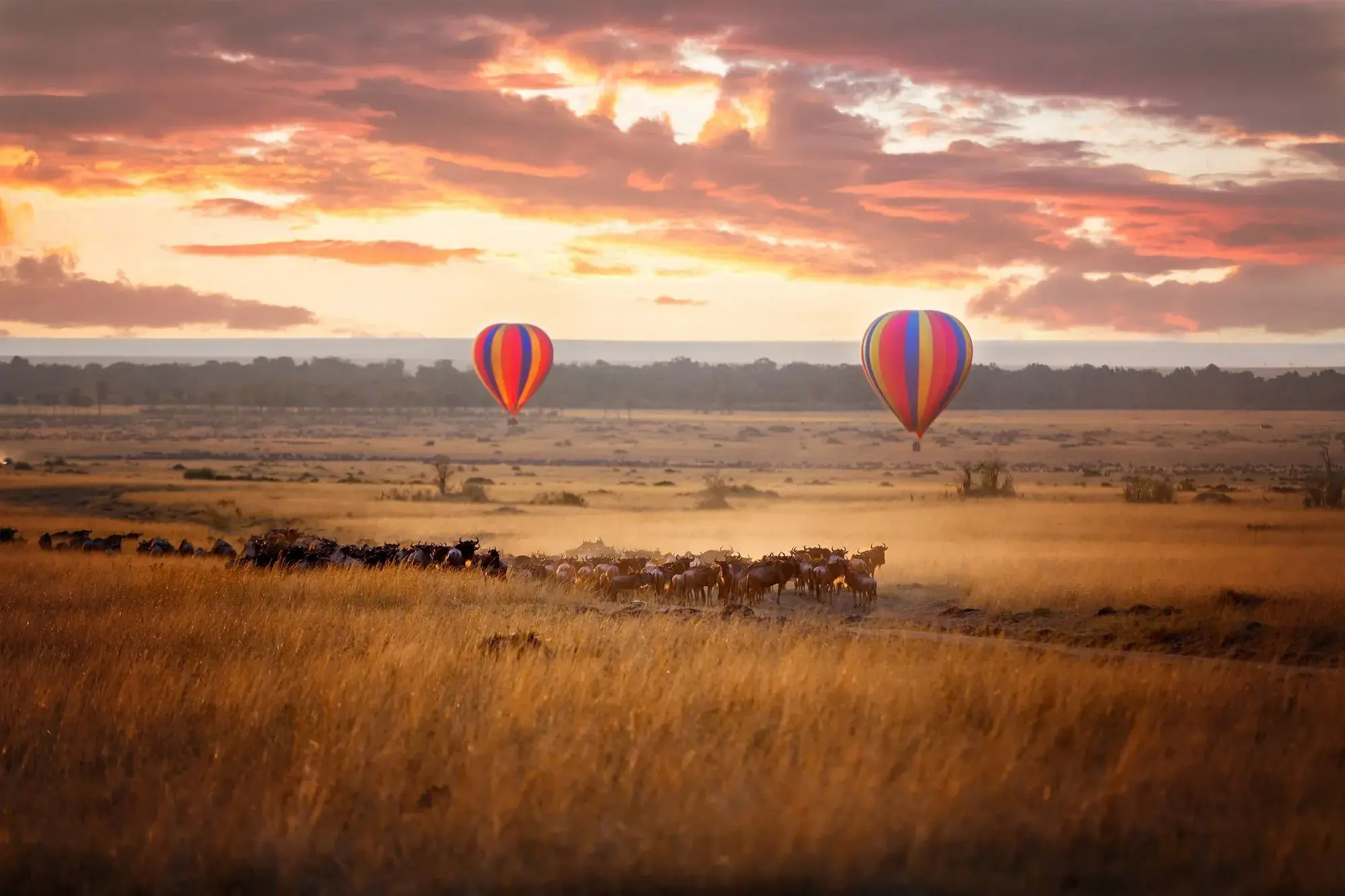 Photographic safarisA photographic safari designed around the light and the sighting — specialist vehicles, low angles, hides and guides who know where to be at dawn. Your Africa, beautifully told.
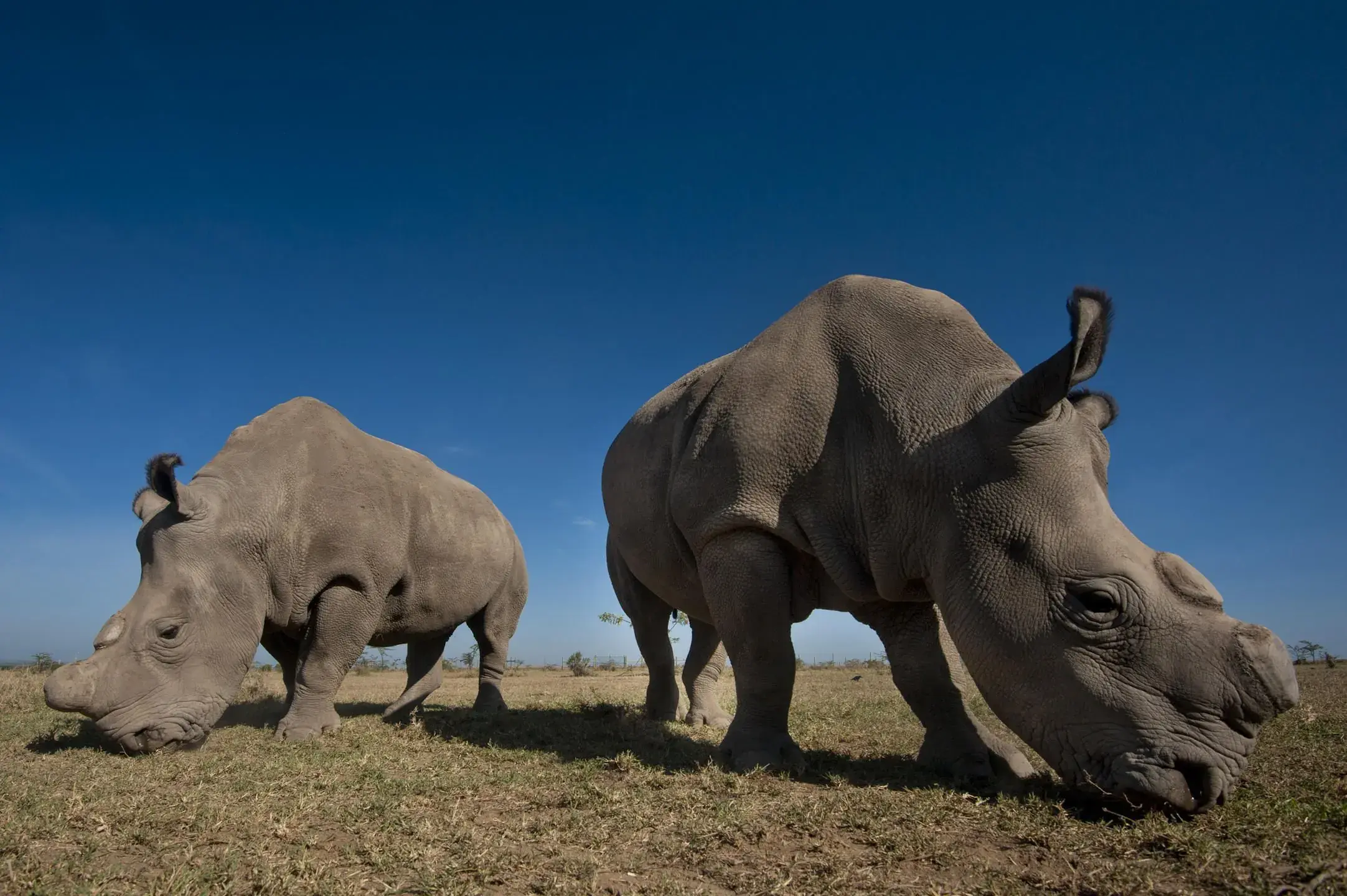 Rhino trackingTrack black and white rhino on foot with the rangers who protect them, in Kenya's Laikipia conservancies — conservation with substance. Your Africa, beautifully told.
- Water & canoe safarisSee the wild from the water — boat and canoe safaris on the Nile, Akagera's lakes and the Rift Valley, for hippo, elephant at the shore and superb birding. Your Africa, beautifully told.