
Experience
Photographic safaris
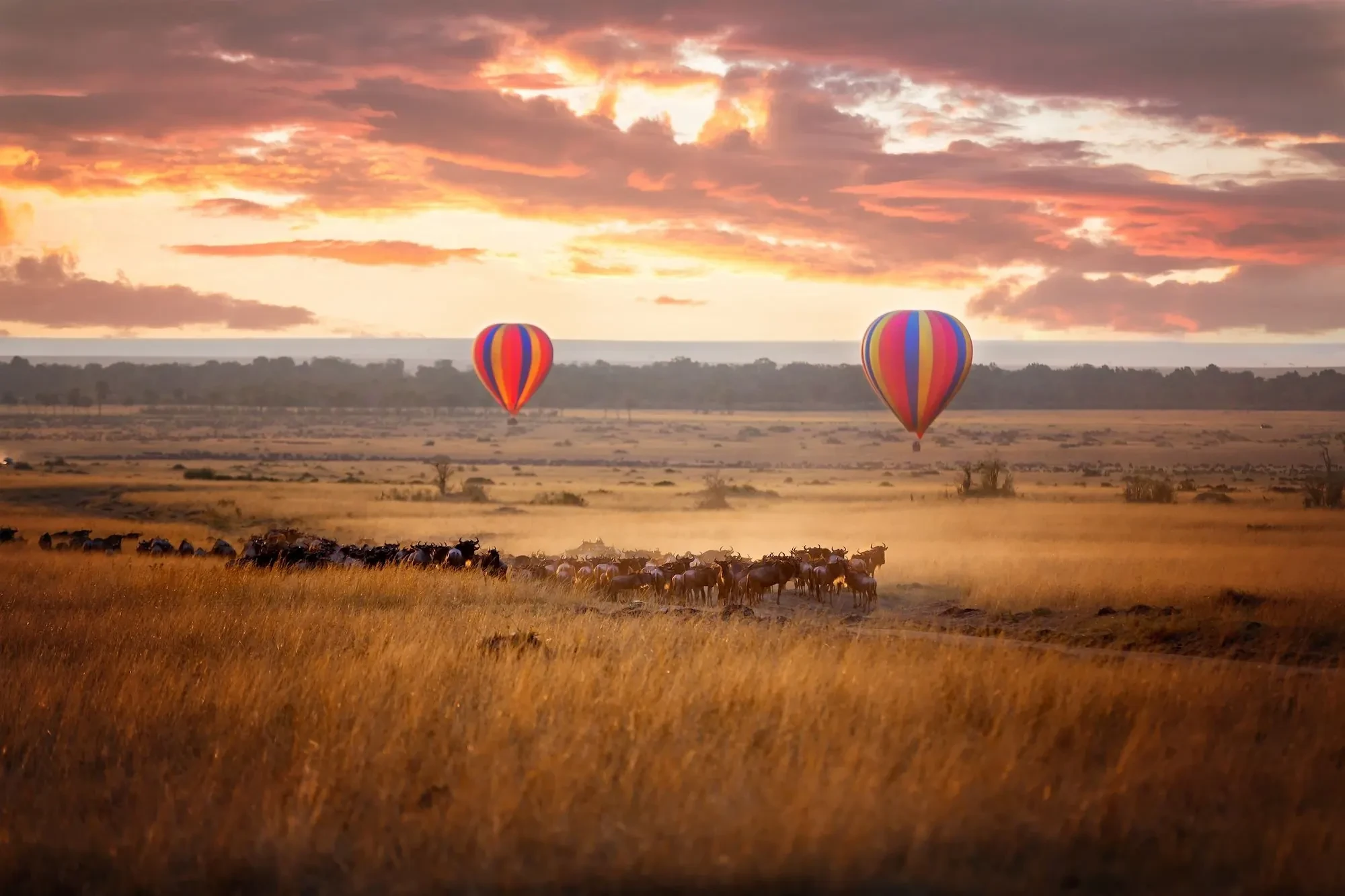
A photographic safari is a safari designed around image-making — purpose-fitted vehicles with bean-bags and clear sightlines, fewer guests, expert guides who position for the light, and time held at a sighting rather than rushed. It works across East Africa, and is strongest where big cats and open plains meet, like the Maasai Mara.
Intro
The difference between seeing it and capturing it is usually one thing: being in the right place when the light turns. A photographic safari is built around that single discipline — the angle, the hour, the patience to wait.
It is not only for professionals. A photographic safari is for anyone who wants the journey to slow down around light, behaviour and composition. The difference is in the choices: fewer people in the vehicle, guides who understand patience, camps positioned for access, and days that do not rush away from a sighting just as the scene begins to unfold.
The detail
You travel in vehicles fitted for cameras — bean-bag rests, room to move, often a single guest per row — with guides who read animal behaviour and morning light, and who will hold a sighting while the scene develops. We can build in hides, dawn and dusk drives, balloon vantage points, and pacing that favours quality over ticking off species. Tuition is available, from first DSLR to seasoned pro.
The destination should follow the subject. The Mara and Serengeti are strong for big cats, plains and migration drama. Amboseli gives elephants, dust and Kilimanjaro light. Laikipia adds rare species, hides, walking angles and private-land flexibility. Green season can be superb for dramatic skies, young animals and reflective light, while dry season simplifies sightings and movement.
The best photographic days often look inefficient from the outside. You may wait with one leopard instead of chasing six sightings, return to the same place because the light is improving, or skip a midday drive so the dawn and late afternoon can carry more energy. That discipline is the point.
We also design around equipment without making the trip feel technical. Charging, dust, baggage, private vehicle space, beanbags, lens reach and backup days all matter. When those details are solved quietly, the traveller can stay with the moment.
The same care applies to people. Some photographers want long silent waits; others are travelling with partners or family who need the safari to stay generous and varied. We tune the photographic focus so it supports the journey rather than taking it hostage.
Key facts
Where: best in the Maasai Mara, Serengeti, Amboseli (elephants & Kilimanjaro), Laikipia. Vehicles: camera-fitted, fewer guests. Best light: dawn & late afternoon; green season for skies and newborns. Suits: keen photographers, all levels. Design rule: choose subject, then season and vehicle.
Why Nobu for this
We match you to camps with the right vehicles and guides, time the journey to the light and the season, and keep the group small so nobody is shooting over a shoulder. We also ask what kind of images you want: big cats, elephants, birds, landscapes, people, movement, night work or a first serious portfolio.
That brief changes everything from region to vehicle configuration. A general safari can include strong photography, but a true photographic safari is designed around the shot without losing the soul of the journey.
Suitability — "right for you if…"
You care about coming home with images, not just memories — whatever your kit. We can add tuition, or a dedicated photographic guide. It works for beginners who want to learn and experienced photographers who want the logistics quietly handled.
It is less right if you want a fast-paced checklist safari. Photography asks for patience, and the best image may come from staying with one scene longer than a standard drive would.
Related Nobu journeys
- Into the Wild Mara — big cats and open light, timed to your season. → Explore
- The Great Migration Circuit — the herds and the crossings, met where they move. → Explore
- Elephants and the Mountain — Amboseli's elephant and Kilimanjaro compositions. → Explore
Common questions
- What makes a photographic safari different?
- Camera-fitted vehicles, fewer guests, and guides who position for light and behaviour and hold a sighting — rather than a standard drive that moves on.
- Where is best for safari photography?
- The Maasai Mara and Serengeti for big cats and the migration, Amboseli for elephants beneath Kilimanjaro, Laikipia for rare species and walking angles.
- Do I need professional gear?
- No — these safaris suit all levels, and tuition is available; we'll advise on kit for your goals.
- When is the light best?
- Dawn and late afternoon every day; the green season adds dramatic skies and newborn animals.
- Can I have a private vehicle?
- Yes, and for serious photography it is often worth it because it gives control over angle, time and positioning.
- Can photography combine with balloon or walking?
- Yes. Ballooning gives scale; walking gives detail and story; both can support a photographic journey when timed well.
- Can a beginner do this?
- Absolutely. We can build in tuition and simple daily goals so the safari improves your eye without overwhelming the trip.
More ways to travel
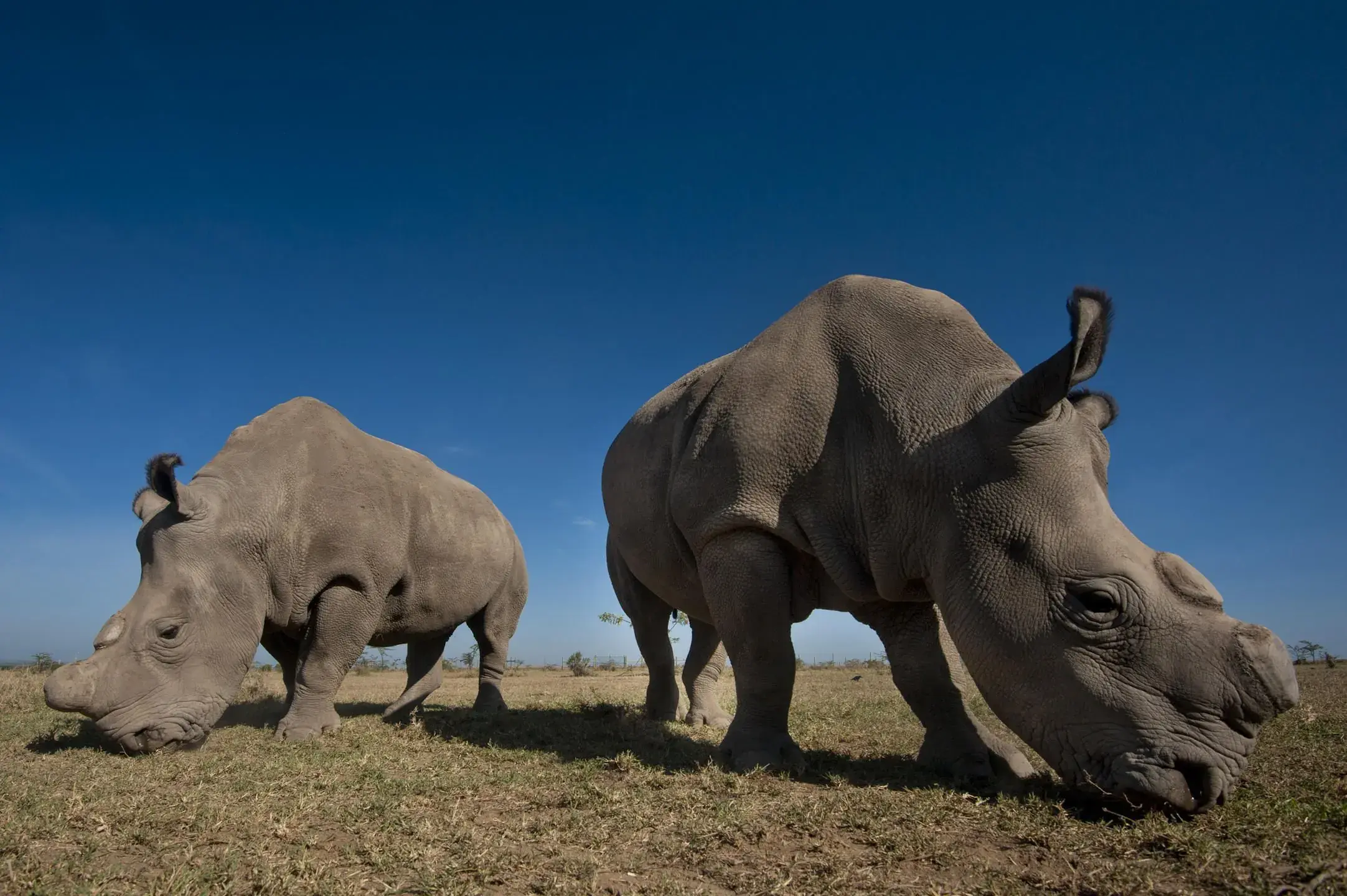 Rhino trackingTrack black and white rhino on foot with the rangers who protect them, in Kenya's Laikipia conservancies — conservation with substance. Your Africa, beautifully told.
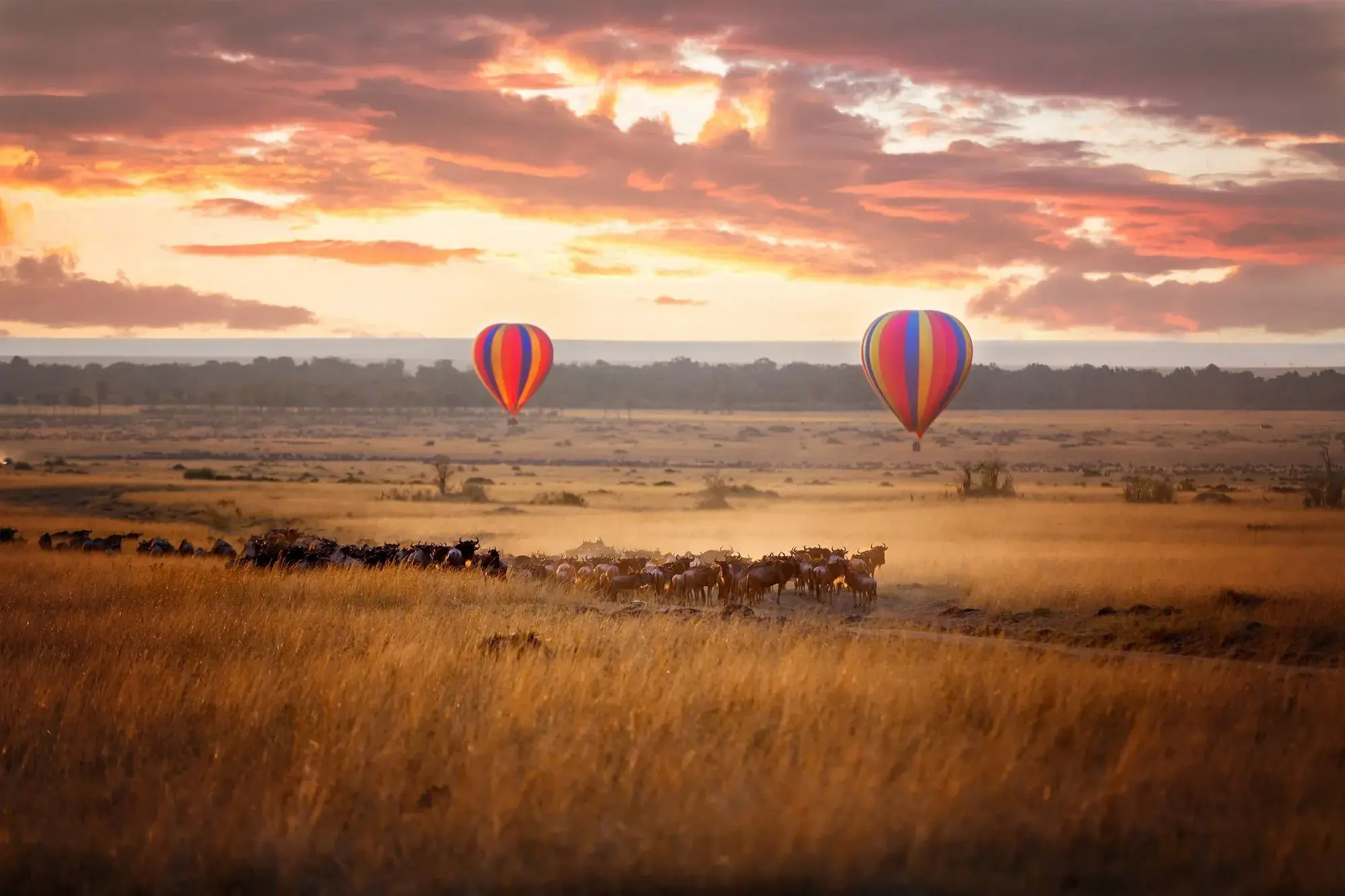 Water & canoe safarisSee the wild from the water — boat and canoe safaris on the Nile, Akagera's lakes and the Rift Valley, for hippo, elephant at the shore and superb birding. Your Africa, beautifully told.
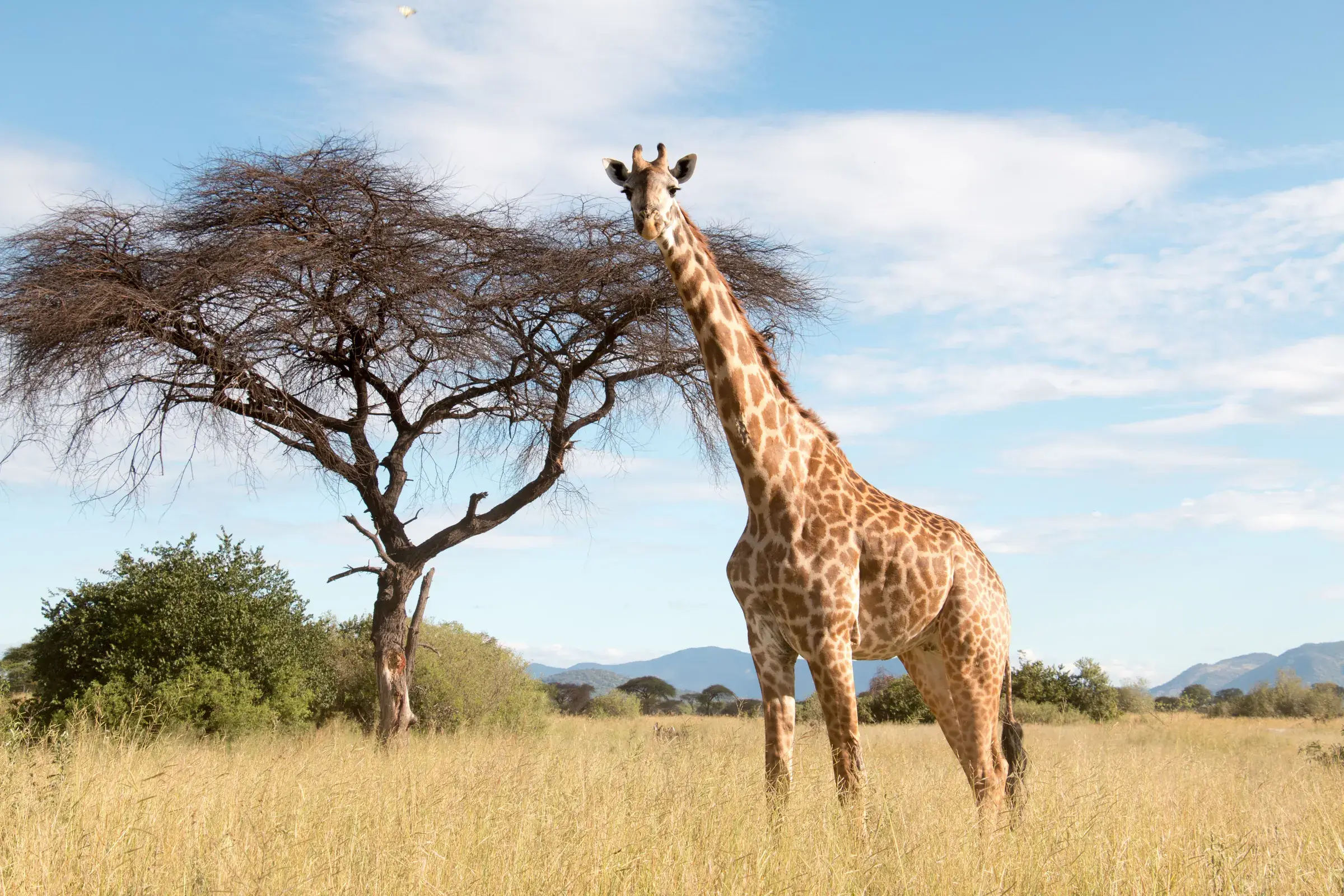 Camel safaris in northern KenyaA camel-supported walking safari through Kenya's northern frontier — Samburu country, slow travel and quiet wilderness. Your Africa, beautifully told.