
Experience
Rhino tracking
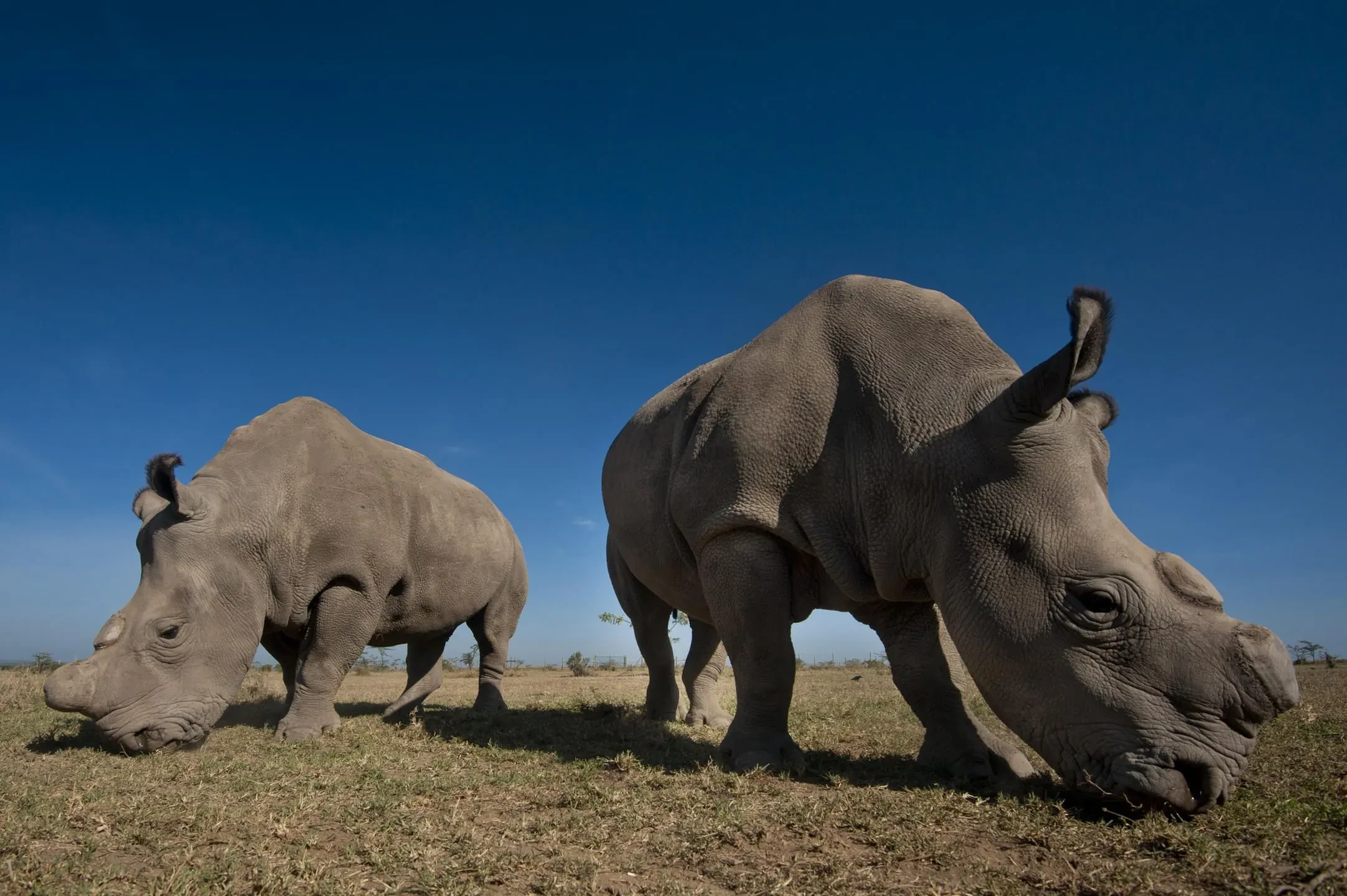
Rhino tracking is a guided walk to find black or white rhino on foot, usually in Kenya's Laikipia conservancies — Ol Pejeta, Lewa and Solio. It pairs a rare wildlife encounter with time alongside the monitoring and anti-poaching teams who safeguard them.
Intro
There is a particular hush to approaching a rhino on foot — a prehistoric weight to the animal, and a sharpened awareness in you. In Laikipia, that encounter comes wrapped in one of Africa's great conservation stories.
Rhino tracking is powerful because it joins encounter with responsibility. You are not only looking for an animal; you are walking through a landscape shaped by rangers, monitoring teams, community conservancies and decades of protection work. The sighting has weight because the work behind it is visible.
The detail
In the private conservancies of Laikipia, where walking is permitted, you set out with armed rangers and trackers to find rhino at a respectful distance. Ol Pejeta is the largest black-rhino sanctuary in East Africa and home to the last two northern white rhino; Lewa is UNESCO-listed; Solio is a long-established stronghold. Many visits include time with the rhino-monitoring or anti-poaching teams — the people behind the recovery.
The experience can be a focused walk, a conservancy briefing, a ranger-led morning or part of a broader Laikipia stay. Some days are about finding rhino on foot; others are about understanding how radio tracking, patrols, fencing, community relationships and tourism revenue hold the conservation model together.
Laikipia also adds more than rhino. Depending on the conservancy, you may combine tracking with horseback, walking, photographic hides, night drives, rare northern species and strong family lodges. That makes it one of the best places in Kenya for travellers who want substance without sacrificing comfort.
The best days are not rushed. A ranger-led morning can be followed by a slow lunch, an afternoon hide or a night drive, letting the conservation story sit inside a complete safari rather than standing apart from it.
We also treat rhino tracking as a privilege rather than a guarantee. Rangers know the land, but rhino are still wild animals. The search, the safety briefing and the conservation context are part of the value, not just the moment an animal comes into view.
Key facts
Where: Laikipia conservancies — Ol Pejeta, Lewa, Solio. On foot: with armed rangers. Best: dry season (Jun–Oct, Jan–Feb). Special: conservation access, rare species, lower malaria risk. Suits: most mobile travellers. Pairs with: walking, night drives and family-friendly conservancy stays.
Why Nobu for this
We work directly with the conservancies, so your fees reach the wildlife they protect and your time on foot — tracking, with the teams — is arranged properly and safely. We also decide how much conservation context you want: a light introduction, a ranger-led walk, or a deeper stay built around Laikipia's private-land model.
For families, we can make the experience age-appropriate and meaningful without turning the day into a lecture. For serious conservation-minded travellers, we can slow the itinerary down so there is time for the people behind the protection work.
Suitability — "right for you if…"
You want rare animals, rare access, and conservation with substance — and you're happy to walk a little. Many Laikipia lodges suit families and unhurried days. It is ideal if you want the safari to connect wildlife sightings with the systems that protect them.
It is less right if you only want high-speed game drives or have no interest in conservation context. Even then, Laikipia's wildlife and lodges can still make the region rewarding.
Related Nobu journeys
- Conservancy & Rhino — Laikipia's private land and its rhino, up close. → Explore
- The Wild North — Laikipia paired with Samburu's frontier country. → Explore
- On Foot and in the Saddle — active conservancy days with walking and riding. → Explore
Common questions
- Where can you track rhino on foot in Kenya?
- Chiefly the Laikipia conservancies — Ol Pejeta, Lewa and Solio — where walking with armed rangers is permitted.
- Is rhino tracking safe?
- Yes, with armed, expert rangers, small groups and careful distance; it is closely managed.
- Can you see both black and white rhino?
- Yes — Laikipia holds both, and Ol Pejeta is home to the world's last two northern white rhino.
- Is it good for families?
- Often, yes — many conservancy lodges are built for families and parts of Laikipia carry lower malaria risk.
- Does rhino tracking support conservation?
- Yes, when arranged through credible conservancies where fees support monitoring, ranger teams and habitat protection.
- How strenuous is the walk?
- Usually moderate and carefully managed, but distance and terrain vary by conservancy and rhino location.
- Can rhino tracking combine with Big Five viewing?
- Yes. Laikipia can pair with the Mara, Samburu or Amboseli so rhino conservation becomes one strong chapter in a wider Kenya safari.
- Are sightings guaranteed?
- No wildlife sighting should be treated as guaranteed, but credible conservancies give the best chance with expert ranger teams.
More ways to travel
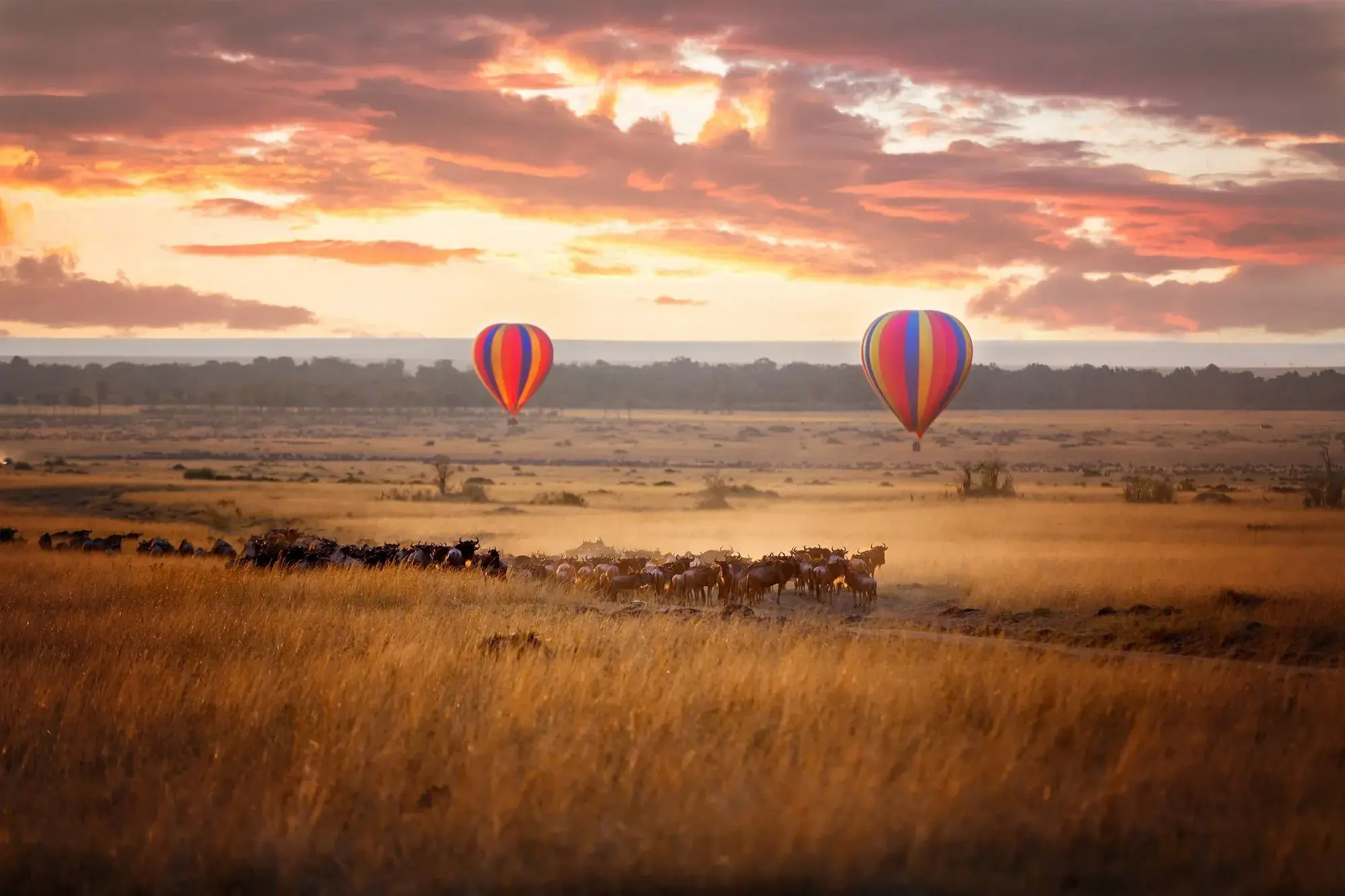 Water & canoe safarisSee the wild from the water — boat and canoe safaris on the Nile, Akagera's lakes and the Rift Valley, for hippo, elephant at the shore and superb birding. Your Africa, beautifully told.
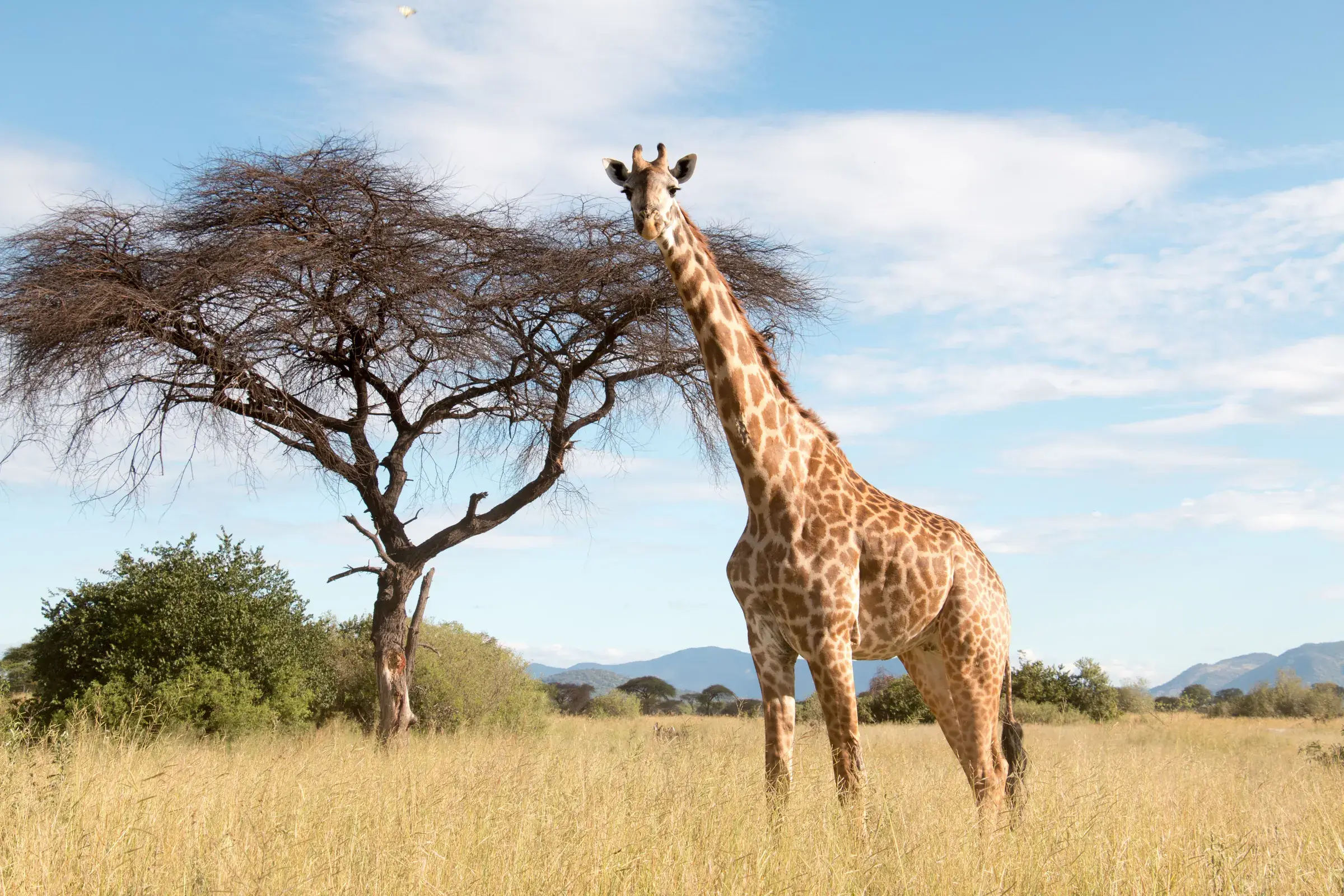 Camel safaris in northern KenyaA camel-supported walking safari through Kenya's northern frontier — Samburu country, slow travel and quiet wilderness. Your Africa, beautifully told.
- Horseback safarisCanter among giraffe and zebra on a horseback safari across Kenya's Mara and Laikipia. Story-led riding journeys for confident riders. Your Africa, beautifully told.