Pemba
Pemba is the northern island of the Zanzibar archipelago, Tanzania — a separate island from Unguja (the main "Zanzibar" island), hillier, greener and far less visited. Known as "the Spice Island" for its clove plantations, it is ringed by steep coral walls dropping into the Pemba Channel, making it one of East Africa's premier wall-diving destinations, alongside mangrove-lined lagoons and forested hills. It suits divers and travellers seeking genuine remoteness over resort life.
Why visit
Say "Zanzibar" and most people picture the long white beaches of Unguja. Pemba is the other island — sixty kilometres to the north, across a deep channel, and a world apart. Where Unguja is flat and famous, Pemba is hilly and hidden: a landscape of steep green ridges, deep valleys, and clove plantations whose scent hangs in the warm air. It is the archipelago's quiet heart, and it has stayed that way because so few travellers make the crossing.
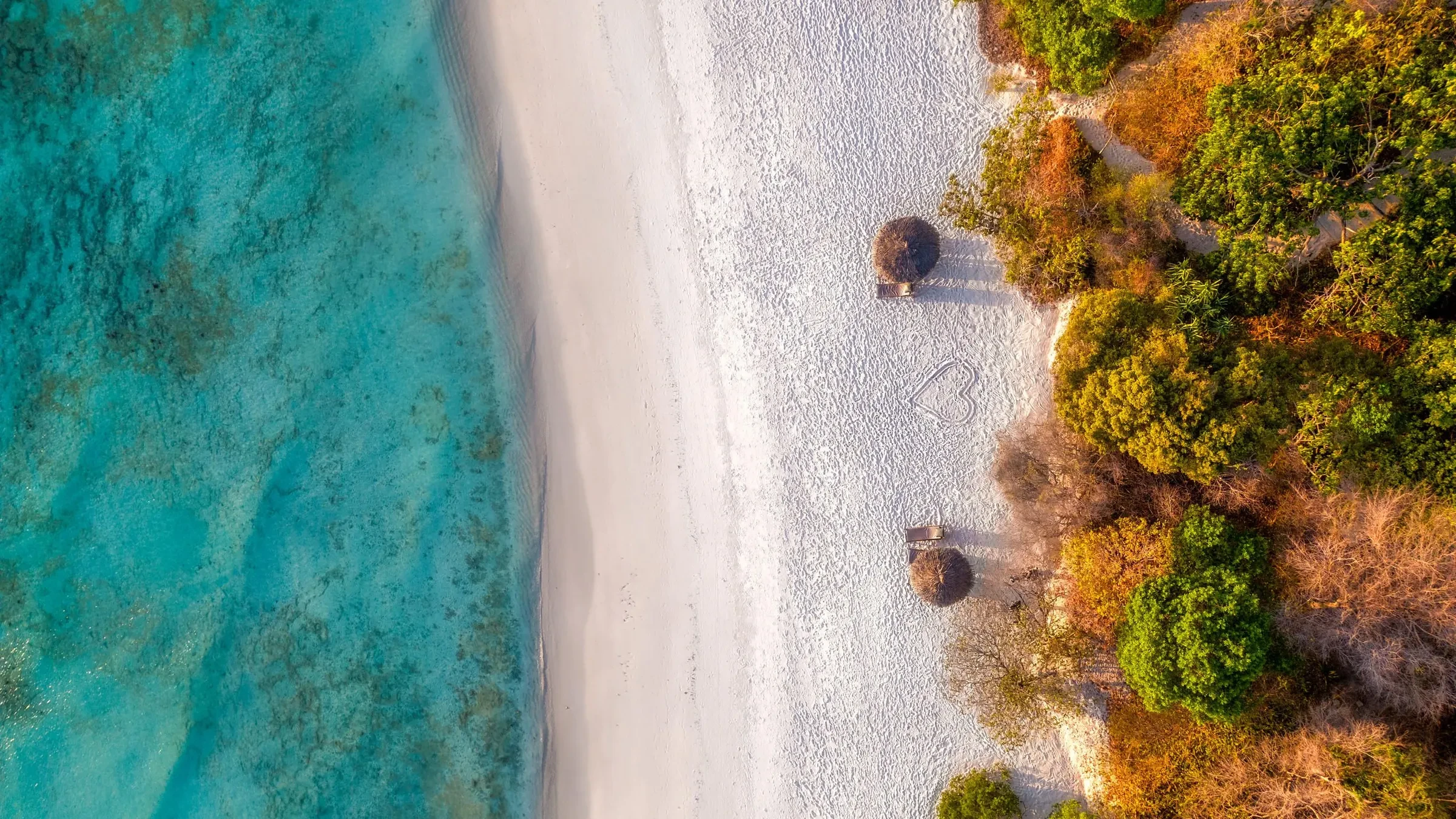
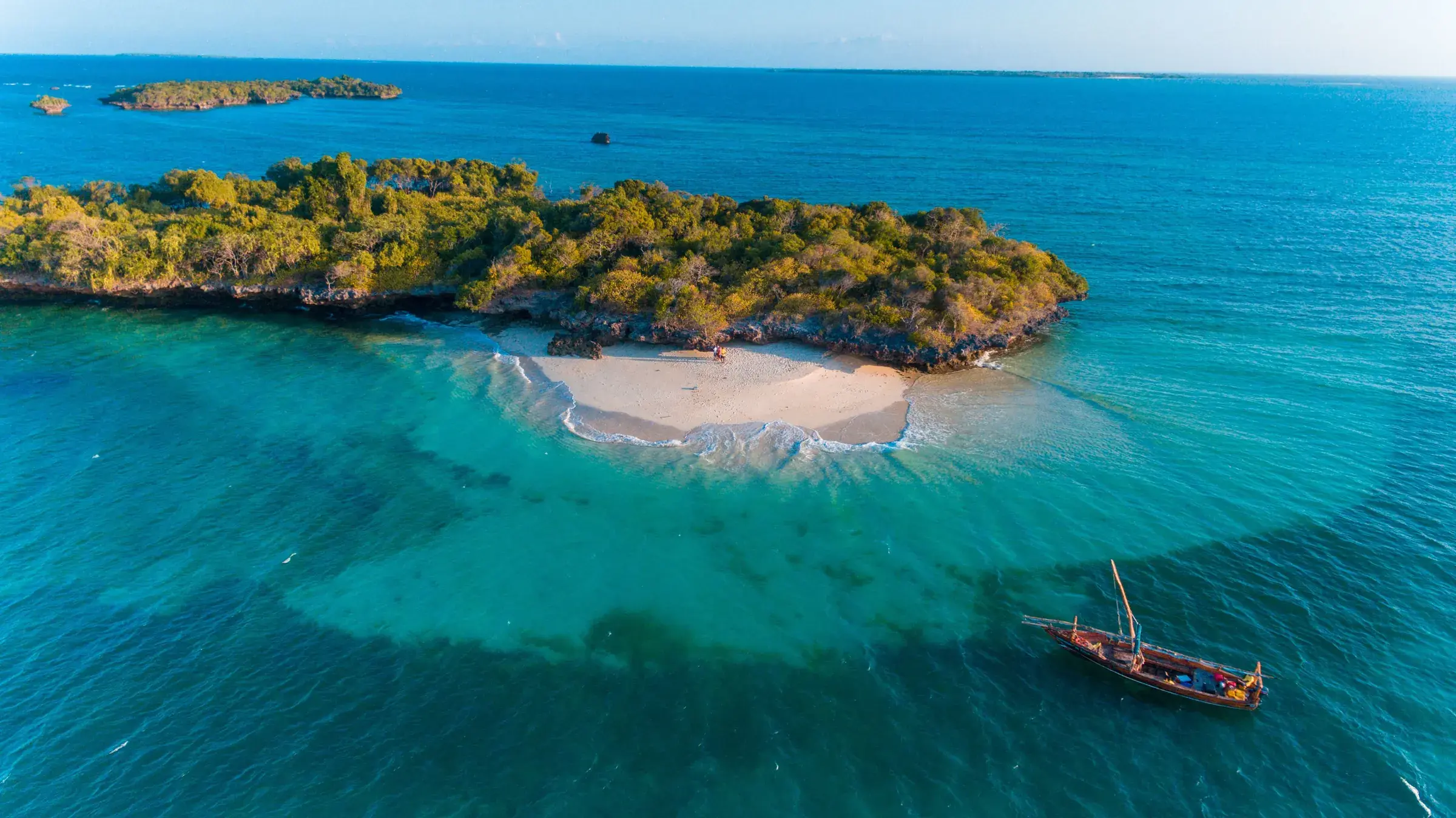
This is not a stretch of resort sand. Pemba works for a living — cloves, fishing, seaweed farming — and its coastline is a mosaic of mangrove creeks, tidal lagoons and small coral islets rather than one continuous beach. The reward for the traveller who comes here is a rare thing on the Indian Ocean: a place that still feels found rather than built.
And then there is the water. The channel that separates Pemba from the mainland runs deep and fast, and the island's reefs fall away into it as sheer walls. For divers, this is the whole point — some of the most dramatic underwater topography and clearest water anywhere in the region, and almost no one else in it.
Reef walls, mangroves & clove-forested hills
Pemba's signature is the wall dive. The reefs fringing the island don't shelve gently — they drop, often vertically, into the deep water of the Pemba Channel, creating steep coral walls draped in gorgonian sea fans, soft corals and sponges. The current-fed channel brings nutrient-rich water and, with it, exceptional visibility and pelagic life: reef sharks, barracuda, tuna, kingfish and large groupers, alongside dense reef-fish communities and the occasional passing manta or turtle. Misali Island, a protected marine islet off the west coast, is the celebrated centrepiece — fringing reefs, powder sand and a conservation area that has helped keep the diving world-class.
Above the waterline, the island reframes what "Zanzibar" means. Pemba is hilly and lush, cloaked in the clove plantations that earned it the name the Spice Island — for much of the twentieth century it was among the world's leading clove producers, and the trees still define the interior. Its coast is stitched with mangrove forests and tidal creeks that shelter birdlife and juvenile fish, and the island holds pockets of indigenous forest — home to the endemic Pemba flying fox, a giant fruit bat found nowhere else. This is a landscape of reef, root and ridge rather than open plains — read it as a marine-and-forest island, not a savannah.
Best time to visit
Pemba's calendar follows the monsoon, like the rest of the archipelago. The dry season from June to October brings the calmest seas, reliable sun and the best underwater visibility — prime wall-diving conditions. December to February is warm and largely dry, another comfortable window on the water. The long rains (March to May) bring heavy downpours and rougher seas that can close out diving and boat travel; the short rains around November are lighter and more intermittent. For the full seasonal picture — and how to pair Pemba with a mainland safari — see our → Best time to visit Zanzibar guide.
Things to do here
- Wall and drift diving — the Pemba Channel's sheer coral walls are the island's defining experience, with strong pelagic action; suited to confident divers, with sheltered sites for gentler days (see → Water and canoe safari).
- Snorkelling at Misali Island — the protected marine islet off the west coast offers shallow, vivid reefs for non-divers, reached by boat.
- Mangrove and creek exploration — kayaking or dhow through the tidal creeks that lace the coast, quiet and birdrich.
- Clove and spice-farm visits — walking the plantations of the Spice Island, understanding the harvest and the trade that shaped Pemba.
- Dhow sailing and sunset cruises — the traditional wooden dhow remains the island's working craft (see → Dhow and the Swahili Coast).
- Deep-sea fishing — the deep channel waters draw game fish; catch-and-release charters can be arranged.
Know before you go
- Getting there: Fly into Pemba Airport (PMA) at Chake Chake, reached by short domestic flights from Zanzibar (Unguja), Dar es Salaam and Tanga; there is no bridge, so access is by air or ferry across the channel. Transfers from the airport to coastal lodges run roughly 30 minutes to 1.5 hours depending on the property.
- Entry and fees: Tanzania visa requirements apply; marine-park or conservation levies (for example at Misali) may be collected locally — we confirm current requirements and include them in your planning.
- How long: 3 to 5 nights suits a dive-led or nature-led Pemba stay; pair with Unguja or a mainland Tanzania safari for a fuller journey.
- Character note: Pemba is remote and undeveloped — that is the draw, but it means fewer services and a slower pace than Unguja. Divers and travellers seeking untouched nature will love it; those wanting resort life and nightlife should discuss Unguja with their travel designer.
Related Nobu journeys
- Shores of Zanzibar — the archipelago at its fullest: reef, dhow, spice and the islands' layered story. → Explore
- Southern Safari and Spice — the southern Tanzania parks combined with the Zanzibar coast, for travellers who want the full range. → Explore
- Bush to Beach — a classic East Africa pairing: safari on the plains, then the Indian Ocean. → Explore
When to go
Month by month — daytime warmth, days of rain and what the season brings.
Where to stay
From Essential to Private Collection — the camps and lodges we know first-hand here. Rates are indicative and confirmed on enquiry.
Signature
Pemba Misali Sunset Beach
Signatureresort · beachfront
from $100 pp / night· indicative, confirmed on enquiry
Expedition
Gecko Nature Lodge
Expeditionlodge · beachfront
from $60 pp / night· indicative, confirmed on enquiry
Elevated
Fundu Lagoon
Elevatedresort · beachfront
from $300 pp / night· indicative, confirmed on enquiry
The Aiyana Resort & Spa
Elevatedresort · beachfront
from $300 pp / night· indicative, confirmed on enquiry
The Manta Resort
Elevatedresort · beachfront
from $300 pp / night· indicative, confirmed on enquiry
Journeys through here
Signature routes that pass through Pemba — starting points we reshape around your season and pace.
Common questions
- Is Pemba the same as Zanzibar?
- Pemba is part of the Zanzibar archipelago, but it is a separate island from Unguja — the island most people mean when they say "Zanzibar." Pemba lies about 60km to the north, across a deep channel, and is hillier, greener and far less visited.
- Why is Pemba famous for diving?
- The island's reefs drop as sheer coral walls into the deep, current-fed Pemba Channel, giving dramatic underwater topography, excellent visibility and strong pelagic life — conditions that make it one of the Indian Ocean's premier wall-diving destinations.
- How do you get to Pemba?
- By air into Pemba Airport (PMA) at Chake Chake, on short domestic flights from Zanzibar (Unguja), Dar es Salaam or Tanga, or by ferry across the channel. There is no bridge from the mainland or Unguja.
- When is the best time to dive Pemba?
- The dry season from June to October brings the calmest seas and best visibility; December to February is also good. The long rains from March to May can limit diving. See our [Best time to visit Zanzibar](/guides/best-time-to-visit-zanzibar) guide.
- Why is Pemba called the Spice Island?
- Its hills are cloaked in clove plantations; for much of the twentieth century Pemba was among the world's leading clove producers, and the trees still define the interior and scent the air.
Tell us what you want from Pemba
We'll design the journey around it — places, pace and people matched to how you travel.