Start here
Zanzibar is sold as a beach, and the beach is good, but the best things to do in Zanzibar happen off the sand. A week of sand alone undersells an island that was once the centre of the Indian Ocean spice trade, that holds a primate found nowhere else on earth, and whose old town is a UNESCO World Heritage Site. The list below covers the main options, with a plain verdict on the one tour the island does badly. Each item links to its own experience page for the practical detail; this page is for deciding what belongs in your days.
The detail
On and under the water
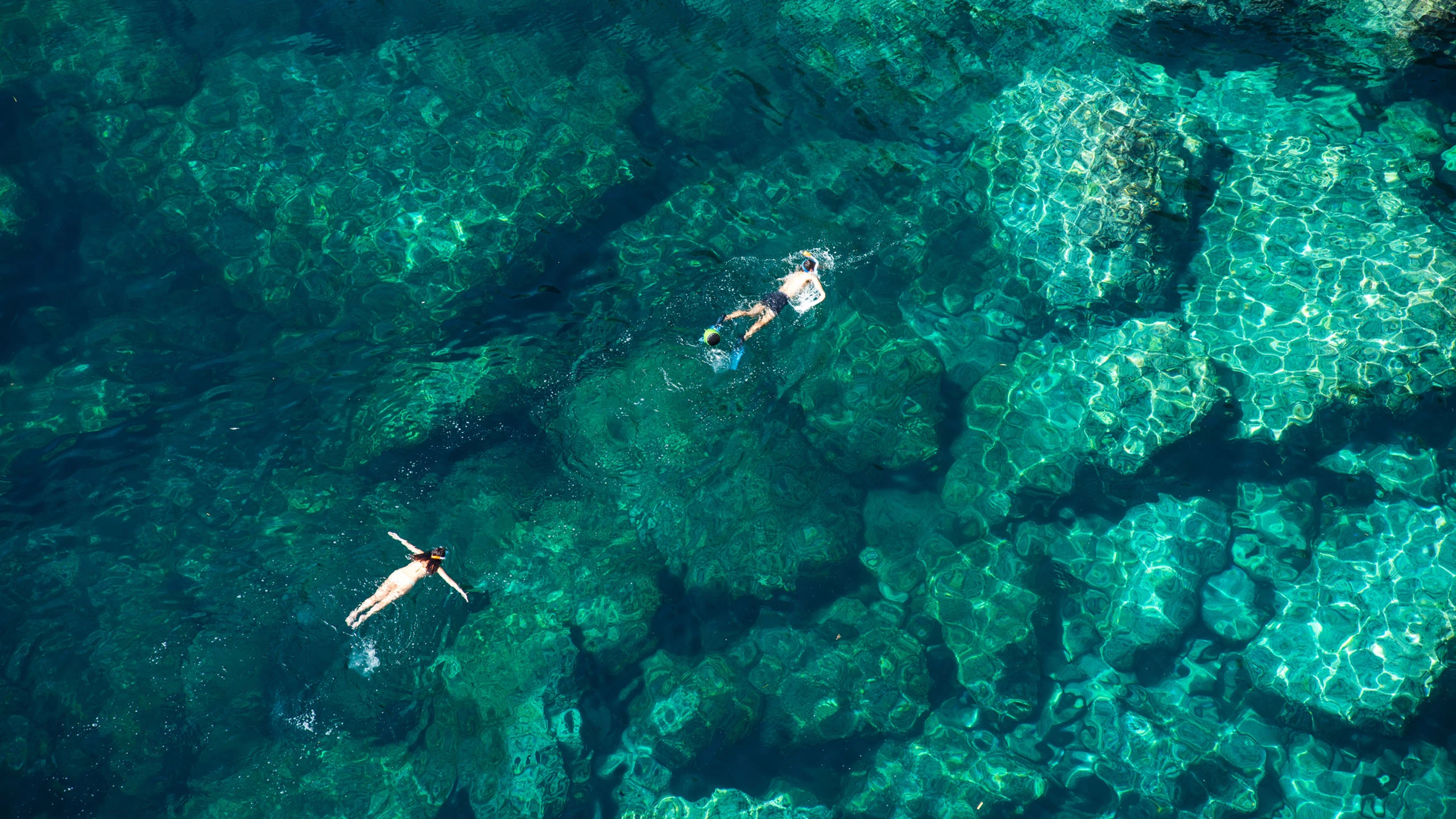
Snorkelling off Mnemba. The atoll off the north-east coast has some of the clearest water on the island and the reef fish to match. Boats run from Matemwe and Nungwi; the sandbar and the shallows are the point, not deep diving. Expect a marine conservation fee on top of the boat (US$25 adult in the Mnemba Special Area), and expect company — the atoll is popular, so an early departure matters. → Snorkelling at Mnemba Atoll · Matemwe · Mnemba Island
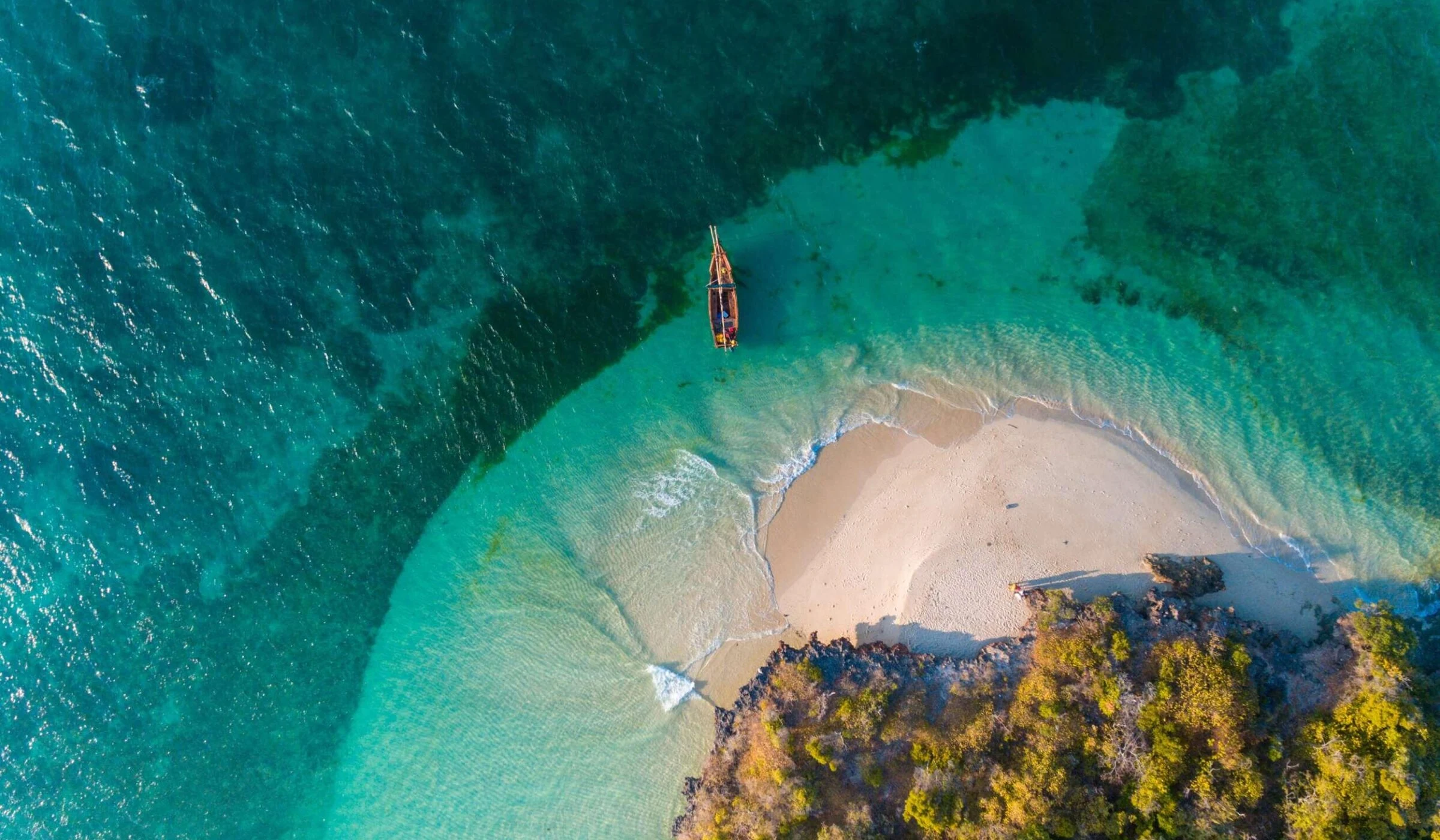
A dhow and sandbank day in Menai Bay. The south-west's signature outing: sail out on a traditional dhow, snorkel the reef, eat grilled fish on a sandbank that shows only around low tide (the times shift every day, so the boat runs to the tide table; see how Zanzibar's tides work), swim in a mangrove lagoon on the way home. For most people it is the best day on the water, and the branded versions and the independent ones follow much the same shape. → Sandbank and dhow day in Menai Bay · Kizimkazi
Chumbe Island. A small coral island south of Stone Town, run as a private nature reserve since the 1990s, with a reef that has had decades of protection and the fish density to show for it. Day visits are limited in number and must be booked ahead; the island also closes for part of the long rains. Snorkel the reef, walk the forest trail, climb the lighthouse. → Chumbe Island day
Kitesurfing at Paje. The east coast's long, shallow lagoon and steady seasonal winds have made Paje a popular place to learn, with a cluster of schools along the beach. The two wind seasons and their timing are on the → Zanzibar activity calendar. → Kitesurfing in Paje · Paje
Dolphins at Kizimkazi — usually a skip. Menai Bay holds resident Indo-Pacific bottlenose and Indian Ocean humpback dolphins; the bay's humpbacks are a very small group, about 63 animals in one study. The standard tour from Kizimkazi too often puts a crowd of boats on one pod, which stresses the animals and disappoints the people. Our verdict: choose the sandbank day instead, unless you go with a small, early, watch-from-the-boat trip — what that looks like is on its own page. → Dolphins at Kizimkazi — the responsible version
Forest, farm and island
A spice farm. Cloves, nutmeg, cinnamon bark, vanilla on the vine, lemongrass crushed in the hand: the farms of the interior are where the "Spice Island" name stops being marketing. Go with a guide who grows rather than performs, and let the tasting end with lunch. Half a day from Stone Town or the north coast. → Spice farm tour
Jozani Forest and the red colobus. Jozani-Chwaka Bay is the island's only national park and home to the Zanzibar red colobus, a monkey endemic to the archipelago. The troops near the entrance are used to people, so sightings are usual though never promised; the mangrove boardwalk beyond is quieter and worth the extra half hour. Entry fees apply, paid at the gate. → Jozani Forest and the red colobus
Prison Island. Changuu, 20 to 30 minutes by boat from Stone Town, was built as a prison that never held a single prisoner — it became a quarantine station instead — and is now visited for its Aldabra giant tortoises, some over a century old. Look, don't feed or sit on the tortoises, and keep your hands off their shells. Short, pleasant, and best folded into a Stone Town day. A marine conservation fee applies. → Prison Island and the giant tortoises
Town and table
Stone Town on foot. A labyrinth of coral-stone houses, carved doors and shaded lanes where African, Arab, Indian and European trade met for centuries. Walk it with a guide at least once — the former slave market and the cathedral built over it, the Old Fort, the market — then lose the guide and get lost on purpose. Ask before photographing people; in the market, expect a no. → Stone Town guided walk · Stone Town
Forodhani night market. Every evening the seafront gardens fill with grills: skewers, Zanzibar pizza, sugar-cane juice pressed with ginger and lime. Go for the atmosphere, eat what is cooked in front of you, and carry small notes. → Forodhani night market — how to do it well
A Swahili cooking afternoon. Shopping the market with a cook, then pilau, coconut curries and chapati in a home kitchen. A fine cultural half-day for anyone who would rather taste the story than be told it. → Swahili cooking class
Key facts
Snapshot: most options take a half or full day; the Mnemba snorkel and the Menai Bay sandbank day are the two full-day water outings; the Kizimkazi dolphin tour is the one to skip as usually run.
| Activity | Time needed | Best base | Fee note | Timing caveat |
|---|---|---|---|---|
| Snorkelling off Mnemba | Half to full day | North-east (Matemwe) or Nungwi | Marine conservation fee (Mnemba Special Area rate) | Go early; the atoll gets busy |
| Dhow and sandbank day, Menai Bay | Full day | South-west (Kizimkazi) or Stone Town | Marine conservation fee | Sandbank only around low tide |
| Chumbe Island | Full day | Stone Town | Marine conservation fee; book ahead | Closed for part of the long rains |
| Kitesurfing at Paje | Several days | Paje | School fees | Two wind seasons only |
| Spice farm | Half day | Stone Town or north coast | Usually in the tour price | Any time of year |
| Jozani Forest | Half day | South or east coast | Entry fee paid at the gate; sources differ on the amount | Monkeys usual, never promised |
| Prison Island | Half day | Stone Town | Marine conservation fee plus island entry | Fold into a Stone Town day |
| Stone Town walk | Half day | Stone Town | Guide fee | Early or late; midday is hot |
| Forodhani night market | Evening | Stone Town | Pay per dish | Evenings only |
| Swahili cooking class | Half day | Stone Town or the coast | Class fee | Starts with a market visit |
| Kizimkazi dolphins | Early morning | South (Kizimkazi) | Marine conservation fee | Usually a skip; avoid the long rains |
Best months for the water: the drier seasons (see the timing guide). Conservation fees: revised September 2025.
Planning it with Nobu
We would rather you did four of these well than all eleven badly. Island days are designed around where you are staying — a Mnemba morning from the north-east, a sandbank day from the south-west, Stone Town on the way in or out — so the car is not the main event. Where an activity is usually run badly, we say so, and we plan it only with an operator that follows the responsible rules, or we leave it off.
Is it right for you?
You want the beach to be the rest between things, not the whole holiday → build two or three outings into a week. Travelling with children → Jozani, the sandbank day and the spice farm are the reliable ones; Mnemba suits confident swimmers. Culture first → base yourself in Stone Town for two nights and do the walk, Forodhani and the cooking afternoon from there. Happy to do nothing at all → that is also a plan, and the island is good at it. Not for you if you have only two or three days → pick one water day plus Stone Town and leave the rest. Prone to seasickness → skip the full boat days at Mnemba and Menai Bay and keep to the land, the town and Prison Island's short crossing.
Journeys to consider
- Shores of Zanzibar — Stone Town, spice and the sea in one short island stay. → See the Shores of Zanzibar journey
- Southern Safari & Spice — a Tanzania safari with the island as its close. → See Southern Safari and Spice