 01
The herds, in season
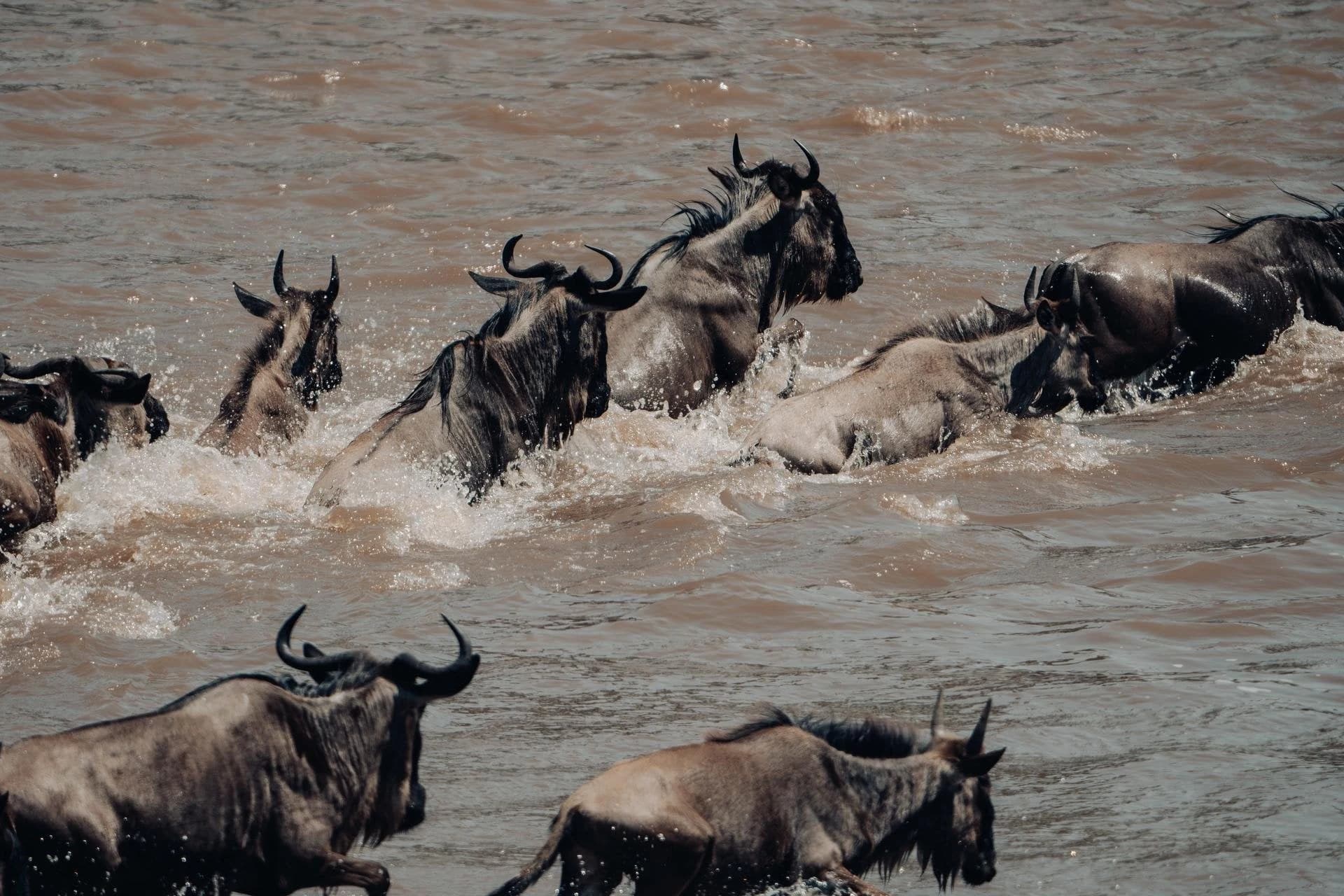
From July to October the herds are usually in the Mara. Crossings keep no timetable.
Safari / Kenya
A first safari that runs from the Mara’s open plains to the water’s edge.
The journey
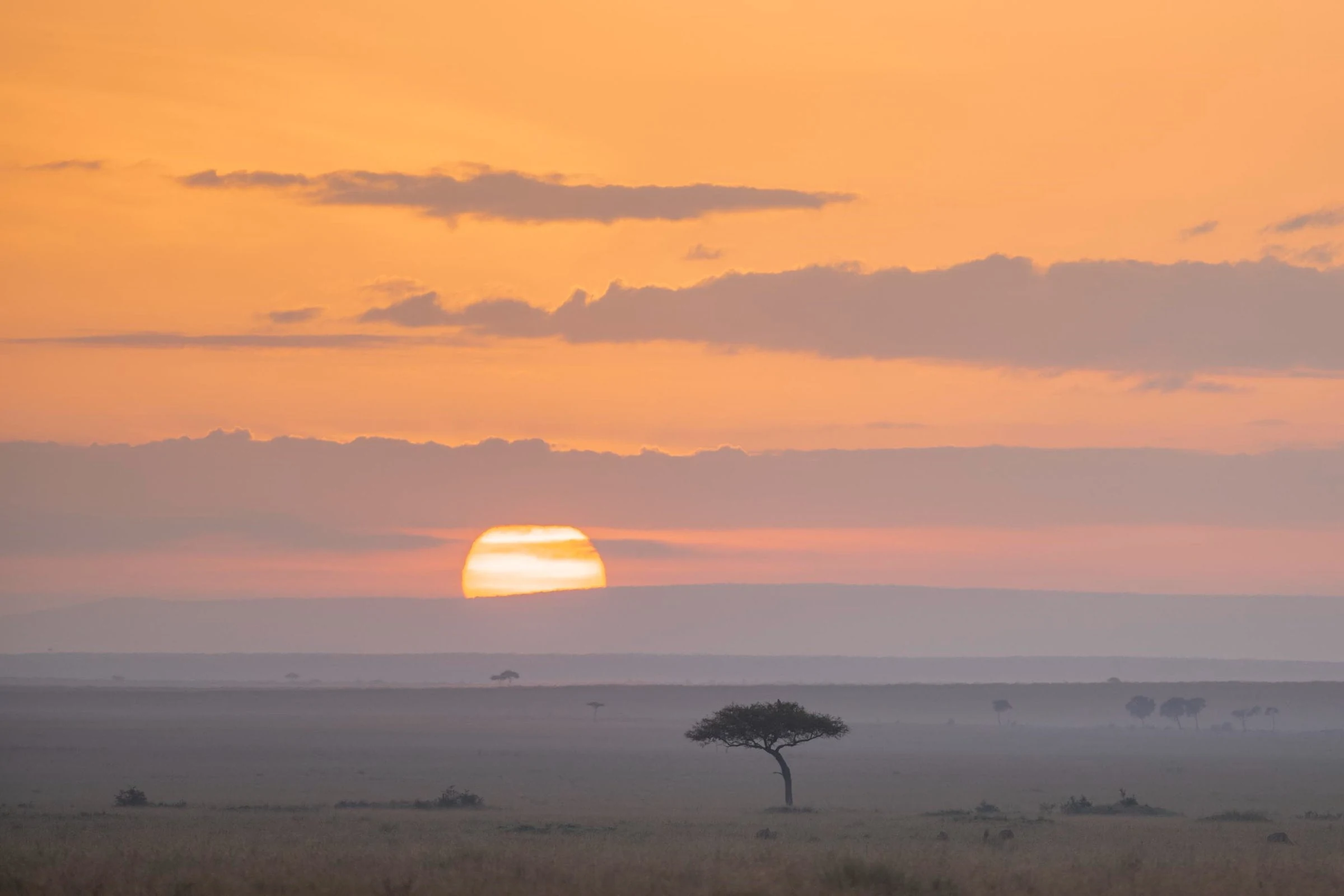
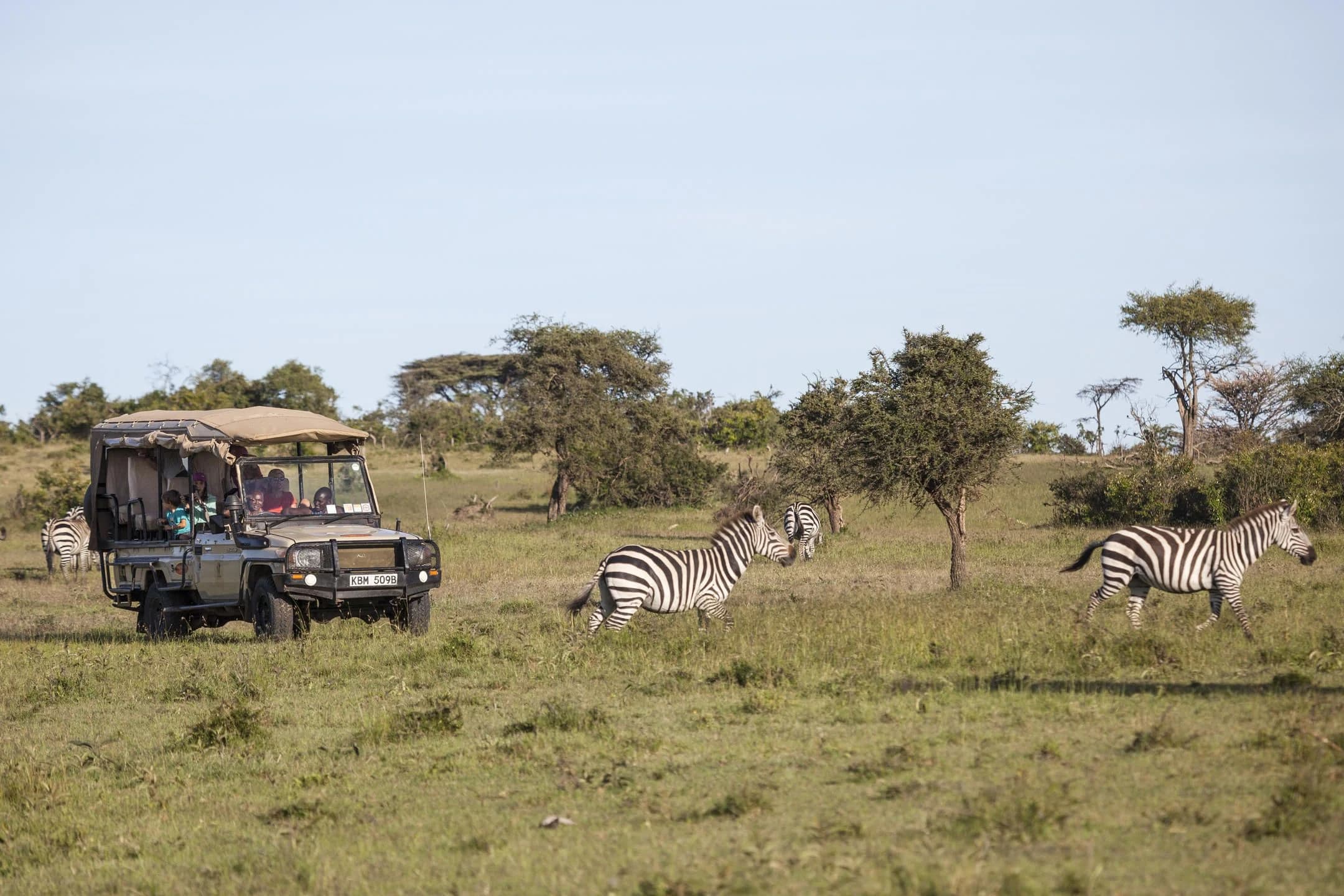
First the plains. The Maasai Mara opens wide and golden, the big cats at work in the early light.
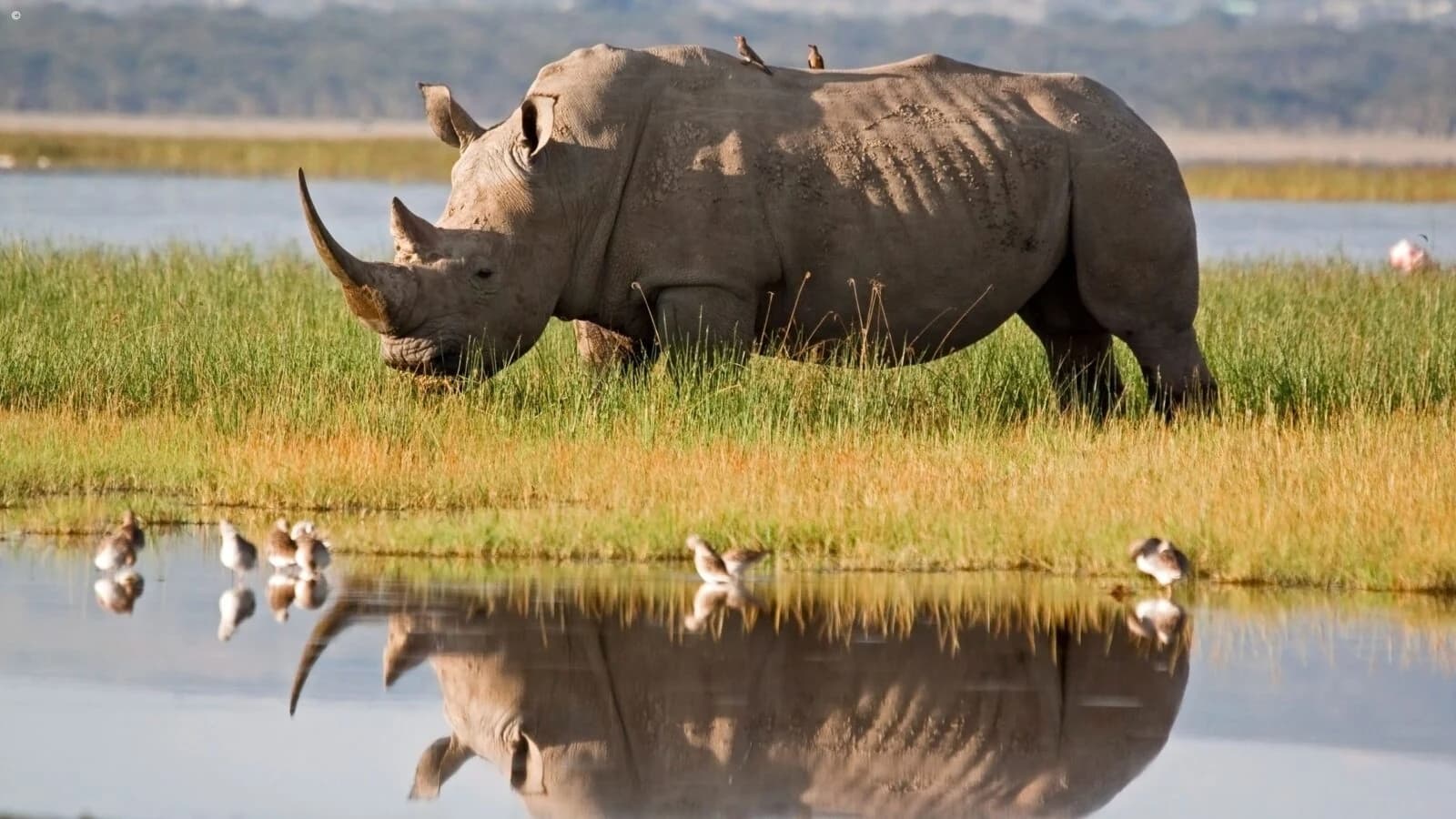
Then the road leaves the Mara for the Great Rift, and the country changes. Lake Nakuru is a soda lake where black and white rhino graze the grassland by the shore. Naivasha is fresh water, fringed with fever trees and loud with birds.
Mara & the Lakes suits a first safari: predators and plains, then rhino and open water, all in one week. The trade-off is one long road day. Nakuru’s flamingos are now few, so we plan around the rhino and treat any pink as a bonus.
Plains, then rift, then lake: three sides of Kenya, paced and shaped entirely on your terms.
Moments along the way
01From July to October the herds are usually in the Mara. Crossings keep no timetable.
Out before first light, as the lions finish the night’s work.
Black and white rhino graze the grassland by Nakuru, Kenya’s first government-run rhino sanctuary.
Pelicans along Nakuru’s shore; flamingos now come in small, unpredictable numbers.
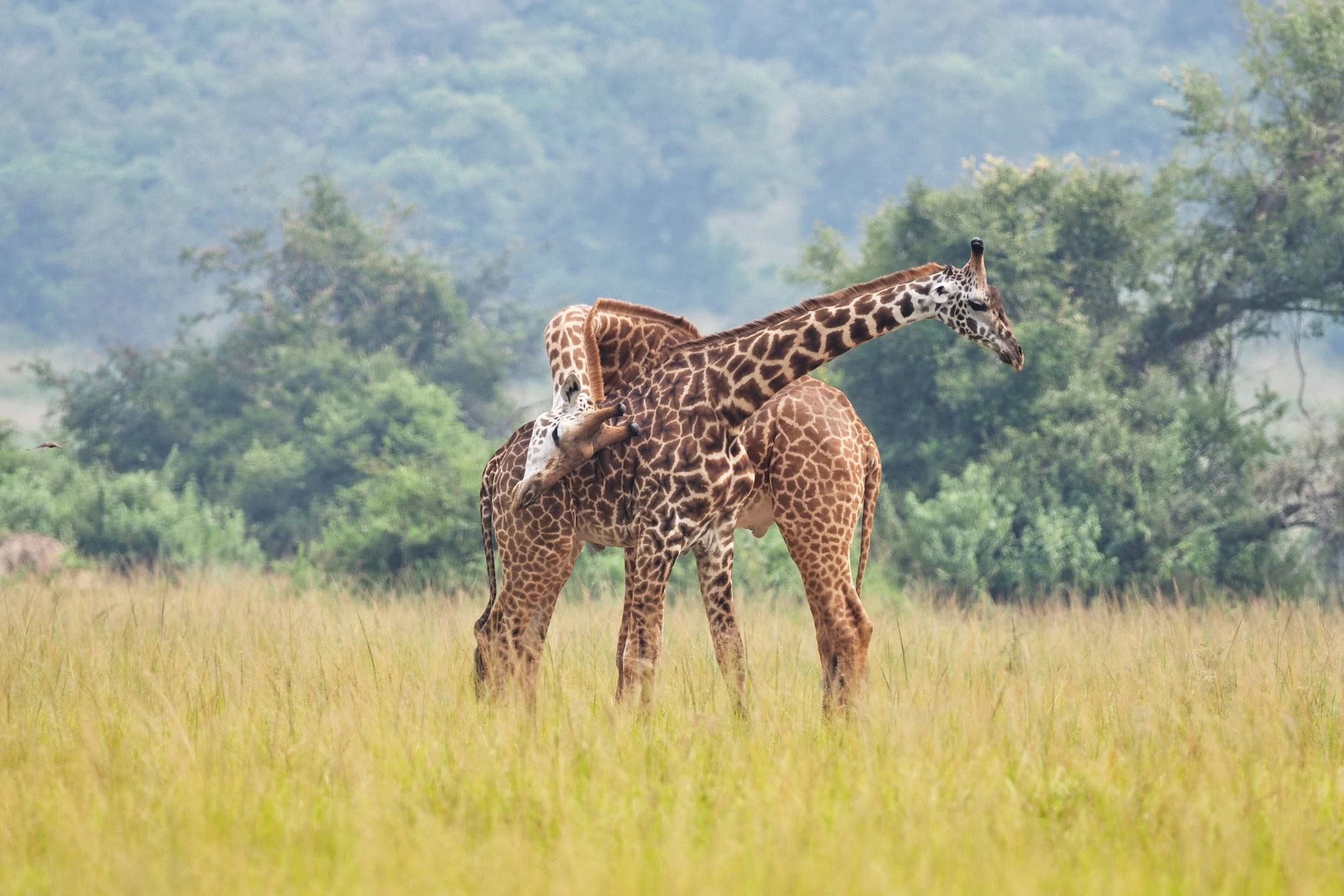 05
Walk Crescent Island with a guide among giraffe and zebra; there are no lions or leopards.
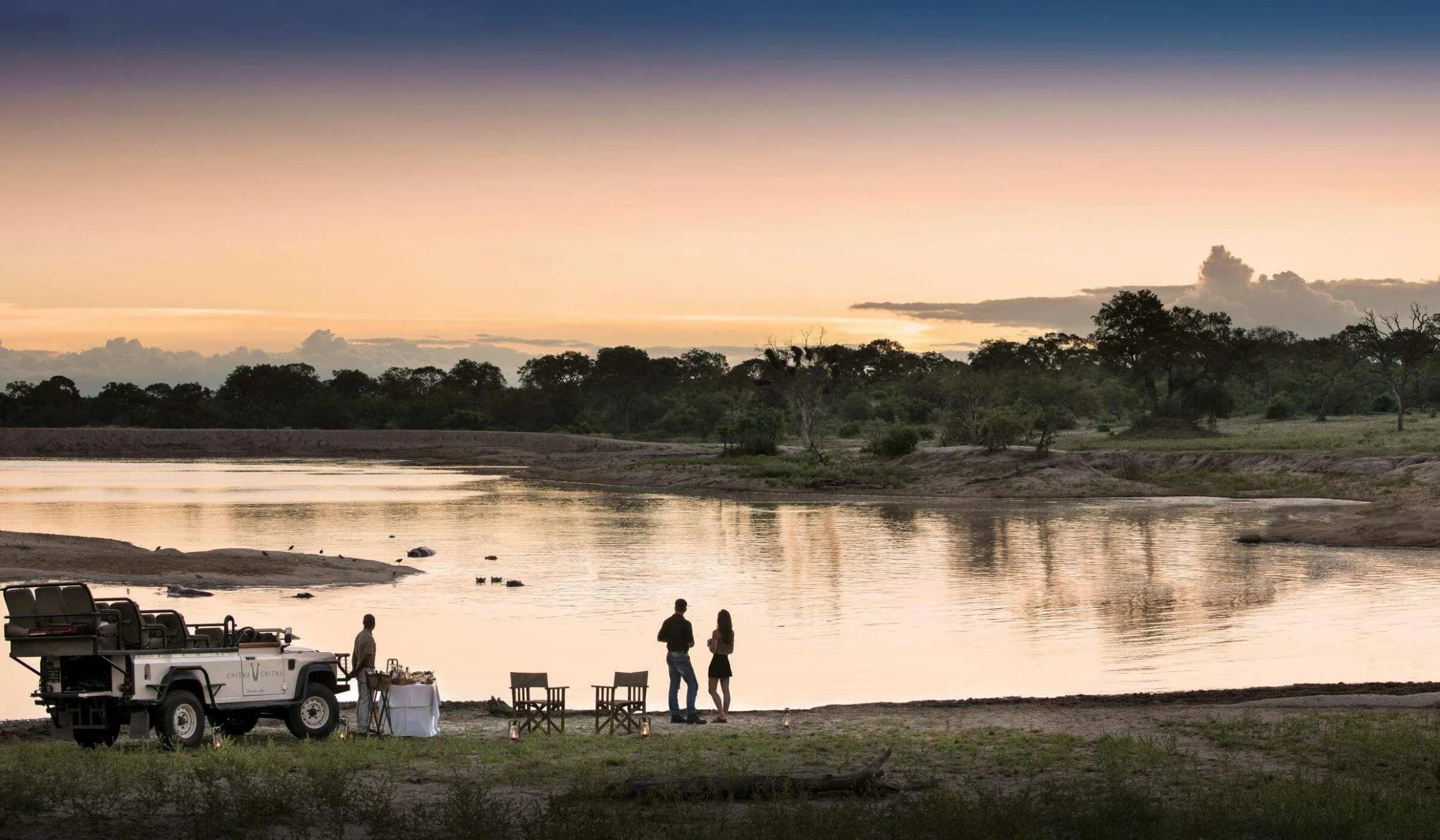
A boat across Naivasha among hippos and fish eagles as the day softens.
Where you’ll stay
From an intimate Essential camp in the Mara to a Private Collection lodge above the lakes, each stay is chosen for what it adds to the story. You choose the level, and we hold it all the way through.
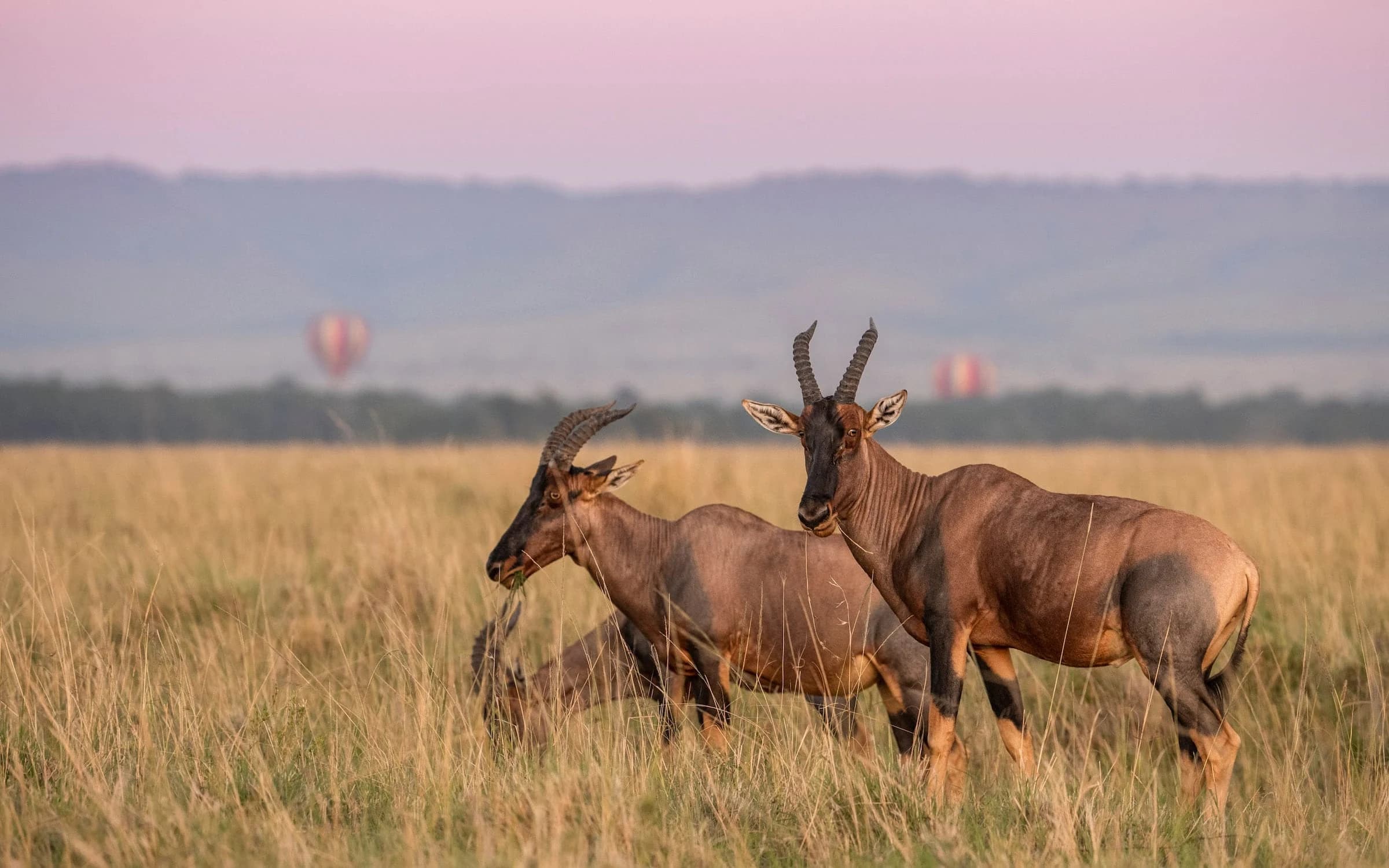
MAASAI MARA
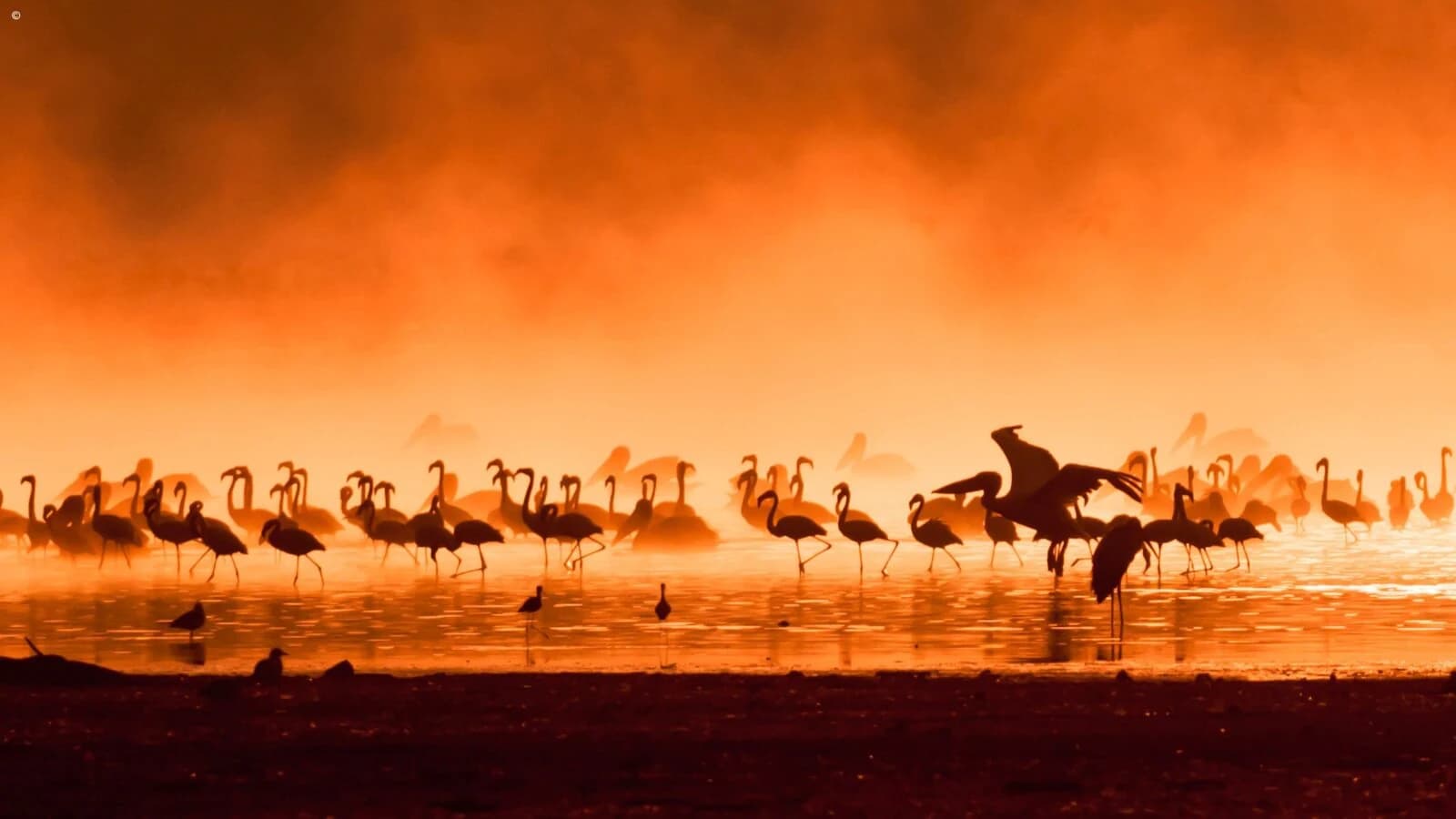
LAKE NAKURU
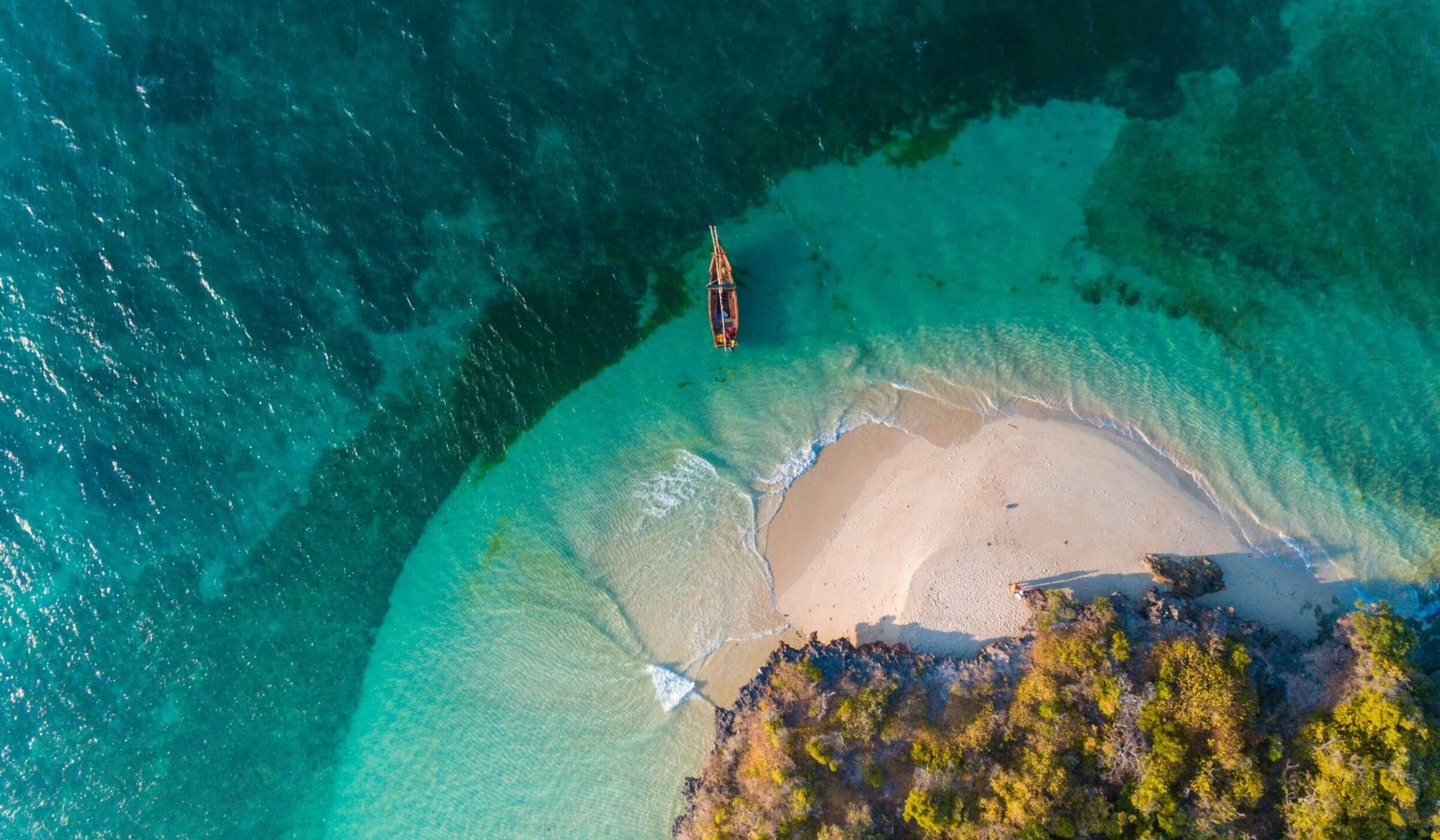
NAIVASHA SHORE
Your planner confirms each stay for your dates.
Add to your journey
Select an idea to carry into your brief. Nothing is added to a booking or priced automatically.
A route with room to breathe
Nairobi → Maasai Mara → Lake Nakuru → Lake Naivasha → Nairobi. One light-aircraft flight, then the road: no scheduled flight runs from the Mara to the lakes. Your proposal confirms exact times.
A sense of the days
From the air the plains spread out below you, and the drive from the airstrip to camp often becomes a first game drive. Settle in, have lunch and rest through the warm middle hours. In the late afternoon you head out again as the light turns gold, back in camp by early evening. On the afternoon flight, the drive to camp may be the day’s only game drive.
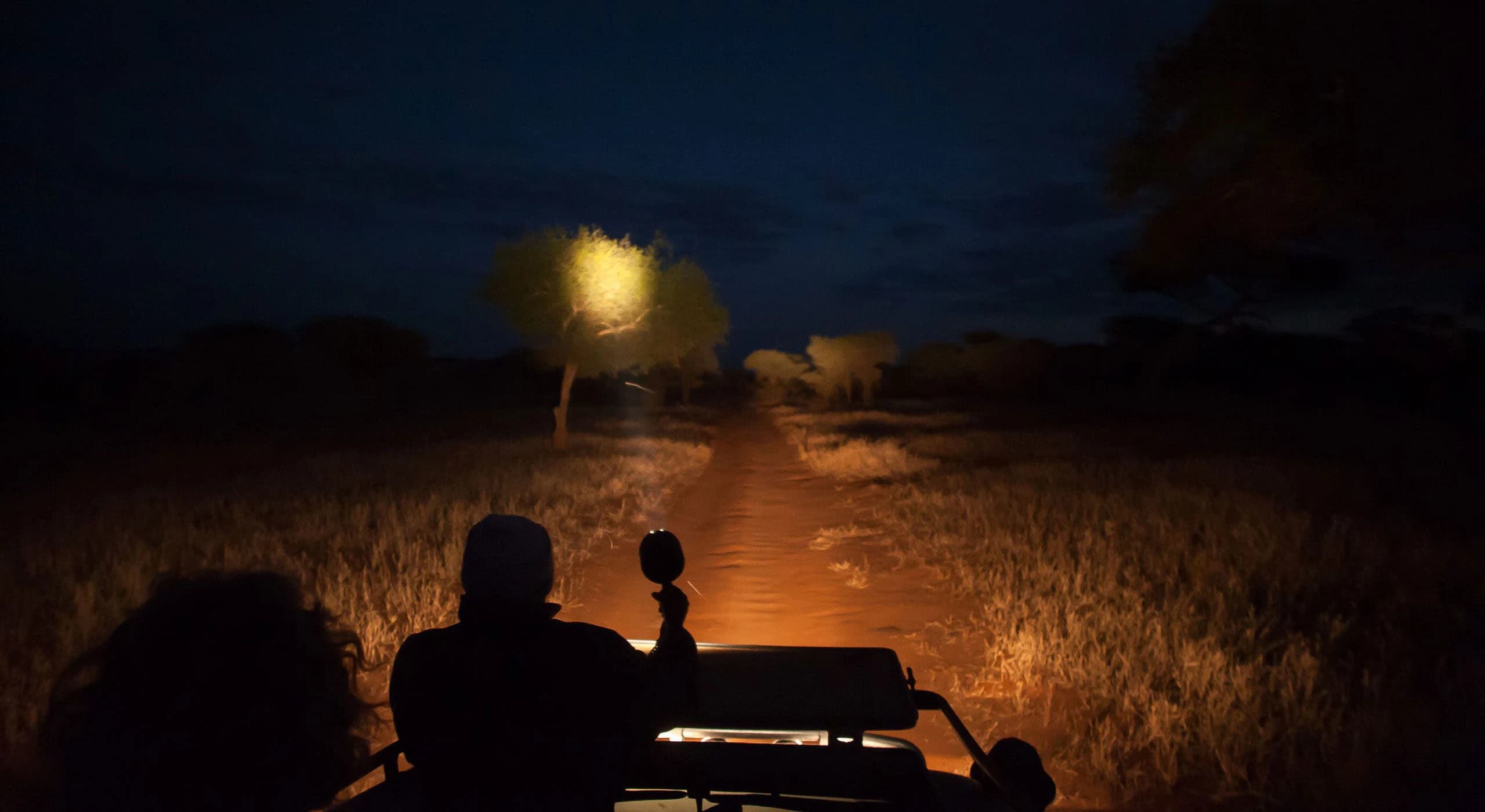
These are the unhurried days. Most begin with tea before dawn and a drive while the air is cool, then a picnic breakfast on the plains or a late one in camp. Afternoons are for rest before the second drive. Stay in a conservancy and you can usually add a guided walk, within age limits, or a night drive; the reserve keeps vehicles on tracks. Sightings are never fixed.
Leave after an early breakfast for the one long drive of the trip. Keep your seatbelt on throughout, especially on the rough road near the Mara, and say when you need a break: your guide sets the pace and the stops. You usually reach Nakuru in time for a first drive in the park that afternoon; a second night here adds a full day.
Now the pace eases. The drive on is shorter, so you can be at the lake for lunch. Choose one outing a day, on the water, on a guided walk or by bike, and keep the rest of the day free. Evenings can be cool, so pack a warm layer. Hippos come ashore to graze after dark, so follow the lodge’s rules on walking outside.
Take the morning slowly: a last boat trip while the birds are active, or an unhurried breakfast. When you leave depends on your flight, with time built in for slow traffic into Nairobi. An evening flight usually leaves the whole morning free; an earlier one means setting off soon after breakfast. Your guide drops you at the airport or your hotel.
Typically three or four nights in the Mara, one or two at Nakuru and two at Naivasha. We shape the split around you.
Clear from the beginning
Every journey is quoted in full, with no surprises.
Good to know
The Maasai Mara, in south-west Kenya, is the northern end of the Mara–Serengeti ecosystem and a stronghold for lion and leopard. East of it, the floor of the Great Rift Valley holds a chain of lakes. Lake Nakuru is an alkaline lake inside a fenced national park, Kenya’s first government-run rhino sanctuary, with black and white rhino. Lake Naivasha is fresh water, with hippos, boat trips and guided walks on Crescent Island. One flight and two road days link them over six to eight nights.
Before you go
Before your Lake Nakuru journeyBefore your Lake Naivasha journeyBefore your Hell's Gate journeyBefore your Kenya journeyVariety in one week. The Mara gives you big cats and open plains; Nakuru adds black and white rhino in a compact, fenced park; Naivasha adds water, hippos and time on foot. Three different Kenyas, linked by two road days.
The route gives you a fair chance, never a promise. Lion, leopard, elephant and buffalo live in the Mara, where rhino are scarce; Nakuru’s fenced park adds black and white rhino. Flamingos are another matter: Kenya Wildlife Service put Nakuru’s January 2025 count at about 500.
July to October if the migration matters most: the herds are usually in the Mara then, though crossings keep no timetable. January and February are drier and quieter. The lakes work all year; the long rains peak in April.
Six to eight. Three or four in the Mara, so one slow morning doesn’t cost you the cats; one or two at Nakuru; and two at Naivasha, with time for the boat, Crescent Island or Hell’s Gate, quoted as extras.
Five to six hours through Narok, and the first stretch out of the Mara is rough. To skip it, visit the lakes first and fly from Naivasha to the Mara: Safarilink runs that flight January to March, mid-June to October and late December, if four or more board at Naivasha.
Choose Into the Wild Mara if the migration is the whole point: more nights in the Mara and no drive to the lakes. Choose Kenya in Two Weeks if you have time for the north and Amboseli too. Choose this one for variety in a single week.
Read before you decide:
Last checked: October 2026.
When to go
A seasonal snapshot for the Mara and the Rift Valley lakes. Your camps and interests matter as much as the calendar.
Jul / A popular wildlife window
The Mara’s main dry season, and the herds usually arrive in July. It is the busiest time, and the reserve fee doubles from 1 July. The Naivasha–Mara flight runs again from mid-June.
Broad seasonal guidance — not a forecast, availability calendar or migration promise. Picking a month sets it in your plan.Related journeys
Travel with Nobu
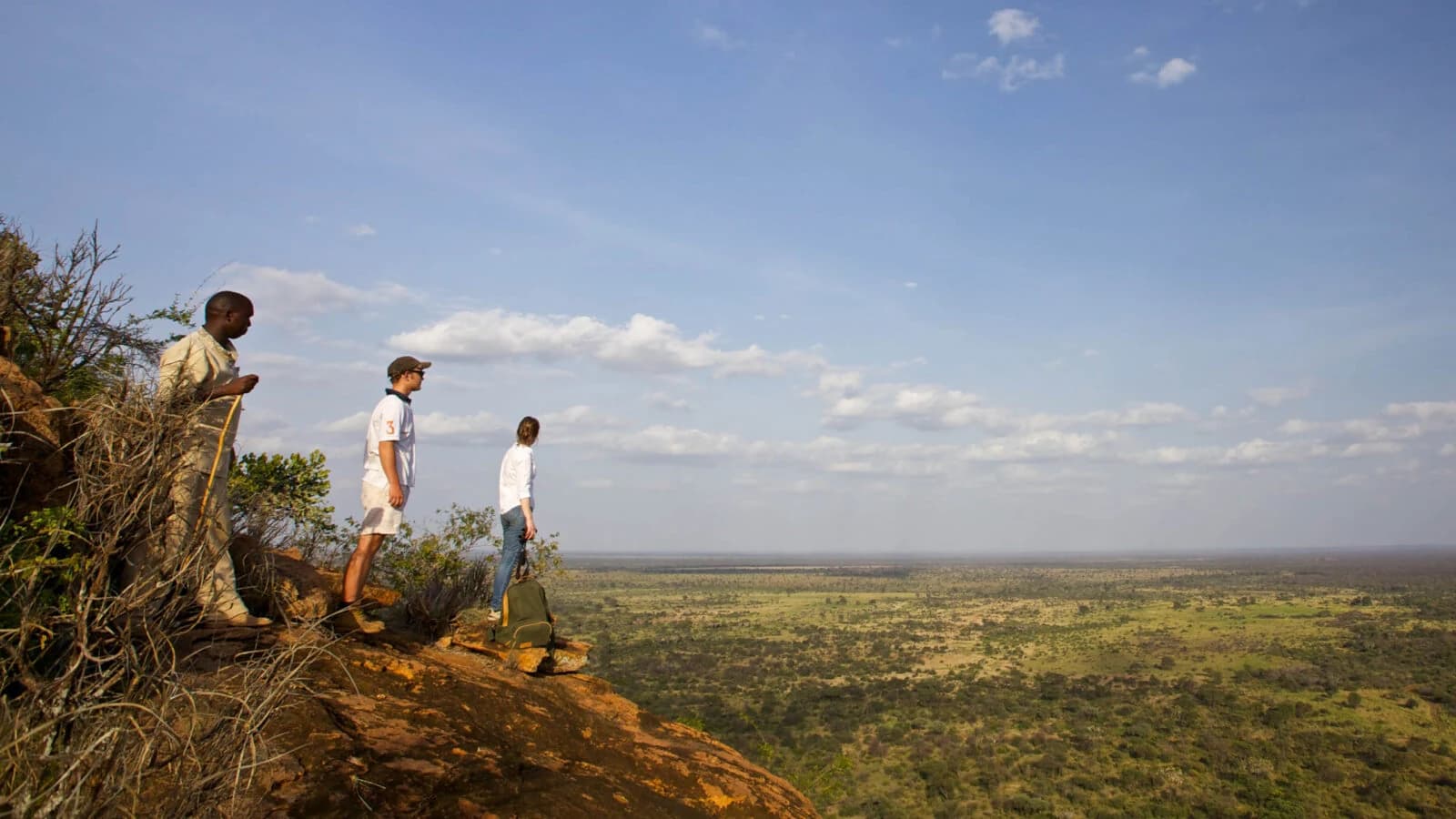
Based in Kenya, arranging journeys across East Africa.
Your guide and vehicle are arranged for the route you choose.
Help is a call or message away, day or night.
Your proposal sets out the agreed arrangements for your journey.