
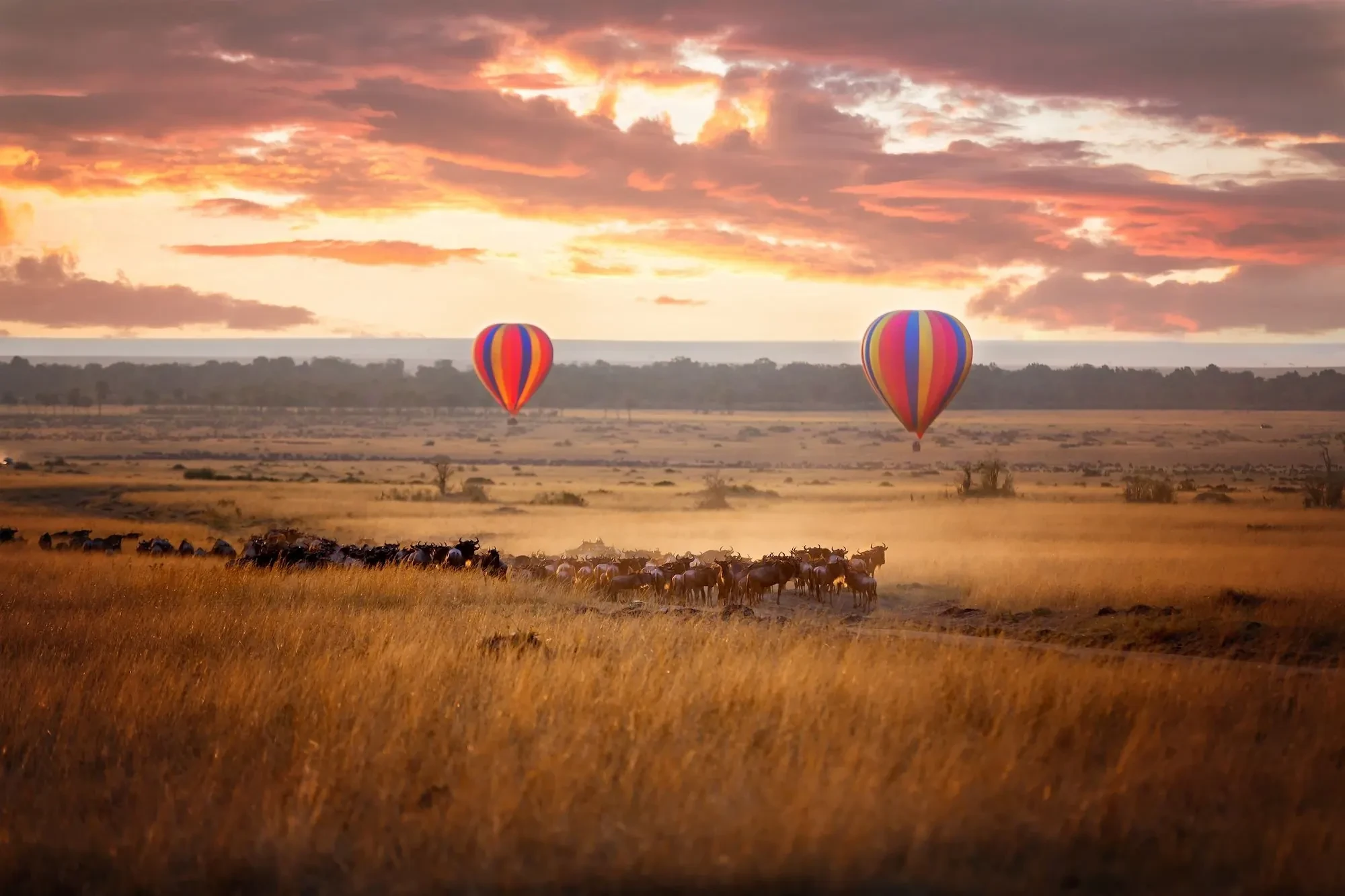
Signature journey · from 7 nights
Wild South Expedition
Wild South Expedition is a tailored Tanzania expedition through Nyerere National Park (the former Selous) and Ruaha, designed by Nobu around the individual traveller — boat, vehicle and walking safari across two of Africa's largest, least-visited wildernesses, available across comfort levels from Essential to Private Collection.
Narrative introduction
There is a Tanzania most travellers never reach. Far to the south, beyond the famous plains, lie two of the largest protected wildernesses left in Africa — and on most days you will have them almost entirely to yourself. This is safari stripped back to its oldest form: more space than you can hold, more silence than you expect, and the sense, rare now, of being somewhere genuinely unentered.
Wild South Expedition moves through Nyerere — the vast park carved from the old Selous — where the Rufiji River braids into a maze of channels and lakes, and where you trade the vehicle for a boat and drift past hippo, crocodile and elephant at the water's edge. Then west to Ruaha, the great dry-country wilderness of baobabs and rugged hills, home to some of the continent's largest lion prides and a meeting place of southern and eastern species found together almost nowhere else.
Here the days are set by the river and the light, not a timetable. You travel by boat, by vehicle and on foot with armed guides where the parks allow — into the story rather than past it. This is the wild south met deeply, slowly and entirely on your own terms.
Experience moments
- Drifting the Rufiji — Cut the engine on a channel at dusk and let the boat slide past hippo pods and elephants come to drink.
- On foot in big country — Step out of the vehicle with an armed guide and read the bush at walking pace, tracks and all.
- Ruaha's lion country — Move through baobab hills where some of Africa's largest prides hold the dry rivers.
- The wilderness to yourself — Spend a whole day without seeing another vehicle, only the land and what lives in it.
- A lunch where the view earns it — Stop where the land deserves it; let the afternoon stretch.
- Firelight and deep silence — End each day where the conversation slows and the sky fills with stars undimmed by anything.
How you'll travel
The south rewards camps that sit lightly on the land. From an intimate Essential tented camp on a river bend to a Private Collection retreat with a view down the Rufiji or out over Ruaha's hills, the wilderness is yours at the level that suits you. These are small, remote camps by design — few rooms, big horizons. Every stay is chosen for the story it adds, and for the wild it keeps at the door. Not just a bed, but a place in the picture.
Make it yours
Add a fly-camping night under the stars where the parks allow, or a longer walking leg with a specialist guide. Build in more time on the water, or more in Ruaha's lion country. Begin or end on the classic northern circuit for contrast, or let Zanzibar's reefs and white sand — a short hop from the south — finish the expedition by the sea.
The rhythm of the journey
- Fly south into Nyerere — A light-aircraft hop from Dar es Salaam or Zanzibar; settle into a riverside camp, an evening drive as the light turns gold.
- The river and its channels — Full days by boat and vehicle along the Rufiji at your own pace, with walking where the park allows. Long lunches, unhurried afternoons.
- West to Ruaha — A short flight to Ruaha's baobab country; trade the water for big dry-season lion territory.
- Deep in the wild — Days following the prides and the dry rivers, on foot and by vehicle, with the wilderness largely to yourself.
- A last morning — One more drive or boat before you fly out, or continue to the coast.
Most travellers spend 3–4 nights in Nyerere and 3 in Ruaha. We'll shape the exact rhythm around you.
What's included
Typically included: all park and conservation fees · expert driver-guide and walking/boat guides as routed · 4x4 safari vehicle and boat safaris · accommodation at your chosen tier · meals as specified per camp · internal light-aircraft flights and transfers as routed · drinking water and game activities.
Not included: international flights · visas and travel insurance · premium drinks · gratuities · optional add-ons (fly-camping, specialist guide). Every journey is quoted in full, with no surprises.
What it costs
Wild South Expedition is designed bespoke, so the price reflects your journey — not a fixed tier. Your quote is built from live rates, season, group size, routing, guiding, permits and accommodation tier. We'll give you a clear, all-in quote before you commit.
Tanzania's wild south, in context
Nyerere National Park, in southern Tanzania, was created from the northern part of the former Selous Game Reserve and is one of the largest national parks in Africa, defined by the Rufiji River and its network of channels and lakes — making it one of the few places where boat safaris are a central experience. Ruaha National Park, to the west, is Tanzania's largest national park, a dry, rugged baobab wilderness known for large lion prides and a crossover of southern and eastern African species. Both are reached primarily by light aircraft, often from Dar es Salaam or Zanzibar, and pair into a single expedition of around seven nights. The dry season (roughly June to October) concentrates wildlife at the water and offers the strongest game viewing. Far less visited than the northern circuit, the south rewards travellers who want space, water-based safari and walking. Nobu designs southern expeditions for returning safari-goers and adventurous first-timers alike.
Related journeys
- The Great Migration Circuit — pair the wild south with the Serengeti and the herds. → Explore
- Northern Crater Highlands — the classic northern first safari, for contrast. → Explore
- Southern Safari & Spice — finish the south on the white sand of Zanzibar. → Explore
Trust reinforcement
A KATO/TRA-registered operator with our own guides and 4x4 fleet, 24-hour on-safari support and financial protection on every journey. The detail handled quietly, so your expedition stays effortless even in the remotest country.
Common questions
- Drifting the Rufiji
- Cut the engine on a channel at dusk and let the boat slide past hippo pods and elephants come to drink.
- On foot in big country
- Step out of the vehicle with an armed guide and read the bush at walking pace, tracks and all.
- Ruaha's lion country
- Move through baobab hills where some of Africa's largest prides hold the dry rivers.
- The wilderness to yourself
- Spend a whole day without seeing another vehicle, only the land and what lives in it.
- A lunch where the view earns it
- Stop where the land deserves it; let the afternoon stretch.
- Firelight and deep silence
- End each day where the conversation slows and the sky fills with stars undimmed by anything.
- Fly south into Nyerere
- A light-aircraft hop from Dar es Salaam or Zanzibar; settle into a riverside camp, an evening drive as the light turns gold.
- The river and its channels
- Full days by boat and vehicle along the Rufiji at your own pace, with walking where the park allows. Long lunches, unhurried afternoons.
- West to Ruaha
- A short flight to Ruaha's baobab country; trade the water for big dry-season lion territory.
- Deep in the wild
- Days following the prides and the dry rivers, on foot and by vehicle, with the wilderness largely to yourself.
- A last morning
- One more drive or boat before you fly out, or continue to the coast.
- How is the south different from the northern circuit?
- It is far less visited, much more remote, and built around water and walking as much as game drives. You trade reliable crowds-and-Crater convenience for space, silence and a wilder rhythm.
- When is the best time for a southern safari?
- The dry season, roughly June to October, when wildlife concentrates along the Rufiji and Ruaha's rivers and the bush thins for easier sightings. Some southern camps close during the heaviest rains, around March to May.
- Can I do boat safaris and walking here?
- Yes — boat safaris on the Rufiji are a signature of Nyerere, and walking safaris with armed guides are offered where the parks allow. We build both into the journey.
- How many days do you need?
- Most travellers spend around seven nights — three to four in Nyerere and three in Ruaha — but we'll shape the length around your wider journey.
- Is it suitable for first-timers and families?
- It suits adventurous first-timers and works beautifully for returning safari-goers; for families we'll advise on camps and activities by age, as some walking and boat elements have minimum-age rules.
- The Great Migration Circuit
- pair the wild south with the Serengeti and the herds. → [Explore](/journeys/the-great-migration-circuit)
- Northern Crater Highlands
- the classic northern first safari, for contrast. → [Explore](/journeys/northern-crater-highlands)
- Southern Safari & Spice
- finish the south on the white sand of Zanzibar. → [Explore](/journeys/southern-safari-and-spice)
More journeys to start from
- from 7 nightsWolves & Wild HighlandsAn Ethiopia highland wildlife journey designed around you - Ethiopian wolves in Bale, geladas in the Simiens and Afroalpine wilderness. Your Africa, beautifully told.
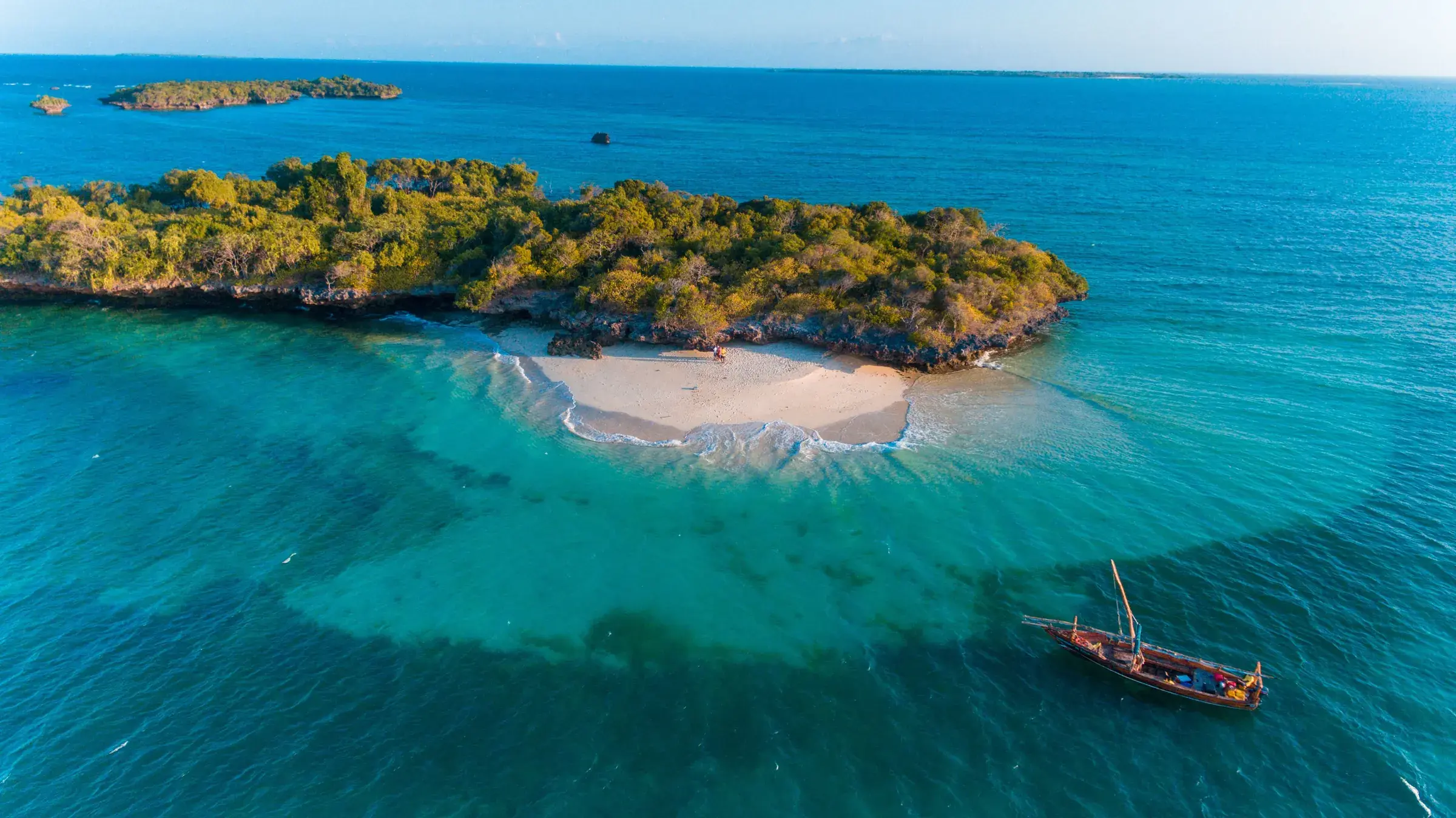 from 8 nightsBush & BeachA Kenya safari-and-beach journey designed around you — big-cat plains in the Mara or Amboseli, then the white sand and warm water of Diani or Watamu. The wild, then the ocean. Your Africa, beautifully told.
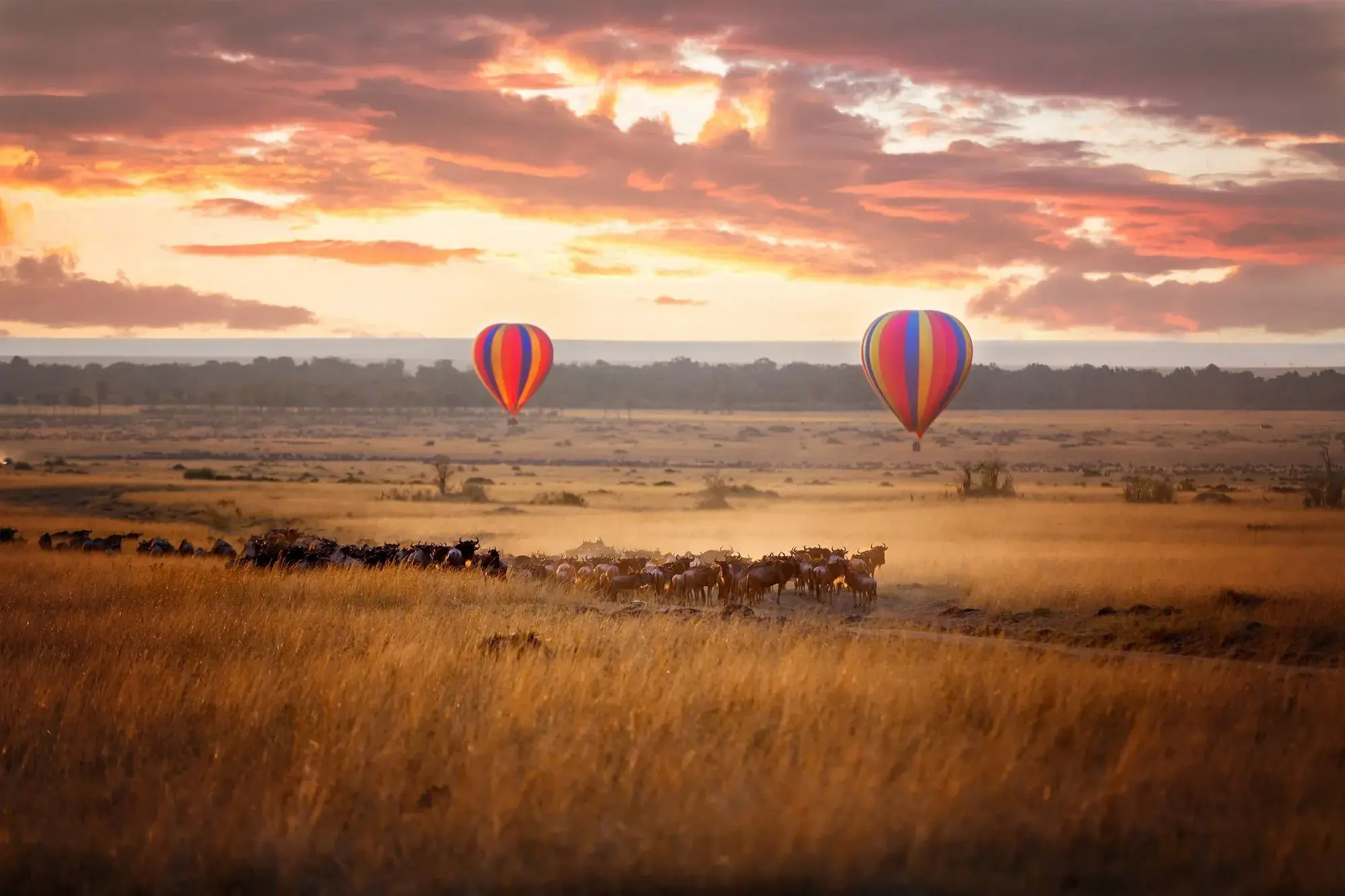 from 6 nightsCalving Plains SafariA southern Serengeti calving safari designed around you - newborn wildebeest, predator-rich plains and a Ngorongoro highlands close. Your Africa, beautifully told.